








In This Article (11 sections)
World of Tanks: HEAT Overview and Key Gameplay Direction
World of Tanks: HEAT represents a modern evolution of the long-running armored combat franchise, introducing faster-paced battles, enhanced customization systems, and a hybrid class structure built around Agents and advanced tank loadouts. Designed to appeal to both veteran tank commanders and new competitive shooter audiences, the game shifts the traditional World of Tanks formula into a more dynamic, hero-shooter-inspired battlefield experience.
World of Tanks: HEAT is a next-generation tactical tank shooter that expands the franchise beyond its traditional slow-paced, realism-focused combat. Instead of focusing purely on historical armored warfare, HEAT introduces a more arcade-competitive design philosophy built around speed, agility, and role-based combat. Players control heavily armed combat vehicles in 10v10 battles where strategy remains important, but moment-to-moment decision-making and positioning play a much larger role than in previous entries.
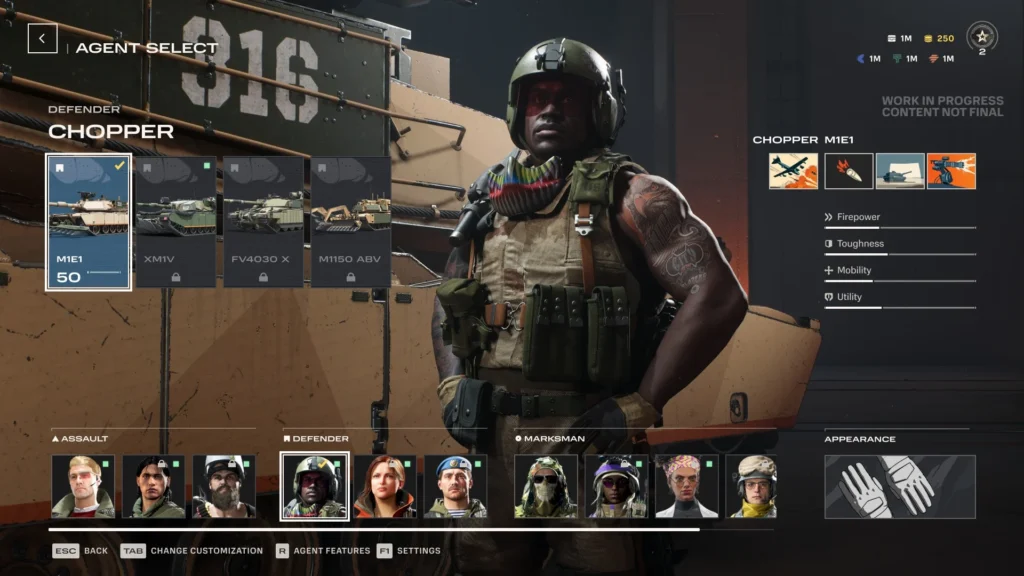
A key innovation is the integration of Agents, unique operator-style characters that influence tank performance through passive buffs and active abilities. This system transforms each vehicle into a hybrid of machine-based combat and specialist-driven gameplay. The overall goal of HEAT is to modernize tank combat for a new generation of players while maintaining the tactical depth that defined the franchise.
This breakdown covers the most important systems, mechanics, and innovations in World of Tanks: HEAT, with a focus on the top things players need to know about the game, while also exploring its gameplay structure, technical systems, and competitive strategy.
World of Tanks: HEAT Release Date, Platforms, and Progression Support
World of Tanks: HEAT is positioned as a cross-platform live-service title designed for PC and modern console ecosystems. While exact regional rollout timing may vary depending on publisher scheduling and testing phases, the game is expected to follow a phased global release approach similar to other major multiplayer titles.
Supported platforms typically include:
- PC through Windows-based systems.
- PlayStation 5.
- Xbox Series X|S.
The focus on current-generation hardware ensures stable performance for large-scale 10v10 battles, enhanced destruction physics, and high-fidelity visuals. A cloud-based progression system is also expected to support seamless account syncing across platforms, allowing players to continue their progression regardless of device.

World of Tanks: HEAT 10v10 PvP Gameplay and Agents System
At the core of World of Tanks: HEAT is its 10v10 multiplayer structure, designed to encourage fast engagements and coordinated team pushes. Unlike traditional large-scale battles in older tank games, HEAT reduces team size to emphasize faster combat pacing, more frequent encounters, clearer tactical roles for each player, and reduced downtime between engagements. Each match takes place on medium-sized maps where flanking, cover usage, and elevation control are critical, forcing players to constantly balance offense and defense while adapting to shifting frontline positions.
Combat is built around real-time aiming and ballistic prediction, modular tank damage systems, ability-driven engagements through Agents, and tactical repositioning rather than static sniping. Victory conditions vary depending on the game mode, but they generally revolve around eliminating enemy teams or completing control-based objectives. This structure makes each match feel more active and tactical, with individual positioning and team coordination playing major roles in overall success.
One of the most significant innovations in World of Tanks: HEAT is the Agents system. Each Agent represents a specialized commander who enhances tank performance and introduces unique tactical abilities. Agents typically influence gameplay through passive bonuses, such as improved reload speed or armor efficiency; active abilities, such as temporary shields, scan pulses, or mobility boosts; and team synergy effects when paired with compatible tank classes.
This system adds a hero-shooter layer to traditional armored combat, making each player’s role more distinct. For example, a reconnaissance Agent may increase spotting range and detection speed, an assault Agent may enhance damage output during close-range engagements, and a support Agent may provide repair boosts or defensive utilities. The introduction of Agents significantly increases strategic depth, as team composition becomes as important as mechanical skill. By combining tank selection with Agent abilities, World of Tanks: HEAT encourages players to think beyond raw firepower and build coordinated team strategies around complementary roles.

World of Tanks: HEAT Custom Tank Builds, Game Modes, and Battlefield Environments
Customization in World of Tanks: HEAT goes far beyond cosmetic changes, allowing players to modify tanks into highly specialized combat units. Key customization areas include weapon loadouts, such as high-damage or rapid-fire systems; armor configurations, including balanced setups or directional reinforcement; mobility upgrades that affect speed, acceleration, and turning radius; and utility modules such as radar, repair systems, and stealth enhancements.
This system allows players to create hybrid builds that support different playstyles, including aggressive frontline tanks, long-range support snipers, fast flanking scouts, and defensive zone control units. The customization framework ensures that no two tanks behave identically, even within the same class category, increasing replay value and strategic diversity.
World of Tanks: HEAT also features multiple competitive game modes designed to test different tactical skills. In Conquest Mode, teams capture and hold strategic points across the map, earning points over time and encouraging territorial control and map dominance. Control Mode focuses on sequential objective capture, requiring coordinated pushes and defensive holds where timing and rotation are critical. Kill Confirmed Mode is an elimination-based mode where destroyed enemies drop recoverable tokens that must be collected to score points, adding risk-reward mechanics to combat engagements.
Each mode emphasizes different aspects of gameplay, from positioning and aggression management to team coordination. Maps in World of Tanks: HEAT are designed with verticality, cover density, and tactical lanes in mind. Unlike older open-field designs, HEAT maps encourage dynamic movement and frequent engagements.
Common map features include:
- Urban combat zones with tight corridors.
- Open desert or tundra environments for long-range engagements.
- Industrial zones with destructible structures.
- Elevated terrain for sniper positioning.
Environmental design plays a critical role in determining match outcomes, as high-ground control and chokepoint management often decide victory.

World of Tanks: HEAT Cross-Platform Play, Free-to-Play Model, and Differences from Classic World of Tanks
Cross-platform functionality is a major feature of World of Tanks: HEAT, allowing players on PC and consoles to compete together in unified matchmaking pools. This system offers several key benefits, including a larger player base for faster matchmaking, a more balanced competitive ecosystem, and shared progression across devices.
Progression is expected to follow a seasonal structure, where players earn experience points, tank upgrades, Agent unlocks, and cosmetic rewards. This live-service model supports continuous content updates and long-term engagement, giving players reasons to return across multiple seasons.
World of Tanks: HEAT follows a free-to-play model, making it accessible to a wide audience without upfront purchase requirements. Monetization typically includes cosmetic skins for tanks and Agents, battle passes with seasonal rewards, optional premium currency for progression boosts, and cosmetic customization bundles. The system is designed to avoid pay-to-win mechanics by focusing paid content on visual and convenience-based upgrades rather than direct combat advantages.
World of Tanks: HEAT also introduces several key differences compared to the classic World of Tanks experience. These include faster 10v10 battles instead of larger-scale traditional matches, Agent-based abilities instead of pure vehicle-only gameplay, more arcade-style pacing instead of simulation-heavy mechanics, enhanced mobility and action-focused combat, and a greater emphasis on hero shooter-style roles. These changes aim to modernize the franchise while retaining its core identity of armored tactical warfare.
World of Tanks: HEAT Winning Strategies, Team Coordination, and Graphics Upgrades
Winning consistently in World of Tanks: HEAT requires a balance of mechanical skill and team coordination. Effective strategies include maintaining map control early in matches, coordinating Agent abilities for team synergy, avoiding isolated engagements, using terrain elevation for tactical advantage, and rotating quickly between objectives. Players who adapt their tank builds and Agent selection based on the game mode often gain a significant competitive edge.
Team coordination is one of the most important success factors in World of Tanks: HEAT. Because battles are smaller at 10v10, every player’s role becomes significantly more impactful. Teams that communicate effectively can execute synchronized attacks, control key map areas, counter enemy Agent abilities, and rotate efficiently between objectives. A lack of coordination often leads to quick map collapse, making teamwork essential for consistent victory.
World of Tanks: HEAT also utilizes a modernized game engine designed to support advanced lighting, physics, and destruction systems. Key visual upgrades include real-time lighting and shadow systems, enhanced explosion and particle effects, improved terrain deformation, and high-detail tank models with modular damage visualization. These enhancements improve immersion while also providing clearer combat readability during fast-paced battles.

World of Tanks: HEAT System Requirements and Future Updates
System requirements for World of Tanks: HEAT vary by platform, but PC specifications generally include a mid-range quad-core CPU, 8 GB of RAM, and a dedicated GPU with 4 GB of VRAM for minimum settings. For recommended performance, players are expected to need a modern 6–8 core CPU, 16 GB of RAM, and a high-end GPU for ultra settings.
Console versions are optimized for performance consistency, typically targeting stable frame rates and dynamic resolution scaling. This approach helps ensure that players on supported console hardware can experience smoother battles without needing manual graphics configuration.
As a live-service title, World of Tanks: HEAT is expected to receive continuous updates over time. These updates may include:
- New Agents with unique abilities.
- Additional tank classes and vehicles.
- Seasonal battle passes.
- New maps and environmental expansions.
- Balance updates for competitive integrity.
Long-term support will likely focus on maintaining meta diversity and competitive balance, ensuring that the game continues to evolve with new content and gameplay adjustments.
Frequently Asked Questions (FAQs)
- What is World of Tanks: HEAT?
World of Tanks: HEAT is a modern 10v10 tactical tank shooter that combines armored vehicle combat with Agent-based abilities. Unlike traditional tank battles that focus mostly on positioning and firepower, HEAT adds faster movement, special skills, and more team-focused action. - Is World of Tanks: HEAT free to play?
Yes, World of Tanks: HEAT follows a free-to-play model, meaning players can download and play the game without paying upfront. It also includes optional in-game purchases, which may involve cosmetics, upgrades, or other progression-related items depending on how the game’s system is structured. - What platforms is World of Tanks: HEAT available on?
World of Tanks: HEAT is designed for PC, PlayStation 5, and Xbox Series X|S. These platforms allow the game to support modern visuals, faster performance, and larger online matchmaking features suited for competitive multiplayer battles. - How does the Agents system work?
The Agents system gives each player access to unique passive bonuses and active abilities that improve tank performance in different ways. Passive bonuses may strengthen certain stats automatically, while active abilities can be used during battle to create tactical advantages, support teammates, or pressure enemies. - What makes HEAT different from World of Tanks?
HEAT is different because it focuses on faster, smaller-scale battles with hero-style abilities. While World of Tanks is more traditional and methodical, HEAT is built around quicker engagements, 10v10 matches, and Agent powers that make each tank role feel more distinct. - How many players are in a match?
Each match features 10 players on each team, making a total of 20 players. This smaller team size helps create faster matches where individual decisions, coordination, and tactical ability use can have a bigger impact on the outcome. - Are there different game modes?
Yes, World of Tanks: HEAT includes multiple game modes such as Conquest, Control, and Kill Confirmed. These modes offer different objectives, so players are not only focused on destroying enemy tanks but also on capturing zones, holding territory, or collecting confirmations from defeated opponents. - Can you customize tanks?
Yes, players can customize tanks through weapons, armor, mobility, and utility upgrades. This allows each tank to be adjusted for different playstyles, whether a player prefers heavier defense, faster movement, stronger firepower, or more supportive tactical tools. - Does the game support cross-platform play?
Yes, World of Tanks: HEAT supports cross-platform matchmaking and progression. This means players on supported platforms can play together, and progression may carry across platforms, making it easier to continue playing without being locked to one system. - Is skill more important than tank upgrades?
Yes, skill, teamwork, and strategy are more important than raw upgrades. While upgrades can improve performance, winning depends heavily on positioning, timing, communication, and using Agent abilities effectively during battle.

Conclusion
World of Tanks: HEAT represents a significant evolution in armored combat gaming, blending fast-paced 10v10 battles with hero-style Agent mechanics and deep customization systems. Its design focuses on accessibility, competitive depth, and modern live-service structure, making it one of the most ambitious entries in the franchise. By combining tactical gameplay with high-speed action, HEAT redefines what tank warfare can look like in a modern multiplayer environment.
Sources and Citations
- World of Tanks Official Website
https://worldoftanks.com - Wargaming Official Company Page
https://wargaming.com - PlayStation Official News & Game Listings
https://www.playstation.com - Xbox Official Game Platform
https://www.xbox.com - General industry preview coverage and publisher announcements on World of Tanks franchise updates
https://www.pcgamer.com
Recommended
- Star Wars: Galactic Racer Release Date Seemingly Leaks: Steam Listing Points to October 6, 2026 for the Year’s Most Anticipated Sci-Fi Racer
- How to Make a MetaHuman Talk: Ultimate Guide to Voice and Facial Animation
- Final Fantasy 14 8.0 Update Won’t Be Another “Rebirth” Like A Realm Reborn, Yoshi-P Says
- Stranger than Heaven – Official Combat Overview Trailer and Everything We Know (Story, Gameplay, Release Date & Updates)
- How to Make a City in Blender: A Step-by-Step Guide for 3D Environment Creation
- Assassin’s Creed TV Show Now Filming: 64 AD Time Period, Cast, Director, and Netflix Release Details
- How to Bake High Poly to Low Poly in Substance Painter: A Complete Workflow Guide
- New Spider-Man: Brand New Day Posters Released – Teaser Poster Details, Story Clues, Release Date and Fan Theories
- Hunter: The Reckoning – Deathwish Revealed at Xbox Partner Preview Showcase: Release Window, Story, Gameplay, and Platforms
- Sin & Siege, a New Heaven-Vs.-Hell Strategy Game, Revealed for PC



































































































