





In This Article (7 sections)
BioWare Closure: Why EA Cancelled Mass Effect 5 and Shut Down the Studio
Mass Effect 5 writers and other former BioWare developers are confronting the loss of a project that many players expected to mark the studio’s next chapter. On October 21, 2026, BioWare confirmed that it was closing and ending development of the next Mass Effect game. The announcement brought an abrupt conclusion to years of anticipation surrounding the science fiction RPG. Writer Catherynne M. Valente subsequently revealed that she had spent more than three years working on the project, adding a personal dimension to the cancellation.
Behind the limited public updates were writers, artists, and other developers creating stories and experiences that players may never encounter. The closure also raises questions about affected employees, Dragon Age, and the future of BioWare’s fictional universes.
EA’s stated explanation centres on changing its development priorities. In its October 21 announcement, the publisher said it had reviewed its business and would concentrate investment across fewer simultaneous large action adventure projects. It connected the decision to discontinue the next Mass Effect game with closing BioWare and its Edmonton workspace. The move followed commercial difficulties at the studio, including the performance of Dragon Age: The Veilguard. In January 2025, EA reported that the game had engaged approximately 1.5 million players during its launch quarter, almost 50% below expectations. That figure represents player engagement rather than a confirmed number of copies sold.
The closure also followed broader changes in EA’s ownership and business structure. EA’s $55 billion acquisition by a group including Saudi Arabia’s Public Investment Fund, Silver Lake, and Affinity Partners preceded the decision, while Associated Press reported the shutdown alongside wider job reductions at the publisher. These developments provide context for the restructuring, but they do not establish exactly how executives evaluated the next Mass Effect project. EA has not released a detailed internal assessment explaining the cancellation, and there is no verified basis for attributing the decision to one writer, a particular creative direction, or a disagreement among players.
BioWare’s official farewell statement was published on October 21, 2026. It confirmed that the studio was closing and that early development of the next Mass Effect project was ending. The statement emphasized the contributions of employees, the studio’s history, and the relationship between its games and their audiences. However, it did not provide a detailed explanation of the cancelled game’s budget, internal disagreements, completed features, or remaining development requirements. It also did not announce a sale of Mass Effect or Dragon Age, identify a replacement developer, or confirm whether unfinished scripts and other assets might eventually be reused.
The practical consequence is that the next Mass Effect project has been cancelled. Fans commonly referred to the game as Mass Effect 5 or Mass Effect 4, although these were widely used names rather than a final official title established in the closure announcement. Earlier teasers and development updates no longer represent a project moving toward release. Any future Mass Effect game would require a new development commitment from the franchise’s owner, and no such continuation was confirmed in the announcement.
Some information about the abandoned game emerged through developers responding to the closure. Cinematic supervisor Tony de Waal explained that the team wanted to expand player freedom and choice while remaining connected to the original trilogy. According to PC Gamer’s reporting, he also said the developers had considered what studios such as Larian and CD Projekt were achieving with their games. These comments offer insight into the intended creative direction but do not establish that every proposed feature had been implemented or tested. An unfinished project can contain extensive writing, developed concepts, and promising prototypes while remaining far from completion.
The project’s public history began on November 7, 2020, when Casey Hudson confirmed that a veteran BioWare team was imagining the next chapter of Mass Effect alongside the announcement of Mass Effect Legendary Edition. Hudson described the project as being in its early stages, and a teaser followed at The Game Awards in December 2020. In 2022, Mary DeMarle joined as senior narrative director, bringing experience from Eidos Montréal’s Deus Ex games and Marvel’s Guardians of the Galaxy.
Further updates confirmed that development was continuing, although the team remained relatively small. On January 29, 2025, BioWare said a core group was working on the next Mass Effect under leaders including Mike Gamble, Preston Watamaniuk, Derek Watts, and Parrish Ley. The studio explained that the project’s development stage did not require support from its entire workforce. On November 7, 2025, Gamble reaffirmed that the game remained in development and that the team was focused exclusively on Mass Effect, with substantial work still ahead on features and relationships.
The key milestones in the project’s history include:
- November 7, 2020: BioWare confirmed that a veteran team was developing ideas for the next Mass Effect game.
- December 2020: A teaser appeared at The Game Awards, generating anticipation for another entry.
- 2022: Mary DeMarle joined BioWare as senior narrative director.
- January 29, 2025: BioWare confirmed that a smaller core team was continuing development.
- November 7, 2025: Mike Gamble reaffirmed that the game remained in development.
- October 21, 2026: BioWare confirmed its closure and the cancellation of the next Mass Effect project.
The cancellation therefore ended almost six years of public anticipation, although that period should not be described as six years of full production. Official updates repeatedly characterized the project as being in early development, and the available information does not establish that a complete campaign, finished feature set, or imminent release existed.
The closure also forms part of a longer period of restructuring at BioWare. In August 2023, general manager Gary McKay announced the elimination of approximately 50 positions as part of a plan intended to preserve the studio’s future. Those departures affected experienced personnel, including longtime writer Lukas Kristjanson. Further changes followed Dragon Age: The Veilguard, with January 2025 reporting identifying writers and editors including Trick Weekes and Karin Weekes among those no longer working at BioWare. Contemporary coverage distinguished confirmed departures from uncertainty about the precise circumstances of every individual exit.
These earlier reductions affected the studio’s creative continuity. Writing teams carry knowledge not only of fictional histories but also of why earlier decisions were made, how characters developed, and which narrative approaches proved difficult to implement. New writers can bring valuable ideas, but maintaining an established fictional universe requires documentation, support, and collaboration. The earlier departures help explain how BioWare had become a smaller operation by 2026, without proving that the cancelled Mass Effect lacked capable developers or that poor writing caused its cancellation.
The final shutdown affected employees across multiple disciplines. Bloomberg figures reproduced by Gematsu placed EA’s wider reduction at approximately 400 positions, representing around 3% of its workforce, including roughly 50 people at BioWare. De Waal independently described himself as one of approximately 50 remaining BioWare employees who lost their jobs. EA said it would help affected workers explore other opportunities within the company, although that commitment did not guarantee another position for every displaced employee.
The consequences extend beyond the cancellation of one game. Writers, cinematic designers, artists, programmers, producers, and quality assurance specialists develop shared approaches through years of collaboration. Their knowledge includes documented procedures and experience gained while solving creative and technical problems together. Individual developers can bring those skills to other projects, but rebuilding an established team requires time. The closure therefore represents both the end of an anticipated RPG and the dispersal of the people responsible for developing it.
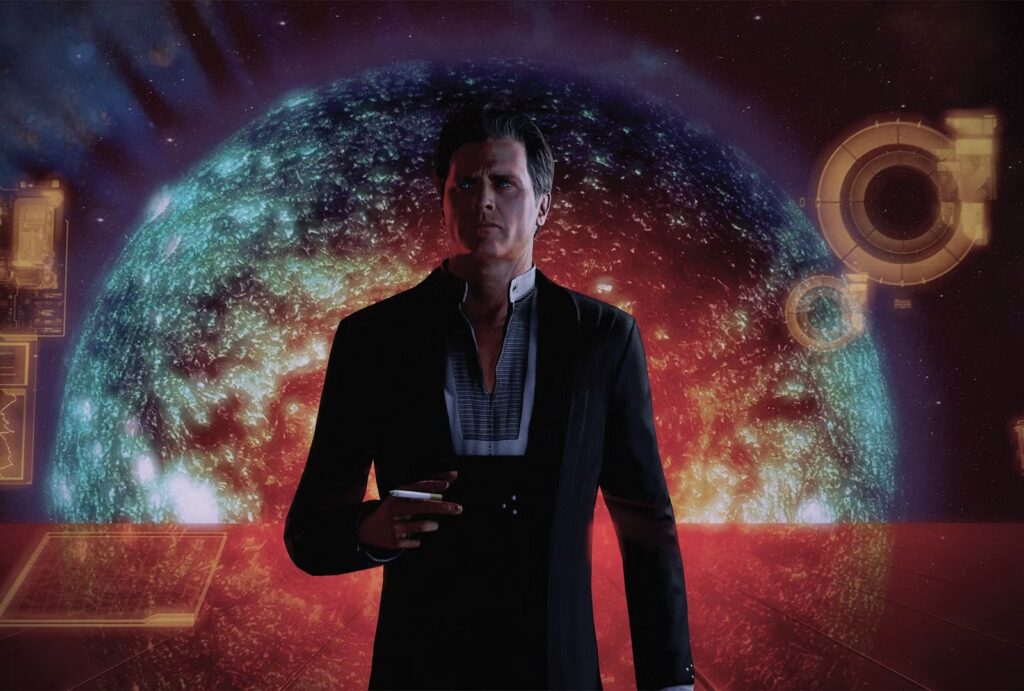
Mass Effect 5 Writers React: Catherynne M. Valente, Former Developers, and BioWare’s Storytelling Legacy
Catherynne M. Valente’s response provided one of the clearest firsthand accounts of the creative loss caused by Mass Effect 5’s cancellation. Following BioWare’s closure, she disclosed that she had spent more than three years as one of the project’s writers. She described the assignment as a major creative privilege and expressed devastation at its ending. Her comments revealed that she had contributed to the unfinished game beyond her previously known involvement with the Mass Effect franchise.
Valente’s established connection to the series is Mass Effect: Annihilation, an official novel published by Titan Books on November 6, 2018. The book expands the Mass Effect: Andromeda setting through the journey of the quarian ark Keelah Si’yah, a vessel carrying colonists from several species toward Andromeda. Its story follows a deadly outbreak threatening the passengers and explores biological and cultural differences within the franchise’s fictional universe.
The novel gave Valente an opportunity to develop alien perspectives beyond the familiar structure of a human led game campaign. Writing within an established setting requires understanding its central themes and history while identifying opportunities for original characters and conflicts. This background helps explain why her participation in the next Mass Effect attracted attention, although her novel and work on the cancelled game remain separate credits. Her involvement does not mean she wrote the original trilogy, contributed to the released Andromeda game, or that the cancelled project adapted Annihilation.
In her initial public disclosure, Valente said she now had permission to reveal that she had worked on the project for more than three years. She referred to it as MassEffect4 and described her distress at losing the game. In a subsequent message, she explained that earlier references to a secret project had concerned Mass Effect, describing the franchise as her favourite game and the opportunity to write for it as the fulfillment of a longstanding ambition.
Another message used the language of bereavement to communicate her feelings about the future she had imagined for the project. That comparison reflected her emotional response and should not be expanded into claims about internal production circumstances she did not disclose. Her statements confirmed her involvement and disappointment, but they did not identify every character she wrote, provide a complete plot summary, or establish how much of her work had entered a playable build.
Her reaction illustrates why a cancelled game can represent more than a missing product. Players primarily encounter announcements, trailers, and release dates, while writers may spend years creating characters, developing relationships, and revising scenes before the public sees any of that material. The closure ended that creative process without revealing much of the work that had been completed.
Other prominent former BioWare developers also responded. Casey Hudson, the studio’s former general manager and Mass Effect trilogy director, expressed sadness for affected colleagues and players who had been anticipating another adventure. His comments emphasized the people who would carry BioWare’s creative legacy into future projects. Tony de Waal similarly described the loss of the unfinished game and praised colleagues who remained with the team until the closure.
These responses reflect different professional perspectives. Valente spoke as a writer who had spent years developing narrative material, while Hudson addressed the studio’s history and the people behind its games. De Waal contributed the perspective of cinematic production and the ambitions of the remaining development team. Together, their accounts reveal the personal and professional consequences of cancellation without providing a complete explanation of EA’s business decision.
The loss carries particular weight because writing and character relationships have historically been central to Mass Effect’s appeal. The original trilogy allowed players to shape Commander Shepard and carry decisions between games, creating a sense that each version of the story reflected individual choices. EA’s presentation of Mass Effect Legendary Edition emphasized this continuity across the trilogy, including its relationships and consequences.
Much of the emotional impact came from companions whose personalities developed through conversations, disagreements, and shared experiences. Returning to the Normandy provided opportunities for quieter interactions between major missions, allowing players to develop attachments that influenced how they experienced the larger conflict.
Characters such as Garrus, Tali, Liara, and Wrex connected personal stories with wider themes involving institutions, displacement, scientific responsibility, and collective survival. Through these relationships, complex questions became understandable at an individual level. A conversation or disagreement could remain memorable long after a battle because the player had participated in a decision with emotional consequences.
This approach explains why Mass Effect inspired loyalty that extended beyond its release schedule. The franchise combined large science fiction conflicts with intimate character development, making the relationships between missions as important as the missions themselves. Fans awaiting another entry were therefore anticipating more than new locations or combat systems. They were hoping for another opportunity to inhabit a detailed fictional world and develop meaningful connections with its characters.
The achievement was also collaborative. Writing depended on voice performances, animation, music, editing, cinematics, and systems determining when scenes appeared. Dialogue became memorable because the rest of the game allowed players to experience its emotional consequences. The cancellation consequently affected a project whose creative ambitions depended on many disciplines working together.
BioWare’s broader influence on role playing games follows a similar pattern. The studio helped establish an approach to large RPGs built around a central adventure supported by companions with distinct histories, motivations, and personal conflicts. Its games encouraged players to express their protagonist’s identity through dialogue, relationships, and decisions rather than combat alone.
The studio’s impact also extended directly to other developers. Following the closure, CD Projekt joint CEO Michał Nowakowski described BioWare’s assistance during his company’s early history. That relationship included work involving localized Baldur’s Gate releases, technology used for the first Witcher game, and space at BioWare’s E3 booth. These examples demonstrate how BioWare contributed to the industry through professional support and technology as well as its own releases.
Its approach to storytelling also demonstrated the value of quieter scenes within large adventures. A conversation aboard a ship or at camp could change how a player understood a companion, complicate an objective, or give later events greater emotional significance. These ideas remain influential regardless of which studio applies them.
The closure does not mean BioWare’s narrative traditions disappear. Former employees can contribute their experience elsewhere, while existing games continue to demonstrate the studio’s approach to character driven storytelling. However, losing the original development organization creates uncertainty about whether future Mass Effect or Dragon Age projects could reproduce the same combination of creative knowledge, relationships, and production methods.
The studio’s history also shows that a fictional universe can retain an audience beyond the developers who originally created it. Players continue revisiting characters, discussing decisions, producing artwork, and sharing stories long after release. The emotional response to BioWare’s closure reflects that enduring connection, particularly because the next Mass Effect had remained a subject of anticipation for several years.
The most significant unanswered creative question concerns what the cancelled team had produced. Valente’s statements establish that substantial writing work took place, while de Waal’s comments reveal ambitions involving player freedom and connections to the original trilogy. However, neither account establishes a complete inventory of finished content, abandoned systems, or production milestones.
The available evidence therefore supports acknowledging the work and experiences of those involved without claiming to know how the unfinished game would have turned out. Developers’ confidence in their ideas deserves accurate reporting, but a cancelled project cannot be evaluated in the same way as a finished release.
What BioWare’s Shutdown Means for Mass Effect, Dragon Age, Employees, and the Future of the Franchises
BioWare’s closure leaves the future of Mass Effect uncertain, although the cancellation of the next game and the ownership of the wider franchise are separate matters. EA has ended the announced development effort, but the closure materials do not identify a replacement developer, revised production schedule, or plan to complete the unfinished project. There is also no confirmed announcement that Mass Effect or Dragon Age has been sold to another company.
A future Mass Effect game remains possible, but creating one would require new decisions about funding, development responsibility, and creative direction. EA could potentially commission another internal team, collaborate with an external studio, or consider a different commercial arrangement. These are possible routes rather than confirmed plans. The existence of unfinished scripts, concepts, or prototypes does not establish that any future developer will reuse them.
The Mass Effect television adaptation has a separate development history. The Verge updated its coverage of BioWare’s closure to note IGN’s report that Amazon’s Mass Effect series remained in development. That status concerns the television project specifically and does not reverse the cancellation of the game or establish a confirmed release date for the show.
BioWare’s November 2025 update had described the adaptation as a new story set after the original trilogy rather than a retelling of Commander Shepard’s journey. The studio also stated that it had collaborated with Amazon on the project. The television series therefore represents a separate possible continuation of the fictional universe, although its development status should not be treated as a guarantee that production and release will proceed without changes.
The current status of the franchise can be distinguished as follows:
- Next Mass Effect game: Officially cancelled following BioWare’s closure on October 21, 2026.
- BioWare studio: Closing, with its Edmonton workspace also affected.
- Replacement developer: No successor studio announced for the cancelled project.
- Unfinished game materials: No confirmed public release or reuse plan for scripts, concepts, or other assets.
- Mass Effect television series: Reported to remain in development at Amazon.
- Future Mass Effect games: No newly confirmed project or production schedule.
- Dragon Age franchise: Its original studio has closed, but no replacement developer or new game plan has been confirmed.
Dragon Age faces similar uncertainty because the studio responsible for creating and developing the franchise is closing. However, the October announcement specifically identified the next Mass Effect as the project whose development was ending. It did not separately announce the cancellation of a confirmed Dragon Age sequel.
Dragon Age: The Veilguard’s commercial performance remains relevant context. EA reported approximately 1.5 million engaged players during its launch quarter, nearly 50% below expectations. That disclosure established a shortfall against the publisher’s projections but did not provide a detailed explanation of which creative or commercial factors produced the result.
The franchise’s future would require decisions about development investment, creative leadership, and continuity. Dragon Age contains extensive fictional history, character relationships, and player dependent outcomes, creating opportunities for additional stories but also presenting challenges for any new development team.
A successor would need to determine which events to carry forward, how to introduce the world to new audiences, and how to preserve continuity for returning players. These challenges do not make another Dragon Age game impossible, but the existence of potential stories does not establish that a new production has been approved.
The same uncertainty applies to Mass Effect. The franchise’s established universe contains numerous possible directions, but the October 2026 announcement confirmed the end of the existing project rather than the beginning of another. Any future continuation would require formal decisions that have not yet been publicly established.
For employees, the consequences are more immediate. Contemporary reporting identified approximately 400 positions affected across EA, including around 50 at BioWare. These figures describe the reported restructuring rather than a complete public list of displaced workers. The company indicated that it would help affected employees explore other opportunities, while developers such as de Waal publicly described the experience of losing their positions.
Studio closures can have lasting effects on professional relationships and creative continuity. Teams accumulate knowledge about tools, characters, production challenges, and collaboration methods that cannot always be transferred through documents alone. When those teams disperse, individuals retain valuable experience, but rebuilding the same working environment becomes difficult.
The public response has reflected both concern for affected developers and disappointment over the loss of the anticipated Mass Effect game. Fans have expressed grief about BioWare’s disappearance, frustration with the cancellation, appreciation for earlier releases, and hopes that the franchises might eventually continue elsewhere.
The Mass Effect subreddit’s closure megathread provides an example of that response. Moderators indicated that they intended to keep the community active and continue N7 Day celebrations, while participants shared memories, expressed disappointment, and discussed possibilities for future development. These discussions illustrate the reactions of engaged community members but should not be treated as a representative survey of every Mass Effect player.
Some fans distinguish disappointment with recent BioWare releases from appreciation for the studio’s historical achievements. Others view the cancelled Mass Effect project as a lost opportunity to reconnect with the storytelling and companion relationships they valued in the original trilogy. These different reactions can coexist because attachment to a franchise does not require agreement about every creative decision or release.
Community activity can continue even without new games. Replays, fan fiction, artwork, discussions, and annual celebrations help maintain interest in Mass Effect and Dragon Age. However, those activities cannot replace the employment lost through the closure or complete an unfinished commercial project. They primarily preserve the fictional worlds and shared experiences that made the studio important to its audience.
The confirmed facts remain relatively clear. BioWare announced its closure on October 21, 2026, and development of the next Mass Effect ended. EA also identified the closure of the Edmonton workspace as part of its restructuring. Contemporary reporting placed the wider job reductions at approximately 400 positions, including roughly 50 at BioWare. Valente confirmed her writing involvement, while de Waal provided firsthand information about his experience on the remaining team.
Several questions remain unanswered. The public record does not establish how much of the game’s narrative had been completed, which systems were playable, whether significant portions of production were finished, or whether any material might eventually become public. No successor studio was identified, and no sale of Mass Effect or Dragon Age was announced.
There is also no verified basis for predicting how the cancelled game would have been received. Its developers described ambitions and meaningful creative work, but the project never reached the point where players could evaluate the completed experience. Assessing what might have happened requires acknowledging those limitations rather than treating unfinished plans as established features.
Ultimately, BioWare’s shutdown marks the end of a studio closely associated with character driven role playing games and the cancellation of a Mass Effect project anticipated since 2020. Its immediate effects include lost jobs, abandoned development work, and uncertainty surrounding two established franchises. While Mass Effect and Dragon Age may continue through future decisions by their owner, no replacement game production has been confirmed. BioWare’s existing games, creative influence, and communities remain part of its legacy, even as the future of its fictional universes becomes uncertain.
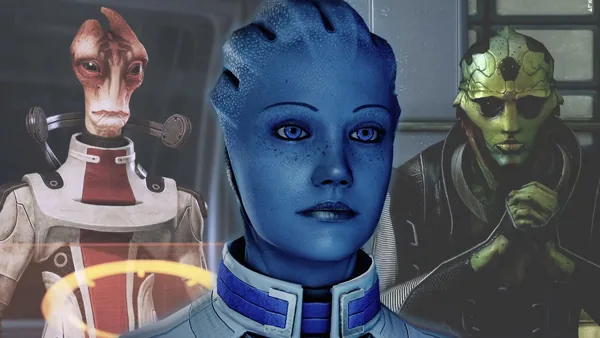
Frequently Asked Questions (FAQs)
- Has EA officially announced BioWare’s closure?
Yes. BioWare officially announced its closure on October 21, 2026, through a farewell statement published on its website. EA’s accompanying restructuring announcement also confirmed that the studio and its Edmonton workspace were closing. The decision was connected to the publisher’s plan to concentrate investment across fewer large action adventure projects. The closure is therefore established through official company communications rather than relying solely on reports from former employees or unnamed sources. - Is Mass Effect 5 cancelled?
Yes. BioWare confirmed that development of the next Mass Effect project had ended as part of the studio’s closure. The game was commonly referred to as Mass Effect 5 or Mass Effect 4, although those names were unofficial shorthand rather than a final title established in the closure announcement. No replacement development team, revised release schedule, or plan to continue the unfinished project was announced. A future Mass Effect game would require a separate production decision. - Did Catherynne M. Valente work on the cancelled game?
Yes. Catherynne M. Valente publicly confirmed that she spent more than three years working as one of the writers on the cancelled Mass Effect project. She revealed her involvement after BioWare announced its closure and described the opportunity as a major personal and creative achievement. However, her statements did not identify every character, mission, or storyline she contributed to. They confirm substantial writing involvement without establishing how much of that material had been implemented in the unfinished game. - Which Mass Effect book did Valente write?
Catherynne M. Valente wrote Mass Effect: Annihilation, an official novel published by Titan Books on November 6, 2018. The story takes place within the Mass Effect: Andromeda setting and follows a deadly outbreak aboard the quarian ark Keelah Si’yah, which carries colonists from several alien species. The novel explores a crisis involving the passengers and their biological and cultural differences. It is separate from Valente’s later work on the cancelled Mass Effect game, and her involvement does not establish that the sequel adapted the book. - How many jobs are affected?
Contemporary reporting placed EA’s wider job reductions at approximately 400 positions, including roughly 50 employees at BioWare. These numbers represent reported estimates rather than a complete official list of affected workers. Former cinematic supervisor Tony de Waal also described approximately 50 remaining BioWare employees losing their jobs. The October 2026 reductions should not be confused with the separate elimination of approximately 50 BioWare positions announced in August 2023. - When was the next Mass Effect first announced?
BioWare confirmed that a veteran team was working on ideas for the next Mass Effect game on November 7, 2020, alongside the announcement of Mass Effect Legendary Edition. A teaser followed at The Game Awards in December 2020, generating anticipation for another entry. Subsequent updates in 2025 confirmed that a smaller core team remained focused on development. However, the period between the original announcement and cancellation does not mean the game spent nearly six years in full production, as official updates repeatedly described it as being in early development. - Was the cancelled game nearly finished?
There is no verified evidence that the next Mass Effect game was nearly complete when BioWare closed. The official announcement described the project as being in early development, while former developers discussed ambitious ideas and substantial creative work. Those accounts indicate that meaningful progress had been made but do not establish a completed campaign, finalized feature set, or imminent release. Without detailed production information, it would be inaccurate to describe the game as almost finished. - Is Amazon’s Mass Effect television series cancelled?
No cancellation of the television adaptation was established in the reporting discussed here. The Verge updated its coverage of BioWare’s shutdown to cite IGN’s report that Amazon’s Mass Effect series remained in development. BioWare had previously described the adaptation as a new story set after the original trilogy rather than a direct retelling of Commander Shepard’s journey. However, the show’s reported continuation does not reverse the game cancellation or establish a confirmed television release date. - Has EA announced another developer for Mass Effect or Dragon Age?
No. EA did not announce a replacement developer for either franchise in the October 21 closure statements. The company confirmed that BioWare was closing and that development of the next Mass Effect had ended, but it did not identify another studio that would continue the project. Fans have discussed potential developers and possible ownership changes, although those ideas remain speculative without confirmation from the companies involved. Dragon Age’s future is similarly uncertain. - Does the closure mean the franchises can never return?
No. BioWare’s closure does not establish that Mass Effect or Dragon Age can never receive another game. The announcement confirmed the end of the studio and the cancellation of the current Mass Effect project, but it did not prohibit future development or announce that the franchises were being permanently retired. EA could make new decisions about development responsibility and investment later. However, no confirmed replacement production or continuation of the cancelled game had been announced as of October 22, 2026.
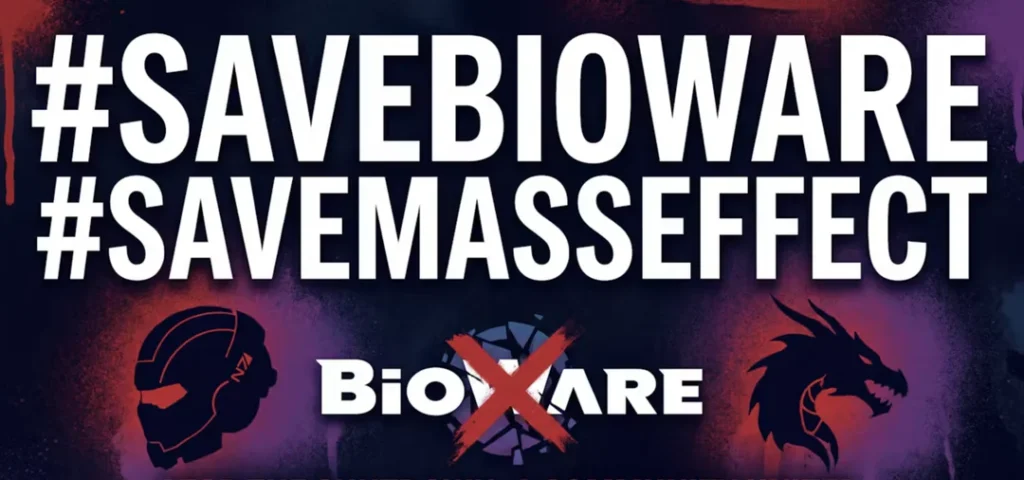
Conclusion
BioWare’s closure ends years of development and anticipation surrounding the next Mass Effect game. Catherynne M. Valente’s disclosure highlights the creative work lost through the cancellation, while responses from former developers emphasize the wider consequences, including job losses, disrupted collaborations, and unfinished projects.
Although Mass Effect and Dragon Age retain their established worlds and audiences, their futures remain uncertain. Any revival will require a new development commitment, while BioWare’s existing games continue to reflect the storytelling and creative influence that defined its legacy.
Sources and Citations
- Source: BioWare, October 21, 2026 Farewell Statement: BioWare’s official farewell confirms that the studio is closing and that early development on the next Mass Effect project is ending.
Citation: BioWare, “BioWare Update,” October 21, 2026. blog.bioware.com - Source: Electronic Arts, Building EA’s Next Chapter: EA’s corporate statement explains its restructuring, portfolio priorities, and decision to close BioWare and stop work on the early-stage Mass Effect project.
Citation: Electronic Arts, “Building EA’s Next Chapter,” October 21, 2026. ea.com - Source: Catherynne M. Valente’s Bluesky Statements: Valente publicly confirmed that she had spent more than three years writing for the cancelled Mass Effect project and expressed her devastation at its end. Her follow-up post describes the personal impact of losing the project.
Citation: Catherynne M. Valente, public Bluesky posts, October 21, 2026. Bluesky - Source: Titan Books, Mass Effect: Annihilation: Titan Books’ official listing confirms Catherynne M. Valente as the author of this official Mass Effect: Andromeda tie-in novel, including publication and edition details.
Citation: Titan Books, “Mass Effect: Annihilation,” published November 6, 2018. titanbooks.com - Source: BioWare, 2020, 2023, and 2025 Announcements: BioWare’s earlier posts trace the project from its 2020 pre-production reveal, through the 2023 studio reorganization and the 2025 update confirming that a veteran team was developing the next Mass Effect. Citation: BioWare, “BioWare Double Feature at The Game Awards” (December 10, 2020); “An Update on the State of BioWare” (August 23, 2023); “BioWare Studio Update” (January 29, 2025). 2020 announcement · 2023 update · 2025 update
- Source: Gematsu, EA Workforce Reductions and BioWare Closure: Gematsu reports on EA’s planned reduction of approximately 400 employees, including roughly 50 BioWare staff, and the cancellation of the next Mass Effect game.
Citation: Sal Romano, “Electronic Arts to lay off 400 staff, shut down BioWare [Update],” Gematsu, October 21, 2026. gematsu.com - Source: PC Gamer, BioWare Closure Coverage: PC Gamer covers the studio’s closure, the cancellation of the next Mass Effect, and the broader job cuts reported at EA.
Citation: Tyler Wilde, “RIP BioWare: EA has shut down the legendary RPG developer,” PC Gamer, October 21, 2026. pcgamer.com - Source: The Verge, EA Is Shutting Down BioWare: The Verge reports on BioWare’s closure, EA’s restructuring and layoffs, and the continuing development status of Amazon’s planned Mass Effect television adaptation.
Citation: The Verge, “EA is shutting down BioWare,” October 21, 2026. theverge.com
Recommendations
- Starbreeze revenue rises 19% to $24.5m in 2025: PAYDAY 2 vs PAYDAY 3, Baxter write-down, and what’s next
- Star Wars Zero Company Began as a Titanfall Tactics Game Pitch
- How to Simulate Muscles in Houdini 21: Otis Workflow, Setup, and Tips
- Noah Wyle Explains Supriya Ganesh’s Exit From The Pitt: “Emergency Rooms Have a High Revolving Door”
- Chainsaw Man – The Movie: Reze Arc Finally Has a Streaming Release Date When It’s Coming to Crunchyroll
- WheelMates PC Launch: Release Date, Two-Player Co-Op, Friend’s Pass, and RC-Car Gameplay
- The Adventures of Elliot: The Millennium Tales – All Weapon Locations and Upgrades Guide
- Why Kingdom Hearts III Still Costs $59.99 Digitally While Physical Copies Sell for Under $20
- Hayden Panettiere Dies at 36: Remembering Her Gaming Legacy
- Assassin’s Creed 4: Black Flag Almost Had an Entirely Different Version of Blackbeard’s Dying Words (Original Line, Cut Dialogue, and Why It Changed)



































































































