







The backlash surrounding the Overwatch 10th Anniversary celebration became one of the most discussed controversies in the live-service gaming community. Developed by Blizzard Entertainment, the event was intended to celebrate a decade of the hero-shooter franchise Overwatch and reward long-term players with themed cosmetics, loot boxes, and limited-time challenges.
However, instead of being received as a celebratory milestone, the event sparked widespread criticism from players regarding reward structure, progression pacing, and regional inconsistencies. The situation escalated quickly across community forums, leading Blizzard Entertainment to issue clarifications and adjustments in response.
At its core, the controversy centered on perceived value. Players argued that the anniversary rewards did not match the effort required to earn them, while others pointed to changes in loot box systems that made progression feel less rewarding compared to previous events. Blizzard’s eventual response attempted to balance player satisfaction with long-term monetization and game design sustainability.
In This Article (18 sections)
Why Players Are Upset About the Overwatch 10Th Anniversary Event Rewards
The primary frustration among players stemmed from the perceived downgrade in reward quality. Many expected the 10th Anniversary event to deliver some of the most generous cosmetic drops in the game’s history, especially given its symbolic importance.
Instead, players reported that rewards felt recycled, limited in novelty, or locked behind extended playtime requirements. This created a disconnect between expectations and actual in-game offerings.
Another major issue was the pacing of unlocks. Players noted that earning meaningful rewards required significantly more matches than previous anniversary events. For a game built around fast-paced engagement loops, this felt like an intentional slowdown of progression.
Additionally, long-time fans expected exclusive skins or legacy content celebrating the full history of Overwatch, but instead felt that the event relied heavily on reissued cosmetics and incremental additions rather than major celebratory content drops.
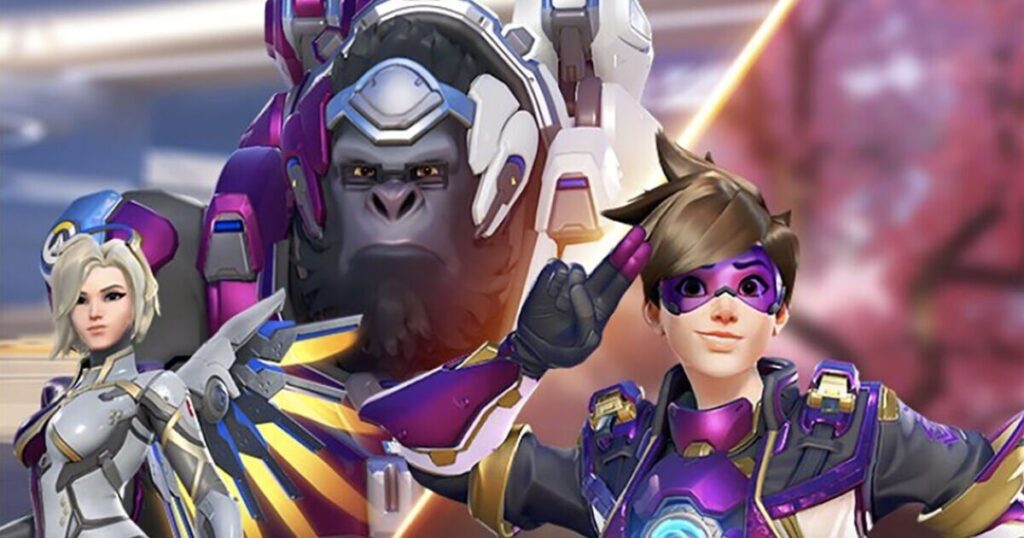
Overwatch 10Th Anniversary Loot Boxes Controversy and Player Complaints
Loot boxes have always been a sensitive topic within the Overwatch ecosystem, but the anniversary event reignited debate over their fairness and accessibility.
Players reported that loot box drop rates felt less rewarding compared to earlier event cycles. While Blizzard maintained that reward systems were balanced, community feedback suggested that the perceived value of each box had decreased.
Some of the most common complaints included:
- Reduced frequency of high-tier cosmetic drops
- Repetition of older skins instead of new anniversary exclusives
- Limited ability to target specific rewards
- Increased reliance on random chance rather than guaranteed progression
The controversy intensified because anniversary events are traditionally seen as celebratory moments where players expect improved reward generosity, not stricter RNG constraints.
This disconnect led many players to question whether the loot box system had been adjusted to encourage longer engagement rather than faster reward acquisition.
Blizzard’s Official Response to Overwatch Anniversary Event Criticism
In response to mounting criticism, Blizzard Entertainment acknowledged player concerns and issued statements addressing reward structure and event pacing.
The company clarified that the anniversary event was designed to reflect both nostalgia and progression balance, not necessarily to provide unrestricted reward inflation. According to Blizzard, the goal was to maintain long-term engagement while still honoring the game’s legacy.
Blizzard also emphasized that loot box systems were operating as intended and that drop rates had not been secretly reduced. However, they did admit that player perception of value was important and warranted adjustments.
Key points from Blizzard’s response included:
- Commitment to reviewing reward pacing
- Adjustments to challenge difficulty thresholds
- Consideration of player feedback for future seasonal events
- Reinforcement that loot systems remain transparent and consistent
While the response did not immediately resolve all concerns, it did signal a willingness to iterate based on community feedback.

What Went Wrong with the Overwatch 10Th Anniversary Celebration
The core issue with the anniversary celebration was not necessarily the absence of content, but rather the mismatch between expectation and execution.
Several contributing factors led to dissatisfaction:
- Expectation Gap Players expected a major milestone celebration with significant rewards and exclusive content.
- Progression Friction Unlocking rewards required more time investment than anticipated.
- Content Recycling A portion of rewards appeared to be reused assets from previous events.
- Communication Issues Players felt that event details were not clearly explained prior to launch.
These factors combined to create a perception that the anniversary event did not meaningfully differentiate itself from standard seasonal events.
In live-service games like Overwatch, perception is often as important as actual content volume. Even well-designed systems can fail if players feel disengaged or undervalued.
Overwatch 10Th Anniversary Event Grind Requirements Explained
One of the most debated aspects of the event was the grind requirement for unlocking rewards.
Players had to complete a significant number of matches to earn loot boxes and cosmetic tiers. While the exact structure varied depending on gameplay mode and challenge participation, the general sentiment was that progression was slower than expected.
Typical requirements included:
- Multiple match completions for each loot box milestone
- Additional conditions for bonus rewards
- Time-gated progression tied to daily or weekly play
- Limited shortcut mechanisms for casual players
This structure disproportionately affected casual players, who felt unable to keep up with the reward schedule within the event timeframe.
Competitive players, while more engaged, also noted that the grind did not necessarily align with skill-based performance, as wins and losses had limited impact on progression speed compared to raw match count.
Regional Reward Differences in the Overwatch Anniversary Event
Another significant point of controversy involved regional inconsistencies in reward distribution.
Players in different regions reported variations in event pacing, accessibility, and perceived reward value. While Blizzard did not confirm intentional disparity, the differences became a major topic of discussion across global communities.
Some reported issues included:
- Slight variations in challenge requirements
- Differences in promotional bonus availability
- Regional timing offsets affecting progression windows
- Perceived disparities in loot box frequency
These inconsistencies led to frustration, particularly among players comparing experiences across social media platforms.
Even if unintentional, the perception of unequal treatment significantly contributed to the backlash.

Blizzard Changes Overwatch 10Th Anniversary Event After Backlash
Following community outcry, Blizzard Entertainment implemented adjustments aimed at improving the overall event experience.
These changes focused primarily on reward accessibility and progression pacing.
Key adjustments included:
- Reduced match requirements for certain reward tiers
- Improved visibility of challenge progress tracking
- Minor tuning of loot box distribution timing
- Increased clarity in event UI descriptions
While these changes did not overhaul the system entirely, they were designed to address the most immediate sources of frustration.
Blizzard also stated that further updates could be considered depending on ongoing player feedback.
New Loot Box Adjustments in Overwatch 10Th Anniversary Update
Loot box systems received subtle but important adjustments in response to player feedback.
Rather than dramatically altering drop rates, Blizzard focused on improving perceived fairness and reward consistency.
Notable adjustments included:
- Slightly increased frequency of mid-tier cosmetic drops
- Better duplication protection for certain reward categories
- Improved alignment between playtime and reward output
- Enhanced transparency in loot box reward probabilities
These changes were intended to restore player trust without destabilizing the game’s broader economy.
However, some players argued that these adjustments were too minor to meaningfully change the overall experience.
Overwatch Community Reaction to Blizzard’s Anniversary Event Fixes
Community response to Blizzard’s adjustments was mixed.
Some players appreciated that the developer acknowledged feedback and made targeted improvements. Others felt that the fixes were reactive rather than proactive, arriving only after significant backlash had already spread.
Common sentiments included:
- Appreciation for responsiveness
- Frustration over delayed communication
- Concerns about long-term reward philosophy
- Ongoing skepticism toward loot box systems
The community split highlighted a broader issue in live-service game management: balancing monetization, engagement, and player satisfaction in real time.

Are Overwatch 10Th Anniversary Rewards Worth it After Changes?
After Blizzard’s adjustments, the value proposition of the anniversary rewards improved slightly, but opinions remain divided.
For highly engaged players, the event still offers a reasonable path to cosmetic acquisition through consistent play. For casual players, however, the time investment may still feel disproportionate to the rewards offered.
In general:
- Dedicated players benefit most from the updated structure
- Casual players may still find progression slow
- Cosmetic value depends heavily on personal preference
- Loot box randomness remains a key factor in satisfaction
Ultimately, whether the rewards are “worth it” depends on individual engagement level and tolerance for RNG-based systems.
Comparison of Overwatch Anniversary Event Rewards Across Regions
Comparing regional reward structures reveals subtle differences in player experience, even if core systems remain the same globally.
Key comparison points include:
- Event duration alignment
- Challenge accessibility timing
- Promotional bonus distribution
- Server-specific scheduling differences
While Blizzard aims for global parity, logistical realities of live-service deployment can create uneven experiences.
These differences, though often minor in design terms, significantly impact player perception of fairness when viewed on a global scale.
How Many Matches Are Needed for Overwatch 10Th Anniversary Loot Boxes
The number of matches required varied depending on challenge completion efficiency, game mode selection, and win rate contribution.
On average:
- Casual players required dozens of matches to unlock multiple loot boxes
- Efficient progression required consistent daily participation
- Bonus challenges reduced total match requirements but were limited
- Performance had minimal impact compared to total playtime
This structure reinforced the idea that time investment, rather than skill, was the primary progression driver for event rewards.

Player Feedback and Blizzard’s Long-Term Plans for Overwatch Celebrations
Blizzard Entertainment has indicated that player feedback from the 10th Anniversary event will influence future celebratory designs.
Long-term considerations include:
- More transparent reward structures
- Improved communication before event launches
- Potential rebalancing of grind requirements
- Expanded legacy-themed content for milestone events
The goal appears to be creating anniversary events that feel more distinct from standard seasonal updates, while still maintaining economic balance within the game.
Will Future Overwatch Events Avoid Another Anniversary Backlash
Whether future events avoid similar backlash depends largely on Blizzard’s ability to align expectations with delivery.
Key factors that will determine success include:
- Clearer communication of reward systems
- More meaningful exclusive content for milestone events
- Balanced progression systems that respect player time
- Improved regional consistency in event deployment
If these areas are addressed effectively, future anniversary events could avoid repeating the same cycle of expectation and disappointment.
However, given the complexity of live-service ecosystems, some level of criticism is likely inevitable.
Frequently Asked Questions (FAQs)
- Why did the Overwatch 10th Anniversary event cause backlash?
Because players felt rewards were underwhelming and required excessive grind compared to expectations. - Did Blizzard reduce loot box drop rates?
Blizzard stated that drop rates were not reduced, but player perception differed. - What rewards were included in the anniversary event?
Cosmetics, loot boxes, and challenge-based unlocks tied to playtime. - Why are players unhappy with loot boxes?
Because they rely heavily on RNG and feel less rewarding during the event. - Did Blizzard respond to the criticism?
Yes, Blizzard issued statements and made adjustments to progression and rewards. - Were regional players treated differently?
Some players reported differences in timing and accessibility across regions. - How long does it take to earn rewards?
It varies, but many players reported needing dozens of matches. - Are the anniversary rewards worth it now?
It depends on player engagement level and tolerance for grind and RNG. - What changes did Blizzard make after backlash?
They reduced some grind requirements and improved reward clarity. - Will future events be different?
Blizzard has indicated that player feedback will shape future event design.

Conclusion
The Overwatch 10th Anniversary event controversy highlights the ongoing tension between player expectations and live-service game design constraints. While Blizzard Entertainment attempted to celebrate a major milestone for Overwatch, the execution revealed challenges in balancing reward satisfaction, progression pacing, and monetization systems.
Although post-launch adjustments improved certain aspects of the event, the backlash underscores a broader issue: anniversary events carry heightened emotional expectations that standard updates do not. Meeting those expectations requires not only content delivery but careful alignment of communication, value perception, and reward design.
Sources and Citations
- Blizzard Developer Update – Hero Releases, Mythics & Gameplay
https://news.blizzard.com/en-us/article/24062312/developer-update-hero-releases-mythics-and-gameplay-updates - Overwatch 2 Competitive & Rewards Update (Blizzard News)
https://news.blizzard.com/en-us/article/23824003/overwatch-2-explained-battle-pass-shop-hero-unlocks-and-more - Matchmaker Goals & Competitive Systems Blog
https://news.blizzard.com/en-gb/article/23910161/overwatch-2-developer-blog-explaining-matchmaker-goals-and-plans-part-2 - Reddit – Overwatch community discussions (general feedback thread)
https://www.reddit.com/r/Overwatch/comments/1biq6sa - Reddit – Competitive Overwatch discussion thread
https://www.reddit.com/r/Overwatch/comments/1echw5u - Reddit – Player reaction to Overwatch system changes
https://www.reddit.com/r/Overwatch/comments/1tkjuw3/overwatch_devs_to_stop_playing_safe_as_blizzard/
Recommended
- Super Mario Has Become the Face of TikTok Shop AI Slop, and It’s Fooling Millions
- The Last of Us Part 2’s Major Death Was “Controversial Internally Too,” Former Naughty Dog Dev Says
- Heated Arc Raiders Lobby Moment Goes Viral as Players Clash Over PvP Appeal and PvE Expectations
- How to Get the Perfect Hair Roughness for a Realistic Look
- How To Heal In Windrose: All Healing Items Explained (Bandages, Potions, Rally, Bonfires)
- Closure of Midsummer Studios: What Happened to Jake Solomon’s Burbank Life Sim
- inZOI: The Ultimate Life Simulation Game – Features, Gameplay, and Comparisons
- Ultimate Drummer Turns Into a Surprisingly Cool Action-RPG Soulslike: Release Date, Trailer, and Gameplay Breakdown
- Pickmon Accused Of Being A Pokemon Rip-Off, But It’s Worse Than That: Full Controversy Explained
- The Best Bearded Video Game Characters: Iconic Facial Hair and Their Impact on Gaming



































































































