









In This Article (7 sections)
How to Fish Reaches 10 Million Players: Release Timeline and Dazed Games Development History
How to Fish has reached 10 million players in less than two months following its August 20, 2026, Steam release. Developer Dazed Games confirmed the achievement on October 12, thanking its community and revealing that additional content, console versions, and bug fixes are in development. Published under the heading “10 MILLION FISHERMEN WITHIN 2 MONTHS,” the announcement explained that the team had continued working behind the scenes despite a relatively quiet period of public communication. Inven Global reported the milestone on the same date, drawing further attention to the independent fishing adventure.
Although some headlines describe the achievement as 10 million copies sold, the developer confirmed a player milestone rather than a separate total of paid purchases. The announcement came 53 days after launch, placing it comfortably within two months, but October 12 is the date of public confirmation rather than necessarily the day the game crossed that threshold. The figure demonstrates substantial audience growth without establishing current activity, long term retention, or financial performance.
Player numbers, purchased copies, concurrent users, and revenue measure different things. A cumulative player count records the audience that has accessed or played a game over time, while a sales figure counts purchases. Concurrent users are people playing simultaneously, not everyone who has participated since launch. Although the audience of a paid game may be closely connected to its sales, the figures should not automatically be treated as identical. Steam’s listing for How to Fish includes Family Sharing, providing another reason to distinguish individual players from purchases. The developer has not supplied a detailed sales breakdown confirming that 10 million paid copies were sold.
Some coverage, including App2top’s October 13 report, presented the milestone as copies sold. That wording differs from the developer’s announcement, which thanked 10 million people for playing. The distinction does not diminish the achievement, but it limits what can reasonably be concluded about commercial performance. Multiplying the player count by the standard American price would not establish revenue, since that calculation would overlook regional pricing, promotional discounts, refunds, taxes, and commercial arrangements. Without verified sales and financial information, neither total gross revenue nor Dazed Games’ actual earnings can be calculated accurately from the audience figure.
The October announcement followed a strong opening response. Coverage published on August 23 reported that How to Fish had reached one million people within its first two days. Dot Esports and GamesRadar described the early milestone as one million copies sold, connecting it to a developer announcement after launch. However, the original message celebrated one million “fishermen,” and reporting examining that wording identified it as a player milestone. As with the later announcement, the original measurement should be retained rather than converted into a separately verified sales total.
The available milestones establish the following timeline:
- August 20, 2026: How to Fish launches on Steam, with Dazed Games credited as developer and publisher.
- Within the first two days: The developer celebrates reaching one million fishermen.
- August 23, 2026: Early coverage reports the rapid audience growth, with some headlines describing the figure as copies sold.
- October 12, 2026: Dazed Games publicly confirms that How to Fish has reached 10 million players.
- October 13, 2026: Further coverage discusses the achievement, including reports interpreting the audience figure as a sales total.
- Time between launch and the October announcement: 53 days, comfortably within two calendar months.
These milestones show that How to Fish attracted attention almost immediately rather than building its audience gradually over several years. They do not reveal a consistent daily or weekly growth rate, however. The opening weekend and subsequent weeks may have contributed different amounts to the total, and the game could have crossed 10 million players before the announcement was published. Without more detailed activity data, it is not possible to identify precisely when growth accelerated or slowed, or how many of those players continued returning regularly.
The achievement is particularly notable for an independent game outside a major franchise. How to Fish combines its recognizable fishing premise with island exploration, combat, progression, and multiplayer comedy, giving players reasons to experiment beyond the central activity. These features provide several potential sources of appeal, although the announcement does not identify which attracted the largest share of the audience. Its larger community also brings greater expectations around technical support, requested improvements, and platform availability.
The developers behind How to Fish are Melvin Olsson and Carl-Vilhelm Johansson, identified as cofounders on the official Dazed Games website. Steam announcements are also signed by Carl-Vilhelm and Melvin, connecting the studio’s public communications directly to its creators. Dazed Games previously worked on Out of Hand: Deluxe, a multiplayer project involving social gameplay and physics driven interactions. Its Steam page describes the creators as two friends from Sweden who released the original local multiplayer game in 2023, spent 2024 developing online multiplayer functionality, and subsequently launched Out of Hand: Deluxe on June 19, 2025.
That history provides context for the social interaction and unpredictable physical situations found in How to Fish. Experience developing multiplayer systems may have informed the studio’s approach, although the earlier project does not establish exactly how the fishing adventure was developed or which techniques were reused. Dazed Games is credited as both developer and publisher, identifying it as responsible for creating and releasing the game. Self publishing does not, however, reveal every financial arrangement, external contribution, or production resource involved. The available information identifies the creators and their previous work without documenting the release’s complete commercial structure.
Rapid growth changes the practical demands facing a small team. A much larger audience brings feedback from more hardware configurations and gameplay preferences than the developers may have encountered during production. Technical problems, requests for improvements, and expectations for additional content can receive greater attention as the community expands. The milestone therefore helps explain the increased visibility of Dazed Games’ development decisions, but it does not prove that the same number of people remain active. Continued engagement depends on whether players enjoy the experience, recommend it, and find reasons to return.
The release timeline also matters when comparing guides and reviews. Material published around August 20 may describe the launch version, while later coverage can reflect changes introduced through updates. Players should consider a guide’s publication date before assuming that every mechanic, multiplayer limit, or reported technical issue remains unchanged. The opening milestone and October announcement establish rapid reach for How to Fish, while exact sales, revenue, and longer term activity remain separate questions requiring their own data.
Dazed Games’ announcement gives existing players reasons to follow continuing development and shows newcomers that support extends beyond the initial release. Additional content could offer reasons to revisit the adventure, while bug fixes remain important to improving the existing experience. Console ports would introduce the game to audiences outside its current PC release. Maintaining that interest will depend on what the studio delivers rather than the audience milestone or development announcements alone.
How to Fish Gameplay, Multiplayer, Pricing, and Viral Appeal
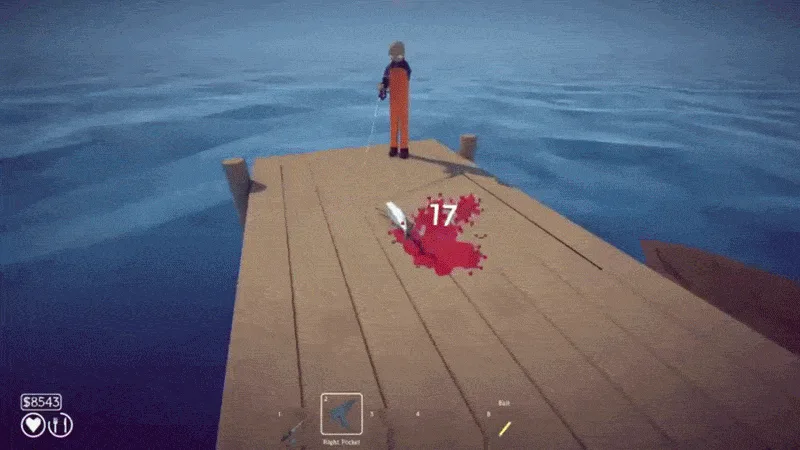
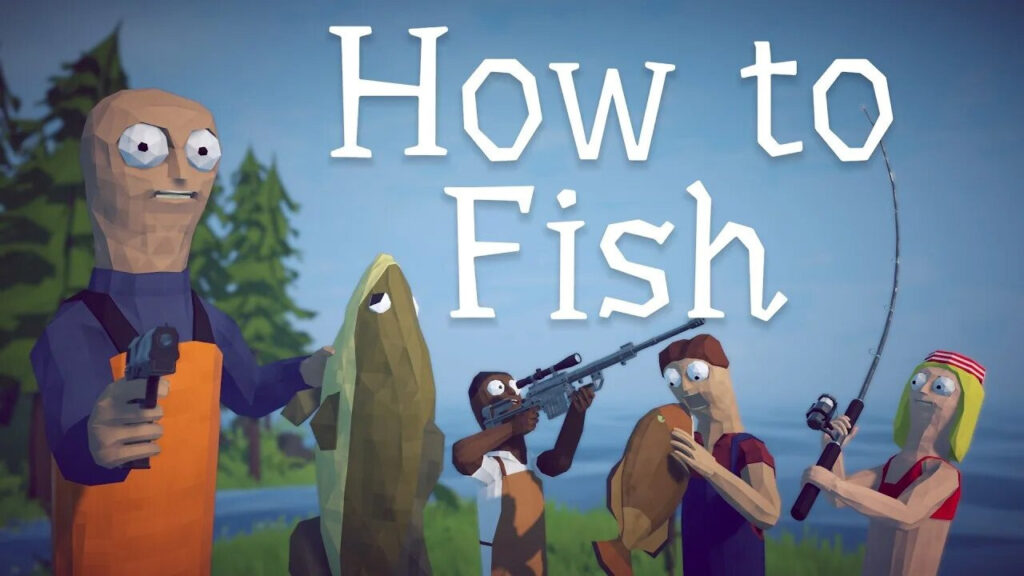
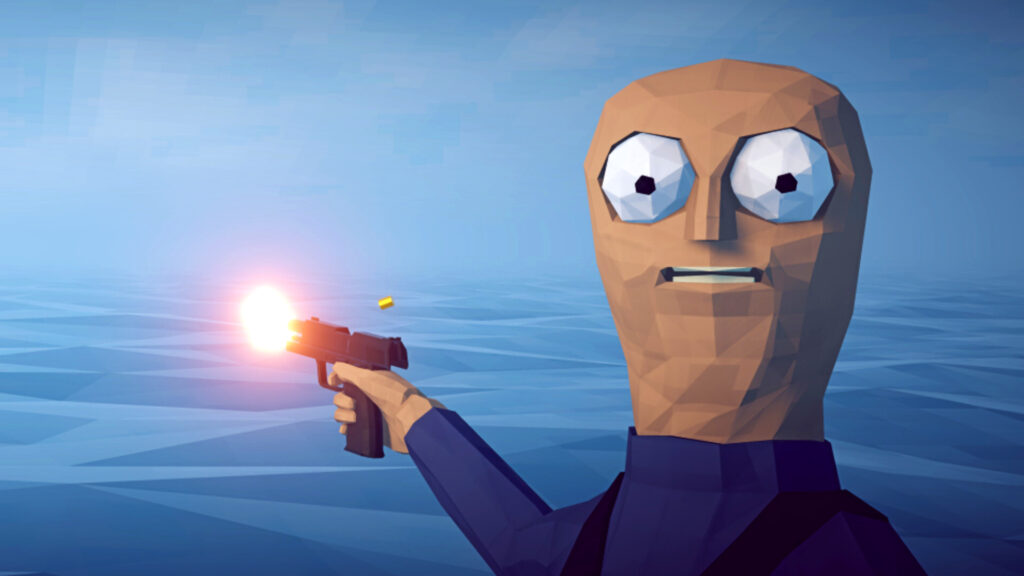
How to Fish combines a familiar recreational activity with exaggerated action, exploration, combat, character progression, and multiplayer comedy. The adventure begins with a boating accident that leaves the player stranded on a small island. Fishing becomes part of the journey home, but progressing also involves collecting resources, completing quests, improving equipment, and confronting increasingly difficult encounters. According to Inven Global’s coverage, players catch and sell fish, use their earnings for better equipment, and defeat bosses to advance between islands.
This structure connects fishing to broader exploration rather than treating it as an isolated activity. Successful catches support upgrades, while those improvements help players prepare for challenges and reach further parts of the adventure. Launch coverage also describes wildlife encounters, weapons, and opportunities to spend earnings on better equipment. The result is more action oriented than the title alone suggests, with recognizable fishing activities supporting an adventure built around discovery, preparation, and unexpected situations.
The physics based mechanics are central to the game’s identity. Rather than presenting fishing exclusively through predictable animations, How to Fish uses physical interactions that can produce different outcomes depending on movement, equipment, and the surrounding environment. Several players interacting with the same space can create additional opportunities for unusual results. An unexpected collision, surprising movement, or unsuccessful attempt to complete an objective may become a memorable moment, especially when friends are involved.
Its principal gameplay features include:
- Physics based fishing: Catch fish through interactions influenced by the game’s physical systems.
- Island exploration: Discover locations while working toward returning home.
- Resource gathering and equipment progression: Sell catches, earn money, collect resources, and purchase improvements.
- Quests and objectives: Complete activities that contribute to advancement.
- Combat and boss encounters: Face challenges beyond ordinary fishing and progress between islands.
- Unpredictable interactions: Encounter physical situations that can produce unusual gameplay moments.
- Cooperative multiplayer and solo support: Share the adventure with others or play independently.
- Difficulty options: Select from available settings, including easy and hard modes added through an August update.
The contrast between the familiar fishing premise and the more chaotic gameplay helps distinguish How to Fish from conventional fishing simulators. Viewers generally understand what fishing normally involves, so an unusual wildlife encounter or exaggerated action sequence can communicate the game’s tone without extensive explanation. This makes its unexpected moments well suited to short videos and shared clips, potentially encouraging people to investigate further. Discoveries shared among friends can similarly make the adventure more memorable.
That is a plausible explanation for its appeal through social discovery, not a verified account of how its audience was acquired. No public breakdown establishes how many players arrived through streaming, recommendations, storefront exposure, or other promotional channels. Fishing provides an accessible starting point, exploration offers places to discover, and equipment progression supplies continuing goals. Combat and multiplayer interactions introduce surprises, while relatively inexpensive pricing may make the game easier to try. These elements work together, but the announcement does not identify a single feature or promotional channel responsible for its growth.
Progression matters because comedy and novelty can draw initial attention without necessarily providing a reason to continue. Earning money, improving equipment, and advancing through the islands give players objectives beyond individual funny moments. For groups, those goals create a shared purpose alongside experimentation. Players may remember an unexpected interaction, but they also have something practical to work toward during the next session. Equipment improvements, quests, and bosses connect those encounters to an ongoing adventure rather than leaving the experience dependent on its initial novelty.
Enjoyable unpredictability should nevertheless be distinguished from technical problems. A surprising physical interaction can enhance the humor, whereas a bug that blocks progression or interferes with basic controls can become frustrating. Players may welcome a funny accident without accepting an issue that prevents them from completing an objective. Continued maintenance therefore remains important alongside new islands, creatures, weapons, and other additions, since extra activities do not by themselves resolve problems with the existing experience.
Multiplayer strengthens the social side of the game because players’ actions affect one another. Steam advertises How to Fish as supporting one to four players with online cooperation, but the launch update history documents an expanded lobby capacity. Version 1.0.4, released on August 21, 2026, increased support to eight players. The original four player description should therefore be considered alongside the later patch rather than treated as the only documented limit. These details describe different stages of development, making the date and version of a multiplayer guide relevant when checking lobby capacity.
In cooperative sessions, players can divide their attention between fishing, collecting resources, exploring, and preparing for encounters. Coordinating equipment upgrades and progression goals may make those activities easier to organize, giving a group a shared purpose beyond experimenting with physics. Different participants may focus on different activities while contributing to the adventure, although communication becomes important when the group needs to prepare for a particular objective or move forward together.
Multiplayer also introduces complications that contribute to both its humor and potential frustration. Friends may pursue different goals, interact with the environment unexpectedly, or disrupt a carefully planned action. A situation that is entertaining during casual exploration may be less welcome when coordination is necessary. Larger lobbies create more opportunities for these interactions, but they do not automatically improve the experience. Additional participants can make communication and coordinated progression harder, while smaller groups may find it easier to agree on objectives and track what everyone is doing.
Group size is therefore a matter of preference rather than a measure of how fully someone is experiencing the game. Smaller groups may favor simpler coordination, while larger groups may enjoy greater activity and unpredictability. Successful teamwork can be memorable, but mistakes and unplanned outcomes can become equally important to the shared experience. The multiplayer appeal comes from exploring, experimenting, and reacting together, not only from maximizing lobby capacity.
How to Fish also supports single player. Steam explicitly lists solo play, and its advertised player range begins at one, so a group is not required to start or progress through the adventure. Playing independently places more attention on exploration, equipment improvements, and personal objectives without friends introducing distractions. Solo players can move at their preferred pace, spend longer learning the mechanics, and concentrate on understanding progression. This changes the social experience, but exaggerated physics, action, and unusual encounters remain central.
Difficulty settings offer another way to approach the adventure. The developer’s August update history records the addition of easy and hard modes, giving players a choice between available levels of challenge. Someone primarily interested in exploration may value a different setting from a player seeking demanding encounters. Neither solo nor cooperative play should be treated as the only intended approach. Multiplayer emphasizes shared objectives and spontaneous situations, while solo play offers greater control over the pace of discovery.
Pricing is another part of How to Fish’s appeal. The American Steam listing cited in the article shows a standard price of $7.99, while launch coverage recorded a temporary promotional price of $4.95 associated with a 38 percent discount. Gamers Classified reported an Australian price of A$11.79 in its October 13 coverage. These figures describe different pricing contexts rather than a universal amount paid by every customer. Currency differences, regional pricing policies, and active promotions can affect the amount displayed in a player’s store.
The launch discount is historical information, not an offer guaranteed to remain available. A temporary promotion does not establish the price at a later date, which matters when assessing affordability or comparing reports written at different times. The reported figures provide context for the relatively inexpensive entry point, but a buyer’s actual cost depends on location and the offers available when purchasing. The American price should therefore not be presented as applying everywhere, and promotional prices should not be confused with permanent pricing.
A lower entry price may reduce hesitation, particularly when several friends are deciding whether to try the same adventure. Coordinating a group of relatively inexpensive purchases can be easier than asking everyone to buy a more expensive release. That provides a reasonable explanation for why pricing could support the multiplayer appeal, but there is no verified evidence that price alone caused the rapid audience growth. The recognizable premise, unusual gameplay, social interactions, and progression all remain relevant when considering why the overall package attracted attention.
Value for money also depends on expectations. Players seeking an entertaining adventure with exploration, progression, and unpredictable group situations may judge How to Fish differently from those seeking a detailed fishing simulation. Someone interested primarily in realistic equipment behavior, carefully reproduced techniques, or conventional fishing systems should account for its exaggerated physics, combat, and comedic elements. The game’s identity partly comes from departing from those expectations. A low price does not remove that distinction, just as a large audience does not establish that the experience will suit every preference.
There is no single confirmed completion time that can reasonably be promised to every player. Exploration, experimentation, familiarity with the mechanics, and the pace of a group’s progression can all affect the experience’s length. Someone concentrating on objectives may advance differently from a player who investigates environments or experiments with unusual interactions. Multiplayer sessions can also include repeated encounters, competing interests, and time spent creating entertaining situations rather than advancing directly.
For prospective buyers, the most reliable assessment begins with the version currently available. Announced additions may provide reasons to follow the game, but they should not be treated as content already delivered or as proof of lasting value. Their effect will depend on what Dazed Games releases and how it changes the experience. The audience milestone demonstrates substantial interest in the overall concept; continuing appeal depends on the quality of the existing adventure, the improvements made to it, and whether those features match what a player enjoys.

How to Fish Steam Reviews, Islet Update, and Console Release Plans
How to Fish has received a strongly positive response from Steam players, although the figures used to describe that reception come from different review snapshots. The Steam snapshot cited in the article displayed an Overwhelmingly Positive rating among English language reviews, with 95 percent of 28,234 reviews positive. Recent reviews were classified as Very Positive, with 94 percent of 16,991 recommendations positive. These counts and percentages represent the listing at the time it was examined, not permanent totals, since additional feedback can change both the number of reviews and the resulting ratings.
A separate October 13 report from Gamers Classified recorded 77,518 positive reviews out of 81,522 overall. That broader total should not be confused with the English language subset in the other Steam snapshot. Different language filters and collection times can produce different figures without necessarily creating a contradiction. Together, the snapshots indicate favorable reception across a substantial number of reviews, but they should retain their original scope rather than being combined as though they describe the same set of recommendations.
Praise has focused on the unusual premise, entertaining interactions, and multiplayer appeal. Negative Steam reviews cited in the article included complaints about multiplayer bugs, repetitive activities, and the amount of available content. Those criticisms reflect individual experiences rather than proving that every player encountered the same issues, just as a high positive percentage does not mean everyone enjoyed the game equally. Ratings also do not establish average completion time, universal technical stability, or satisfaction among all 10 million players.
For prospective players, the reasons behind the praise and criticism matter alongside the overall score. Someone seeking an inexpensive adventure with unpredictable interactions may value different features from someone expecting realistic fishing mechanics or a lengthy progression system. Strong ratings indicate broad enthusiasm, but they do not guarantee that every computer will run the game without problems or that everyone will consider the content sufficient. Individual reviews help establish whether the game’s strengths align with a player’s interests and whether the reported shortcomings would affect their experience.
Dazed Games has continued supporting How to Fish since launch. The Islet Update, version 1.1.0, arrived on September 28, 2026, and was described as the game’s first content update. It added locations, encounters, equipment, and other features without replacing the central fishing and exploration systems. Unlike announcements about work still in development, this update represents content already delivered. For players who had explored much of the original release, its additions provided reasons to revisit the adventure and investigate activities that were not part of the launch experience.
According to the developer’s release notes, the Islet Update included:
- Additional mini islands: New locations to explore.
- New creatures: More encounters within the game world.
- A new weapon: Another equipment option.
- A mini boss: An additional combat encounter.
- Additional items: More objects and equipment related to gameplay.
- New bait: Further fishing resources.
- A new NPC: Another character to encounter during exploration.
- Achievements: Additional accomplishments to pursue.
- A new outfit: Another character appearance option.
The additions broaden the existing adventure in several ways. Smaller islands create opportunities for discoveries between familiar locations without requiring an entirely separate campaign, while new creatures and items add variety to established activities. Another weapon or bait option may encourage returning players to experiment with systems they already understand rather than learn a completely different set of mechanics. The mini boss provides another combat objective, and achievements and cosmetic content offer further reasons to revisit the game.
The update announcement does not establish a fixed number of hours added to the adventure. Players concentrating on progression may move through the new activities at a different pace from those exploring or experimenting, so a guaranteed playtime claim would go beyond the published information. Community discussion included enthusiastic responses and requests for further additions, indicating engagement among the players participating in those conversations. Those requests should remain distinct from confirmed plans, however: a suggestion for a feature does not mean that Dazed Games has committed to developing it.
The October 12 milestone announcement confirmed that further content, console ports, and bug fixes were in development. The studio’s official website also identifies consoles and Mac as planned destinations. These statements establish an intention to expand beyond the existing PC release, but they do not provide exact launch dates, a complete list of supported consoles, or a detailed schedule for future improvements. Development being underway does not mean that particular updates or ports are finished.
Porting a multiplayer game involves more than adapting its controls. Hardware performance, interface readability, networking behavior, and platform specific technical requirements also need consideration. Those demands provide context for why a studio might announce porting work before identifying release dates. Console versions would be relevant to players without a gaming PC, but the available statements do not establish when PlayStation, Xbox, or Nintendo releases might arrive, or whether every planned console version would launch simultaneously. More specific claims depend on announcements identifying the supported hardware and release arrangements.
Cross platform multiplayer is a separate issue. Releasing a game on several systems does not automatically allow people on those platforms to join the same online sessions. Crossplay needs its own implementation and confirmation, neither of which is established by the porting announcement alone. Planned platform availability should therefore not be confused with confirmed functionality. For now, the studio has outlined a direction for expanding the audience and improving the game, while the precise timetable and capabilities of those versions remain unannounced.
How to Fish’s favorable Steam reception and delivered Islet Update show that its rapid launch success has been followed by continuing support. Criticism involving bugs, repetition, and content remains relevant, particularly as the studio responds to a much larger community. Additional updates, console versions, and a Mac release are planned, but their effect on long term reception will depend on their quality, scope, and eventual availability. The player milestone establishes the scale of the audience already reached; maintaining that enthusiasm requires the ongoing improvements and experiences players actually receive.
Frequently Asked Questions (FAQs)
1. Did How to Fish reach 10 million players? Yes. Dazed Games officially announced on October 12, 2026, that How to Fish had reached 10 million players less than two months after launching on Steam. The developer celebrated the achievement with an announcement titled “10 MILLION FISHERMEN WITHIN 2 MONTHS,” thanking the community for supporting the game. This milestone highlights the game’s impressive early popularity and the substantial audience it attracted shortly after release. However, Dazed Games specifically referred to 10 million players rather than confirming 10 million paid copies sold. These figures are not necessarily interchangeable, since player counts and individual purchases can be measured differently. Although the announcement confirms the game’s large audience, an exact sales total would require additional information from the developer.
2. How long did the game take to reach its announced milestone? How to Fish reached its announced 10 million player milestone within 53 days of its August 20, 2026, Steam release. Dazed Games publicly confirmed the achievement on October 12, demonstrating how quickly the game gained attention during its first two months. Its strong performance began almost immediately, with early reports indicating that approximately one million players had joined within the first two days. This initial momentum helped establish the foundation for the game’s continued audience growth. However, October 12 was the official announcement date and does not necessarily represent the exact day the player count crossed 10 million. Since the studio has not released detailed daily player statistics, the available information confirms the overall timeframe without establishing precisely when each milestone occurred.
3. Who created the game? How to Fish was developed and published by Dazed Games, an independent game development studio founded by Melvin Olsson and Carl-Vilhelm Johansson. Both developers are identified as cofounders on the studio’s official website and have participated in communications with the game’s Steam community. Before creating How to Fish, the studio worked on Out of Hand: Deluxe, a multiplayer experience centered on exaggerated physics, unpredictable interactions, and cooperative gameplay. The original Out of Hand experience appeared in 2023, while its Deluxe version launched on June 19, 2025. This earlier development experience helps explain the studio’s approach to How to Fish, which combines fishing mechanics with exploration, action, and humorous multiplayer situations. Rather than focusing entirely on realistic fishing simulation, Dazed Games emphasizes entertaining interactions and unusual gameplay moments that players can experience individually or with friends.
4. Was the first million reached within two days? Yes. Early reports indicated that How to Fish attracted approximately one million players within two days of launching on Steam on August 20, 2026. Gaming publications, including Dot Esports and GamesRadar, covered the achievement, with some headlines describing it in terms of sales. However, the developer’s original celebration referred to one million “fishermen,” meaning the publicly announced figure represented players rather than a separately verified total of paid purchases. Regardless of that distinction, reaching such a large audience during the opening days demonstrated the game’s strong initial reception. The achievement also provides important context for its subsequent growth, as the game continued attracting players before reaching the announced 10 million milestone in October. Its opening performance suggested that the combination of accessible gameplay, unusual fishing mechanics, and multiplayer entertainment had quickly captured audience interest.
5. What is the standard American price? The standard United States Steam price for How to Fish is listed as $7.99, making it a relatively affordable option for players interested in a fishing adventure with exploration, action, and multiplayer features. During its initial release period, reports identified a temporary promotional price of $4.95, representing approximately a 38 percent discount compared with the standard price. However, this launch promotion was temporary and should not be mistaken for the game’s regular retail price. The actual amount players pay can also differ depending on their country, local currency, regional Steam pricing, and available discounts. Players should therefore check their Steam storefront for the applicable price before purchasing. Beyond its relatively low entry cost, the game’s appeal depends on whether players enjoy its exaggerated physics, cooperative interactions, island exploration, and unconventional approach to fishing rather than a traditional simulation experience.
6. Does multiplayer support four or eight players? How to Fish originally advertised online cooperative multiplayer for one to four players, which explains why some descriptions still mention a four player limit. However, Dazed Games expanded the game’s multiplayer capacity shortly after launch through update version 1.0.4, released on August 21, 2026. This update increased lobby support to eight players, allowing larger groups of friends to participate in the same adventure. The difference between four and eight players therefore reflects changes made during the game’s early development rather than two completely separate multiplayer modes. Larger lobbies offer additional opportunities for cooperative exploration, fishing activities, combat encounters, and unpredictable physics based interactions. They can also make teamwork more chaotic because additional players may complicate coordination. Anyone planning an eight player session should ensure that the game is updated and that the relevant multiplayer settings support the expanded lobby capacity.
7. Can the adventure be played alone? Yes. How to Fish supports single player, allowing players to explore its islands, catch fish, complete quests, improve equipment, and participate in combat encounters without needing an online multiplayer group. Solo play provides greater freedom to progress at an individual pace, making it suitable for players who prefer exploring environments, experimenting with fishing mechanics, and discovering content independently. However, the game retains its exaggerated physics, unusual encounters, and action focused gameplay even when played alone. It should therefore not be confused with a conventional realistic fishing simulator. Dazed Games also introduced easy and hard difficulty options through its August updates, giving players additional control over the challenge. While multiplayer places greater emphasis on shared experiences, teamwork, and humorous interactions between friends, single player offers a more independent adventure without removing the game’s central mechanics or progression systems.
8. What did the Islet Update introduce? The Islet Update, officially released as version 1.1.0 on September 28, 2026, was the first major content expansion for How to Fish following its Steam debut. Dazed Games introduced several additions designed to expand exploration, equipment choices, and available encounters. These included new mini islands, additional creatures, a weapon, a mini boss, extra items, new bait, an NPC, achievements, and an outfit. The smaller islands gave players additional locations to investigate, while the new creatures and mini boss introduced further opportunities for combat and discovery. Additional equipment and bait also expanded the available gameplay options, providing returning players with new activities beyond the original launch content. However, Dazed Games did not announce a specific amount of additional playtime associated with the update. Its overall length depends on how extensively players explore the new areas, experiment with the added equipment, and pursue the available achievements and encounters.
9. Are console versions confirmed? Dazed Games has confirmed plans to bring How to Fish to consoles as part of its continued development and expansion beyond the original PC release. The studio mentioned console porting in its October 12, 2026, announcement celebrating 10 million players, while its official website also identifies a future Mac version. These statements establish that additional platform releases are being considered or developed, but they do not confirm exactly which PlayStation, Xbox, or Nintendo systems will receive the game. The developer has also not announced specific console release dates or established whether the different versions will arrive simultaneously. Furthermore, console availability should not automatically be interpreted as confirmation of cross platform multiplayer, since that functionality requires separate development and support. For now, the confirmed information concerns the studio’s intention to expand platform availability rather than a finalized console launch schedule.
10. What is coming next? Dazed Games has identified several priorities for the future of How to Fish, including a larger content update, planned console ports, and continued bug fixes. These projects were mentioned in the studio’s October 12, 2026, announcement marking the game’s 10 million player milestone. The developers explained that work had continued behind the scenes despite a relatively quiet period of public communication, indicating that ongoing development remained a priority. A larger content update could expand the existing adventure with additional activities, locations, or gameplay features, although the studio has not yet confirmed its exact contents. Continued bug fixes are also important for improving the stability and overall experience of the current release, particularly as its audience grows. Meanwhile, planned console and Mac versions could make the adventure accessible to players outside the existing PC community. However, no comprehensive development roadmap, confirmed release dates, or complete feature list has been provided, so the specific timing and scope of these future additions remain uncertain.

Conclusion
How to Fish reached an announced audience of 10 million players within 53 days of its Steam release. That is the central confirmed achievement, and it is substantial without converting it into an unsupported sales or revenue calculation.
The game’s appeal can be understood through the relationship between a familiar activity and an unusual adventure. Fishing provides an accessible starting point, while combat, progression, physical interactions, and shared play give the experience its distinctive character. Strong review sentiment adds context to the audience figure, although individual technical complaints and differing expectations remain part of the picture.
Its future now rests on concrete development work. The Islet Update has already expanded the game, and Dazed Games has announced further content, ports, and fixes. The next stage is less about repeating the milestone headline and more about how those additions develop an experience that has already attracted a remarkable audience.
Sources
- Steam Community: How to Fish Announcements and Update History
- Steam Store: How to Fish
- Dazed Games: Official Website
- Inven Global: How to Fish Reaches 10 Million Players Two Months After Launch
- Dot Esports: How to Fish Sales and Indie Co-op Success
- Gamers6: How to Fish Reaches One Million Players Two Days After Launch
- Gamers Classified: How to Fish Reaches 10 Million Players and Plans Console Ports
- App2Top: How to Fish Sales Exceed 10 Million Copies
- Steam Store: Out of Hand Deluxe
Recommendations
- Senna Is Coming to 2XKO on June 9: Release Date, Gameplay Details, Trailer Breakdown & Everything We Know
- Assassin’s Creed Shadows Final Update Sets Up a New Story for Naoe and Yasuke
- Skyrim Mod Goes Viral After Letting Players Debate Dragons
- Can you control a camera in Blender with game controllers?
- In 2025, RuStore’s revenue jumped by 3.4 times: what drove growth, MAU, downloads, and VK’s 2025 results
- Dynamic Weather Systems in Games: Unreal, Unity, and the Best Examples
- Devil May Cry Season 3 Reportedly Greenlit at Netflix: Release Rumors, Production Details, and What it Means for the Anime Future
- How to Train Your Dragon 2 Crew Member Suffers Major Injury: What Happened on Set at Sky Studios Elstree
- Castlevania: Belmont’s Curse Runs at Only 30 FPS on Nintendo Switch
- How to Create Large Scale Water FX in Houdini: a Complete Guide for Realistic Simulations



































































































