

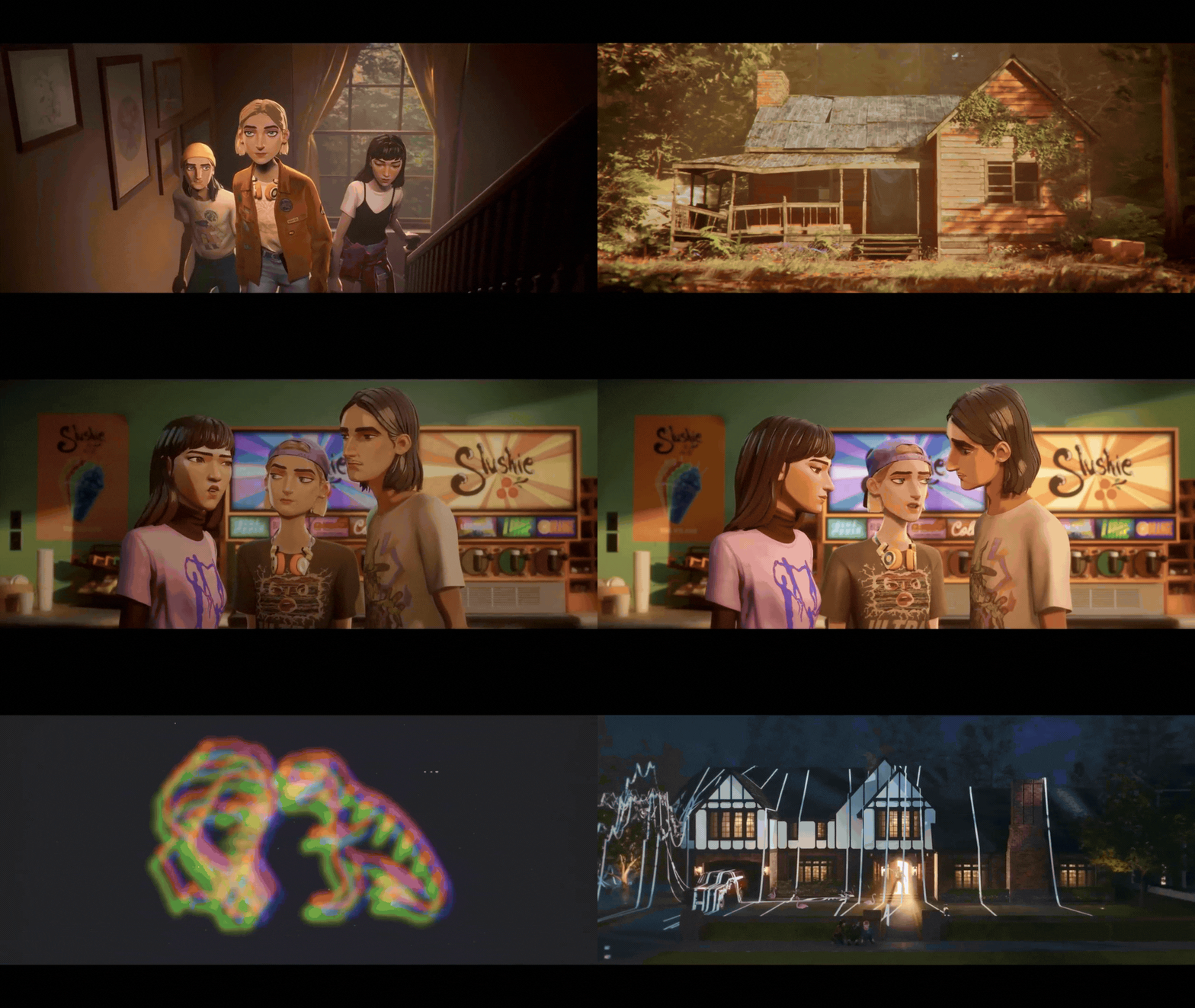
The relationship between licensed music and video games has become more important than ever in modern game development. For many developers, music is no longer simply background audio added late in production. Instead, songs are carefully selected to shape emotion, define pacing, establish identity, and create memorable moments that players emotionally connect with. This philosophy is at the center of Mixtape Studio’s recent comments explaining why its game does not include a streamer mode.
According to the studio, removing or muting licensed songs would fundamentally damage the intended player experience because the soundtrack acts as the emotional backbone of the game itself. While streamer modes have become increasingly common across the gaming industry due to copyright concerns on platforms such as Twitch, YouTube, Kick, and Facebook Gaming, Mixtape Studio believes disabling music would compromise the artistic integrity of the project.
The debate has triggered major conversations among gamers, streamers, copyright experts, developers, and music industry analysts. Some players appreciate the studio’s dedication to preserving artistic authenticity, while others believe modern games should accommodate creators who rely on streaming for content production and audience growth.
As streaming culture continues to dominate gaming communities worldwide, Mixtape Studio’s stance represents a larger industry-wide conflict between creative vision and platform-safe broadcasting tools. The discussion also raises broader questions about music licensing, intellectual property rights, monetized gameplay videos, and the future of music-driven games in an era heavily influenced by livestream content.

Why Mixtape Studio Refuses to Add a Streamer Mode to Its Game
Mixtape Studio has made it clear that the absence of a streamer mode is not an oversight or technical limitation. Instead, it is a deliberate artistic decision rooted in the studio’s belief that music is inseparable from gameplay. Developers explained that the licensed soundtrack was selected with extreme care to create emotional resonance and narrative cohesion throughout the experience.
Streamer modes are typically designed to replace copyrighted tracks with royalty-free alternatives or mute music entirely during gameplay broadcasts. Many studios implement these systems to help streamers avoid DMCA takedowns, muted VODs, copyright strikes, or monetization restrictions. However, Mixtape Studio argues that removing the original songs would fundamentally alter the emotional structure of the game.
The studio described the soundtrack as the “soul” of the project, emphasizing that every scene, interaction, transition, and gameplay sequence was built around the selected music. In this context, songs are not merely optional enhancements. They are integrated components of storytelling and pacing.
This approach reflects a growing trend among developers who view games as multimedia artistic experiences rather than isolated gameplay systems. Much like films depend on orchestral scores or curated soundtracks to establish mood, Mixtape Studio believes its title depends on licensed music to maintain emotional consistency.
The refusal to include a streamer mode has also sparked controversy because streaming visibility can significantly affect a game’s popularity. Games frequently gain commercial momentum through Twitch clips, YouTube playthroughs, TikTok highlights, and livestream reactions. Critics argue that failing to support streamers could reduce exposure and hurt long-term community growth.
Supporters of the decision, however, believe artistic authenticity should take priority over algorithm-driven marketing strategies. They argue that compromising the soundtrack for content creation convenience would dilute the developer’s intended experience.
The situation highlights a difficult balancing act in modern gaming. Developers increasingly rely on streamers for organic promotion, yet music licensing laws create complications when games heavily feature copyrighted tracks.
Licensed Music in Mixtape Studio Games and Its Creative Importance
Licensed music has become one of the defining features of Mixtape Studio’s creative identity. Unlike games that rely entirely on original scores, the studio incorporates recognizable songs to evoke nostalgia, emotional familiarity, and cultural association.
Music selection in these games is often deeply intentional. Songs are chosen based on lyrical themes, emotional tone, historical context, genre relevance, and player psychology. Developers frequently synchronize gameplay sequences with track progression to maximize immersion and emotional engagement.
This approach transforms the soundtrack into a storytelling device rather than passive background audio. A carefully timed song can amplify emotional impact during pivotal scenes, enhance tension during dramatic moments, or establish thematic meaning without dialogue.
For Mixtape Studio, licensed music appears to function as an extension of narrative design. Developers reportedly see the soundtrack as essential to character identity, pacing, atmosphere, and world-building. Removing songs would therefore weaken the emotional architecture of the experience.
Modern audiences often form strong emotional connections to familiar music. Hearing recognizable tracks can instantly trigger nostalgia, memories, or emotional reactions. Game developers increasingly use this phenomenon to strengthen player attachment and create memorable moments that resonate long after gameplay ends.
The use of licensed music can also help games stand out in an overcrowded market. Thousands of titles release annually, making distinct artistic identity more valuable than ever. A memorable soundtrack can become a defining feature that differentiates a game from competitors.
However, this creative strategy introduces major legal and financial complexities. Licensing popular songs involves negotiations with publishers, labels, performers, and rights holders. Costs can become substantial depending on track popularity, territory rights, duration of use, and streaming permissions.
Despite these challenges, Mixtape Studio appears committed to maintaining its music-centric philosophy. The company’s recent statements suggest it prioritizes emotional authenticity and artistic cohesion over simplified streaming compatibility.

Mixtape Studio Says Streamer Mode Would Break the Game’s Immersion
Immersion is one of the central arguments Mixtape Studio uses to defend its decision. According to the developers, replacing or muting songs would disrupt the intended emotional flow of gameplay and diminish the atmosphere crafted by the team.
Games increasingly rely on audiovisual synchronization to maintain player engagement. Music often controls pacing, emotional intensity, anticipation, and tension. In many story-driven experiences, soundtrack transitions are carefully aligned with cinematic moments, environmental changes, and gameplay progression.
Removing songs can therefore create awkward silence, tonal inconsistency, or emotional disconnection. Developers argue that players consuming streams with altered audio would not experience the game as intended.
Streamer modes sometimes replace copyrighted tracks with generic royalty-free music. While this solution avoids copyright issues, critics argue that substitute tracks rarely replicate the emotional power of original licensed songs. Generic music can feel disconnected from gameplay tone, weakening immersion and narrative impact.
Mixtape Studio believes this compromise would undermine the game’s identity. Developers appear concerned that viewers watching altered streams would form inaccurate impressions of the overall experience.
The studio’s comments reflect broader artistic concerns within the industry. Many creators worry that streamer-friendly adjustments can unintentionally distort carefully crafted experiences. Games designed around atmosphere and emotional pacing are especially vulnerable to these compromises.
At the same time, content creators face real risks without streamer-safe features. Copyright enforcement systems on YouTube and Twitch can automatically detect licensed music, leading to muted archives, demonetization, blocked videos, or channel strikes.
This creates tension between developers who prioritize creative integrity and creators who need platform compliance tools to sustain their careers.
Mixtape Studio’s position suggests the company views immersion as non-negotiable. From the developer’s perspective, preserving artistic intention outweighs the convenience benefits of streamer-safe functionality.
How Copyrighted Music Shapes the Identity of Mixtape Studio Games
Copyrighted music often becomes inseparable from a game’s public identity. Certain songs become permanently associated with specific scenes, characters, or emotional experiences. Mixtape Studio appears to embrace this philosophy fully.
When players discuss music-driven games, soundtrack moments frequently dominate conversations. Fans remember emotional scenes enhanced by iconic tracks, dramatic reveals synchronized with music, or gameplay sequences elevated through carefully chosen songs.
This emotional association strengthens brand identity. A memorable soundtrack can become part of a studio’s signature creative style. In Mixtape Studio’s case, licensed music seems central to how the company differentiates itself creatively.
The integration of copyrighted songs also allows developers to communicate themes indirectly. Lyrics, genre choices, instrumentation, and cultural associations can reinforce storytelling in subtle but powerful ways.
For example, an indie rock track may evoke youthful nostalgia, while electronic music may establish futuristic tension. Developers strategically use these associations to deepen emotional engagement.
Music also influences pacing and player psychology. Fast-tempo tracks can increase excitement and momentum, while slower songs encourage reflection or emotional vulnerability. By carefully matching songs to gameplay moments, developers shape how players emotionally interpret scenes.
Mixtape Studio’s emphasis on licensed tracks suggests the studio views music as a narrative language. Removing songs through streamer mode could therefore strip away major thematic layers.
The debate also highlights how modern gaming increasingly overlaps with film, television, and music industries. Cross-media storytelling has become more common as games evolve into cinematic entertainment experiences.
However, copyrighted music introduces limitations absent from original compositions. Developers must navigate licensing agreements that often exclude public streaming permissions. These legal restrictions create ongoing friction between artistic ambition and online content ecosystems.
Mixtape Studio’s position demonstrates how deeply music can influence a game’s identity, even when that choice complicates streaming accessibility.
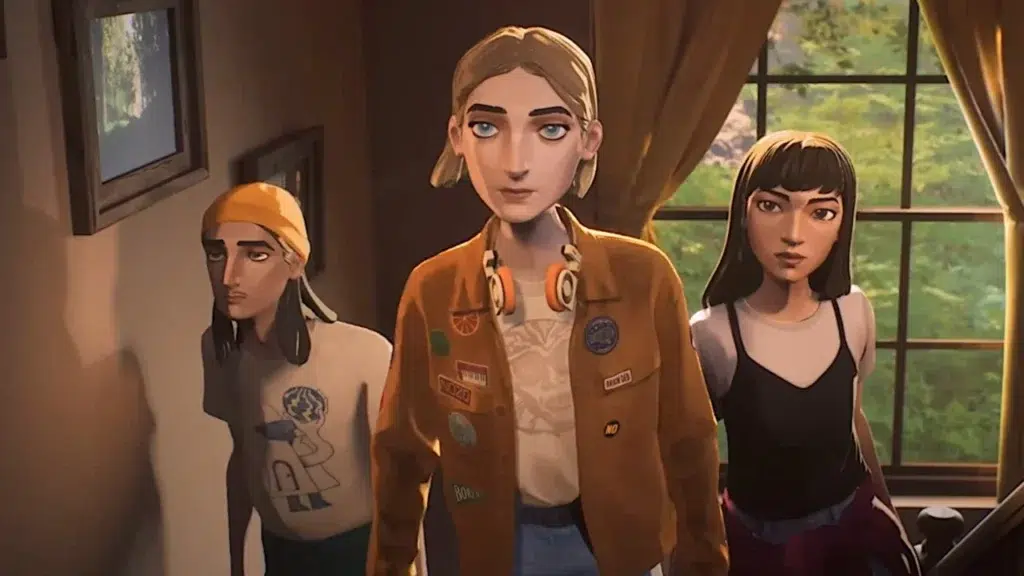
Why Streamers Are Reacting to Mixtape Studio’s No Streamer Mode Policy
Streamers have reacted strongly to Mixtape Studio’s decision because copyright enforcement directly affects their ability to create monetized content safely. For many creators, streamer mode is no longer considered optional. It is viewed as a necessary feature in modern games.
Platforms such as Twitch and YouTube use automated systems that scan broadcasts for copyrighted audio. When detected, videos may face monetization restrictions, muted sections, removal requests, or copyright strikes.
For professional creators, these penalties can significantly impact revenue, visibility, and channel growth. Some streamers avoid games without streamer modes entirely because copyright risks outweigh potential audience interest.
Mixtape Studio’s refusal to implement such protections has therefore sparked criticism from creators who feel excluded from the intended audience experience.
Some streamers argue that games benefit enormously from influencer marketing. Viral clips, livestream reactions, walkthroughs, and gameplay highlights frequently drive sales and community engagement. In their view, developers should accommodate creators who provide valuable promotional exposure.
Others believe the studio’s stance reflects artistic arrogance or misunderstanding of modern gaming culture. Streaming has become deeply integrated into how audiences discover, evaluate, and discuss games.
However, not all reactions have been negative. Some creators respect Mixtape Studio’s dedication to preserving artistic integrity. They argue that developers should not always be pressured into compromising creative vision for platform optimization.
A portion of the gaming community also appreciates the authenticity of preserving the intended soundtrack experience. These players believe certain artistic experiences should remain uncompromised, even if streaming accessibility becomes limited.
The controversy reveals how streaming culture has fundamentally transformed gaming expectations. Features once considered optional quality-of-life additions are now treated as essential infrastructure for audience engagement.
Mixtape Studio’s decision challenges those assumptions by prioritizing emotional authenticity over streaming convenience.
The Role of Licensed Soundtracks in Modern Rhythm and Music Games
Licensed soundtracks have become increasingly important across rhythm games, narrative adventures, sports titles, racing games, and cinematic experiences. Music is no longer treated as secondary presentation. Instead, it frequently serves as a core gameplay and storytelling mechanic.
Rhythm games especially depend on licensed tracks to attract audiences. Popular songs create instant familiarity and emotional connection, helping players feel engaged before gameplay even begins.
Modern gaming audiences often expect curated soundtracks that reflect contemporary culture, nostalgia, or specific emotional themes. Developers use music to establish identity and enhance immersion.
Beyond rhythm games, licensed soundtracks appear in open-world adventures, life simulation games, racing franchises, and sports titles. Songs often shape atmosphere and cultural authenticity.
For example, urban environments may feature hip-hop playlists, while emotional coming-of-age stories rely on indie music to establish tone. Licensed tracks can instantly communicate setting, era, personality, and mood.
Mixtape Studio’s approach fits within this broader trend of music-centric game design. Developers increasingly treat soundtrack curation as a creative discipline equal to narrative writing or visual direction.
However, the rise of livestreaming has complicated this model. Music licensing agreements historically focused on game distribution rather than public rebroadcasting through monetized creator content.
As streaming exploded in popularity, developers faced growing pressure to implement copyright-safe systems. Some companies negotiate broader licenses that include streaming permissions, while others add optional streamer modes.
These solutions can be expensive, technically difficult, or creatively limiting. Smaller studios may lack resources to secure expansive licensing agreements covering global streaming rights.
Mixtape Studio’s decision reflects this ongoing industry tension between music authenticity and streaming practicality.
Mixtape Studio Defends Its Decision to Keep Music Fully Intact During Streams
Mixtape Studio has repeatedly defended its decision by emphasizing that the soundtrack must remain untouched to preserve artistic intent. According to the studio, every track was selected to complement specific gameplay moments and emotional arcs.
Developers argue that muting or replacing songs would create a fundamentally different experience from what the team designed. In their view, preserving authenticity matters more than adapting the game for platform-safe broadcasting.
This perspective aligns with artistic principles commonly seen in film and television production. Directors rarely alter scenes to accommodate social media clips or livestream distribution. Similarly, Mixtape Studio appears to believe games should retain creative integrity regardless of streaming complications.
The studio’s stance also suggests concern about audience perception. Viewers watching muted or altered streams may misunderstand the intended emotional tone of the game.
Music often influences scene interpretation. A dramatic moment accompanied by silence instead of an emotionally resonant song can feel awkward, unfinished, or emotionally ineffective.
By defending its decision publicly, Mixtape Studio positions itself as a developer prioritizing artistic identity over market-driven feature expectations.
This approach carries both risks and benefits. On one hand, it may strengthen the studio’s reputation among players who value uncompromised artistic experiences. On the other hand, reduced streamer accessibility could limit organic online exposure.
The situation illustrates how modern developers must navigate increasingly complex relationships between art, marketing, technology, and copyright law.
How Streaming Restrictions Affect Content Creators Playing Mixtape Studio Titles
Streaming restrictions can significantly impact how creators interact with games containing licensed music. Content creators depend heavily on platform monetization systems, sponsorships, and algorithm visibility. Copyright claims threaten all three.
When copyrighted music triggers automated detection systems, creators may lose advertising revenue or face distribution limitations. Videos can become partially muted, blocked in certain regions, or entirely removed.
This creates uncertainty for streamers considering whether to cover games without streamer-safe options. Many creators carefully evaluate copyright risks before selecting games for livestreams or recorded content.
Mixtape Studio’s policy therefore introduces practical challenges for creators who want to showcase the game while protecting channel stability.
Some streamers may attempt workarounds, such as lowering game volume, muting music manually, or editing VODs after broadcasts. However, these solutions often reduce entertainment quality and audience immersion.
Viewers may also feel frustrated watching games missing important musical elements. If the soundtrack is truly central to the experience, muted gameplay can appear incomplete or emotionally weakened.
For smaller creators especially, copyright strikes can carry serious consequences. Multiple violations may threaten channel monetization eligibility or account standing.
This reality explains why streamer modes have become increasingly common industry features. Developers recognize that creators play a major role in online visibility and community growth.
Mixtape Studio’s refusal to compromise highlights a philosophical divide between creative preservation and content ecosystem accessibility.
Player Reactions to Mixtape Studio’s ‘Music is the Soul’ Philosophy
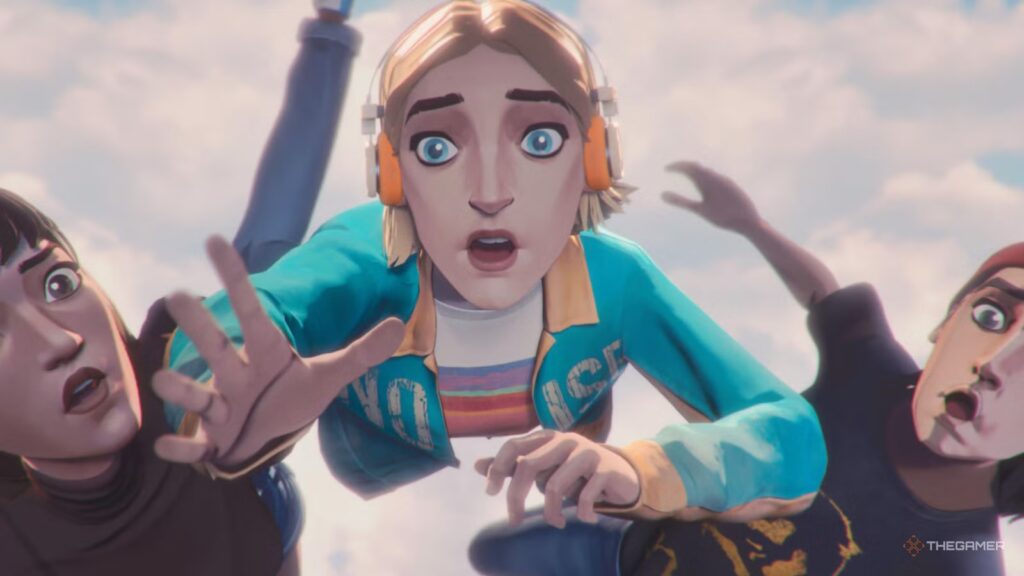
Player reactions to Mixtape Studio’s philosophy have been sharply divided across gaming communities. Some fans strongly support the studio’s commitment to artistic integrity, while others believe the absence of streamer protections feels outdated in modern gaming culture.
Supporters argue that art should not always be altered to satisfy platform algorithms or influencer demands. They believe developers should retain creative control over how their games are experienced.
Many players also appreciate music-driven storytelling and understand why the soundtrack might be considered essential to emotional immersion. For these fans, preserving artistic authenticity outweighs the convenience of streamer compatibility.
Others compare the situation to cinema, arguing that removing songs from emotionally important scenes would fundamentally weaken the intended experience.
Critics, however, believe Mixtape Studio is ignoring the realities of modern gaming promotion. Streaming platforms heavily influence consumer awareness, online discussions, and viral marketing momentum.
Some players worry the lack of streamer mode may discourage creators from covering the game altogether, reducing community visibility and long-term engagement.
Others argue that players who primarily experience games through streams may receive incomplete impressions if creators must mute audio manually.
The debate has also sparked conversations about accessibility and inclusivity in gaming culture. Streaming increasingly functions as a shared social experience where communities collectively engage with games online.
By refusing streamer-safe accommodations, some critics feel the studio risks alienating important parts of the gaming audience.
Nevertheless, the controversy has undeniably increased attention surrounding the game. Discussions about music, copyright, immersion, and creative philosophy have amplified public interest.
Legal Challenges Behind Adding Streamer Mode in Licensed Music Games
Implementing streamer mode is not always simple, especially in games heavily dependent on licensed tracks. Legal complications surrounding music rights can become extremely complex.
Music licensing often involves multiple stakeholders, including record labels, publishers, composers, performers, and rights management organizations. Developers may secure rights for in-game usage without obtaining permissions for public rebroadcasting through monetized streams.
Expanding licenses to cover streaming platforms can dramatically increase costs. Developers may need additional agreements covering YouTube uploads, Twitch broadcasts, archived VODs, international territories, monetized content, and social media clips.
For smaller studios, these expenses may be financially unrealistic.
Streamer modes are therefore frequently used as compromise solutions. Instead of purchasing broader rights, developers allow players to disable copyrighted songs during broadcasts.
However, implementing these systems introduces technical and creative complications. Alternative music must be produced, integrated, tested, and balanced within gameplay systems.
If music is central to gameplay pacing or narrative timing, replacement tracks may fail to preserve intended emotional impact.
Mixtape Studio’s comments suggest the company views these compromises as creatively unacceptable.
The legal landscape surrounding streaming remains complicated because gaming content occupies a hybrid space between interactive entertainment and public performance. Copyright law has struggled to evolve alongside livestreaming culture.
Some publishers have negotiated creator-friendly licensing agreements, while others continue relying on restrictive policies or automated enforcement systems.
Mixtape Studio’s position reflects the ongoing uncertainty surrounding music rights management in the streaming era.
Why Cutting Music for Streamers Could Hurt Mixtape Studio’s Game Experience
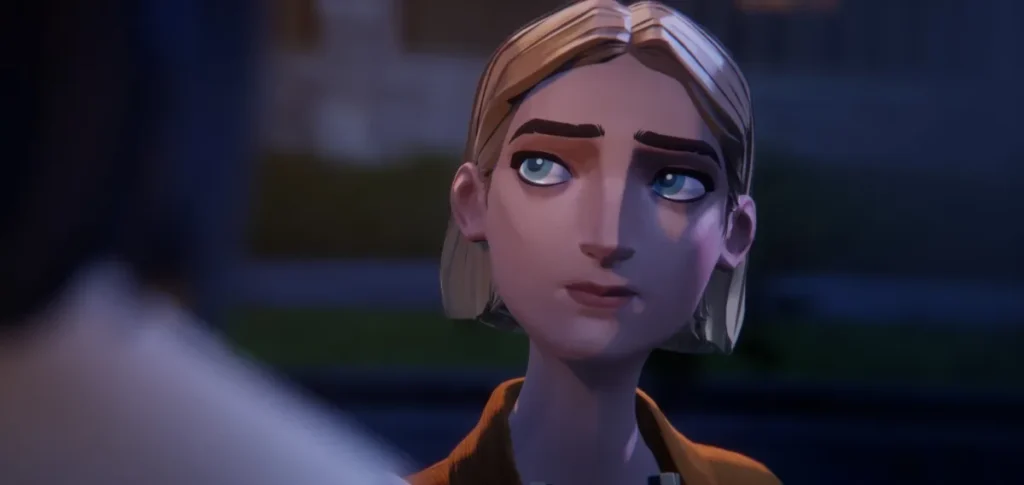
Mixtape Studio believes removing music would weaken the emotional core of the experience. According to the studio’s philosophy, soundtrack and gameplay are inseparable components designed to function together.
Games increasingly rely on emotional synchronization between visuals, player actions, dialogue, and music. When these elements align correctly, they create powerful immersive experiences capable of generating strong emotional responses.
Removing licensed tracks may disrupt scene pacing, emotional buildup, tension release, or narrative atmosphere.
Developers often spend months carefully selecting songs that reinforce character arcs or thematic motifs. Replacing those tracks with generic alternatives can dilute emotional specificity.
For example, a nostalgic coming-of-age scene accompanied by a culturally meaningful song may lose much of its impact if replaced with royalty-free filler music.
Mixtape Studio appears deeply concerned about preserving these emotional connections.
The studio likely fears that streamer-safe modifications would create fragmented audience experiences where livestream viewers encounter incomplete versions of important scenes.
This concern becomes particularly relevant in narrative-heavy games where emotional immersion drives player engagement.
Supporters of the decision argue that preserving artistic coherence matters more than maximizing streaming compatibility. They believe creators can still stream responsibly using manual audio management if necessary.
Critics counter that such expectations place unfair burdens on content creators navigating increasingly strict copyright enforcement systems.
The controversy ultimately highlights broader questions about whether games should prioritize artistic purity or audience accessibility in the streaming age.
The Debate over Streamer-Friendly Features in Music-Driven Video Games
Streamer-friendly features have become major discussion points throughout the gaming industry. As livestreaming platforms continue influencing sales, community engagement, and online culture, developers face growing pressure to design games compatible with creator ecosystems.
Streamer modes represent one of the most common solutions to copyright-related problems. These systems typically mute copyrighted tracks, substitute royalty-free alternatives, or disable certain audio features during broadcasts.
Supporters argue these tools are essential in modern gaming because streaming functions as both entertainment and marketing. Games frequently gain popularity through viral creator content rather than traditional advertising campaigns.
Developers who ignore streaming realities may risk reduced visibility and lower community engagement.
However, critics of streamer-centric design argue that excessive accommodation can compromise artistic authenticity. Music-driven experiences especially depend on carefully curated soundtracks that generic replacements cannot replicate effectively.
Mixtape Studio’s stance embodies this tension directly. The company appears unwilling to compromise soundtrack integrity even if doing so limits streaming convenience.
This debate reflects broader industry shifts where developers increasingly design games with spectatorship in mind. Some modern titles intentionally optimize features for livestream engagement, including integrated audience voting systems, creator tools, and copyright-safe audio settings.
Others prioritize immersive artistic experiences regardless of streaming implications.
The conflict demonstrates how gaming culture continues evolving alongside digital media ecosystems. Developers must now consider not only players, but also viewers, influencers, algorithms, and monetization systems.
Mixtape Studio’s controversial position contributes to an ongoing conversation about whether games should primarily function as artistic works or streamable entertainment products.
How Game Developers Balance Licensing Agreements and Streaming Culture
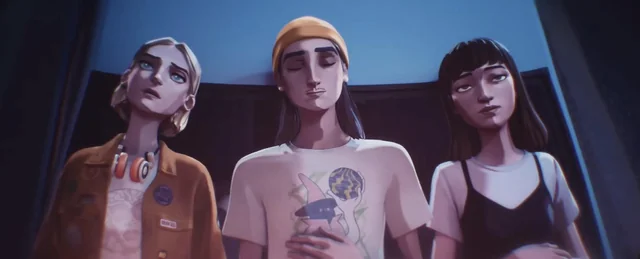
Balancing music licensing with streaming culture has become one of the gaming industry’s most difficult challenges. Developers must navigate legal restrictions while also recognizing the promotional power of creator communities.
Some studios negotiate comprehensive licensing agreements that explicitly permit streaming and video monetization. However, these deals can become extremely expensive depending on song popularity and global distribution rights.
Large publishers may possess resources to secure broader permissions, but smaller studios often struggle with licensing costs.
Other developers avoid the issue entirely by using original soundtracks instead of licensed music. Original compositions eliminate many copyright complications while allowing complete creative control.
However, licensed tracks offer cultural familiarity and emotional associations that original scores may not easily replicate.
Streamer modes emerged as middle-ground solutions balancing legal limitations with creator accessibility. Yet these systems can weaken immersion if music plays major narrative or emotional roles.
Developers therefore face difficult decisions about priorities. Should artistic authenticity take precedence over streaming convenience? Or should games adapt to evolving creator ecosystems shaping modern audience engagement?
Mixtape Studio’s approach suggests the studio firmly prioritizes emotional integrity and soundtrack authenticity.
This philosophy may appeal strongly to players who value cinematic storytelling and immersive atmosphere. However, it may simultaneously create barriers for creators who depend on copyright-safe broadcasting tools.
The industry continues experimenting with different approaches to this problem. Some companies partner directly with music labels for creator-safe licensing initiatives. Others develop sophisticated dynamic audio systems tailored specifically for streaming compatibility.
As livestream culture continues expanding, developers will likely face increasing pressure to reconcile creative ambition with platform-safe functionality.
Mixtape Studio’s Approach Compared to Other Rhythm Game Developers
Mixtape Studio’s refusal to implement streamer mode distinguishes it from many modern developers who increasingly prioritize creator accessibility.
Numerous rhythm and music-focused games now include dedicated streamer-safe settings specifically designed to prevent copyright claims. These features often allow players to replace licensed tracks with original compositions or remove copyrighted content entirely.
Some developers even negotiate music agreements that explicitly permit streaming monetization. This strategy helps maximize online visibility while protecting creators from automated copyright enforcement systems.
Mixtape Studio’s approach differs because the company views soundtrack alteration as fundamentally incompatible with its creative philosophy.
This places the studio closer to filmmakers or artistic auteurs who resist modifying experiences for external platform demands.
Compared to competitors prioritizing streamer-friendly infrastructure, Mixtape Studio appears more focused on preserving emotional cohesion and artistic consistency.
This strategy could help the studio establish a distinct identity within the gaming market. Players seeking immersive, music-driven experiences may appreciate the uncompromising creative direction.
However, the decision also carries commercial risks. Streamers frequently influence purchasing trends, community discussions, and viral visibility.
Games lacking creator-friendly features may struggle to maintain long-term online momentum compared to titles optimized for streaming ecosystems.
Nevertheless, controversy itself can generate attention. Mixtape Studio’s statements have already sparked widespread industry discussion surrounding copyright, music licensing, artistic integrity, and streaming culture.
Whether the decision ultimately helps or harms the studio commercially remains uncertain, but it has undeniably positioned the company at the center of an important gaming industry debate.
Pixelhair and the View Keeper Insights on Music Licensing and Streaming Policies in Games
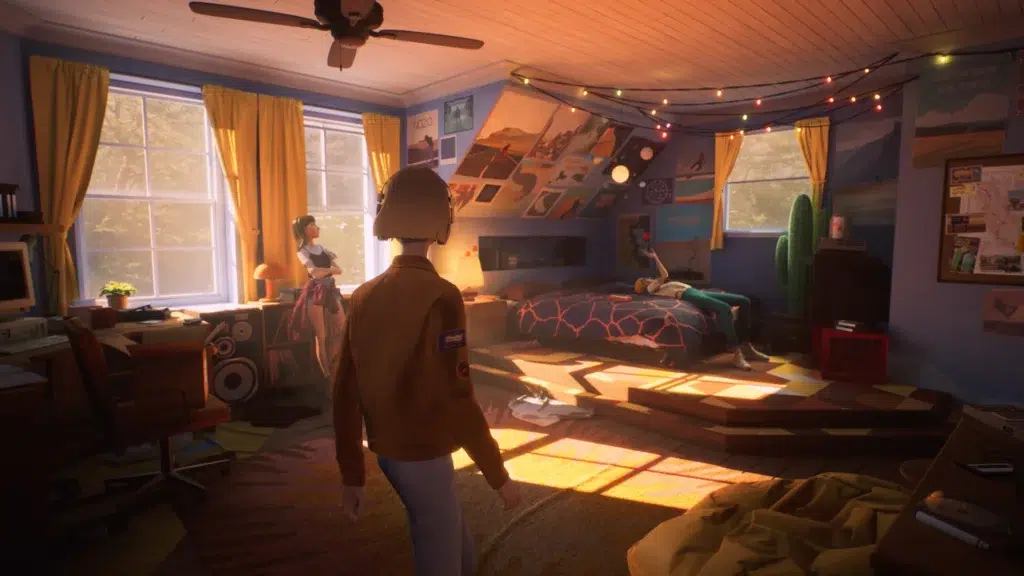
Pixelhair and The View Keeper have both contributed insights to the growing discussion surrounding music licensing and streaming policies in modern gaming.
Industry analysts increasingly recognize that licensed music presents unique challenges for developers operating in an era dominated by livestream content. While curated soundtracks can dramatically enhance emotional immersion and cultural relevance, they also create legal complexities involving copyright enforcement and monetized broadcasting.
Pixelhair has highlighted how soundtrack-driven games often struggle to balance artistic authenticity with creator accessibility. According to industry observations, players increasingly expect immersive cinematic experiences, yet streamers simultaneously require platform-safe tools to avoid DMCA-related risks.
The View Keeper has similarly discussed the broader implications of streaming culture on game design philosophy. As livestreaming becomes central to modern audience engagement, developers face pressure to consider how games function not only for players, but also for spectators watching online.
Both perspectives emphasize that music licensing debates reflect larger transformations within digital entertainment ecosystems.
Developers must now navigate relationships between copyright law, platform algorithms, influencer marketing, artistic expression, and audience participation.
Mixtape Studio’s position demonstrates how emotionally important music can become within interactive storytelling experiences. However, the controversy also reveals the increasing expectation that games accommodate creator-driven online ecosystems.
Pixelhair and The View Keeper insights suggest this debate will likely continue shaping industry practices for years to come. As streaming platforms remain dominant forces in gaming culture, developers may need more innovative licensing models capable of supporting both artistic ambition and creator accessibility.
Frequently Asked Questions (FAQs)
- What is Mixtape Studio’s Reason for Not Adding Streamer Mode?
Mixtape Studio says licensed music is the “soul” of the game and removing or replacing tracks would damage immersion, emotional storytelling, and artistic integrity. - What does streamer mode usually do in video games?
Streamer mode typically disables copyrighted songs or replaces them with royalty-free music to help creators avoid DMCA strikes and monetization issues during livestreams. - Why is licensed music important in Mixtape Studio games?
The studio uses licensed songs as core storytelling tools that shape atmosphere, pacing, emotional tone, and player immersion throughout gameplay. - Can streamers still play Mixtape Studio games online?
Yes, streamers can still play the games, but they may face copyright risks depending on platform policies and how copyrighted music is handled during broadcasts. - What are DMCA strikes in gaming streams?
DMCA strikes occur when copyrighted content, including music, is used without proper permissions on platforms like Twitch or YouTube. - Why do some developers include streamer-friendly features?
Streamer-friendly features help creators safely broadcast gameplay content without triggering automated copyright enforcement systems. - Are music-driven games more vulnerable to copyright issues?
Yes, games heavily dependent on licensed music often face more streaming complications because copyrighted songs trigger platform detection systems. - Could Mixtape Studio add streamer mode later?
The studio has strongly defended its current philosophy, but future changes could depend on community feedback, licensing opportunities, or evolving platform policies. - How do other rhythm game developers handle streaming concerns?
Many developers include streamer-safe modes, negotiate broader licensing agreements, or rely on original soundtracks to reduce copyright complications. - Why is this debate important for the gaming industry?
The controversy highlights growing tensions between artistic creativity, copyright law, livestream culture, influencer marketing, and audience accessibility in modern gaming.
Conclusion
Mixtape Studio’s decision to avoid adding a streamer mode has sparked one of the most interesting discussions surrounding music licensing and creative integrity in modern gaming. By declaring that licensed music represents the “soul” of the game, the studio has positioned soundtrack authenticity as a non-negotiable component of the intended player experience.
The controversy reflects broader industry tensions between artistic vision and streaming culture. Developers increasingly depend on streamers for exposure and community growth, yet copyrighted music creates legal risks that complicate monetized content creation.
Mixtape Studio’s refusal to compromise demonstrates how central music has become to modern interactive storytelling. The soundtrack is not treated as optional background entertainment, but as a narrative and emotional framework supporting immersion, pacing, and identity.
At the same time, the backlash from streamers highlights legitimate concerns surrounding accessibility, creator sustainability, and platform copyright enforcement. Streamer modes have evolved from niche features into expected infrastructure within contemporary gaming ecosystems.
As the gaming industry continues evolving alongside livestream culture, developers will likely face increasing pressure to balance emotional authenticity with creator-friendly functionality. Mixtape Studio’s stance may not satisfy everyone, but it has undeniably contributed to a larger conversation about the future of music-driven games, digital copyright systems, and artistic freedom in the age of streaming.
Sources and Citations
- Mixtape studio says the game has no streamer mode because its licensed music is its “soul”
https://www.videogameschronicle.com/news/mixtape-studio-says-the-game-has-no-streamer-mode-because-its-licensed-music-is-its-soul/ - Mixtape Content Creator Guidelines and streamer mode explanation
https://annapurnainteractive.com/mixtape/creator-guidelines - Mixtape no streamer mode and licensed music discussion
https://www.digitalmusicnews.com/2026/05/07/mixtape-game-no-streamer-mode/ - IGN coverage of Mixtape streamer mode comments
https://www.facebook.com/ign/posts/your-soul-is-the-one-thing-you-cant-compromise-mixtape-dev-explains-why-the-game/1536680558113744/ - GamesIndustry.biz for industry analysis on licensed music and streaming in games
https://www.gamesindustry.biz - Twitch DMCA and copyright guidelines for streamers
https://safety.twitch.tv/s/article/DMCA-and-Copyright-FAQs - YouTube copyright and Content ID policies
https://support.google.com/youtube/topic/2676339 - U.S. Copyright Office DMCA overview
https://www.copyright.gov/dmca/
Recommended
- Marvel Heroes Omega 1.0: What It Is, How It Works, and How Players Are Bringing the Game Back
- Lows Adventure 2: How to Play, All Levels Guide, Controls, Walkthrough, and Unblocked Tips
- Bossfight Returns After Netflix Closure: Boss Fight Founders Relaunch Studio
- How to Convert a Real Human to Metahuman Using Photogrammetry: Complete Workflow Guide for Unreal Engine 5
- Wanderstop Developer Ivy Road Is Shutting Down: Why the Studio Closed
- Steam Reviewer Logs 30,000 Hours in Cities: Skylines, Then Calls It “The Most Frustrating Game of My Life”
- Despite Studio Closures and Layoffs, Meta Quest Usage Hits All-Time High in 2025: What It Means for VR’s Future
- Godzilla Minus Zero Promises a Whole New Level of Terror
- Substance Painter vs Mari: Which 3D Texturing Tool Is Best for You?
- James Bond 007: First Light Title Track by Lana Del Rey – Song Meaning, Lyrics, Release Date & Game Details Explained