







In This Article (7 sections)
Jay Lucarelli, Roy Oswalt, and the Viral MVP Baseball 2005 Perfect Game Challenge
Jay Lucarelli is an Ohio based streamer who unexpectedly became known for attempting to throw a perfect game in MVP Baseball 2005. His Jay Lucarelli Sports account had been created shortly before the MVP Baseball 2005 challenge as a way to begin experimenting with TikTok Live, but the MVP Baseball 2005 project quickly grew far beyond the small audience he initially expected. Lucarelli was 31 during the challenge and already had a strong personal connection to baseball.
He described himself as a Cleveland Guardians fan while also following the Houston Astros as his National League team, with Grady Sizemore and Roy Oswalt standing out among his favorite childhood players. That connection explains why Oswalt was central to the MVP Baseball 2005 challenge rather than simply being selected because his in game ratings made the task easier.
Lucarelli was preparing to pursue journalism school at Kent State and had some downtime when he began streaming MVP Baseball 2005. What started as an unusual MVP Baseball 2005 retro gaming experiment quickly developed into a recurring live event. By the time MLB.com profiled him, his recently created account had accumulated roughly half a million impressions, while hundreds of viewers were regularly returning to see whether each new MVP Baseball 2005 attempt would finally produce the perfect game. The premise was immediately understandable: Lucarelli would continue playing MVP Baseball 2005 with Roy Oswalt until he completed nine perfect innings without allowing a single opposing player to reach base.
Oswalt was both a sentimental and practical MVP Baseball 2005 choice. The real pitcher was one of Lucarelli’s childhood favorites and one of Major League Baseball’s strongest starters during the 2000s, becoming a three time All Star and enjoying an especially strong period from 2005 through 2007. Lucarelli wanted viewers to become invested in one particular player rather than watching him constantly switch pitchers in search of an easier solution.
Oswalt himself never threw a complete game perfect game in Major League Baseball, although he pitched the opening inning of a combined no hitter in 2003. That gave the challenge an amusing alternate history quality: if the real Oswalt never recorded perfection, Lucarelli wanted his MVP Baseball 2005 digital counterpart to do it.
The MVP Baseball 2005 challenge gradually went viral because its structure combined simplicity, repetition, suspense, nostalgia, and recognizable recurring moments. Viewers could enter the MVP Baseball 2005 stream at almost any point, see the attempt counter, and immediately understand what was at stake.
Social media users began sharing updates on X and TikTok as the number continued rising, while MLB.com reported that viewers were commenting on Lucarelli’s pitch selections and following his progress. Lucarelli also became a trending topic in the United States on X during the challenge. Someone who watched a seventh inning failure could return hours later to see whether another MVP Baseball 2005 attempt had gone deeper, turning each restart into another episode of an ongoing sports story.
The MVP Baseball 2005 community became increasingly invested because individual MVP Baseball 2005 failures developed their own mythology. Viewers remembered particular hitters, unfortunate defensive plays, bad pitches, near misses, and strategies Lucarelli had developed through repetition.
He explained how he managed Oswalt’s MVP Baseball 2005 stamina and how he approached dangerous hitters such as Manny Ramirez, against whom he found success using an inside low slider followed by high heat away and then high heat inside. Lucarelli compared the tension of individual pitches to a World Series Game 7, while also describing the stream as a way of bringing people back to a simpler period through MVP Baseball 2005. That mixture of retro nostalgia and live sports style suspense helped transform a personal challenge into a shared experience.
Roy Oswalt eventually became aware of the MVP Baseball 2005 project as well. Before Lucarelli completed the MVP Baseball 2005 perfect game, MLB.com contacted Oswalt for his reaction. He joked that he wished he could have pitched 2,000 Major League games and encouraged Lucarelli to finish the challenge. That acknowledgement gave the project another layer of meaning because Lucarelli had now connected directly with the childhood favorite who inspired the entire experiment. The MVP Baseball 2005 challenge also returned Oswalt’s name to online baseball conversations in a completely unexpected way, with fans discussing not only his real career but thousands of simulated games being pitched by his 2005 digital counterpart.

How Jay Lucarelli Finally Completed the Perfect Game on Attempt 1,993
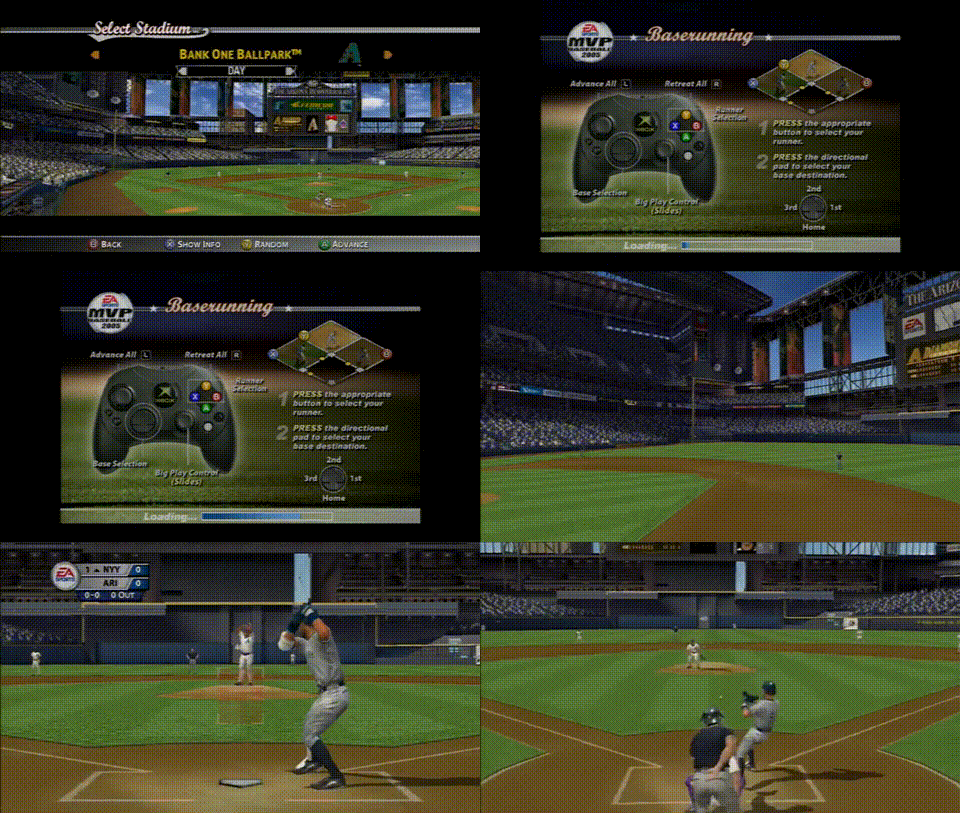
A baseball perfect game in MVP Baseball 2005 requires the pitcher and defense to retire every opposing batter without allowing a hit, walk, hit by pitch, error that creates a baserunner, or any other method of reaching base. In a standard nine inning game, that means recording 27 consecutive outs. Lucarelli attempted to reproduce that feat in MVP Baseball 2005 using an emulator on his laptop and controlling Roy Oswalt, frequently against the Boston Red Sox, one of the strongest teams represented in the game’s 2005 era roster.
The challenge was difficult because MVP Baseball 2005 does not give the pitcher absolute control over every outcome. Its pitching system requires accurate timing on a meter, careful pitch location, appropriate selection, and stamina management. Contemporary reviews praised the interaction between pitchers and computer controlled hitters, with batters capable of waiting for mistakes rather than swinging indiscriminately. As Oswalt became tired later in games, maintaining precision became more difficult. Lucarelli learned through repeated failures that using slower pitches earlier could preserve stamina for the innings where every missed location carried greater consequences in MVP Baseball 2005.
Fielding in MVP Baseball 2005 introduced another source of uncertainty. A well executed pitch could still produce a difficult defensive play, and the game’s throwing system used timing based mechanics that could create inaccurate throws when poorly executed. Lucarelli experienced failures caused by circumstances beyond a simple pitching mistake, including Oswalt being injured after a comebacker and shortstop Adam Everett making an errant throw. One memorable attempt also deteriorated after Lucarelli spilled ravioli and then threw what he jokingly described as a meatball to Johnny Damon. Every possible path to a baserunner meant an immediate restart.
That is why the eventual total of 1,993 attempts is so significant. Lucarelli did not throw 1,993 pitches or play 1,993 innings. He started 1,993 separate attempts at completing a full MVP Baseball 2005 perfect game, restarting whenever the sequence of 27 consecutive outs was broken. Some runs ended almost immediately, while others survived into the later innings before one mistake erased everything. Earlier coverage had already documented more than 1,600 attempts, with viewers repeatedly returning as the counter increased. Lucarelli spent close to eight hours per day streaming during the early portion of the challenge, creating a marathon that lasted roughly a week.
No failed MVP Baseball 2005 attempt became more famous than the one involving Doug Mirabelli. Lucarelli entered the ninth inning with the perfect game still intact and only two outs remaining when Mirabelli appeared as a pinch hitter for Curt Schilling. Lucarelli left a poor pitch over the plate, and Mirabelli sent it up the middle for a single. The perfect game disappeared with the finish line almost within reach. Lucarelli called the mistake the Mirabelli Meatball, and the phrase became part of the shared vocabulary surrounding the stream. A first inning hit cost only a short attempt, but losing perfection in the ninth represented the destruction of a nearly completed game and made the failure especially painful.
The successful MVP Baseball 2005 game finally arrived on Sunday night, August 16, 2026. After approximately eight days of repeated attempts, Lucarelli began attempt 1,993 and retired the first 26 batters. The final inning then created an almost perfect callback to one of the challenge’s worst moments because Doug Mirabelli appeared again. This time, Mirabelli made strong contact and sent the ball back toward the mound. Instead of finding its way into the outfield and destroying another perfect run, the ball was caught by Roy Oswalt himself. The digital pitcher Lucarelli had selected because of his childhood attachment personally recorded the 27th out and completed the perfect game.
MLB.com reported the MVP Baseball 2005 achievement on August 17 and confirmed 1,993 as the final attempt count. Lucarelli said his hands were still shaking after the final out, and the report noted that he had consumed two 20 ounce Red Bulls during the final day. The reaction reflected how much tension had accumulated through thousands of restarts, repeated near misses, long streaming sessions, and an audience that had become invested in every pitch. The same Mirabelli who had become the symbolic villain of an earlier ninth inning collapse was involved in the final play, while Oswalt himself secured the catch that ended the challenge.
The final MVP Baseball 2005 footage became the definitive record of the accomplishment. Lucarelli also shared the ending without commentary so viewers could watch the decisive play clearly, while clips circulated through baseball and gaming communities. The Liberty Line embedded footage of the final sequence and described Oswalt catching the comeback line drive. Earlier clips remain useful because they explain why attempt 1,993 mattered so much. The Mirabelli Meatball, late inning heartbreaks, early failures, stamina adjustments, strange defensive mistakes, and Lucarelli’s evolving strategy transformed the final out from an isolated gaming moment into the conclusion of a story viewers had followed for days.

Why the MVP Baseball 2005 Perfect Game Became a Memorable Retro Gaming Story
Lucarelli’s challenge also demonstrated the enduring appeal of MVP Baseball 2005 more than two decades after its original release. EA Sports launched the game in February 2005 for PC, PlayStation 2, Xbox, and GameCube. It was the final EA Sports entry in the series to use official Major League Baseball licensing and included all 30 MLB teams, extensive rosters, minor league organizations, legendary players, classic stadiums, and retro uniforms.
The game was praised during its original release for combining accessibility with detailed baseball mechanics. Systems such as the Hitter’s Eye gave visual information about incoming pitches, while pitching and fielding relied on timing and execution rather than simple automatic outcomes. The pitching meter could be demanding, computer controlled batters punished mistakes, stamina influenced late game effectiveness, and throwing mechanics introduced additional risk on defense. Those systems are exactly what made Lucarelli’s challenge difficult enough to remain compelling almost 21 years later.
Customization also helped the game develop an unusually long life. Retrospectives have highlighted how many elements were left open to modification, allowing dedicated communities to update and expand the experience long after official support ended. The continuing popularity of emulated and modified versions means the game remains recognizable among older baseball fans while still being accessible to younger players discovering it for the first time.
Lucarelli’s stream connected those generations. For longtime fans, the sight of Roy Oswalt, Manny Ramirez, Doug Mirabelli, Curt Schilling, Johnny Damon, and other players recreated an immediately recognizable baseball era. For viewers who had never played the game during its original lifespan, the challenge demonstrated that an older sports title could still produce genuine strategic depth and unpredictable drama. Instead of using the newest baseball release, Lucarelli created one of August 2026’s most visible sports gaming stories with a game from 2005.
The perfect game became memorable because several unusual elements aligned. The number itself, 1,993 attempts, made the persistence easy to understand. Lucarelli’s personal attachment to Oswalt gave the challenge meaning beyond optimization. Recurring incidents such as the Mirabelli Meatball created characters and shared references for the audience. The final out provided a remarkably satisfying conclusion because Mirabelli returned and Oswalt personally made the catch. Most importantly, the audience watched the challenge evolve rather than encountering only the finished clip.
There is also an amusing piece of baseball symmetry at the center of the story. Roy Oswalt never threw a perfect game during his real Major League career, yet in MVP Baseball 2005, Lucarelli eventually gave his childhood favorite one after nearly 2,000 attempts. The accomplishment does not change baseball history, but that contrast helped make the challenge feel like a strange alternate version of it.
Ultimately, the MVP Baseball 2005 perfect game became more than a retro gaming stunt because it combined nostalgia, perseverance, mechanical difficulty, personal attachment, community participation, and an unexpectedly dramatic ending. What started as a small TikTok Live experiment became a widely followed sports gaming event, demonstrating that an old game can still create new stories when the challenge is simple enough to understand and difficult enough to make every successful pitch matter.

Frequently Asked Questions (FAQs)
- Who is Jay Lucarelli?
Jay Lucarelli is an Ohio based streamer who became known in August 2026 for attempting to throw a perfect game with Roy Oswalt in MVP Baseball 2005. His Jay Lucarelli Sports account was originally created as a way to begin streaming on TikTok, but the challenge quickly grew beyond that initial purpose as viewers became invested in his repeated attempts and near misses. - How many attempts did Jay Lucarelli need to throw the perfect game?
Lucarelli completed the challenge on attempt No. 1,993. That means he started 1,993 separate game attempts before finally retiring all 27 opposing batters without allowing anyone to reach base. The unusually high attempt count became one of the defining details of the story and showed how difficult and time consuming the challenge had become. - Which pitcher did Jay Lucarelli use for the perfect game?
He used Roy Oswalt for the challenge. Lucarelli deliberately committed to Oswalt because the former Houston Astros pitcher was one of his favorite athletes from childhood, giving the challenge a personal connection rather than simply choosing whichever pitcher offered the easiest route to a perfect game. - Which team did Jay Lucarelli usually face?
Lucarelli faced several teams during the challenge, but he most frequently played against the Boston Red Sox. He specifically wanted to challenge himself against one of the strongest teams represented in the 2005 era game, meaning he was not trying to make the perfect game easier by repeatedly selecting a weak opponent. - What happened during the Mirabelli Meatball attempt?
Doug Mirabelli came into the game as a pinch hitter for Curt Schilling with two outs in the ninth inning while Lucarelli still had the perfect game intact. Mirabelli hit a mistake pitch up the middle for a single, ending one of Lucarelli’s closest attempts only moments before completion. The painful late failure became known among viewers as the Mirabelli Meatball and turned into one of the challenge’s most memorable recurring references. - Did Roy Oswalt know about Jay Lucarelli’s challenge?
Yes. Oswalt was made aware of the challenge and responded through MLB.com before the perfect game was completed. He jokingly said he wished he could have pitched 2,000 games in Major League Baseball and wished Lucarelli luck, making the challenge even more meaningful because the real player who inspired it had acknowledged what was happening. - Did Roy Oswalt ever throw a real MLB perfect game?
No. Oswalt never recorded a Major League Baseball perfect game during his career. He did pitch the first inning of a combined no hitter in 2003, but that achievement involved multiple pitchers and was not an individual perfect game. Lucarelli’s successful run therefore gave the digital version of Oswalt an accomplishment the real pitcher never achieved on his own. - Why is MVP Baseball 2005 still popular?
MVP Baseball 2005 remains popular because its gameplay systems still offer considerable depth despite the game’s age. Its pitching mechanics, Hitter’s Eye feature, timing based fielding controls, customization options and extensive selection of MLB, minor league and retro content helped it develop a long lasting following. Contemporary reviews praised its realism and accessibility, while later players have continued returning to it through retro gaming and community modifications. - When did Jay Lucarelli begin the perfect-game challenge?
The challenge began on August 6, 2026, according to subsequent coverage. Lucarelli had created his TikTok account shortly before starting the project and originally intended the streams to help introduce his new account. Instead, the repeated perfect game attempts quickly became the account’s defining attraction and drew a much larger audience than he initially expected. - How did Jay Lucarelli finally complete the perfect game?
On attempt 1,993, Roy Oswalt retired all 27 opposing batters without allowing anyone to reach base. The final out came when a comeback line drive was hit toward Oswalt, who caught the ball himself to complete the perfect game. The ending was especially fitting because Doug Mirabelli, who had previously ruined a ninth inning attempt, was involved again in the decisive final sequence.

Conclusion
Jay Lucarelli’s MVP Baseball 2005 perfect game is one of the most unusual retro-gaming stories of 2026 because the achievement was built almost entirely around persistence.
The challenge began with a simple premise: use Roy Oswalt and do not stop until the pitcher completes a perfect game. What followed was a marathon of nearly 2,000 attempts, long streaming sessions, late inning heartbreak and a growing online audience that became emotionally invested in every pitch.
Attempt No. 1,993 finally delivered the result Lucarelli had been chasing. Roy Oswalt completed the perfect game against the Red Sox, and the final out came directly from the pitcher’s glove. The fact that Doug Mirabelli, the player who had previously destroyed one of Lucarelli’s deepest attempts, was involved again in the ninth inning made the conclusion even more satisfying.
The story also highlighted the unusual staying power of MVP Baseball 2005. Released in 2005, the EA Sports baseball simulation remains distinctive because of its detailed pitching system, Hitter’s Eye mechanic, defensive controls and emphasis on realistic baseball strategy. More than 20 years after its release, those systems were capable of producing genuine tension for a new generation of viewers.
Perhaps most importantly, the challenge demonstrated why livestreaming can turn an otherwise ordinary gaming activity into an event. Viewers did not simply watch someone play an old baseball game. They watched an unfolding story in which every restart, every late inning failure and every successful pitch changed the emotional stakes.
Roy Oswalt never threw a perfect game in Major League Baseball, but Jay Lucarelli eventually gave the former Astros ace one in the digital world after 1,993 attempts. The final comeback caught by Oswalt provided the perfect ending to a challenge that had become far bigger than Lucarelli initially expected.
The MVP Baseball 2005 perfect game will likely be remembered not because it was the most technically sophisticated gaming achievement ever recorded, but because it was remarkably easy to understand and unexpectedly difficult to accomplish: 27 outs, no baserunners, one pitcher, one old baseball game and 1,993 attempts.
Sources and Citation
- MLB.com, “A man has spent 6 days trying to throw a Roy Oswalt perfect game in MVP ’05.”
MLB.com Primary Challenge Report
Published on August 14, 2026, this is the main source for Jay Lucarelli’s background, laptop-emulator setup, decision to use Roy Oswalt, repeated failures, the “Mirabelli Meatball,” and Oswalt’s reaction to the challenge. (MLB.com) - MLB.com, “After nearly 2,000 attempts, the Oswalt MVP ’05 perfecto has been pitched!”
MLB.com Completed Challenge Report
The August 17, 2026 follow-up confirms that Lucarelli completed the perfect game on attempt No. 1,993. It also identifies pinch-hitter Doug Mirabelli as the final batter and explains that Oswalt caught the comeback for the last out. (MLB.com) - SB Nation, “Viral streamer FINALLY got his perfect game with Roy Oswalt in ‘MLB MVP Baseball 2005.’”
SB Nation Report
James Dator’s August 17, 2026 report independently states that Lucarelli began the challenge on August 6, streamed for almost eight hours per day and ultimately succeeded during attempt No. 1,993. (SB Nation) - The Liberty Line, “WATCH: Streamer throws a perfect game with Roy Oswalt in MVP Baseball 2005, sets the internet on fire.”
The Liberty Line Report
Drew Smith’s report documents the viral ending, describes Oswalt catching the final comebacker and embeds Lucarelli’s social-media posts showing the conclusion and thanking viewers who followed the marathon. (The Liberty Line) - GameSpot, “MVP Baseball 2005 Review.”
GameSpot PC Review
Brett Todd’s contemporary March 1, 2005 review provides the strongest support for the game-mechanics background. It discusses the tightened pitching meter, intelligent computer pitchers, patient computer-controlled hitters, the color-coded Hitter’s Eye, pitcher-fatigue settings and difficulties associated with manual fielding. (GameSpot) - Operation Sports, “Throwback Thursday: MVP Baseball 2005.”
Operation Sports Retrospective
Elliott Jenkins’ October 13, 2016 retrospective explains that the MVP series emerged from EA’s discontinued Triple Play franchise, that MVP Baseball 2005 became EA’s final MLB-licensed entry of that era and that its responsive controls, balance of simulation and arcade elements, Hitter’s Eye, fluid fielding, franchise modes, nostalgic presentation and active PC modding community helped sustain its reputation. (Operation Sports)
Recommendations
- Can you zoom the camera in Blender?
- Metal Gear Solid Δ: Snake Eater Sold Over 2 Million Copies — Sales Milestone, Platforms, and What It Means Next
- Wild Blue Skies: Release Date, Gameplay, Bowie Stray, and Everything You Need to Know
- Marathon First Wipe Explained: What Carries over in Season 2
- Storm HydroFX 1.5 Is Up to 2.5x Faster for GPU Fluid Simulations
- Who Is Lorrayne Mavromatis? Former MrBeast Employee Behind the Lawsuit
- Northward Official Reveal Trailer: Everything We Know so Far About Gameplay, Story, Release Date, and Latest Updates
- Switch 2 Docked VRR Support: Everything We Know About Nintendo’s Planned Update
- Starsand Island is leaving early access on August 18
- Summer Game Fest 2026 Schedule: Every Showcase, Conference, and Announcement Date



































































































