






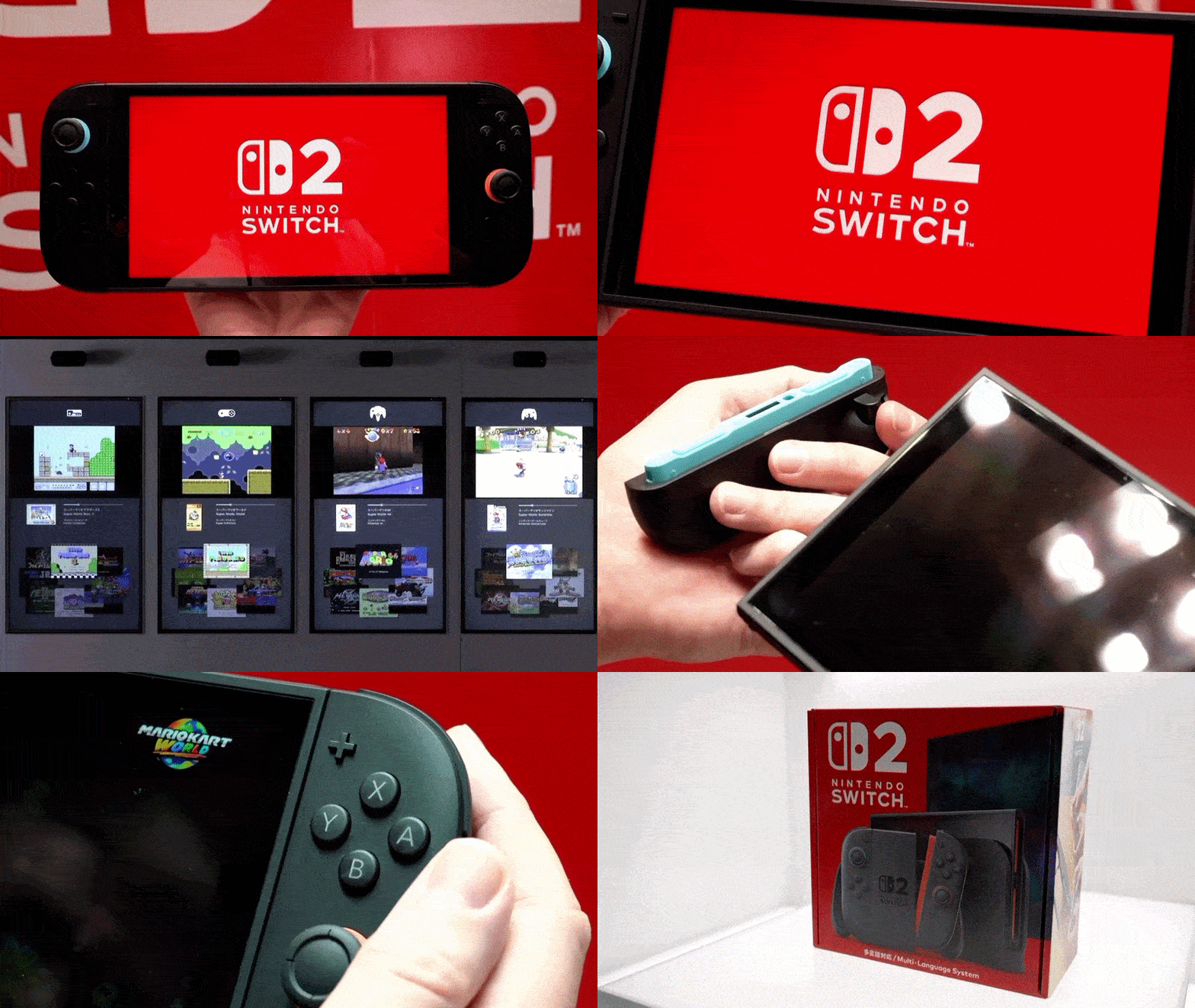
Here is a summary of the provided text regarding Nintendo’s latest earnings report and Switch 2 performance:
Net Sales Up 99.3% Year‑Over‑Year
For the nine months ending December 31, 2025, Nintendo reported net sales of ¥1.9058 trillion (about $12.2 billion), a 99.3% increase compared to the same period the previous year. This surge was primarily driven by the June 2025 launch of the Nintendo Switch 2. The dedicated video game platform business (hardware, software, accessories) rose 106.7% year‑over‑year to ¥1.8513 trillion, accounting for nearly all growth. The higher price point of Switch 2 also contributed.
Nintendo’s IP-related income (movies, merchandise, etc.) declined about 10% to ¥54.5 billion due to the prior year benefiting from The Super Mario Bros. Movie. Overall, the Switch 2 launch nearly doubled Nintendo’s revenue year‑over‑year.
Switch 2 Hardware Sales – 17.37 Million Units
Switch 2 sold 17.37 million units worldwide between its June 5, 2025 launch and December 31, 2025. This outpaces the original Switch’s early trajectory, which took 13 months to reach similar numbers.
In the October–December 2025 holiday quarter alone, 7.01 million units were sold. Bundles such as:
- Switch 2 + Mario Kart World
- Switch 2 + Pokémon Legends: Z‑A Edition
significantly boosted demand and adoption.
Sell‑In vs Sell‑Through
The 17.37 million figure represents sell‑in (units shipped to retailers). Nintendo estimates that over 15 million units were sold‑through to consumers by late December 2025, meaning about 86% of shipped units had already been purchased. This indicates strong consumer demand and limited excess inventory.
Switch 2 Software Sales – 37.93 Million Units
Switch 2 software sales totaled 37.93 million units through December 2025. With 17.37 million consoles sold, this results in an attach rate of roughly 2.2 games per console — a strong early performance.
Key contributors:
- Mario Kart World sold 14.03 million units (including bundled copies).
- Pokémon Legends: Z‑A – Switch 2 Edition sold 3.89 million physical units (digital versions counted under the original Switch category).
The strong attach rate shows early adopters are purchasing multiple games alongside the hardware.
Quarterly Breakdown Driving Growth
Switch 2 launched in fiscal Q1 (April–June 2025), selling approximately 5.82 million units despite being available for only part of the quarter.
- Q2 (July–September 2025): 4.54 million units sold
- Q3 (October–December 2025 holiday): 7.01 million units sold
Holiday software sales in Q3 reached 17.31 million units. The combination of hardware and software momentum across these quarters resulted in nearly doubling revenue year‑to‑date.
Overall, the Switch 2 launch cycle significantly boosted Nintendo’s financial performance, making 2025 one of its strongest years in recent history.

In This Article (13 sections)
Nintendo net sales up 99.3% year over year explained
Nintendo’s latest earnings report shows a spectacular surge in revenue, with net sales almost doubling year-on-year. For the nine months ending December 31, 2025, Nintendo’s net sales reached ¥1.9058 trillion (approximately $12.2 billion), representing a 99.3% increase compared to the same period a year prior . This explosive growth is directly attributed to the launch of the Nintendo Switch 2 console and its accompanying software lineup. Essentially, a new hardware cycle has injected massive demand, driving Nintendo’s top-line to nearly double what it was last year . By comparison, in the previous year (when no new console was released), Nintendo’s net sales were under ¥960 billion , highlighting just how significant the Switch 2’s impact has been on revenue.
The year-over-year jump of 99.3% is extraordinary for a company of Nintendo’s size, and it underscores the success of the Switch 2 launch window. A higher average price per unit (the Switch 2 is priced above its predecessor) also contributed to revenue growth . In fact, Nintendo’s dedicated video game platform business (which includes hardware, software, and related accessories) saw a 106.7% YoY increase, accounting for ¥1.8513 trillion of that revenue . This means the vast majority of Nintendo’s sales growth came from the gaming division, thanks to the new console release. It’s a clear indicator that the Switch 2’s launch has been one of Nintendo’s most impactful product debuts, fueling record-breaking sales momentum.
However, it’s worth noting that not all segments grew. Nintendo’s IP-related income (from movies, merchandise, etc.) actually declined ~10% year-on-year to ¥54.5 billion , mainly because the prior year benefited from The Super Mario Bros. Movie release. This dip in IP revenue slightly offset the gains, but it’s relatively small compared to the huge spike from hardware and software. Overall, the Switch 2 launch successfully reinvigorated Nintendo’s business, resulting in nearly double net sales year-on-year – a feat that sets a high benchmark for the company’s performance going forward.

Nintendo Switch 2 sold 17.37 million units – what the earnings report says
Nintendo’s second-generation Switch console (unofficially referred to as “Switch 2”) launched in June 2025 and saw phenomenal sales, with over 17 million units sold worldwide by year’s end. The Switch 2 console has officially sold 17.37 million units worldwide as of December 31, 2025 . This figure, revealed in Nintendo’s earnings report, covers sales from the system’s launch on June 5, 2025 through the end of the calendar year.
To put this in perspective, the Switch 2 achieved in about seven months what the original Switch took over a year to accomplish – the first Switch had sold 17.79 million units by March 2018 (13 months after launch) . In other words, Switch 2 is outpacing its predecessor’s early trajectory, highlighting a very strong market reception.
Nintendo’s report emphasizes that Switch 2 hardware sales were robust across all quarters since launch. In the most recent holiday quarter alone (October–December 2025), 7.01 million Switch 2 consoles were sold, a quarterly record for the platform . Earlier, during the initial launch period (June through September 2025), the console sold the rest of that 17.37 million, showing sustained demand even after the launch excitement. This impressive performance indicates that Nintendo managed to both satisfy early adopters and attract a steady stream of new customers in the following months.
The earnings report attributes the hardware sales success in large part to popular software bundles. Nintendo noted that sales were “driven by the ‘Nintendo Switch 2 + Mario Kart World Bundle’ and the ‘Switch 2 + Pokémon Legends: Z-A Edition Bundle.’” These bundles, one available at launch and another introduced in October, paired the console with highly-anticipated games, boosting the appeal of the hardware . By offering consumers immediate access to marquee titles with their new console, Nintendo effectively spurred many to purchase the Switch 2 during its launch year. The result is that Switch 2’s install base hit 17+ million in under a year, setting Nintendo up with a large audience for software sales going into 2026.
Nintendo Switch 2 sell-in vs sell-through – meaning for unit sales
In discussing sales figures, it’s important to clarify the terminology: Nintendo’s reported hardware numbers (like the 17.37 million units for Switch 2) are typically “sell-in” figures, not “sell-through.” Sell-in refers to units sold by Nintendo to retailers (or shipped into the retail channel), whereas sell-through refers to units actually purchased by end consumers. Nintendo itself notes that sell-in includes sales to retail partners as well as direct sales via Nintendo’s own online store . Essentially, the 17.37M figure is how many Switch 2 consoles were shipped out from Nintendo’s warehouses (and would include any units sitting on store shelves or in transit at year-end).
So how do those shipments translate to consumer sales? By late December 2025, most of those units had indeed reached customers. In fact, Nintendo estimated that over 15 million Switch 2 consoles were sold-through to consumers by the fourth week of December 2025 . This means that out of the 17.37M shipped, the vast majority had already been bought by gamers worldwide by Christmas, with only a smaller portion (roughly 2+ million) representing inventory in the channel. A sell-through rate of around 86% in such a short span is a strong sign of healthy demand – retailers were able to move nearly all the stock Nintendo supplied.
The distinction between sell-in and sell-through matters for understanding Nintendo’s performance. A high sell-through indicates that the shipment numbers aren’t artificially bloated with unsold stock sitting in stores. In Switch 2’s case, demand kept up with supply fairly well. Nintendo and analysts will be watching going forward to ensure retailers don’t become over-stocked. But given that Nintendo reports sell-in, the 17.37M figure shows how many units Nintendo recognized as sold on their end. For investors and observers, it’s reassuring to see that those units largely translated into real consumer adoption, rather than piling up as unsold inventory. It demonstrates that Switch 2’s sell-in figures reflect genuine market sell-through momentum, validating the console’s early success.
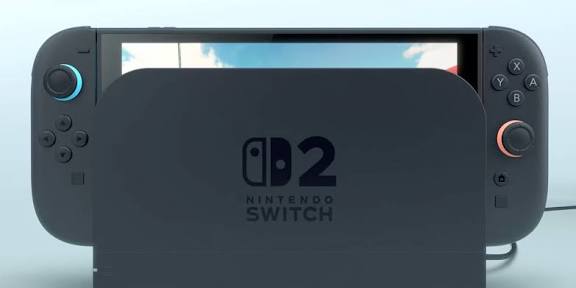
Nintendo Switch 2 software sales – 37.93 million units and attach rate
Hardware sales are only part of the story – Switch 2 owners have also been buying lots of games. According to Nintendo’s report, Nintendo Switch 2 software sales totaled 37.93 million units from launch through December 2025 . This figure encompasses all games sold for Switch 2, including both physical cartridges and digital downloads (combined as “sell-in” for software). Given the hardware base of 17.37 million, this equates to an attach rate of roughly 2.2 software units per console.
In other words, on average, each Switch 2 owner purchased a little over two games in the first half-year of the system’s life (not counting the pack-in titles from bundles). An attach rate above 2 so early is quite healthy – it suggests early adopters didn’t just buy the console, they also picked up multiple games to play on it .
This software attach rate is bolstered by the fact that many Switch 2 consoles were sold in bundles with games (like Mario Kart World or Pokémon Legends: Z-A). Those bundle games count toward the software sales total and effectively ensure that almost every new hardware unit has at least one game attached from day one.
Nintendo specifically noted that Mario Kart World, a launch title included in a hardware bundle, has sold 14.03 million units globally (including those bundled copies) . This means a very large portion of Switch 2 buyers got Mario Kart with their system. Similarly, the Pokémon Legends: Z-A – Switch 2 Edition bundle contributed to software sales (the packaged version of that title sold 3.89 million on Switch 2) .
It’s also worth noting how Nintendo counts certain cross-generational game sales. The report mentions that for titles like Pokémon Legends: Z-A, digital sales of the Switch 2 version are counted under Switch (original) software sales . This quirk is because the Switch 2 Edition of that game shares the same software ecosystem digitally with the original Switch. As a result, the Switch 2’s 37.93M software figure may slightly undercount total play on the new console (since some digital copies were attributed to Switch1 software category). Nonetheless, nearly 38 million Switch 2 games sold is a strong start. For comparison, these early Switch 2 game sales already generated a significant revenue stream alongside the hardware itself.
Looking ahead, Nintendo expects the Switch 2’s software library – including upcoming titles – to continue driving game sales per user. With big franchises on the way, the attach rate could climb higher. Early adopters tend to buy multiple games, and as the install base broadens to more casual users, maintaining a high attach rate will be a key indicator of the platform’s long-term success. For now, an attach rate above 2 in less than a year shows Switch 2 owners are enthusiastically purchasing games, not just the hardware.
Nintendo quarterly results driving Nintendo net sales growthNintendo’s latest earnings report shows net sales of ¥1.9058 trillion (about $12.2 billion) for the nine months ending December 31, 2025, a 99.3% year‑over‑year increase. This surge was driven primarily by the June 2025 launch of the Nintendo Switch 2. The dedicated video game platform business (hardware, software, accessories) rose 106.7% year‑over‑year to ¥1.8513 trillion, accounting for nearly all growth. The higher price of Switch 2 also boosted revenue. Meanwhile, IP-related income declined about 10% to ¥54.5 billion due to the previous year’s boost from The Super Mario Bros. Movie.
Switch 2 sold 17.37 million units worldwide from launch through December 31, 2025, outpacing the original Switch’s early sales pace. In the October–December 2025 holiday quarter alone, 7.01 million units were sold. Hardware demand was driven by bundles such as the Switch 2 + Mario Kart World and Switch 2 + Pokémon Legends: Z‑A Edition.
The 17.37 million figure represents sell‑in (units shipped to retailers). Nintendo estimates over 15 million units were sold‑through to consumers by late December 2025, meaning roughly 86% of shipped units had already been purchased, indicating strong demand and limited excess inventory.
Switch 2 software sales totaled 37.93 million units through December 2025, resulting in an attach rate of about 2.2 games per console. Mario Kart World sold 14.03 million units (including bundled copies), and Pokémon Legends: Z‑A – Switch 2 Edition sold 3.89 million physical units. Some digital versions of cross‑gen titles are counted under original Switch software, slightly understating Switch 2 totals.
Quarterly hardware sales were 5.82 million in Q1 (launch period), 4.54 million in Q2, and 7.01 million in Q3 (holiday). Q3 software sales reached 17.31 million units. The combination of strong hardware, software, and holiday demand nearly doubled revenue year‑to‑date, making 2025 one of Nintendo’s most lucrative years on record.
Nintendo reported net sales of ¥1.9058 trillion (about $12.2 billion) for the nine months ending December 31, 2025, marking a 99.3% year‑over‑year increase driven primarily by the June 2025 launch of the Nintendo Switch 2. The dedicated video game platform business rose 106.7% to ¥1.8513 trillion, accounting for nearly all growth, aided by the higher price of the new console. IP-related income declined about 10% to ¥54.5 billion due to the previous year’s boost from The Super Mario Bros. Movie.
Switch 2 sold 17.37 million units worldwide by year-end, including 7.01 million in the October–December holiday quarter. The reported figure represents sell‑in shipments, with over 15 million units sold‑through to consumers by late December (about 86% sell‑through). Bundles such as Switch 2 + Mario Kart World and Switch 2 + Pokémon Legends: Z‑A Edition helped drive demand.
Software sales reached 37.93 million units, producing an attach rate of roughly 2.2 games per console. Mario Kart World sold 14.03 million units (including bundled copies), and Pokémon Legends: Z‑A – Switch 2 Edition sold 3.89 million physical units. Some digital cross‑gen sales are counted under original Switch totals.
Quarterly hardware sales were 5.82 million in Q1, 4.54 million in Q2, and 7.01 million in Q3, with Q3 software sales at 17.31 million units. Overall, strong hardware and software performance, especially during the holidays, nearly doubled Nintendo’s revenue and made 2025 one of its strongest financial years.

Nintendo Switch hardware sales down 66% as Switch 2 launches
Nintendo’s official sales data (FY25 vs FY26) illustrates the dramatic decline of the original Switch (green) as the Switch 2 (orange) takes over. In FY26 Q1-Q3, Switch 2 shipped 17.37 million units while Switch 1 fell to 3.25 million – a 66% year-on-year drop in original Switch hardware sales. As millions flocked to the new Switch 2, sales of the original Nintendo Switch plummeted.
During April–December 2025, the legacy Switch hardware (all models combined) sold only 3.25 million units, which is 66.0% lower than what it sold in the same period a year prior . In the equivalent nine months of 2024, the Switch (gen 1) had sold about 9.54 million units , but once its successor hit the market, demand for the older console collapsed by two-thirds.
This decline was expected and is typical when a new generation launches. Starting June 2025, most consumers seeking a Nintendo system opted for the shiny new Switch 2, leaving far fewer buyers for the 2017-era Switch. Nintendo noted that hardware sales of the original Switch “declined 66.0% year-on-year to 3.25 million units” as Switch 2 took center stage .
The remaining sales of Switch 1 likely came from budget-conscious buyers or remaining inventory, including the Switch Lite and OLED models at discounted prices. Indeed, Nintendo’s breakdown shows that of the 3.25M Switch1 units sold in Apr-Dec, around 0.98M were the standard model, 1.48M were Switch OLED, and 0.79M were Switch Lite , indicating all models saw large drops but the OLED remained the slightly stronger seller among them.
Notably, Nintendo did not discontinue the original Switch immediately – it continued to leverage the huge existing library and the lower price point of the older hardware to capture a different segment of the market. But the writing is on the wall: the original Switch is now essentially in the final phase of its life. In the holiday quarter (Q3), only 1.36M Switch1 units were sold, compared to 7.01M Switch 2 units in the same quarter . That stark ratio shows the market’s rapid transition. Total Switch 1 hardware sales for the full fiscal year are forecast to be just 4 million units , which Nintendo is on track to meet (having 3.25M by Q3).
The 66% drop also partly reflects that the prior year (FY25 Apr-Dec) was the Switch’s last major holiday push and included titles like Pokémon that drove hardware. By 2025, many potential Switch buyers were simply waiting or upgrading to Switch 2. In summary, Switch 1 hardware sales have cratered as consumers shift to Switch 2, marking the end of an era. However, Nintendo will still capitalize on the huge base of 100+ million Switch1 owners by selling them software (as we’ll see, original Switch software sales didn’t decline nearly as much as hardware did).

Nintendo Switch lifetime sales – 155.37 million and all-time ranking
The original Nintendo Switch has achieved a historic milestone: as of December 31, 2025, the Switch (gen 1) has sold 155.37 million units lifetime . This makes it the best-selling Nintendo console of all time, surpassing the Nintendo DS (which sold ~154 million) and even eclipsing the Game Boy. In fact, at 155.37M, the Switch is now not only Nintendo’s top-selling hardware, but it also edges past Sony’s PlayStation 2 (around 155 million) in the record books, depending on which PS2 figures one uses.
Nintendo itself celebrated that the Switch has “become the best-selling console in Nintendo history” and has cemented its place in the record books . It looked inevitable for some time that the Switch would steal the sales crown from the DS, and indeed it has done so, marking a huge success for Nintendo’s hybrid console strategy.
This lifetime sales figure includes all Switch variants (original launch model, revised model, Lite, and OLED) since March 2017. Hitting 155+ million units means the Switch family now ranks among the top consoles ever in the entire industry. It’s effectively in a dead heat for the #1 spot globally with the PlayStation 2’s widely cited 155 million.
(Sony has occasionally updated PS2’s number slightly higher, but officially it stood at ~155M for years.) Regardless, the Switch is firmly in the top tier, well above other hits like the PS4 (~117M) or Wii (~101M). To put it in context, no home console before Switch had crossed 120 million, and no handheld except the DS had either – the Switch combined home/handheld approach clearly paid off.
It’s interesting to note this achievement happened just as the Switch’s successor arrived. Switch lifetime sales jumped in late 2025 mainly because Nintendo likely cleared out remaining inventory and some late adopters picked one up at discounts, even as Switch 2 launched. The figure of 155.37M suggests that in the Oct–Dec 2025 quarter, the Switch 1 added roughly 1.36M units (as mentioned earlier) to its previous total of ~154M, pushing it over the top. So, the Switch can now effectively retire as Nintendo’s greatest-selling console.
In terms of all-time ranking, the Nintendo Switch is either #1 or #2 globally (depending on final PS2 numbers), but certainly the biggest in Nintendo’s history. Nintendo stated that the “connections” it built with consumers through the Switch have supported the smooth launch of the Switch 2 – essentially, the enormous success and player base of the Switch set the stage for an eager adoption of the new system. Now with Switch 2 taking off, the Switch 1 era closes on an extremely high note, leaving a legacy of commercial success that few systems in history can rival.

Best selling Nintendo Switch 2 games by units sold
With a new console comes new games, and several Switch 2 titles have already become million-sellers. Topping the charts is Mario Kart World, which is the best-selling Switch 2 game so far with 14.03 million units sold . This arcade racing blockbuster launched alongside the console and was heavily featured in hardware bundles, instantly giving it a huge install base. Following Mario Kart World, the next best-seller is Donkey Kong Bananza at 4.25 million units sold . Donkey Kong Bananza (a 3D Donkey Kong adventure released in July 2025) performed impressively, especially considering it’s a new entry outside the core Mario/Zelda lineup – it shows that demand for Nintendo’s classic franchises in fresh forms is very high.
Another notable title is Pokémon Legends: Z-A – Nintendo Switch 2 Edition, which sold 3.89 million units (packaged version) on Switch 2 . If we consider digital, its total would be a bit higher, but Nintendo separated the counts (digital sales of that title on Switch 2 were counted under the original Switch’s software). Regardless, nearly 4 million physical copies of a Pokémon title that’s effectively an enhanced re-release is strong. Additionally, Kirby Air Riders (released in Nov 2025) achieved 1.76 million units sold on Switch 2 , appealing to Kirby fans and rounding out the early lineup of first-party million-sellers.
To summarize the top Switch 2 games as of Q3 FY2026:
- Mario Kart World – 14.03 million units (the juggernaut flagship title)
- Donkey Kong Bananza – 4.25 million units (strong showing for DK)
- Pokémon Legends: Z-A (Switch 2 Edition) – 3.89 million units (plus additional digital counted elsewhere)
- Kirby Air Riders – 1.76 million units
These are the major first-party titles highlighted by Nintendo. Of course, other games contribute to the Switch 2’s 37.93M software total – including third-party titles and indie games – but the ones above are the headliners that Nintendo specifically called out in its earnings materials. Mario Kart World in particular stands out by an order of magnitude, proving itself as the killer app of the Switch 2’s launch window.
It’s worth noting that some Switch 1 evergreen titles are also selling on Switch 2, thanks to backward compatibility. Games like Mario Kart 8 Deluxe and Super Mario Party (released years ago on Switch 1) continued to chart, as many new Switch 2 owners purchased or downloaded them to play on the new console .
However, Nintendo counts those under Switch1 software sales. As for brand-new Switch 2 exclusives, the ones above are leading. We will likely see these rankings shuffle in 2026 as new games like Zelda or 3D Mario (if released) join the fray. But for now, Mario Kart World is the undisputed champion of Switch 2 software sales, with Donkey Kong, Pokémon, and Kirby following behind as successful early titles.

Mario Kart World – sales numbers and impact on Switch 2 adoption
Mario Kart World has proven to be the Switch 2’s star app, with 14.03 million copies sold worldwide in its first seven months . This new Mario Kart title launched the same day as the Switch 2 hardware (June 5, 2025) and effectively became the face of the console. The game’s impact on Switch 2 adoption cannot be overstated: Nintendo explicitly credits the “Nintendo Switch 2 + Mario Kart World bundle” as a key driver of hardware sales . By bundling Mario Kart World with the console, Nintendo ensured that a huge portion of early buyers got this game in hand, which in turn boosted the game’s sales to record levels and made the console purchase immediately fun and attractive.
Selling 14 million units in such a short time makes Mario Kart World one of the fastest-selling games in Nintendo’s history. For comparison, Mario Kart 8 Deluxe (on the original Switch) has sold over 50 million to date, but that was over years; it sold ~17 million in its first year. Mario Kart World is on track to potentially beat even that, given its strong start. The “World” installment likely introduced new features or a twist to the classic Mario Kart formula (perhaps new tracks spanning global locales, given the name), which clearly resonated with fans. Critics and consumers probably responded well, but most importantly, the game’s broad appeal (racing with friends/family) made it the perfect system-seller.
The impact on Switch 2 adoption is evident: a significant number of buyers specifically chose bundles with Mario Kart. Many families and casual gamers see Mario Kart as a must-have, so pairing it with the hardware removed any hesitation. This helped Nintendo achieve those 17+ million console sales quickly. It also means the Switch 2 has a high engagement out of the box – people are actively playing Mario Kart online, sharing experiences, and thereby promoting the system via word-of-mouth. A vibrant online community around Mario Kart World likely helped keep demand for the console high post-launch.
Additionally, Mario Kart World’s success has a positive feedback effect on the Switch 2 ecosystem. Its presence in so many households can drive accessory sales (extra controllers for multiplayer), Nintendo Switch Online subscriptions (to race online), and future DLC sales (if Nintendo offers expansions or new tracks as paid content). In sum, Mario Kart World not only led software sales but also acted as a catalyst for hardware sales and engagement. It exemplifies Nintendo’s strategy of launching a console with a killer app – much like Wii Sports did for the Wii – and here Mario Kart World fulfilled that role brilliantly, helping the Switch 2 gain rapid traction in the market .

Donkey Kong Bananza Sales
Nintendo reported that Donkey Kong Bananza, released in July 2025, sold 4.25 million units by Q3 FY2026. This makes it the second best‑selling Switch 2‑specific title so far, behind Mario Kart World. Selling over 4 million units within roughly six months signals strong demand and broad appeal beyond Nintendo’s biggest franchises. The title contributed meaningfully to the 37.93 million Switch 2 software total and helped diversify the console’s early first‑party lineup.
Pokémon Legends: Z‑A – Switch 2 Edition Sales
The Switch 2 Edition of Pokémon Legends: Z‑A sold 3.89 million physical units on Switch 2 by the end of December 2025. The game launched in October 2025 and was also featured in a Switch 2 hardware bundle, boosting hardware sales. Digital sales of the Switch 2 Edition are counted under original Switch software totals, meaning the 3.89 million figure understates total Switch 2 usage.
Across both platforms, Pokémon Legends: Z‑A has sold 8.41 million units combined (including digital and original Switch sales). While not at mainline Pokémon levels, the game is performing strongly and ranks among the top early Switch 2 titles.
Regional Sales Performance
Switch 2 sales have been globally strong. For April–December 2025, 77.2% of Nintendo’s ¥1.9058 trillion revenue came from outside Japan, meaning roughly 22.8% came from Japan. The Americas likely account for the largest regional share (around 40%), followed by Europe (~25%), with Japan around 23%.
This indicates Switch 2 is performing particularly well in Western markets while maintaining solid demand in Japan. Strong international sales reflect broad global momentum rather than Japan‑only success.
FY2026 Forecast
Nintendo forecasts:
- Switch 2 hardware: 19 million units by March 31, 2026
- Switch 2 software: 48 million units by March 31, 2026
Given 17.37 million hardware and 37.93 million software units were sold by December 31, this implies expected Q4 sales of roughly 1.6 million consoles and about 10 million games.
Nintendo has left these projections unchanged, signaling confidence that Switch 2 is performing in line with expectations. If achieved, 19 million units in under 10 months would represent a very strong launch year trajectory.
Overall, strong hardware demand, solid software attach rates, successful first‑party titles like Donkey Kong Bananza, and global regional performance position Switch 2 for continued growth into FY2026..

Switch 2 Supply Constraints and Demand Outlook
Switch 2 launched with demand exceeding supply in many regions, especially Japan. Nintendo President Shuntaro Furukawa acknowledged shortages and apologized to consumers. In Japan, Nintendo implemented a lottery system through My Nintendo Store after receiving over 2.2 million purchase applications due to limited stock.
Throughout 2025, Nintendo increased production to meet demand. By the holiday season, availability improved in North America and Europe, though Japan still experienced intermittent shortages. By late December, over 15 million units had sold through to consumers, indicating strong demand. Nintendo is monitoring potential component risks, including DRAM supply pressures linked to AI demand, but has not adjusted forecasts, suggesting supply remains manageable.
Overall demand outlook remains strong heading into 2026, with Nintendo aiming to normalize supply and avoid prolonged shortages.
Switch 2 vs PlayStation 5 – Holiday 2025 Comparison
During the October–December 2025 holiday quarter:
- PlayStation 5 sold approximately 8.0–8.1 million units.
- Switch 2 sold 7.01 million units.
Sony slightly outsold Nintendo globally in the quarter. Factors contributing to PS5’s edge included aggressive holiday pricing promotions and strong exclusive releases. Switch 2 remained at its premium launch price and experienced some supply limitations.
Despite this, Switch 2’s 7 million holiday sales marked Nintendo’s strongest hardware quarter since the Wii era. Both consoles performed exceptionally well, reflecting strong overall market demand.

Frequently Asked Questions (FAQs)
1. Why did Nintendo’s net sales increase by 99.3%?
Nintendo’s net sales nearly doubled due to the successful launch and strong demand for the Switch 2, which significantly boosted both hardware and software revenue streams.
2. How many Switch 2 units has Nintendo sold so far?
Nintendo has sold approximately 17.37 million Switch 2 units worldwide since its launch in June 2025.
3. What were Nintendo’s total net sales in the latest earnings report?
Nintendo reported ¥1.9 trillion (about $12.3 billion) in net sales for the first nine months of FY2025/26.
4. How did Switch 2 software perform alongside hardware sales?
Switch 2 software sales reached 37.93 million units, showing strong attach rates and continued ecosystem growth.
5. What impact did Switch 2 have on Nintendo’s profits?
The success of Switch 2 drove operating profit up 21.3%, ordinary profit up 39.4%, and net profit up 51.3% year-over-year.
6. How did the original Nintendo Switch perform during this period?
Sales of the original Switch declined by about 66% year-over-year, as consumer demand shifted to the newer Switch 2 platform.
7. What role did the Switch 2 launch timing play in earnings growth?
The console launched in June 2025, meaning its first full holiday season significantly boosted sales and contributed heavily to revenue growth.
8. Is Switch 2 one of Nintendo’s fastest-selling consoles?
Yes, Switch 2 became one of Nintendo’s fastest-selling consoles, surpassing 17 million units in under a year and even outpacing the Wii U’s lifetime sales.
9. What are Nintendo’s expectations for future Switch 2 sales?
Nintendo expects Switch 2 to reach around 19 million units sold by the end of the fiscal year, indicating continued strong demand.
10. Are there any concerns despite strong Switch 2 performance?
Yes. Analysts have noted concerns such as limited blockbuster game releases, potential production adjustments, and long-term sustainability of sales momentum.
Conclusion
Nintendo’s earnings report reflects a major resurgence driven by Switch 2. Net sales nearly doubled year‑over‑year, supported by 17.37 million consoles sold and 37.93 million games sold within seven months. Profits rose significantly, though margins narrowed due to launch costs and hardware mix.
Switch 2’s strong launch, robust software performance, and high digital engagement position Nintendo for sustained growth. While competition from PS5 remains strong and supply constraints must be managed, Nintendo’s brand power and global demand provide a solid foundation.
Overall, Switch 2 has delivered one of Nintendo’s strongest console launches ever and sets the stage for continued momentum into 2026.
Sources
- Blake, N., & Macias, D. (2025). ‘Avatar: Fire and Ash’: James Cameron explains how the epic world of Pandora was built. ABC30 / On The Red Carpet.
- Pandorapedia – Nightwraith (Ska’avum). Avatar.com.
- Cole, D., & Procter, B. (2025). Interviews in Fire and Water: Making the Avatar Films (Documentary). Disney+ / Hypebeast summary.
- Saindon, E., Barrett, D., & Baneham, R. (2025). Avatar: Fire and Ash – VFX Interview. Art of VFX.
- Diaz, E. (2025). James Cameron Banned Generative AI Use in AVATAR: FIRE AND ASH. Nerdist.
- Paur, J. (2024). Avatar: Fire and Ash Director James Cameron Explains Meaning Behind the Title. GeekTyrant.
- Yelzkizi. (2023). PixelHair – Top Quality 3D Hair For Blender & Metahuman. Yelzkizi Official Site.
- Yelzkizi. (2025). The View Keeper: Blender Camera Management Plugin. ArtStation / Yelzkizi.
- Nintendo reportedly plans to cut Switch 2 production by 33% after a lackluster holiday season. Tom’s Hardware.
- Nintendo net sales up 99.3% as Switch 2 sells 17.37 million units. Outlook India.
- Nintendo Switch 2 era powers global expansion. MarketScreener.
- Nintendo Switch 2. Wikipedia.
- Nintendo earnings and Switch 2 sales milestone. The Verge.
- Reuters/AP News coverage of Nintendo earnings.
- Games Industry Finance Cheat Sheet #460. Video Games Industry Memo.
Recommendations
- HBO Wants Rooster Season 2 “Within a Year”: Release Window, Cast, and What’s Next After the Season 1 Finale
- Netflix’s New Shark Horror Movie Thrash Starring Bridgerton’s Phoebe Dynevor Is Surprisingly Watchable Despite Mixed Reviews
- The Death of Robin Hood: Official First Look Featurette Breakdown, Cast, Trailer Details & Release Date Explained
- Mina the Hollower Preview: Kinda Like Bloodborne as a Cute 8-Bit Adventure Game, Gameplay, Release Date, and Full Breakdown
- Sony Banned The Jesus Game Right Before Easter: Why “Jesus Simulator” Was Delisted From the PlayStation Store
- Squadron 42 Release Update: Star Citizen Spin-Off in Closing Stages, No Date Yet
- Soft Warm Shadows in Unreal Engine Using Simple Math (UE5)
- Animated YouTube Channel TheOdd1sOut Suddenly Lays Off Entire Team Without Warning: What Happened, James Rallison’s Response, and Fan Backlash
- A MAZE. / Berlin Is Back for Its 15th Edition: Dates, Tickets, Venues, and Awards for 2026
- Battlefield 6 2026 Roadmap Confirmed: New Maps, Naval Warfare, Ranked Play & Season Updates Explained



































































































