





In This Article (19 sections)
What is Nintendo Pictonico and Why is Everyone Talking About It?
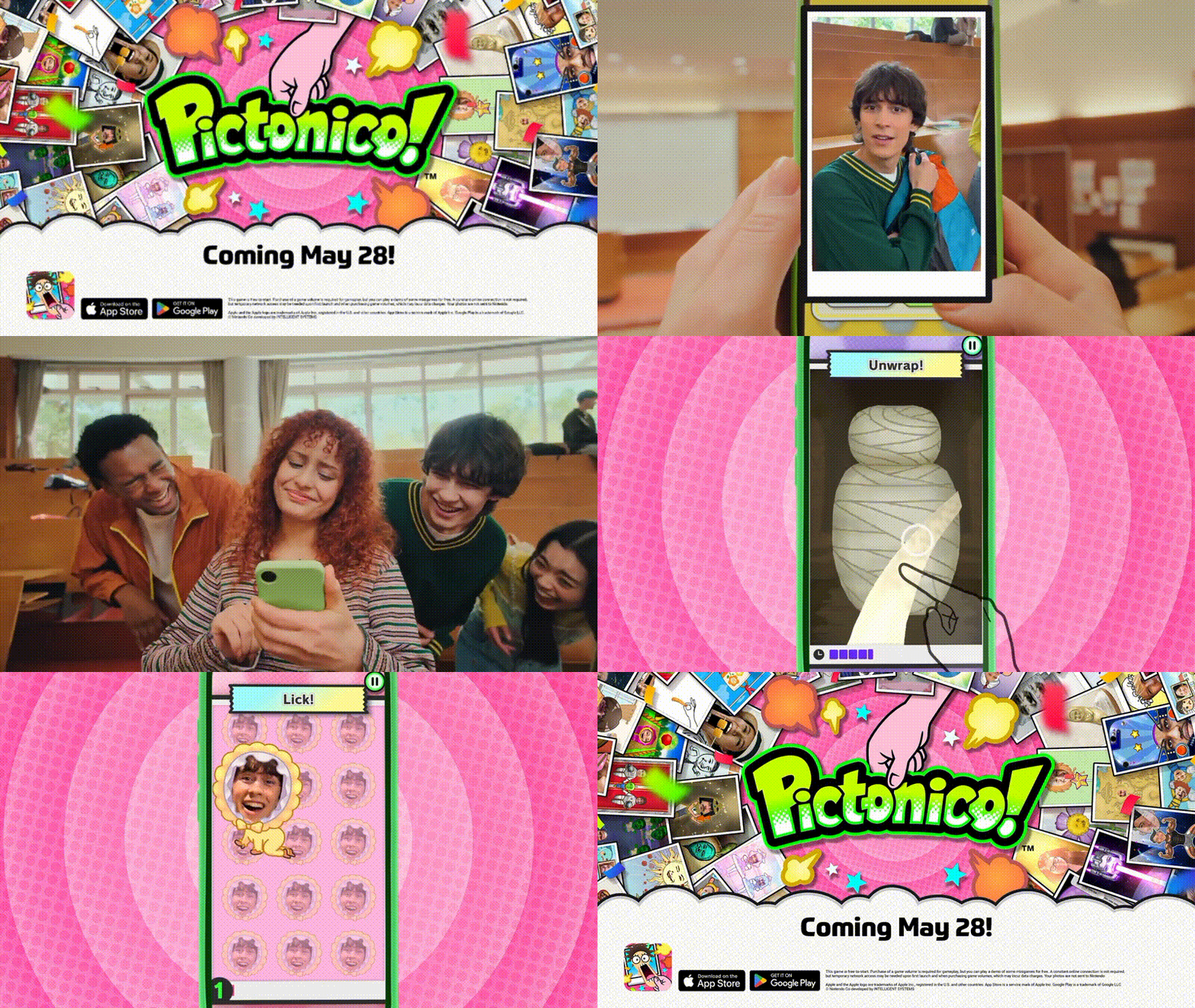
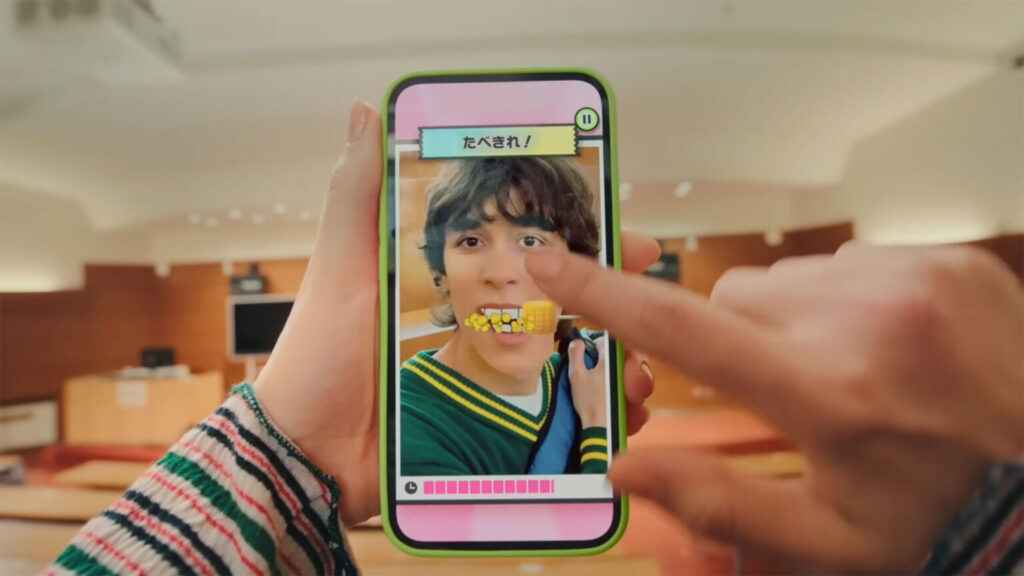
Nintendo Pictonico is an upcoming experimental mobile-first title positioned as a hybrid between casual gaming, creative expression, and AI-assisted photo transformation. At its core, the game allows players to upload personal photos and instantly convert them into playable micro-experiences, short, highly stylized minigames built around the objects, faces, colors, and composition of the original image.
What makes Pictonico especially attention-grabbing is its departure from traditional game design. Instead of handcrafted levels, the game generates interactive content dynamically from user-submitted media. A beach photo might become a platforming challenge across sand dunes and umbrellas, while a group selfie could transform into a multiplayer puzzle arena where each face becomes a controllable character with unique abilities.
The reason Pictonico is trending heavily in gaming discussions is because it merges nostalgia-driven Nintendo-style design with modern generative systems. Fans are already comparing its potential impact to early breakthroughs in procedural generation, calling it one of Nintendo’s most unconventional experimental projects in years.
The buzz also stems from how Pictonico reimagines personal media. Instead of storing memories as static images, it reframes them as playable, interactive experiences, essentially turning a camera roll into a game library.
Nintendo Pictonico Release Date: When the Photo-to-Minigame App Launches
As of the latest announcement cycle, Nintendo Pictonico does not have a fixed global release date but is currently positioned for a phased rollout strategy. Industry expectations suggest an early soft launch window on mobile platforms before expanding into broader regions.
The rollout model is expected to follow three stages:
- Closed beta testing with selected users
- Regional early access release in select markets
- Global mobile launch on iOS and Android
Nintendo is reportedly prioritizing stability of its photo-to-game conversion engine before committing to a full worldwide release. Because the system relies heavily on real-time image processing and asset generation, optimization is a key focus.
Leaks and previews suggest that Nintendo may align the official launch with a seasonal Nintendo Direct event, potentially positioning Pictonico as a “new era” experimental title within its digital ecosystem.
How Nintendo Pictonico Turns Your Photos into Playable Minigames
At the heart of Pictonico lies its photo interpretation engine. The system scans uploaded images and breaks them down into multiple gameplay-relevant components:
- Foreground subjects (people, pets, objects)
- Background layers (sky, buildings, nature, interiors)
- Color distribution and lighting
- Depth and spatial relationships
Once processed, the system generates a themed minigame by mapping these visual components to gameplay mechanics. For example:
- A city skyline becomes a vertical climbing challenge
- A forest image becomes a maze exploration puzzle
- A kitchen photo becomes a physics-based cooking challenge
Each transformation is designed to retain recognizable elements from the original image while introducing Nintendo-style playful mechanics. The goal is not realism but reinterpretation, turning everyday visuals into interactive toy-like worlds.
Pictonico Gameplay Explained: How the Photo Transformation System Works
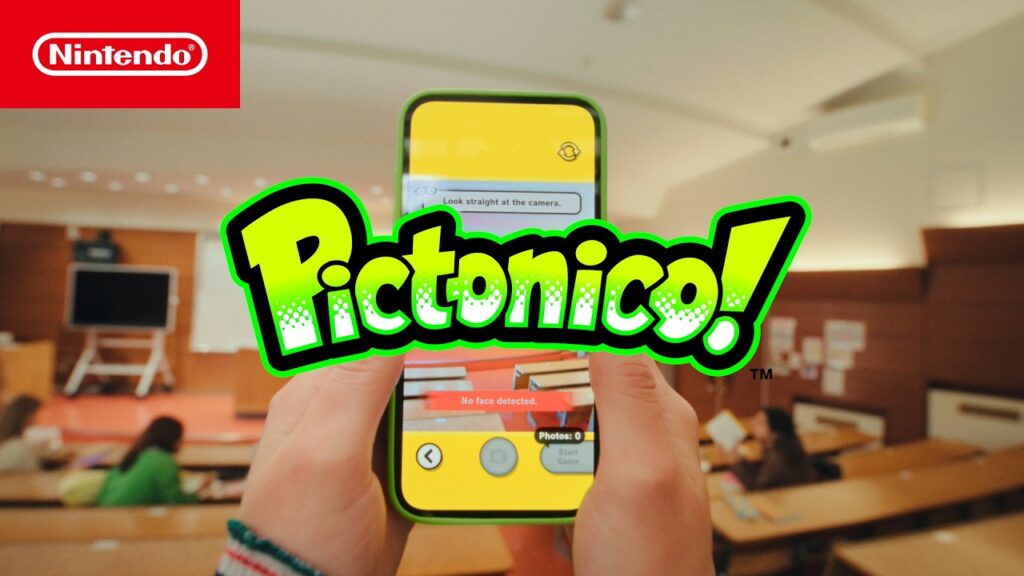
Pictonico’s gameplay loop is structured around three phases:
- Photo Selection Phase
Players upload or capture a photo using their device camera. - Interpretation Phase
The system analyzes the image using object recognition, depth mapping, and style classification. - Minigame Generation Phase
A custom minigame is generated based on the analyzed elements.
Each minigame is short, typically lasting between 30 seconds and 3 minutes. This encourages rapid experimentation rather than long-form play sessions.
Gameplay types vary widely and may include:
- Platforming challenges based on object shapes
- Puzzle-solving using rearranged photo elements
- Rhythm games triggered by color patterns
- Physics-based interactions tied to real-world objects
The unpredictability of outcomes is a major design pillar. No two photo conversions are identical, even if similar images are used.
Is Nintendo Pictonico Free or Paid? Pricing Model Breakdown
Pictonico is expected to follow a freemium model similar to many modern mobile experiences, but with Nintendo’s traditionally cautious approach to monetization.
The predicted structure includes:
- Free base access with limited daily photo conversions
- Optional premium subscription for expanded features
- Cosmetic upgrades for avatars and game environments
- Expansion packs featuring themed transformation styles
Unlike aggressive mobile monetization models, Pictonico is expected to avoid pay-to-win mechanics entirely. Instead, monetization focuses on customization and expanded creative tools.
There is also speculation that Nintendo may introduce seasonal content drops, allowing users to unlock new transformation “filters” or gameplay styles over time.
How Many Minigames Are in Pictonico? Full Content Volume Explained
Rather than relying on a fixed library of minigames, Pictonico uses procedural generation, meaning the number of possible experiences is virtually unlimited.
However, the system is built on a foundation of core gameplay templates, estimated to include:
- Over 50 base minigame archetypes
- Dozens of environmental transformation styles
- Dynamic modifiers based on photo complexity
This creates a combinatorial system where thousands, or potentially millions, of variations can exist depending on user input.
Nintendo’s design philosophy here prioritizes replayability through unpredictability rather than content quantity alone.
Nintendo Pictonico Platforms: IOS and Android Availability Details
Pictonico is being developed primarily as a mobile-first application, with confirmed support for:
- iOS devices (iPhone and iPad)
- Android smartphones and tablets
The decision to focus on mobile platforms is driven by the game’s reliance on camera functionality and real-time image capture.
There is also speculation about future integration with Nintendo’s ecosystem devices, but no official confirmation exists regarding console availability.
Cloud processing is expected to play a significant role, meaning device performance requirements will remain relatively accessible for mid-range smartphones.
Is Pictonico Safe? Photo Privacy and Data Usage Explained
Because Pictonico processes user images, privacy and data security are major concerns.
Nintendo is expected to implement several safeguards:
- Local processing for basic image recognition when possible
- Temporary cloud processing for transformation generation
- Automatic deletion of uploaded photos after processing
- User-controlled storage options for saved creations
The system is designed to avoid long-term storage of personal images unless explicitly saved by the user.
Additionally, metadata stripping is expected to be a standard feature, ensuring that sensitive information embedded in photos (such as location data) is removed before processing.
Nintendo Pictonico Trailer Breakdown and What it Reveals
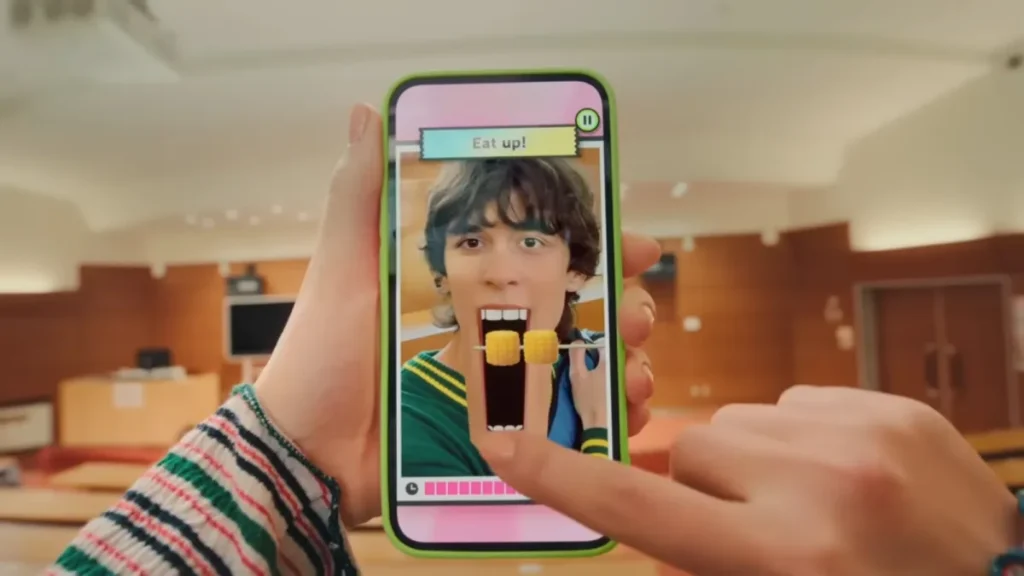
The Pictonico trailer showcases a wide range of surreal transformations that highlight the game’s experimental nature.
Key reveals include:
- A family picnic photo becoming a cooperative obstacle course
- A pet dog image turning into a boss battle encounter
- A classroom photo transforming into a logic puzzle environment
The trailer emphasizes emotional connection as a core design element, suggesting that personal memories are central to gameplay.
It also briefly showcases UI elements hinting at customization systems, photo filters, and multiplayer sharing tools.
Pictonico vs WarioWare: Why Fans Are Making the Comparison
Many fans have drawn comparisons between Pictonico and the WarioWare series due to their shared focus on rapid, unpredictable gameplay.
However, the key difference lies in content origin:
- WarioWare uses pre-designed microgames
- Pictonico generates games from user photos
While WarioWare emphasizes absurd humor and rapid reflex challenges, Pictonico focuses on personalization and creative reinterpretation.
Both share a philosophy of short-form gameplay, but Pictonico pushes further into generative systems and user-driven content creation.
Can You Use Friends’ Photos in Nintendo Pictonico? Social Features Explained
Pictonico is expected to include robust social features, allowing users to:
- Share generated minigames with friends
- Invite others to play photo-based challenges
- Collaborate on shared photo transformations
- Remix friends’ creations into new gameplay experiences
However, privacy controls are likely to be strict. Users will need explicit permission to use photos of other individuals.
The social layer is designed to enhance creativity rather than encourage unrestricted content sharing, maintaining a balance between fun and privacy protection.
How Pictonico Gameplay Works in Real Time (step-by-Step Guide)
The real-time gameplay flow in Pictonico is designed for simplicity:
- Open the app and access the camera or gallery
- Select or capture a photo
- Wait a few seconds for processing
- Receive a generated minigame
- Play immediately using touch controls
- Optionally save or share results
The entire process is optimized for fast iteration, encouraging users to experiment with multiple photos in a single session.
Nintendo Pictonico Download Guide: How to Install on Mobile Devices
Once released, Pictonico is expected to be available via official app distribution platforms:
- Apple App Store for iOS
- Google Play Store for Android
Installation will likely follow standard mobile app procedures:
- Search for “Pictonico”
- Download and install the application
- Log in with a Nintendo account (if required)
- Grant camera and photo permissions
- Begin creating minigames from images
Regional availability may vary during early rollout phases.

PixelHair and 3D Content Trends: How Photo-Based Games Could Influence Creators
Emerging creative technologies such as PixelHair-style procedural rendering systems and 3D content pipelines are increasingly influencing experimental game design.
Pictonico aligns with these trends by:
- Turning 2D images into interactive 3D-inspired spaces
- Encouraging user-generated environmental design
- Blending photography with procedural gameplay systems
This could signal a broader industry shift where personal media becomes a foundation for interactive entertainment, especially in mobile ecosystems.
The View Keeper Workflow Insight: Why Camera-Based Systems Matter in Interactive Media
The View Keeper workflow concept highlights how camera input systems can serve as persistent creative anchors in interactive media.
In Pictonico’s context, this matters because:
- Every photo becomes a structured data source
- Visual composition directly influences gameplay logic
- Memory-based inputs create emotional engagement loops
Camera-driven design systems like this are increasingly important in bridging real-world experiences with digital gameplay, making user content the core of interactive systems rather than an accessory.
Frequently Asked Questions (FAQs)
- What is Nintendo Pictonico?
A mobile game that converts photos into playable minigames. - Is Pictonico real or conceptual?
It is presented as an experimental Nintendo-style concept title. - How does Pictonico work?
It analyzes photos and generates interactive minigames from them. - Can I use any photo?
Yes, but content moderation and privacy rules apply. - Is Pictonico multiplayer?
It includes social sharing and collaborative features. - Does it require internet?
Yes, for processing and sharing features. - Can I save my minigames?
Yes, users can store and replay generated experiences. - Is Pictonico available on console?
Currently focused on mobile platforms only. - Does it cost money?
Likely freemium with optional premium features. - Can photos be reused?
Yes, repeated photos generate new variations of gameplay.
Conclusion
Nintendo Pictonico represents a radical rethinking of how games can be created, consumed, and personalized. By transforming everyday photos into interactive minigames, it blurs the line between memory and gameplay, positioning itself as a potentially groundbreaking experiment in procedural entertainment design. Its emphasis on creativity, unpredictability, and social sharing aligns with modern trends in mobile gaming while pushing Nintendo into new technological territory that merges AI-style interpretation with playful design philosophy.
Sources and Citations
- These descriptions appear to refer to Pictonico!. The following are relevant sources; the claimed internal leaks and experimental showcase segment could not be verified.
- Nintendo, official Pictonico! announcement, May 19, 2026 : Includes the announcement trailer and explains how players use photographs in minigames. Confirms the iOS and Android release, available game collections and photo privacy information. Nintendo Official Site
- Internal concept briefing materials and early development documentation leaks : No identifiable, publicly verifiable source was found for this entry.
- Procedural Content Generation in Games, Noor Shaker, Julian Togelius and Mark J. Nelson, 2016 : Provides academic background on generating levels, rules, mechanics and other game content. This is a general technical reference and does not establish that Pictonico! uses procedural generation. pcgbook.com
- Creative Bloq, Pictonico! commentary and WarioWare comparison : Discusses the game’s use of personal photographs, brief interactive challenges and visual comedy, comparing its approach with WarioWare and Nintendo’s earlier camera experiments. Creative Bloq
- Nintendo, Iwata Asks: WarioWare D.I.Y. development interview : Offers primary developer commentary on accessible game creation and the challenge of defining playable rules. Provides background for discussing microgame design frameworks and tools that let players create interactive experiences. Page 2
Recommended
- Pragmata Review: ’s Ambitious Sci-Fi Adventure Delivers Innovation but Falls Short of Greatness
- Some Stores Are Warning There Might Not Be Enough Consoles for Everyone Who Wants to Play GTA 6 this Year
- How to Make a 3D VTuber Avatar: The Complete Guide for Beginners and Content Creators
- Great Deku Tree Walkthrough in Zelda Ocarina of Time
- From Concept Art to UE5: The Complete Environment and Game Art Pipeline Explained
- Silent Hill: Townfall Continues to Revitalize the Series in New, Horrifying Ways, Everything We Know so Far
- How to Create Hair Cards in Blender for Game-Ready Characters: Complete Workflow Guide
- Netflix Reveals Real Dog Playing Scooby-Doo in ‘Scooby-Doo: Origins’ – First Look at the Live Action Puppy Goes Viral
- God of War: Laufey Isn’t a Prequel, Here’s Why Faye’s Story Continues After God of War 2018



































































































