











In This Article (9 sections)
Paramount Warner Bros merger: Paramount and Warner Bros. Discovery Complete $111 Billion Merger Under Skydance
Paramount Skydance and Warner Bros. Discovery have completed their historic $111 billion merger, creating a global entertainment powerhouse operating under the Skydance name. The acquisition, finalized on October 6, 2026, brings two of Hollywood’s most established film studios, major television networks, streaming platforms, and valuable entertainment franchises under one corporate structure. The transaction was structured as Paramount Skydance’s acquisition of Warner Bros. Discovery rather than an equal partnership between two independent companies, fundamentally changing the competitive relationship between the entertainment businesses.
Before the merger, Paramount and Warner Bros. Discovery operated separate film studios, television networks, and streaming services, competing for audiences, advertising revenue, theatrical releases, and streaming subscriptions. Both companies possessed extensive content libraries, internationally recognized intellectual properties, and established relationships with filmmakers, broadcasters, advertisers, and distributors. Following the acquisition, these businesses now operate within the same corporate organization, allowing Skydance to coordinate production, marketing, streaming investment, licensing, and distribution strategies across its expanded portfolio.
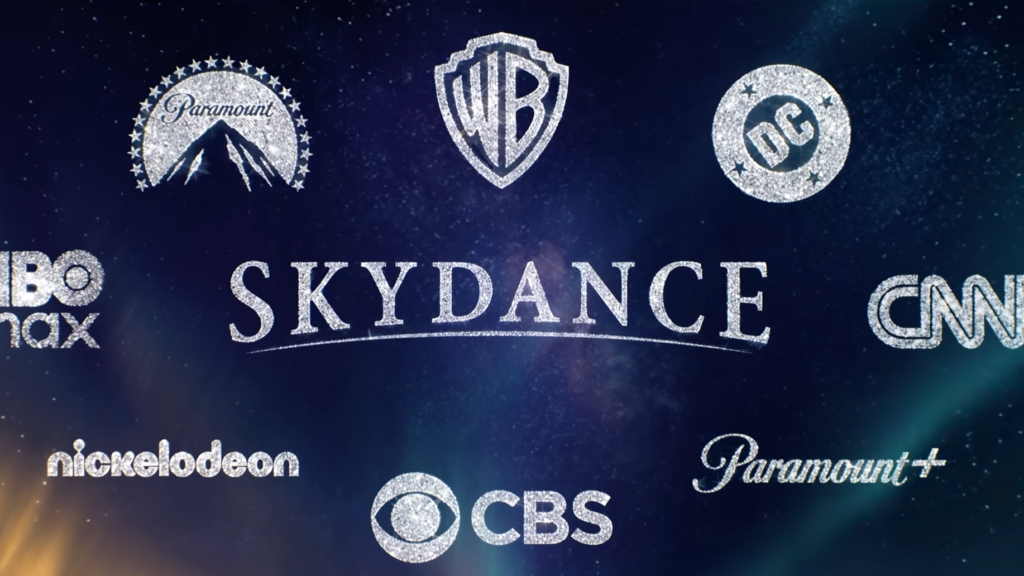
The combined entertainment company brings together several major brands and operations, including:
- Film studios: Paramount Pictures and Warner Bros. Pictures, alongside their associated production businesses.
- Premium entertainment: HBO, HBO Max, and their television and streaming programming.
- Streaming platforms: Paramount+ and HBO Max, with plans to eventually combine their offerings.
- Television networks: CBS, CNN, Nickelodeon, and other established broadcasting and cable properties.
- Entertainment franchises: DC Studios and numerous other intellectual properties associated with Paramount and Warner Bros.
- Content production and distribution: Film development, television production, international licensing, theatrical distribution, and advertising operations.
David Ellison, who previously led Paramount Skydance, now heads the combined business alongside co CEO Ynon Kreiz, the former chief executive of Mattel. Their leadership comes at a critical time as the company attempts to integrate two major entertainment organizations while maintaining the creative identities responsible for their most successful productions. Skydance plans to release at least 30 theatrical films annually, expand television production capabilities, and eventually unite HBO Max and Paramount+ into a more competitive streaming offering. These ambitions reflect the company’s intention to use its enlarged content library, established franchises, and production infrastructure to strengthen its position across the global entertainment industry.
Although the acquisition is widely described as a $111 billion merger, the reported financial valuation varies slightly depending on the calculation used. Paramount’s February 27, 2026, announcement valued Warner Bros. Discovery at approximately $110 billion in enterprise value, while other reporting rounded the transaction to $111 billion. Enterprise value represents the broader economic value of a business, incorporating financial obligations such as debt alongside its equity value. It should therefore not be confused with the amount paid directly to shareholders.
Under the merger agreement, Warner Bros. Discovery shareholders were entitled to receive $31 in cash per share, with additional consideration determined by provisions related to the transaction’s timing. At closing, the reported payment reached approximately $31.0167 per share. Following completion, Warner Bros. Discovery shares ceased trading independently, while the combined company began operating as Skydance Corporation. Its Class B common shares trade on the New York Stock Exchange under the ticker symbol SKYD.
The merger creates a vertically integrated entertainment business with the ability to develop original programming, finance theatrical productions, operate streaming platforms, distribute television channels, license intellectual property, and sell advertising. By bringing these operations together, Skydance aims to compete more effectively with major streaming and entertainment companies while reducing overlapping expenses and expanding its global audience.
However, the combined company faces substantial financial and operational challenges. Skydance must manage approximately $80 billion in net debt while pursuing at least $6 billion in anticipated annual cost savings within three years. Integrating two large entertainment organizations also raises questions about employee job security, competition, and editorial independence, particularly because the company now controls major news organizations including CBS News and CNN. These concerns will remain important as management reorganizes its operations and establishes the direction of the combined business.

Why Paramount and Warner Bros. Discovery Merged Under Skydance, Deal Timeline, Ownership, and David Ellison’s Leadership
The Paramount and Warner Bros. Discovery merger was driven primarily by the growing importance of scale in the global entertainment industry. Traditional Hollywood companies face increasing competition from streaming platforms, technology corporations, social video services, and digital entertainment businesses operating across international markets. Netflix has demonstrated how global subscriber relationships can support substantial investment in original programming, while Amazon uses Prime Video as part of a broader ecosystem involving shopping, advertising, and technology infrastructure. Disney combines theatrical releases, streaming services, consumer products, and globally recognized franchises. Against this competitive backdrop, Paramount and Warner Bros. Discovery faced financial and strategic pressures that complicated their ability to compete independently.
Both companies possessed valuable entertainment assets before the transaction. Paramount contributed properties such as Mission: Impossible, Star Trek, SpongeBob SquarePants, and the CBS television network, while Warner Bros. Discovery brought franchises including Harry Potter, DC, and Game of Thrones, alongside HBO and an extensive collection of film and television programming. Combining these resources creates opportunities for broader international distribution, coordinated marketing, expanded content licensing, and stronger negotiating relationships with advertisers and distribution partners. The merger also allows Skydance to spread investment across theatrical releases, streaming subscriptions, television advertising, sports broadcasting, and licensing businesses, which can generate different revenue patterns and potentially offset weakness in individual segments.
Streaming economics provided another important motivation for consolidation. Maintaining a competitive international streaming platform requires substantial investment in original content, cloud infrastructure, recommendation systems, subscriber acquisition, localization, and technology development. Operating separate services can duplicate costs while competing for similar audiences. Under a unified corporate structure, Skydance can explore shared technology investments, coordinated subscription packages, integrated advertising products, and broader programming strategies. These opportunities could improve efficiency, although they do not eliminate the financial risks associated with acquiring a large entertainment business while carrying substantial debt.
The merger also reflects competing perspectives on the future of Hollywood. Supporters of consolidation argue that larger entertainment companies can finance ambitious productions, compete internationally, and invest in technology more effectively. Critics are concerned that concentrating major studios, television networks, and distribution platforms under fewer owners could reduce competition for creative talent, limit opportunities for independent producers, and weaken creative independence. David Ellison has emphasized combining creativity with technology as a central element of Skydance’s strategy, but the company’s success will depend on whether greater corporate scale produces stronger entertainment offerings without undermining the creative businesses responsible for its value.
Paramount Skydance and Warner Bros. Discovery officially completed their merger on October 6, 2026, following months of negotiations, regulatory scrutiny, litigation, financing arrangements, and competing interest from other entertainment companies. A major milestone occurred on February 27, 2026, when the companies announced their definitive merger agreement. Under the agreement, Paramount committed to acquiring Warner Bros. Discovery’s outstanding shares for cash, supported by financing arrangements intended to fund the purchase and meet the capital requirements of the expanded organization.
The companies initially expected to complete the acquisition during the third quarter of 2026, subject to regulatory approvals, shareholder authorization, and customary closing conditions. However, legal proceedings, competition related objections, and other complications affected the timetable. Public disclosures throughout 2026 reflected uncertainty surrounding the closing schedule, highlighting the complexity of transactions involving major broadcasting networks, film studios, and international entertainment assets. The October 6 announcement confirmed that the required regulatory approvals under the agreement had been obtained and the remaining closing conditions satisfied.
The major merger milestones include:
- February 27, 2026: Paramount Skydance and Warner Bros. Discovery announced their definitive merger agreement.
- Third quarter of 2026: The companies’ original anticipated closing period, subject to approvals and other conditions.
- Throughout 2026: Regulatory scrutiny, litigation, financing arrangements, and competition related concerns complicated the transaction.
- October 6, 2026: Paramount Skydance officially completed its acquisition of Warner Bros. Discovery.
- October 2026: The combined business began operating under the Skydance Corporation identity, with its Class B common shares trading under the SKYD ticker.
- 2027 and beyond: Corporate integration, streaming coordination, workforce restructuring, technology changes, and production planning may continue as management combines the businesses.
The closing date establishes an important distinction between the merger announcement and the transaction’s legal completion. Before October 6, Paramount Skydance and Warner Bros. Discovery remained separate corporate entities pursuing a proposed acquisition. After closing, their businesses became part of the same consolidated ownership structure. October 2026 therefore marks the beginning of a wider integration process rather than the completion of every operational change. The most important consequences for investors, employees, filmmakers, and consumers will emerge as Skydance translates its expanded ownership into financial and strategic decisions.
Following the transaction, Paramount and Warner Bros. Discovery became part of Skydance Corporation, a publicly traded parent company led by David Ellison and Ynon Kreiz. Ellison’s family and investment partners played an important role in organizing and financing the acquisition. David Ellison is the son of Larry Ellison, the cofounder of Oracle, and has spent years developing Skydance into a major film production and entertainment business. RedBird Capital Partners has also been an important investment partner in the broader Paramount Skydance structure, with the February 2026 agreement including substantial financing supported by the Ellison family and RedBird.
Although the Ellison family and its investment partners occupy influential positions, Skydance remains a publicly traded corporation with ownership extending to investors holding its securities. Economic ownership and voting control are not necessarily equivalent, since different share classes and corporate governance arrangements can determine how much influence individual shareholders possess. The company’s leadership is responsible for setting strategic priorities, allocating capital, and establishing its organizational structure, while executives within Paramount Pictures, Warner Bros., HBO, CNN, CBS, and other businesses continue overseeing their respective programming and production responsibilities.
David Ellison serves as co CEO of the newly expanded company and plays a central role in shaping its creative priorities, technology investments, and competitive strategy. He founded Skydance in 2010 and developed the company through relationships with major Hollywood studios, filmmakers, performers, and distributors. Its involvement in prominent film projects and established franchises helped strengthen its position in the entertainment industry. The acquisition of Paramount transformed Skydance from a significant production business into the controlling force behind a major legacy entertainment company, while the subsequent Warner Bros. Discovery merger expanded its influence across theatrical filmmaking, television, streaming, journalism, and internationally recognized intellectual properties.
Ellison shares chief executive responsibilities with Ynon Kreiz, the former chief executive of Mattel, who brings experience in international consumer brands, commercial partnerships, and corporate transformation. Kreiz’s responsibilities include important aspects of operational management and integration, while Ellison is positioned to focus heavily on creative and technological strategy. This leadership arrangement could help distribute responsibilities across the expanded organization, although it also requires clearly defined decision making authority. Film studios and television networks depend on timely project approvals, predictable budgets, and consistent executive direction, meaning uncertainty over leadership responsibilities could complicate production schedules and relationships with creative partners.
Another major challenge involves the company’s approach to artificial intelligence. AI assisted production tools may improve localization, visual effects, marketing, and administrative workflows, but generative AI remains controversial within entertainment because of questions involving copyright, compensation, consent, and employment. Skydance’s leadership must balance technological investment with contractual obligations and the expectations of writers, actors, directors, and other creative professionals. The company’s strategy of combining creativity with technology will depend on whether these tools improve production and efficiency without damaging relationships with the people responsible for its entertainment content.
For audiences, the merger means Paramount and Warner Bros. Discovery no longer operate as independent rival parent companies. Their businesses can share resources, coordinate commercial strategies, and participate in groupwide investment decisions. Nevertheless, established brands such as Paramount Pictures, Warner Bros., HBO, and CBS retain substantial recognition among viewers and creative partners. Preserving these identities remains commercially important because their histories, reputations, and individual audiences contribute significantly to the value of the combined organization.
Ultimately, Ellison and Kreiz must oversee a complex integration while balancing creative ambitions with financial discipline. The expanded company’s long term success will depend not simply on the number of assets it controls, but on its ability to produce commercially successful entertainment, manage corporate debt, preserve valuable franchises, and operate its diverse businesses efficiently.
What Skydance Owns After the Merger and Plans for HBO Max and Paramount Plus
The completed Paramount and Warner Bros. Discovery merger gives Skydance control over an extensive collection of film studios, television networks, streaming platforms, production businesses, sports operations, and entertainment franchises. Paramount Pictures and Warner Bros. Pictures form the foundation of the company’s theatrical filmmaking operations, bringing together two studios with established histories and international distribution relationships. Their combined production resources create opportunities for coordinated theatrical schedules, broader marketing campaigns, content licensing, and investment across different genres and audiences.
Paramount’s portfolio includes associations with franchises such as Mission: Impossible, Top Gun, Star Trek, Transformers, and SpongeBob SquarePants. Warner Bros. contributes major properties connected to Harry Potter, DC Comics, The Lord of the Rings film franchise, and numerous other film and television productions. These properties provide opportunities for theatrical releases, streaming programming, consumer products, licensing, and interactive entertainment. However, ownership of a studio does not automatically mean Skydance possesses unrestricted rights to every character or property associated with its productions. Certain franchises remain subject to licensing agreements, shared ownership arrangements, outside intellectual property rights, and existing contractual obligations.
The company’s television portfolio is equally extensive, combining broadcasting networks, premium entertainment brands, children’s programming, and cable channels serving different audiences. CBS and HBO represent important parts of the organization, alongside Nickelodeon, Comedy Central, MTV, and networks associated with Discovery. Warner Bros. Discovery also contributes HGTV, Food Network, TLC, TNT, and TBS, broadening the company’s programming across entertainment, lifestyle, reality television, documentaries, and scripted productions. These businesses generate revenue through advertising, distribution agreements, content licensing, and partnerships with television providers.
The principal entertainment businesses and brands within Skydance’s expanded portfolio include:
- Paramount Pictures: A major film studio associated with established franchises and international theatrical distribution.
- Warner Bros. Pictures: A historic Hollywood studio with extensive film production operations and internationally recognized entertainment properties.
- HBO: A premium entertainment brand associated with prestigious scripted television and original programming.
- HBO Max: A streaming platform offering HBO programming, Warner Bros. films, and content from the wider Warner Bros. Discovery portfolio.
- Paramount+: A subscription streaming service featuring CBS programming, Paramount films, Nickelodeon content, Showtime related programming, and other entertainment.
- Pluto TV: A free streaming platform supported by advertising and organized around television channels and available programming.
- Discovery+: A streaming service associated with documentary, lifestyle, factual, and entertainment programming.
- CBS and CBS News: Broadcasting and journalism operations serving national audiences.
- CNN: An international news organization providing television and digital journalism.
- Nickelodeon, Comedy Central, and MTV: Entertainment networks serving children’s, comedy, music, and general entertainment audiences.
- Discovery, HGTV, Food Network, and TLC: Networks associated with factual entertainment, home improvement, cooking, and lifestyle programming.
- TNT and TBS: Television networks offering entertainment programming and related distribution operations.
- CBS Sports and TNT Sports: Sports broadcasting businesses associated with valuable live programming and commercial partnerships.
- DC Studios: A major entertainment business responsible for developing productions associated with DC characters and franchises.
The combination also brings together extensive production facilities, historical archives, international distribution operations, licensing relationships, and consumer product partnerships. These assets provide Skydance with multiple ways to generate revenue from successful entertainment properties. A popular franchise can potentially support theatrical releases, streaming series, television licensing, merchandising, video games, and international distribution. This flexibility represents an important commercial advantage, although existing licensing agreements and regional distribution arrangements may limit how individual properties can be used.
Sports broadcasting is another significant part of the expanded company. CBS Sports and TNT Sports provide access to major live programming, which continues to attract substantial simultaneous audiences. Live sports can be particularly valuable to advertisers and distributors because viewers often watch events as they happen, supporting advertising demand and subscription interest. However, sports rights are governed by complex agreements involving leagues, broadcasters, streaming platforms, and regional distribution partners. The merger does not automatically remove those restrictions or give Skydance unlimited control over every sporting event associated with its networks.
The combination of CBS News and CNN also places two major journalism organizations within the same corporate structure. These businesses serve distinct audiences and maintain separate editorial operations, but shared ownership raises questions about corporate oversight, investment priorities, and editorial independence. Skydance will need to manage these organizations while preserving their individual identities and addressing concerns surrounding news coverage, public trust, and corporate influence.
One of the most important consumer facing consequences of the merger involves the expected integration of HBO Max and Paramount+ into a unified streaming strategy. Before the acquisition, the platforms operated independently with separate subscription structures, content libraries, applications, billing systems, and original programming plans. HBO Max focused heavily on premium television, Warner Bros. films, HBO productions, and content from the broader Warner Bros. Discovery portfolio. Paramount+ offered programming associated with CBS, Paramount Pictures, Nickelodeon, Showtime, and other brands.
Combining their content could create a larger streaming library capable of competing more effectively with Netflix, Disney+, and Amazon Prime Video. Rather than maintaining entirely separate services that compete for similar subscribers, Skydance can explore a unified offering that brings movies, television series, children’s programming, documentaries, and sports under one subscription structure. This approach could also reduce duplicated technology expenses, simplify marketing, and support a more integrated advertising operation.
Reports following the merger indicate that Skydance intends to move toward a unified streaming platform, although bundled subscriptions may serve as an intermediate arrangement. Casey Bloys, the executive associated with HBO programming, has reportedly received expanded responsibilities involving streaming operations. His role is important because management must determine how to combine the services while preserving the individual identities and programming strategies that attract subscribers.
Potential benefits of combining HBO Max and Paramount+ include:
- A larger content library: Subscribers could access programming from both companies through a single streaming offering.
- Broader entertainment categories: Movies, premium dramas, children’s programming, documentaries, reality television, and sports could become available within one subscription ecosystem.
- Reduced technology duplication: Shared infrastructure could lower expenses associated with maintaining separate applications, recommendation systems, and streaming platforms.
- Simplified marketing: A unified service could allow Skydance to promote its major franchises and original programming through coordinated campaigns.
- Expanded advertising opportunities: Combining audiences and advertising technology could improve the company’s ability to offer integrated advertising products.
- More flexible subscriptions: Skydance could introduce bundled packages, advertising supported plans, and premium subscription options depending on its final strategy.
However, merging major streaming services involves substantial technical and commercial challenges. HBO Max and Paramount+ maintain different subscriber databases, billing arrangements, recommendation systems, applications, and distribution agreements. Integrating these systems without disrupting existing customers requires extensive planning and technology investment. Partnerships with telecommunications companies, internet providers, device manufacturers, and subscription distributors could further complicate the transition, particularly where existing contracts establish specific pricing or service arrangements.
Subscription pricing represents another important consideration. Combining two content libraries does not necessarily mean audiences will pay less than they currently do. Skydance may choose to introduce several subscription tiers, potentially including advertising supported packages and premium options. The final pricing structure will depend on the company’s commercial strategy, technology costs, programming expenses, and competitive position. Consumers should therefore avoid assuming that a unified service will automatically provide every existing HBO Max and Paramount+ benefit at a lower price.
Preserving HBO’s reputation is also a significant concern. HBO has developed a strong identity around premium television and prestige programming, making its brand recognition an important competitive advantage. Even if the company adopts a unified streaming platform, management may seek to maintain HBO as a distinct programming identity within the larger service. Paramount’s established film and television brands likewise retain value that could be weakened if their individual identities were lost during consolidation.
As of October 8, 2026, the final name, complete pricing structure, and definitive launch date for a combined HBO Max and Paramount+ platform had not been publicly established. The merger therefore represents the beginning of a streaming integration strategy rather than the immediate replacement of both services with a completed unified application. Bundled subscriptions, coordinated content offerings, and shared technology investments may emerge before the company introduces a fully integrated platform.
The broader significance of Skydance’s expanded portfolio lies in its ability to coordinate entertainment production and distribution across numerous businesses. The company now controls major film studios, television networks, streaming services, news organizations, sports operations, and recognizable entertainment brands. However, transforming these assets into sustainable growth will require careful financial management, successful integration, respect for existing licensing agreements, and continued investment in compelling programming. For consumers, the most visible changes are likely to emerge through streaming subscriptions, content availability, theatrical releases, and the future development of established entertainment franchises.dling, coordinated programming, and gradual technical integration rather than an immediate disappearance of both existing platforms.
How the Skydance Merger Affects Warner Bros. Movies, Paramount Pictures, Major Franchises, and News Networks
The Paramount and Warner Bros. Discovery merger could significantly reshape Hollywood’s theatrical production landscape by placing two of the industry’s most established film studios under the same corporate ownership. Both Paramount Pictures and Warner Bros. Pictures have extensive histories of producing commercially successful films, developing major franchises, and maintaining relationships with leading filmmakers, producers, and international distributors. Under Skydance Corporation, the studios become part of a coordinated entertainment organization while retaining their established brand identities. This arrangement creates opportunities to improve production investment, theatrical scheduling, marketing, and distribution without necessarily combining both studios into a single creative department.
One of the most important opportunities involves coordinating financial decisions across the studios’ respective production slates. Previously, Paramount and Warner Bros. operated as independent competitors, making separate decisions about project financing, release dates, talent agreements, and franchise development. Their shared ownership allows Skydance to establish broader investment priorities and potentially reduce scheduling conflicts between major theatrical releases. However, maintaining distinct studio identities remains valuable because filmmakers and audiences associate Paramount and Warner Bros. with different creative traditions, production relationships, and entertainment properties. Reports surrounding the merger indicate that Paramount executives Josh Greenstein and Dana Goldberg will receive expanded responsibilities involving the studios, supporting a more coordinated approach to theatrical production.
The merger could also influence which films receive financing and how production budgets are allocated. Large entertainment companies often evaluate projects based on projected audience demand, production expenses, franchise recognition, and potential revenue across theatrical exhibition, streaming, television licensing, and home entertainment. This approach can benefit established franchises with recognizable characters and reliable audiences, but it may create uncertainty for original films and independent productions. Skydance will need to balance commercially established properties with new storytelling opportunities while managing substantial financial obligations. Higher production spending does not automatically guarantee stronger box office performance, particularly when marketing expenses and international distribution costs are considered.
DC Studios, Harry Potter, and Star Trek are among the most valuable entertainment franchises associated with the combined company. Their inclusion within the same corporate family creates opportunities for broader marketing, international distribution, licensing, and long term investment. These properties generate revenue through theatrical films, streaming series, merchandise, video games, consumer products, and other entertainment activities. However, the merger does not automatically combine their creative universes or eliminate contractual restrictions associated with individual franchises.
The major franchise implications include:
- DC Studios: Remains responsible for developing screen adaptations involving Superman, Batman, Wonder Woman, and other DC characters. James Gunn’s role provides an important element of continuity, although Skydance’s ownership may influence budgets, theatrical schedules, and broader commercial strategies.
- Harry Potter: Continues to represent a major Warner Bros. entertainment property, supported by its established film history and HBO’s television adaptation of the original books. The franchise remains subject to intellectual property arrangements involving J. K. Rowling and other contractual stakeholders.
- Star Trek: Remains associated with Paramount’s long history of science fiction films and television productions. The franchise could benefit from Skydance’s expanded distribution infrastructure and additional investment opportunities while maintaining its established creative identity.
For DC Studios, continuity is particularly important following previous changes in franchise leadership and creative direction. Maintaining recognizable storytelling plans and consistent production schedules could help audiences understand the relationships between future movies, television series, and individual characters. James Gunn’s continued involvement provides a degree of stability, although the new ownership structure may influence financial decisions and long term franchise priorities. The merger itself does not automatically cancel existing creative plans or require changes to previously announced projects.
The Harry Potter franchise presents a different set of opportunities and contractual considerations. Warner Bros. has maintained a long relationship with the Wizarding World through the original film adaptations and related entertainment projects. HBO’s television adaptation of the Harry Potter books remains one of the prominent productions associated with the franchise. However, ownership of Warner Bros. does not grant Skydance unrestricted control over every Wizarding World intellectual property right. Existing agreements involving creator J. K. Rowling and other rights holders remain relevant when determining how the franchise can be developed, licensed, and distributed.
Star Trek offers opportunities for Paramount’s established science fiction franchise to benefit from the combined company’s expanded entertainment infrastructure. Skydance could potentially support broader international distribution and investment in future film and television productions. Nevertheless, Star Trek, Harry Potter, and DC serve different audiences and follow distinct creative traditions. Their long term value depends on compelling storytelling, recognizable characters, and audience confidence rather than simply belonging to the same parent company. The effectiveness of Skydance’s franchise strategy will become clearer as management announces future production schedules and investment priorities.
The combined company has also made substantial commitments to theatrical filmmaking. According to Skydance’s October 6, 2026, announcement, it intends to release at least 30 theatrical films annually, alongside maintaining a television production portfolio exceeding 180 shows and series. Reports indicate that the company agreed to release at least 30 films per year during the first two years following the acquisition, increasing the requirement to 32 films annually during the subsequent three years. These obligations were associated with a legal settlement addressing opposition to the transaction, making it important to distinguish the initial commitment from the higher target scheduled for later years.
The theatrical release commitments can be summarized as follows:
- First two years following the acquisition: At least 30 theatrical film releases annually.
- Following three years: At least 32 theatrical releases annually.
- Television production portfolio: More than 180 shows and series.
- Primary theatrical studios: Paramount Pictures and Warner Bros. Pictures.
- Production priorities: Coordinated release schedules, commercial performance, franchise development, and opportunities for original films.
These commitments are significant because Hollywood’s theatrical business has faced challenges involving changing audience habits, streaming competition, and increasingly expensive productions. A larger annual release schedule could benefit cinema operators, production crews, distributors, and creative professionals by providing a more consistent supply of movies. It may also create opportunities for different genres, budgets, and audience demographics. However, meeting numerical release targets does not automatically establish commercial success. Skydance must ensure that its films receive adequate financing, marketing support, and appropriate theatrical distribution while avoiding unnecessary competition between releases from its own studios.
The company will also need to preserve opportunities for original filmmaking. Established franchises offer recognizable brands and established audiences, but new intellectual properties are essential for long term creative and commercial development. An excessive emphasis on familiar properties could limit experimentation and reduce the variety of films available to audiences. Skydance’s ability to support both franchise productions and original concepts will be an important measure of whether the merger strengthens theatrical filmmaking.
Beyond entertainment production, the merger creates a significant relationship between CNN and CBS News, two major American journalism organizations that previously operated under competing corporate ownership. CNN is known for international reporting, breaking news coverage, political programming, and digital journalism, while CBS News has a longstanding presence in broadcast reporting and national television news. Following the acquisition, both organizations share Skydance as their ultimate parent company, creating possibilities for operational cooperation while raising concerns about editorial independence and media ownership concentration.
One possible area of cooperation involves international reporting infrastructure. Maintaining foreign bureaus, correspondents, production facilities, technical systems, and global news gathering operations requires substantial investment. Shared resources could potentially reduce operating expenses while allowing CNN and CBS News to maintain distinct editorial products. However, combining certain operational functions is considerably different from merging newsrooms or centralizing editorial decisions. The organizations’ reputations depend on their ability to report independently and maintain public confidence in their journalism.
Critics have expressed concerns about placing influential news organizations under the same corporate leadership, particularly because their reporting shapes public understanding of elections, government policies, international conflicts, and other major events. Editorial independence requires journalists and editors to make reporting decisions without inappropriate pressure from corporate owners, advertisers, or political interests. Reporting surrounding the acquisition indicated that the combined company established governance measures addressing editorial independence, although their effectiveness will depend on implementation and continued transparency.
CNN chief executive Mark Thompson remains an important figure in the network’s leadership, while Bari Weiss has been associated with the leadership of CBS News. As of the merger’s completion, CNN and CBS News remain separate news brands rather than operating as a single newsroom. Their future relationship will depend on corporate management decisions, editorial policies, regulatory obligations, and audience expectations.
Cost reduction presents another challenge for both journalism organizations. Investigative reporting, foreign correspondence, and original news gathering often require substantial resources without generating immediate returns comparable to commercial entertainment programming. Aggressive reductions in staffing or reporting budgets could therefore weaken the journalism that gives CNN and CBS News their value. Shared ownership should not automatically be interpreted as evidence of editorial interference, but the merger’s impact will need to be evaluated through concrete decisions involving newsroom staffing, investigative coverage, editorial transparency, and investment in reporting.
Overall, the merger creates opportunities for stronger coordination across film production, franchise development, and broadcasting while introducing significant responsibilities for Skydance’s leadership. Paramount Pictures and Warner Bros. must maintain their creative identities while meeting theatrical release commitments, major franchises require consistent storytelling and responsible investment, and CNN and CBS News must preserve public confidence in their editorial independence. The long term consequences will depend on how management balances financial efficiency with the creative and journalistic responsibilities of its expanded entertainment organization.
Paramount Warner Bros. Merger Debt, $6 Billion Cost Savings, Potential Layoffs, and Hollywood’s Future
The $111 billion Paramount and Warner Bros. Discovery merger creates one of the entertainment industry’s most extensive corporate organizations, but its financial structure introduces substantial challenges. According to financial analysis cited by the Associated Press, the combined company enters its new operating phase with approximately $80 billion in estimated net debt. This creates significant pressure to generate cash flow, improve operational efficiency, manage borrowing costs, and maintain investment in competitive entertainment programming. While debt financing allows companies to complete major acquisitions without relying entirely on existing cash reserves, substantial borrowing can also limit flexibility when advertising revenue weakens, theatrical releases underperform, or streaming growth slows.
Interest expenses reduce the amount of cash available for film production, television development, technology investment, and other business activities. High debt levels can also make companies more sensitive to changes in financial markets and operating performance. For Skydance, the central financial challenge is therefore not simply managing the acquisition’s initial cost, but ensuring that its expanded businesses generate sufficient revenue and cash flow to support ongoing operations while reducing leverage. The company’s extensive portfolio provides multiple sources of income, including theatrical exhibition, streaming subscriptions, advertising, sports broadcasting, licensing, and consumer products, but diversification alone cannot eliminate the risks associated with a highly leveraged acquisition.
Skydance has announced a target of at least $6 billion in annualized cost savings and operational synergies within three years. These anticipated savings are expected to result from integrating the businesses, improving efficiency, and reducing overlapping expenses. Potential opportunities include consolidating administrative functions, coordinating technology investments, improving purchasing arrangements, and eliminating duplicated corporate infrastructure. However, annualized savings targets are not equivalent to immediately available cash, and achieving them may require substantial restructuring expenses, technology migration costs, contract termination payments, and other short term expenditures.
The major financial objectives and challenges include:
- Estimated combined net debt: Approximately $80 billion following the acquisition.
- Targeted annualized savings: At least $6 billion within three years.
- Potential efficiency improvements: Administrative consolidation, shared technology investments, purchasing efficiencies, and reduced duplication.
- Financial risks: Interest expenses, restructuring costs, weaker advertising demand, disappointing theatrical releases, and slower streaming growth.
- Long term priority: Reducing financial pressure while maintaining investment in films, television, streaming, and other entertainment businesses.
The workforce implications have attracted considerable attention from Hollywood labor organizations, employees, and industry observers. Combining two major entertainment groups creates overlapping responsibilities across executive management, administration, technology, marketing, finance, and production support. Reports have raised the possibility that thousands of jobs could be affected by restructuring, although such estimates should not be presented as confirmed layoff totals. Skydance executives have indicated that workforce reductions are not intended to provide the primary source of the company’s targeted savings, but the scale of the integration means organizational changes remain a realistic possibility.
Employment consequences may also extend beyond permanent corporate staff. Changes to film and television development budgets, canceled projects, altered production schedules, and centralized purchasing decisions could affect writers, actors, directors, production crews, technical specialists, and independent suppliers. The company must therefore consider how cost reductions influence the broader creative workforce rather than focusing exclusively on administrative savings. An integration strategy that reduces expenses while preserving production investment could strengthen the organization, whereas aggressive cuts that weaken its ability to develop successful entertainment may damage future revenue.
For investors, an important measure of success will be whether Skydance can reduce leverage without undermining the businesses responsible for generating its income. Cost savings provide financial benefits only when they do not create greater losses through weakened programming, reduced audience engagement, or disrupted commercial relationships. The company must maintain competitive content libraries, successful theatrical releases, and attractive streaming services while managing its debt obligations. For employees, the most important developments will involve restructuring decisions, future production commitments, staffing levels, and the preservation of experienced creative and technical teams.
Beyond its immediate financial challenges, the merger represents a major development in Hollywood’s continuing transformation toward integrated global media businesses. Traditional film studios historically competed through theatrical production, television programming, distribution relationships, and intellectual property ownership. The expansion of streaming introduced new competitive requirements, including direct subscriber relationships, sophisticated technology platforms, global marketing capabilities, and extensive libraries of exclusive programming. Skydance’s acquisition reflects an effort to combine these resources within a larger organization capable of competing with established entertainment companies and technology driven streaming platforms.
The transaction also changes the competitive environment for filmmakers, producers, and independent production companies. Before the acquisition, Paramount and Warner Bros. Discovery represented separate organizations capable of purchasing scripts, financing projects, and negotiating distribution agreements. Under shared ownership, some investment decisions may become more centralized, potentially reducing the number of independent major buyers competing for creative projects. Critics argue that this could weaken negotiating opportunities for writers, actors, filmmakers, and production companies, particularly if corporate leadership places greater emphasis on established franchises or tightly controlled budgets.
However, the combined organization could also support productions that might have been financially difficult for either company to undertake independently. Access to larger distribution networks, coordinated marketing resources, and extensive entertainment libraries may create opportunities for ambitious films and television projects. Whether those advantages outweigh concerns about reduced competition will depend on how Skydance allocates investment. Expanding overall production activity would have different consequences from simply redistributing existing budgets between previously independent studios.
The merger’s streaming implications are equally significant. By controlling HBO Max, Paramount+, and extensive television libraries, Skydance can potentially strengthen its negotiating position with advertisers, technology suppliers, telecommunications providers, and international distributors. The company may also develop subscription packages designed for different markets, using its broader range of movies, series, sports programming, and children’s entertainment to attract subscribers. Coordinated technology investment could reduce duplicated expenses and improve the efficiency of streaming operations.
However, international distribution remains complicated by existing licensing agreements, regulatory requirements, and differences in consumer purchasing power. A film or television series available through one streaming service in the United States may be licensed to another distributor elsewhere. The merger does not automatically eliminate these agreements or provide unrestricted worldwide streaming rights to every property associated with the combined company. Developing a unified international streaming strategy will require Skydance to account for these contractual limitations while managing local market conditions and consumer expectations.
Media ownership concentration is another important public policy consideration. Large acquisitions can reduce the number of independent companies competing for content, advertising revenue, distribution rights, and creative talent. Regulators and competition authorities evaluate whether such transactions substantially weaken competition or create unfair advantages. The Skydance acquisition faced legal challenges and objections before completion, reflecting concerns about its potential effects on entertainment production, employment, and market concentration. Agreements addressing some of those concerns included commitments involving theatrical film output.
These issues illustrate the broader debate surrounding entertainment industry consolidation. Supporters argue that larger companies can invest more effectively in original productions, international distribution, and the technology required to compete with global streaming platforms. Critics contend that combining major studios and networks may reduce competition, limit creative opportunities, increase corporate influence, and create pressure for employment reductions. The actual consequences will depend on Skydance’s decisions rather than the size of the transaction alone.
The company’s theatrical release commitments will provide one visible measure of its impact on Hollywood. Releasing at least 30 films annually during the initial period, followed by a higher target of 32 films, could support cinema operators and create opportunities for filmmakers. However, the quality, diversity, and commercial performance of those releases will be just as important as their number. Skydance must balance established franchises with original storytelling while ensuring that production budgets and marketing strategies are sustainable.
The merger also raises questions about the long term position of traditional television networks. Cable television businesses face pressure from changing viewing habits and competition from digital platforms, while live sports and major news events continue to attract audiences. Skydance’s expanded portfolio provides opportunities to coordinate distribution and advertising strategies across broadcasting, cable, and streaming, but it also requires management to adapt businesses with different revenue models and audience expectations.
Ultimately, the $111 billion acquisition represents an important test of whether large scale consolidation can strengthen traditional entertainment companies in a market increasingly influenced by global technology businesses. Skydance now possesses extensive film studios, streaming services, television networks, sports operations, news organizations, and internationally recognized franchises. Yet the value of those assets will depend on the company’s ability to manage approximately $80 billion in debt, pursue its $6 billion savings target, preserve skilled employees, and continue financing commercially successful entertainment.
For Hollywood, the most important outcome will be whether the merger produces stronger investment, broader distribution, more diverse productions, and sustainable growth, or whether financial pressure and ownership concentration lead to the workforce reductions and creative limitations critics have warned about. The years following the October 2026 closing will reveal how effectively Skydance balances corporate efficiency with the creative independence and competitive entertainment offerings that remain essential to its long term success.

Frequently Asked Questions (FAQs)
- Did Paramount and Warner Bros. Discovery officially complete their merger?
Yes. Paramount Skydance officially completed its acquisition of Warner Bros. Discovery on October 6, 2026, creating a combined entertainment company operating under the name Skydance Corporation. The merger brought Paramount Pictures, Warner Bros. Pictures, HBO, CBS, CNN, major streaming platforms, and numerous entertainment franchises under one corporate structure. Warner Bros. Discovery also ceased trading as an independent publicly listed company. Although the acquisition is complete, integrating the companies’ operations, technology systems, and entertainment businesses will continue beyond the official closing date. - How much did Paramount pay to acquire Warner Bros. Discovery?
The acquisition was valued at approximately $110 billion to $111 billion when measured using enterprise value, which includes the company’s equity value and financial obligations such as debt. Paramount’s February 2026 announcement placed the enterprise valuation at approximately $110 billion, while the Associated Press reported an equity purchase cost of around $81 billion, excluding debt. Warner Bros. Discovery shareholders were entitled to approximately $31 per share in cash, with the reported closing consideration reaching about $31.0167 per share. The different figures reflect separate financial measurements rather than conflicting purchase prices. - Who is the CEO of Skydance after the Paramount and Warner Bros. merger?
David Ellison serves as co CEO of the newly combined Skydance Corporation alongside Ynon Kreiz, the former chief executive of Mattel. Ellison, who founded Skydance in 2010, plays a central role in shaping the company’s creative direction, technology investments, and long term entertainment strategy. Kreiz contributes experience in international brand management, corporate transformation, and operational leadership. Together, they oversee the integration of Paramount and Warner Bros. Discovery, including their film studios, television networks, streaming platforms, and other entertainment businesses. - Will HBO Max and Paramount+ become one streaming service?
Skydance intends to combine HBO Max and Paramount+ into a more unified streaming offering, potentially bringing their extensive libraries of films, television series, documentaries, and original programming together. However, as of October 8, 2026, the company had not confirmed the final service name, official launch date, subscription pricing, or complete content arrangements. Integration may occur gradually through bundled subscriptions, shared technology, and coordinated programming before a fully unified platform becomes available. Existing subscribers should continue using their current services until Skydance officially announces changes to their plans or accounts. - Does Skydance now own DC Studios and the Harry Potter franchise?
Yes. Through its acquisition of Warner Bros. Discovery, Skydance gained control of DC Studios and Warner Bros.’ entertainment operations associated with the Harry Potter franchise. DC Studios oversees screen adaptations involving characters such as Superman, Batman, and Wonder Woman, while Warner Bros. maintains its longstanding involvement with the Wizarding World, including the Harry Potter films and HBO’s television adaptation. However, certain intellectual property rights remain subject to licensing agreements and contracts involving outside rights holders, including J. K. Rowling. Therefore, Skydance’s ownership does not provide unrestricted control over every character, literary work, or related franchise right. - What will happen to CNN and CBS News after the merger?
CNN and CBS News now operate under the same parent company, Skydance Corporation, but they remain separate news organizations with distinct programming, leadership structures, and editorial identities. The merger could create opportunities to share certain operational resources, such as production facilities, technology infrastructure, and international reporting support. However, their common ownership has also raised concerns about media concentration and editorial independence. As of the merger’s completion, no immediate consolidation into a single newsroom had been announced. Future changes will depend on Skydance’s management decisions, editorial policies, and commitments to maintaining independent journalism. - How many movies will Skydance release every year?
Skydance has committed to releasing at least 30 theatrical films annually during the first two years following the Paramount and Warner Bros. Discovery merger. That commitment increases to at least 32 films per year during the subsequent three years. These requirements were associated with an agreement addressing legal challenges to the acquisition and are intended to maintain substantial theatrical production across Paramount Pictures and Warner Bros. Pictures. The combined company also announced a television portfolio exceeding 180 shows and series. However, actual release schedules will depend on production progress, financing, marketing strategies, and distribution arrangements. - Will the Paramount and Warner Bros. Discovery merger cause layoffs?
The merger could lead to workforce restructuring because Skydance plans to combine overlapping operations and achieve at least $6 billion in annualized cost savings within three years. Potential changes may affect administrative departments, technology teams, marketing operations, and other corporate functions where both companies previously maintained separate resources. Although management has stated that layoffs are not intended to be the primary source of these savings, industry observers and labor organizations have expressed concerns about possible job losses. The number of affected employees remains uncertain, and estimates should not be confused with officially confirmed layoffs. - How much debt does Skydance have after acquiring Warner Bros. Discovery?
Following the acquisition, Skydance has approximately $80 billion in estimated net debt, according to financial analysis reported by the Associated Press. This substantial obligation creates pressure to generate sufficient revenue and cash flow to cover interest expenses, fund operations, and gradually reduce borrowing. The company plans to pursue at least $6 billion in annualized cost savings within three years through operational integration and improved efficiency. However, reducing expenses alone will not guarantee financial stability. Skydance must also maintain successful theatrical releases, competitive streaming services, advertising revenue, and other profitable entertainment operations. - Will Skydance become bigger than Netflix and Disney?
The Paramount and Warner Bros. Discovery merger makes Skydance one of the world’s largest entertainment companies in terms of its collection of studios, television networks, streaming platforms, and recognizable franchises. However, this does not automatically mean it surpasses Netflix or Disney in revenue, market valuation, streaming subscribers, or profitability. Netflix maintains a substantial international streaming audience, while Disney operates a diversified business spanning movies, streaming, consumer products, and theme parks. Skydance’s future competitive position will depend on its ability to integrate its businesses, manage debt, attract audiences, expand internationally, and generate sustainable financial growth.

Conclusion
The completion of the Paramount and Warner Bros. Discovery merger on October 6, 2026, represents a major turning point in the evolution of Hollywood and the global entertainment industry.
The approximately $111 billion transaction has created Skydance Corporation, a diversified media business bringing together Paramount Pictures, Warner Bros., HBO, CNN, CBS, Nickelodeon, Paramount+, HBO Max, and numerous other important entertainment assets.
Under the leadership of David Ellison and Ynon Kreiz, the combined company intends to use its substantial content portfolio and international distribution capabilities to compete with Netflix, Disney, Amazon, and other major entertainment platforms.
The acquisition creates opportunities to coordinate theatrical releases, expand streaming distribution, improve technological infrastructure, and develop recognizable franchises for global audiences.
It also introduces considerable challenges.
An estimated $80 billion debt burden places pressure on management to improve profitability and generate sustainable cash flow. The target of at least $6 billion in annualized cost savings creates expectations for operational efficiency, while questions about potential layoffs and creative independence remain important.
The future of HBO Max and Paramount+ could become one of the most visible consumer consequences of the merger, although the precise details of their integration have not yet been finalized.
Meanwhile, the commitments to release at least 30 theatrical films annually, increasing to 32 in later years, could significantly influence Hollywood’s production landscape.
The combination of CNN and CBS News under common ownership also raises important questions about the relationship between corporate control and editorial independence.
Ultimately, the success of the Paramount and Warner Bros. Discovery acquisition will not be determined by its headline valuation or the number of brands operating under Skydance.
It will depend on the company’s ability to produce successful movies and television programs, attract and retain creative talent, protect valuable franchises, maintain journalistic credibility, and manage its financial responsibilities.
As Skydance enters 2027, its performance will offer an important indication of whether large-scale entertainment consolidation can create a stronger competitor in the global media industry.
The merger has established a new Hollywood powerhouse. The challenge now is proving that the combined organization can deliver greater creative and commercial value than Paramount and Warner Bros. Discovery could have achieved separately.
Sources and Citations
- Skydance Investor Relations, October 6, 2026: Official announcement confirming the completion of Paramount’s acquisition of Warner Bros. Discovery, the creation of the combined company under the Skydance name, David Ellison’s leadership, commitments to at least 30 theatrical films annually, and a target of at least $6 billion in run-rate synergies within three years. Skydance
Paramount Completes Acquisition of Warner Bros. Discovery, Creating a New Global Entertainment Leader, Skydance - Paramount Investor Relations, February 27, 2026: Official announcement of the original acquisition agreement. It details the $31-per-share cash offer, approximately $110 billion WBD enterprise valuation, financing arrangements, strategic objectives, streaming plans, and commitment to producing at least 30 theatrical films annually. Skydance
Paramount to Acquire Warner Bros. Discovery to Form Next-Generation Global Media and Entertainment Company - U.S. Securities and Exchange Commission, October 6, 2026: Warner Bros. Discovery’s Form 8-K confirms that Skydance Corporation completed the acquisition on October 6, with WBD surviving as a wholly owned subsidiary of Skydance. The filing also documents related financing and corporate changes associated with the closing. SEC
Warner Bros. Discovery Form 8-K, October 6, 2026 - Reuters, October 6, 2026: Independent reporting on the completion of the roughly $110 billion transaction, David Ellison and Ynon Kreiz’s leadership roles, the combined entertainment portfolio, the planned integration of streaming operations, the 30-film annual production target, and the company’s $6 billion cost-savings objective. Reuters
Paramount Wraps Up Mega Warner Bros Merger to Create Hollywood Powerhouse Skydance - Associated Press, October 2026: Provides a financial overview of the newly combined Skydance, including the acquisition cost, estimated debt burden, revenue scale, entertainment portfolio, streaming services, and theatrical production commitments following the Warner Bros. Discovery acquisition. AP News
Skydance Now Runs Two of Hollywood’s Legacy Film Studios: A Look at the New Company by the Numbers - CBS News, October 6, 2026: Confirms Paramount Skydance’s acquisition of Warner Bros. Discovery and the formation of Skydance, bringing Paramount Pictures, Warner Bros., CBS News, CNN, Paramount+, HBO Max, Nickelodeon, TNT and other major properties under the same company. CBS News
Paramount Closes $110 Billion Deal to Acquire Warner Bros. Discovery, Creating Skydance - The Guardian, October 6, 2026: Covers the $111 billion transaction, the formation of the new Skydance media group, David Ellison and Ynon Kreiz’s leadership, regulatory challenges, and commitments to produce at least 30 films and more than 180 television shows annually. The Guardian
Paramount Completes $111bn Acquisition of Warner Bros to Form New Media Empire Skydance - Business Insider, October 2026: Reports on David Ellison’s message to employees following completion of the transaction, the management structure of the new company, its nearly $70 billion revenue scale, approximately $80 billion debt burden, $6 billion savings target, and challenges associated with integrating the businesses. Business Insider
Read David Ellison’s Memo to Employees After Paramount’s WBD Deal Closed - Vulture, October 2026: Examines plans to eventually combine HBO Max and Paramount+ into a unified streaming platform, including the technical, contractual, financial, subscriber and branding challenges involved in integrating the two services. Vulture
HBO Max and Paramount+ Are Combining… Eventually - U.S. Securities and Exchange Commission, February 27, 2026: Original transaction documentation filed with the SEC detailing the merger structure, $31-per-share cash consideration, $110 billion enterprise valuation, financing arrangements, strategic rationale, and Paramount’s commitment to producing a minimum of 30 theatrical films annually. SEC
SEC Exhibit 99.1: Paramount to Acquire Warner Bros. Discovery
Recommendations
- Vivian Kubrick Debunks Eyes Wide Shut Deleted Scenes Theory
- Battlefield 6 2026 Roadmap: More Maps, “Legendary” Battlefield 4 & Battlefield 3 Remakes, and Wake Island’s Return
- Apple TV’s Widow’s Bay is the First Breakout TV Hit of 2026: Why Everyone is Talking About the Horror Comedy
- Pitchify Launches New Service to Connect Developers and Publishers: How Pitch Direct Works
- Pokémon Pokopia Bubbly Basin DLC Release: Date, New Pokémon, and Everything You Need to Know
- Nordic Game 2026 (NG26 Spring): Dates, Venue, Passes, Speakers, Expo & Awards in Malmö
- Subnautica 2 Early Access Roadmap: Co-Op Updates, Sprinting, and More
- Virtua Fighter 6 Leak Explained
- The Future of 3D Modeling: Insights on AI Advancements
- GTA 6 is Already Outselling Everything Else: Why Pre-Orders Are Dominating Gaming



































































































