








In This Article (10 sections)
Why the Ocarina of Time Remake Matters for Zelda’s Future
The Legend of Zelda: Ocarina of Time is no longer just a sacred classic sitting in Nintendo’s archive. With Nintendo revealing a full remake for Switch 2 and confirming a 2026 release window, one of the most important games ever made is about to become part of the modern Zelda conversation again. That immediately raises a larger question: is this remake simply a prestige release for a new console, or is Nintendo using it to reshape what Zelda can be after Breath of the Wild, Tears of the Kingdom, and more than two decades of evolving design?
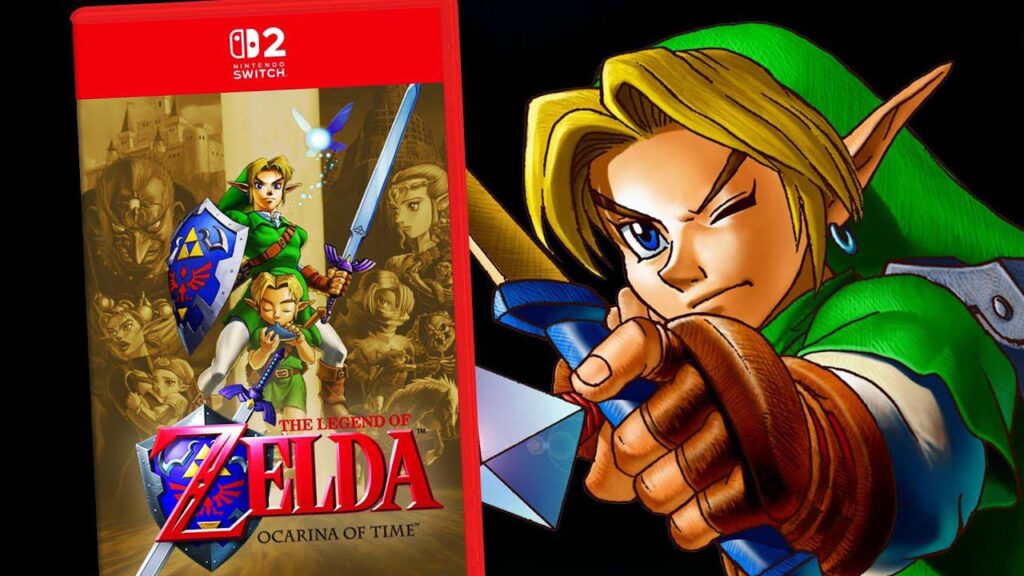
Ocarina of Time is not an ordinary remake candidate. The 1998 Nintendo 64 game helped define 3D action-adventure design, lock-on combat, cinematic dungeon progression, horseback exploration, musical puzzle-solving, and the basic grammar of 3D Zelda. Nintendo already revisited it with Ocarina of Time 3D on Nintendo 3DS, but a Switch 2 remake suggests something more ambitious than a preservation update. It suggests Nintendo may be testing how much of classic Zelda still fits the franchise’s future.
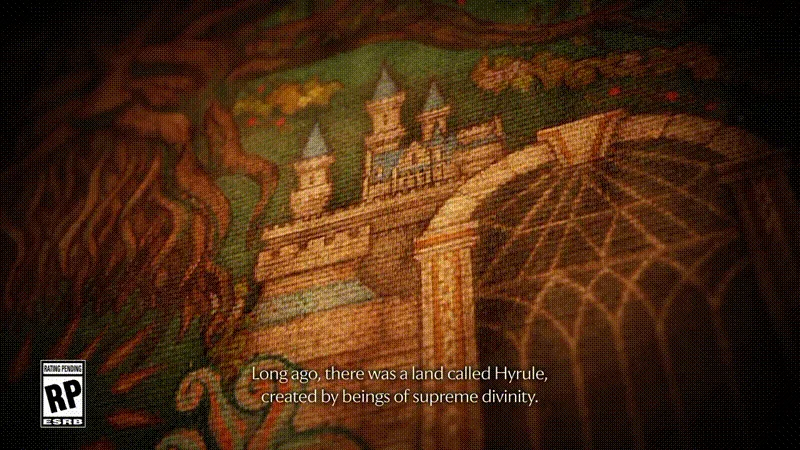
Nintendo announced The Legend of Zelda: Ocarina of Time remake during its June 2026 Nintendo Direct presentation, confirming the game for Nintendo Switch 2 with a 2026 release window. The reveal was built around a cinematic teaser rather than gameplay, which means Nintendo has confirmed the project but has not yet shown how it actually plays. Gematsu reported that Nintendo described the remake as the Nintendo 64 classic returning for a new generation and being “reborn exclusively for Nintendo Switch 2.”
GameSpot also reported that the reveal confirmed a 2026 release date but showed no gameplay, only a cinematic trailer centered on the boy from the forest who did not have a fairy. That detail matters because Nintendo is leaning into the mythic identity of Ocarina of Time rather than presenting the remake as a simple technical upgrade. At the time of announcement, Nintendo had not confirmed the exact release date, price, full feature list, developer credits, dungeon changes, performance target, or whether the remake would include new content. That leaves fans with a confirmed remake and many unanswered questions.

Why Nintendo is Remaking Ocarina of Time for Switch 2
Nintendo’s timing makes strategic sense. Switch 2 needs major exclusive software that can appeal to longtime fans, younger players, and lapsed Nintendo customers. A modern Ocarina of Time remake fits that role because it carries enormous cultural weight while giving Nintendo a Zelda release that does not require the same creative risk as a brand-new mainline entry.
The remake also arrives after Tears of the Kingdom pushed open-air Zelda design to an extreme. Breath of the Wild reinvented the series around freedom, physics, and nonlinear exploration. Tears of the Kingdom expanded that formula with construction, verticality, and systemic experimentation. After two massive open-world Zelda games, returning to Ocarina of Time lets Nintendo revisit the tighter, dungeon-focused structure that defined the older series.
There is also a generational factor. Many players know Ocarina of Time by reputation but have never played it in a modern format. The original Nintendo 64 version can feel dated to newcomers, while the 3DS remake is locked to older handheld hardware. A Switch 2 remake gives Nintendo a way to reintroduce the classic as a current premium release rather than a legacy title that players admire from a distance.
A Switch 2 remake also creates expectations that go beyond resolution. Fans will expect rebuilt environments, expressive character models, modern lighting, smoother animation, improved texture work, and a version of Hyrule that feels recognizable without looking like a preserved 1998 map. Because Nintendo has not shown gameplay, performance targets remain unconfirmed. However, a Switch 2 exclusive remake would reasonably be expected to target stable performance in both docked and handheld play.
The most important goal should not be raw graphical realism. Ocarina of Time’s identity depends on atmosphere, color, mood, and memorable silhouettes. The Forest Temple, Shadow Temple, Spirit Temple, Hyrule Field, Lon Lon Ranch, Kokiri Forest, and the ruined future version of Hyrule Castle Town all need visual upgrades that preserve tone. If Nintendo modernizes too aggressively, the remake could lose the strange, dreamlike quality that made the original so effective.
Dungeon design is one of the biggest questions surrounding the remake. Ocarina of Time’s dungeons are central to its legacy. The Deku Tree, Dodongo’s Cavern, Jabu-Jabu’s Belly, Forest Temple, Fire Temple, Water Temple, Shadow Temple, Spirit Temple, and Ganon’s Castle are not just levels. They are the structure of the entire adventure.
Nintendo could preserve the layouts almost exactly, using modern presentation and quality-of-life changes without altering puzzle logic. That would satisfy purists, but it may feel conservative for a full Switch 2 remake. The other option is selective modernization. Nintendo could keep the core dungeon identities while adjusting camera angles, enemy placement, puzzle clarity, item usage, and navigation flow. The Water Temple is the most obvious case because Ocarina of Time 3D already made improvements to reduce frustration. The safest approach would be restraint: refine friction without flattening the challenge that made each dungeon memorable.

How the Switch 2 Remake Compares to Ocarina of Time 3D and What it Could Mean for the Next Zelda
Ocarina of Time 3D remains one of the best versions of the game. It improved visuals, added touch-screen inventory management, made item swapping easier, cleaned up the Water Temple’s navigation, and preserved the structure of the original. Because of that, the Switch 2 remake has to justify itself against a version that already did a careful job of modernizing the classic.
A simple HD version of Ocarina of Time 3D would not be enough if Nintendo is presenting this as a full remake. Fans will expect more substantial rebuilding, including modern animation, richer environments, improved controls, and possibly expanded presentation. The 3DS version was designed around preservation and accessibility, while the Switch 2 remake appears positioned as a premium reinterpretation. That means Nintendo must balance three versions of the same legacy: the untouched N64 original, the refined 3DS release, and the new remake for modern hardware.
The remake could also influence the next mainline Zelda. If it succeeds, Nintendo may see renewed demand for structured dungeons, classic item progression, and a more directed adventure format. That does not mean Zelda will abandon open-air design. Breath of the Wild and Tears of the Kingdom were too successful for Nintendo to simply reverse course. However, Ocarina of Time’s return may encourage a hybrid model. The next mainline Zelda could combine open exploration with stronger dungeon identity, more meaningful key items, and tighter story pacing.
The remake also gives Nintendo a live test case. If millions of Switch 2 players respond positively to classic dungeon progression, Nintendo will have market evidence that traditional Zelda design still has major value. That could matter when Nintendo decides how much structure, story direction, and item-based progression should return in future entries.
Ocarina of Time also sits at the center of Zelda timeline debates because it famously leads into multiple branches of the official chronology. Its story connects to the child timeline, adult timeline, and downfall timeline, making it one of the most consequential entries in the franchise. A remake naturally raises continuity questions. Will Nintendo present the story exactly as before, or will it adjust lore details to better fit modern Zelda mythology? Will any new scenes reference later games? Will Tears of the Kingdom’s Zonai lore influence the way ancient Hyrule is framed?
Nintendo should be careful with those questions. Ocarina of Time works because its story is simple, mythic, and emotionally direct. Adding too much connective tissue could make it feel overexplained. The best approach would be to preserve the original story while using environmental details, optional text, and subtle visual references to enrich the timeline without rewriting it.

Controls, Accessibility, and What Nintendo Should Preserve
Controls may be the area where modernization is most necessary. The original Ocarina of Time was revolutionary in 1998, but modern players expect smoother camera control, better aiming, faster item access, and more fluid movement. The remake should keep Z-targeting because it is part of the game’s identity, but it can improve camera responsiveness, allow full right-stick camera movement, refine lock-on behavior, and make ranged aiming feel more natural.
Item management should also be faster. Ocarina of Time 3D already improved this through touch controls, but Switch 2 needs a controller-friendly solution. Quick menus, radial selection, improved button mapping, and customizable controls would make the game more comfortable without changing its structure. The goal should be to make the original design easier to play, not to turn it into a completely different kind of action game.
Modern Nintendo releases have become more aware of accessibility, and fans will expect the Ocarina of Time remake to go further. Useful features would include adjustable text size, remappable controls, colorblind-friendly visual indicators, subtitle options, camera sensitivity settings, and clearer audio-visual cues for puzzles. These changes would not weaken the original game. They would make it easier for more players to experience the adventure without unnecessary friction.
Difficulty should be handled carefully. Ocarina of Time is not an extremely difficult game by modern standards, but some players may struggle with older puzzle logic, timing challenges, or navigation. Optional hints could help without undermining the core experience. The best accessibility design would preserve the game while reducing barriers caused by the camera, controls, text size, or interface.
Nintendo should also preserve the emotional structure of the original. The shift from childhood wonder to adult ruin must remain intact. Kokiri Forest should feel safe and strange. Hyrule Field should feel open and lonely. The future version of Hyrule should still feel like a shock. These emotional contrasts are as important as the dungeons, items, and boss fights.
The music should remain central as well. Koji Kondo’s compositions are not background decoration. They are part of the game’s design language. The remake can use orchestration or richer instrumentation, but the melodies, timing, and emotional placement should remain recognizable. Nintendo should also avoid overexplaining the story. Ocarina of Time is powerful because it feels like a legend, and not every mystery needs a cinematic answer.

New Content Rumors, Zelda Remake Strategy, and the Best Ways to Revisit Ocarina of Time
Because Nintendo has not shown gameplay or detailed features, rumors about new content should be treated cautiously. Fans have speculated about expanded Hyrule Field, additional side quests, restored cut ideas, new combat encounters, Master Quest-style options, or post-game content. None of that has been officially confirmed.
The lack of gameplay footage makes speculation inevitable, but the remake does not need excessive new content to succeed. Ocarina of Time’s value lies in its structure, pacing, and identity. If Nintendo adds new content, it should feel integrated rather than attached. New side quests, optional lore, expanded NPC interactions, and quality-of-life systems would fit better than large additions that distort the original arc.
The remake also fits Nintendo’s broader release strategy. Nintendo uses remakes and remasters to fill release gaps, preserve important games, introduce classics to new audiences, and support hardware libraries without requiring every major franchise team to deliver a brand-new entry at once. Ocarina of Time on Switch 2 could serve multiple purposes at once. It gives Switch 2 a major Zelda exclusive, keeps the franchise visible while the next original Zelda is in development, celebrates one of Nintendo’s most important games, and tests demand for classic Zelda design in the modern market.
If the remake performs well, more ambitious Zelda remakes could follow. The obvious candidates would include Twilight Princess, Wind Waker, Majora’s Mask, or even a deeper reimagining of older 2D entries. The success of Ocarina of Time could show Nintendo whether full-scale Zelda remakes are worth treating as major tentpole releases rather than smaller nostalgia projects.
For players who want to revisit Ocarina of Time before the remake, the best option depends on what kind of experience they want. The Nintendo 64 original remains historically important because it shows the game as it first changed the industry, though it can feel technically rough by modern standards. Ocarina of Time 3D is the most accessible and refined official version for many players, with improved visuals, cleaner menus, and important quality-of-life changes while preserving the original design.
Players who want more context should also consider Majora’s Mask after finishing Ocarina of Time. It is not a direct remake comparison, but it shows how quickly Nintendo experimented with darker themes and stranger structure after Ocarina established the 3D formula.

What the No-Gameplay Reveal Says About Fan Expectations and Zelda’s Next Era
A reveal with no gameplay footage creates both excitement and anxiety. Fans know the remake exists, but they do not know what kind of remake it is. Some players expect a faithful visual rebuild. Others expect a more ambitious reimagining with modern combat, expanded environments, new story scenes, and major design changes. That gap in expectations can become a problem if Nintendo waits too long to clarify the project.
Nintendo’s next showing needs to answer practical questions. How does combat work? How much has the world changed? Are dungeons altered? Is the music rearranged? Does it run at a stable frame rate? Are there new story elements? Until gameplay is shown, speculation will dominate discussion.
The future of Zelda now looks more complicated and more interesting. Tears of the Kingdom represented the peak of open-air experimentation, while the Ocarina of Time remake brings back the franchise’s most influential classic structure. Those two directions do not have to cancel each other out. Nintendo does not need to permanently choose between open-world freedom and traditional dungeon progression.
The strongest future for Zelda may involve multiple design lanes. Mainline entries can continue exploring open worlds and systemic gameplay. Remakes can preserve and modernize classic adventures. Smaller projects can experiment with different perspectives, art styles, and formats. In that sense, the Ocarina of Time remake may become a bridge between eras. It can remind players why classic Zelda worked while giving Nintendo insight into what fans want from the series next.
Frequently Asked Questions (FAQs)
- When is the Ocarina of Time remake releasing?
Nintendo has confirmed that the Ocarina of Time remake is scheduled to launch in 2026 for Nintendo Switch 2. An exact release date has not yet been announced, so fans will need to wait for a future Nintendo presentation or official update for more specific timing. - Is the Ocarina of Time remake exclusive to Switch 2?
Yes. Based on Nintendo’s announcement, the remake is being developed specifically for Nintendo Switch 2. It has not been announced for the original Switch or any other platform, which positions it as a major exclusive for Nintendo’s newer hardware. - Will the Ocarina of Time remake have new content?
Nintendo has not confirmed any new content for the remake. Fans have speculated about expanded side quests, additional lore, quality-of-life improvements, or restored ideas, but none of those features have been officially revealed. Until Nintendo shows gameplay or details the feature list, new content should be treated as speculation. - How different is the remake from Ocarina of Time 3D?
The Switch 2 remake appears to be a much larger project than the Nintendo 3DS version, but Nintendo has not yet shown gameplay. Ocarina of Time 3D mainly updated visuals, controls, and interface elements while preserving the original structure. The new remake is expected to feature more extensive rebuilding, but the exact differences remain unconfirmed. - Will the remake change the original story?
There is currently no evidence that Nintendo plans to significantly alter the story. Most fans expect the core narrative involving Link, Zelda, Ganondorf, the Master Sword, and the seven sages to remain intact. If Nintendo adds anything, subtle environmental details or optional references would be safer than major story rewrites. - Are the original dungeons returning in the remake?
Yes. The classic dungeons are expected to return, including the Forest Temple, Fire Temple, Water Temple, Shadow Temple, Spirit Temple, and Ganon’s Castle. Nintendo has not confirmed whether layouts, puzzles, enemy placement, or navigation will be redesigned, so the scale of dungeon changes remains one of the remake’s biggest unanswered questions. - Will the Ocarina of Time remake include voice acting?
Nintendo has not announced whether the remake will feature full voice acting. Recent Zelda games have included voiced cutscenes, so some fans believe it is possible. However, Ocarina of Time’s original storytelling style is built around text, music, silence, and atmosphere, so Nintendo may choose a restrained approach even if voices are included. - How will the remake connect to the Zelda timeline?
Ocarina of Time remains one of the most important games in Zelda chronology because it leads to multiple timeline branches. The remake is expected to preserve that role, although Nintendo could add small references to newer games through environmental details or optional lore. Major timeline changes have not been confirmed. - Should players finish Ocarina of Time before playing the remake?
It is not necessary, but replaying the original or Ocarina of Time 3D can help players appreciate what the remake changes. New players can wait for the Switch 2 version if they want the most modern presentation, while longtime fans may enjoy revisiting the older versions to compare structure, tone, controls, and visual upgrades. - What could the Ocarina of Time remake mean for the future of Zelda?
The remake could show Nintendo how modern audiences respond to classic dungeon-focused Zelda design. If it sells well and receives strong feedback, Nintendo may be encouraged to bring more traditional elements into future games, including stronger dungeon identities, key items, and tighter story pacing, while still building on the open-world ideas introduced in Breath of the Wild and Tears of the Kingdom.
Conclusion
The Ocarina of Time remake is more than a nostalgia project. It is a major Switch 2 release, a test of classic Zelda’s modern appeal, and a potential signal about how Nintendo sees the franchise after Tears of the Kingdom. By returning to one of the most important games in the series, Nintendo is reopening questions about dungeon design, story structure, timeline continuity, control modernization, and the balance between preservation and reinvention.
The remake’s success will depend on restraint as much as ambition. Nintendo must modernize enough to justify a full Switch 2 release, but not so much that Ocarina of Time loses the mythic simplicity that made it endure. If handled correctly, the remake could become one of the most important Zelda releases of the decade and a blueprint for how Nintendo treats its greatest classics in the Switch 2 era.
Sources and Citations
- Gematsu – The Legend of Zelda: Ocarina of Time Remake Announced for Switch 2
https://www.gematsu.com/2026/06/the-legend-of-zelda-ocarina-of-time-remake-announced-for-switch-2 - GameSpot – Nintendo Finally Reveals The Legend of Zelda: Ocarina of Time Remake for 2026
https://www.gamespot.com/articles/nintendo-finally-reveals-the-legend-of-zelda-ocarina-of-time-remake-for-2026/1100-6540/ - TechSpot – The Legend of Zelda: Ocarina of Time Remake Announced for Switch 2, Due Out Later This Year
https://www.techspot.com/news/112705-legend-zelda-ocarina-time-remake-announced-switch-2.html
Recommendations
- How To Unlock Each Marathon Faction and Level Up Faster in Bungie’s Marathon
- Epic Games Is Suing A Major Fortnite Leaker—Who Secretly Worked For Epic The Whole Time (AdiraFNInfo Lawsuit Explained)
- Crimson Desert: How to Get and Tame a Tiger Mount Before it Disappears Forever
- ’90s Eco-Fantasy FernGully: The Last Rainforest Getting Live-Action Remake Explained
- Avatar Legends: The Fighting Game Sokka Developer Overview Reveals His Boomerang Combat Style
- Avowed Gets New Game+ And A Photo Mode Alongside PS5 Launch: Everything New in the Anniversary Update 2.0
- Riot Games Downsizing the 2XKO Development Team: February 2026 Layoffs, Official Update, and What’s Next
- Corsair Cove Release Date (July 31, 2026): Everything You Need to Know About Gameplay, Demo, Platforms, and Latest Updates
- Grand Theft Auto 6: Confirmed Car List (2026 Full Vehicle Breakdown, Leaks & Trailer Sightings Explained)
- Boris Gertsovsky Got Rid of His Stake in GDEV: What the March 2026 Share Sale Means



































































































