








In This Article (9 sections)
How GTA 6 Can Learn from Bully’s Focused World, Social Rules, and Everyday Pressure
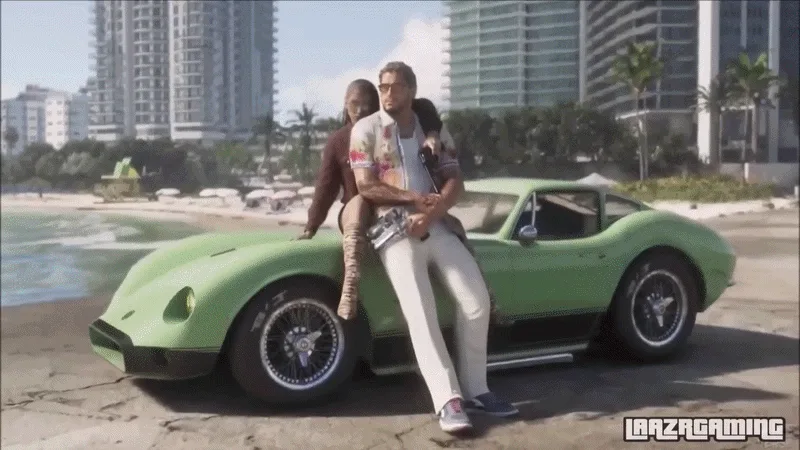
What GTA 6 Can Learn From Bully, Rockstar’s Forgotten Masterpiece is not just a nostalgic comparison between two Rockstar Games projects separated by two decades of technology, scale, and cultural expectation. It is a serious design question about how Rockstar’s biggest upcoming open world can learn from one of its most focused and emotionally precise games. Grand Theft Auto VI is officially set in Leonida, Rockstar’s fictional version of Florida, with Vice City at its center, and its story follows Jason and Lucia after a failed score pulls them into a wider criminal conspiracy.
Rockstar has already positioned the game as a return to Vice City and beyond, while the public trailers emphasize location, atmosphere, relationship tension, crime, and a sunlit world with darker pressure beneath it.
Bully remains one of Rockstar’s most unusual open-world games because it took the studio’s familiar sandbox structure and compressed it into a boarding school, a small town, a student schedule, a social hierarchy, and a coming-of-age story about Jimmy Hopkins trying to survive Bullworth Academy. Rockstar’s own description frames Bully around Jimmy navigating the obstacles of a crumbling prep school, while later editions kept its wit, classroom systems, extra missions, and school-life structure intact.
The reason Bully still matters is not that GTA 6 should become a schoolyard comedy or reduce its ambition. GTA 6 is expected to be much larger, more technically advanced, and more cinematic. The lesson is deeper. Bully proved that a Rockstar world does not need unlimited size to feel alive. It needs routines, social memory, meaningful spaces, recognizable communities, and consequences that connect the player to the setting.
Bully’s open world worked because it was small enough to understand but layered enough to revisit. Bullworth Academy, Bullworth Town, Old Bullworth Vale, New Coventry, and Blue Skies Industrial Park did not need to compete with the size of San Andreas or the density of Los Santos. Their power came from how each area had a clear social identity. The school was not simply a map hub. It was Jimmy’s pressure cooker. The town was not empty space between missions.
It was a gradual expansion of his world as new districts unlocked and new social groups became more relevant. Players remembered the boys’ dorm, the school gates, the carnival, the gym, the library, the bike shop, the town streets, and the industrial areas because each space supported repeated routines and social meaning.
This is one of the biggest lessons for GTA 6. Leonida can be huge, but size alone will not make it memorable. Rockstar has already shown neon streets, highways, beaches, wetlands, social media energy, police footage, and crowded public spaces in its GTA 6 trailers and official materials. That kind of scale is exciting, but the danger of a massive open world is that locations can become visually impressive without becoming emotionally important. GTA 6 can learn from this by treating Vice City and wider Leonida as a collection of meaningful communities rather than just a giant travel surface.
A beach district should not only be a pretty location for screenshots. It should have people who behave differently at dawn, afternoon, and midnight. A rural Leonida settlement should not only be comic relief. It should have routines, gossip, local conflicts, economy, law enforcement style, and characters who remember Jason and Lucia’s actions.
Bully’s world also succeeded because the player’s movement through it felt structured. There were class times, curfews, prefects, teachers, cliques, and school rules. Freedom existed, but it existed against a visible system of control. In GTA, freedom is often tied to escaping the police or causing mayhem. Bully showed that restriction can make freedom more interesting. Getting caught outside class, sneaking after curfew, or dodging authority made the world feel governed.
For GTA 6, this does not mean adding school bells. It means giving Leonida more systems that make places feel socially regulated. Different neighborhoods could have different police tolerance, gang control, private security, tourist surveillance, community watch behavior, or social media exposure. The player’s freedom would become more exciting because the world would push back in ways beyond a standard wanted level.
Bully’s school setting remains unique because it gave Rockstar a world built around everyday tension rather than criminal escalation. Bullworth Academy turned ordinary adolescent experiences into open-world systems. Classes became mini-games. Cliques became factions. Prefects became law enforcement. Pranks became missions. Dodgeball, errands, races, photography, romance, punishment, detention, carnival games, and classroom rewards all became part of a living social environment. The setting lowered the stakes on paper while making the conflicts feel more personal. GTA often deals with robberies, gang wars, corrupt institutions, criminal empires, and survival in cities shaped by money and violence. Bully turned the cafeteria, classroom, dormitory, schoolyard, and town square into arenas of power.
This is why Bully is not just “GTA in school,” even though the comparison was often used. It took Rockstar’s open-world structure and changed the emotional language. In GTA, the city often tempts the player with excess. In Bully, the school traps the player inside a social machine. Jimmy is not trying to become a kingpin. He is trying to survive a broken institution and stop himself from being crushed by it. GTA 6 can learn from the uniqueness of that setting by making Leonida more than a crime playground.
Vice City is already associated with excess, satire, nightlife, wealth, and danger, but GTA 6 can deepen that identity by giving different parts of Leonida their own pressures. Jason and Lucia’s world should not only be shaped by crime. It should be shaped by rent, reputation, family, parole, poverty, tourism, social media humiliation, local politics, police surveillance, and fragile trust.

How Bully’s NPCs, Reputation, and Side Activities Could Make Leonida Feel More Reactive
One of Bully’s lasting strengths is how its non-player characters contributed to the illusion of a real social environment. Students wandered between classes, cliques reacted to Jimmy based on respect, prefects enforced rules, teachers represented authority, and different groups had recognizable behaviors. The system was simple by modern standards, but it created social texture. A player could feel the difference between being tolerated by one clique and hated by another because Bullworth was small enough for those reactions to be noticed. GTA 6 has the opportunity to push this idea much further through modern hardware, advanced animation, denser crowds, and Rockstar’s experience with Red Dead Redemption 2’s ambient interactions, but the essential lesson is not technical. It is behavioral.
NPCs in GTA 6 should not only exist as pedestrians, drivers, police officers, or mission targets. They should belong to communities. They should have routines, affiliations, memories, and thresholds. Bully’s NPCs worked because they turned the open world into a social field. When Jimmy angered a group, that group’s members could harass or attack him.
When he earned respect, the world became easier to navigate. GTA 6 could adapt that idea to neighborhoods, crews, online communities, businesses, law enforcement circles, and personal relationships. If Jason and Lucia rob a local store, the result should not only be police heat. Nearby residents might recognize them later. Store owners could lock doors, hire guards, spread warnings, or refuse service. A gang might admire the move if it hurts a rival, while another might retaliate. A viral clip could change how strangers react in specific areas.
Bully’s reputation system was built around respect between Jimmy and the school’s cliques. The Bullies, Nerds, Preppies, Greasers, Jocks, and Townies formed a social hierarchy, and missions could change how those groups viewed Jimmy. When respect was high, members of a group could become friendly or even useful. When respect was low, they could become hostile on sight. That system was not infinitely deep, but it made the world feel reactive and gave missions consequences beyond money or story progression. A player was not only completing objectives. They were moving through a social map. Every major group had a place in the world, and Jimmy’s relationship with each group affected the atmosphere of the school and town.
GTA 6 could benefit from a much more advanced version of this. Grand Theft Auto has traditionally used wanted levels, mission outcomes, money, property, and story progression as major consequence systems. Those are useful, but a modern Vice City needs consequences that feel more personal and social. Jason and Lucia’s criminal partnership is already positioned as central to the story, and a reputation system could make their choices matter across Leonida.
Street crews, cartel-linked networks, biker groups, nightclub owners, corrupt police, influencers, political fixers, repo agents, small-town criminals, prison contacts, and wealthy clients could all respond to Jason and Lucia based on past actions. The system would not need to turn GTA into a role-playing game. It would simply make relationships more persistent, readable, and felt in the streets through dialogue, graffiti, social feeds, police scanner chatter, store reactions, mission offers, and ambient behavior.
Bully’s side activities worked because they were tied to the identity of the world. Classes were not random mini-games detached from the setting. They belonged to school life. English, Chemistry, Art, Gym, Photography, Shop, and other activities gave the player rewards that made sense within Jimmy’s world. Jobs, errands, races, carnival games, collectibles, and social interactions helped Bullworth feel like a place with routines rather than a mission board. GTA 6 needs more than distractions.
It needs side content that deepens Jason, Lucia, Vice City, and Leonida. Meaningful side activities could include low-level hustles that build contacts, car restoration, pawn shop deals, social media manipulation, underground racing, nightclub work, fishing scams, repo jobs, bail bond work, motel surveillance, influencer sabotage, relationship errands, street photography, local political favors, wildlife-adjacent smuggling, and neighborhood-specific favors.
The key is not quantity. The key is connection. Every activity should reveal something about the world or the protagonists. Bully’s classes also offered a useful reward structure because completing class challenges improved Jimmy’s abilities or unlocked helpful items. GTA 6 can apply that philosophy without copying the classroom format. Side activities could improve social options, driving advantages, weapon access, disguise opportunities, negotiation ability, hacking tools, vehicle handling, or criminal contacts. Instead of side content existing only for completion percentage, it could gradually expand how Jason and Lucia interact with Leonida and create stories players remember because they feel like they could only happen in Vice City.
How Everyday Places, Character Pressure, and Humor Can Give GTA 6 Emotional Weight
Bully’s genius was its ability to make ordinary locations matter. A classroom was not just a room. It was a place where the player gained abilities. The dorm was not just a safehouse. It was a social base. The cafeteria, gym, library, schoolyard, bike shop, carnival, and town streets all had gameplay meaning. The setting made small spaces memorable because it repeatedly sent the player back to them under different conditions. GTA 6 can learn from this by resisting the temptation to make every important location cinematic but temporary. Open-world games often feature beautiful interiors or set pieces that appear once and then lose relevance.
Bully’s locations stayed important because they were part of routine. The player understood where things were, who belonged there, and why the place mattered.
Vice City should have everyday locations that become familiar over time. Diners, apartments, motels, corner stores, auto shops, beaches, clubs, courthouses, police stations, pawn shops, strip malls, gyms, marinas, trailer parks, and backroads should not only be scenery. They should have repeated functions. A diner might be a meeting point, rumor source, and safe conversation space. A motel might change based on Jason and Lucia’s heat. A garage might become central to vehicle identity. \
A courtroom or probation office might represent legal pressure. A convenience store might remember whether the player robbed it, protected it, or used it as a local contact point. Bully made everyday locations important by tying them to social roles, and GTA 6 can do the same with Leonida by making every neighborhood feel like it has people who belong there and people who do not.
This would also help GTA 6’s story. Jason and Lucia’s relationship can become more believable if their world contains repeated personal spaces. A safehouse is not enough. Players should understand where they argue, hide, plan, celebrate, recover, and make mistakes. Bully understood that a strong open world is not only about where missions happen. It is about where life happens between missions. That same principle connects to Bully’s character-driven storytelling.
Jimmy Hopkins was mischievous, angry, defensive, and often reckless, but he was not empty. He had a difficult home life, a history of expulsions, and a strong instinct to push back against bullies and hypocritical authority. His story followed his attempt to navigate Bullworth’s social order and eventually confront the chaos created by manipulation, hierarchy, and insecurity.
GTA 6 already has an opportunity to be one of Rockstar’s most character-driven games because its official trailer description centers Jason and Lucia’s bond. Rockstar frames them as two people forced to rely on each other after a score goes wrong and a conspiracy stretches across Leonida. That relationship gives GTA 6 a foundation that Bully would recognize: the world matters most when filtered through character pressure.
Bully can teach GTA 6 that character-driven storytelling does not always require constant cinematic escalation. Sometimes it comes from social friction. Jimmy’s story was memorable because every faction revealed something about power, insecurity, status, or cruelty. GTA 6 can do the same by making Jason and Lucia’s relationships with each other and the world evolve through missions, side activities, and ambient systems.
The danger for GTA 6 is that its scale could overpower its characters. A giant world, huge budget, and massive expectations can sometimes push storytelling toward spectacle. Bully shows the value of keeping the protagonist’s emotional position clear. Jimmy was always trying to survive Bullworth and expose its social rot. Jason and Lucia should have similarly readable emotional stakes. They may want money, escape, loyalty, revenge, freedom, or stability, but the game must keep those desires visible.
Supporting characters should also be more than mission dispensers or jokes. They should pressure Jason and Lucia’s relationship. Some should tempt them, some should exploit them, some should offer genuine help, and some should reveal different versions of what survival in Leonida looks like.
Bully’s humor worked because it punched through the absurdity of school life without pretending the setting was meaningless. The game was full of pranks, exaggerated cliques, clueless adults, awkward romance, ridiculous missions, and sharp dialogue. Yet beneath the comedy was a story about social cruelty, neglect, manipulation, and the need to stand up to people who abuse power.
This balance is important for GTA 6 because Grand Theft Auto has always been satirical, but modern satire is harder than ever because real life often feels as absurd as parody. GTA 6’s trailers already suggest a world shaped by viral clips, public spectacle, reckless behavior, and Florida-inspired chaos. The challenge is not finding things to mock. The challenge is making the humor feel purposeful rather than simply loud. Bully’s humor had emotional weight because it came from character and setting, and GTA 6 can use that lesson by grounding its satire in Jason and Lucia’s lived experience.
How Social Interaction, Factions, and Structure Could Give GTA 6’S Chaos More Meaning
Bully’s social interactions were simple, but they created a strong foundation for a living world. Jimmy could greet, insult, apologize, fight, kiss, help, provoke, and build or lose respect. The system was not as advanced as later Rockstar interaction models, but it fit the world. In a school setting, social interaction is gameplay. Every hallway encounter can become a joke, threat, opportunity, or confrontation. GTA 6 could modernize that formula in powerful ways by letting social interactions in Vice City go beyond random pedestrian dialogue or mission cutscenes. Jason and Lucia should be able to navigate people with tone, reputation, intimidation, charm, bribery, apology, deception, and loyalty.
Their choices should not always require violence. Sometimes the most interesting option is talking a way into a club, calming a witness, pressuring a mechanic, lying to a security guard, convincing a contact, or defusing an argument between partners. Bully’s formula was useful because it matched interaction to context. Students reacted differently based on clique, authority, and respect. GTA 6 can expand that into a more nuanced social web. A wealthy club owner might respond to status. A small-town store clerk might respond to familiarity. A gang member might respond to reputation. A police officer might respond to fear, evidence, or corruption. A social media personality might respond to clout. A family member might respond to trust.
This could also improve the dual-protagonist structure. Jason and Lucia may not interact with people the same way. One might be better at intimidation, the other at persuasion. One might have contacts the other lacks. One might trigger suspicion in certain areas while the other blends in. Bully’s social systems were built around Jimmy alone, but GTA 6 could use two protagonists to make social navigation more varied. Social interaction could also make nonviolent gameplay more meaningful.
GTA is always going to involve crime and chaos, but Bully proved that mischief, dialogue, embarrassment, rivalry, and reputation can be just as memorable as gunfights. GTA 6 should allow more missions where the best outcome depends on reading a room rather than simply winning a shootout.
Bully’s faction system gave Bullworth its identity. The school and town were divided among Bullies, Nerds, Preppies, Greasers, Jocks, Townies, and authority figures. Each group represented a recognizable social archetype, but the game used those archetypes to create territory, conflict, mission structure, and reputation. GTA 6’s Leonida could benefit from a similarly readable but more mature faction system. Vice City and the wider state should not feel like one generic criminal ecosystem. They should feel divided among groups with competing interests, including street crews, nightclub operators, drug networks, car thieves, corrupt police units, social media opportunists, political fixers, rural gangs, luxury developers, biker groups, prison contacts, celebrity entourages, and neighborhood families.
The lesson from Bully is clarity. Players remembered the cliques because they were visually, socially, and geographically distinct. GTA 6 should make Leonida’s factions equally understandable. A player should be able to tell who controls a neighborhood, who has influence in a club, who runs a smuggling route, who buys stolen cars, who watches the docks, and who can make legal trouble disappear. Faction design would also improve consequence. If Jason and Lucia help one group, another should notice. If they betray a faction, the fallout should appear beyond a single mission. Bully’s respect system made Jimmy’s standing visible in everyday traversal. GTA 6 could apply this to safehouses, prices, ambushes, police attention, mission availability, and information access.
Bully also understood that chaos is more fun when it has boundaries. The player could cause trouble, fight, skip class, prank students, explore town, and break rules, but the school schedule, curfew, authority figures, and faction reactions kept the world from becoming meaningless. Structure gave misbehavior context. Breaking rules mattered because rules existed. GTA has always been associated with freedom and chaos, but GTA 6 can become stronger by adding more structure around that chaos.
The wanted level alone cannot carry every form of consequence. Leonida needs systems that create pressure before the police arrive and after the chase ends. Some missions could require Jason and Lucia to keep a low profile in certain districts because their faces are circulating online. Some neighborhoods could become risky after repeated crimes. Certain contacts might only meet under specific conditions. A car used in a robbery might become recognizable. These systems would not remove freedom. They would make freedom more dramatic.

Why Bully’s Small Conflicts, Mission Variety, and Lasting Focus Still Matter for GTA 6
Bully turned small conflicts into memorable gameplay because it understood scale from the character’s perspective. A fight outside a dorm, a prank in the hallway, a race through town, a class challenge, or a clique confrontation could feel important because Jimmy’s world was defined by school status. The game did not need constant explosions to create stakes. It made embarrassment, rivalry, and reputation playable. GTA 6 can learn from that by giving more attention to small conflicts. Not every memorable mission needs to involve a massive shootout, high-speed chase, or cinematic robbery. Some of the best open-world moments come from situations that feel specific, strange, and personal.
Jason and Lucia arguing over a risky decision, helping a contact escape local humiliation, dealing with a suspicious neighbor, intimidating a witness without killing them, or recovering a stolen item from a petty rival could all become memorable if written and staged well. Bully’s small conflicts worked because they often had clear emotional logic. The player understood why a clique was angry, why Jimmy had to prove himself, why a prank mattered, or why a location was contested.
GTA 6 should make its smaller conflicts similarly legible. A conflict over a motel room, unpaid debt, stolen car, viral video, family betrayal, or local insult can be powerful if it reveals character and changes relationships. Small conflicts also help pacing because a massive open-world crime game can become numb if every mission tries to outdo the last.
Bully’s mission variety remains one of its strongest qualities. The game mixed fights, pranks, races, stealth sections, escort tasks, classroom challenges, boss-like clique confrontations, errands, social missions, and exploration-based objectives. Reviews and summaries frequently praised its missions, story, characters, humor, and memorable structure, even when technical issues or specific mission types drew criticism. GTA 6 needs that kind of variety more than ever. A modern GTA game cannot rely only on driving to a marker, shooting enemies, escaping police, and watching a cutscene. Those elements are part of the series, but Rockstar’s next open world should offer missions built around social deception, surveillance, relationship tension, stealth, negotiation, disguise, exploration, environmental problem-solving, vehicle identity, and faction politics.
Bully’s mission variety worked because it matched the school fantasy. GTA 6’s mission variety should match the Leonida fantasy. Vice City nightlife could support missions about access, performance, celebrity, blackmail, and crowd control. Rural areas could support missions about survival, smuggling, local suspicion, and hidden routes. Wetlands could support environmental navigation and dangerous escapes. Highways could support convoy jobs, police evasion, and roadside encounters.
Social media systems could support missions where exposure is as dangerous as bullets. Another lesson from Bully is that mission variety does not always require complex mechanics. Sometimes a fresh context changes everything. A simple chase feels different if it happens through a school hallway instead of a street. A simple fight feels different if it affects faction respect. A simple errand feels different if it reveals character.
Rockstar fans still call Bully a forgotten masterpiece because it remains distinct in a catalog dominated by Grand Theft Auto and Red Dead Redemption. It was critically well received, commercially successful enough to endure, and later expanded through Scholarship Edition and Anniversary Edition, yet it never became an ongoing franchise. Its setting, tone, soundtrack, characters, social systems, and compact open world helped it develop a long-lasting cult reputation. The “forgotten” part comes from absence. Rockstar continued to build massive franchises, but Bully did not receive a full sequel. Former Rockstar co-founder Dan Houser has said that Bully 2 did not happen partly because of bandwidth issues, explaining that a studio cannot pursue every project it wants.
The “masterpiece” part comes from cohesion. Bully is not perfect. Its technology aged, some missions frustrated players, and later ports had issues. But the game had a rare unity of setting, systems, tone, and character. Everything pointed back to Bullworth. Classes, cliques, authority, errands, fights, pranks, and story chapters all reinforced the fantasy of surviving a hostile school environment. Bully also benefits from being smaller than Rockstar’s biggest games. Its limitations made it sharper.
Players could internalize the map. They could recognize social groups. They could understand Jimmy’s place in the world. For GTA 6, the lesson is not to become smaller in ambition. It is to become more focused in design. If Rockstar can make Leonida feel as socially coherent as Bullworth while using modern scale and technology, GTA 6 could satisfy both spectacle and depth.
Frequently Asked Questions (FAQs)
- What is the main lesson GTA 6 can learn from Bully?
The main lesson is that an open world becomes memorable when its locations, characters, routines, and consequences are connected. Bully’s Bullworth felt alive because the school, town, cliques, classes, and authority systems all supported the same fantasy of surviving a hostile school environment. GTA 6 can learn from that by making Vice City and Leonida feel socially reactive rather than only visually impressive, with communities, repeated spaces, and consequences that follow Jason and Lucia through the world. - Why is Bully considered Rockstar’s forgotten masterpiece?
Bully is often called Rockstar’s forgotten masterpiece because it is one of the studio’s most distinctive games, yet it never became a long-running franchise like Grand Theft Auto or Red Dead Redemption. It used a school setting, faction system, humor, and character-driven storytelling to create a focused open world that fans still discuss years later. The game is remembered because its systems, tone, map, and story all worked together around one clear idea, even though it never received a full sequel. - How could Bully’s faction system work in GTA 6?
GTA 6 could adapt Bully’s faction system by giving Leonida distinct groups with territory, reputation, and consequences. Instead of school cliques, GTA 6 could use street crews, nightclub networks, corrupt officials, rural gangs, social media figures, wealthy developers, and other groups that react to Jason and Lucia based on their choices. Helping one group could make certain areas safer or unlock opportunities, while betraying another could lead to ambushes, higher prices, lost contacts, or public exposure. - Why does Bully’s smaller map still feel memorable?
Bully’s map feels memorable because every major location has a purpose. The school, dorm, classrooms, gym, carnival, town, and industrial areas are tied to missions, routines, social groups, and rewards. The world is not large by modern standards, but it is dense, readable, and meaningful. Players remember it because they return to the same places under different conditions and gradually understand who belongs there, what happens there, and why each space matters. - What can GTA 6 learn from Bully’s NPC behavior?
GTA 6 can learn that NPCs should feel connected to the world rather than existing only as background characters. Bully’s NPCs reacted through cliques, authority roles, routines, and respect levels, which made Bullworth feel like a social environment rather than just a map. GTA 6 could expand this by making pedestrians, criminals, business owners, police, influencers, and local communities respond to Jason and Lucia’s actions through recognition, rumor, hostility, assistance, fear, or refusal of service. - Why were Bully’s side activities effective?
Bully’s side activities were effective because they fit the school setting. Classes, errands, jobs, races, pranks, and carnival games all reinforced the fantasy of being a student in Bullworth instead of feeling like random distractions. GTA 6 should use side activities that fit Leonida, such as local hustles, car culture, nightlife, social media schemes, neighborhood favors, and criminal contacts. The strongest activities would reveal more about Jason, Lucia, Vice City, and the unstable world they are trying to survive. - Could GTA 6 use a reputation system like Bully?
Yes, GTA 6 could benefit from a more advanced reputation system. Bully used clique respect to change how groups treated Jimmy, making the world feel responsive as he gained or lost standing. GTA 6 could track reputation across neighborhoods, factions, police units, businesses, and online communities, allowing Jason and Lucia’s choices to affect future opportunities and risks. The most effective version would be visible to the player through dialogue, social feeds, store behavior, mission availability, and changes in how people react on the street. - Why did Bully’s humor work so well?
Bully’s humor worked because it came from character, setting, and social exaggeration. The game mocked school hierarchy, clueless authority, teenage insecurity, and institutional hypocrisy without losing sight of Jimmy’s emotional journey. The comedy felt sharp because it was tied to real pressures inside Bullworth, such as reputation, bullying, embarrassment, and power. GTA 6 can use this lesson by making satire serve character and consequence rather than relying only on loud parody or spectacle. - What kind of mission variety should GTA 6 take from Bully?
GTA 6 should take Bully’s commitment to varied mission contexts. Bully mixed fights, pranks, races, classes, stealth, errands, and faction conflicts in ways that matched its school setting. GTA 6 can expand that idea with robberies, social deception, surveillance, relationship missions, nightclub access, rural smuggling, car restoration, faction diplomacy, and low-profile jobs. The goal is not just mechanical variety, but missions that feel socially and emotionally different depending on where they happen and who is involved. - Can Bully’s design philosophy really make GTA 6 better?
Yes. Bully’s design philosophy can make GTA 6 better if Rockstar uses it to add density, consequence, social identity, and emotional focus to Leonida. GTA 6 does not need to copy Bully’s school setting or reduce its scale. It needs to copy Bully’s ability to make every place and interaction feel connected to the world. If Vice City and Leonida can combine spectacle with routines, social memory, readable communities, and character pressure, GTA 6 could feel not only bigger, but more human.
Conclusion
What GTA 6 Can Learn From Bully, Rockstar’s Forgotten Masterpiece is ultimately a question about focus. GTA 6 will almost certainly be bigger, more technically advanced, and more commercially dominant than Bully ever was. But bigger does not automatically mean better. Bully remains important because it understood how to make a small world feel socially alive. It made school rules, cliques, classes, pranks, authority, and everyday spaces part of one coherent experience.
GTA 6 has the chance to do something similar on a far larger scale. Vice City and Leonida can become more than a beautiful crime sandbox if Rockstar gives them meaningful neighborhoods, factions, routines, side activities, social consequences, and character-driven missions. Jason and Lucia’s story can become stronger if the world around them remembers what they do and reflects who they are becoming.
Bully’s greatest achievement was not its size or technology. It was its sense of place. Bullworth felt like a world with rules, grudges, jokes, routines, and social pressure. If GTA 6 can bring that same design intelligence to Leonida, it could become Rockstar’s most complete open world yet. Not simply the biggest. Not simply the most detailed. The most alive.
Sources and Citations
- Rockstar Games: Grand Theft Auto VI Official Website
https://www.rockstargames.com/VI - Rockstar Games: Only in Leonida
https://www.rockstargames.com/VI/leonida - Rockstar Games Newswire: Grand Theft Auto VI Trailer 2
https://www.rockstargames.com/newswire - Rockstar Games: Bully Official Page
https://www.rockstargames.com/games/bully - Steam Store: Bully Scholarship Edition
https://store.steampowered.com/app/12200/Bully_Scholarship_Edition/ - Rockstar Games: Bully Anniversary Edition
https://www.rockstargames.com/games/bully-anniversary-edition - Bully Wiki: Bullworth Academy and Game World
https://bully.fandom.com - Metacritic: Bully
https://www.metacritic.com/game/bully/ - Metacritic: Bully Scholarship Edition
https://www.metacritic.com/game/bully-scholarship-edition/ - GameSpot: Bully Reviews and Coverage
https://www.gamespot.com/games/bully/ - GamesRadar: Bully Retrospectives and Bully 2 Reports
https://www.gamesradar.com - PC Gamer: Bully 2 Coverage and Dan Houser Comments
https://www.pcgamer.com - Rockstar Games Official Website
https://www.rockstargames.com - GTA Base: Grand Theft Auto VI Coverage
https://www.gtabase.com/grand-theft-auto-vi/ - IGN: Bully Coverage
https://www.ign.com/games/bully - Wikipedia: Bully
https://en.wikipedia.org/wiki/Bully_(video_game)
Recommended
- LEGO Batman: Legacy of the Dark Knight Reveals Gotham by Gaslight Batsuit: Release Date, Trailer Details, and How the Suit Fits the Game
- Meltopia Sales Surpass 50,000 Copies in Under a Month: Indie Steam Breakout Success Explained
- The Outer Worlds Spacer’s Choice Edition Free Upgrade Issues Explained: Delisting, DLC Requirements, and Player Backlash
- LiveScore Group Nearly Halved Its Annual Losses for the Financial Year 2025: Full Financial Breakdown and Future Outlook
- A 91 Year Old Woman Who Received a Wellness Check From Police Was Just Busy Gaming The Viral Story Explained
- Procedural Vegetation in Unreal Engine and Unity with Blender (UE5 PCG, PVE, and Geometry Nodes)
- Call of Duty’s Iconic Ghost Shows up in New Fanta Ad, Making People Wonder About 2026’S Call of Duty
- Super Mario Bros. Speedrunner Claims He’s Being Sabotaged Amid Input Swapping Ban
- Sin & Siege, a New Heaven-Vs.-Hell Strategy Game, Revealed for PC
- Sales of “No, I’m Not a Human” Exceeded One Million Copies: Release Timeline, Developer Details, and Why the Horror Hit Blew Up



































































































