






Is The Witcher 4 being developed in Unreal Engine 5?
Yes – The Witcher 4 is officially being developed on Epic Games’ Unreal Engine 5. CD Projekt Red (CDPR) confirmed in March 2022 that the next Witcher saga had entered development using Unreal Engine 5, marking a major shift from the studio’s proprietary REDengine. This announcement revealed a strategic partnership with Epic Games and made clear that Unreal Engine 5 will power the entirety of The Witcher 4’s development, from its open-world environments to its cutting-edge visuals. In short, fans can expect the new Witcher installment to leverage all the advanced features of UE5, such as improved lighting, physics, and open-world streaming technology, to deliver a next-generation RPG experience.
This move means CDPR is moving away from the engine used for The Witcher 2, The Witcher 3, and Cyberpunk 2077. The decision to use Unreal Engine 5 has significant implications. It suggests that The Witcher 4’s development will benefit from Epic’s ongoing engine improvements and a robust toolset shared by many in the industry. It also indicates CDPR’s confidence that UE5 can handle the massive scale and detail of a Witcher game, including complex open-world systems and rich storytelling, right out of the box. In summary, The Witcher 4 is absolutely being built in Unreal Engine 5, as officially confirmed by the developers.
Why CD Projekt Red switched from REDengine to Unreal Engine 5
CD Projekt Red’s switch from its in-house REDengine to Unreal Engine 5 was driven by both practical and strategic reasons. Development predictability and efficiency were key factors in the change. In the past, CDPR spent tremendous resources modifying REDengine for each new game. For instance, the jump from Witcher 3 to Cyberpunk 2077 required extensive engine overhauls, contributing to development struggles. By partnering with Epic and using Unreal, CDPR can avoid constantly reinventing its technology and instead focus on creating content. According to Paweł Zawodny, CDPR’s CTO, this long-term tech partnership is meant to “elevate development predictability and efficiency, while granting access to cutting-edge tools”.
Another motive is to leverage Unreal Engine 5’s prowess in open-world game design. Epic has built UE5 specifically to handle dynamic open worlds at unprecedented scale and fidelity. CDPR realized it could collaborate with Epic to tailor the engine to their needs, rather than continually adapting REDengine for each project.
This collaboration means CDPR developers are working with Epic’s engineers to extend UE5’s open-world capabilities, ensuring the engine can meet the ambitions of The Witcher 4 and beyond. Essentially, CDPR traded the total control of a proprietary engine for the stability, support, and advanced features of a world-class game engine that many studios use. The result should be a smoother development process and potentially a better final product for players.

CD Projekt Red and Epic Games partnership for The Witcher 4 Unreal Engine development
When CD Projekt Red announced The Witcher 4, it simultaneously unveiled a multi-year strategic partnership with Epic Games centered on Unreal Engine 5. This is far more than a standard licensing deal. Under the partnership, CDPR and Epic are actively collaborating to enhance Unreal Engine for open-world RPGs. CDPR’s developers are working directly with Epic’s Unreal Engine team to create new tools and improve engine features that can handle the scale and complexity of Witcher-style games. In essence, CDPR is helping to “teach” Unreal Engine how to build The Continent – the vast world of The Witcher.
One concrete outcome of this partnership was demonstrated in 2025, when CDPR and Epic showcased new Unreal Engine 5 features co-developed for The Witcher 4. This included technology for large open-world streaming, realistic foliage, crowds, and more – all integrated back into UE5 for the benefit of other developers as well.
Tim Sweeney, Epic’s CEO, praised CDPR as “one of the industry’s best open-world game studios” and noted they are the “perfect partner to help develop new world-building features” in Unreal. For CDPR, partnering with Epic means having a direct influence on the engine’s evolution and ensuring it meets their needs. For Epic, having a prestige project like The Witcher 4 on UE5 is a powerful way to prove the engine’s capabilities. The partnership is truly symbiotic: CDPR gains access to Epic’s technology and support, and Epic gains a flagship open-world title to push Unreal Engine’s limits.
Project Polaris meaning: what The Witcher 4 codename tells us
“Project Polaris” is the official codename for the first installment of a new The Witcher trilogy. The name refers to the North Star, symbolizing the game’s role as a guiding light and cornerstone for CD Projekt Red’s (CDPR) future following the conclusion of Geralt’s story and the studio’s challenges with Cyberpunk 2077.
While other Witcher spin-offs use wolf-related star names (Sirius, Canis Majoris), Polaris belongs to the Ursa Minor constellation. This distinction hints at a different path for the series. It is widely believed the name points toward Ciri as the next protagonist, especially following the teaser image of a lynx medallion. CDPR has internally considered Ciri the natural successor for nearly a decade, signaling that Project Polaris represents a journey toward fresh horizons with a new hero.
The Witcher IV reveal trailer explained (The Game Awards 2024)
CDPR officially unveiled The Witcher IV with a cinematic teaser at The Game Awards 2024. The trailer confirmed Ciri as the protagonist, showing her intervening in a ritual sacrifice in the northern village of Stromford. She takes a contract to save a young woman named Mioni from a new monster called the Bauk.
Game director Sebastian Kalemba confirmed that the events in the trailer are part of an actual in-game quest. While Mioni dies in the cinematic, players will have the agency to save her in the final game through their choices. The trailer also showcased Ciri’s new combat capabilities, including a fire-enchanted bladed chain and her ability as a Source to absorb environmental elements to unleash powerful spells.
The Witcher 4 cinematic trailer Unreal Engine 5: pre-rendered vs real gameplay
The reveal trailer was a pre-rendered cinematic created in collaboration with Platige Image. It was designed to establish the narrative, protagonist, and mood rather than showcase real-time gameplay graphics. While it likely used high-end assets informed by Unreal Engine 5, the lighting, camera angles, and animations were choreographed and rendered offline.
CDPR has been transparent that this trailer was not a direct representation of moment-to-moment gameplay, as it lacked HUD elements or player-controlled footage. The studio provided a separate technical demonstration in 2025 to show actual in-engine capabilities.
Ciri confirmed as The Witcher 4 protagonist: what it means for the new saga
Ciri’s confirmation as the lead character officially ends Geralt of Rivia’s tenure as the series’ lead. CDPR chose Ciri because they felt she had “so much to prove,” making her the ideal anchor for a new epic saga. This shift moves the series away from Geralt’s “monster-hunter-for-hire” perspective toward a journey focused on Ciri’s Elder Blood powers and her background as a princess.
Gameplay Evolution: Ciri offers a more agile playstyle compared to Geralt, incorporating dimension-hopping, teleportation, and advanced sorcery alongside swordsmanship.
Narrative Focus: The story will explore Ciri’s unique challenges and legacy as she carves out her own path as a professional monster slayer.
Geralt’s Role: Geralt is confirmed to remain in the world, likely appearing as a mentor or supporting character rather than the playable lead.
World Building: Lead developer Sebastian Kalemba noted that the fresh perspective allows the studio to introduce new villains, political conflicts, and monster lore, serving as a “soft reboot” for the franchise.
The Witcher 4 Unreal Engine 5 tech demo explained (State of Unreal 2025)
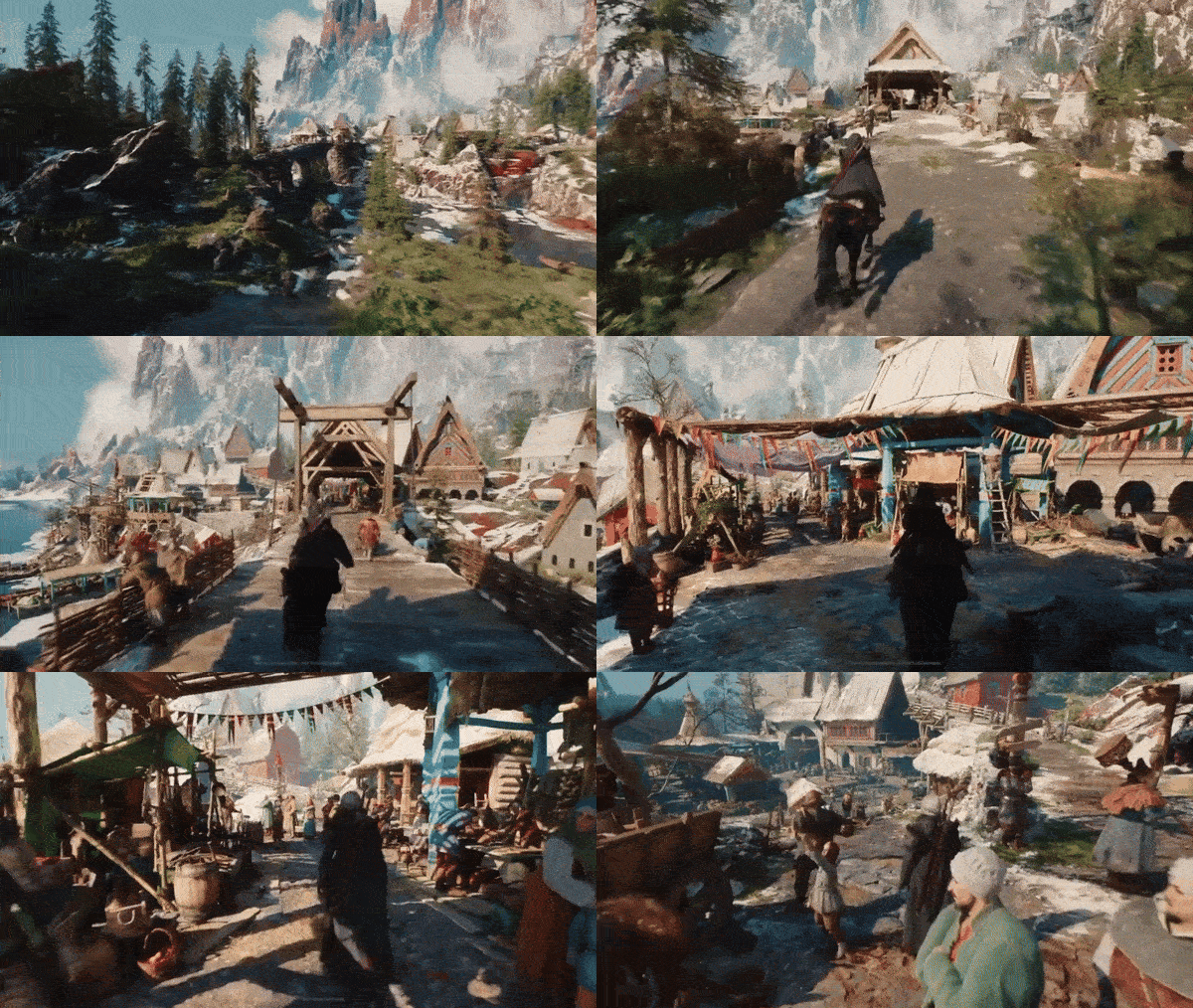
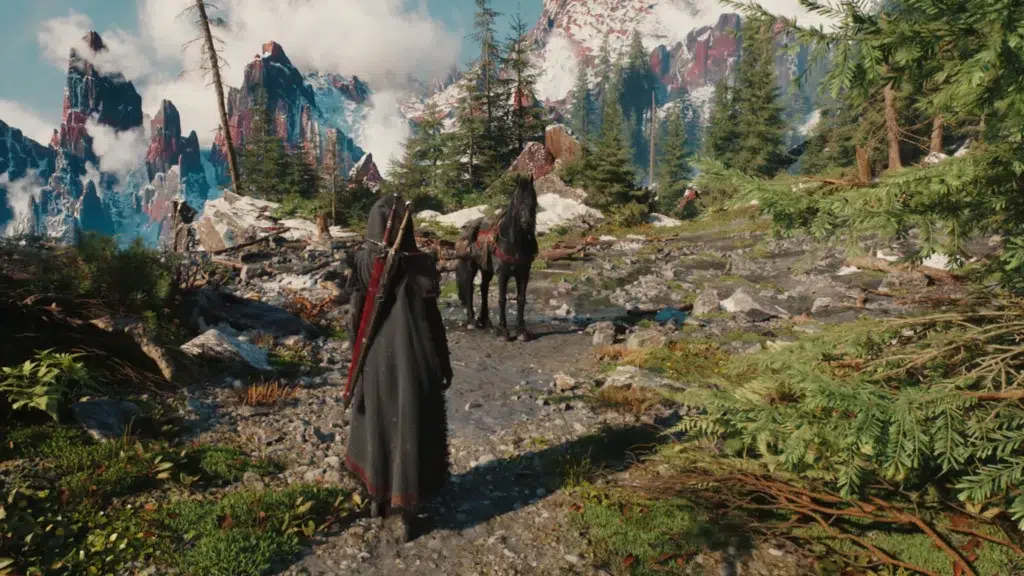
In June 2025, CDPR presented a real-time technical showcase of The Witcher 4 running on PlayStation 5 hardware. The demo followed Ciri and her horse, Kelpie, through a new region called Kovir, eventually reaching the port town of Valdrest. The presentation highlighted several core Unreal Engine 5 technologies:
Fast Geometry Streaming: Developed by CDPR and Epic to allow for seamless travel through vast landscapes without hitches or loading screens.
Nanite Foliage: Rendered dense, highly detailed forests with micro-polygon geometry at high performance levels.
Mass AI and Animation Framework: Showcased dynamic, unscripted NPC interactions in the Valdrest market, where physics and AI simulations governed crowd behavior.
ML Deformer: Used on Ciri’s horse, Kelpie, to provide realistic muscle flexing and skin movement through machine learning.
The demo ran at 60 FPS and served to prove that the project is built on a strong technical foundation that achieves the scale and interactivity expected of the franchise.
Is The Witcher 4 Unreal Engine tech demo actual gameplay?
The Witcher 4 UE5 tech demo is not actual gameplay. CD Projekt Red (CDPR) clarified that the showcase was an in-engine simulation or “technical slice” designed to illustrate early looks at cutting-edge technology rather than a player-driven scenario from the final game.
Several indicators confirmed it was not gameplay:
There was no user interface (UI) or HUD displayed.
Camera angles were cinematic and controlled by presenters.
Sequences, such as the marketplace collision, were scripted technical setups to demonstrate physics and AI systems like the Unreal Animation Framework (UAF) and Smart Objects.
While not a direct gameplay reveal, the demo serves as a promising proof-of-concept. It confirms Kovir as a setting and Ciri as the protagonist in an in-engine context, proving that Unreal Engine 5 can handle a Witcher open world on standard PlayStation 5 hardware.

Kovir region in The Witcher 4: everything revealed so far
The Witcher 4 will introduce players to Kovir, a prominent northern region from the original novels never before explored in the video games. According to lore and the tech demo, Kovir is a rugged northern land characterized by immense wealth from gold and mineral mines, political independence, and a focus on trade rather than the military conflicts of the south.
Key details revealed about Kovir include:
- Diverse Landscapes: The region features snowy peaks (likely the Cliff Mountains), dense coniferous forests, and coastal areas.
- Urban Hubs: The demo introduced the port city of Valdrest, a bustling mercantile center on the Great Sea, analogous to Novigrad in terms of scale but under Kovir’s stable monarchy.
- Climate: As a far northern territory, the climate is harsh and cold, opening the demo with snowy mountain passes.
- Creative Freedom: Because Kovir was not featured in previous games, CDPR has the freedom to introduce new cultures, local monsters, and political dynamics through Ciri’s fresh perspective.
Valdrest marketplace scene in The Witcher 4 tech demo: crowds, density, and performance
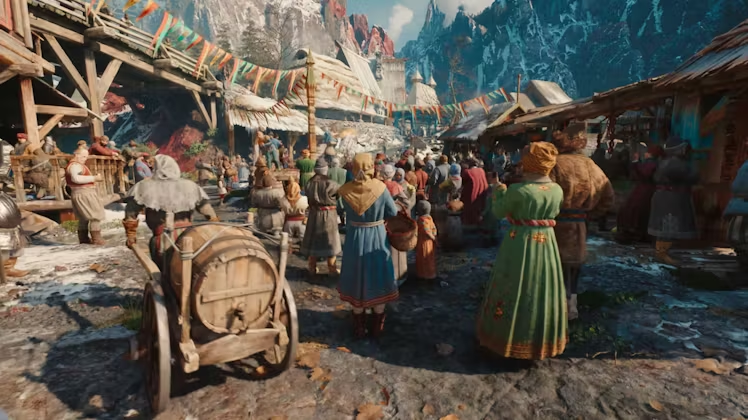
The Valdrest marketplace scene demonstrated the increased population density and immersion possible in The Witcher 4. Using Unreal Engine 5’s Mass AI and crowd systems, CDPR showcased an open-air market filled with diverse NPCs, performers, and animals.
A highlight of the scene was an organic, unscripted event where Ciri bumped into a man carrying apples. This triggered a dynamic chain reaction enabled by Chaos physics and Smart Objects:
The man stumbled and dropped his crate.
Apples rolled downhill in real-time.
Nearby children and pigs reacted unscriptedly to chase and eat the fruit.
Despite the high density of hundreds of active agents, the demo maintained a smooth 60 frames per second on the PlayStation 5. Optimized streaming via Fast Geometry Streaming ensured there was no noticeable pop-in or stuttering, suggesting that settlements in The Witcher 4 will be significantly more reactive and vibrant than those in The Witcher 3.
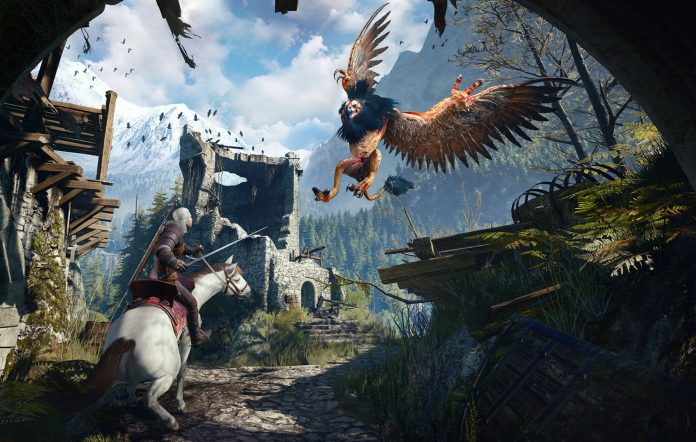
Unreal Engine 5.6 features showcased in The Witcher 4 tech demo
The tech demo coincided with the release of Unreal Engine 5.6, highlighting features co-developed by CDPR and Epic Games to meet open-world requirements. These tools are now available to the broader development community.
- Unreal Animation Framework (UAF): Powering realistic character blending and responsive animations. It allows for complex behaviors, such as Ciri dynamically mounting her horse from any direction.
- Fast Geometry Streaming (FastGeo): A system designed to load and unload static geometry ultra-fast, allowing players to traverse vast landscapes without loading screens or texture pop-in.
- Nanite Foliage: Extends micro-polygon rendering to vegetation. This allows for cinematic-quality forests with individual swaying branches and countless leaves without performance loss or LOD popping.
- Mass AI System (Mass Framework): A data-driven system for managing thousands of NPCs simultaneously. It enables townsfolk to follow routines and react to the environment, such as weather changes or closing markets.
- ML Deformer: A machine-learning based system for realistic muscle and skin deformation. It was spotlighted on Ciri’s horse, Kelpie, showing muscles flexing realistically under the skin without high performance costs.
- MetaHuman Integration and Smart Objects: Used for generating high-quality, varied NPCs and enabling environmental interactions, such as NPCs recognizing and using interactable items like benches or crates.
Fast Geometry Streaming plugin in The Witcher 4 (FastGeo Streaming)
CDPR is utilizing Fast Geometry Streaming (FastGeo), a pivotal technology co-developed with Epic, to manage the massive open world of The Witcher 4. Traditional streaming often causes texture pop-in or stuttering, but FastGeo allows the game to seamlessly load and unload static geometry such as terrain, buildings, and foliage without hitches.
In a tech demo featuring Ciri in Kovir, the system enabled smooth transitions between mountains, forests, and cities at 60 FPS on PS5. By using a lightweight method to register and unload assets almost instantaneously, FastGeo eliminates the loading issues and pauses seen in previous titles, even during fast movement or camera spins. While it is part of Unreal Engine 5.6, The Witcher 4 is the first project to implement it on such a large scale.
Nanite Foliage in The Witcher 4: dense forests without performance drops
The game employs Nanite Foliage, an extension of Epic’s virtualized geometry system, to render incredibly dense and detailed forests without performance loss. Unlike past techniques that relied on 2D billboards or aggressive detail swaps, Nanite Foliage uses micro-polygons to render fully 3D trees and grass. In the Kovir demo, this allowed for individual branches and leaves to sway and cast shadows without popping or disappearing. The system scales geometry detail on the fly, allowing developers to place unlimited foliage for a lush, film-like appearance. This ensures stable performance even in overgrown areas or nighttime scenes with complex lighting, significantly enhancing exploration and immersion.
Mass System crowds in The Witcher 4: AI scaling and busy city scenes
Using the Unreal Engine 5 Mass Framework, The Witcher 4 can simulate thousands of AI-controlled NPCs with individual behaviors without compromising performance. This data-oriented approach processes AI in batches and simplifies distant agents, which was demonstrated in the Valdrest marketplace scene. Unlike the limited crowds of previous games, the Mass System allows for complex reactivity; for instance, NPCs can respond collectively to environmental triggers like a tipped apple cart via “smart objects.” The system uses behavioral templates to manage large populations efficiently on the PS5’s CPU. This creates more immersive cities where dozens of NPCs can react realistically to the player’s actions, enabling deeper gameplay and more dynamic urban environments.

ML Deformer in The Witcher 4: realistic character and horse muscle movement
The Witcher 4 uses the ML Deformer to provide realistic muscle and skin movement through machine learning. By training a model on high-fidelity simulations, the engine can drive real-time deformations that look more authentic than traditional bone-based rigs. The tech demo showcased this on Ciri’s horse, Kelpie, whose muscles flexed and shifted naturally during movement. This technology also applies to humans and monsters, enhancing details like a character’s breathing, sword swings, or flowing cloth. Because the heavy computation is done during a pre-training phase, the game achieves film-quality animation at 60 FPS on consoles, ensuring that every movement carries organic weight and authenticity.
Unreal Animation Framework in The Witcher 4: next-gen movement and rigs
The Unreal Animation Framework (UAF) in The Witcher 4 integrates tools like Control Rig and Motion Warping to deliver fluid, responsive character movement. CDPR demonstrated that UAF allows complex characters to interact with the world through advanced blending and procedural animation. Examples include Ciri’s mounting animation adapting naturally to her position relative to her horse, Kelpie, and her movement adjusting dynamically to avoid collisions in crowded areas. The framework also enables highly detailed rigs for expressive facial and finger animations. Coupled with the Mass system, UAF ensures background NPCs have layered, reactive animations, minimizing the gap between gameplay and cinematic quality for a more immersive experience.
The Witcher 4 60fps on PS5 with ray tracing: what CDPR actually demonstrated
CDPR demonstrated a tech demo of The Witcher 4 running at 60 FPS on a base PlayStation 5 with ray tracing enabled. Co-CEO Michał Nowakowski described this as a significant milestone resulting from cooperation with Epic. The demo featured high detail and ray-traced lighting/shadows (likely via Lumen), maintaining smooth performance perhaps through dynamic resolution scaling. While a controlled tech demo doesn’t include all final systems like complex AI and physics, it indicates a target performance of 60 FPS on current-gen consoles. This suggests players may not have to choose between high-end ray-traced visuals and high frame rates in the final release.
The Witcher 4 release date: why CDPR says it won’t launch before 2027
CD Projekt Red has confirmed that The Witcher 4 (codenamed Polaris) will not launch before 2027. This timeline accounts for a standard 3-4 year AAA development cycle following the start of full production. The company is prioritizing quality to avoid a rushed launch, with plans for the new trilogy to be released over a six-year period following the first game. While a teaser appeared in 2024 and a tech demo in 2025, a full marketing campaign is not expected until 2026. The 2027 window is a “not sooner than” threshold, as CDPR is also managing other major projects like a Cyberpunk sequel and a Witcher 1 remake.

The Witcher 4 full-scale production: when it started and what it means
Full-scale production for The Witcher 4 began in late 2023 and ramped up significantly by early 2024, with over 400 developers assigned to the project. This phase marks the shift from prototyping and conceptualizing to the actual creation of game assets, quests, and levels. After the release of Cyberpunk 2077: Phantom Liberty, roughly two-thirds of CDPR’s staff shifted to Polaris. This massive allocation of resources indicates that the game’s vision and scope are locked in. Based on the timeline of previous titles like The Witcher 3, this four-year production cycle supports the projected 2027 release window.
Unreal Engine 5 and the next Witcher trilogy: will development be faster after Witcher 4?
CD Projekt Red (CDPR) plans for The Witcher 4 (Polaris) to be the start of a new trilogy, with Witcher 5 and Witcher 6 to follow. The studio aims to release all three games within a six-year span once Witcher 4 launches. This accelerated timeline is attributed to the switch to Unreal Engine 5. While Witcher 4 requires significant R&D and custom tool creation, the subsequent games will benefit from established pipelines, reused assets, and a consistent engine foundation. This shift avoids the multi-year delays typically associated with rebuilding proprietary tech, allowing the team to focus more on content and story for the sequels.
The Witcher 4 platforms confirmed so far (PC, PlayStation, Xbox)
The Witcher 4 is confirmed for PC (Windows), PlayStation, and Xbox. Given the 2027 release window, the targets are PlayStation 5 and Xbox Series X|S, with no plans for last-gen consoles like PS4 or Xbox One. CDPR has clarified that its partnership with Epic Games does not imply store exclusivity; the game is expected on Steam, GOG, and the Epic Games Store. The technology showcased in the tech demo, including ray tracing and 60 FPS modes, is intended to be supported across all launch platforms.
Optional for creators: Blender to Unreal Engine workflow for Witcher-style cinematics (PixelHair, The View Keeper)
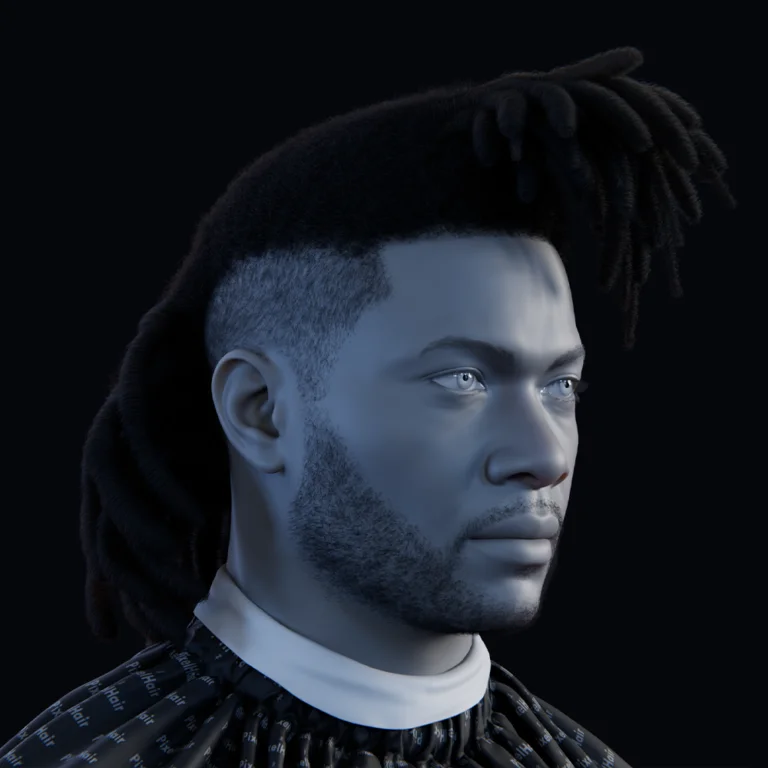
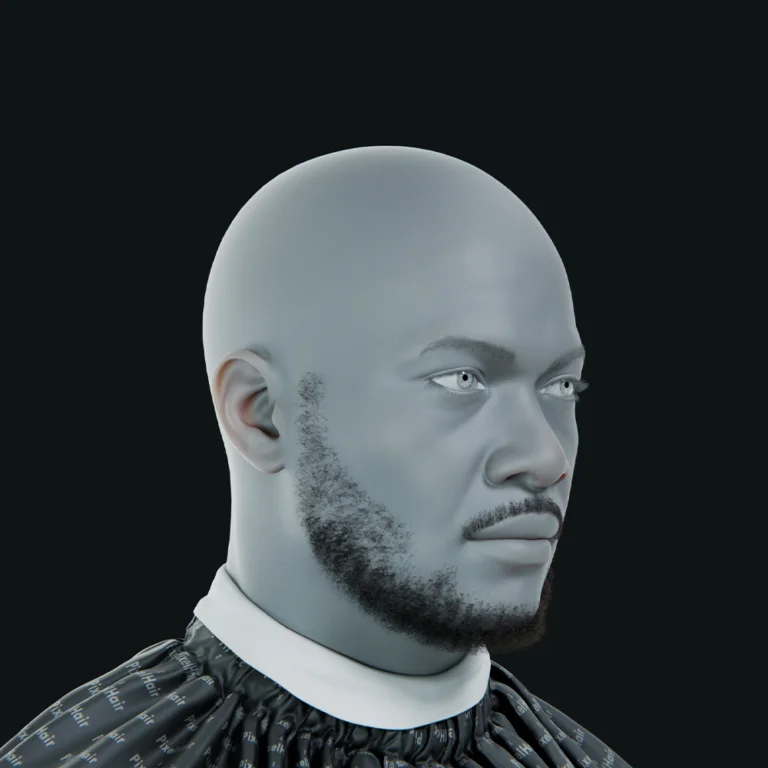
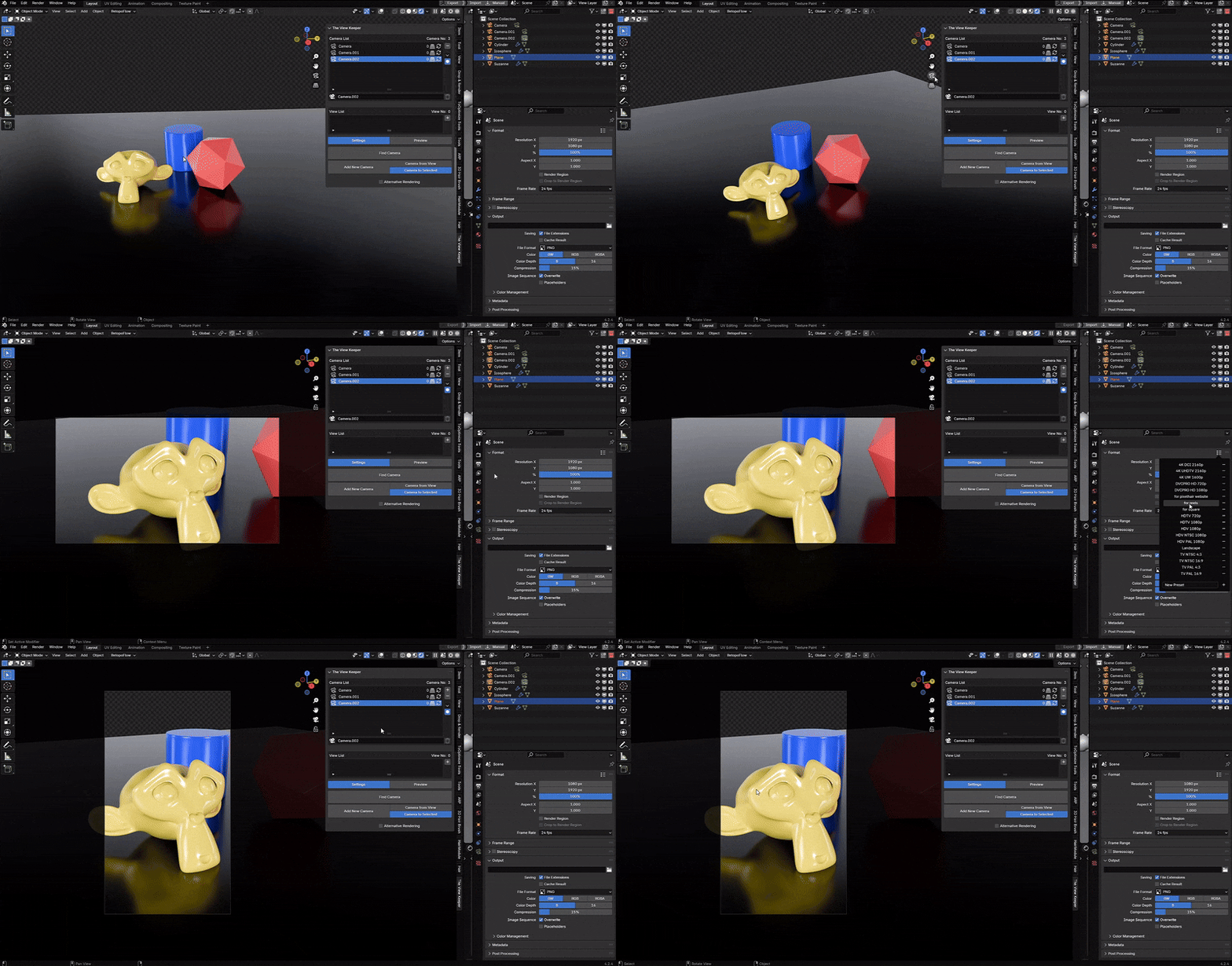
Content creators can use tools like PixelHair and The View Keeper, developed by Yelzkizi, to create Witcher-style cinematics in Blender and Unreal Engine 5. PixelHair provides professional 3D hair assets compatible with Blender’s systems and Unreal’s Alembic grooming, allowing for high-quality, physics-enabled hair on MetaHumans. The View Keeper is a Blender add-on that manages unlimited camera angles and render settings within a single object, streamlining the complex cinematography found in AAA cutscenes. Together, these tools lower the barrier for indie creators to achieve high-fidelity character renders and dynamic shots.

Frequently Asked Questions (FAQs)
- Is The Witcher 4 being built on Unreal Engine 5?
Yes, CDPR has moved from its internal REDengine to Unreal Engine 5 as part of a strategic partnership with Epic Games to improve development efficiency. - Why did CDPR switch from REDengine to Unreal Engine for The Witcher 4?
To reduce the resource-intensive process of constant engine upgrades and to leverage UE5’s advanced open-world features with direct support from Epic. - What is “Project Polaris” in relation to The Witcher 4?
Polaris is the internal codename for The Witcher 4, symbolizing the start of a new saga and a new direction for the franchise. - Who is the main protagonist of The Witcher 4? Is Geralt in the game?
Ciri is the main playable protagonist. While Geralt’s story as the lead has concluded, CDPR has indicated he will still have a role to play in the story. - Is there a trailer for The Witcher 4, and what does it show?
A cinematic teaser was shown at The Game Awards 2024. It features Ciri in Kovir intervening in a ritual involving a monster called a Bauk, establishing the tone and her new magical abilities. - Was the Witcher 4 tech demo actual gameplay footage?
No, the 2025 UE5 demo was a scripted in-engine technical showcase running on PS5, intended to demonstrate engine features rather than final gameplay. - Where is The Witcher 4 set? What locations will we see?
The game features the wealthy northern kingdom of Kovir, including snowy landscapes, dense forests, and the port city of Valdrest. - When will The Witcher 4 be released?
There is no exact date, but CDPR stated it will not launch before 2027. - What platforms will The Witcher 4 be on?
It is confirmed for PC, PlayStation 5, and Xbox Series X|S. - Will The Witcher 4 be part of a trilogy and will those come out faster?
Yes, it starts a new trilogy. CDPR aims to release all three games within six years of the first launch by utilizing the established UE5 pipeline.
Conclusion
The Witcher 4 represents an ambitious technological and narrative leap for CDPR. By adopting Unreal Engine 5 and focusing on Ciri as the new lead, the studio is moving beyond the Geralt era while pushing the boundaries of realism with features like Nanite, Mass AI, and ML Deformer. The transition to a standardized engine is a strategic move to ensure more stable development and a faster release cadence for the future of the franchise. While the wait until at least 2027 is significant, the groundwork being laid is intended to support a high-quality, immersive trilogy that sets a new benchmark for open-world RPGs.
Sources and Citations
- CD PROJEKT RED press release (June 3, 2025): Witcher 4 UE5 Tech Demo (State of Unreal 2025)
- CD PROJEKT (Official) — New Witcher Saga Announced (Mar 21, 2022)
- GameSpot — The Witcher 4 Director Breaks Down New Trailer Scene-By-Scene (Dec 13, 2024)
- GameSpot — The Witcher 4 Has 400+ People Working On It, Full Production Begins (Mar 29, 2024)
- GameSpot — The Witcher 4 Still Has Two Sequels Planned Within Six Years (Dec 1, 2025)
- GamingBolt — The Witcher 4 Official Trailer Breakdown (Dec 14, 2024)
- Redanian Intelligence — Ciri Confirmed as Protagonist (Dec 13, 2024)
- PlayStation.Blog — Witcher 4 UE5 Tech Demo on PS5 (June 3, 2025)
- Video Games Chronicle — Tech demo at 60 FPS w/ ray tracing on base PS5 (June 3, 2025)
- EGW — CDPR targets rapid turnaround for next Witcher trilogy (Dec 2, 2025)
- SuperHive — The View Keeper: Master Camera Control in Blender (product page)
- Yelzkizi — Blender Hair Nodes / PixelHair info (Apr 30, 2025)
Recommended
- How Do I Set Up Multiple Cameras in Blender?
- How to Create Realistic Hair Using the New Hair Tools, Geometry Nodes, and Hair Curves in Blender
- How to Make Gen Z Slang Meme Videos with MetaHuman: Brainrot, Sigma, and Gooning-Style Content for Social Media
- Rendering Multiple Camera Angles Simultaneously in Blender with The View Keeper
- Understanding PixelHair: A Comprehensive Guide to Realistic 3D Hair Assets
- Can You Render Multiple Camera Angles at Once in Blender?
- How to Integrate Metahuman with ALSV4 in Unreal Engine 5: Complete Setup Guide
- How do I create a POV shot with the Blender camera?
- Brainrot Metahuman Animation for YouTube and Social Media: How to Create Viral Character Content in Unreal Engine 5
- What Is Film Grain? Understanding Its Role in Cinematic Aesthetics