






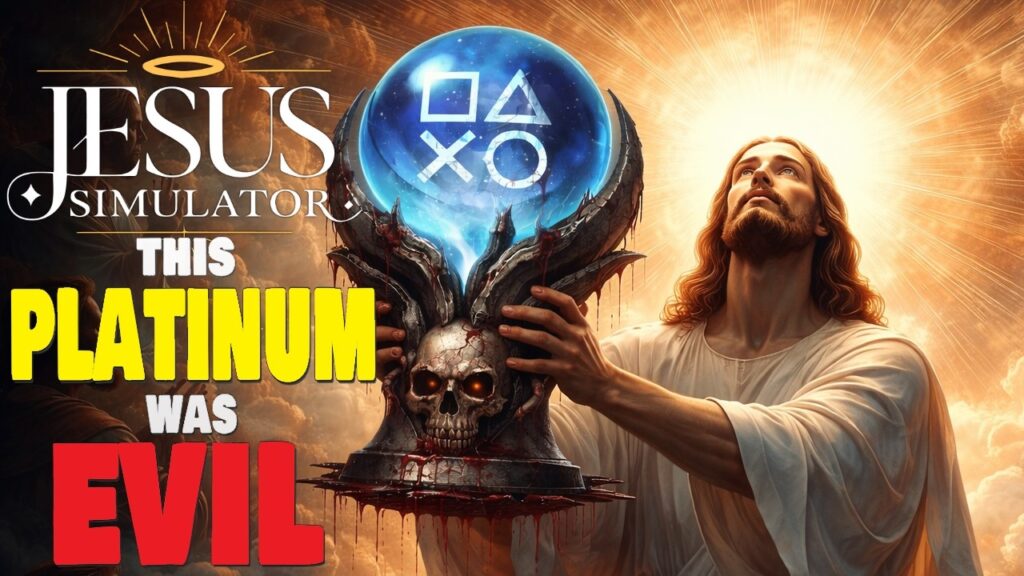
In early April 2026, multiple outlets and storefront trackers reported that “Jesus Simulator” was delisted from the PlayStation Store as part of a broader “shovelware/spam” clean-up affecting multiple publishers and dozens (or more) of low-effort listings.
The timing created obvious headlines and memes because Easter Sunday in 2026 fell on Sunday, 5 April 2026.
What the available evidence most strongly supports is not a religious-content ban, but a platform curation move aimed at spam, knock-offs, and “slop” listings that can degrade user experience and discovery.
Context and timeline
Why did Sony ban the Jesus game right before Easter
The most consistently reported explanation is that “Jesus Simulator” was delisted during a wider PlayStation Store “shovelware” removal wave that targeted multiple publishers and multiple titles—not a one-off decision focused exclusively on a religious theme.
In reporting that aggregates what was seen on store pages and tracker sites, the pattern was described as “spring cleaning” that hit publishers as April “rolled around,” removing titles that appeared to be shovelware and/or spam.
The Easter proximity mattered because Easter Sunday was 5 April 2026. That meant a delisting noticed in early April would naturally be framed as “right before Easter” (or, depending on the observer’s date, “on Easter weekend”).
Jesus Simulator removed from PlayStation Store explained
The reporting snapshot is broadly consistent:
- A set of titles (including “Jesus Simulator”) disappeared from purchase pages.
- The affected titles were tied to publishers named in reports as part of the shovelware wave (e.g., GoGame Console Publisher, VRCForge Studios, and Welding Byte).
- In parallel, “Jesus Simulator” became inaccessible via PlayStation Store product pages in multiple regions (the pages redirect to Store error endpoints).
This combination—press reporting + product page inaccessibility—is the practical meaning of “delisted” here: no longer offered for sale through that storefront, at least at the time the pages were checked and captured.
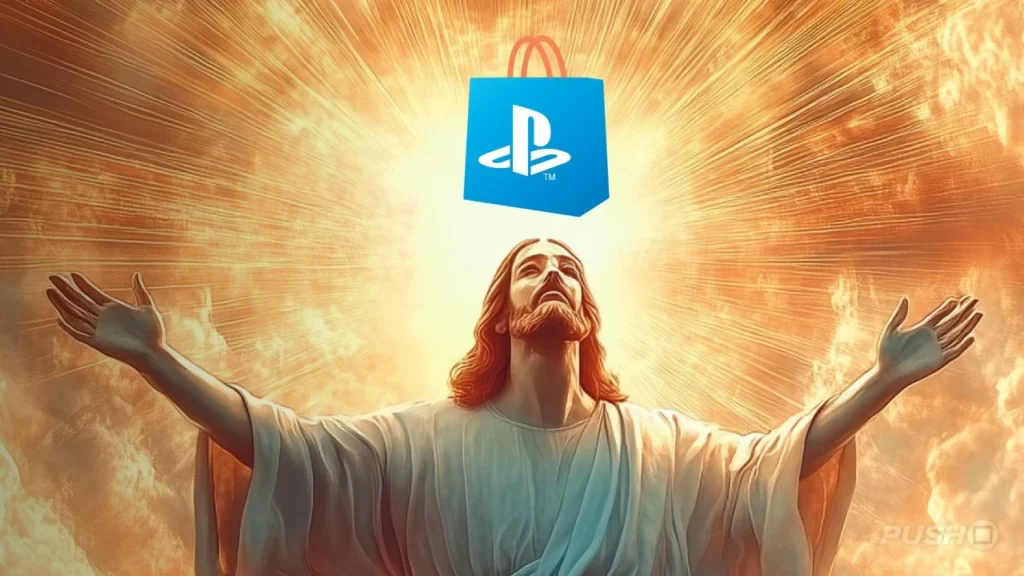
Is Jesus Simulator banned on PS5 and PS4
Available release records and game databases list “Jesus Simulator” as a PlayStation 4 title (with a PC release separately via Steam).
However, the delisting wave was described by outlets as affecting both PS4 and PS5 storefront browsing (because PS5 users can browse and buy PS4 titles on PS5, and because PS Store catalogue surfacing is shared across devices/regions).
So, in practical terms: even if the game was “PS4” in platform designation, the removal impacted PS5 storefront shoppers who would otherwise see and buy PS4 games through PS5’s store interface.
Sony PlayStation Store shovelware cleanup April 2026
The early-April 2026 removals fit into a visible sequence of “shovelware” enforcement actions that were widely reported earlier in the year:
- In mid-January 2026, one report described Sony removing more than 1,000 shovelware titles tied to ThiGames, a publisher associated with mass-produced “easy Platinum trophy” style titles.
- In late March 2026, other coverage described another large removal wave (hundreds of listings) tied to other publishers associated with high-volume low-effort releases.
- In early April 2026, coverage again described publisher catalogue wipes and identified “Jesus Simulator” among the removed titles.
Taken together, the “April 2026 shovelware cleanup” appears to be part of a continuing pattern rather than a one-time event.
Game background and what “Jesus Simulator” actually was
What is Jesus Simulator on PlayStation Store
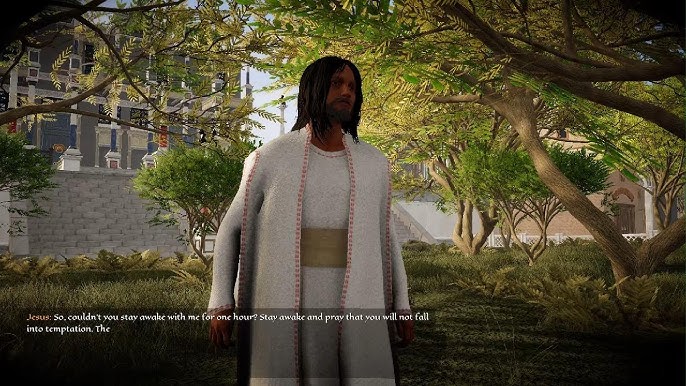
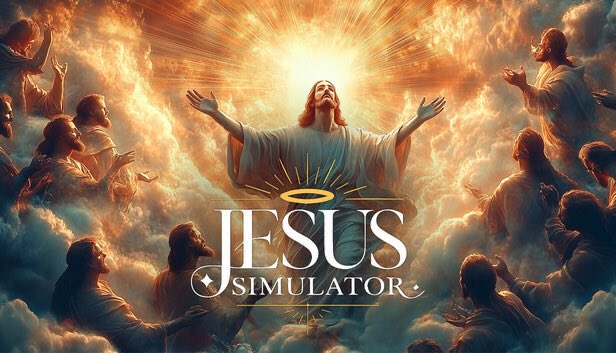
“Jesus Simulator” was presented as a narrative-driven title retelling events from the Gospels, positioned as an “interactive journey of faith” and a story experience rather than a complex traditional simulation.
Databases listing the game for PlayStation and PC describe it as a first-person adventure/narrative experience and place its PlayStation release around late January 2026.
Whatever the discourse around its quality, it was a real commercial product across multiple platforms—most notably PC via Steam (where the listing includes an AI-generated content disclosure).
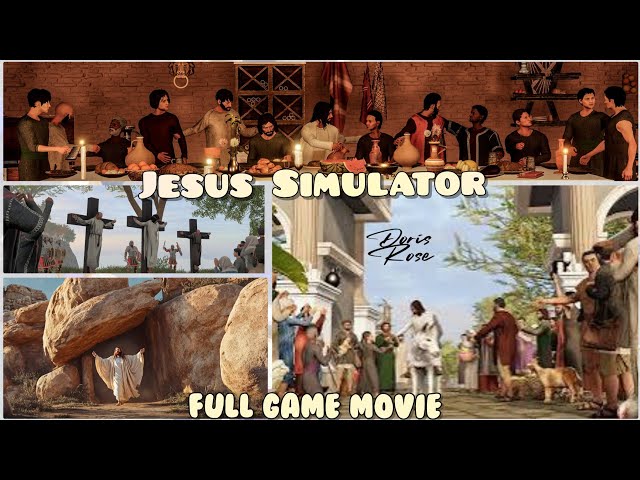
Who published Jesus Simulator on PlayStation Store
Release databases and game pages list the developer/publisher as VRCFORGE STUDIOS LTD for PlayStation 4.
On Steam, the developer/publisher is credited as VRCFORGE STUDIOS, and the Steam listing identifies an AI-generated content disclosure (“AI-generated images”).
This aligns with broader reporting that named publishers associated with the delisting wave, including “VRCFORGE STUDIOS,” alongside others.
Was Jesus Simulator a scam game on PS Store
“Scam” is a strong claim and usually implies fraud (for example: taking money without delivering a usable product). The more supportable description, based on the reporting and storefront commentary, is that “Jesus Simulator” was treated as part of the “shovelware / spam / slop” problem—titles perceived as low-effort, frequently recycled, and sometimes designed to confuse shoppers via naming and presentation.
Two facts can be true at once:
- The game existed as a purchasable product with listings and release data on PS4 and PC.
- It was still swept up in platform clean-up measures that targeted publishers and titles described as shovelware, including games “designed to deceive consumers.”
The strongest evidence for “why it was removed” in this context comes from the pattern of delistings and the way the event was framed in coverage (storefront clean-up), rather than any documented statement that the title was fraudulent or illegal.
Difference between Jesus Simulator and I Am Jesus Christ game
Despite similar subject matter, the two projects are clearly distinct in platform, publisher, and storefront positioning:
- “Jesus Simulator” (Steam listing): credited to VRCFORGE STUDIOS, released on Steam on 23 March 2026, and includes a Steam “AI Generated Content Disclosure” stating it uses AI-generated images.
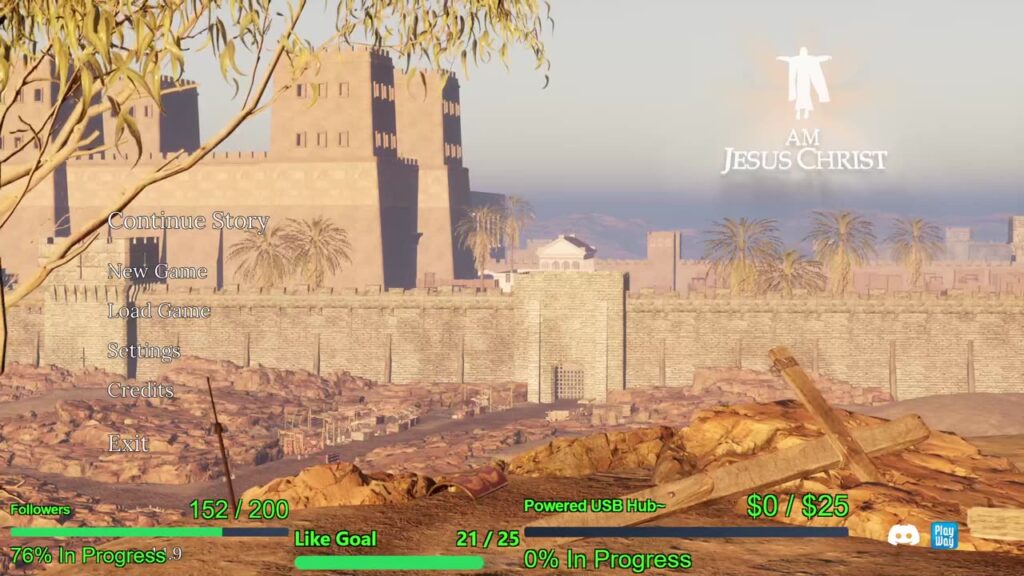
- “I Am Jesus Christ” (Steam listing): published by PlayWay S.A., developed by Space Boat Studios (per Steam), released on Steam on 2 April 2026, and had significant Steam user review volume compared with “Jesus Simulator” at the time captured.
A mainstream PC gaming outlet explicitly highlighted the “two Jesus sims launching within a week of each other” dynamic and discussed both titles’ Steam disclosures around AI usage (images for “Jesus Simulator”; voice tools for “I Am Jesus Christ” in that outlet’s description).
From a consumer perspective, the practical differentiator is simple: they are separate products with different developers/publishers and different releases, and only one of them was the PlayStation Store delisting headline in early April 2026.
The delisting wave and other titles affected
Sony delisted games list: Jesus Simulator and other spam titles
Reportedly removed titles named repeatedly across coverage included:
- Urban Driver Simulator
- Water Blast Shooter – Wet Gun
- Supermarket CEO Simulator
- Racing Car Chaos: Extreme Stunt Showdown
- Jesus Simulator
Additional examples cited as removed in at least one PlayStation-focused report include Watermelon Fruits Puzzle and Card Shop Game Store: TCG Simulator.
The important point for accuracy is that these lists are reporting snapshots based on observed catalogue changes across regions, not an official, comprehensive Sony “delisted list” publicly posted as a single definitive document.
How PlayStation Store spam games get approved and removed
Sony does publish some high-level information about how developers/publishers onboard into the PlayStation ecosystem. In a Sony Interactive Entertainment blog post dated 7 April 2026, the platform described “Step One” for indies as becoming a PlayStation Partner via the PlayStation Partners registration flow and signing the Global Developer and Publisher Agreement (GDPA) to unlock publishing resources and tools.
That public guidance speaks to onboarding and access—but it does not provide the full internal detail of certification checks, store merchandising controls, or what triggers a removal. What can be inferred from observed outcomes is:
- Approval to publish can enable a flow where multiple titles are released rapidly once a publisher is set up.
- Separately, Sony can still take reactive enforcement actions (delisting) after titles go live—seen through the repeated publisher catalogue wipes reported in 2026.
From an operations perspective, the April 2026 event suggests retroactive enforcement: titles existed long enough to be noticed, then were removed in clusters by publisher.
PlayStation Store quality control changes in 2026
As of the captured reporting, there was no universally cited single “new policy document” published by Sony that announced a specific 2026 rule change for “shovelware.” What changed most visibly in 2026 was the scale and frequency of removals:
- January 2026: mass removal of ThiGames titles described as shovelware and trophy-bait.
- Early April 2026: additional removals, explicitly framed as catalogues being “wiped,” including the titles and publishers tied to the “Jesus Simulator” headline.
In other words, “quality control changes” appear most clearly as enforcement intensity and catalogue clean-up actions—rather than a publicised, line-by-line rewrite of store policy available to consumers.
Availability, ownership, and refunds
Can you still buy or download Jesus Simulator after delisting
For purchase availability: PlayStation Store product pages for “Jesus Simulator” were returning Store error pages (rather than an active product page) when checked in April 2026 across at least one documented region page capture.
This supports the simple consumer outcome: you can’t buy it from the PlayStation Store if the product page no longer resolves to an active product entry.
For availability elsewhere: the game remained listed on Steam for PC at the time captured.
For redownload: platform practice often allows existing owners to download delisted titles from their library, but availability can vary by title and circumstances. Official PlayStation support guidance does state that games purchased from PlayStation Store should appear in your Game Library, and that you can use the library to find/download owned titles (subject to troubleshooting and availability).
Because Sony did not publish (in the sources captured here) a title-specific post about “Jesus Simulator” entitlements after delisting, the most accurate statement is conditional: existing owners may still have access via their library, but the store listing itself is not a reliable access point once delisted.
How delisted PlayStation games affect owners and refunds
Refunds on PlayStation are governed by PlayStation Store cancellation/refund rules. In the UK cancellation policy (representative of the rule structure used in multiple regions), Sony states that you can cancel digital content purchases within 14 days if you have not started downloading or streaming; once downloading/streaming has started, refunds are generally not available unless content is faulty.
PlayStation’s support flow for refund requests reiterates the key eligibility checks (time window + not downloaded/streamed, unless faulty).
Delisting itself does not automatically equal a refund event. The platform can delist titles for multiple reasons, and the refund outcome typically depends on purchase timing, whether the game was downloaded, and whether it qualifies as faulty under policy—not merely on “it is now delisted.”
Finally, PlayStation’s terms emphasise that availability of PSN content and features can be subject to change, and that consumer rights under local laws may still apply and can take priority in some jurisdictions.
Platform incentives and what’s next
Why shovelware hurts the PlayStation Store discoverability
Multiple reports connect shovelware/spam listings to a decline in discoverability for legitimate releases, especially indies and smaller teams. In TechRadar’s summary of the broader issue, shovelware copies and AI-generated imagery are framed as clutter that harms storefront navigation and makes it harder for quality titles to stand out.
Push Square’s reporting uses even more direct language, arguing many of the removed titles looked like knock-offs “designed to deceive consumers,” which is a discovery and trust issue as much as a “quality” issue.
From the platform holder’s perspective, the business risk is straightforward: if users feel search results and “new releases” shelves are polluted, they may stop browsing, buy less, and trust the store less. That aligns with why repeated clean-ups are framed as “spring cleaning” to restore catalogue hygiene.
Will Sony keep removing low-quality games from PS Store
The evidence from early 2026 strongly points toward continued removals:
- TechRadar explicitly stated Sony has been tackling spam shovelware “for some time now” and referenced earlier removal waves.
- Major removals were reported in January 2026 and again in early April 2026, with “Jesus Simulator” part of the latter.
At minimum, the pattern suggests Sony will likely continue periodic enforcement (especially against high-volume publishers) because the structural driver—low-cost publishing + attention algorithms + catalogue scale—does not vanish after a single purge.
Frequently Asked Questions (FAQs)
- Was “Jesus Simulator” removed because it was offensive or religious?
The most reported explanation was a shovelware/spam clean-up targeting multiple publishers and multiple titles, not a single religion-focused censorship event. - When did the delisting happen?
It was widely noticed and reported in early April 2026 (Easter weekend context), with Easter Sunday on 5 April 2026. - Which publishers were linked to the April 2026 removal wave?
Reporting named publisher catalogues such as Welding Byte, GoGame Console Publisher, and VRCForge as being wiped in that wave. - What other games were delisted alongside “Jesus Simulator”?
Lists reported across outlets included titles such as Urban Driver Simulator, Water Blast Shooter – Wet Gun, Supermarket CEO Simulator, and Racing Car Chaos: Extreme Stunt Showdown. - Is “Jesus Simulator” a PS5 game?
Release data and databases list it as a PS4 title (with PC release on Steam), but PS5 users can browse PS4 titles on the store and play many via backwards compatibility. - Can I still buy “Jesus Simulator” on PlayStation?
Captured product page checks show PlayStation Store product pages redirecting to error endpoints, indicating it was not available for purchase through the store page at that time. - If I already bought it, do I keep access?
Many delisted games remain accessible to prior purchasers through the Game Library. PlayStation support guidance indicates purchased games should appear in your library and can be downloaded from there, but title-specific outcomes can vary. - Will PlayStation automatically refund delisted games?
Not automatically. Refund eligibility depends on policy rules (e.g., within 14 days and not downloaded/streamed, unless faulty), not merely on delisting status. - What’s the difference between “Jesus Simulator” and “I Am Jesus Christ”?
They are different games with different developers/publishers and different Steam release dates; “I Am Jesus Christ” is published by PlayWay S.A. on Steam and released on 2 April 2026. - Is “Jesus Simulator” still available anywhere?
The PC Steam listing remained available at the time captured, even as the PlayStation Store listing was inaccessible.
Conclusion
The “Jesus Simulator” delisting story is best understood as a case study in PlayStation Store catalogue clean-up rather than a one-off religious controversy. Multiple sources framed early April 2026 as another enforcement wave against shovelware/spam publishers, and “Jesus Simulator” was named among the removed titles.
The Easter timing amplified visibility—especially with Easter Sunday on 5 April 2026—but the removal’s surrounding context (other delisted titles, publisher catalogue wipes, and earlier 2026 purge waves) points to a broader platform effort to reduce low-quality clutter and protect discoverability.
For consumers, the practical outcomes are straightforward: you may not be able to buy delisted titles directly anymore, ownership and refunds depend on standard PlayStation policies and library entitlements, and alternative platforms (like Steam) may still carry the same product even when console storefronts remove it.
Sources and citation
- TechRadar reporting on PlayStation shovelware removals and delisted titles (incl. “Jesus Simulator”)
- https://www.techradar.com
- Push Square reporting on catalogue wipes and removal of knock-off titles (incl. “Jesus Simulator”)
- https://www.pushsquare.com
- GamesRadar+ reporting on delisting wave and Easter-weekend timing context
- https://www.gamesradar.com
- GameFAQs release data (PS4 regions/dates, Steam date, developer/publisher)
- https://gamefaqs.gamespot.com
- Metacritic game page (platform, release date, developer/publisher listing)
- https://www.metacritic.com
- PlayStation Store product page (error/unavailable listing evidence via product ID)
- https://store.playstation.com
- PlayStation Blog (Partner onboarding and GDPA publishing framework)
- https://blog.playstation.com
- Sony Interactive Entertainment refund and cancellation policy
- https://www.playstation.com/support/store/ps-store-refund-request/
- Steam listing for “Jesus Simulator” (availability, developer/publisher, release info)
- https://store.steampowered.com
- Steam listing for “I Am Jesus Christ” (availability, credits, disclosures)
- https://store.steampowered.com
- Timeanddate holiday calendar (Easter Sunday reference)
- https://www.timeanddate.com/calendar/
Recommended
- How Mega Cat Studios Adapted God of War Into a Retro Pixel Art Game
- Advanced Camera Switching Techniques with The View Keeper in Blender
- How to Make a Sci-Fi Movie with Metahuman in Unreal Engine 5: A Cinematic Workflow Guide
- New Spider-Man: Brand New Day Posters Released – Teaser Poster Details, Story Clues, Release Date and Fan Theories
- Stylized Trees for Games: How to Create Stylized Procedural Trees in Houdini
- Nintendo Share Price Jumps 15% After Pokémon Pokopia Success Boosts Switch 2 Momentum
- Top 10 Physically Strongest Marvel Characters (Ranked by Raw Strength)
- The Eternal Life of Goldman Official Game Pass Trailer: Everything Revealed at Xbox Partner Preview Showcase 2026
- NanoGS: Free Nanite-Style Tool To Render 3D Gaussian Splats in Unreal Engine 5 (UE5)
- Samsung Galaxy S26 Is About to Get AirDrop: How Quick Share Will Send Files to iPhone, iPad, and Mac