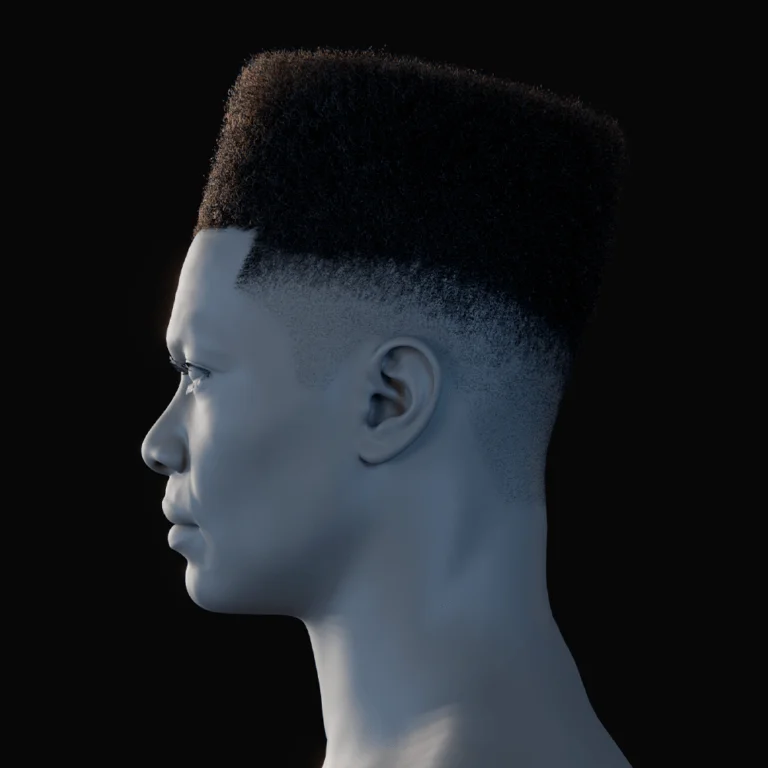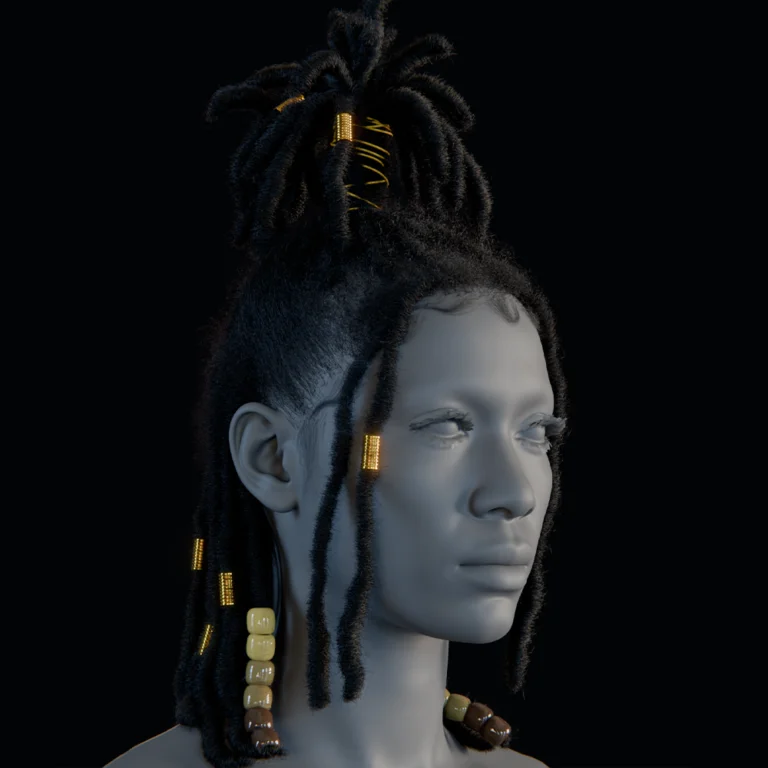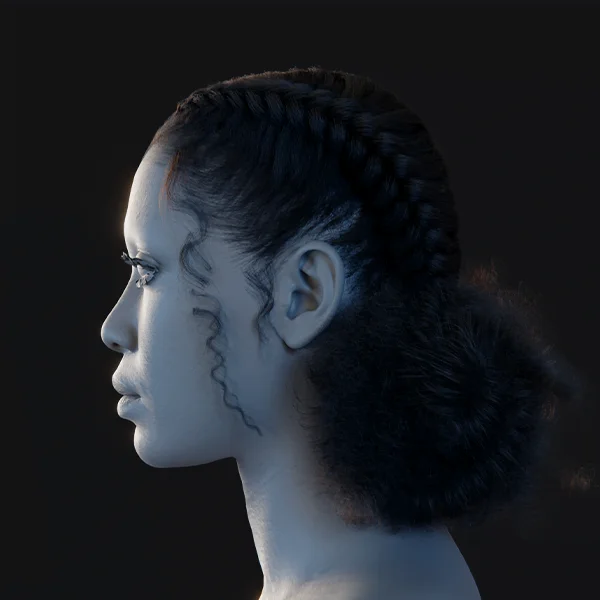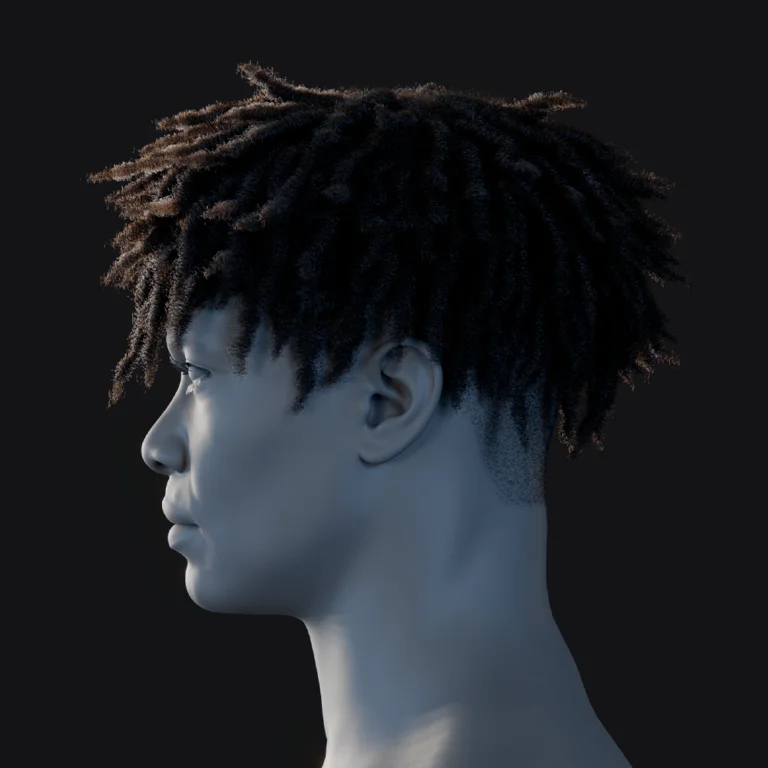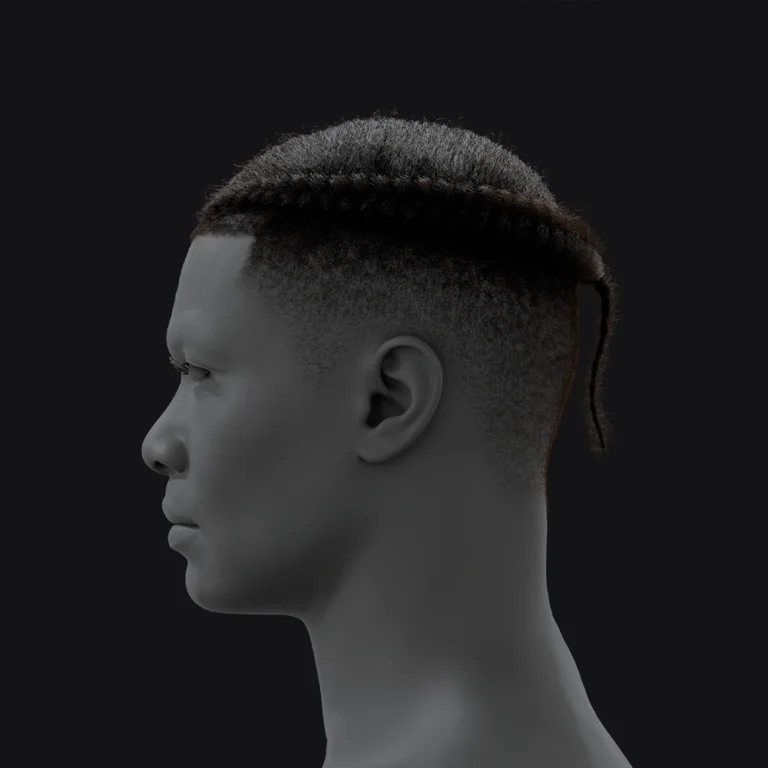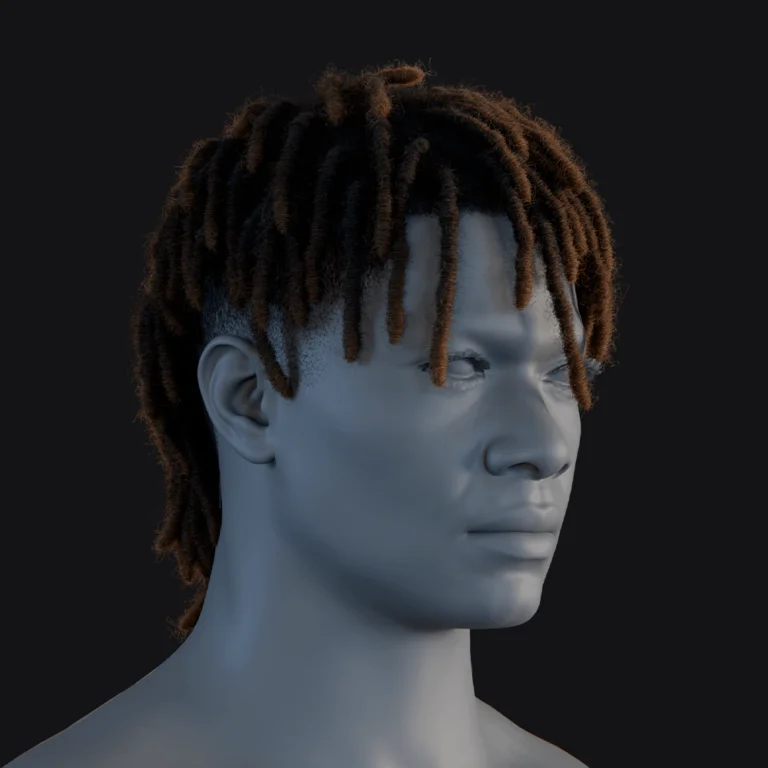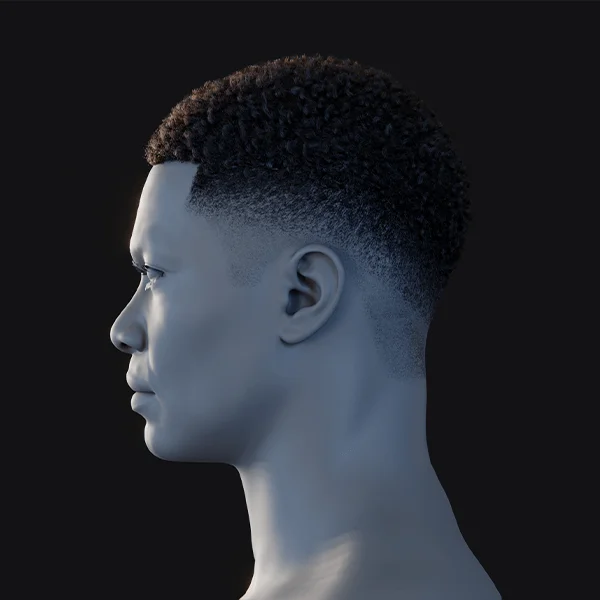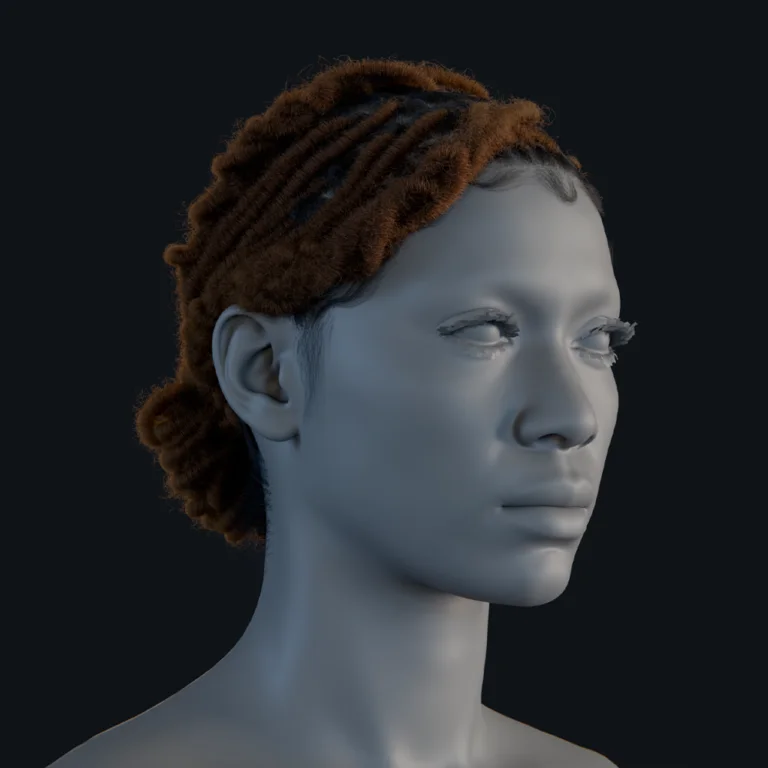








UModeler X is now free, and the change is broader than a temporary promotion. The official UModeler X site now describes the tool as “Model, Paint, and Rig, all free,” the download page says “$0, Free, No Sign-up,” and the current Unity Asset Store listing marks UModeler X as FREE with version 1.2.0f1 released on April 30, 2026. For creators building in Unity, that means a lower-friction path to in-editor 3D modeling, UV work, painting, and rigging without the older subscription and login complexity.
The business-model shift is just as important as the $0 price tag. According to the license-transition page from UModeler, Inc., UModeler X 1.2 unlocks all core features and removes the Hub login requirement, while UModeler X Plus now adds extras such as template-library access, PicoBerry Starter benefits, and privacy controls instead of gating the modeling toolkit itself. In practical terms, the free version is now the primary product for core mesh creation, UV editing, painting, and rigging inside the Unity Editor.
UModeler X is Now Free: Official Announcement and What it Means for Unity Creators
The clearest official statement came in two places. First, the current UModeler X website says the tool runs directly inside the Unity Editor, requires no sign-up, and lets users model, paint, and rig for free. Second, the official license-transition page says “UModeler X Goes Free,” confirms that all features are unlocked in version 1.2, and states that the Hub has been removed so no login is required.
The broader significance for Unity creators is that the company is removing two classic adoption barriers at once: cost and install friction. In the official April 2026 announcement posted by the UModeler team, the company said the move followed years of conversations with Unity developers and a decision to help indie developers build 3D games faster inside Unity. That matters because UModeler X is positioned as a workflow tool, not just a utility asset: the value is highest when it is easy to install, easy to test, and easy to keep inside a live scene iteration loop.
Is UModeler X Really Free Now? No Sign-Up, No Trial Details
Yes. The current official download page answers the question directly: UModeler X is “completely free,” with “no sign-up” and “no trial period,” and the Unity Asset Store listing also shows the package as FREE under the standard Unity Asset Store EULA. That combination is unusually explicit, so users looking for hidden limits, countdown timers, or feature locks will not find those on the current public product pages.
Some lingering confusion is understandable because older public documentation still reflects the previous licensing era. The getting-started and installation-guide pages in the docs, updated in January and December 2025, still mention downloading, signing up, authenticating, and installing from the Asset Store for Plus and Pro flows. Those pages were published before the 2026 free transition, so they are best read as legacy setup instructions rather than the current requirement for the free UModeler X release.
UModeler X Free vs UModeler X Plus: Feature Differences and Pricing
The most important thing to understand is that core creation features are no longer the difference. The license-transition page says UModeler X is the “free 3D tool with all features included,” while UModeler X Plus includes everything in UModeler X plus the Pro template library, one month of PicoBerry Starter, the option to opt out of data collection, and update-notification preferences for enhanced privacy. The documentation page updated April 28, 2026 adds a similar distinction: the free version uses anonymized usage telemetry, while Plus offers full data-collection opt-out and permanent access to the template library.
That means the free-vs-paid decision has changed from “Which version unlocks the tool?” to “Do I need the extras?” If you only need modeling, UV editing, painting, rigging, and in-editor workflow speed, the free version already covers the main value proposition. If you want template-library access, bundled PicoBerry Starter benefits, and stricter privacy controls, Plus remains the paid option.
As of May 4, 2026, the Unity Asset Store lists UModeler X Plus at $99.50 on sale, down from a $199 list price. Because Asset Store promotions change, the safest way to describe the pricing is: the regular list price is $199 on the current listing, while the live storefront price may be discounted depending on the sale window.
What Happened to the UModeler X Subscription Plan (license Transition Explained)
The old subscription structure has been converted into a PicoBerry-centric entitlement model. The migration page says all license holders are being transitioned to a PicoBerry AI plan based on purchase history, with UModeler X Plus holders moving to PicoBerry Starter, UModeler X Pro Personal holders also moving to PicoBerry Starter, and UModeler X Pro subscribers moving to PicoBerry Pro. It also says users keep their existing assets, and in relevant cases their templates remain theirs as well.
For monthly subscribers, the official FAQ says the next automatic payment was canceled and remaining days were rounded up to one full month, with bonus AI credits for that plan. The same FAQ also says that once UModeler X 1.2 is installed, Hub authentication is gone, and the product works without that old sign-in layer. The account itself transitions to a corresponding PicoBerry account used to manage credits, profile information, and assets.
There is also a packaging change that matters in real projects. The migration page says UModeler X 1.2 is now installed in the Assets folder instead of Packages, and older installs should be removed first to avoid conflicts. The troubleshooting docs add that the company provides a cleaner package and, if necessary, a manual cleanup path for legacy Hub-based installations before importing the new release.

UModeler X Release Timeline: When it Became Free and Key Dates to Know
The timeline is easiest to understand in four checkpoints. The older documentation shows UModeler X evolving well before the free transition, including legacy AI texturing support starting in September 2023 with version 0.11.0. By late 2025 and early 2026, the official getting-started and installation pages still reflected a paid/sign-in-based flow for Plus and Pro.
The public pivot happened in April 2026. The UModeler team’s official Reddit announcement said that starting April 15, 2026, UModeler X would become free and Hub login would no longer be required. Shortly after that, the troubleshooting and documentation ecosystem was updated for cleaner/manual migration guidance, and the Unity Asset Store listed UModeler X 1.2.0f1 as a FREE asset with a release date of April 30, 2026. Taken together, those dates suggest an announcement-and-transition period that culminated in the current free Asset Store release and updated public docs in late April 2026.
How to Download UModeler X for Free (official Site + Install Steps)
The safest download path is through the current official download page or the Unity Asset Store listing linked from that page. The official site presents two entry points: Download Now and View on Unity Asset Store. Both are current, first-party routes connected to the free-release workflow.
A clean install looks like this:
- Open the official UModeler X download page and use either Download Now or View on Unity Asset Store to get the current free release.
- Confirm that your project is on Unity 2022.3 LTS or later, or Unity 6.x, before importing the package.
- Import the package into the project and start creating directly in the editor; the official FAQ says the install flow is essentially download, import, and use.
- If you previously installed a Hub-based or Packages-based version, remove the old package first. The migration docs explicitly warn that the new 1.2 release installs differently and may conflict with older package-manager or Hub installs if they are left in place.
For legacy users who hit install conflicts, the troubleshooting docs describe a cleaner package that walks through switching to an empty scene, removing old package-manager residue, removing the Hub, and re-importing the new package. If the cleaner does not resolve the issue, the docs also describe manual cleanup in the Packages folder and manifest file before reinstalling the Hub-less version.
UModeler X System Requirements: Which Unity Versions Are Supported
The current official answer is more specific than some older docs. The download page says UModeler X fully supports Unity 6.x and Unity 2022.3 LTS and later, while Unity 2021.3 and earlier are not supported. It also notes that, as of UModeler X 1.2, Unity 2020 and 2021 are no longer supported because the team is now focusing on Unity 2022.3 LTS and later for performance and stability.
On render pipelines, the current Asset Store listings show compatibility with Built-in, URP, and HDRP, and list the original Unity version as 2022.3.62 for both the free and Plus listings. That gives practical reassurance that the current package is designed around modern supported editor branches rather than older legacy releases.
The public requirement pages do not foreground a detailed CPU/RAM matrix. Instead, the troubleshooting docs focus on editor-version compatibility, render-pipeline setup, and some GPU-related stability guidance, including advising newer graphics drivers and noting that lower GPU memory or performance can make certain issues more likely. So the published compatibility story is primarily about Unity version support and graphics-environment stability, not a formal workstation-spec chart.

UModeler X Features for Unity: Modeling, UVs, Texturing, and Rigging Overview
The current feature framing is straightforward: the official site breaks UModeler X into Modeling, UV & Painting, and Rigging & Skinning. The site says users can create and edit geometry with a sketch-based workflow, unwrap UVs and paint textures without leaving Unity, and set up bones, weights, and skinning for production-ready characters inside the editor.
The documentation describes UModeler X as an all-in-one 3D asset-creation solution for the Unity Editor and says it includes advanced modeling, UV editing, rigging, painting tools, and AI-related features. Compared with the older original UModeler, the docs list several capabilities that define X more clearly: modifiers, higher-poly workflows, separate-parts tools, LSCM UV unwrap, multi-UV channel editing, 3D painting, brush editing, normal painting, bone editing, weight editing, auto rigging, auto weight, build bone, and humanoid support. In other words, UModeler X is designed as a broader in-editor production tool rather than only a geometry-blockout utility.
How UModeler X Compares to Unity ProBuilder for In-Editor Modeling
Unity’s official ProBuilder documentation describes ProBuilder as a tool to build, edit, and texture custom geometry in Unity, especially for in-scene level design, prototyping, collision meshes, UV editing, vertex colors, parametric shapes, texture blending, and play-testing. That makes ProBuilder a strong baseline for grayboxing and editor-native environment layout.
UModeler X overlaps with that role, but the documented scope is broader. The UModeler docs show that X extends beyond mesh editing into painting, rigging, weight editing, modifiers, multi-UV workflows, higher-poly handling, and more advanced authoring functions that do not exist in the original UModeler comparison chart. That makes UModeler X closer to a compact editor-native 3D suite, while ProBuilder remains more focused on geometry creation and rapid in-engine design tasks.
The practical takeaway is an informed inference: if your main need is fast grayboxing, collision meshes, parametric level shapes, and simple texture assignment, ProBuilder may still be enough. If you want a single in-editor workflow that stretches from modeling into UVs, painting, modifiers, and rigging, UModeler X now covers more territory, especially now that those base features are free.
Best Use Cases for UModeler X in Unity (level Blockouts, Low-Poly Assets, Prototyping)
The official workflow pages and testimonials point to several especially strong use cases. UModeler’s current site highlights low-poly asset variations, environment workflows, and modular editing, with examples centered on modifying meshes without leaving Unity, iterating on color variations without exporting, designing characters and environments in-editor, and refining environment assets directly in place.
Asset Store reviews and publisher replies reinforce similar patterns. Reviewers describe UModeler X Plus as useful for quick modeling, quick mesh fixes, prototyping, modifying existing assets, and saving time within the Unity workflow. The company’s replies also repeatedly frame the tool as ideal for quick iteration, in-editor adjustments, and day-to-day modeling tasks rather than as a full replacement for heavy, ultra-detailed external modeling pipelines.
So the best-fit scenarios are clear: level blockouts, low-poly assets, modular set dressing, world building, imported-mesh cleanup, quick rigging adjustments, and solo/indie production where minimizing export-import loops matters more than recreating every specialty found in full standalone DCC applications.
UModeler X Workflow Inside Unity Editor: Why “stay in Unity” Matters
The phrase “stay in Unity” is not just marketing language on the site; it is the core workflow thesis. The homepage says users can complete their pipeline from geometry to textures to animation-ready assets without leaving Unity. The docs go even further, arguing that direct editing inside the game engine improves productivity compared with external-app-only workflows because users can see the model immediately in the final scene and avoid the repeated edit-export-reimport cycle.
That editor-first workflow also includes working with imported assets, not just starting from scratch. The documentation says FBX meshes created in outside tools can be brought into a project and then “UModelerized” for editing in UModeler X, including moving into rigging-related editing if the mesh contains rigging data. That is a meaningful difference from workflows that force creators to choose between in-engine layout and external-authoring edits.
From a production perspective, “stay in Unity” matters because it compresses decision cycles. Layout, mesh cleanup, UV choice, basic painting, and even certain rigging tasks can happen while the asset is already sitting in the live environment, which is exactly why creators and reviewers repeatedly describe the tool as a time saver for blockouts, scene edits, and iteration.
PicoBerry AI Assistant and UModeler X: What’s Included and What’s Paid
The current public AI story has two layers. The first layer is included: the main UModeler X site says free monthly AI credits are included with UModeler X, and the download-page FAQ says AI features can be used without a paid plan because PicoBerry AI includes a free monthly credit allocation. The same FAQ adds that heavier usage requires purchasing additional credits or upgrading to a paid plan.
The second layer is the paid or bundled entitlement side. The migration page says UModeler X Plus includes one month of PicoBerry Starter, while legacy Pro subscribers transition to PicoBerry Pro based on purchase history. The page also says migrated users manage credits and assets through the corresponding PicoBerry account. So the simplest current reading is: some AI usage is bundled into free UModeler X each month, but sustained or heavier AI use shifts into extra-credit or paid-plan territory.
There is one nuance worth flagging because it can confuse researchers. The documentation still contains legacy material about older AI Texturing workflows, including Stable Diffusion and WebUI setup. But in a publisher response on the Asset Store, the team said that older AI texturing was based on legacy code it had decided to deprecate, and that the product description had been updated accordingly. In other words, current AI positioning is much more PicoBerry-centered than the older local Stable Diffusion/WebUI documentation might suggest.
Can You Use UModeler X Commercially Now that It’s Free? Licensing Basics
For most developers, the answer is yes. Unity Support says most assets purchased or downloaded from the Unity Asset Store, including free assets, can be used in personal and commercial games on a royalty-free basis unless they are specifically marked as restricted assets. The UModeler X listing is shown under the Standard Unity Asset Store EULA, which is the normal commercial-use framework rather than a special restricted or non-standard label.
The main limitations are the normal Asset Store rules, not a special UModeler-only restriction. Unity Support says Asset Store assets cannot be resold or redistributed as standalone assets, and the Asset Store terms restrict uses outside what the EULA permits. So using UModeler X in a shipped commercial game or app is generally fine; redistributing the raw asset/tool as its own product is not.
There is also a team-licensing angle. Unity Support explains that any asset in the Tools category is licensed as an Extension Asset, and extension assets require one seat per user who has access to the raw asset files. Because UModeler X is listed in Tools and marked as an Extension Asset, commercial teams should still understand it through that extension-asset framework even though the entry price is now $0.
Where to Find UModeler X Documentation, Tutorials, and Learning Resources
The official documentation hub is strong and fairly organized. The manual includes Getting Started, Installation Guide, Basics Tutorial, Preference, Shortcuts, Toolbar, Mesh Data Conversion, Export, Modeling Mode, UV Editor, Painting Mode, Rigging Mode, and troubleshooting/release-note paths. The docs also include a dedicated page for users moving from old UModeler workflows to UModeler X.
For onboarding, the docs point to a step-by-step getting-started path, basics tutorials, and a Unity Learn project for getting started with UModeler X. The manual explicitly describes a beginner-oriented tutorial structure, while the Basics Tutorial page lists beginner mode coverage, UV editor guidance, and low-poly modeling walkthroughs.
For ongoing help and community learning, the official docs direct users to the UModeler Discord server, and search results for the official UModeler YouTube channel show beginner preview tutorials such as installation, basic usage, and Unity-based modeling walkthroughs. If you want the fastest current learning path, the official manual plus the basics tutorial plus the official Discord channel appear to be the core first-party stack.

Community Reactions to UModeler X Going Free (what Developers Are Saying)
The positive reaction trend is easy to spot, even if the transition itself is still fresh. In the official April 2026 announcement, the team said the change came after years of conversation with developers and a desire to make UModeler X more widely accessible for indie production. On the product site and review surfaces, the recurring praise centers on exactly the same theme: faster in-editor iteration, fewer tool switches, better level editing, quick modeling adjustments, and repeated comparisons that place UModeler X above ProBuilder for broader workflows.
The skeptical side is also visible, and it matters for a balanced assessment. Some Asset Store reviewers criticize documentation gaps, older Hub/login friction, and stability issues ranging from mesh corruption concerns to editor-performance or build problems. In reply, the publisher says it is focusing more heavily on core modeling stability, improving documentation, and deprecating older AI texturing tech that had become outdated. So the broad developer picture is not “free and flawless”; it is “much easier to adopt now, but polish and reliability still matter.”
That balance is important for anyone deciding whether to try the tool now that it is free. The cost barrier is essentially gone for core use, which makes the current best strategy obvious: test it inside a real Unity project, especially if your workflow depends on blockouts, quick asset edits, or staying inside the editor. The biggest remaining reasons not to adopt it are no longer price-based; they are workflow fit, documentation preference, and tolerance for a tool that is still actively being refined.
Frequently Asked Questions (FAQs)
- Is UModeler X fully free now, or is it just a free trial?
It is fully free on the current official download page and Asset Store listing. The official FAQ says there is no sign-up and no trial period, and the Asset Store listing shows the package as FREE. - Do I still need UModeler Hub or a login to use UModeler X?
No for the core plugin workflow. The migration page says the Hub is being removed and that, starting with UModeler X 1.2, no login or authentication is required to install and use the tool. - Where should I download UModeler X from?
The safest routes are the official UModeler X download page and the Unity Asset Store page linked from it. Both are first-party paths tied to the current free release. - Which Unity versions support the free UModeler X release?
The current official support target is Unity 6.x and Unity 2022.3 LTS and later. Unity 2021.3 and earlier are listed as unsupported, and UModeler says Unity 2020 and 2021 support ended with version 1.2. - What is the practical difference between UModeler X and UModeler X Plus now?
Free UModeler X includes the core feature set. Plus mainly adds the Pro template library, a month of PicoBerry Starter, privacy-related controls such as data-collection opt-out, and related account benefits rather than extra base modeling tools. - Can I use UModeler X in a commercial game now that it is free?
In general, yes. Unity Support says most Asset Store assets, including free ones, can be used in commercial games royalty-free unless they are marked restricted, and the UModeler X listing uses the standard EULA. You still cannot resell the asset itself as a standalone product. - What should I do if I already had an older UModeler X or Hub-based install?
Remove the old installation first. The migration docs say version 1.2 installs in the Assets folder instead of Packages, and the troubleshooting docs provide a cleaner package and manual cleanup steps for legacy Hub/package conflicts. - Is UModeler X a replacement for ProBuilder?
Sometimes, but not always. ProBuilder is still a very capable built-in choice for grayboxing, prototyping, collision meshes, and quick level design. UModeler X is broader when you need painting, rigging, modifiers, multi-UV work, and a more all-in-one in-editor authoring workflow. - Are PicoBerry AI features completely free?
Not completely. The current offer includes a free monthly AI credit allocation, but the official FAQ says heavier usage requires extra credits or an upgrade to a paid plan. - Where should a beginner start learning UModeler X?
Start with the official manual, then the Getting Started and Basics Tutorial pages, and use the Discord server for questions. The docs also point to tutorial resources and a Unity Learn entry point for beginner onboarding.

Conclusion
UModeler X’s free transition changes the product from a tool many Unity developers had to evaluate as a paid add-on into one they can simply install and test in a real project. The current official story is clear: the core tool is free, there is no sign-up or trial requirement for the main install flow, the Hub is gone, and the core modeling, UV, painting, and rigging workflow is no longer locked behind a subscription. UModeler X Plus still exists, but it now functions more as an extras-and-entitlements package than as the gateway to the core editor toolset.
For most Unity creators, the real question is no longer “Is UModeler X worth paying for?” but “Does this in-editor workflow fit how I build?” If your priorities are blockouts, low-poly work, quick scene edits, imported-mesh cleanup, modular environment refinement, or avoiding constant external-tool round trips, the new free version is significantly easier to justify trying. The remaining decision points are workflow fit, team license handling, AI-credit needs, and how much you value Plus extras such as templates and privacy controls.
Sources and Citations
- Official UModeler X landing page
https://unity.umodeler.com/ - Official UModeler X download page
https://unity.umodeler.com/download - Official UModeler X license-transition page
https://unity.umodeler.com/migration - Official UModeler X documentation/manual
https://docs.umodeler.com/support/troubleshooting/umodeler-x - Legacy UModeler manual
https://umodeler.github.io/ - Unity Asset Store — UModeler X
https://assetstore.unity.com/packages/tools/modeling/umodeler-x-330215 - Unity Asset Store — UModeler X Plus
https://assetstore.unity.com/packages/tools/modeling/umodeler-x-plus-288107 - Unity Support — commercial use rules
https://support.unity.com/hc/en-us/articles/205623589-Can-I-use-assets-from-the-Asset-Store-in-my-commercial-game - Unity Asset Store Terms of Service and EULA
https://unity.com/legal/as-terms - Unity Asset Store EULA FAQ
https://assetstore.unity.com/browse/eula-faq - Unity Support — Extension Asset seat licenses
https://support.unity.com/hc/en-us/articles/208601846-Asset-Store-licenses-Extension-Assets-Single-and-Multi-Entity-assets - Official Unity ProBuilder documentation
https://docs.unity3d.com/6000.6/Documentation/Manual/com.unity.probuilder.html - Official announcement — UModeler X free April 15
https://www.gamespress.com/UModeler-X-to-Become-Free-on-April-15-Expanding-Professional-3D-Workfl - UModeler official LinkedIn announcement
https://www.linkedin.com/posts/umodeler_subscription-migration-notice-umodeler-x-activity-7440623745985122304-8pGl - Unity Asset Store public reviews — UModeler X Plus
https://assetstore.unity.com/packages/tools/modeling/umodeler-x-plus-288107/reviews - CG Channel coverage — UModeler X is now free
https://www.cgchannel.com/2026/05/unity-modeling-texturing-and-rigging-tool-umodeler-x-is-now-free/
Recommended
- James Bond Is The Latest Major Switch 2 Port To Get Delayed: 007 First Light Switch 2 Release Window, Platforms, and What Happened
- Metahuman Creator in Unreal Engine: How to Build High-Fidelity Digital Humans Step by Step
- The Boys Star Jack Quaid “Would Kill” To Be In A BioShock Adaptation — What He Said, Netflix Movie Updates, and Why Fans Want Him Cast
- Mastering Water Simulation in Unreal Engine: Techniques, Tools, and Best Practices
- Devil May Cry’s Dante – Complete Character Guide and Breakdown
- Hunter: The Reckoning – Deathwish Revealed at Xbox Partner Preview Showcase: Release Window, Story, Gameplay, and Platforms
- Diverse and Attractive Video Game Characters: Exploring Stellar Blade, Hades, and More
- What is the camera’s field of view in Blender?
- God of War TV Series Adds Lost Star Sonya Walger as Freya in Prime Video Adaptation
- The Cut Content Of Ghost Of Yotei: Every Scrapped Feature Explained