
Spyder Games filed a lawsuit against the developer of a game in Fortnite Creative for copying the hit Steal A Brainrot, turning one of Roblox’s biggest user-generated successes into a major copyright test for Fortnite Creative, Roblox developers, and platform-based creator economies. The case, filed by Spyder Games LLC and Speedy Simulator Gaming LLC against Thomas van der Voort, centers on whether the Fortnite Creative map “Stealing Brainrots” copied protected creative expression from the Roblox game “Steal A Brainrot,” including its interface, game presentation, artwork, design choices, animations, layout, and overall audiovisual feel. Court docket records show the case was filed in the Northern District of California in October 2025, with an amended complaint filed on October 24, 2025.
Spyder Games Lawsuit Against Fortnite Creative “Stealing Brainrots” Explained
The Spyder Games lawsuit against Fortnite Creative “Stealing Brainrots” explained the dispute as more than a fight over the word “brainrot.” Spyder Games and Speedy Simulator Gaming claim that Thomas van der Voort created and published a Fortnite Creative experience that allegedly copied the protected expression of “Steal A Brainrot,” a Roblox game that became a viral hit in 2025.
The lawsuit focuses on alleged copyright infringement. According to reports summarizing the complaint, the plaintiffs argue that “Stealing Brainrots” copied protectable elements such as user interface elements, in-game objects, artwork, level design, animations, design aesthetics, and the selection and arrangement of creative elements.
This matters because video game copyright cases often separate unprotected ideas from protected expression. A developer usually cannot claim exclusive ownership over a broad gameplay idea such as collecting items, stealing from other players, or building a base. However, a developer may be able to protect original artwork, layouts, text, visual design, UI presentation, animation sequences, and other specific creative choices.
What is “Steal a Brainrot” on Roblox and Why it Became a Top Game
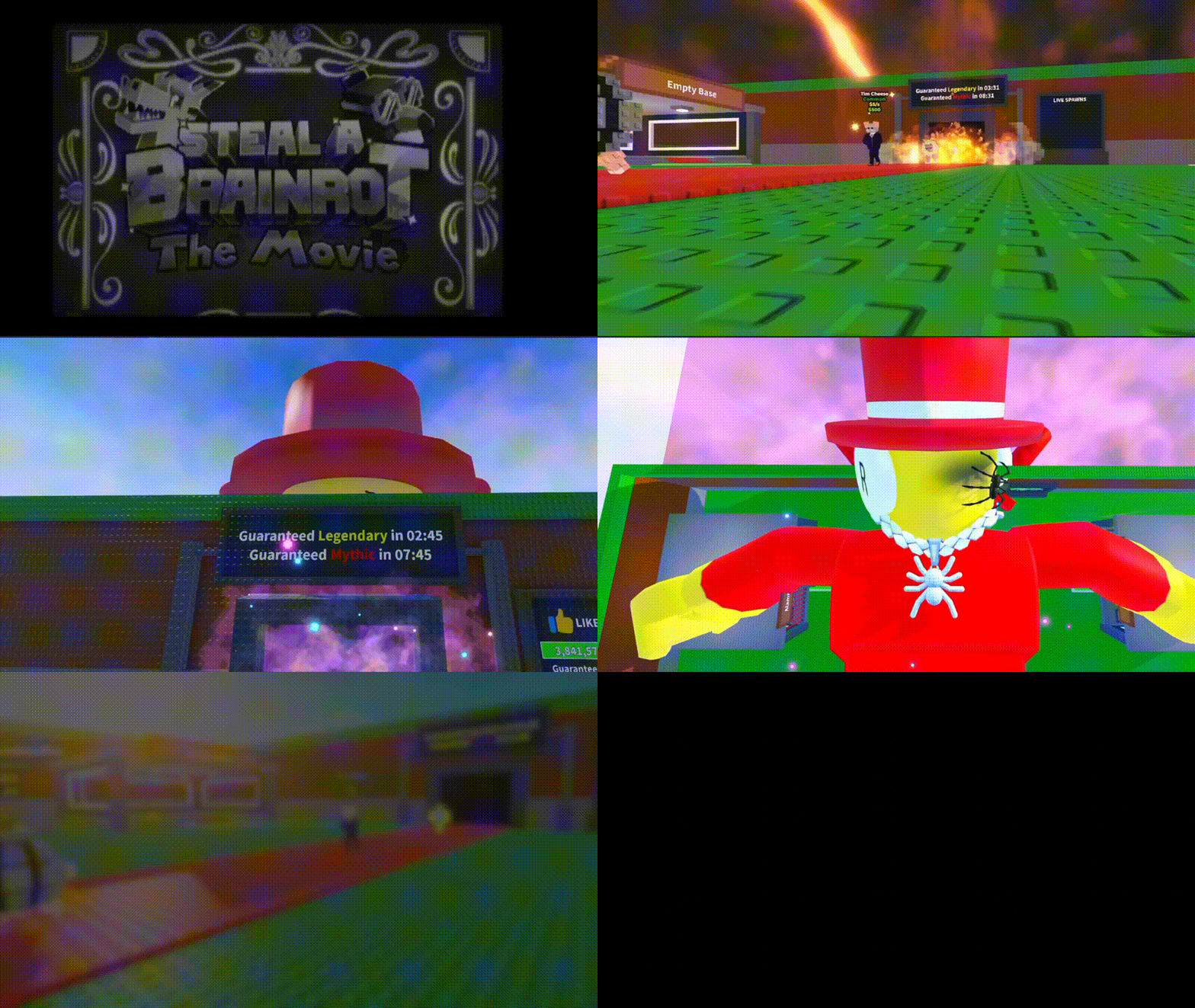
“Steal A Brainrot” is a Roblox experience built around collecting, protecting, generating value from, and stealing meme-style “brainrot” characters. The game became popular because it combined several viral ingredients: Roblox’s social multiplayer format, collection mechanics, tycoon-style progression, base defense, theft-based gameplay, and the surreal humor of Italian Brainrot memes.
The game’s appeal comes from a loop that is easy to understand but highly replayable. Players collect brainrot characters, place them in a base, generate in-game currency, raid other players, defend their own collection, and keep chasing rarer characters. That loop made it highly shareable on TikTok, YouTube, and Roblox discovery pages.
Reports say “Steal A Brainrot” launched in May 2025 and became one of Roblox’s biggest games, with huge traffic and concurrency numbers. WN Hub reported that Spyder Games launched the game in May 2025 and secured a copyright by August 2025.
“Stealing Brainrots” Fortnite Creative Map: What Players Say is Copied
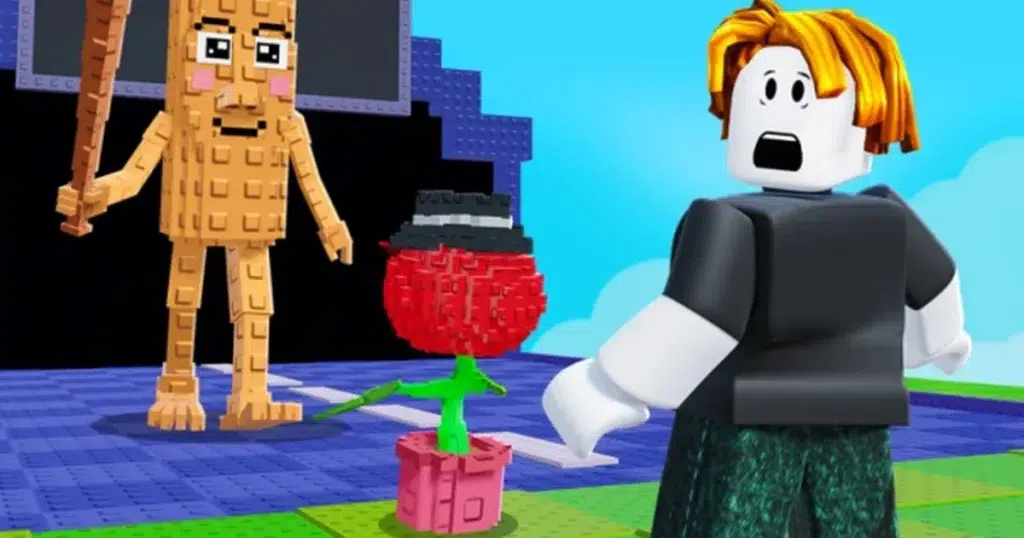
The “Stealing Brainrots” Fortnite Creative map is accused of copying the feel and presentation of “Steal A Brainrot” rather than merely using the same meme trend. The alleged similarities include the game’s title concept, the theft-based brainrot collection premise, the visual framing of characters, interface choices, base layout concepts, item presentation, animations, and the way the experience communicates progression to players.
The key legal question is not whether both games use “brainrot” memes. The lawsuit reportedly does not claim ownership of the Italian Brainrot characters themselves, because those characters come from a wider internet meme trend. Instead, the case focuses on whether the Fortnite map copied original creative expression from “Steal A Brainrot.”
That distinction is important. A game can be inspired by a genre, meme, or trend without infringing copyright. But if a creator copies the specific artwork, UI arrangement, level layout, audiovisual style, animations, and coordinated presentation of another game, the dispute becomes stronger.
Who is Thomas Van Der Voort in the Spyder Games Copyright Lawsuit
Thomas van der Voort is the defendant named in the Spyder Games copyright lawsuit. Court docket listings identify the case as “Spyder Games LLC et al v. van der Voort,” and the amended complaint was filed against Thomas van der Voort in October 2025.
Reports describe van der Voort as the developer behind “Stealing Brainrots,” the Fortnite Creative game at the center of the dispute. Aftermath reported that the complaint identified him as being in the United Arab Emirates.
The lawsuit does not mean the court has already ruled that van der Voort infringed copyright. It means Spyder Games and Speedy Simulator Gaming have made allegations and are asking the court for remedies.
Steal a Brainrot Copyright Registration: What Spyder Games Says is Protected
The Steal A Brainrot copyright registration is central to the lawsuit because registration gives the plaintiffs a formal basis to sue in U.S. federal court. Reports say the developers had “Steal A Brainrot” copyrighted as of August 2025.
Spyder Games and Speedy Simulator Gaming appear to be claiming protection over the game’s original visual and textual expression, including layout, interface, in-game objects, artwork, menu design, and overall aesthetic. The Star, citing Bloomberg, reported that Spyder and Speedy hold a copyright covering visual and textual content, menu layout and design, in-game objects, artwork, and overall aesthetic, while not claiming ownership of the brainrot meme characters themselves.
This makes the case different from a simple “you copied my idea” complaint. The plaintiffs are trying to show that the Fortnite Creative game copied the original way “Steal A Brainrot” expressed that idea.
Game UI and Art Copying Claims in the Steal a Brainrot vs Stealing Brainrots Case
The game UI and art copying claims in the Steal A Brainrot vs Stealing Brainrots case may be the most important part of the complaint. Copyright law gives stronger protection to specific artwork, screen layouts, text, graphics, animation, and audiovisual elements than it gives to abstract game mechanics.
The plaintiffs reportedly allege copying of interface, level design, animations, in-game objects, artwork, design aesthetics, colors, shapes, and the selection and coordination of creative elements.
For Spyder Games, the strongest argument would be that “Stealing Brainrots” does not merely share a genre or meme category, but reproduces enough original creative choices that players could reasonably see it as a copy. For the defendant, a likely counterargument would be that many similarities are generic, functional, dictated by the genre, or based on public meme culture rather than protected expression.
Steal the Brainrot vs Stealing Brainrots: Licensed Fortnite Map vs Alleged Clone
Steal The Brainrot vs Stealing Brainrots is a crucial distinction. “Steal The Brainrot” has been described as an officially licensed Fortnite version of the concept, while “Stealing Brainrots” is the allegedly unauthorized Fortnite Creative map targeted in the lawsuit.
This distinction matters because Fortnite Creative allows many creators to publish islands, but not every island using a familiar format is automatically licensed. If a licensed Fortnite version exists, an unlicensed clone may create confusion among players and compete directly for attention, engagement, and revenue.
The lawsuit is therefore not just about copying across platforms. It is also about protecting a licensed expansion strategy. If “Steal A Brainrot” has official or authorized versions outside Roblox, unauthorized Fortnite clones can dilute the brand, split the audience, and take money from the original creators.
Fortnite Island Creator Program Payouts and Why Clones Can Be Profitable
Fortnite Island Creator Program payouts help explain why copycat maps can be profitable. Epic’s official documentation says Fortnite developers enrolled in the engagement payout program can receive payouts based on player engagement in their islands, and Epic’s Fortnite developer pages say accepted creators can publish islands and become eligible for payouts based on engagement and revenue generated from in-island transactions.
This creates a strong financial incentive to chase trending game formats quickly. If a Roblox hit becomes viral, Fortnite Creative creators may try to reproduce the same structure for Fortnite’s audience. A clone can benefit from search demand, familiar thumbnails, similar titles, and players who are already looking for the trend.
That is why the lawsuit could matter beyond one map. If courts treat some UGC clones as copyright infringement, creators may become more cautious about rapidly copying successful Roblox or Fortnite formats.
Copyright Infringement Rules for User-Generated Games on Fortnite Creative
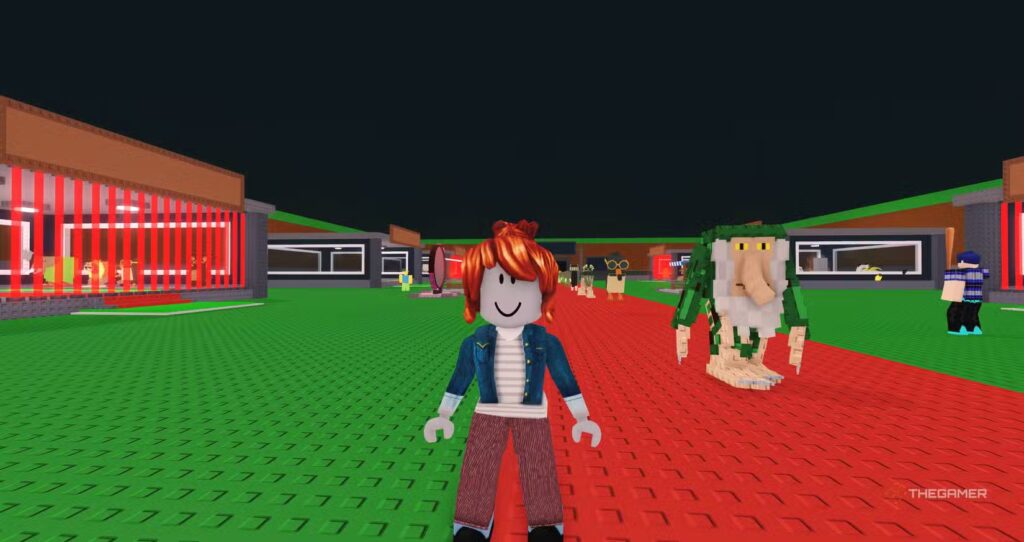
Copyright infringement rules for user-generated games on Fortnite Creative still apply even though creators build inside Epic’s tools. Epic’s Fortnite Developer Rules state that creators are responsible for their islands and must comply with the rules, Epic’s content guidelines, and community rules.
Fortnite Creative and UEFN make it easier for creators to build and publish games, but they do not give creators permission to copy another developer’s protected content. A creator can make a theft game, a collection game, a tycoon game, or a meme-inspired game, but they should avoid copying another game’s distinctive UI, art, branding, layouts, character presentation, text, animations, and overall audiovisual arrangement.
The safest legal approach is to treat platform tools as production tools, not as a shield. Publishing inside Fortnite does not remove the need to respect copyright, trademarks, licensing rights, and platform policies.
How Spyder Games Can Prove a Fortnite Creative Game is a “copycat”
Spyder Games can prove a Fortnite Creative game is a “copycat” by showing two core things: access and substantial similarity. Access means the defendant likely had a reasonable opportunity to see “Steal A Brainrot.” Given the Roblox game’s viral success, Spyder Games may argue that the defendant could easily have known about it.
Substantial similarity is more complex. Spyder Games would need to show that “Stealing Brainrots” copied protected expression, not just an idea. Useful evidence could include side-by-side comparisons of UI screens, menus, base layouts, character display systems, animations, art direction, icons, labels, progression systems, object placement, colors, shapes, and overall presentation.
The strongest case would be a pattern of similarities across many creative details. One shared mechanic may not be enough. But repeated copying across visuals, interface, animations, layout, and presentation can support a stronger infringement argument.
What Damages and Takedown Orders Spyder Games is Seeking in Court
Spyder Games is reportedly seeking damages, attorney fees, and a permanent court order preventing the defendant from continuing the alleged infringing activity. WN Hub reported that the complaint seeks compensation for damages, attorney fees, and a permanent order stopping van der Voort from continuing the alleged conduct.
A takedown order would be especially important in a platform-based game economy. If an allegedly infringing island remains online, it can keep collecting traffic and engagement payouts while the lawsuit proceeds. A permanent injunction would prevent the defendant from continuing to publish or profit from the disputed content if the court finds infringement.
Damages could also include profits connected to the alleged infringement, depending on what the plaintiffs can prove. In a creator economy case, payout records, island analytics, playtime, player counts, and monetization data could become important evidence.
How to Avoid Copyright Issues When Making Fortnite Creative Maps
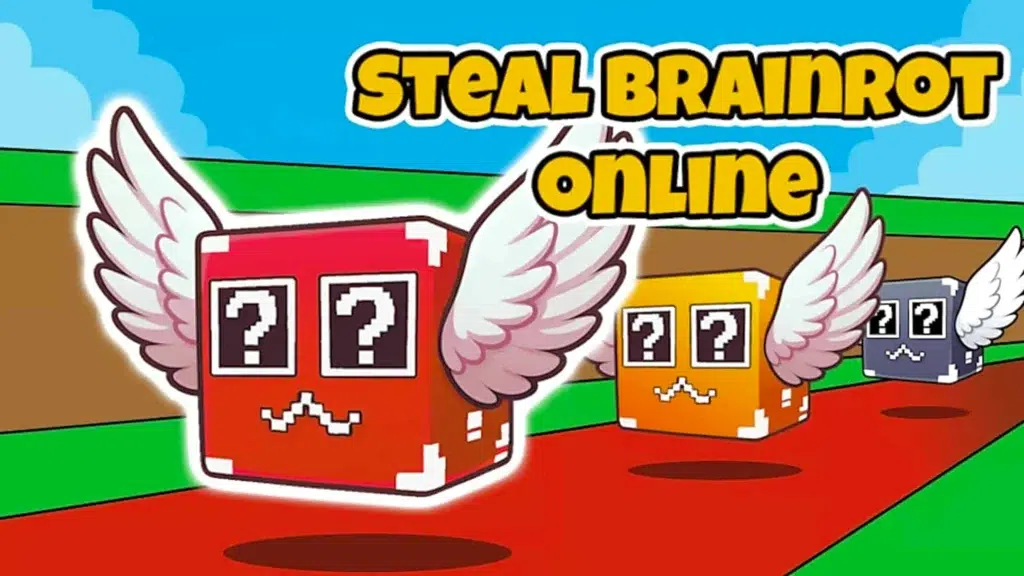
Fortnite Creative creators can avoid copyright issues by building original expression around broad ideas instead of copying another game’s look and feel. A creator can be inspired by a popular genre, but the safer path is to create original UI, original thumbnails, original names, original icons, original level layouts, original writing, original animations, and original gameplay presentation.
Creators should avoid using titles that sound confusingly similar to a hit game. They should also avoid copying another game’s menus, shop screens, base structure, progression labels, character display systems, reward screens, or thumbnail style. Even when a meme is public, the specific way another developer packaged that meme into a game may still contain protected expression.
The best rule is simple: copy the lesson, not the work. Study why a game succeeds, then build a new experience with different branding, different art, different structure, and a different identity.
Why “Steal a Brainrot” Has so Many Roblox and Fortnite Copycats
“Steal A Brainrot” has so many Roblox and Fortnite copycats because it sits at the intersection of viral meme culture and platform monetization. The concept is easy to understand, easy to imitate, and easy to market with familiar brainrot characters. It also fits the short-session, social, competitive style that works well on Roblox and Fortnite Creative.
The success of the original game created a race for attention. Once a format proves it can attract millions of players, other creators often try to capture similar traffic with slightly altered names, thumbnails, and mechanics. Bloomberg, as republished by The Star, reported that Spyder Games and Speedy Simulator Gaming had filed multiple lawsuits against alleged imitators since November.
This is part of a larger user-generated content problem. Roblox and Fortnite reward speed, trend awareness, and engagement. That can encourage innovation, but it can also encourage low-effort cloning.
Steal a Brainrot Lawsuit Timeline: May 2025 Launch, August Copyright, October Filing
The Steal A Brainrot lawsuit timeline: May 2025 launch, August copyright, October filing shows how quickly a viral UGC game can become a legal dispute.
In May 2025, Spyder Games launched “Steal A Brainrot” on Roblox, according to reporting on the complaint. By August 2025, the developers had secured copyright protection for the game. In October 2025, Spyder Games and Speedy Simulator Gaming filed a lawsuit against Thomas van der Voort over the Fortnite Creative map “Stealing Brainrots.”
Court docket records show the case was filed on October 23, 2025, and an amended complaint was filed on October 24, 2025. A summons was also issued to Thomas van der Voort on October 24, 2025.
What the Steal a Brainrot Lawsuit Could Mean for Roblox Devs and Fortnite Creators
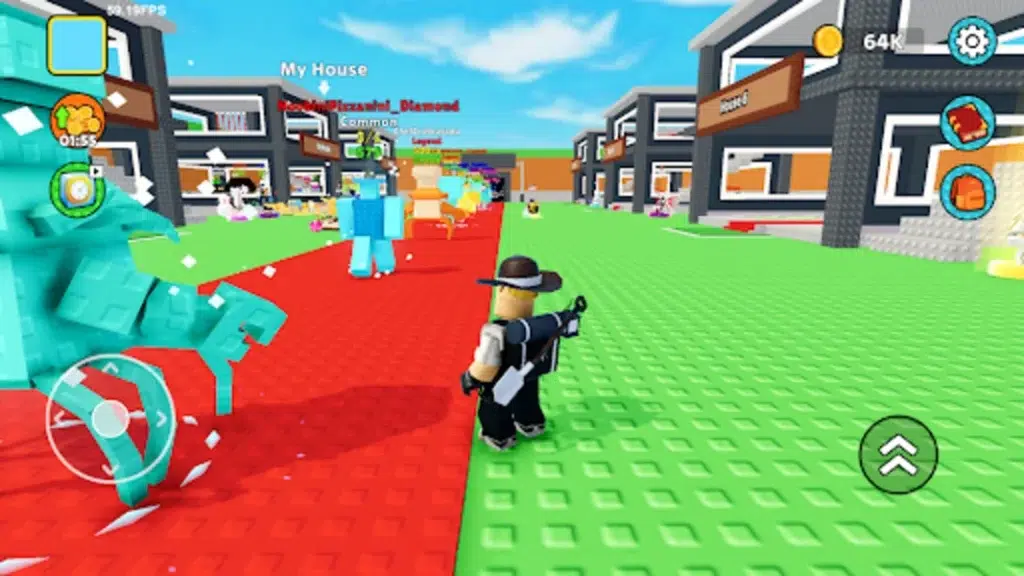
The Steal A Brainrot lawsuit could mean Roblox devs and Fortnite creators need to take copyright more seriously as UGC games become bigger businesses. In the past, many creators treated platform games as fast-moving trend content. But when games generate major traffic, licensing value, and platform payouts, the legal stakes rise.
For Roblox developers, the case could encourage more copyright registrations, more brand protection, and more enforcement against clones. For Fortnite creators, it is a warning that copying a Roblox hit into Fortnite Creative can create legal exposure if the copy goes beyond broad inspiration.
The case could also influence how platforms respond to complaints. If UGC lawsuits become more common, Roblox, Epic, and other platforms may face more pressure to improve takedown systems, clone detection, and IP enforcement tools.
Frequently Asked Questions (FAQs)
- What is the Spyder Games lawsuit about?
The lawsuit is about Spyder Games and Speedy Simulator Gaming accusing Thomas van der Voort of copying protected elements of the Roblox hit “Steal A Brainrot” in a Fortnite Creative map called “Stealing Brainrots.” - Is Spyder Games suing Epic Games?
Based on available court docket information and reports, the named defendant is Thomas van der Voort, not Epic Games. The dispute concerns a Fortnite Creative map allegedly created by van der Voort. - What did “Stealing Brainrots” allegedly copy?
Reports say the complaint alleges copying of UI elements, in-game objects, artwork, level design, animations, design aesthetics, colors, shapes, and the overall selection and arrangement of game elements. - Does Spyder Games own the Italian Brainrot memes?
The lawsuit reportedly does not claim ownership of the Italian Brainrot meme characters themselves. The claims focus on the game’s protected visual, textual, and design expression. - When did “Steal A Brainrot” launch?
Reports say “Steal A Brainrot” launched in May 2025. - When did Spyder Games secure copyright protection?
Reports say Spyder Games secured copyright protection for “Steal A Brainrot” by August 2025. - When was the lawsuit filed?
Court docket records show the case was filed in October 2025, with an amended complaint filed on October 24, 2025. - Why are Fortnite Creative clones financially important?
Fortnite creators can receive engagement payouts and may be eligible for revenue connected to their islands. That means a successful clone can potentially generate money from player engagement. - Can game mechanics be copyrighted?
General game mechanics are usually harder to protect than specific creative expression. The stronger copyright claims usually involve original artwork, UI, animations, audiovisual design, text, layout, and other expressive details. - What could happen if Spyder Games wins?
If Spyder Games wins, the court could award damages, attorney fees, and an injunction preventing continued use or publication of the allegedly infringing Fortnite Creative content.

Conclusion
The Spyder Games lawsuit against the developer of “Stealing Brainrots” is a major legal moment for user-generated games. The case is not simply about two games using the same meme trend. It is about whether a Fortnite Creative map copied the protected expression of a Roblox hit, including its UI, artwork, level design, animations, layout, and overall creative presentation.
For Roblox developers, the lawsuit shows that viral platform games can become valuable intellectual property worth protecting. For Fortnite creators, it is a warning that fast trend-chasing can become risky when inspiration turns into imitation. As Roblox, Fortnite Creative, and UEFN continue to grow as creator economies, copyright disputes like this may become more common, especially when popular games are copied across platforms for engagement and payout opportunities.
Sources and Citations
- Justia Dockets — Spyder Games LLC et al v. van der Voort
https://dockets.justia.com/docket/california/candce/3%3A2025cv09122/458509 - PACERMonitor — Spyder Games LLC et al v. van der Voort
https://www.pacermonitor.com/public/case/60749659/Spyder_Games_LLC_et_al_v_van_der_Voort - Aftermath — Brainrot Goes To Court
https://aftermath.site/brainrot-roblox-court/ - PC Gamer — A brainrot-themed Roblox game is taking a brainrot-themed Fortnite game to court
https://www.pcgamer.com/games/a-brainrot-themed-roblox-game-is-taking-a-brainrot-themed-fortnite-game-to-court-for-being-a-copy/ - WN Hub — The creator of “Steal a Brainrot” filed a lawsuit against a Fortnite Creative copycat
https://wnhub.io/news/legal/item-49144 - The Star / Bloomberg — Roblox’s hit game “Steal A Brainrot” battles its many imitators
https://www.thestar.com.my/tech/tech-news/2026/03/25/robloxs-hit-game-steal-a-brainrot-battles-its-many-imitators - Epic Games Documentation — Engagement Payout in Fortnite Creative
https://dev.epicgames.com/documentation/fortnite/engagement-payout-in-fortnite-creative - Epic Games — Fortnite Platform & Economy
https://www.fortnite.com/developer/platform-and-economy - Epic Games Legal — Fortnite Developer Rules
https://legal.epicgames.com/fortnite/developer-rules
Recommended
- Just Days Before the Oscars, Netflix Closes Deal for Maggie Kang and Chris Appelhans to Return for KPop Demon Hunters 2
- Live Link Face with Metahuman: How to Capture Real-Time Facial Animation in Unreal Engine 5
- Howler 2026.5 Adds 3D Landscape Generator Fractal Garden: Procedural Low-Poly Terrain, Biomes, and Exports
- How to Add Realistic Dust, Hair, and Surface Imperfections in Blender to Increase Scene Realism
- Paramount Pictures at CinemaCon 2026: Full Reveal Guide
- Invincible Season 4 Animation Error Sparks Fan Debate
- Best Camera Settings in Blender for Rendering
- Mobile Suit Gundam Hathaway: the Sorcery of Nymph Circe Review, Release Dates, Runtime, and What the Sequel Does Better
- Crimson Desert Reveals Console Specs, Some Compromises on PS5 Explained
- Battlefield 6 2026 Roadmap Confirmed: New Maps, Naval Warfare, Ranked Play & Season Updates Explained