








Amazon’s latest move into AI-assisted entertainment marks a major turning point in the evolution of streaming content creation. Under its GenAI Creators’ Fund initiative, the company has officially greenlit three new animated series produced with significant integration of generative artificial intelligence tools. This development signals a shift not only in how animation is produced but also in how creative pipelines are structured across major studios.
The announcement has sparked widespread discussion across Hollywood and the tech industry, particularly due to the involvement of notable creators such as Jorge R. Gutierrez, whose participation adds significant credibility to the experimental slate. The overarching goal behind this initiative is to explore how AI can accelerate production, reduce costs, and expand creative possibilities while still maintaining storytelling depth and artistic integrity.
These three projects represent Amazon’s strategic investment in AI-assisted storytelling, blending human creativity with machine learning-driven animation workflows. While the company has not fully replaced traditional production methods, it is actively testing hybrid models that integrate AI-generated environments, character design assistance, and automated scene rendering.
The initiative also highlights a broader industry trend where streaming platforms are increasingly competing to define the future of digital animation through technological innovation.
In This Article (18 sections)
What is Amazon’s GenAI Creators’ Fund and How Does it Work
The GenAI Creators’ Fund is Amazon’s dedicated investment program designed to support creators, startups, and studios experimenting with generative AI in media production. It functions as both a financial accelerator and a technological incubator, providing funding, cloud infrastructure support, and access to proprietary AI tools.
Participants in the fund are encouraged to explore new storytelling formats using AI-driven animation, script generation assistance, voice synthesis, and automated scene composition. Rather than replacing human creators, the fund is structured to enhance productivity and enable smaller teams to produce high-quality content at scale.
The fund operates through a selection process where creators pitch projects that demonstrate innovative use of AI in storytelling. Once selected, they gain access to Amazon Web Services (AWS) machine learning frameworks, generative media models, and collaborative production tools.
By combining funding with infrastructure, Amazon aims to reduce traditional barriers in animation production, such as large staffing requirements, long rendering cycles, and high operational costs.

Inside Project Nara: Amazon’s AI Production Platform Explained
Project Nara is the internal production system powering Amazon’s AI-generated animation strategy. It is designed as a unified platform that integrates generative AI models with traditional animation workflows.
At its core, Project Nara enables creators to generate concept art, character movements, background environments, and even full scene compositions using AI prompts. The system then refines these outputs through human oversight to ensure narrative consistency and artistic alignment.
One of the most significant advantages of Project Nara is its ability to reduce production timelines. Tasks that traditionally required weeks of manual labor, such as storyboarding and asset creation, can now be completed in a fraction of the time.
However, Amazon emphasizes that Project Nara is not intended to fully automate creativity. Instead, it acts as a collaborative engine where AI serves as a creative assistant rather than a replacement for animators, writers, or directors.
This hybrid model reflects a growing industry consensus that AI is most effective when integrated into existing creative pipelines rather than deployed as a standalone content generator.
Jorge R. Gutierrez Joins Amazon AI Animation Lineup with Punky Duck
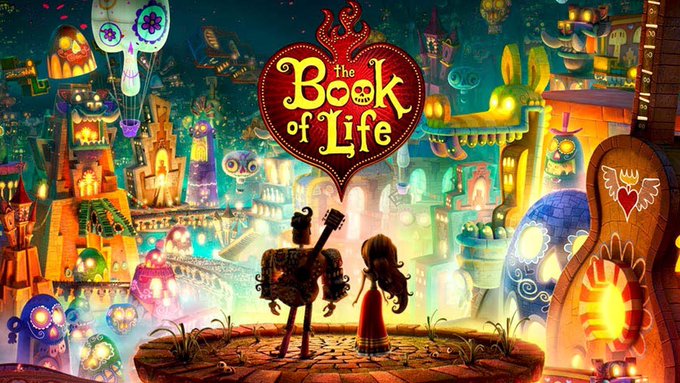
A major highlight of Amazon’s announcement is the involvement of acclaimed filmmaker Jorge R. Gutierrez in the AI animation lineup. Known for his distinct visual style and culturally rich storytelling, Gutierrez brings artistic credibility to the experimental project slate.
His project, Punky Duck, is part of the GenAI Creators’ Fund initiative and is expected to blend traditional animation aesthetics with AI-assisted production techniques. The series is positioned as a bold exploration of identity, humor, and surreal storytelling.
Gutierrez’s participation is particularly significant because it bridges the gap between established Hollywood animation talent and emerging AI production methodologies. His involvement suggests that high-profile creators are increasingly open to experimenting with generative tools as part of their creative process.
Punky Duck is expected to showcase how AI can be used to enhance visual imagination without compromising narrative depth or cultural authenticity.
Why Amazon is Betting on AI-Generated Animated Series in 2026
Amazon’s investment in AI-generated animated series is driven by several strategic factors. First, the company is seeking to optimize production efficiency in an increasingly competitive streaming market. By integrating AI, Amazon can potentially reduce production costs while increasing content output.
Second, AI allows for rapid experimentation with visual styles, narrative structures, and character design. This flexibility is particularly valuable in animation, where iterative development is resource-intensive.
Third, the company is responding to broader industry trends where studios are exploring automation to address labor shortages and rising production expenses.
In 2026, AI-assisted animation is no longer a theoretical concept but a practical production strategy. Amazon’s early adoption positions it as a leader in this emerging space, alongside other tech-driven entertainment companies.
Ultimately, the strategy reflects a long-term vision: building a scalable content ecosystem where human creativity is augmented by machine intelligence.

Cupcake & Friends: the First AI-Assisted Animated Series Explained
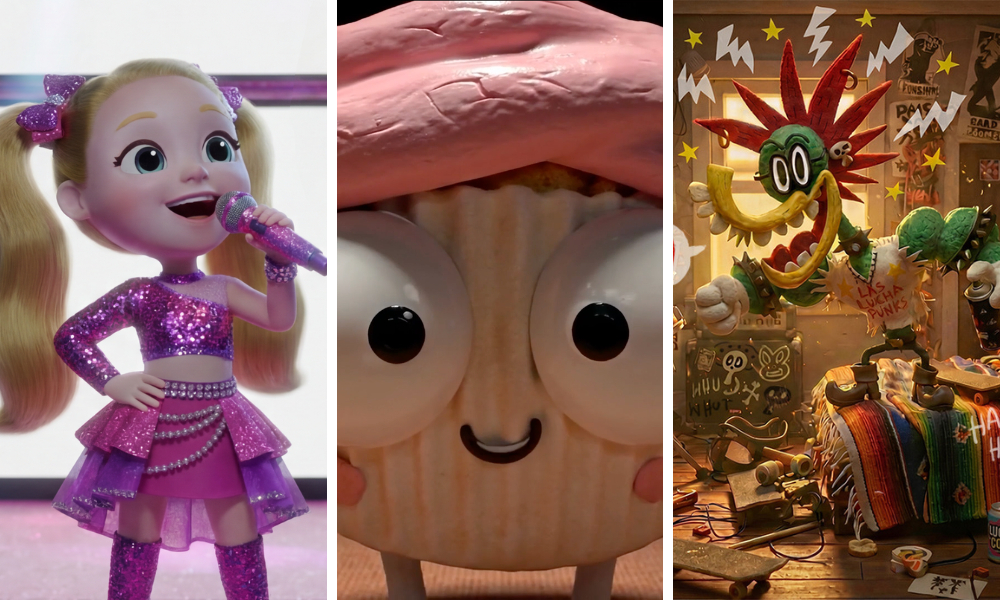
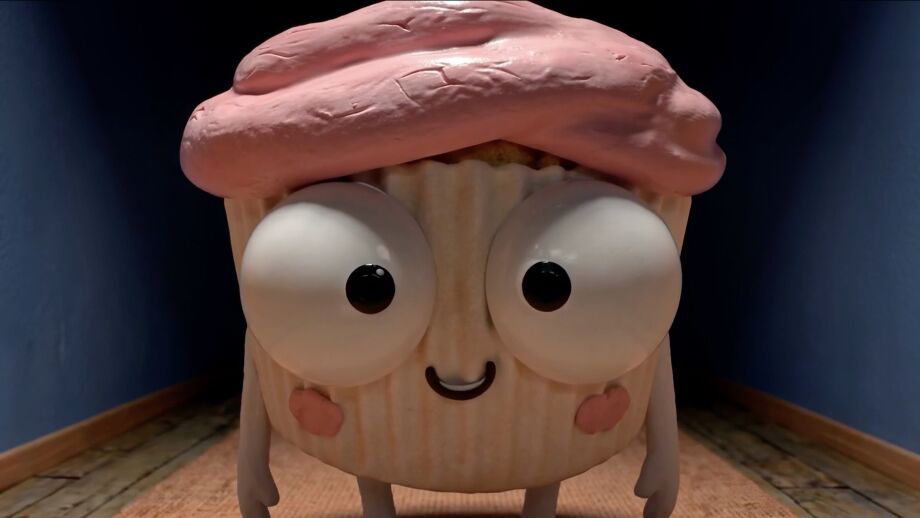
Cupcake & Friends is one of the flagship projects under Amazon’s AI animation initiative. It represents a family-friendly animated series developed with significant generative AI assistance.
The series reportedly uses AI tools for background generation, character rigging, and scene optimization, while human creators focus on narrative structure and emotional storytelling.
The concept centers around whimsical characters navigating imaginative environments, with visual elements dynamically enhanced through AI-generated artistry.
What makes Cupcake & Friends notable is its hybrid production model. It demonstrates how AI can streamline repetitive animation tasks while preserving human-led storytelling at its core.
This series is expected to serve as a case study for future AI-assisted children’s programming.
Love, Diana Music Hunters and Its Connection to YouTube Creator IP
Love, Diana Music Hunters extends Amazon’s strategy of integrating AI animation with existing digital-native intellectual property. The series is connected to the popular YouTube creator ecosystem, leveraging established audience engagement models.
By incorporating AI production tools, Amazon can rapidly adapt creator-driven IP into long-form animated content. This approach reduces development time while expanding franchise potential.
The series blends music-driven storytelling with interactive visual elements, making it particularly suited for younger audiences accustomed to short-form digital content.
The connection between YouTube-originated IP and AI animation highlights a broader shift in entertainment: the convergence of social media influence and streaming platform production pipelines.
Punky Duck Story Details and Creative Vision from Jorge R. Gutierrez
Punky Duck is described as a surreal, visually dynamic animated series that reflects Jorge R. Gutierrez’s signature artistic style. The show is expected to combine humor, emotional storytelling, and culturally inspired world-building.
AI tools are being used to support background generation and animation sequencing, allowing the creative team to focus more on narrative development and character expression.
Gutierrez has emphasized that the goal is not to replace artistry but to expand creative freedom. By using AI-assisted workflows, the production team can explore more complex visual ideas in less time.
The creative vision behind Punky Duck is rooted in pushing the boundaries of what animated storytelling can achieve when human imagination is paired with computational creativity.
How Amazon Plans to Use Generative AI in Animation Production
Amazon’s long-term strategy involves integrating generative AI across multiple stages of animation production. This includes script development, storyboarding, asset creation, voice synthesis, and post-production editing.
AI is particularly useful in early-stage ideation, where multiple creative directions can be explored simultaneously. It also enhances efficiency in rendering environments and background assets.
However, Amazon has stressed that human oversight remains essential. Creative directors, animators, and writers continue to play a central role in shaping final outputs.
The goal is to create a scalable hybrid production pipeline that combines speed with artistic quality.
Controversy Around AI-Generated TV Shows in Hollywood
Despite technological enthusiasm, AI-generated television content has sparked significant controversy in Hollywood. Concerns include job displacement, intellectual property rights, and the ethical use of training data.
Animation professionals worry that increased automation could reduce demand for traditional roles such as in-between animators, background artists, and storyboard designers.
There are also legal questions surrounding whether AI-generated content infringes on existing creative works used in training datasets.
Industry unions and creative guilds continue to debate how AI should be regulated within entertainment production pipelines.
While some view AI as a tool for empowerment, others see it as a disruptive force that could reshape employment structures in the industry.
What Project Nara Means for the Future of Animation Studios
Project Nara represents a potential blueprint for the future of animation studios. By integrating AI into core production workflows, studios may significantly reduce production time and operational costs.
It also enables smaller creative teams to produce high-quality animated content that previously required large-scale studio infrastructure.
This democratization of production tools could lead to a more diverse range of storytelling voices in the industry.
However, it also raises questions about the sustainability of traditional studio employment models and the long-term impact on creative labor markets.
How the GenAI Creators’ Fund Supports Digital Creators and Startups
The GenAI Creators’ Fund plays a crucial role in supporting emerging creators and startups working at the intersection of AI and media production.
It provides access to funding, technical infrastructure, and mentorship opportunities. This enables independent creators to experiment with high-end production techniques without requiring large studio backing.
Startups involved in the fund benefit from Amazon’s cloud computing resources, AI model frameworks, and distribution channels.
This ecosystem fosters innovation by lowering entry barriers and encouraging experimentation in storytelling formats.
Will AI Replace Traditional Animation Jobs in Hollywood Studios
One of the most debated questions surrounding AI animation is whether it will replace traditional animation jobs. The current industry consensus suggests that full replacement is unlikely in the near term.
Instead, AI is expected to transform job roles rather than eliminate them. Animators may increasingly work as supervisors of AI-generated outputs, refining and guiding machine-assisted content.
New roles are also emerging, such as AI animation directors, prompt designers, and generative workflow specialists.
While automation will reduce certain manual tasks, creative oversight and storytelling expertise remain irreplaceable components of animation production.
Audience Reaction to Amazon’s AI Animated Series Announcement
Audience reactions to Amazon’s announcement have been mixed. Some viewers are excited about the potential for more visually innovative and diverse content.
Others express concern that AI-generated animation may lack emotional depth or originality compared to traditionally crafted series.
There is also curiosity about how AI will influence storytelling styles and whether it will lead to more experimental narratives.
Overall, the announcement has generated significant public interest, positioning Amazon at the center of the AI entertainment conversation.
Pixelhair and the View Keeper in AI Animation Storytelling Trends
The emergence of AI-assisted animation has also influenced broader digital storytelling trends, including experimental visual frameworks such as Pixelhair and The View Keeper.
Pixelhair represents a stylistic approach where AI generates highly detailed, strand-level hair and texture simulations, enhancing character realism in animated environments.
The View Keeper concept refers to AI systems that maintain visual continuity across scenes, ensuring consistent camera framing, lighting, and spatial coherence in generative animation workflows.
Together, these innovations reflect how AI is not only accelerating production but also redefining aesthetic standards in modern animation.
Frequently Asked Questions (FAQs)
- What is Amazon’s GenAI Creators’ Fund?
It is an initiative supporting creators using generative AI in media production. - What is Project Nara?
It is Amazon’s AI production platform for animation workflows. - Are Amazon’s new animated series fully AI-generated?
No, they are hybrid productions combining AI tools and human creativity. - Who is Jorge R. Gutierrez?
He is an acclaimed filmmaker contributing to Amazon’s AI animation projects. - What is Punky Duck?
It is an AI-assisted animated series created with Jorge R. Gutierrez. - Why is Amazon using AI in animation?
To reduce costs, speed up production, and expand creative possibilities. - Will AI replace animators?
AI is expected to assist rather than fully replace animators. - What is Cupcake & Friends?
It is an AI-assisted family animated series under Amazon’s initiative. - What is the controversy around AI animation?
It involves job concerns, copyright issues, and creative ethics. - What does Project Nara mean for studios?
It signals a shift toward hybrid AI-human animation pipelines.

Conclusion
Amazon’s introduction of AI-generated animated series under the GenAI Creators’ Fund represents a defining moment in the evolution of modern entertainment. By combining advanced generative technologies with experienced creative talent, the company is exploring a hybrid production model that could reshape the animation industry.
While concerns about job displacement and ethical implications remain significant, the potential for innovation is equally substantial. The future of animation is likely to be defined by collaboration between human creativity and artificial intelligence, rather than one replacing the other.
As projects like Punky Duck, Cupcake & Friends, and Love, Diana Music Hunters move forward, they will serve as important benchmarks for evaluating the success of AI-assisted storytelling in mainstream media.
Sources and Citations
- Deloitte – AI Media’s Muse: Creativity in the Age of Generative Models
Deloitte AI Media’s Muse Report - International Labour Organization – Generative AI and the Media and Culture Industry
ILO Generative AI and the Media and Culture Industry - TV Tech – Amazon MGM Studios and AWS Launch the GenAI Creators’ Fund
Amazon MGM Studios AWS Launch the GenAI Creators Fund - IBC – Prime Video Orders Three Animated Series from GenAI Creators’ Fund
Prime Video Orders Three Animated Series from GenAI Creators Fund - Deloitte – AI-First Media Production Analysis
Deloitte Generative AI Media Production Analysis - Axios – Hollywood Reframes AI as Infrastructure, Not Replacement
Hollywood Reframes AI as Infrastructure Not Replacement
Recommended
- AI in Game Development (2026): Wins, Losses, and How to Use AI for Critique & Feedback
- Kidbash: Super Legend Official Cinematic Trailer Explained, Release Date, Gameplay, Story Details & Everything We Know
- Invincible VS Review: is the 3v3 Tag Fighter Worth Buying? Combat, Roster, Story Mode, and Rollback Netcode Breakdown
- Last Flag Ending New Content Updates Amid Low Player Numbers: “We Don’t Want to Kill Our Game”, How Night Street Games Plans to Hand it to the Community
- A Beginner’s Guide to The View Keeper Add-on for Blender
- Pokémon Champions Fans Criticize Free-to-Play Launch Over Missing Features, Switch 2 Performance Issues, and Limited Roster
- Star Wars: Maul Shadow Lord Season 1, Episodes 1-8 Review: Disney+’s Darkest Animated Star Wars Story Yet
- Fortnite: Save The World Finally Goes Free-To-Play in 2026, Includes Free Skin Rewards and Major Changes



































































































