







In This Article (12 sections)
What the Asad VFX Breakdown Reveals About Trend VFX’s Work
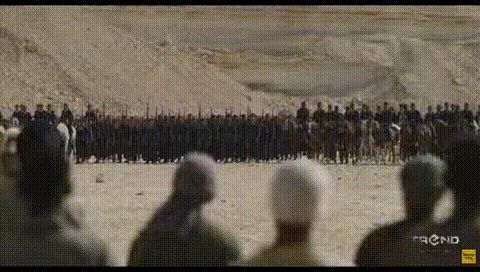
Trend VFX’s recently published VFX breakdown for Mohamed Diab’s new film Asad runs for seven minutes and reveals how digital effects helped build its historical world. According to CG Channel, the work includes extensive CGI environments and city extensions that recreate 19th century Egypt, alongside digital crowds supporting battle and revolt sequences. The breakdown also features graphic effects for hangings and beheadings, as well as fully digital characters, including a young baby and various creatures. Together, these examples show how Trend VFX augmented practical footage of actors and sets with layers of digital elements to expand the setting and support the film’s drama.
Creating this historical world combined detailed production planning with modern CGI techniques. Concept art and historical references likely guided the environment designs, while artists would have modeled and textured assets ranging from cityscapes to individual props to match the period. Crowd simulation tools could then populate battle or market scenes with thousands of digital extras, using movement rules to make the crowds appear natural. Software such as Massive, Golaem or tools built in Houdini could support this kind of work, although these examples should not be treated as confirmation of the studio’s specific software choices.
Digital matte painting and set extensions further expanded the physical locations, connecting the practical sets with the broader environments shown in the breakdown. After rendering, the CG elements were composited with the filmed footage, matching color, lighting and perspective so that the digital additions blended convincingly with the actors and surroundings. Compositing software such as Nuke can support this process, bringing separately created elements together into a cohesive image. Through this combination of environment work, crowd simulation, digital characters and compositing, Trend VFX brought traditional filmmaking and CGI together to create Asad’s historical setting and dramatic sequences.

Inside Trend VFX’s Asad VFX Breakdown and Historical CGI Environments
Trend VFX’s seven minute breakdown explores the practical and digital artistry behind Mohamed Diab’s Asad, showing how visual effects support the scale and drama of its slave revolt narrative in 19th century Egypt. Sweeping desert landscapes are extended with digital buildings and distant crowds, while before and after comparisons reveal how actors filmed on sparse sets, against green screens, or in arid locations with basic props become part of a detailed historical world. Breakdowns of this kind typically compare original footage, individual CGI layers, and finished composites, making it easier to understand how live performers, physical scenery, and digital additions contribute to a completed scene.
Recreating the film’s setting required architecture, clothing, and landscapes that supported the historical period, and Trend VFX likely drew on historical or design references to guide its creations. Practical scenery was combined with CGI extensions so that limited sets could become more substantial locations. A small marketplace, for example, could gain additional stalls, buildings, and distant mountains, while a physical wall could be removed from the image and replaced with a digital palace courtyard. Matte paintings, which are detailed digital paintings incorporated into the finished image, could provide skies, distant deserts, oases, and other backgrounds without requiring every element to be physically built or filmed.
The environment work began with footage of actors on partial sets or green screen stages, which artists extended with digital scenery. Accurate 3D camera tracking ensured that the perspective and movement of CGI elements matched the original camera footage, while textures, sky color, and the angle of sunlight helped digital structures blend with the filmed ground and practical sets. Where locations were too large to construct physically, the studio created complete CGI environments using virtual terrain and assets such as temples or villages, then integrated the filmed characters into them. This approach helped streets, palaces, and desert camps appear connected and expansive without requiring the construction of complete historical cities.
Digital Compositing and Integrated Elements
Digital compositing brought the separate elements together, combining actors, environment extensions, matte paintings, crowd renders, and creatures into a single finished image. In a scene involving horses or chariots, real animals might be filmed against a green screen and placed within an expanded CGI setting. Similarly, a compositor could position digital soldiers beside real performers or blend a computer generated sunset into a desert horizon. Making these combinations convincing involved removing green screen backgrounds, isolating actors through rotoscoping, matching color and lighting, and removing unwanted wires or rigging. Rendered scenery also had to remain aligned with the camera footage so that performers, physical sets, and digital additions appeared to occupy the same continuous space.
The film’s historical action demonstrates how these techniques contribute to storytelling. Digital crowds and simulated armies populate expansive battlefields, allowing large groups to move and clash without requiring thousands of extras. Historical cityscapes and temples surround partial sets or emerge through composites, while scenes involving hangings and beheadings use CGI to enhance or create action that could be difficult or dangerous to film practically. The breakdown likely shows these transformations in stages, illustrating how an execution scene filmed with a small group could become a much larger gathering through digital extras, or how a single street set could gain towering walls and a distant cityscape.
CGI Newborn and Emotional Weight
The fully CGI newborn provides a different kind of before and after comparison, moving from placeholders or puppets to a rendered infant through character animation and skin rendering. Rather than expanding the scale of a battlefield or historical location, this sequence adds emotional weight without exposing an infant to risks on set. Together, the baby sequence, crowd work, environment construction, and compositing show how visual effects serve different dramatic needs while building on the practical footage. The aim is not simply to add detail, but to make each finished scene feel like a coherent part of Asad’s historical world.

Inside Trend VFX’s Seven Minute Asad VFX Breakdown
Trend VFX’s seven minute breakdown offers an inside look at the visual effects used to bring Mohamed Diab’s Asad to life, showing how practical footage was developed into finished historical scenes. Such breakdowns typically present raw footage, individual CGI layers, and final composited shots side by side, revealing how each element contributes to the image.
Here, sweeping landscapes feature desert horizons extended with digital buildings and distant crowds. The breakdown likely also shows how actors filmed against green screens or incomplete sets were integrated into more elaborate environments, with matte painted skies, digital architecture, and bustling marketplaces filling previously empty spaces. This progression from original footage to completed shots highlights the studio’s approach to combining practical filmmaking with digital artistry.
The before and after comparisons emphasize the scale of these additions. Initial footage may show actors on sparse sets, against green screens, or in arid locations with only basic props, while the finished scenes contain much richer environmental detail. For example, an execution scene might begin with a small group standing on bare ground before additional digital figures fill the surrounding space. A city sequence may similarly expand from a single physical street into a setting with towering walls and an extensive skyline.
The fully CGI newborn baby provides another example of this transformation, moving from placeholders or puppets to a rendered infant. Its creation also illustrates the character workflow, from motion capture or keyframe animation to the finished skin rendering. Together, these comparisons demonstrate how actors, sets, and props were blended with substantial digital additions that were intended to remain unobtrusive in the final film.
Beyond their technical complexity, the effects support the scale and emotional intensity of Asad’s slave revolt narrative, set in 19th century Egypt. Historical cityscapes and temples were extended or reconstructed digitally, while large crowd scenes and expansive battlefields relied on CGI to depict armies moving and clashing without requiring thousands of extras.
Graphic moments involving hangings and beheadings were also enhanced or created digitally, allowing dangerous action to be represented with greater safety and realism. Similarly, the CGI baby adds emotional weight without exposing an infant to the risks of filming those scenes. These applications show how visual effects served the storytelling, giving the filmmakers access to environments, action, and dramatic moments that would have been difficult to achieve through practical production alone.
How Trend VFX Recreated Asad’s Historical Environments Through Digital Compositing
Recreating Asad’s historical world required digital environments that appeared consistent with the architecture, clothing, and landscapes of 19th century Egypt. Trend VFX likely consulted historical or design references to guide the appearance of its digital creations and maintain period accuracy. The environment work combined practical set pieces with CGI extensions, beginning with footage of actors on partial sets or green screen stages.
A small marketplace could be expanded with additional stalls, buildings, and distant mountains, while a physical wall could be removed or replaced with a digitally constructed palace courtyard. Matte paintings, which are detailed digital paintings incorporated into the final image, could fill distant backgrounds with deserts, oases, and skies. These techniques allowed limited physical locations to become larger historical settings without constructing complete cities.
Integrating those additions depended on precise 3D camera tracking, which analyzes the movement of the filmed camera so that digital scenery follows the correct perspective and motion. Artists could then develop textures and match lighting conditions, including the sky color and angle of sunlight, to help CGI structures blend with the practical ground and surrounding footage.
Where a setting was too extensive to build physically, the studio created complete CGI environments using virtual terrain and assets such as temples or villages, then combined them with footage of live actors. Period action could require a similar approach: scenes involving horses or chariots, for instance, might use animals filmed against green screens and place them within digitally extended surroundings. Together, these methods helped streets, palaces, and desert camps appear connected and expansive rather than limited by the original shooting location.
Digital compositing brought these filmed and computer generated elements together into the final shots. For Asad, this involved combining live action footage with matte paintings, digital crowds, creatures, and other CGI assets, whether by adding soldiers around real performers or blending a digital sunset into a desert horizon.
Compositors used techniques such as removing green screen backgrounds, isolating actors through rotoscoping, and matching colors and lighting so that separately created elements appeared to share the same space. They also removed unwanted wires or rigging and aligned rendered environment extensions with the original camera footage. The purpose was to make the practical and digital components read as one continuous world, allowing the historical settings and dramatic action to feel naturally present rather than visibly assembled in postproduction.

How Trend VFX Built Asad’s Historical World: CGI, Challenges, and Production Workflow
Environment and set extensions were central to portraying Asad’s world, allowing Trend VFX to expand practical locations into larger, more elaborate settings. Set extensions add digitally created scenery beyond the physical set’s limits, making it possible to surround a small rooftop with distant city walls and buildings without constructing every structure. In Asad, castle interiors, desert vistas, or temple complexes could combine physical scenery with digital additions, keeping production practical while supporting the drama’s scale. These environments help establish a convincing version of 19th century Egypt, including slave camps, colonial estates, and river landscapes.
Techniques such as image based lighting and camera projections would have helped connect these digital environments to the photographed material. Painted or projected backgrounds can be matched to the camera’s viewpoint, while placing a digital matte painting within 3D space allows perspective and parallax to change as the camera moves. This makes distant scenery shift realistically relative to foreground action rather than appearing as a flat backdrop. Period appropriate stone textures and architectural styles further support the historical setting, while subtle haze and atmospheric effects could suggest heat and blend distant digital scenery into the surrounding landscape.
Integrating Environments and Effects
Integrating these environments required careful attention to lighting, movement, and compositing. Actors, props, horses, and sections of the sets supplied practical elements, while missing walls, distant backgrounds, and incomplete areas were added digitally. When footage featured dusty sunlight, artists needed to reproduce that illumination on CG models so that both appeared to belong in the same scene. Practical dust or smoke could also be supplemented with digital particles. In battle sequences, actors staged combat within a small arena, while additional CGI warriors and horses expanded the surrounding action. Compositing brought these layers together, concealing the boundaries between photographed material and computer generated additions.
Recreating the historical setting also presented artistic and technical challenges. Vanished architecture and landscapes required research and careful design to avoid anachronisms, while riots and revolts needed to feel chaotic without becoming visually incoherent. Simulating thousands of digital characters meant creating believable movement without obvious repetition. Effects involving beheadings and hangings required care to remain convincing and appropriate for the film’s rating, while a lifelike CGI baby demanded detailed character modeling and animation. Making daytime footage appear as night, matching changing desert light, and rendering large scenes at high quality added further demands, including pressure on computing resources. The team addressed these difficulties through established production tools, comparisons with reference footage, and careful iteration.
Trend VFX likely followed a structured workflow typical of large visual effects projects, linking early shot planning with asset creation, animation, rendering, and final compositing. Although the specific tools and production stages described here represent a probable process, they illustrate how the work could have been coordinated:
- Planning and filming: Previsualization, concept art, storyboards, and simple 3D scenes would establish camera angles and the scope of the effects before filming. During production, a VFX supervisor would oversee green screens, tracking markers, and practical fills, helping ensure that the photographed material could support the planned digital additions.
- Asset creation and animation: Modelers would build environments and props using software such as Maya or 3ds Max, while texture and lighting artists developed realistic surfaces and illumination. Animators would work with character rigs and crowd simulations, and effects artists would create elements such as explosions, dust, and blood splatter.
- Rendering and compositing: Completed scenes would be rendered, sometimes in separate passes for components such as shadows and reflections. Compositors would integrate these renders with practical footage in Nuke or similar software, adjusting the combined image to maintain consistent lighting, depth, and atmospheric effects.
- Coordination and final review: Project management tools would track shot versions and client feedback. Environment, character, effects, and compositing specialists would work toward a shared visual style, with completed sequences passing through quality review and final color grading to maintain consistency across complex shots.
Key Lessons for Visual Effects Artists
For VFX artists, the breakdown highlights the importance of preparation and the relationship between practical production and digital work. Detailed planning makes it easier to combine sets, performers, and CGI without visible inconsistencies, while the crowd sequences show how practical extras and digital characters can enlarge a scene without obvious repetition. Separate render passes provide control over lighting, shadows, reflections, and depth during compositing, and less prominent details, such as dirt on the ground or atmospheric haze, help make the finished image convincing. Believable physical behavior matters just as much, since inconsistencies in falling rain, drifting dust, or moving fire can make an effect stand out from its surroundings.
The work also illustrates why specialization must remain connected to a consistent visual direction. Different groups likely focused on environments, creatures, characters, and compositing, but their contributions needed to inhabit the same believable world. Color grading and film grain can help unify practical and digital elements, yet the broader purpose extends beyond visual polish. In an interview with the film press, Mohamed Diab emphasized that although Asad is fictional, grounding its revolt in a palpably real setting was vital. Trend VFX’s environments and compositing support that aim, giving the characters a convincing backdrop against which themes of rebellion and freedom can unfold. Studying the progression of individual shots therefore reveals how planning, technical execution, and creative decisions serve both the production’s scale and the emotional purpose of each scene.

Frequently Asked Questions[FAQs]
1. What types of visual effects are featured in the Asad breakdown?
The breakdown features large CGI environments, city and set extensions, digital crowd simulations, graphic battle effects such as beheadings and hangings, and fully digital characters, including a CG baby. These effects help expand the film’s historical world, turning practical sets and filmed performances into larger scenes with additional architecture, people, and action.
2. Who is responsible for creating Asad’s VFX?
Egyptian studio Trend VFX led the visual effects work for Mohamed Diab’s film Asad, handling tasks ranging from 3D modeling to compositing. This work involved creating digital elements and integrating them with the original footage. The aim was to make environments, crowds, and digital characters appear to belong within the same scene as the actors and physical sets.
3. What was the purpose of the VFX breakdown video?
The breakdown demonstrates how visual effects contributed to the finished film by comparing original footage with completed shots. Its “before and after” views reveal additions that might otherwise go unnoticed, including extended buildings, digital crowds, and background scenery. Showing these layers helps viewers understand how CGI and compositing transform a filmed scene into its final appearance.
4. How were historical settings achieved through VFX?
Trend VFX recreated Egypt during the 19th century by combining physical sets with digital matte paintings and 3D environments. Research into period architecture helped guide the appearance of buildings and surrounding scenery. These digital additions extended what could be filmed practically, while matching perspective and lighting helped blend the reconstructed cityscapes and landscapes with the original footage.
5. What software or tools might have been used?
The breakdown does not identify the software used, so particular applications should be treated as possibilities rather than confirmed tools. Maya or 3ds Max could support modeling and animation, while Houdini or Massive could help create simulations and digital crowds. Compositing software such as Nuke could then combine those rendered elements with the filmed footage to produce the finished shots.
6. Were any characters in the breakdown entirely CGI?
Yes, the breakdown includes a sequence featuring a fully CGI baby, showing that the effects work extended beyond environments and crowds. Creating a digital character involves more than building its appearance: its movement, lighting, and placement must also fit the surrounding footage. Those elements help the character feel like part of the scene rather than a separate visual addition.
7. How realistic are the crowd scenes?
The crowd scenes aim to create convincing masses of people through simulated movement and integration with the filmed action. In crowd simulation, individual digital characters, called agents, follow rules that guide their behavior rather than all moving identically. Variation in their movement, together with consistent lighting, scale, and compositing, helps the finished crowd appear more natural.
8. Why use visual effects for Asad instead of filming everything live?
VFX made it possible to depict expansive historical locations and large crowd battles without physically building every structure or filming every participant. It also allowed graphic events to be represented without performing the dangerous actions depicted. Digital characters such as the CGI baby provided another way to create specific scenes beyond what was captured practically during filming.
9. Can I watch the Asad VFX breakdown online?
Yes, Trend VFX has published the breakdown online through its official Vimeo channel, and industry news sites also link to it. Searching for the film’s title alongside “Trend VFX breakdown” can help distinguish it from trailers or other promotional videos. The breakdown focuses on the effects work, showing comparisons between the original footage and the completed scenes.
10. What can aspiring VFX artists learn from this breakdown?
Aspiring artists can learn how digital environments, crowds, and characters are integrated with live footage through compositing. The progression from the original filmed plate to the finished shot helps explain how separate elements contribute to a unified image. It also highlights the importance of consistent lighting, perspective, and historical detail when creating effects that support a film’s setting and story.

Conclusion
Trend VFX’s Asad breakdown provides a comprehensive look at how modern visual effects bring epic historical dramas to life. It reveals that thousands of digital elements – environments, crowds, and characters – were expertly combined with live-action footage to build the world of Asad. The breakdown shows the importance of planning and technology in achieving convincing results. Using tools for modeling, simulation, and compositing, Trend VFX successfully overcame the challenges of recreating 19th-century Egypt on screen. As a result, Asad features rich, expansive visuals that support its narrative. In sum, this breakdown not only showcases the film’s VFX but also serves as an educational example of high-quality visual effects work, demonstrating how digital artistry is seamlessly woven into cinematic storytelling.
Sources and Citation
- CG Channel
https://www.cgchannel.com/2026/09/see-trend-vfxs-seven-minute-vfx-breakdown-for-slave-drama-asad/ - Trend VFX – ASAD Visual Effects Breakdown
https://vimeo.com/1222224008 - The Art of VFX
https://www.artofvfx.com/asad-inside-the-visual-effects-by-trend-vfx/ - Trilith Institute
https://trilithinstitute.org/event/digital-compositing/ - Massive Software
https://massivesoftware.com/applications.html - CG Channel – Massive Crowd Simulation
https://www.cgchannel.com/2026/05/massive-crowd-simulation-software-gets-free-edition/
Recommendations
- That’s No Moon Hit by Layoffs Before Crossfire Release
- Super Mario Galaxy Movie Set for Massive First Weekend With $350 Million Worldwide as Global Box Office Soars Past Projections
- Nacon Subsidiaries Enter Insolvency Proceedings: Spiders, Kylotonn, Cyanide, and Nacon Tech Explained
- Mina the Hollower Demo Release Trailer: State of Play 2026 Community Reaction & Everything We Know
- Marvel’s Wolverine Gameplay Goes Brutal and Reveals Jean Grey: Trailer Breakdown and Theories
- How to Make Gen Z Slang Meme Videos with MetaHuman: Brainrot, Sigma, and Gooning-Style Content for Social Media
- Rayman Legends Remake Leaks Reveal Release Date, Price, and Clair Obscur Crossover Details
- Every Ability The Mega Evolutions Have In Champions
- Developer Tetra Studios Is Building a Multiplayer Parkour FPS Called ShatterRush as Titanfall’s Future Looks Uncertain
- Steam Game Adds Playable Tofu Character After Complaints About Female Protagonist — Why Honcho’s “Mr. Tofu” Patch Went Viral



































































































