









In This Article (9 sections)
Battle for Embolia MMORPG Overview, Gameplay Structure, and Core Mechanics
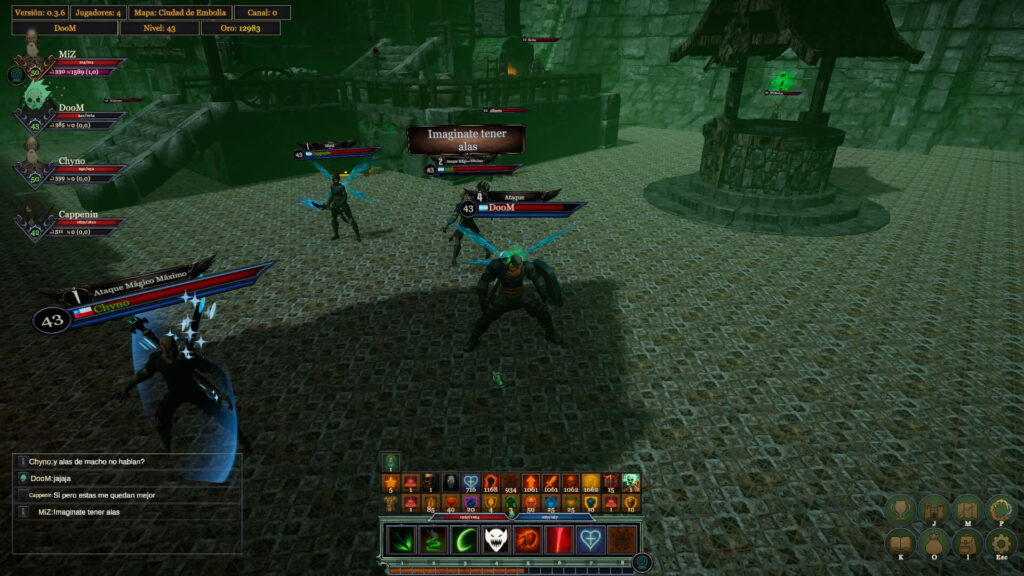
Battle For Embolia is a highly dynamic indie MMORPG built around responsive combat, fast decision-making, skill-based encounters, and regular updates. It is designed as a modern independent online role-playing game that moves away from older MMORPG structures built around static rotations and predictable enemy behavior. Instead, the game emphasizes real-time responsiveness, adaptive enemy AI, and a living world that can change through developer updates and player-driven events.
At its core, Battle For Embolia works as a shared online ecosystem where players create characters, join factions, explore large regions, and take part in both cooperative and competitive gameplay loops. Its indie structure gives the developers room to experiment with systems that blend action RPG fluidity with MMO-scale persistence. The world of Embolia is arranged through interconnected zones shaped by weather changes, resource availability, faction influence, and conflicts that evolve over time.
Players are treated as active contributors to the world rather than passive participants moving through fixed content. Large-scale player behavior can influence economic stability, territorial control, and even enemy spawn patterns. This makes the game’s world feel more reactive, since the actions of groups and factions can affect how different zones function over time.
The gameplay structure is built around three connected pillars: exploration, combat, and progression. Exploration is non-linear, allowing players to move through diverse biomes such as ruined industrial cities and mystical forests affected by unstable energy fields. These areas contain hidden encounters, environmental puzzles, and emergent events that appear without relying only on scripted triggers. Combat happens in real time and requires precise timing, positioning, aiming, dodging, and counterattacking rather than traditional tab-targeting. Progression is multi-layered, combining character leveling, skill tree specialization, equipment enhancement, and faction reputation into a strategic development system that affects both PvE and PvP performance.
Responsive Combat, Flexible Classes, and Weapon Build Options in Battle for Embolia
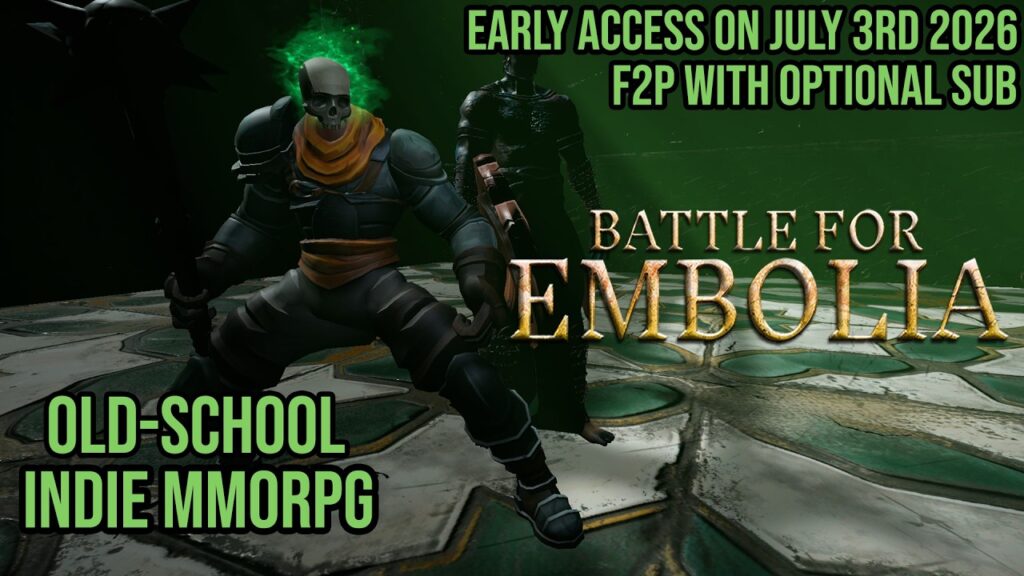
The responsive combat system is the defining feature of Battle For Embolia. It is built to reduce the delay between player input and on-screen action as much as possible, creating a fluid combat experience where timing matters. The system prioritizes animation canceling, directional dodging, and reactive blocking, so every action has weight and consequence. A poorly timed attack can leave the player vulnerable to counterattacks, while accurate timing and positioning can create major advantages in both solo and group encounters.
This combat approach is important because it bridges action game mechanics with long-term MMORPG progression. Instead of relying mainly on cooldown rotations, Battle For Embolia encourages improvisation and adaptability. Players must react to enemy behavior, adjust positioning, and choose when to attack, block, dodge, or retreat. That gives the game a mechanical skill layer usually associated with competitive action titles while still preserving the broader character growth, gear development, and online world persistence expected from an MMORPG.
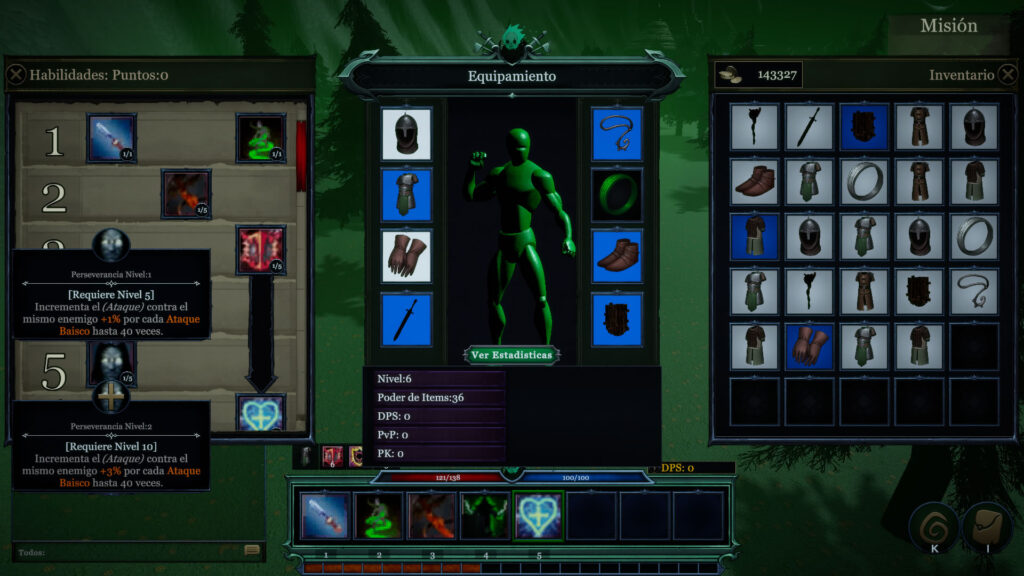
Character development supports this flexible design by using class archetypes rather than rigid job restrictions. Traditional roles such as tank, healer, and damage dealer exist, but they are not fixed identities that lock players into one style forever. Players can blend multiple skill paths to create hybrid builds, allowing offensive players to focus on high-mobility burst damage, defensive players to invest in control mechanics that manipulate enemy positioning, and support-oriented players to build around buffs, healing zones, and battlefield control effects. Respecialization is designed to be accessible enough that players can adjust their builds as their playstyle evolves.
Weapons also play a major role in how combat feels. They are not simply stat modifiers, since each weapon class changes attack chains, movement options, and special abilities. Light weapons emphasize speed, rapid combos, and evasive movement. Heavy weapons focus on impact, slower attacks, crowd control, and staggering enemies. Hybrid weapons combine parts of both approaches, offering versatility while sacrificing some specialization. Build customization is expanded further through modular enhancements that can alter weapon properties, including elemental effects, cooldown reduction mechanics, and lifesteal attributes. This creates a wide range of combat builds for both solo play and group encounters, while rewarding players who take time to master timing and combo structure.
Early Access Progression, PvE, PvP, and Open World Exploration in Battle for Embolia
Progression in the early access version of Battle For Embolia is structured around gradual content expansion and iterative balancing. Players advance through experience gain, gear acquisition, and skill unlocking systems that continue to grow as updates are introduced. Rather than relying only on a fixed linear level cap, progression is partially modular, allowing the developers to add new tiers of content without invalidating existing progress.
This modular structure is especially important for an evolving early access MMORPG. Returning players can integrate into updated systems without having to restart their journey, while new updates can expand the game without making older progress feel wasted. Battle For Embolia also includes adaptive scaling, allowing lower-level players to join some high-level group content through temporary stat normalization systems. This helps keep the game accessible while still preserving long-term progression goals for players who invest more time into character development.
PvE content focuses on dynamic encounters, world events, and structured dungeon exploration. Enemies are designed with adaptive AI behaviors that respond to player strategies, making encounters feel less repetitive. PvP is integrated into both the open world and structured arenas. Open-world PvP is faction-based, encouraging territorial control and resource competition, while arena PvP focuses more on competitive balance and ranked matchmaking. Both PvE and PvP connect through reward structures that encourage participation in multiple gameplay styles, including exclusive progression paths and cosmetic rewards.
The open world of Embolia is one of the game’s most ambitious systems. It is designed as a seamless environment without traditional loading barriers between major zones. Each region has its own ecological identity, faction influence, and environmental hazards, giving exploration a stronger sense of place. Discovery-based mechanics reward players for uncovering hidden dungeons, rare resource nodes, and lore fragments that contribute to world-building. Emergent world events occur unpredictably, encouraging players to stay alert while exploring, and traversal mechanics such as climbing, gliding, and region-specific movement abilities add vertical and horizontal depth to exploration.
Raid Bosses, Regular Updates, and Fair Monetization in Battle for Embolia
Raid encounters in Battle For Embolia are designed as large-scale cooperative challenges that require coordination, timing, and role synergy. Bosses use multi-phase mechanics that evolve during the fight and may change attack patterns based on player performance. This structure prevents raid encounters from feeling static, since groups must adjust their tactics as the battle develops instead of relying only on memorized rotations.
Group combat is built around synergy rather than rigid role enforcement. Players may need to shift between offensive and defensive responsibilities depending on what an encounter demands. Communication and positioning are therefore central to success, especially when boss mechanics force players to react quickly. Loot distribution is structured to reward participation fairly, reducing the likelihood of repetitive farming exploitation while encouraging consistent group engagement.
Regular updates are also a major part of the game’s identity. The development roadmap is structured around continuous content expansion, system refinement, and community-driven adjustments. Updates can introduce new zones, enemy factions, weapon types, and balance changes. This live development model allows Battle For Embolia to evolve in response to player behavior and feedback, helping the game avoid the stagnation that can affect more static MMORPG releases.
The game is also designed with accessibility and fair competition in mind. Its monetization model focuses on cosmetic and convenience-based systems rather than competitive advantage. Combat-relevant progression is earned through gameplay rather than purchases, which helps avoid pay-to-win mechanics. Cosmetic customization options such as visual skins, emotes, and aesthetic enhancements allow players to personalize their characters without affecting balance. This is especially important in PvP, where the developers want skill and strategy to remain the main factors behind success.
Battle for Embolia Early Access, Community Feedback, and Platform Availability
The early access phase of Battle For Embolia represents a major milestone in the game’s development lifecycle. While specific release timing may vary depending on development progress, the 2026 window is expected to focus on expanding core systems, refining combat responsiveness, and introducing additional world regions. Players entering early access should expect an evolving experience rather than a fully finalized product.
Because the game is still developing, systems may be adjusted frequently as the team reviews feedback and testing data. Content will expand over time, and the early access version is expected to change as balance, progression, combat responsiveness, and world structure are refined. This makes the game suitable for players who are comfortable with an active development process and want to see an MMORPG grow through updates.
Community engagement plays a central role in shaping Battle For Embolia. Developers monitor feedback through forums, social channels, and in-game analytics, using that information to guide balance changes, feature additions, and long-term design decisions. Players may contribute ideas that are directly incorporated into future updates, reinforcing the collaborative nature of the project. The indie development structure also allows for faster response times than many larger MMORPG studios, making the game more adaptive to community needs.
Battle For Embolia is optimized to run on a wide range of hardware configurations. The game prioritizes scalable performance settings, allowing players with lower-end systems to adjust graphical fidelity without sacrificing core gameplay functionality. PC is expected to be the primary release environment, with possible expansion to additional platforms depending on optimization progress and community demand.
Frequently Asked Questions (FAQs)
- What type of game is Battle For Embolia?
Battle For Embolia is a highly dynamic indie MMORPG that combines real-time combat, open-world exploration, and evolving multiplayer systems. It is built around a shared online world where players create characters, join factions, explore interconnected regions, and participate in PvE and PvP activities. Its main distinction is the way it blends action RPG responsiveness with persistent MMORPG progression. - Is Battle For Embolia focused more on PvE or PvP?
Battle For Embolia supports both PvE and PvP as major parts of the experience. PvE includes dynamic encounters, world events, adaptive enemies, and dungeon exploration, while PvP includes faction-based open-world conflict and structured arena modes. The reward systems are connected, so players who participate in both styles can access broader progression paths and cosmetic rewards. - Does Battle For Embolia require high mechanical skill?
Yes, the game requires more mechanical skill than many traditional MMORPGs because its combat system emphasizes timing, positioning, and reflex-based decision-making. Players need to aim, dodge, block, and counterattack in real time rather than depending only on tab-targeting or fixed cooldown rotations. Skillful play can make a major difference in difficult encounters, especially in PvP and raid situations. - Can players change their class or build easily?
The game supports flexible progression systems that allow players to adjust builds and experiment with different playstyles. Classes are built around archetypes rather than strict permanent roles, so players can blend damage, support, control, and defensive paths. Respecialization is designed to support evolving playstyles without heavily punishing long-term progression choices. - Is Battle For Embolia still in development?
Yes, Battle For Embolia is in an active early access development phase with ongoing updates and expansions. The 2026 early access window is expected to focus on refining combat responsiveness, expanding world regions, improving balance, and adding content over time. Players should expect a changing experience rather than a completely finalized release. - Does the game include open-world PvP?
Yes, faction-based open-world PvP is a core feature alongside structured competitive modes. Open-world PvP focuses on territorial control and resource competition, while arena PvP is designed around ranked matchmaking and competitive balance. This gives players different ways to engage in PvP depending on whether they prefer large-scale faction conflict or more controlled competitive matches. - How often does Battle For Embolia receive updates?
The game follows a regular update model with frequent content additions and system improvements. Updates may introduce new zones, enemy factions, weapon types, balance changes, and refinements based on player behavior and feedback. This live development structure is meant to keep the world active and prevent the game from feeling static. - Is Battle For Embolia free to play?
The provided information describes Battle For Embolia as a game designed around fair progression and accessibility, with monetization focused on cosmetics and convenience rather than pay-to-win mechanics. Combat-relevant progression is earned through gameplay, so purchases are not meant to provide competitive advantages. The key point is that the game’s economy is built to protect balance, especially in PvP. - What makes the combat system different from other MMORPGs?
Battle For Embolia uses a responsive, action-oriented combat system that replaces traditional tab-targeting with real-time skill-based mechanics. Players must aim, dodge, block, and counterattack dynamically, while enemy encounters scale based on group size and player skill levels. The system is designed to reward improvisation and mastery rather than only memorized rotations. - What platforms will Battle For Embolia be available on?
Battle For Embolia is primarily being developed for PC as its main release platform. The game is also being optimized with scalable performance settings so it can run across a range of hardware configurations. Expansion to other platforms may happen later, but that depends on optimization progress and community demand.

Conclusion
Battle For Embolia represents a modern evolution of the indie MMORPG genre by combining responsive combat, flexible progression systems, and a continuously evolving world structure. Its emphasis on skill-based gameplay, community-driven development, and dynamic world design positions it as a distinctive entry in the multiplayer RPG space. With influences from innovative design philosophies such as PixelHair and The View Keeper, the game pushes toward a more expressive and immersive future for online role-playing experiences.
Sources and Citations
- Game Design Skills. MMO Game Design.
https://gamedesignskills.com/game-design/mmo/ - Game Developer. 7 MMO Quest Types and How to Use Them.
https://www.gamedeveloper.com/design/7-mmo-quest-types-and-how-to-use-them - Game Developer. Building an RPG Battle System.
https://www.gamedeveloper.com/design/building-an-rpg-battle-system—part-1 - Unity. 2026 Unity Game Development Report.
https://unity.com/resources/gaming-report - Mordor Intelligence. Indie Game Market.
https://www.mordorintelligence.com/industry-reports/indie-game-market - GDC. The Year in Live Service Games: 2026 Edition.
https://schedule.gdconf.com/session/the-year-in-live-service-games-2026-edition/915395 - Game Developer. Late Game Lessons of Live Service Design.
https://www.gamedeveloper.com/game-platforms/late-game-lessons-of-live-service-design
Recommended
- All Bastards in Romeo is a Dead Man: Complete 21-Bastard List, Effects, Seeds & Fusion Recipes (2026 Guide)
- Blender Displace Hair Curves Geometry Nodes Preset
- Philippines iGaming Revenue Overtakes Offline Gambling in 2025 for the First Time
- Devil May Cry Nero: Character Backstory, Abilities, Game Appearances, and Lore Explained
- Cozy Game Restoration: Release Date, Demo, Gameplay, Steam Deck Support, and Everything We Know
- Assassin’s Creed Games Ranked
- Academy Software Foundation adopts OpenPGL: What the new ASWF Sandbox project means for path guiding renderers
- Star City: for All Mankind’s Soviet Spin-Off Explores Cold War Space Race Alternate History
- How to Tell If a Pokémon Card Is Fake: 15 Quick Tests Collectors Use (Texture, Light Test, Fonts & Holo)
- What is Aliens: Fireteam Elite 2? Full Overview of the Co-Op Shooter Sequel



































































































