






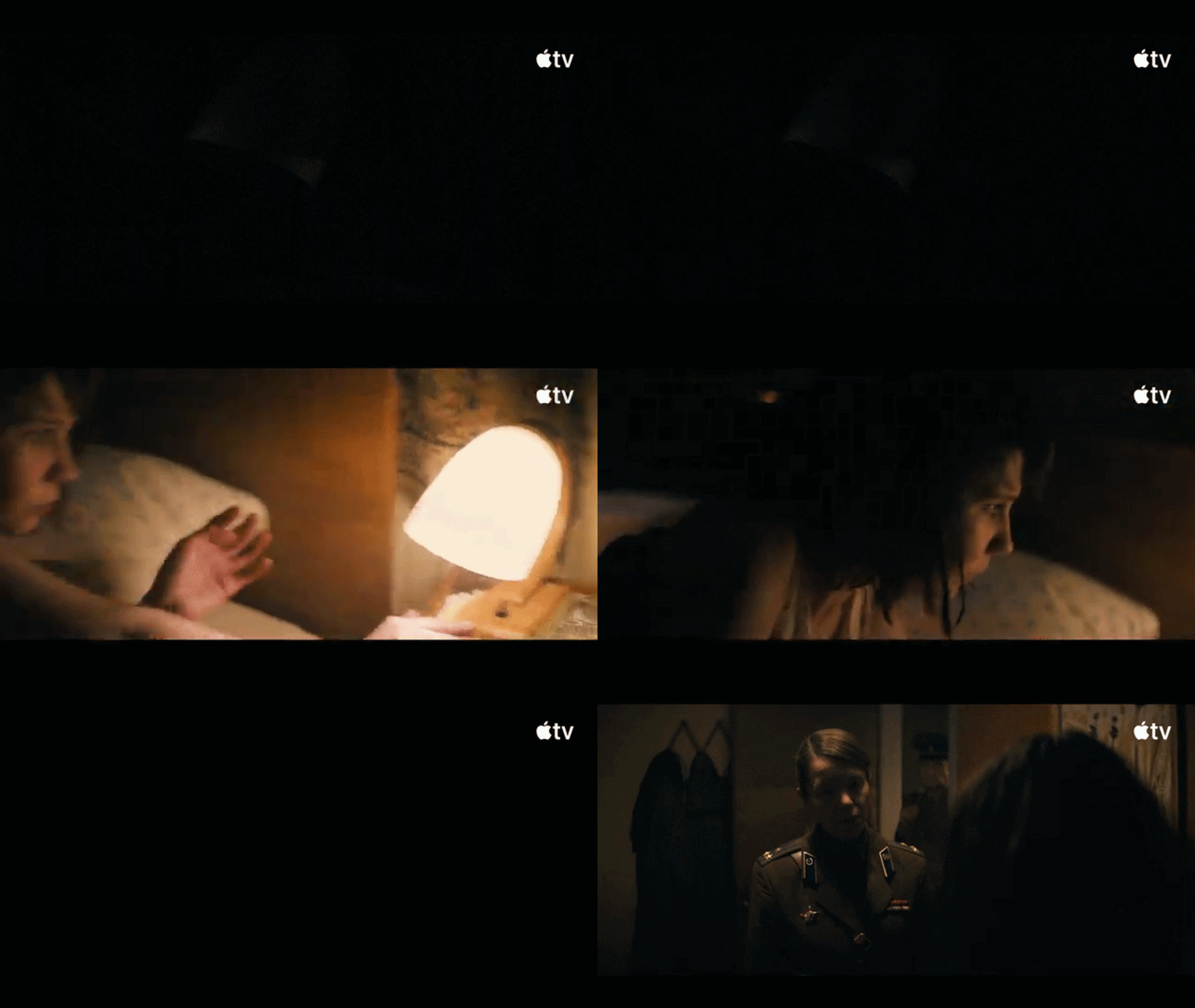
Star City: For All Mankind Spin-Off Explores the Soviet Side of the Cold War Space Race
Star City, the planned For All Mankind spin-off, represents one of the most ambitious expansions of Apple TV+’s alternate-history space drama universe. Building on the foundation of For All Mankind, the new series shifts focus away from NASA and the United States, instead immersing viewers in the Soviet space program during the Cold War. The series is expected to run parallel to events in the original show, but from the opposite geopolitical perspective.
The title Star City refers to the real-world cosmonaut training facility located near Moscow, historically used to prepare Soviet space travelers. In the context of the series, it becomes the central hub of astronaut training, technological experimentation, and ideological indoctrination. Developed for Apple TV+, the spin-off explores what life, science, politics, and espionage would look like inside the Soviet Union’s tightly controlled space infrastructure.
Unlike traditional space race narratives that center on American achievements, Star City reimagines history from the perspective of Soviet engineers, cosmonauts, and intelligence operatives. Unlike its parent series, which frequently alternates between NASA missions and political developments in the United States, Star City narrows its focus to the Soviet experience. It aims to explore the human side of cosmonauts who lived under strict secrecy, where failure was not only dangerous but potentially life-threatening due to political consequences.
At its core, Star City is not just a science fiction extension of For All Mankind. It is also a deep political and psychological exploration of ambition under authoritarian pressure, where scientific progress is inseparable from state surveillance and ideological control. By showing how the same global space race events might unfold under a different ideological system, the spin-off expands the narrative universe and enriches the alternate-history framework established by For All Mankind.

In This Article (11 sections)
Star City Release Date, Apple TV+ Schedule, and Franchise Expansion
As of now, Star City does not have a confirmed release date, but it is in active development under Apple TV+. Industry expectations suggest it will premiere after the next major season of For All Mankind, allowing production timelines to align with the expanding franchise schedule. The series is expected to follow a streaming release model similar to other Apple TV+ originals, likely debuting with a multi-episode premiere followed by weekly installments. However, no official episode rollout plan has been publicly finalized.
Production delays or scheduling adjustments are common in large-scale historical dramas, especially those requiring international filming and complex set reconstruction of Cold War-era environments. As a result, fans should expect updates closer to official promotional campaigns.
Star City significantly broadens the narrative scope of For All Mankind by shifting its storytelling lens to the Soviet Union’s internal space program. While the original series explores how NASA responds to global competition, Star City asks a deeper question: what if the Soviet system itself evolved differently under sustained pressure to win the space race?
The spin-off introduces:
- A fully developed Soviet space command structure
- Internal political conflicts within the Communist Party
- Rivalries between engineers and intelligence agencies
- A parallel technological evolution of spacecraft design
By doing so, Star City creates a dual-perspective universe where both superpowers are given equal narrative depth, transforming the franchise into a more complete alternate-history study of Cold War space exploration.
Soviet Space Race Setting, Alternate History, and Political Themes
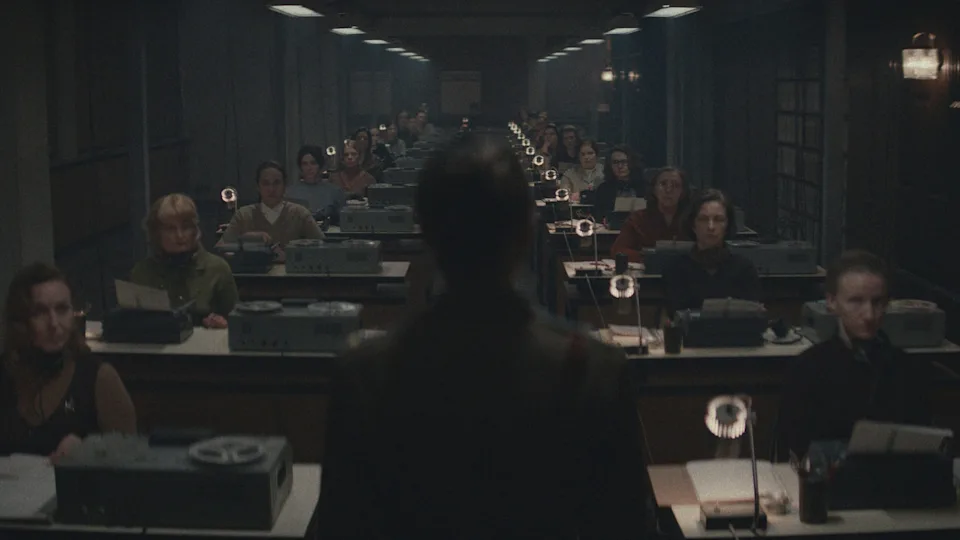
The decision to set Star City within the Soviet Union is central to its narrative identity. During the real Cold War, the Soviet space program was highly secretive, and much of its internal history remains less explored in Western media. By focusing on this perspective, the series examines how political ideology shaped scientific progress. The Soviet Union prioritised collective achievement and state propaganda, often at the expense of individual recognition and transparency.
Within the Star City narrative, the space race becomes not just a technological competition but also a psychological battlefield. Cosmonauts are depicted as both national heroes and political instruments, constantly monitored by state institutions, including the KGB. This setting allows the series to explore themes of trust, surveillance, and sacrifice in a way that differs significantly from Western space narratives.
Star City exists within the established alternate timeline of For All Mankind. While it draws heavily from real historical events, it is not a documentary or strictly factual retelling. Instead, it reimagines Cold War history with divergent outcomes. Key real-world elements such as the Soviet space program, cosmonaut training facilities, and early space missions are preserved, but their outcomes and political consequences are altered. The show’s realism comes from its grounding in actual historical research, while its narrative freedom allows it to explore “what if” scenarios that never occurred in real history.

Star City Plot, Cosmonauts, Espionage, and Cast Details
The plot of Star City centres on Soviet cosmonauts undergoing training and missions under extreme political pressure. While the exact storyline is still under wraps, the series is expected to include:
- High-risk space missions competing directly with NASA
- Internal sabotage and espionage within Soviet institutions
- Secret technological development programs
- Psychological strain on cosmonaut candidates
A major narrative component involves espionage, with intelligence operations influencing mission outcomes. The KGB plays a critical role in monitoring both domestic threats and potential defections. The series blends political thriller elements with science fiction realism, creating a tense environment where scientific discovery is constantly entangled with surveillance and ideological enforcement.
One of the most notable casting announcements for Star City is Rhys Ifans, who is expected to play a central figure in the Soviet space hierarchy. While full casting details remain limited, the ensemble is expected to include:
- Soviet cosmonaut trainees
- Senior aerospace engineers
- Political officers overseeing missions
- Intelligence operatives tied to state security
Rhys Ifans is rumoured to portray a high-ranking scientific or political figure who bridges the gap between innovation and ideological enforcement. The casting strategy mirrors For All Mankind by combining established actors with character-driven storytelling, emphasising emotional realism over celebrity-driven spectacle.

How Star City Depicts the Soviet Program Differently From For All Mankind
Unlike traditional portrayals of the Soviet space program, Star City aims to present a more humanised and internally complex system. The series also emphasises the bureaucratic structure of Soviet science, showing how innovation often had to pass through multiple layers of approval before implementation. This depiction contrasts with Western portrayals, which often simplify Soviet space achievements into a binary narrative of success or failure.
Key differences in its depiction of the Soviet space program include:
- Focus on individual cosmonaut psychology
- Internal competition between design bureaus
- Political interference in mission planning
- Hidden failures and classified accidents
While Star City is part of the same universe as For All Mankind, the two shows differ significantly in tone and focus. Star City is expected to be darker and more psychologically intense, reflecting the surveillance-heavy environment of the Soviet Union.
Key distinctions between the two shows include:
- Perspective: NASA vs. the Soviet space program
- Political framing: democratic vs. authoritarian systems
- Narrative tone: exploratory ambition vs. controlled secrecy
- Character focus: astronauts vs. cosmonauts
Together, both shows create a dual narrative structure that explores how ideology shapes scientific progress. Star City expands the universe by giving the Soviet side of the space race the same dramatic depth that For All Mankind gives to NASA and the United States.

Star City’s Chief Designer, Soviet Space Achievements, and Alternate-History Engineering
The Chief Designer archetype in Star City is expected to be a central figure representing the Soviet aerospace engineering establishment. In historical context, this role mirrors real Soviet design bureaus, where figures such as Sergei Korolev shaped early space achievements. In the series, the character is likely to be fictionalised but inspired by these historical figures, serving as a symbolic bridge between innovation and ideology.
This character is expected to oversee spacecraft development, balance political demands with engineering realities, face pressure from state security agencies, and mentor younger engineers and cosmonauts. Through this role, Star City can explore the tension between scientific ambition and political control, showing how engineering decisions are shaped not only by technical challenges but also by the expectations of the Soviet state.
Star City is also expected to incorporate real Soviet space milestones within its alternate-timeline structure. However, these achievements will likely be reinterpreted through the lens of divergence established by For All Mankind. Possible included elements include:
- Early satellite launches
- Human spaceflight milestones
- Space station development programs
While these events may be rooted in real history, their outcomes may differ because of the show’s alternate timeline framework. This allows Star City to preserve the realism of Soviet space history while expanding it into speculative territory.
KGB Espionage, Surveillance, and the Political Thriller Elements of Star City
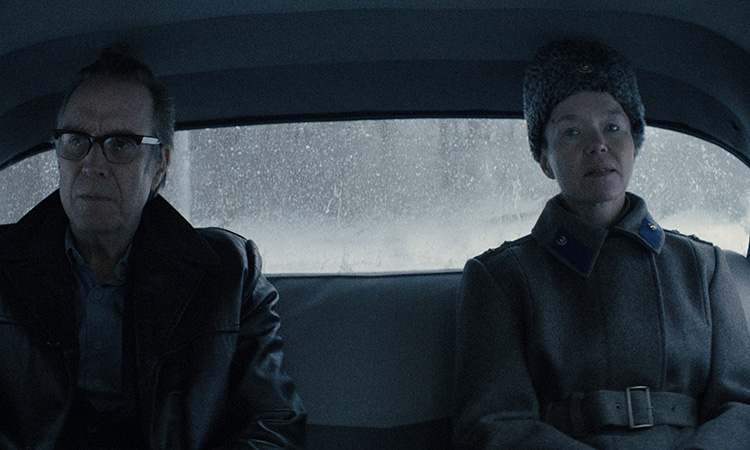
Espionage plays a critical role in Star City, with the KGB acting as both protector and enforcer of state interests. Within the narrative, the KGB influences cosmonaut selection processes, mission secrecy protocols, internal investigations of sabotage, and the surveillance of scientists and engineers. This constant oversight creates an atmosphere of paranoia, where even scientific achievement is monitored for political loyalty.
The presence of espionage transforms Star City from a pure space drama into a hybrid political thriller. Scientific discovery is not treated as separate from state power; instead, it becomes part of a larger system of ideological control. The KGB’s role reinforces the idea that every mission, experiment, and personal relationship may carry political consequences.
These elements connect directly to the show’s broader themes of power, surveillance, sacrifice, and Cold War competition. Power is explored through the intersection of science and political authority, while surveillance is shown through constant monitoring by state intelligence agencies. Sacrifice reflects the personal cost of national ambition, and ideology shapes the competing visions of progress and control. Together, these themes give Star City a deeper philosophical layer beyond traditional science fiction storytelling.

Star City Filming Locations, Production Style, Episode Count, and Season Structure
Although official filming details remain limited, Star City is expected to use European production facilities to recreate Cold War-era Soviet environments. Likely production approaches include:
- Soundstage recreations of Star City training facilities
- Eastern European architectural stand-ins for Soviet settings
- Practical set design for spacecraft interiors
- Digital effects for orbital sequences
This production style aligns with Apple TV+’s reputation for high-budget, cinematic television storytelling. By combining practical sets with digital effects, the series can recreate both the grounded atmosphere of Soviet institutions and the scale of orbital space missions.
The official episode count for Star City has not been confirmed. However, based on other Apple TV+ productions, it is expected to follow a structured seasonal format of approximately 8 to 10 episodes per season. The series may also adopt serialized storytelling arcs per mission, multi-episode mission sequences, and character-driven subplots spanning entire seasons. This structure would allow for deep narrative exploration without rushing major historical or fictional developments.

Frequently Asked Questions (FAQs)
- What is Star City about?
Star City is a spin-off of For All Mankind that shifts the focus away from NASA and toward the Soviet space program. It is expected to explore the people, politics, secrecy, and pressure behind the Soviet side of the space race, showing how cosmonauts, engineers, officials, and intelligence figures operate inside that system. - Is Star City connected to For All Mankind?
Yes, Star City takes place in the same alternate-history universe as For All Mankind. That means it shares the same broader timeline where the space race unfolds differently from real history, but it tells the story from the Soviet perspective instead of the American one. - When will Star City be released?
No official release date has been announced yet. Since the series is still being developed and promoted gradually, Apple TV+ will likely confirm the release window closer to launch through a trailer, press announcement, or official listing. - Who stars in Star City?
Rhys Ifans is among the confirmed cast members for Star City. More cast details are expected as Apple reveals additional information, especially because a show focused on the Soviet program will likely include cosmonauts, military figures, engineers, government officials, and intelligence officers. - Where is Star City set?
Star City is expected to be set primarily within the Soviet Union’s space training facilities, including the secretive environment where cosmonauts prepare for missions. The setting will likely include training centers, government offices, mission control-style facilities, and locations tied to Soviet political oversight. - Is Star City based on real events?
Star City is inspired by real history, especially the Soviet space program and the secrecy surrounding it, but it is not a direct retelling of real events. Like For All Mankind, it uses an alternate timeline, meaning real historical ideas may be mixed with fictional characters, changed outcomes, and new storylines. - What streaming platform will it be on?
Star City will stream on Apple TV+. Since For All Mankind is also an Apple TV+ series, the spin-off will remain part of the same platform’s science-fiction and alternate-history lineup. - Does the KGB appear in Star City?
Yes, the KGB is expected to play a major role in the series. Because the show focuses on the Soviet side of the space race, intelligence control, secrecy, surveillance, and political pressure will likely be major parts of the story. - How many episodes will Star City have?
The episode count has not been confirmed yet. Apple TV+ has not announced how many episodes the season will include, so viewers will need to wait for official production or release details. - What makes Star City different from For All Mankind?
The main difference is perspective. For All Mankind mostly follows NASA and the American side of the alternate space race, while Star City focuses entirely on the Soviet experience. This should give the spin-off a different tone, with more emphasis on secrecy, political tension, state control, and the risks faced by those working inside the Soviet system.
Conclusion
Star City: For All Mankind’s Spin-Off Turns Back the Clock. and Lands in the Soviet Union represents a major expansion of the alternate history universe pioneered by For All Mankind. By shifting focus to the Soviet Union, the series offers a darker, more politically charged exploration of the space race, where scientific ambition is inseparable from surveillance and ideology.
Through its portrayal of cosmonauts, engineers, and intelligence operatives under constant pressure from the KGB, Star City deepens the franchise’s exploration of humanity’s drive to reach beyond Earth while remaining bound by political systems.
With strong casting such as Rhys Ifans and production backing from Apple TV+, the series is positioned to become a significant addition to modern science fiction television.
Sources and Citations
- Apple TV+ Official Press Announcements and Streaming Catalog Information
- Apple TV+ For All Mankind Official Press Page
- Citation: Apple TV Press, “For All Mankind” official series page.
- Apple TV+ For All Mankind News and Press Releases
- Citation: Apple TV Press newsroom archive featuring renewal announcements and the “Star City” spinoff announcement.
- Apple TV+ Season Five First Look and Release Date Announcement
- Citation: Apple TV+ official season five announcement and premiere details.
- Apple TV+ Episodes and Production Images Archive
- Citation: Apple TV Press episode guides, production stills, and release materials.
- NASA Historical Archives on Space Race Development
- NASA Mission Transcripts Archive (Mercury, Gemini, Apollo)
- Citation: NASA historical mission transcript collection covering Mercury, Gemini, and Apollo programs.
- NASA Project Mercury Archive
- Citation: NASA overview of the United States’ first human spaceflight program.
- NASA Project Gemini Archive
- Citation: NASA historical overview of Project Gemini and its role as a bridge to Apollo.
- NASA Human Spaceflight Historical Overview
- Citation: NASA retrospective on Mercury, Gemini, Apollo, and early human spaceflight achievements.
- National Air and Space Museum Space Race History
- Citation: Smithsonian National Air and Space Museum historical analysis of the Space Race and NASA programs.
- Public Interviews and Industry Reports Regarding For All Mankind Universe Expansion
- Apple Announces Star City Spinoff Series
- Citation: Apple officially announced the “Star City” expansion of the For All Mankind universe.
- Space.com Star City Universe Expansion Coverage
- Citation: Coverage discussing the Soviet-focused expansion of the For All Mankind universe and alternate-history storytelling.
- TechRadar Interview on Star City Development
- Citation: Interviews with creators Matt Wolpert and Ben Nedivi discussing production, realism, and future storytelling approaches.
- Decider Interview on the Soviet Perspective in Star City
- Citation: Creator commentary on expanding the For All Mankind universe through Soviet space-race narratives.
- Historical References on Soviet Space Program and Star City Cosmonaut Training Facility
- Space.com History of Star City Cosmonaut Training Center
- Citation: Historical overview of Star City (Zvezdny Gorodok), the Soviet and Russian cosmonaut training complex.
- Space.com Soviet Space Program Background for Star City
- Citation: Analysis of Soviet lunar ambitions, Sergei Korolev, and Cold War-era space operations.
- Wikipedia Space Race Historical Overview
- Citation: Historical timeline and comparison of Soviet and American spaceflight achievements during the Cold War.
- Entertainment Industry Coverage of Casting Announcements and Production Development Updates
- Tom’s Guide Star City Review and Cast Coverage
- Citation: Coverage of cast performances, production design, and launch of the For All Mankind spinoff.
- Decider Star City Production Feature
- Citation: Interviews with producers and discussion of character development, casting, and production goals.
- TechRadar Star City Production Development Report
- Citation: Reporting on visual effects, filming techniques, and creative development behind the series.
- Space.com Star City Series Coverage
- Citation: Coverage of production background, historical inspirations, and development of the spinoff series.
Recommended
- Assassin’s Creed 4: Black Flag Almost Had an Entirely Different Version of Blackbeard’s Dying Words (Original Line, Cut Dialogue, and Why It Changed)
- How do I make the camera orbit around an object in Blender?
- Why A Switch 2 Price Increase May Be “Inevitable”
- Cinema 4D Gets Powerful New Gaussian Splatting Plug-In: Gaussian Splat Studio for Redshift Workflows
- Star Wars Viewing Figures Reveal a Surprising Lack of Interest in the Sequel Trilogy Era
- The Christophers Review (2026): Cast, Plot, Ending Explained & Why Steven Soderbergh’s Art Drama Is a Must-Watch
- Bluey’s Happy Snaps Trailer Reveals Fall 2026 Launch, Platforms, Gameplay, and Co-Op Details
- How To Fast Travel In Windrose And Get More Fast Travel Bells (Complete Beginner Guide)
- Peaky Blinders: The Immortal Man Review – Is Tommy Shelby’s Return Worth It?
- Plasticity 2026.1 Adds New Commands & Improves Old Ones: PolySplines, Slot, and Hidden Line Export



































































































