







In This Article (9 sections)
Best Video Game Movies and Shows and Why Adaptations Are Better Now
Recent years have produced several video game adaptations that earned strong critical acclaim across both television and film. On television, Netflix’s Arcane: League of Legends Season 2 currently leads with a perfect 100% critic score, while HBO’s The Last of Us Season 1 and Season 2 both received 96%. Amazon’s Fallout Season 2 also scored 96%, following Season 1 at 93%. Other popular series include The Witcher, especially its praised second season, and Arcane Season 1.
On the movie side, the highest-rated video game films on Rotten Tomatoes include Sonic the Hedgehog 3 at 85% and Werewolves Within at 86%. Earlier hits such as Detective Pikachu at 84% and Angry Birds Movie 2 at 72% also earned Fresh ratings. These rankings show that successful adaptations now span a wide range of genres, including animated series, prestige dramas, horror comedies, family films, and live-action hybrids based on gaming IP.
Video game adaptations have improved because studios no longer treat them mainly as low-budget gimmicks or quick tie-ins. Industry analysts point to bigger budgets, better writing rooms, more sophisticated production design, and a stronger willingness to involve people who understand the source material. Streaming platforms have also helped normalize TV-scale budgets for game-based projects, allowing shows like The Last of Us to spend time on character-driven scenes focused on grief, silence, and survival.
This change has raised audience expectations. Modern adaptations are more likely to be treated as prestige projects, with the same storytelling care and production values associated with major films and premium television. By matching cinematic quality with respect for the original games, video game movies and shows have moved far beyond the campy, hurried productions of earlier decades. Fans and new audiences now take them more seriously and expect faithful adaptations that capture the spirit of the games.

The Last of Us, Arcane, Sonic, and the Mainstream Rise of Game Adaptations
The Last of Us became an instant television phenomenon after its 2023 debut on HBO. It averaged roughly 30 to 40 million viewers per week, putting it alongside major hits like House of the Dragon. Critics and audiences praised the way it expanded the game’s story while preserving its emotional core, and Rotten Tomatoes described it as bingeworthy TV that ranks among the greatest video game adaptations. Its Emmy attention across acting, writing, and production further showed that a game adaptation could function as mainstream prestige television.
Arcane helped set a similar standard for animated adaptations. Based on League of Legends, its second season earned a flawless 100% critic rating, while its lush animation and deep characterization pushed expectations for what game-based television could achieve. Its success followed the acclaim of Netflix’s Castlevania and helped renew interest in animated projects based on game franchises. Even family-oriented animated properties such as Pokémon and Angry Birds show that animation can capture the charm, style, and energy of gaming worlds when handled well.
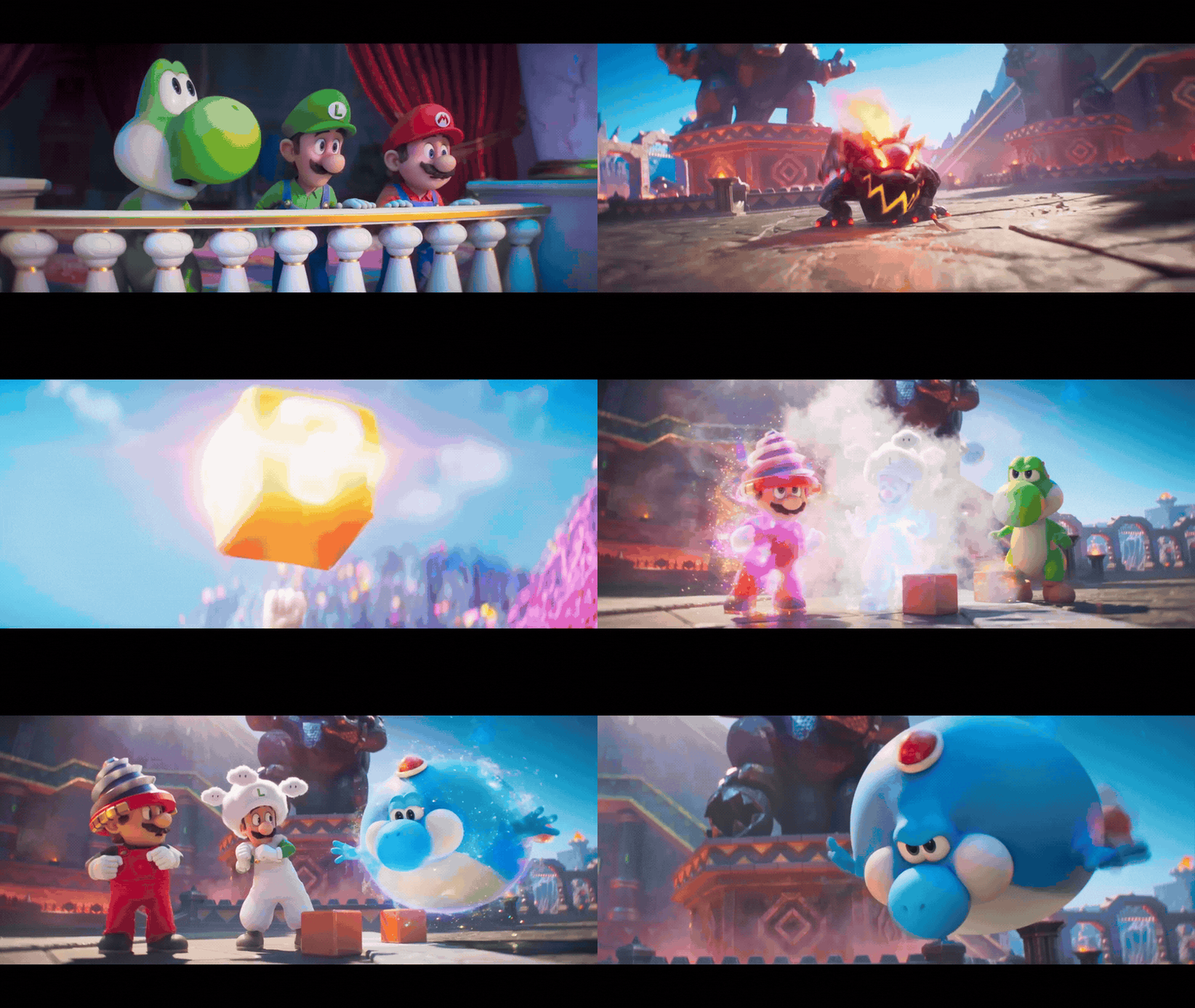
Family-friendly adaptations have also become reliable commercial performers. Paramount’s Sonic the Hedgehog films showed that a video game movie could be both broadly accessible and well received, with the 2020 film and its sequel together grossing over $1.3 billion worldwide. Sonic’s positive reception helped prove that game films could preserve a character’s appeal on screen while reaching family audiences. Other examples, including The Super Mario Bros. Movie, Detective Pikachu, Angry Birds, and Wreck-It Ralph, show how colorful visuals and light-hearted adventure can make gaming worlds approachable even for viewers who are not gamers.
Together, The Last of Us, Arcane, and Sonic show the range of successful modern adaptations. Prestige drama, mature animation, and family adventure all serve different audiences, but each succeeds by respecting what made the original property work. Their success has encouraged studios to treat game IP as flexible source material that can support serious drama, animated worldbuilding, and broad theatrical entertainment.

Fallout, Animated Series, and Live-Action Films That Define the Current Adaptation Boom
Amazon’s Fallout has become one of the clearest examples of a game world translating successfully to television. Season 1 debuted in 2024 with strong reviews and a 93% Rotten Tomatoes score, while Season 2 continued the trend with 96%. Critics praised the show for feeling like a true extension of the games, particularly through its dark humor, survival themes, and post-apocalyptic setting. Its success reflects a broader pattern in which narrative-rich and atmospheric games are especially well suited to streaming television.
Streaming series give complex game universes room to unfold over multiple episodes. Fallout can explore lore, characters, comedy, drama, and action in a way that would be difficult to compress into a short film. That flexibility also explains why series like The Last of Us have been able to reach both longtime fans and newcomers. When a show captures the atmosphere of the original game while making its world accessible to a wider audience, it can become more than a direct adaptation.
Animation remains one of the strongest formats for game-based storytelling. Arcane leads the field with its 100% rating, while Castlevania has been praised across multiple seasons for mature storytelling and strong production values. Dota: Dragon’s Blood and The Cuphead Show! also show how different visual styles can preserve the identity of their source games. These series are often praised because they capture the essence of the games visually and narratively, allowing fantasy, sci-fi, and stylized worlds to expand naturally into episodic adventures.
Live-action and live-action CGI hybrid films have had more mixed histories, but recent examples show clear improvement. Sonic the Hedgehog and Sonic the Hedgehog 2 earned Fresh ratings and praise for capturing Sonic’s personality, while Detective Pikachu became notable for earning a Fresh score and integrating the Pokémon world into a live-action setting. Mortal Kombat and the Tomb Raider reboot received more mixed responses, but they still reflect ongoing efforts to bring game worlds to screen with greater attention to tone, action, and fan expectations.

Horror, Critical Acclaim, and Faithfulness in the Best Video Game Adaptations
Horror has become an important subgenre within video game adaptations, even if it has produced fewer outright critical hits than drama, animation, or family adventure. Werewolves Within stands out as one of the most praised examples, holding an 86% rating and showing that comedic horror based on a game can work when suspense, tone, and character are handled effectively. Resident Evil and Silent Hill also remain culturally significant, with the Resident Evil films popular among audiences despite weaker critical reception and the first Silent Hill film gaining cult status.
The highest-rated adaptations tend to share a pattern of strong production, thoughtful storytelling, and respect for the original material. On television, Arcane Season 2 stands at 100%, followed by The Last of Us Season 1 and Fallout Season 2 at 96%. On film, Rotten Tomatoes highlights Werewolves Within at 86% and Sonic the Hedgehog 3 at 85%, while Detective Pikachu, Sonic the Hedgehog, and Angry Birds Movie 2 also earned Fresh scores. These examples suggest that critics respond most strongly when adaptations are polished, emotionally engaging, and connected to the spirit of the games.
Faithfulness is often central to that positive reception. The Last of Us was praised for retaining the most addictive aspects of the game while deepening character arcs, and Fallout was commended for feeling like a true extension of the games through its style and humor. Both benefited from the involvement of people familiar with the source material, which helped preserve tone and worldbuilding. Arcane also stands out for closely following key events and themes from League of Legends canon, while Detective Pikachu integrated Pokémon and game references in a way that felt natural.
The most successful adaptations treat the game’s story and world as a foundation rather than a limitation. They expand thoughtfully instead of changing the source outright, which helps them satisfy core fans while remaining accessible to new viewers. Whether in horror, prestige drama, animation, or family film, the best-reviewed projects show genuine care for the original games and use that respect as the basis for stronger storytelling.

Underrated Adaptations, Common Failures, and What Is Coming Next
Some video game adaptations have gained appreciation over time despite limited critical attention or mixed initial reception. Mortal Kombat from 1995 and Dragon’s Dogma from 2020 have developed fan followings, while Netflix’s Castlevania is sometimes overlooked by mainstream audiences even though fans frequently cite it as one of the strongest game-based series. Older films such as Super Mario Bros. from 1993 and Street Fighter from 1994 are generally panned, but they still carry nostalgic value for gamers who grew up with them.
Underrated adaptations often survive through word-of-mouth, streaming availability, or dedicated fan communities. Hitman from 2007, starring Timothy Olyphant, is one example of a lesser-known entry that some fans praise as faithful and entertaining despite a lukewarm critical response. These projects show that positive fan reception does not always align with initial hype, reviews, or box-office success. Some adaptations are valued for ambition, camp, loyalty to the source, or the way they represent a specific moment in game culture.
Many adaptations fail when they treat the game mainly as a brand rather than as a story, world, or experience with its own appeal. Early attempts often borrowed names and visuals while building everything else from scratch, creating stories that felt hollow. Without respect for the game’s lore, tone, or emotional appeal, audiences quickly lose interest. Budget limitations and production problems can also weaken adaptations, especially when studios try to compress a large game story into a short film without enough resources, writing, or direction.
The upcoming adaptation slate remains crowded. Films announced for 2026 include Resident Evil on Sept 18, 2026 and Street Fighter on Oct 16, 2026. High-profile projects expected in 2027 include Sonic the Hedgehog 4, a Legend of Zelda movie, Minecraft, and Helldivers starring Jason Momoa. On television, an Alan Wake series for Netflix and a live-action Tomb Raider show are in development, while Wizards of the Coast is reportedly working on remakes of the original Baldur’s Gate games. The coming years will bring both sequels to successful franchises and new attempts to reboot classic titles for modern audiences.
Frequently Asked Questions (FAQs)
- What are the top-rated video game adaptations?
Based on critic scores, Arcane Season 2 is one of the highest-rated television adaptations with a perfect 100% rating. The Last of Us Season 1 and Season 2, along with Fallout Season 2, also rank among the strongest TV examples with 96% scores. Among movies, Werewolves Within and Sonic the Hedgehog 3 are leading examples, while Detective Pikachu and Angry Birds Movie 2 also earned Fresh ratings. - Why have recent video game adaptations improved in quality?
Recent adaptations have improved because studios now invest in higher budgets, stronger writing rooms, and more sophisticated production design. Modern projects are also more likely to involve creators and teams who understand the source material, which helps preserve the tone, lore, and appeal of the games. This has led to adaptations that feel more polished, more faithful, and more capable of attracting both fans and general audiences. - Why was The Last of Us series so successful?
The Last of Us succeeded because it combined a faithful version of the game’s story with strong performances, careful writing, and HBO-level production quality. It expanded the original narrative without losing its emotional core, which helped it appeal to longtime fans and viewers who had never played the game. Its 30 to 40 million weekly viewers and major awards attention showed that a character-driven game adaptation could become prestige television. - Is Arcane really the best video game show?
Many fans and critics consider Arcane one of the best video game shows, especially because Arcane: League of Legends Season 2 holds a perfect 100% critic rating. Its animation, character work, and mature storytelling set a new standard for animated adaptations. While preferences vary, Arcane is widely treated as a benchmark for how game worlds can be expanded into high-quality television. - How did the Sonic movies perform?
The Sonic the Hedgehog movies performed extremely well with family audiences. The 2020 film and its 2022 sequel grossed over $1.3 billion combined and earned positive reviews, making Sonic one of the most successful game-to-film franchises. Critics and viewers responded to the films because they captured Sonic’s personality while offering colorful, accessible adventure for broad audiences. - What makes Fallout stand out among adaptations?
Fallout stands out because it captures the dark humor, post-apocalyptic atmosphere, and survival themes of the games. Critics said the show feels like a true extension of the games, which helped it earn strong Fresh ratings for both seasons. Its success also shows how richly detailed game worlds can work especially well as streaming series, where there is enough time to explore lore, characters, and tone. - Are there any good animated game series besides Arcane?
Yes. Netflix’s Castlevania is highly regarded for its mature storytelling and strong production values, while Dota: Dragon’s Blood and The Cuphead Show! also earned attention for adapting their game worlds effectively. These shows demonstrate that animation is especially well suited to preserving the visual identity, tone, and fantasy elements of games. They also show that game-based animation can appeal to both fans and wider audiences. - Which live-action game movies have critics liked?
Critics have responded positively to films such as Sonic the Hedgehog, Sonic the Hedgehog 2, Detective Pikachu, and Sonic the Hedgehog 3. Detective Pikachu was especially notable as a live-action CGI hybrid that integrated many Pokémon and game references smoothly. The live-action adaptations that tend to perform best are those that stay true to the game’s spirit while still working as accessible films. - Why do some game movies fail so badly?
Some game movies fail because they ignore what made the original game compelling. Early adaptations often borrowed names, visuals, or gimmicks while building unrelated stories around them, which left fans feeling disconnected from the result. Others struggle because of weak writing, rushed production, limited budgets, or attempts to compress a large game world into a short film without enough care or craftsmanship. - What upcoming game adaptations should fans watch for?
Fans should watch for announced films such as Resident Evil in 2026 and Street Fighter in 2026, along with Sonic the Hedgehog 4 and a Legend of Zelda movie planned for 2027. Other projects in the pipeline include Minecraft, Helldivers starring Jason Momoa, an Alan Wake series for Netflix, and a live-action Tomb Raider show. These upcoming projects suggest that studios will continue pursuing both sequels to successful franchises and reboots of classic game properties.
Conclusion
The landscape of video game adaptations has transformed. Where once such projects were mocked, they now often earn prestige. Series like The Last of Us and Arcane and films like Sonic the Hedgehog have shown that with the right approach, faithful storytelling, high production values, and collaboration with game creators, video game movies and shows can become critical and commercial successes. Upcoming adaptations promise to expand this trend, as studios leverage streaming platforms and technology to bring gaming worlds to life. For fans and general audiences alike, the current era is yielding some of the most engaging game-inspired content to date.
Sources and Citations
- Rotten Tomatoes + Game Adaptation Rankings
- Rotten Tomatoes analysis of video game adaptations
- Official Rotten Tomatoes editorial (video game adaptations overview):
https://editorial.rottentomatoes.com/article/every-upcoming-video-game-movie-and-tv-adaptation/ - Rotten Tomatoes critics discussion on adaptations:
https://editorial.rottentomatoes.com/article/film-critics-break-down-the-best-and-worst-video-game-adaptations-2/ - Statistical overview of poor adaptation performance (RT averages ~27% historically):
https://www.scrippsnews.com/entertainment/movies/why-are-video-game-movies-so-bad
- Box Office + Streaming Performance Reports
- Video game adaptations commercial success trends
- Box office performance of adaptations like Minecraft, Mario, Fallout:
https://ew.com/a-minecraft-movie-first-weekend-at-box-office-157-million-11709990 - Fallout success and streaming dominance:
https://www.theguardian.com/tv-and-radio/2024/apr/19/success-of-fallout-proves-video-game-adaptations-have-gone-mainstream - Industry analysis showing adaptation boom:
https://www.advanced-television.com/2026/01/05/analysis-video-game-adaptations-up-30-annually-since-2019/ - Ampere Analysis study (272 adaptations, rising commissions):
https://senalnews.com/en/data/studios-race-for-game-ip-as-commissions-rise-30-annually
- Industry Interviews & Expert Commentary
- Why adaptations are improving / industry thinking
- Game industry expert analysis (GameSpot interview):
https://www.gamespot.com/articles/industry-insiders-explain-why-video-game-movies-are-getting-better-and-more-popular/1100-6488053/ - Take-Two CEO commentary on adaptation risk:
https://www.reddit.com/r/boxoffice/comments/1brc0y4 - Critical framing of adaptation success factors:
https://www.time.com/6966286/fallout-video-game-adaptation/
- Key Supporting Data Sources (Industry Trend Evidence)
- Historical Rotten Tomatoes + adaptation failure rates
- Forbes analysis of adaptation box office vs critics gap:
https://www.forbes.com/sites/conormurray/2023/10/27/top-video-game-adaptations-slammed-by-critics-that-scored-big-at-the-box-office-as-five-nights-at-freddys-gets-poor-reviews/ - Video game adaptation failure rate (~27% RT average):
https://www.scrippsnews.com/entertainment/movies/why-are-video-game-movies-so-bad
Recommendations
- Trish from Devil May Cry: Complete Character Guide
- Konami Confirms Metal Gear Solid: Master Collection Vol. 2 Won’t Have MGS4’s Metal Gear Online, but Peace Walker Multiplayer Will Return
- Fortnite Season 2 Launch Trailer Shows Off Wacky New Mobility Items and Gameplay Features
- The Adventures of Cliff Booth IMAX Release Date and Theater Window
- RPG Legend Josh Sawyer Says Obsidian Has No Opposition to Baldur’s Gate 3-Style Romance Systems
- Mortal Kombat II Set for Massive Box Office Launch as Mortal Kombat III Already Moves into Development
- How Geology and VFX Helped Rebuild Prehistoric Earth for Netflix’s the Dinosaurs
- A MAZE. / Berlin Is Back for Its 15th Edition: Dates, Tickets, Venues, and Awards for 2026
- A Star Wars Expansion Is Coming to PowerWash Simulator 2: Everything You Need to Know About the Galactic Cleaning Adventure
- Wo Long: Fallen Dynasty Complete Edition, Official Nintendo Switch 2 Announcement Trailer Breakdown, Release Date & Full Details



































































































