


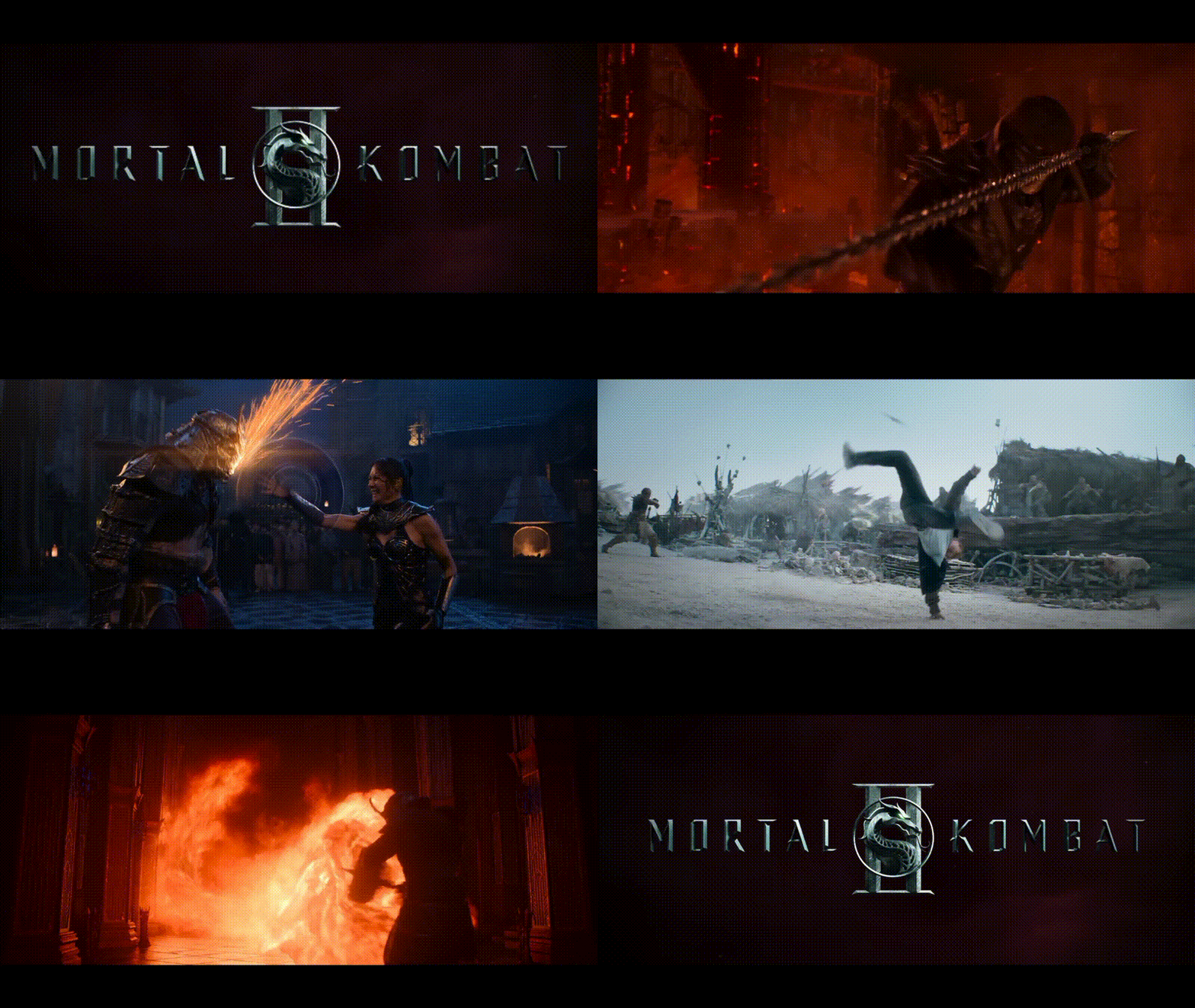
The return of the Mortal Kombat franchise to theaters is shaping up to be one of the biggest video game movie events of 2026. After the success of the 2021 reboot, Warner Bros. is now positioning Mortal Kombat II as a major blockbuster release with significantly higher expectations, a larger cast, more recognizable characters, and expanded franchise ambitions. Even more notably, reports indicate that Mortal Kombat III is already in active development before the second film has officially premiered.
The strategy signals enormous confidence from Warner Bros. in the future of the Mortal Kombat cinematic universe. The studio appears determined to transform the franchise into a long-running theatrical powerhouse capable of competing with other major gaming adaptations like Sonic the Hedgehog, The Super Mario Bros. Movie, and Five Nights at Freddy’s.
With early tracking projections, fan anticipation, and strong online engagement surrounding the first footage and casting announcements, Mortal Kombat II could become one of the defining box office stories of 2026.
Mortal Kombat II Box Office Predictions and Opening Weekend Expectations
Industry analysts are already projecting a massive opening for Mortal Kombat II based on several key indicators. The combination of brand recognition, nostalgia, improved theatrical conditions, and audience demand for action-heavy franchise films gives the sequel a strong commercial foundation.
The first Mortal Kombat reboot released in 2021 during a difficult theatrical environment heavily impacted by hybrid streaming distribution and pandemic-era restrictions. Despite those obstacles, the film still generated strong digital engagement, high streaming viewership on Max, and respectable worldwide box office numbers relative to its budget.
Now, Warner Bros. is bringing Mortal Kombat II to theaters under far more favorable conditions. Analysts believe the sequel could significantly outperform the first movie thanks to expanded marketing, improved audience awareness, and the inclusion of major fan-favorite characters.
Opening weekend estimates currently place the film in the range of a major action franchise debut. Some projections suggest a domestic opening above $70 million if marketing momentum continues to build. International markets could also play a major role, particularly in territories where fighting games maintain strong popularity.
The franchise has always possessed global appeal due to its iconic characters, tournament structure, and instantly recognizable brand identity. Mortal Kombat’s cross-generational fan base further increases its commercial potential because longtime gamers and newer audiences are both expected to support the film.
Premium large-format screenings such as IMAX and Dolby Cinema are also expected to boost revenue. The sequel’s emphasis on larger-scale battles and visual spectacle makes it particularly suited for premium theatrical experiences.
Why Mortal Kombat II is Expected to Be a Major Theatrical Hit in 2026
Several factors are aligning in Mortal Kombat II’s favor, making it one of the most anticipated video game adaptations of the decade.
First, the public perception of video game movies has changed dramatically in recent years. For decades, gaming adaptations struggled critically and commercially. However, films like The Super Mario Bros. Movie, Sonic the Hedgehog, Detective Pikachu, and the Fallout television adaptation have proven that audiences are willing to embrace gaming properties when handled correctly.
Mortal Kombat already possesses many cinematic qualities that naturally translate to the big screen. The franchise includes elaborate lore, martial arts action, supernatural mythology, memorable rivalries, and globally recognizable characters.
Unlike the first film, which spent considerable time introducing the universe, Mortal Kombat II is expected to dive directly into larger-scale tournament action. That gives the sequel an advantage because audiences are already familiar with the world and its primary concepts.
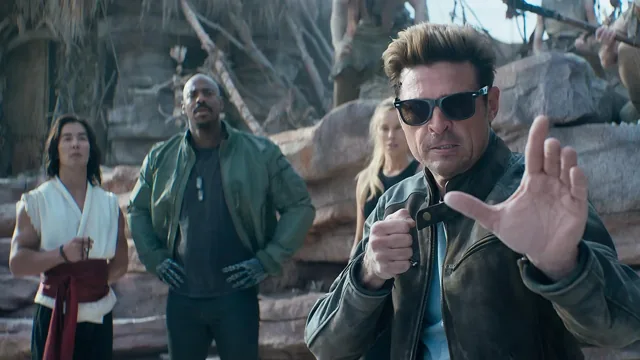
Another major factor is fan demand for Johnny Cage. The absence of the iconic character from the first movie was one of the most discussed criticisms online. Warner Bros. responded by bringing in Karl Urban to portray Johnny Cage, instantly generating renewed interest across gaming and film communities.
The sequel is also expected to feature more fatalities, larger fights, and closer adherence to classic Mortal Kombat storylines. Fans of the games have consistently demanded a tournament-focused narrative, and the sequel appears prepared to deliver exactly that.
Marketing will likely emphasize nostalgia while also presenting the film as a modern blockbuster spectacle. That combination has become increasingly effective for legacy franchises.
Mortal Kombat III Already in Development Before Mortal Kombat II Release
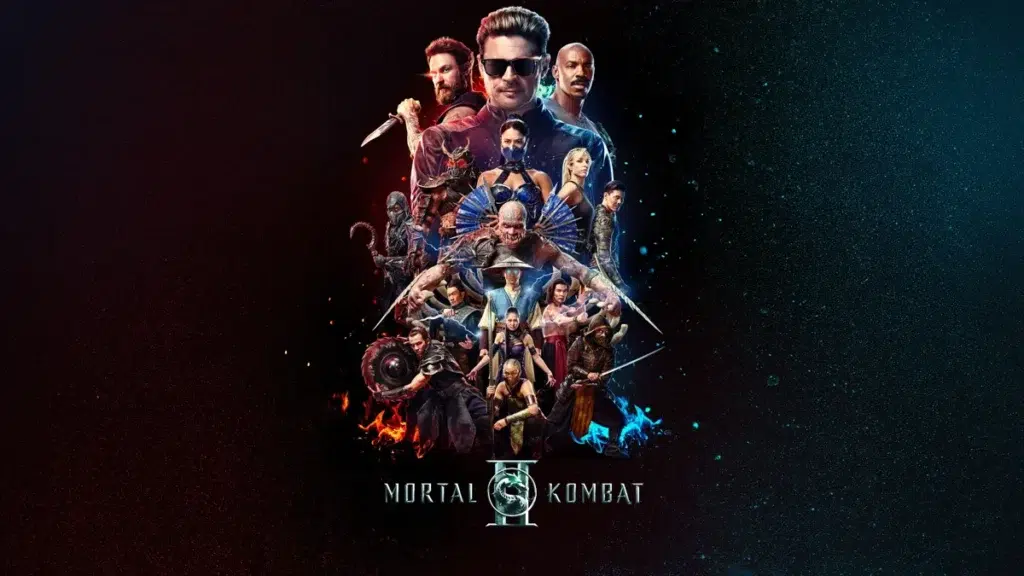
Perhaps the clearest sign of Warner Bros.’ confidence is the reported development of Mortal Kombat III before the release of Mortal Kombat II.
Studios typically avoid aggressively developing sequels unless internal projections indicate strong audience interest and franchise potential. The early movement on Mortal Kombat III suggests Warner Bros. believes the second movie will perform well enough to justify immediate continuation.
Early script work reportedly focuses on expanding the mythology even further while setting up larger conflicts involving Outworld, Earthrealm, and additional major villains from the game franchise.
This approach mirrors the strategy used by other successful cinematic universes. Rather than treating each movie as an isolated project, Warner Bros. appears to be building a long-term interconnected storyline.
The decision also reflects the growing importance of franchise filmmaking in Hollywood. Studios increasingly prioritize recognizable intellectual property capable of generating multiple films, streaming projects, merchandise opportunities, and global licensing revenue.
Mortal Kombat fits perfectly into that strategy because the games already contain decades of established lore, hundreds of characters, and numerous tournament arcs that can be adapted over multiple installments.
If Mortal Kombat II succeeds commercially, Warner Bros. could quickly move Mortal Kombat III into full production to capitalize on audience momentum.
Warner Bros’ Strategy Behind Fast-Tracking the Mortal Kombat Franchise
Warner Bros. appears to view Mortal Kombat as more than a standalone film series. The studio is potentially positioning it as a long-term multimedia franchise capable of anchoring future theatrical releases and streaming content.
The success of franchise ecosystems has fundamentally changed Hollywood economics. Studios now seek properties with expansive world-building potential that can generate recurring audience engagement over many years.
Mortal Kombat provides several advantages:
- Decades of existing brand recognition
- Massive gaming audience worldwide
- Strong merchandise potential
- Iconic character roster
- Established mythology
- Flexibility for spin-offs and sequels
Warner Bros. already owns extensive gaming-related intellectual property through its broader entertainment portfolio. Expanding Mortal Kombat aligns with the company’s increasing focus on cross-platform synergy between gaming, streaming, and theatrical divisions.
Fast-tracking the franchise also helps Warner Bros. compete in the increasingly crowded video game adaptation market. Studios are aggressively pursuing gaming properties because younger audiences demonstrate strong attachment to recognizable gaming brands.
Another important factor is audience retention. Franchises that maintain consistent release schedules often preserve fan enthusiasm more effectively than projects with lengthy development gaps.
By developing Mortal Kombat III early, Warner Bros. can potentially reduce the delay between sequels if Mortal Kombat II becomes a major hit.
How Mortal Kombat II Could Relaunch the Video Game Movie Boom
Video game adaptations are already experiencing a major resurgence, but Mortal Kombat II could push the trend into an even larger theatrical movement.
Historically, studios struggled to adapt games into compelling films because many projects misunderstood the source material. Recent successes have shown that audiences reward adaptations that respect established lore while delivering cinematic spectacle.
Mortal Kombat II arrives during a period when gaming culture has become fully mainstream. The franchise’s brutal combat, iconic rivalries, and supernatural mythology are now recognized globally across multiple generations.
If the sequel performs at blockbuster levels, it may encourage studios to greenlight additional mature-oriented gaming adaptations. Many recent successful video game films have targeted family audiences, but Mortal Kombat occupies a different category by embracing hard-hitting violence and darker fantasy themes.
The film could prove that R-rated gaming adaptations can become mainstream theatrical events.
Success would likely influence Hollywood’s approach to other fighting game franchises as well. Properties like Street Fighter, Tekken, Soulcalibur, and Dead or Alive could receive renewed studio attention if Mortal Kombat II demonstrates sustained audience demand for martial arts-based gaming universes.
The movie may also redefine expectations for action choreography in gaming adaptations. Fans expect authentic fatalities, elaborate fight scenes, and recognizable combat styles from Mortal Kombat. Delivering those elements effectively could raise the standard for future adaptations.
Cast Details and Returning Characters in Mortal Kombat II Explained
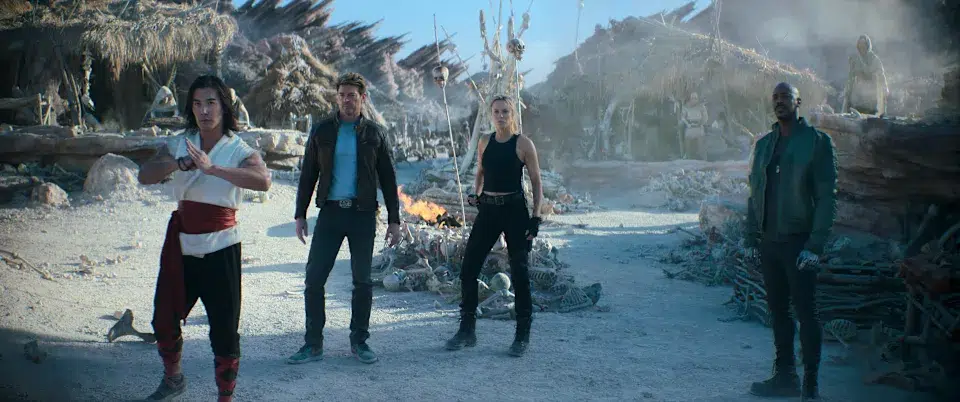
One of the biggest reasons for excitement surrounding Mortal Kombat II is its expanded cast lineup.
Several returning characters from the first movie are expected to reprise their roles, helping maintain continuity while expanding the franchise’s mythology.
Returning cast members include:
- Lewis Tan as Cole Young
- Hiroyuki Sanada as Scorpion
- Joe Taslim as Sub-Zero
- Jessica McNamee as Sonya Blade
- Mehcad Brooks as Jax
- Ludi Lin as Liu Kang
- Chin Han as Shang Tsung
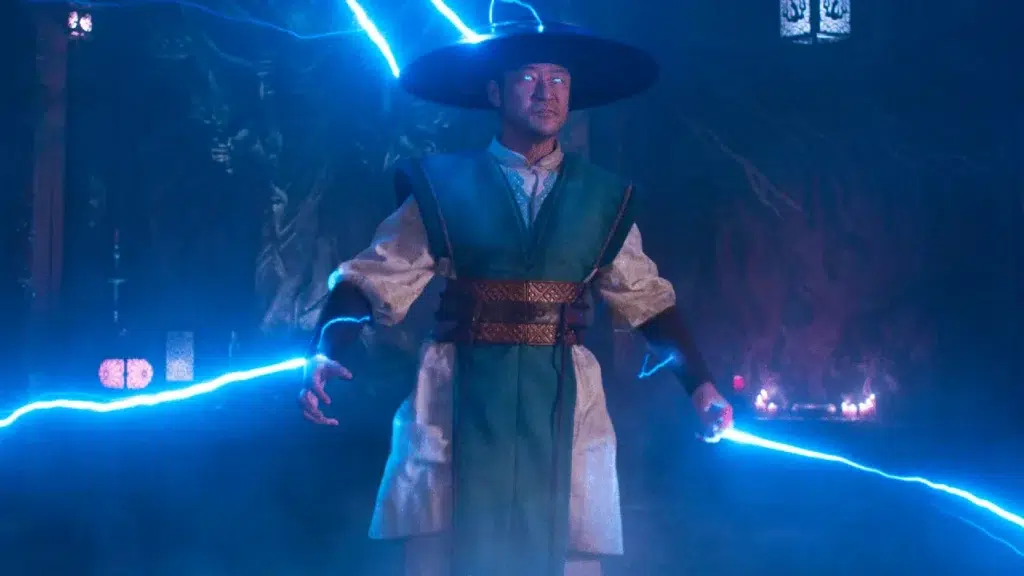
- Tadanobu Asano as Raiden
The sequel will also introduce several major characters from the games that were absent from the first movie.
The most anticipated addition is Johnny Cage, portrayed by Karl Urban. Fan excitement surrounding the casting announcement significantly boosted online engagement for the sequel.
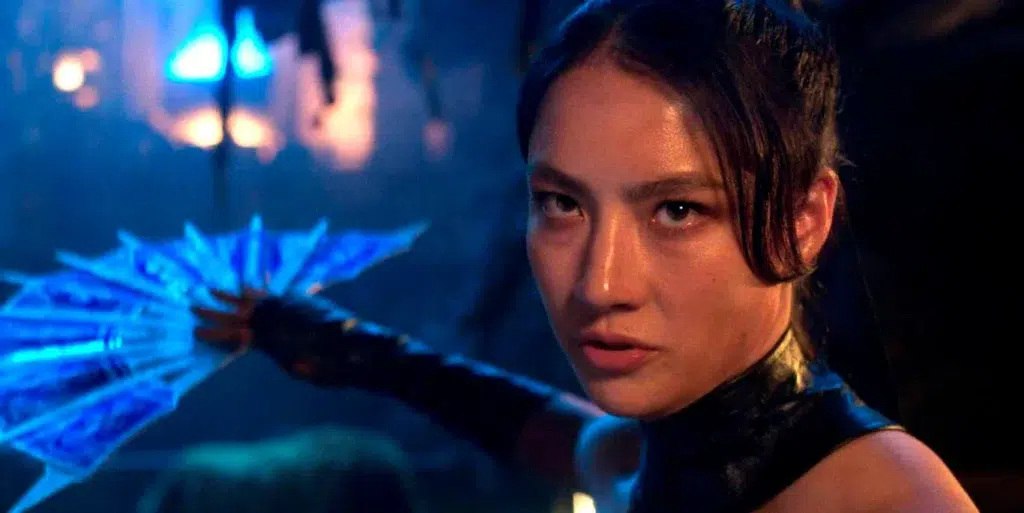
Additional characters rumored or confirmed for the sequel include Kitana, Jade, Baraka, Shao Kahn, and Quan Chi. Expanding the roster allows the film to embrace more recognizable elements from the games.
The inclusion of iconic fighters is critical because Mortal Kombat’s appeal has always centered on its memorable character lineup. Fans strongly associate the franchise with its diverse roster of martial artists, ninjas, sorcerers, and supernatural warriors.
Karl Urban’s Johnny Cage Role and Its Impact on Mortal Kombat II Story
Karl Urban’s casting as Johnny Cage may ultimately become one of the sequel’s biggest strengths.
Johnny Cage is one of Mortal Kombat’s most recognizable characters. Known for his arrogance, humor, martial arts skills, and Hollywood celebrity persona, Cage often serves as comic relief while also functioning as a legitimate fighter.
Many fans criticized the absence of Johnny Cage from the 2021 reboot because the character plays a central role in numerous Mortal Kombat storylines.
Karl Urban brings considerable genre credibility to the role thanks to performances in major franchises and action-heavy productions. His ability to balance humor, charisma, and intensity makes him a strong fit for Johnny Cage’s personality.
The character’s introduction could dramatically alter the tone of the sequel by adding more comedic energy and interpersonal dynamics.
Johnny Cage also helps bridge the gap between audiences unfamiliar with Mortal Kombat lore and longtime fans. Because Cage frequently reacts to the franchise’s supernatural elements with disbelief and sarcasm, he often serves as an audience surrogate.
His inclusion may also improve the sequel’s mainstream appeal. Casual moviegoers unfamiliar with deeper Mortal Kombat mythology may connect more easily with Cage’s celebrity-driven personality.
Mortal Kombat II Release Date, Delays, and Box Office Positioning Strategy
Warner Bros. has carefully positioned Mortal Kombat II within a release window designed to maximize theatrical performance.
Release timing has become increasingly important in the modern box office environment. Studios strategically select dates to avoid excessive competition while taking advantage of high-attendance periods.
Mortal Kombat II’s release strategy suggests Warner Bros. believes the film has major commercial potential. The studio appears to be treating the sequel as a significant blockbuster rather than a niche gaming adaptation.
Like many Hollywood productions, the sequel faced delays tied to industry-wide production disruptions and scheduling adjustments. However, those delays may ultimately benefit the film by allowing more extensive visual effects work and broader marketing preparation.
The movie’s positioning within the summer release window could substantially increase its visibility. Summer remains one of the strongest periods for action franchises because audiences are more likely to attend large-scale theatrical events.
A well-timed release also gives Warner Bros. opportunities for cross-promotional campaigns tied to gaming events, conventions, merchandise launches, and digital marketing initiatives.

Early Box Office Tracking for Mortal Kombat II Opening Weekend
Early tracking metrics indicate substantial audience interest in Mortal Kombat II.
Trailer engagement, social media interactions, search trends, and fan discussion volume have all pointed toward strong anticipation levels.
The first movie developed a dedicated audience despite pandemic-era limitations. That audience base now serves as a foundation for the sequel’s theatrical performance.
Several indicators support optimistic tracking projections:
- Strong engagement on gaming forums
- High trailer reaction numbers
- Positive fan response to Johnny Cage casting
- Increased awareness compared to the first film
- Growing popularity of video game adaptations
- International franchise recognition
Analysts are also watching premium format demand closely. Action-heavy films often perform exceptionally well in IMAX and Dolby screenings because audiences seek immersive experiences for large-scale spectacle films.
International markets may prove especially important for the franchise. Martial arts action traditionally performs strongly in numerous overseas territories, particularly in Asia and Latin America.
Strong pre-release buzz can significantly influence opening weekend performance because online discussion increasingly shapes mainstream audience awareness.
How Mortal Kombat II Fits into Warner Bros’ Long-Term Franchise Plans
Mortal Kombat II appears to represent a major component of Warner Bros.’ broader franchise strategy.
Studios are increasingly focused on intellectual properties capable of sustaining multiple films, streaming spin-offs, and cross-media expansions. Mortal Kombat possesses unique advantages because it already exists as a multi-decade entertainment brand with established global recognition.
Warner Bros. could potentially expand the franchise in several directions:
- Additional theatrical sequels
- Streaming spin-off series
- Character-focused standalone projects
- Animated adaptations
- Cross-promotional gaming collaborations
- Merchandise expansion
The Mortal Kombat universe contains enough lore to support numerous interconnected stories. Rivalries such as Scorpion versus Sub-Zero, Liu Kang’s tournament journey, and Outworld invasions provide long-term narrative possibilities.
Another key factor is audience loyalty. Gaming franchises often maintain extremely dedicated fan communities capable of supporting multiple releases over many years.
Warner Bros. likely views Mortal Kombat as a durable franchise asset rather than a short-term experiment. The accelerated development of Mortal Kombat III strongly reinforces that interpretation.
Mortal Kombat III Script Development and What We Know so Far
Although official plot details remain limited, reports surrounding Mortal Kombat III development suggest the studio is already exploring larger-scale franchise escalation.
Potential storylines may involve:
- Full tournament arcs
- Shao Kahn’s invasion plans
- Expanded Outworld mythology
- Additional Earthrealm defenders
- New rivalries and alliances
- Deeper exploration of the Elder Gods
The games provide extensive source material that can be adapted into future sequels. Mortal Kombat’s evolving timelines and multiverse elements also create flexibility for filmmakers.
One likely objective for Mortal Kombat III will be increasing stakes beyond the second film. Successful franchise sequels typically expand scope, scale, and emotional investment with each installment.
Writers may also attempt to balance fan service with accessibility for casual viewers. Maintaining that balance is critical for long-term franchise growth because relying exclusively on hardcore fans can limit mainstream appeal.
The early development process allows Warner Bros. to plan story arcs more cohesively across multiple movies rather than improvising sequel directions after release.
Fan Reactions to Mortal Kombat II Trailer and Franchise Expansion
Fan response to Mortal Kombat II marketing materials has been overwhelmingly energetic across social media platforms and gaming communities.
The franchise benefits from one of the most passionate fan bases in gaming history. Mortal Kombat players have spent decades debating character rankings, lore developments, fatalities, and tournament outcomes.
Many fans praised the sequel’s apparent shift toward a more game-accurate presentation. The inclusion of additional iconic fighters and stronger tournament elements addresses several criticisms directed at the first movie.
Karl Urban’s Johnny Cage casting generated especially positive reactions online. Fans widely viewed the casting as an improvement that aligns closely with the character’s personality.
Audience excitement has also been fueled by expectations for more elaborate fight choreography and fatalities. Mortal Kombat’s identity is deeply tied to its brutal combat system, and fans expect the films to embrace that aspect fully.
The franchise expansion strategy has generally been welcomed because many fans believe Mortal Kombat’s mythology deserves multiple interconnected films rather than isolated adaptations.
However, some audiences remain cautious due to mixed reactions toward the first movie’s original protagonist, Cole Young. Warner Bros. will likely emphasize legacy characters more heavily in marketing to address those concerns.
Why Mortal Kombat II is Moving to a Prime Summer Release Window
The decision to position Mortal Kombat II within a prime summer release period demonstrates Warner Bros.’ confidence in the film’s commercial viability.
Summer release windows are typically reserved for projects expected to attract substantial theatrical attendance. Studios invest heavily in marketing campaigns during these periods because audience turnout potential is significantly higher.
Action-heavy franchise films often perform especially well during summer because viewers seek large-scale cinematic experiences.
Several strategic advantages support the release timing:
- Increased school holiday attendance
- Stronger international theatrical traffic
- Expanded premium format availability
- Higher merchandise visibility
- Larger marketing opportunities
- Better convention and gaming event synergy
Warner Bros. likely believes Mortal Kombat II can compete directly with other major blockbuster releases rather than functioning as a niche genre title.
The timing also helps position the film as a major entertainment event rather than simply another gaming adaptation.
Could Mortal Kombat Become the Next Big Fighting Game Film Universe
Mortal Kombat may ultimately become the first truly successful long-running fighting game cinematic universe.
Fighting game franchises historically struggled in live-action adaptations due to limited storytelling focus and inconsistent production quality. However, Mortal Kombat possesses several advantages that distinguish it from competitors.
The franchise includes:
- Deep mythology
- Interdimensional conflict
- Character rivalries
- Tournament structure
- Supernatural powers
- Large ensemble cast
- Flexible storytelling possibilities
These elements naturally support cinematic expansion.
A successful Mortal Kombat universe could include separate storylines centered around Scorpion, Sub-Zero, Johnny Cage, Kitana, Shao Kahn, or the Lin Kuei clan.
Streaming platforms also create opportunities for spin-off projects that explore secondary characters in greater depth.
Warner Bros. may view Mortal Kombat as a long-term franchise capable of existing alongside DC properties and other blockbuster brands.
The fighting game genre remains relatively untapped compared to superhero films and fantasy franchises. If Mortal Kombat establishes a sustainable cinematic model, it could open the door for an entirely new category of interconnected gaming universes.
What Mortal Kombat III Means for the Future of the Franchise
The development of Mortal Kombat III before the release of the second movie sends a clear message about the franchise’s future.
Warner Bros. appears fully committed to expanding Mortal Kombat into a multi-film cinematic property with long-term storytelling ambitions.
This strategy reflects confidence not only in Mortal Kombat II’s projected box office performance but also in the broader strength of gaming adaptations as a commercial category.
If the second film becomes a blockbuster success, Mortal Kombat III could evolve into an even larger production with expanded budgets, bigger tournament stakes, and more ambitious visual effects.
The future of the franchise may also involve:
- Expanded theatrical sequels
- Cross-media storytelling
- Streaming exclusives
- Animated projects
- Merchandise expansion
- Gaming tie-ins
- International promotional campaigns
Longtime fans have waited decades to see Mortal Kombat fully realized on the big screen with modern production capabilities. Warner Bros.’ aggressive development plans suggest the studio believes the franchise is finally ready to reach its full cinematic potential.
Frequently Asked Questions (FAQs)
- What is the release date for Mortal Kombat II?
Mortal Kombat II is currently scheduled for release in 2026 as part of Warner Bros.’ major theatrical lineup. - Is Mortal Kombat III officially happening?
Reports indicate Mortal Kombat III is already in development, with early script work reportedly underway before Mortal Kombat II releases. - Who plays Johnny Cage in Mortal Kombat II?
Karl Urban portrays Johnny Cage in the sequel. - Why is Mortal Kombat II expected to perform well at the box office?
The sequel benefits from strong franchise recognition, growing interest in video game movies, fan excitement surrounding Johnny Cage, and improved theatrical conditions compared to the 2021 film. - Will Mortal Kombat II feature the tournament?
The sequel is expected to focus more heavily on the Mortal Kombat tournament structure that fans associate with the games. - Are Scorpion and Sub-Zero returning in Mortal Kombat II?
Yes, both iconic characters are expected to return as central figures in the sequel. - Why did Warner Bros. begin developing Mortal Kombat III early?
Early development suggests Warner Bros. has strong confidence in the franchise’s long-term box office and cinematic potential. - Could Mortal Kombat become a cinematic universe?
Yes, the franchise contains extensive lore, rivalries, and characters that could support multiple films and spin-offs. - How did the first Mortal Kombat movie perform?
The 2021 reboot performed reasonably well despite pandemic-era theatrical challenges and gained strong streaming engagement. - Is Mortal Kombat II expected to be more faithful to the games?
Many fans believe the sequel will align more closely with classic Mortal Kombat lore, characters, and tournament storytelling.
Conclusion
Mortal Kombat II is shaping up to become one of the biggest video game movie releases of 2026. Warner Bros.’ aggressive franchise strategy, combined with strong fan anticipation and the early development of Mortal Kombat III, demonstrates extraordinary confidence in the series’ future.
The sequel arrives during a period when gaming adaptations are achieving unprecedented mainstream success, and Mortal Kombat possesses all the ingredients necessary for long-term blockbuster relevance. Expanded character rosters, improved theatrical positioning, larger-scale action, and the introduction of Johnny Cage have significantly elevated audience excitement.
If Mortal Kombat II delivers on expectations, the franchise could evolve into one of Hollywood’s most important gaming-based cinematic universes. Warner Bros. clearly believes the property has the potential to sustain multiple sequels, streaming expansions, and global audience engagement for years to come.
The next phase of Mortal Kombat may ultimately redefine what fighting game adaptations can achieve at the box office.
Sources and Citations
- Warner Bros. Pictures
Warner Bros. Pictures Official Website - Mortal Kombat Games
Mortal Kombat Official Website - Box Office Analysis
Box Office Mojo - Entertainment Industry Reporting
Deadline Hollywood - Film Industry News
Variety - Entertainment Coverage
The Hollywood Reporter - Gaming and Entertainment Reporting
IGN - Movie Industry Coverage
Collider - Entertainment News
Entertainment Weekly - Streaming and Film Analytics
Nielsen Ratings
Recommended
- The Eternal Life of Goldman Official Game Pass Trailer: Everything Revealed at Xbox Partner Preview Showcase 2026
- WoW Classic Kills Dungeon Boosting in Burning Crusade Expansion Because, Oh No, the Economy Is Breaking
- The View Keeper Add-on: Why Every Blender Artist Needs It for Optimized Rendering Workflows
- Star Fox For Switch 2 Could Be Announced Very Soon: Leak Details, Nintendo Today App Clues, and What to Expect
- Mass Effect Andromeda Was “Done Dirty” by EA, Actor Says: What Happened, What Fans Missed, and Where the Series Goes Next
- LEGO Batman: Legacy of the Dark Knight Balances Fan Service with an Arkham-Style Open World: Release Date, Gameplay, and Gotham Details
- Jacksepticeye Co-Produces Bloodborne Animated Movie: Everything We Know About Sony’s R-Rated Animated Adaptation
- Mesh2Motion Animation App Introduces Spider and Snake Rigs in Release 10
- Riot Games Downsizing the 2XKO Development Team: February 2026 Layoffs, Official Update, and What’s Next
- According to UKIE, the UK’s Video Game Market Will Hit £8.7 Billion by 2025: Trends, Breakdown, and What’s Next