










In This Article (19 sections)
Civilization 7 Test of Time Update Summary of Major Changes
The Test of Time update for Sid Meier’s Civilization VII represents one of the largest gameplay overhauls the franchise has seen in years. Introduced as update 1.4.0, the patch fundamentally changes how civilizations progress across Ages, how victories are pursued, and how players maintain identity throughout a campaign. Instead of refining only balance or adding isolated features, the update restructures the core flow of the game.
The biggest change is the replacement of Legacy Paths with the new Triumphs system. This redesign changes how objectives are completed during each Age and how long-term progress contributes to victory conditions. Players now gain greater freedom in choosing their civilization’s direction instead of following more rigid advancement tracks.
Another major addition is the Time-Tested civilization mechanic. Prior to the patch, players often felt disconnected from their original civilization identity because Age transitions encouraged dramatic cultural shifts. The new system allows civilizations to persist longer and evolve more organically. This addresses one of the most common criticisms directed at Civilization 7 since launch.
The update also introduces Syncretism, a new mechanic that blends aspects of old and new civilizations during transitions. Rather than replacing a civilization completely, players can retain historical traits, bonuses, and identity markers across multiple Ages.
Map generation has also been heavily revised. Biomes are more distinct, terrain distribution is more strategic, and continents generate with greater diversity. Combined with pacing adjustments and UI improvements, the game now feels significantly different from its launch version.
The update includes a new leader, revised victory pacing, improved Age transitions, new balancing for diplomacy and warfare, and extensive quality-of-life improvements. Together, these changes reshape the overall structure of a Civilization 7 campaign and significantly alter long-term strategy.
Civilization 7 Triumphs System Replaces Legacy Paths Explained
Legacy Paths were originally designed as Civilization 7’s method for guiding players through each Age. Players progressed through predefined milestones connected to military, science, economy, culture, and diplomacy. While functional, the system often felt restrictive because it encouraged optimization around scripted objectives rather than adaptive empire-building.
The Triumphs system replaces this structure with a more flexible approach. Triumphs are dynamic objectives that evolve based on empire performance, global conditions, and Age-specific opportunities. Instead of following a narrow progression ladder, players pursue multiple forms of achievement that directly contribute to victory momentum.
Each Age now contains categories of Triumphs that reward specialization and adaptability. Military powers may gain Triumph opportunities from territorial dominance or technological superiority, while cultural empires may focus on influence, ideology, or global prestige. Scientific civilizations can pursue research breakthroughs, infrastructure dominance, or world-changing discoveries.
The system creates greater variety between campaigns because Triumph availability and weighting change according to map conditions and empire development. Two campaigns with the same civilization can now evolve in dramatically different ways depending on terrain, diplomacy, or resource distribution.
Another major improvement is pacing. Legacy Paths often created periods where players simply rushed specific milestones. Triumphs instead reward sustained performance over time, making campaigns feel more dynamic and reactive.
Triumphs also contribute more directly to endgame scoring and Age transitions. Completing Triumphs grants historical momentum that influences future Ages and affects how civilizations evolve. This makes accomplishments feel more meaningful because success in one Age now has visible long-term consequences.
The system is designed to encourage experimentation. Players are no longer heavily punished for deviating from a single optimized strategy path. Empires can pivot between military, economic, scientific, and cultural priorities more naturally, which significantly improves replayability.

Civilization 7 New Victory System in Update 1.4.0
Update 1.4.0 completely redesigns how victories function in Civilization 7. Rather than relying on isolated endgame conditions, the new system ties victory progression directly to Triumph accumulation, Age performance, and long-term civilization development.
Traditional victory categories still exist, including scientific, cultural, military, diplomatic, and economic dominance. However, these victory paths now interact with one another far more than before. Players no longer simply rush toward a single endgame trigger. Instead, victory depends on maintaining momentum across multiple Ages.
The new system emphasizes historical consistency. A civilization that performs strongly over several Ages gains compounding advantages that shape the late game. This prevents situations where a weak empire suddenly wins through isolated endgame optimization.
Age transitions now matter much more because Triumph progress influences victory scaling. If a civilization dominates an early Age but collapses later, its victory momentum can weaken. Likewise, late-game recoveries are now more viable for struggling empires that adapt strategically.
The victory overhaul also improves AI behavior. Opponents now pursue broader strategic goals instead of narrowly chasing scripted objectives. This creates more believable rival civilizations and more competitive endgame scenarios.
Another major change is transparency. The update improves victory tracking through redesigned interfaces that clearly show progression, competing empires, and strategic opportunities. Players can better understand how their actions contribute to long-term success.
The system also reduces snowballing. Strong civilizations still gain advantages, but the revised pacing and Triumph structure create more opportunities for counterplay. Diplomatic coalitions, ideological pressure, and economic disruption now play larger roles in slowing dominant powers.
Overall, the new victory system transforms Civilization 7 from a race toward isolated conditions into a broader historical competition where consistency, adaptability, and long-term planning matter more than single-strategy optimization.
How Time-Tested Civs Work in Civilization 7
Time-Tested civilizations are one of the most transformative additions in the Test of Time update. The feature allows players to maintain continuity with their civilization identity across multiple Ages instead of being forced into dramatic cultural shifts.
Before the update, civilization transitions often felt abrupt. Players who began with a civilization tied to a specific historical period frequently had to abandon core identity elements during later Ages. This created a disconnect between early-game development and late-game empire management.
Time-Tested civs solve this problem by allowing civilizations to persist and evolve over time. Instead of fully replacing a civilization during Age transitions, players can preserve historical continuity while selectively integrating new traits.
This system works through inheritance mechanics. Civilizations retain portions of previous bonuses, thematic traits, and strategic identities when transitioning into new Ages. Some bonuses evolve into upgraded versions, while others merge with newly acquired characteristics.
The mechanic creates stronger narrative cohesion. Campaigns now feel like the evolution of a single civilization rather than a sequence of disconnected factions. This aligns more closely with how many players traditionally imagine Civilization campaigns unfolding.
Time-Tested civs also increase strategic depth. Players must decide which elements of their civilization identity to preserve and which to replace. Long-term planning becomes more important because early decisions influence later Ages more directly.
Certain civilizations benefit particularly well from the system because their historical identities naturally span multiple eras. Others may specialize in adaptation and cultural blending. This creates asymmetrical gameplay and broader strategic diversity.
The feature also improves immersion. Empires now feel more historically grounded because their cultural evolution appears gradual rather than sudden. Architecture, bonuses, and thematic identity remain more consistent throughout the campaign.
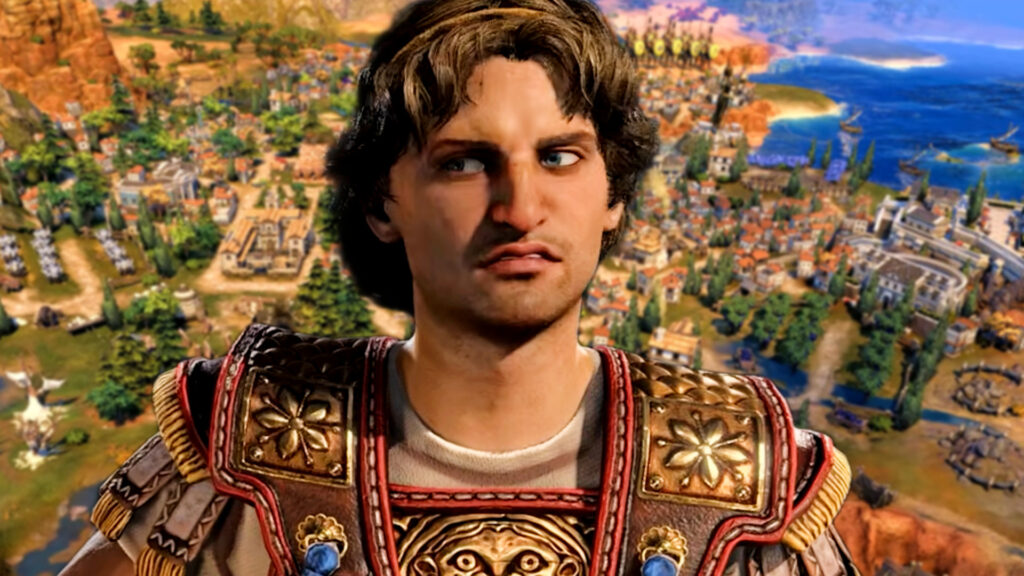
Can You Stay as One Civilization for the Whole Game in Civ 7 Now
The Test of Time update does not allow players to remain entirely unchanged as a single civilization for the entire campaign, but it comes significantly closer to that fantasy than the original launch version.
Through the Time-Tested civilization system and Syncretism mechanics, players can preserve major parts of their civilization identity across Ages. Instead of abandoning an original civilization completely, empires can evolve while retaining recognizable characteristics.
This means a player can maintain the thematic continuity of an empire throughout the game even if certain traits evolve or merge with new influences. The result feels much closer to playing a continuous civilization than before.
The system balances historical evolution with gameplay flexibility. Completely static civilizations would limit strategic variety and reduce the significance of Age transitions. Firaxis instead chose a hybrid approach where civilizations develop organically while preserving continuity.
Players now have greater control over how much transformation occurs during transitions. Some may heavily preserve their original civilization identity, while others may aggressively adopt new traits for strategic reasons.
This flexibility addresses one of the most widespread community criticisms from launch. Many players wanted stronger emotional attachment to their chosen civilization and disliked how previous transitions weakened that connection.
The new structure preserves that attachment while still allowing Civilization 7 to maintain its Age-based gameplay identity. The result is a compromise that feels significantly more cohesive and immersive.
Civilization 7 Syncretism Mechanic and Civ Identity Explained
Syncretism is the new mechanic that governs how civilizations blend traits during Age transitions. Instead of treating transitions as full replacements, Syncretism allows cultures to merge elements together over time.
Historically, syncretism refers to the blending of cultural traditions, religions, and societal systems. Civilization 7 applies this idea directly to empire development. Civilizations can now absorb and integrate characteristics from previous identities rather than discarding them.
The mechanic affects gameplay bonuses, unique improvements, diplomatic identity, and thematic presentation. A civilization entering a new Age may inherit military traditions from an earlier empire while adopting economic or scientific traits from a newer one.
This creates more nuanced empire development. Civilizations feel layered and historically evolved instead of mechanically reset between Ages.
Syncretism also influences diplomacy. Other civilizations may react differently depending on how an empire evolves culturally and ideologically. A highly syncretic empire might gain advantages in diplomacy and trade while sacrificing certain specialized bonuses.
The mechanic encourages experimentation because hybrid civilizations can develop unique strategic combinations. Players can create civilizations that combine economic efficiency, military aggression, scientific innovation, and cultural influence in ways that were previously impossible.
From a narrative perspective, Syncretism improves immersion dramatically. Empires now feel historically believable because civilizations naturally evolve through contact, conquest, migration, and adaptation.
The system also creates greater replayability. Different combinations of inherited and acquired traits can produce highly varied campaigns even when starting with the same civilization.
Patch Notes Highlights for Civilization 7 Test of Time Update
The Test of Time patch notes contain dozens of balance changes, system redesigns, AI improvements, and technical fixes. However, several highlights stand out as especially important for players returning to Civilization 7.
The Triumphs system replacing Legacy Paths is the headline feature. This single change reshapes campaign pacing and progression more than any previous update.
Time-Tested civilizations and Syncretism are equally significant because they fundamentally alter how civilizations evolve across Ages. These systems improve continuity and reduce the feeling of disconnected gameplay segments.
The update also introduces a new leader with unique abilities tied to Age adaptation and civilization continuity. The leader expands strategic diversity and interacts heavily with the new Triumph mechanics.
Map generation received major revisions. Terrain distribution, biome diversity, natural wonder placement, and continent formation now produce more varied campaigns. Exploration feels more meaningful because geography has stronger strategic implications.
AI improvements are another major focus. Computer-controlled civilizations now handle Age transitions more intelligently, pursue broader strategic goals, and react more effectively to player actions.
UI revisions improve readability and accessibility. Victory tracking, Triumph progression, diplomacy summaries, and city management screens now provide clearer information with fewer unnecessary menus.
Performance optimization is also notable. Larger maps and late-game turns reportedly run more smoothly than before, reducing one of the technical complaints associated with launch.
The update additionally contains balancing changes for warfare, economy scaling, diplomacy, religion, and technology progression. These changes collectively create a slower and more deliberate strategic pace.

Best Strategies for Triumphs in Civilization 7
The Triumphs system rewards adaptability more than rigid optimization. Players who succeed consistently are those who respond dynamically to evolving Age conditions instead of committing to a single strategy too early.
One effective approach is balanced expansion. Because Triumph categories span multiple gameplay areas, civilizations that maintain flexibility can pivot toward the most achievable opportunities as conditions change.
Military dominance remains powerful, but pure conquest is less overwhelming than before. Triumphs often reward sustained influence rather than rapid territorial expansion alone. Combining military power with economic stability and diplomatic leverage is generally more effective.
Scientific empires benefit from infrastructure investment early in the game. Research-focused civilizations can chain multiple Triumph opportunities together by maintaining technological momentum across Ages.
Cultural strategies have become more dynamic because Syncretism and civilization continuity create additional influence opportunities. Empires with strong cultural identity can pressure rivals more effectively over long campaigns.
Diplomacy is also significantly stronger in the new system. Alliances, trade networks, and ideological partnerships contribute more directly to Triumph progress than they did under Legacy Paths.
Resource management is critical because Triumph objectives often evolve unpredictably. Civilizations that diversify production, food, science, and gold generation can respond more effectively to changing opportunities.
Timing Age transitions is another important strategy. Players who prepare infrastructure and stability before entering a new Age often gain major momentum advantages.
Finally, long-term civilization planning matters more than before. Because Time-Tested civs preserve identity traits across Ages, early-game decisions have lasting strategic consequences.
How the Update Changes Pacing and Age Transitions in Civ 7
The Test of Time update dramatically slows and smooths Civilization 7’s pacing. The original release often felt fragmented because Age transitions interrupted empire momentum too abruptly. The new systems create a more continuous campaign flow.
Triumphs contribute significantly to this improvement because they encourage ongoing development rather than milestone rushing. Players now build momentum gradually instead of rapidly completing isolated objectives.
Age transitions themselves feel more organic due to Syncretism and Time-Tested civilizations. Rather than feeling like partial resets, transitions now resemble periods of evolution.
Economic scaling has also been adjusted. Infrastructure, city specialization, and resource management remain relevant for longer periods, reducing the sense that early-game development becomes obsolete too quickly.
Military pacing is slower and more deliberate as well. Armies require stronger logistical support, and warfare has greater economic consequences. This creates more meaningful strategic decisions.
Technology progression has been slightly rebalanced to reduce runaway scientific snowballing. Players can no longer rely solely on rapid tech rushing without broader empire support.
The result is a campaign structure that feels more cohesive and historically grounded. Civilizations evolve steadily over time instead of jumping abruptly between disconnected eras.
New Leader Added in Civilization 7 Test of Time Update
The Test of Time update introduces a new leader designed around civilization continuity and adaptation mechanics. The leader specializes in maintaining momentum across Ages while benefiting from Syncretism systems.
The design philosophy behind the new leader reflects the update’s broader goals. Rather than focusing purely on isolated bonuses, the leader encourages long-term planning and historical continuity.
Unique abilities interact heavily with Triumph progression, allowing players to gain additional benefits from sustained Age performance. Certain bonuses improve inherited civilization traits during transitions, making Time-Tested strategies even more effective.
The leader also features diplomatic advantages connected to cultural blending and alliance formation. This synergizes strongly with the new victory system, which places greater emphasis on long-term influence and interconnected strategies.
Visually and thematically, the leader reinforces the update’s focus on historical evolution and civilization identity.

Civilization 7 UI and Quality-of-Life Improvements in Test of Time
The Test of Time update introduces major interface improvements aimed at reducing friction and improving information clarity.
Victory tracking has been redesigned to better explain Triumph progress, Age momentum, and rival civilization advancement. Players can now understand strategic positioning much more easily.
City management interfaces have also been streamlined. Production queues, infrastructure planning, and citizen management are clearer and require fewer clicks.
Diplomacy menus now provide improved summaries of relationships, agreements, and ideological tensions. This makes international politics easier to interpret during large campaigns.
Tooltips have been expanded significantly. New players benefit from clearer explanations, while experienced players gain faster access to advanced information.
Map readability is improved through better biome contrast, cleaner resource icons, and enhanced strategic overlays.
Notification management has also been refined. Important events are easier to track, while repetitive alerts are less intrusive.
Together, these changes make Civilization 7 substantially smoother to play over long sessions.
Map Generation and Biome Changes in Civ 7 Update 1.4.0
Map generation improvements are among the most underrated aspects of the Test of Time update. The revised system creates more geographically diverse and strategically interesting worlds.
Biomes are now more distinct, with clearer transitions between climate zones and more meaningful terrain combinations. Deserts, forests, plains, tundra, and tropical regions all influence gameplay more strongly.
Resource distribution has been adjusted to encourage regional specialization. Certain areas naturally favor economic growth, military defense, scientific expansion, or cultural development.
Continents generate with more varied shapes and natural barriers, improving exploration and strategic positioning. Naval gameplay also benefits because coastlines and oceans are more dynamic.
Natural wonder placement has been revised to create more compelling exploration incentives. Wonders now appear in geographically logical locations and influence surrounding terrain more effectively.
These changes make maps feel less predictable and increase replayability significantly.
Why Civilization 7 Feels Like a Different Game After Test of Time
The Test of Time update changes so many core systems simultaneously that Civilization 7 genuinely feels like a different game.
At launch, many players criticized the game for fragmented pacing, disconnected civilization identity, and restrictive progression systems. The update directly addresses nearly all of those concerns.
Triumphs replace rigid objectives with adaptive gameplay. Time-Tested civilizations restore continuity. Syncretism makes transitions feel organic. Improved pacing creates smoother campaigns. Better map generation enhances exploration. Revised victory systems reward long-term strategy.
Combined together, these features fundamentally alter how campaigns unfold.
The update also improves immersion. Civilizations now feel like evolving societies rather than collections of disconnected mechanics. Strategic decisions carry greater historical weight because consequences persist across Ages.
This creates a stronger emotional connection to campaigns and significantly improves replayability.

Community Reaction to Civilization 7 Test of Time Update
Community reaction to the Test of Time update has been significantly more positive than the response to Civilization 7’s launch version.
Many players view the update as the first major realization of the game’s original vision. The changes to civilization continuity and progression systems address several of the most common criticisms from release.
Fans particularly praise Time-Tested civilizations and Syncretism because they make campaigns feel more immersive and historically coherent.
The Triumphs system has also received strong approval for improving strategic flexibility and reducing repetitive gameplay patterns.
Some players still debate balancing issues and pacing preferences, but overall sentiment has shifted noticeably in favor of the game.
Content creators and strategy-focused players have highlighted the update’s increased replayability and deeper long-term planning systems.
The update has also encouraged many former players to revisit the game after stepping away following launch.
Is Civilization 7 Worth Returning to After the Test of Time Patch
For many strategy fans, the answer is yes. The Test of Time update substantially improves Civilization 7’s pacing, cohesion, and strategic depth.
Players who disliked the original civilization transition system may find the new Time-Tested and Syncretism mechanics transformative. Campaigns now feel more connected and immersive.
The Triumphs system also creates more varied gameplay because players are no longer pushed toward narrow optimization patterns.
Improved AI, better map generation, stronger diplomacy systems, and major UI upgrades further enhance the experience.
The update does not completely reinvent Civilization 7 into a traditional Civilization formula, but it refines the game’s unique ideas into a much stronger overall experience.
For returning players, the game now offers a more polished and strategically satisfying campaign structure that better supports long-term empire storytelling.
Frequently Asked Questions (FAQs)
- What is the Civilization 7 Test of Time update?
The Test of Time update is Civilization 7’s major 1.4.0 patch that redesigns progression systems, Age transitions, victories, map generation, and civilization continuity. - What replaced Legacy Paths in Civilization 7?
Legacy Paths were replaced by the new Triumphs system, which provides dynamic objectives tied to long-term civilization performance and strategic flexibility. - How do Time-Tested civilizations work in Civ 7?
Time-Tested civilizations allow players to preserve aspects of their civilization identity across Ages instead of fully replacing their civilization during transitions. - What is Syncretism in Civilization 7?
Syncretism is a mechanic that blends traits from previous and current civilizations during Age transitions, creating hybrid empire identities. - Does the Test of Time update change victory conditions?
Yes. The update redesigns victories around Triumph progression, Age performance, and long-term strategic momentum instead of isolated endgame objectives. - Can players stay as one civilization for the entire game now?
Not entirely, but players can preserve most of their civilization identity throughout the campaign using Time-Tested civ mechanics and Syncretism. - Did the update improve Civilization 7’s pacing?
Yes. The update smooths Age transitions, slows snowballing, and creates more cohesive campaign progression. - What are the biggest gameplay improvements in update 1.4.0?
The biggest improvements include Triumphs, Time-Tested civilizations, Syncretism, AI upgrades, UI improvements, better map generation, and revised victory systems. - How did the community react to the Test of Time update?
Community response has been much more positive compared to launch, with many players praising the improved immersion, pacing, and strategic depth. - Is Civilization 7 worth playing after the Test of Time update?
Many strategy fans believe the update significantly improves the game and makes it far more enjoyable and replayable than its launch version.

Conclusion
The Test of Time update fundamentally reshapes Civilization 7 into a more cohesive, immersive, and strategically rewarding experience. Rather than simply adding new content, update 1.4.0 revises the game’s core structure by redesigning progression, Age transitions, civilization continuity, and victory systems. The introduction of Triumphs replaces rigid Legacy Paths with more dynamic objectives that encourage flexible empire-building and long-term planning.
Time-Tested civilizations and Syncretism solve one of the biggest criticisms players had at launch by allowing civilizations to evolve naturally across Ages while maintaining cultural identity and strategic continuity. Campaigns now feel more historically believable and emotionally engaging because players remain connected to their empire throughout the entire game.
Combined with major UI upgrades, improved AI behavior, revised map generation, smoother pacing, and a more integrated victory structure, Civilization 7 now offers a dramatically stronger strategy experience. The update transforms the game from an experimental reimagining into something that feels closer to the deep historical sandbox many fans expected from the series.
For returning players, the Test of Time patch may represent the moment Civilization 7 finally reaches its potential. For newcomers, it provides a much more polished and strategically satisfying entry point into one of the most ambitious strategy games Firaxis has attempted.
Sources and Citations
- Rock Paper Shotgun strategy update analysis and gameplay impressions
https://www.rockpapershotgun.com/ - Official Civilization website: Civilization 7 Test of Time update details and patch overview
https://civilization.2k.com/ - Firaxis Games official update notes, Civilization 7 update 1.4.0 patch notes and gameplay systems
https://forums.civfanatics.com/ - Steam page for Sid Meier’s Civilization VII: Feature descriptions and update announcements
https://store.steampowered.com/ - Firaxis Games official news and developer updates
https://www.firaxis.com/ - Civilization community discussions and player reactions
https://www.reddit.com/r/civ/ - Civilization Wiki: Gameplay systems and civilization mechanics explanations
https://civilization.fandom.com/wiki/Civilization_Games_Wiki - PC Gamer coverage of Civilization 7 updates and gameplay changes
https://www.pcgamer.com/ - IGN strategy game coverage and Civilization 7 update analysis
https://www.ign.com/ - GameSpot Civilization 7 patch coverage and community impressions
https://www.gamespot.com/
Recommended
- 007 First Light DualSense Controller Doesn’t Match the Iconic Gun Barrel Design (And Wasn’t Meant To)
- Jurassic Park Star Sam Neill Shares Positive Health Update After Cancer-Free Diagnosis and Experimental Treatment Success
- Anime Hack and Slash RPG Neverness to Everness Launches Worldwide: Release Date, Platforms, Cross-Play, and Launch Rewards
- Apple and Google Are Reportedly Pointing Users to “Nudify” Apps: What the Report Found and What Users Can Do
- Intergalactic: The Heretic Prophet Controversy – Exploring the Backlash and Public Discourse
- Legacy Of Kain Fans Can Now Preorder A Stunning Map Of Nosgoth (Dark Horse Direct Fine Art Print)
- Skate is Adding a Limited-Time Nike SB Pop-Up Event (April 14–May 5): Dates, Grom at Night, Challenges, and Rewards
- Taival: Official Announcement Trailer Breakdown, Release Details, Gameplay Insights, and Everything You Need to Know
- How do I toggle between camera views in Blender?
- The Punisher: One Last Kill Review, Plot Breakdown, Ending Explained, Cast Details, and Full Analysis



































































































