












In This Article (8 sections)
Control Resonant Zone XP, Manhattan Exploration and Area Progression
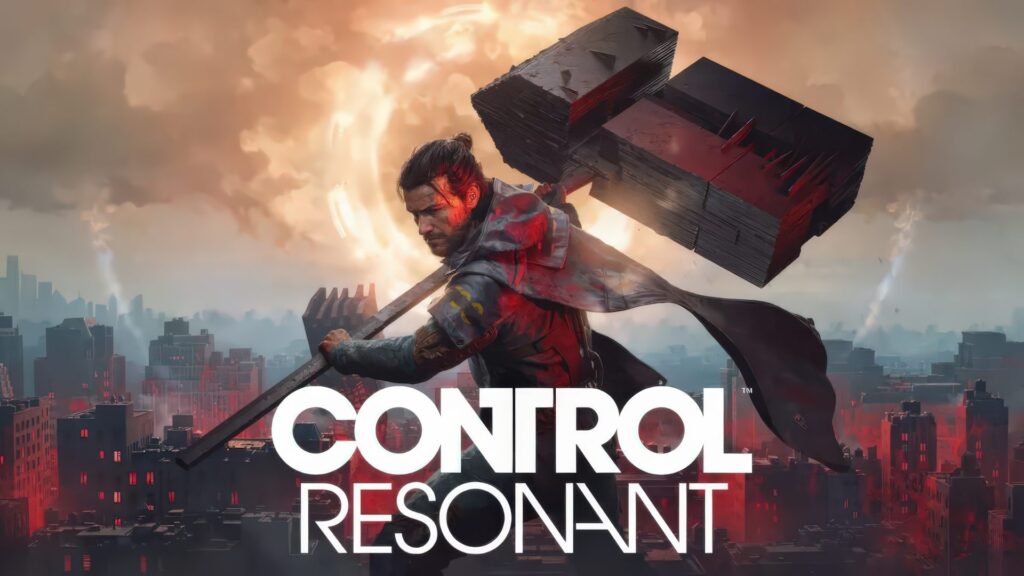
Control Resonant is taking an unusual approach to action-RPG progression. Rather than putting a conventional experience bar directly on protagonist Dylan Faden and asking players to grind enemies until his character level rises, Remedy Entertainment has built progression around Manhattan itself. Lead gameplay designer Sergey Mohov has explained the core idea succinctly: Dylan does not receive XP in the traditional sense; individual zones do. Completing activities increases a zone’s experience, leveling that part of Manhattan and unlocking benefits that can directly affect exploration, resources, challenges, and Dylan’s wider build.
That system is only half of the larger progression design. Control Resonant also turns its major bosses, the Resonants, into global difficulty switches. Defeating a Resonant gives Dylan a new supernatural ability, making him considerably more powerful, but the hostile forces occupying Manhattan respond to that victory. New enemies can appear throughout the world, and existing combat encounters can increase in level. The result is a deliberate tradeoff: defeating a major boss strengthens Dylan while simultaneously making Manhattan more dangerous.
In other words, the central progression concept is that Control Resonant gives XP to zones, not Dylan, and bosses change the whole map in the sense that boss victories alter combat encounters across Manhattan rather than merely affecting the district where the fight took place. That distinction is important. Remedy has not said that every boss physically restructures the geometry of the entire city. What it has described is a global response in enemy composition and encounter levels, alongside the game’s separate reality-warping environmental systems.
Control Resonant is scheduled to launch digitally on September 24, 2026, for PlayStation 5, Xbox Series X|S, Steam, and the Epic Games Store, with the Mac version following later in 2026. As the game remains unreleased as of September 10, specific numerical XP requirements, final zone-level caps, Talent costs, and some progression details have not been publicly documented. The mechanics discussed below therefore distinguish Remedy’s confirmed systems from details that remain unknown before launch.
Control Resonant does not appear to use the familiar action-RPG structure in which Dylan defeats enemies, receives personal experience points, fills a character XP bar, and eventually increases an overall character level. Remedy has instead attached experience progression to the different sections of Manhattan. According to Mohov, activities completed inside a zone generate XP for that zone. Once enough experience has been accumulated, the zone increases in level and awards what Remedy calls zone improvements. The design makes exploration and local activity completion part of the game’s progression rather than treating them as content that exists separately from character advancement.
That does not mean Control Resonant eliminates conventional RPG customization. Dylan still becomes substantially stronger. The difference is that his progression comes through several interconnected systems rather than one universal character-level number. Zone levels generate Talent Points, major Resonant bosses provide supernatural Combat Abilities, and the Aberrant melee weapon has multiple forms that can be incorporated into different builds. Remedy describes Combat Abilities, Aberrant Weapon Forms, and Talents as three important pillars of the build system. The arrangement also ties progression more closely to place. A player who invests time investigating a particular Manhattan zone is not simply accumulating abstract account-wide XP. That activity develops the zone itself and can improve what that area offers.
The absence of traditional Dylan XP is an intentional design decision rather than evidence that Control Resonant lacks RPG progression. Remedy has repeatedly described the game as an action RPG, but it wants progression to emphasize exploration, specialization, and player choice. Giving XP to zones reinforces the connection between Dylan and the transformed Manhattan through which he travels. Instead of watching one generic level number climb regardless of where an activity occurs, players have an incentive to engage with individual sections of the city.
Dylan nevertheless gains power in several ways. Each time a zone levels up, the player receives a Talent Point. Resonant victories unlock supernatural abilities. The Aberrant can be configured through different weapon forms, and the Gap serves as the metaphysical location in which important build decisions are managed. This distinction makes the phrase “Dylan does not earn XP” easy to misunderstand. Dylan does progress. He simply does not appear to carry a conventional character XP meter that determines an overarching Dylan level. Instead, Remedy distributes advancement across world progression, Talents, supernatural Combat Abilities, and weapon customization. It is an RPG progression model built around acquiring meaningful capabilities rather than continuously increasing one universal level statistic.
Each major area of Manhattan effectively has its own progression track. Mohov has said that performing activities within a zone earns XP for that specific zone. When enough XP is accumulated, that zone levels up. The precise XP economy has not yet been publicly revealed. Remedy has not released complete tables showing how many experience points each activity awards, how many levels each zone contains, whether XP requirements increase at higher zone levels, or whether there is a final maximum level. Any numerical claims about those systems should therefore be treated cautiously until the game is released.
What has been confirmed is the broader loop: explore a zone, complete activities, earn zone experience, increase the zone level, obtain a zone improvement, and receive a Talent Point. This structure gives optional activities greater mechanical importance. Remedy has said Manhattan is divided into carefully designed areas containing encounters, lore, secrets, environmental challenges, hidden discoveries, and other optional activities. There are also two principal narrative quest categories: Dylan’s Journey, which forms the main campaign, and World Quests, which are self-contained narrative stories. The progression system therefore encourages players to view exploration as part of character development rather than simply a source of collectibles.
The confirmed method for leveling a Manhattan zone is completing activities within that zone. Mohov’s description deliberately uses the broad term “activity,” while Remedy’s wider gameplay breakdown explains what players can expect to encounter throughout Manhattan. Zones contain World Quests, combat encounters, environmental challenges, optional discoveries, secrets, lore, and other side activities. Remedy has specifically said it does not want the world to feel like an enormous checklist that players are obligated to clear. Instead, it wants interesting activities to be naturally distributed throughout handcrafted areas.
Consequently, players looking to increase a particular zone level will likely benefit from spending time investigating that district instead of simply rushing through the main campaign. A World Quest or optional encounter may contribute toward the same broader zone-development objective while also supplying its own narrative or gameplay reward.
Remedy has not yet provided a complete launch-ready catalogue explaining exactly which activity types award zone XP or whether every discovery contributes an identical amount. It would therefore be inaccurate before release to claim that a specific activity is definitively the fastest XP farm. The safe conclusion from Remedy’s explanation is that active participation in a zone is the intended route to leveling it. Exploring what the district contains is part of progression.
Despite its Manhattan setting, Control Resonant is not designed as one enormous seamless open world. Remedy describes Manhattan as a collection of distinct, handcrafted open zones. Each has its own atmosphere, encounters, secrets, lore, and optional content. The studio has explicitly said it wants to avoid overwhelming players with a map packed with repetitive tasks. Instead, the goal is a smaller number of meaningful activities and discoveries. The two principal narrative structures are Dylan’s Journey and World Quests. Dylan’s Journey represents the central campaign, while World Quests provide self-contained narrative stories. Outside those quests, players can find combat encounters, environmental challenges, secrets, hidden discoveries, and other optional activities.
The zones also become increasingly accessible as Dylan progresses. In an August 2026 interview, Mohov explained that Manhattan’s areas are cordoned off by the FBC and linked through checkpoints. Within each zone, access can depend on Dylan’s abilities as well as keys and access cards. The world becomes more open as he gains power and earns the trust of characters he encounters. This makes Control Resonant closer to an interconnected network of large exploratory spaces than a traditional uninterrupted open-world map. The structure also complements zone XP. Because each area is deliberately designed as its own progression space, giving individual zones their own experience levels becomes more meaningful than it would be in a completely homogeneous world.
Control Resonant Zone Improvements, Loot Chests and Arcade Challenges
Zone improvements are among the most distinctive rewards associated with Control Resonant’s experience system. Mohov provided several concrete examples of what higher zone levels can offer:
- Higher zone levels can improve health drops while players perform activities in that area.
- Other improvements can reveal loot chests on the map.
- Zone progression can also open arcade cabinets associated with challenge missions intended to be tackled when Dylan has become more powerful.
These rewards suggest that leveling a district alters the practical experience of revisiting it. Increased access to health resources could make prolonged exploration or combat more manageable. Revealed loot chests reduce the amount of searching required to locate certain rewards. Arcade cabinets provide additional challenges that expand the amount of meaningful content available in the area. The system potentially creates a useful progression cycle.
Completing activities improves a district, and those improvements then make that district more rewarding or provide additional reasons to return. Importantly, not every confirmed zone reward is limited to the zone itself. Every zone level also provides a Talent Point, creating a direct bridge between environmental progression and Dylan’s personal build. That relationship prevents zone XP from becoming merely a regional reputation system disconnected from the protagonist.
One confirmed benefit of zone progression is the ability to reveal loot chests on the map. Mohov specifically identified revealed loot chests as an example of a zone improvement. That means players who spend enough time completing activities in a district can eventually receive assistance locating rewards they might otherwise overlook. The design fits Remedy’s broader philosophy for Manhattan. The studio says it does not want the game to become a traditional open-world checklist in which players stare at an overloaded map filled with repetitive icons. Its goal is to encourage curiosity and natural exploration rather than immediate map completion.
Making loot visibility something that can emerge through zone progression creates an interesting compromise. The world does not necessarily need to expose everything as soon as Dylan arrives. Players can explore naturally first, and progression can subsequently make remaining rewards easier to identify. It also creates another practical reason to level areas before leaving them permanently. A zone improvement that reveals chests can transform a later return visit into a more efficient treasure hunt. Exactly what those chests contain and whether different zone levels reveal different categories of loot has not been fully detailed in the pre-release information used for this analysis.
Arcade cabinets are another reward attached to the zone-level system. According to Mohov, leveling zones can open arcade cabinets containing challenge missions. He indicated that these challenges may be something players return to later after Dylan has become more powerful. That makes the cabinets particularly relevant to Control Resonant’s nonlinear progression. They are not simply decorative objects scattered through Manhattan. They can provide additional gameplay opportunities created through investment in a zone.
The notion that some cabinet challenges are better approached later also fits the game’s larger structure. Dylan can return to zones after obtaining stronger abilities and additional build options, while the world itself can simultaneously become more dangerous after Resonant victories. As a result, revisiting a district may not mean returning to exactly the same combat landscape. Dylan may possess more Talents and new supernatural powers, but enemy encounters may also have advanced. Remedy has not yet published a complete list of arcade cabinet missions, individual unlock requirements, scores, objectives, or rewards. Before launch, the important confirmed fact is their connection to zone improvements and their role as challenge missions that can extend an area’s progression.

Control Resonant Boss Rewards, Enemy Scaling and Manhattan’s Global Response
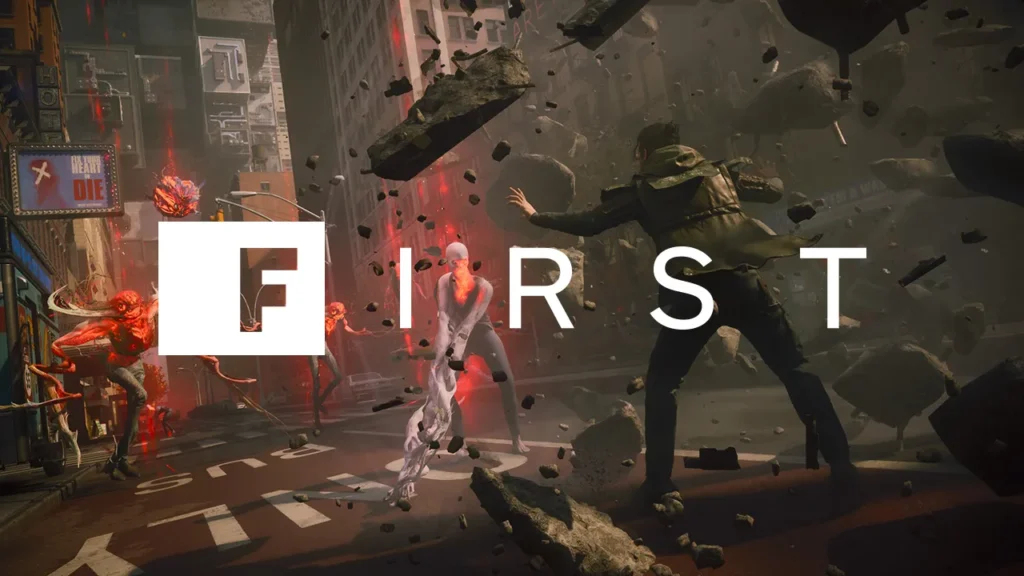
Resonant bosses are central to the way Manhattan evolves, but the phrase “change the map” requires some precision. The strongest confirmed global effect is mechanical rather than necessarily geographical. When Dylan defeats a Resonant, combat encounters throughout the world respond. Mohov has said the reaction is not restricted to the zone where the boss died. New enemies can begin appearing elsewhere, and many encounters increase in level. This means the state of Manhattan changes after important boss victories. Areas that previously contained one enemy composition or difficulty can become more dangerous because Dylan has altered the balance of power.
There is also a narrative and environmental connection between Resonants and the warped city itself. Pre-release explanations describe Resonants as remnants of powerful individuals transformed by the mysterious forces reshaping reality. Patterning, another paranatural phenomenon competing with threats such as the Hiss and Mold, can transform parts of the city into strange algorithmic structures, with Resonants associated with focal or anchor points in those distortions. However, available information does not establish that every boss defeat physically redesigns every street across Manhattan. The better-supported interpretation is that bosses change the global world state by upgrading encounters and introducing threats across multiple zones, while environmental reality distortion is a broader phenomenon integral to the setting.
Enemy scaling is the counterweight to the enormous power increase Dylan receives from defeating Resonants. Mohov has confirmed that enemies have levels and that players encounter harder opponents as they progress into later zones. Resonant victories then introduce another escalation mechanism. When Dylan defeats one of these major bosses, the Hiss effectively responds by producing additional threats throughout the world. New enemy types can appear in encounters where they were not previously present. Existing encounters can also increase in level.
That creates an important strategic question: when should the player defeat another Resonant? Taking one down gives Dylan a significant new ability. Ordinarily, receiving a boss power would make previously visited areas easier. In Control Resonant, however, Manhattan also becomes more dangerous. The player becomes stronger, but the opposition adapts.
This design prevents boss progression from creating a purely one-directional power curve. Players who aggressively pursue Resonants may accumulate major abilities faster, but they also accelerate world escalation. The exact scaling formula remains undisclosed. Remedy has not published numerical information explaining how many enemy levels are added, whether every encounter scales identically, or whether there is a maximum global escalation level. The confirmed principle is what matters: major boss victories have consequences beyond the boss arena.
Manhattan’s reaction to boss victories helps explain why Remedy’s progression system is more interconnected than a standard sequence of isolated levels. Mohov has explained that after a Resonant falls, combat encounters throughout the world respond, including encounters outside the boss’s home zone. New enemies can appear, and many encounters can level up. He has specifically presented this as something players should consider strategically because Dylan’s increase in power is accompanied by additional threats. That approach makes boss selection part of world management.
Control Resonant is not completely linear after its opening stages. Remedy has said that the same first and final major bosses are encountered regardless of how the game is played, but the Resonants between those points can be tackled in a player-selected order. Game Informer’s Gamescom 2026 presentation likewise reported that the intermediate Resonants can be approached in different sequences.
The IGN reporting reproduced by Yahoo and other outlets further indicated that not every intermediate Resonant has to be defeated to reach the story’s conclusion. That matters because every additional boss potentially means another ability for Dylan and another escalation in Manhattan. Choosing to pursue another Resonant can therefore amount to voluntarily raising both the player’s power ceiling and the world’s threat level.
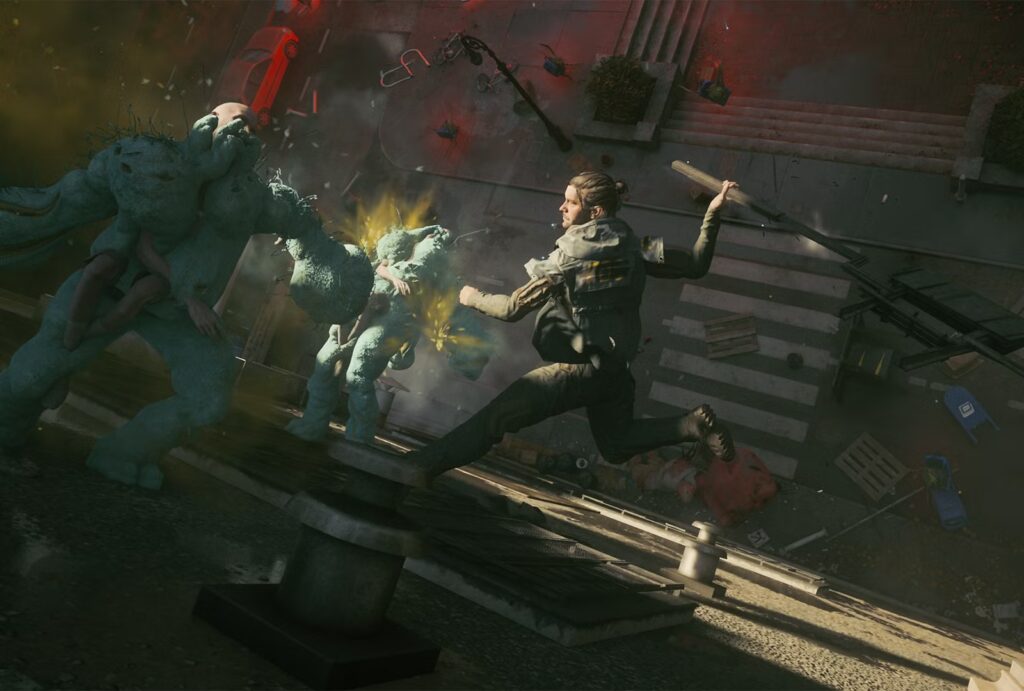
The most important confirmed reward for defeating a Resonant is a new supernatural Combat Ability. Remedy’s official February gameplay announcement explicitly states that defeating these powerful enemies expands Dylan’s supernatural arsenal by unlocking new combat abilities. The PlayStation Blog’s later buildcrafting breakdown further says Resonants are major boss encounters integrated into progression and that some provide branching ability choices supporting different playstyles. These powers are not simply trophies. Combat Abilities are one of Control Resonant’s three central build pillars, meaning Resonant fights can fundamentally change what Dylan is capable of doing in future encounters.
That explains why the enemy-scaling consequence is necessary. If defeating a boss only granted another powerful ability without changing anything else, Dylan could eventually overpower earlier areas. Remedy instead allows the world to answer that growth. The relationship creates a deliberate risk-and-reward structure. A Resonant provides a major upgrade, but defeating it also advances Manhattan’s hostile ecosystem. This fits the broader philosophy of specialization. Remedy has said not everything can be unlocked during one playthrough. The game is designed around build choices rather than the assumption that every player will eventually possess an identical complete toolkit.
Control Resonant Talent Points, Dylan Faden’s Build and Action-RPG Progression
Every time a zone gains a level, Dylan receives a Talent Point, according to Mohov’s explanation of the progression system. This is where Control Resonant reconnects its unconventional zone-XP model with a more familiar action-RPG structure. Talent Points contribute directly to Dylan’s build rather than merely changing the environment. Remedy describes Talents as one of three major components of buildcrafting alongside supernatural Combat Abilities and the Aberrant’s Weapon Forms. Talents are designed to strengthen synergies between melee attacks and abilities, making them important to the way individual builds function.
The implication is significant for exploration. Completing side activities is not simply optional completionist work. If those activities help level zones, and zone levels award Talent Points, then exploring Manhattan becomes one of the mechanisms through which players obtain additional build customization.
This creates a different relationship between optional content and power than a conventional RPG XP bar. Instead of every defeated enemy gradually moving Dylan toward level 15 or level 20, broader engagement with Manhattan contributes to regional levels that then feed Talent Points into the character-progression system. Remedy has not publicly disclosed a complete Talent tree or the total number of points obtainable through all zones. The studio has, however, stated that players will not be able to unlock everything during a single playthrough, emphasizing specialization and build choice.
Dylan’s progression consists of more than Talent Points, but Talents are the part most closely connected to zone XP. The Gap is central to the wider system. Remedy describes it as a dreamlike metaphysical space connected to Dylan’s psyche. Players can enter it outside combat and use it to shape their build. The three major build pillars presented by Remedy are supernatural Combat Abilities, Weapon Forms for the Aberrant, and Talents that strengthen interactions between abilities and melee combat. That means Dylan’s character development operates through several parallel progression paths:
- Talent Points originate from leveling zones.
- Powerful Resonants award Combat Abilities.
- Weapon Forms determine how the Aberrant behaves, including differences in speed, reach, role, and combo possibilities.
Rather than having all of those systems controlled by a single numerical character level, Control Resonant makes players assemble them into a chosen combat identity. This approach is particularly important because the combat system is designed around interaction between abilities and melee attacks. Remedy has explained that melee hits restore the resource needed for Combat Abilities, abilities can stun enemies and create execution opportunities, and executions can temporarily strengthen melee damage. Talent choices can therefore matter not simply because they increase statistics but because they can reinforce the internal loop of a build.
Control Resonant separates advancement into multiple interconnected systems instead of placing nearly everything behind a single character-level number. Zone XP represents environmental investment. Talent Points provide more recognizable RPG build development. Resonants supply major supernatural abilities. Weapon Forms modify how Dylan’s Aberrant functions in melee combat. The Gap provides a dedicated metaphysical space in which those build components can be managed. The result is a progression model in which different activities produce different kinds of advancement.
Exploration can level zones. Zone levels can provide improvements and Talent Points. Talents strengthen Dylan’s build. Bosses supply entirely new abilities. Those boss victories then strengthen enemies across Manhattan, creating new challenges for the improved Dylan. This circular relationship is arguably the most important aspect of the system. Progress does not simply mean increasing numbers until earlier content becomes irrelevant. Increasing Dylan’s power can also increase the world’s hostility.
It is also consistent with Remedy’s stated emphasis on player choice. The studio has said players are free to choose what they do and in what order, while build choices are intended to have an immediate effect on moment-to-moment combat. Control Resonant therefore uses the language and systems of an action RPG while rearranging their traditional hierarchy. The protagonist still becomes stronger, but the world surrounding him has its own progression logic.
Frequently Asked Questions (FAQs)
- Does Dylan Faden get XP in Control Resonant?
No. Dylan does not receive conventional character XP or fill an experience bar that raises an overall character level. Instead, completing activities awards XP to the Manhattan zone where those activities take place. Dylan still becomes stronger through Talent Points, supernatural Combat Abilities, and Aberrant Weapon Forms. The distinction is that exploration develops individual areas, while the rewards from that progression help players strengthen and customize Dylan’s build. - What gets XP in Control Resonant?
The individual zones of Manhattan receive XP, with activities contributing to the progression of the area where they are completed. Once a zone accumulates enough experience, it levels up and awards a zone improvement alongside a Talent Point. This connects local exploration to both regional benefits and character development: investing time in a district can improve what that area offers while also giving Dylan more options for developing his build. - How do you level up a zone in Control Resonant?
You level up a zone by completing activities within it. Manhattan’s areas contain World Quests, combat encounters, environmental challenges, hidden discoveries, secrets, and optional content, giving players reasons to investigate beyond the main campaign. However, Remedy has not published a complete breakdown confirming which activities award XP or how much each provides. Exploring and engaging with a district is the intended approach, but specific farming routes or the fastest leveling method have not been established. - What happens when a zone levels up?
A zone level awards a regional improvement and gives Dylan a Talent Point. Confirmed examples of improvements include better health drops during activities, revealing loot chests on the map, and opening arcade cabinets containing challenge missions. These benefits can make an area easier to explore or provide additional reasons to return. They are examples of possible rewards, rather than a promise that every level grants all three, and some arcade challenges may be better attempted after Dylan becomes stronger. - What are Talent Points used for in Control Resonant?
Talent Points develop Dylan’s Talents, one of the game’s three main build components alongside supernatural Combat Abilities and Aberrant Weapon Forms. Talents can strengthen the relationship between abilities and melee attacks, helping players create a more effective combination of powers and weapon choices. Because zone levels award these points, exploration contributes directly to combat customization. Remedy has also said players cannot unlock everything in one playthrough, making specialization an important part of progression. - What do Resonant bosses give Dylan?
Defeating a Resonant unlocks a new supernatural Combat Ability, expanding Dylan’s options in later fights. These rewards are a central part of character progression rather than simply bonuses for defeating a difficult enemy. Some involve branching ability choices that support different playstyles, allowing boss victories to influence the direction of a build. However, gaining that power comes with a tradeoff: defeating a Resonant also causes hostile encounters across Manhattan to respond and become more dangerous. - Do enemies become stronger after defeating a Resonant?
Yes. Defeating a Resonant can introduce new enemies and increase the levels of many existing combat encounters throughout Manhattan, including areas outside the boss’s own zone. Previously visited districts therefore may not offer the same opposition when Dylan returns. This balances the new Combat Ability he receives against a more threatening world. Remedy has not disclosed the exact scaling formula, so it should not be assumed that every enemy or encounter increases by an identical amount. - Can Control Resonant bosses be fought in any order?
Not completely. The first and final major bosses are fixed, but players can approach the intermediate Resonants in different orders. Pre-release reporting also indicates that defeating every intermediate Resonant is not necessary to reach the ending. This gives players some control over how they pursue additional powers. Because each victory can also strengthen encounters across Manhattan, choosing another boss involves weighing the benefit of a new ability against the increased danger that follows. - Is Control Resonant a fully open-world game?
No. Manhattan consists of large, distinct, handcrafted open zones rather than one seamless traditional open world. These areas provide room for exploration, side stories, secrets, and optional challenges, but they are connected through FBC checkpoints. Access within them also depends on abilities, keys, access cards, and progression, so not every location is immediately available. The structure supports exploration while allowing more routes and spaces to become accessible as Dylan advances. - When does Control Resonant release?
Remedy Entertainment has announced a worldwide digital release date of September 24, 2026, for PlayStation 5, Xbox Series X|S, and PC through Steam and the Epic Games Store. Those platforms share the announced launch date, while the Mac version is planned separately for later in 2026. Mac players therefore should not expect their version alongside the initial September release; a specific date for that version has not been provided in the announcement.
Conclusion
Control Resonant’s XP and boss systems demonstrate how extensively Remedy Entertainment is reworking the progression formula of the original Control. The key idea is not that progression has disappeared, but that progression has been distributed across Dylan and Manhattan.
Dylan does not use a conventional personal XP system. Zones earn experience when players participate in their activities. Those levels produce local improvements, potentially improving health drops, revealing loot chests, and unlocking arcade challenge missions. Every zone level also gives Dylan a Talent Point, directly connecting exploration to character development.
Boss progression introduces the opposite force. Resonants provide Dylan with major supernatural abilities, dramatically expanding what he can accomplish in combat. Yet every victory can also strengthen Manhattan’s opposition. New enemies appear, existing encounters increase in level, and the consequences can be felt outside the district where the Resonant was defeated.
That interaction is what makes the claim that Control Resonant gives XP to zones, not Dylan, and bosses change the whole map meaningful. Zone progression rewards players for interacting with Manhattan, while boss progression ensures Manhattan continues reacting to Dylan.
The system also complements Control Resonant’s nonlinear structure. Manhattan consists of handcrafted open zones rather than one seamless open world. World Quests, environmental challenges, encounters, secrets, and discoveries encourage players to explore those spaces, while abilities, keys, access cards, and character relationships gradually expand where Dylan can travel.
Most importantly, progression creates consequences. Players can pursue another Resonant to obtain an enticing new power, but doing so can make the rest of the world more dangerous. They can invest in individual zones to gain Talent Points and regional benefits. They can specialize instead of expecting to unlock every option in one playthrough.
Control Resonant is therefore approaching action-RPG progression as a relationship between protagonist and environment. Dylan grows stronger because of what he discovers and defeats, while Manhattan develops alongside him rather than remaining a static backdrop. If the final release preserves the systems Remedy has demonstrated before launch, the result will be a progression model in which leveling the world is every bit as important as improving the person fighting through it.
Sources and Citations
- Remedy Entertainment — “CONTROL Resonant Launches Worldwide on September 24”
Published June 2, 2026. This is the official source for the September 24, 2026 release date, platforms, Dylan Faden, and the supernatural crisis in Manhattan. (Remedy Games)
Remedy Entertainment — CONTROL Resonant Launches Worldwide on September 24 - PlayStation Blog — “Control Resonant: a deep dive into combat, buildcrafting, and player choice”
Published March 4, 2026. This covers combat, buildcrafting, the Gap, Resonants, Combat Abilities, Aberrant Weapon Forms, Talents, and player choice. (PlayStation.Blog)
PlayStation Blog — Control Resonant deep dive - Remedy Entertainment — “Remedy Entertainment Unveils New Gameplay Details for CONTROL Resonant”
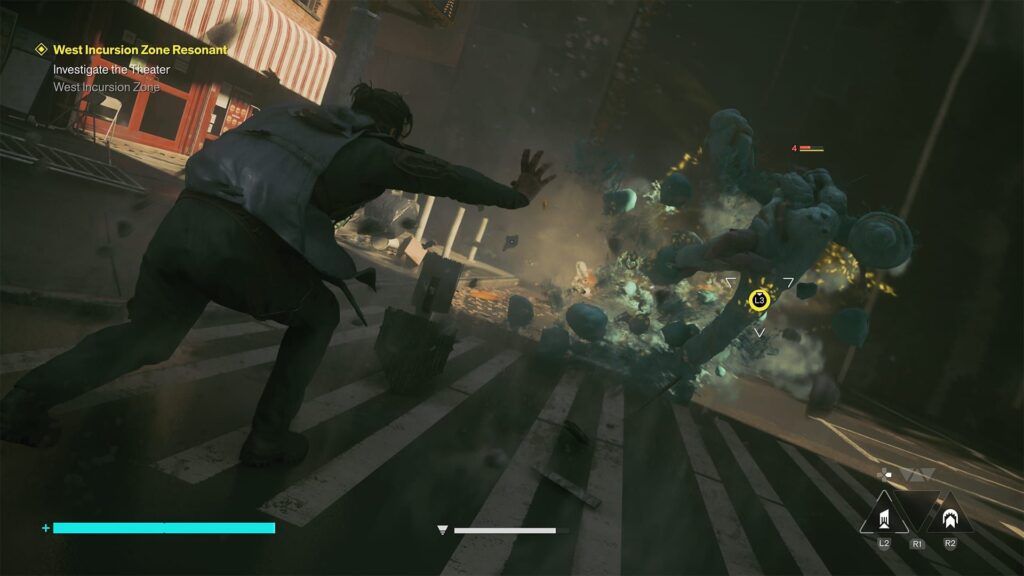
Published February 13, 2026. This is the official source for the West Incursion Zone, Gravity Anomalies, expansive zones, Resonants, and the Aberrant. (Remedy Games)
Remedy Entertainment — New CONTROL Resonant Gameplay Details - IGN via Yahoo — “‘You Don’t Get XP, But Zones Do’: How Control Resonant Is Rewriting the Action RPG Rule Book”
Published August 19, 2026. This is the source for zone XP, zone improvements, Talent Points, loot chests, arcade cabinets, enemy levels, and Manhattan-wide changes after defeating Resonants. (Yahoo Tech)
IGN article via Yahoo — You Don’t Get XP, But Zones Do - Epic Games Store — “Control Resonant opens up as you get stronger — and as characters start trusting you”
Published August 26, 2026. This covers Manhattan’s open zones, FBC checkpoints, ability-gated exploration, keys, access cards, trust systems, and player freedom. (Epic Games Store)
Epic Games Store — Control Resonant interview - Game Informer — “Control Resonant Continues To Look Weird And Strange”
Published August 26, 2026. This confirms the flexible order of the intermediate Resonant bosses, fixed first/final bosses, world events, dialogue choices, the Collective encounter, and the transformed Manhattan. (Game Informer)
Game Informer — Control Resonant Continues To Look Weird And Strange - GameSpot — “Control Resonant Gameplay Preview: Doing The Unexpected With The Familiar”
Published March 3, 2026. This provides supporting details on Dylan’s Combat Abilities, the Aberrant, combat, build synergy, Resonant rewards, and the Gap. (GameSpot)
GameSpot — Control Resonant Gameplay Preview
Recommended
- Kynseed Console Launch and Beast of Reincarnation Explained
- How to Integrate Metahuman with ALSV4 in Unreal Engine 5: Complete Setup Guide
- How to Create Metahuman Child Characters and Convert MakeHuman Models to Metahuman in Unreal Engine 5
- PlayStation Plus Free Games For March 2026 Revealed: Full PS Plus Essential List, Dates (March 3–April 6), and How to Claim
- Control Resonant Hands-on Preview: What the Game is and Why it Matters
- God of War Laufey Release Date Set for February 16, 2027
- Gears of War Movie Director Shares Major Netflix Update
- Alysa Liu’s Olympic Skating Routine is Now in Fortnite as an Emote (Stateside): Price, Release Date, and How to Get It
- Aliens: Fireteam Elite Switch Shutdown: Why Owners Can No Longer Play the Game



































































































