


DC Reveals Ambitious Lineup of Comics for Pride Month 2026
DC Comics has unveiled an expansive initiative for Pride Month 2026, centering on a major Justice League event series. Unlike previous years’ standalone anthologies, this coordinated effort integrates LGBTQIA+ characters—specifically trans heroes Dreamer and Galaxy—into the core of the DC Universe’s future storytelling.
DC Pride 2026 Release Schedule and On-Sale Dates
The initiative spans three months, linking mainline continuity with young adult (YA) graphic novels:
- April 29, 2026: Justice League Intergalactic Special #1 (One-shot prelude).
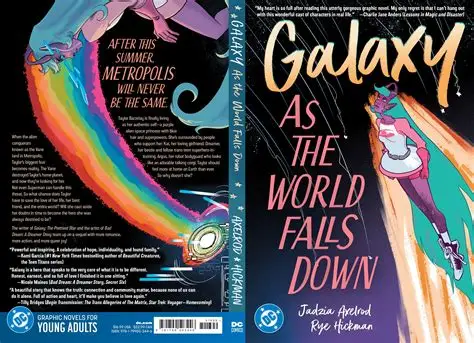
- May 5, 2026: Galaxy: As the World Falls Down (Original YA graphic novel sequel).
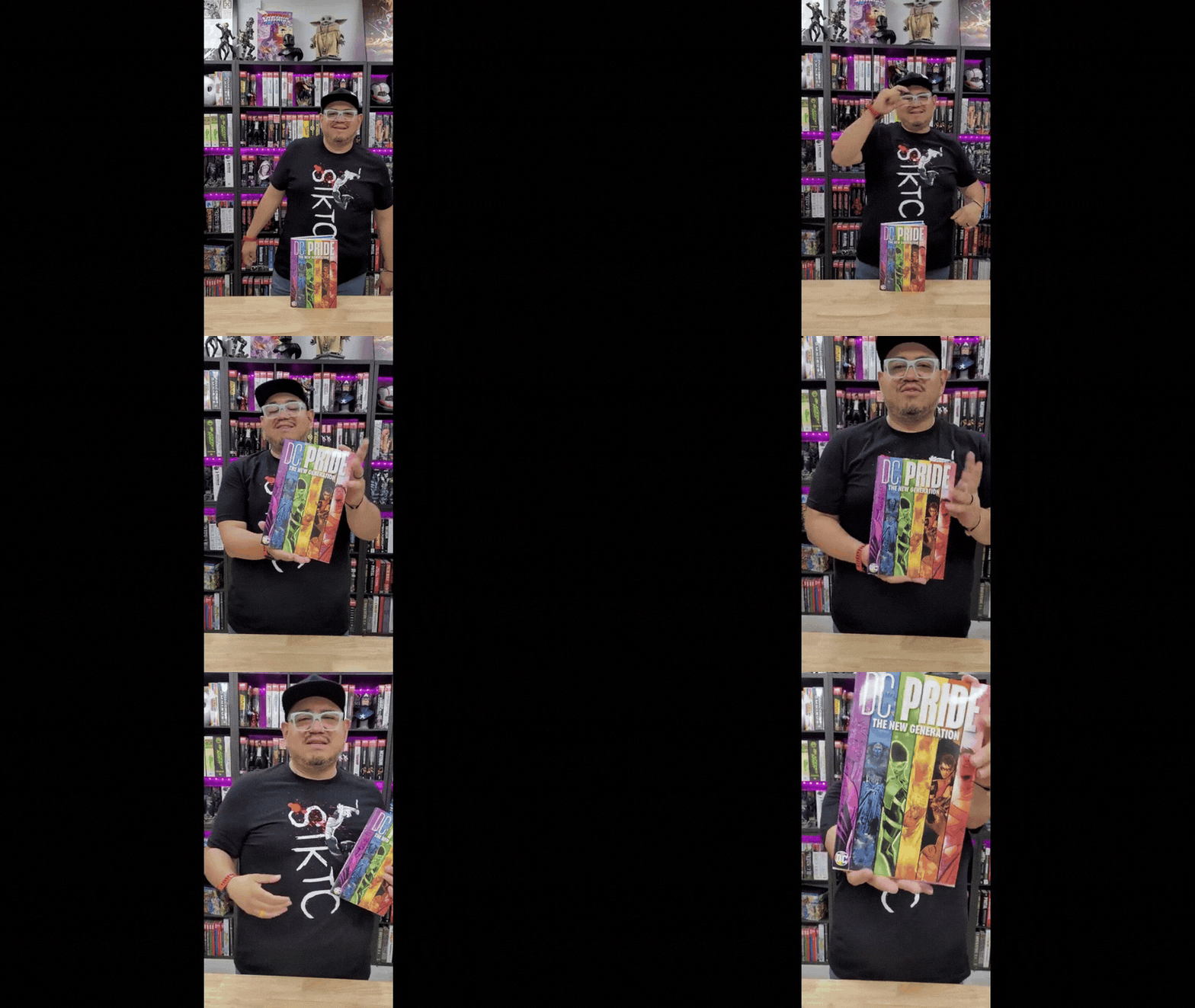
- May 26, 2026: DC Pride: The Heart Wants (Deluxe hardcover retrospective of 2025).
- June 2026:Justice League: Dream Girls – A DC Pride Event #1–4 (Weekly flagship miniseries).
- Issue #1: June 3
- Issue #2: June 10
- Issue #3: June 17
- Issue #4: June 24
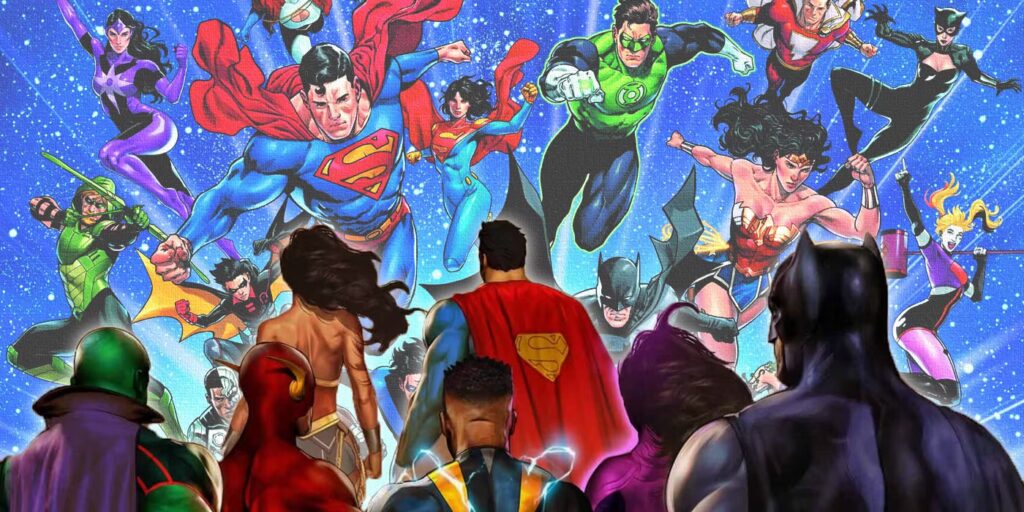
What is Justice League: Dream Girls – A DC Pride Event?
Justice League: Dream Girls is a four-issue weekly miniseries that places Dreamer and Galaxy at the center of a world-spanning adventure.
- Continuity: Part of the “All In” initiative, making it fully canon within the DC Universe.
- Creators: Co-written by Nicole Maines (Dreamer’s creator) and Jadzia Axelrod (Galaxy’s creator).
- Art Team: Includes Nicola Scott, Mikel Janín, and others, with main covers by Brandt & Stein.
- Purpose: It functions as a bridge between DC’s YA line and its mainline superhero comics.
Justice League: Dream Girls #1 Release and Cover Details
Releasing on June 3, 2026, the first issue sets the stage on the island of Themyscira.
- Main Covers: Brandt & Stein designed the covers for issues #1 and #2 to form a single connected image, with a similar treatment for issues #3 and #4.
- Variants: Issue #1 features a variant cover by artist Claire Roe.
Who are Galaxy and Dreamer in DC Pride 2026?
The event focuses on the deep friendship between two prominent trans heroes:
- Dreamer (Nia Nal): A human-Naltorian hybrid with precognitive dream powers. In 2026, she is at an emotional low point, branded a “war criminal” by the Justice League due to past mistakes. She must overcome self-doubt to regain her heroic status.
- Galaxy (Taylor Barzelay): An alien princess from Cyrannus hiding on Earth. Her powers include energy manipulation and shape-shifting. While she is a respected new member of the Justice League, she struggles with the pressure of living up to the League’s standards.
Justice League Intergalactic Special #1 Explained
This April one-shot serves as the direct prologue to Dream Girls.
- The Plot: The Witch Queen ensnares the planet Naltor in a nightmare. Star Sapphire assembles a rescue team including Green Arrow and Adam Strange.
- The Conflict: Galaxy sneaks Dreamer onto the mission. The story explores the tension between Galaxy’s high standing in the League and the suspicion surrounding Dreamer’s reputation.
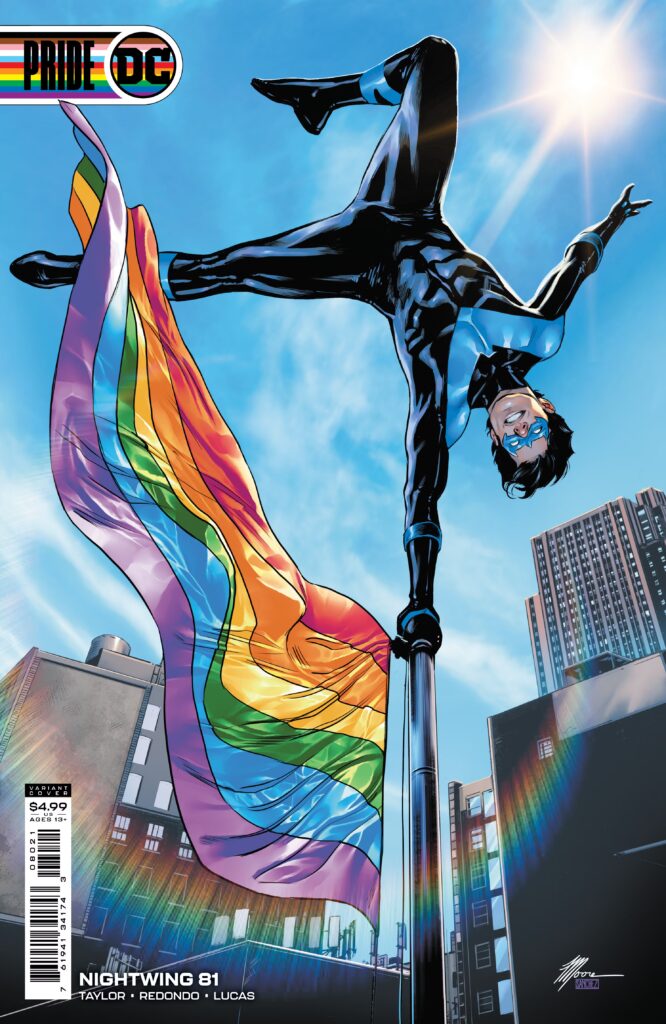
Galaxy: As the World Falls Down YA Graphic Novel
This May release is the sequel to Galaxy: The Prettiest Star.
- Story: Taylor Barzelay navigates life after high school and the threat of the Vane, an alien empire hunting her.
- Dreamer’s Role: The book solidifies the bond between Taylor and Nia Nal, explaining why Galaxy trusts Dreamer implicitly during the subsequent Justice League mission.
Connecting YA Graphic Novels to Mainline Continuity
DC is using Pride 2026 to unite its “Next Level” YA content with “All In” mainline comics. By having Galaxy—a character who originated in a YA book—join the Justice League, DC is validating YA stories as essential pieces of the broader DC tapestry.
Justice League: Dream Girls Plot and the “Dreamscape” Mystery
The series begins with Dreamer and Galaxy waking up in a “perfect” version of Themyscira.
- The Illusion: Nia is an Amazon princess and Taylor is a champion warrior.
- The Conflict: The perfection is a facade. A mysterious stranger warns them to leave, but the shifting landscape makes escape difficult.
- The Stakes: For Dreamer, the dream represents the total acceptance she has always craved, making the choice to leave for a harsh reality a significant psychological challenge.
The Key: DC Villain Explained
The architect of the dream-world is The Key, a classic Justice League adversary obsessed with the mind.
The Threat: The Key seeks to neutralize Galaxy, who can see through his illusions, while keeping Dreamer sedated by the “perfect” life he has crafted for her.g to see how this collaboration pays off – but given Maines’ and Axelrod’s track records, it’s something to be genuinely excited about.
Weaponized Dreams: He uses Dreamer’s own desires to trap her in a reality where heroism is easy and painless.
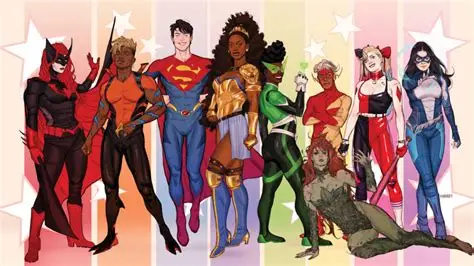
In a literal sense, DC Pride 2026 doesn’t end on June 30th – its stories and character developments flow right into the comics coming in July, August, and beyond. That’s a strong evolution of the concept: rather than isolating “Pride content,” DC is integrating it. For readers, it means the representation and themes of Pride carry forward. For the company, it means these characters drive sales and stories beyond the niche of a celebratory anthology. Essentially, DC is mainstreaming what once might have been considered side content.
To illustrate with specifics: by July or fall 2026, we might have that Batwoman Next Level series kicking off (with perhaps a status quo established by Pride’s backup). Poison Ivy’s Bad Seeds event might start (with Ivy’s mindset or motivations influenced by what happened in her Pride short). Dreamer could appear in a Superman or Justice League issue dealing with aftermath from Dreamscape. And since Pride 2025’s single story got a hardcover, maybe Pride 2026’s Dream Girls event will get collected and remain relevant reading for continuity.
DC Pride 2026 is both a celebration of how far we’ve come and a bold declaration of intent for the future. By anchoring queer heroes in major roles and tying their stories to future plotlines, DC is ensuring that the contributions of Pride Month don’t fade away—they actively shape the narrative landscape of the DC Universe moving forward. This initiative is building a legacy where diversity and inclusion are not seasonal themes but permanent pillars of DC storytelling.
Frequently Asked Questions (FAQs)
- When does Justice League: Dream Girls come out and how many issues is it?
Justice League: Dream Girls – A DC Pride Event is a four-issue weekly miniseries debuting in June 2026. Issue #1 is released on June 3, 2026, with issues #2–4 following on June 10, June 17, and June 24 respectively. All four issues will be out by the end of Pride Month (weekly throughout June). - Do I need to read any other comics before Justice League: Dream Girls?
It’s not strictly required, but it helps to read the Justice League Intergalactic Special #1 (on sale April 29, 2026), which sets up the events of Dream Girls. Additionally, the YA graphic novel Galaxy: As the World Falls Down (out May 5, 2026) provides background on Galaxy’s character and her friendship with Dreamer. These will enrich your understanding, but Dream Girls #1 will also recap the essentials so new readers won’t be lost. - Who are the main characters Dreamer and Galaxy?
Dreamer (Nia Nal) is a transgender superhero with precognitive “dream” powers – she can dream the future and tap into dream energy. Originally introduced on the Supergirl TV show, she was integrated into DC Comics in 2021–2022. In continuity, Dreamer is a descendant of the Legion’s Dream Girl and has aided Superman and the Justice League, though some past mishaps have left her with a troubled reputation. Galaxy (Taylor Barzelay) is a trans teenage girl who is actually an alien princess from the planet Cyrannus. She stars in the YA graphic novel Galaxy: The Prettiest Star and its sequel, and can manipulate energy and shapeshift. Galaxy’s story is about embracing her identity; by 2026 she’s become a rookie member of the Justice League. The Pride event centers on these two heroines and their close friendship. - What is the basic plot of Justice League: Dream Girls?
In Dream Girls, Dreamer and Galaxy mysteriously wake up on Themyscira (Wonder Woman’s island) living an idyllic life – Dreamer is a princess of the Amazons and Galaxy is their champion. They soon realize this perfect “dream” world isn’t what it seems. The landscape and reality around them start shifting oddly, and a stranger urges Dreamer to leave paradise to save the real world. It turns out they’re trapped in a dream-generated illusion controlled by the villain The Key, who is using a dreamscape to imprison them. The series follows Dreamer and Galaxy as they fight through layers of unreality to break free of the Key’s trap and confront the threat endangering the waking world. - Is Justice League: Dream Girls part of DC’s main continuity?
Yes. Unlike past standalone Pride anthologies, Dream Girls is fully in-continuity, meaning its events “count” in the main DC Universe timeline. It’s branded as a “DC All In” miniseries, indicating it’s tied into ongoing continuity threads. For example, it references Dreamer’s involvement in previous DC storylines (like Beast World) and positions Galaxy alongside established Justice League members. The outcome of this series will have lasting effects on the characters and possibly other titles going forward. - Who is writing and drawing these comics?
The event is co-written by Nicole Maines (who created Dreamer on TV and has written her in comics) and Jadzia Axelrod (who created Galaxy in the YA novel). They are the primary writers for Justice League: Dream Girls and the Intergalactic Special. The art across Dream Girls’ four issues is handled by a team including Nicola Scott, J. Bone, Stephen Sadowski, Vincent Cecil, Mikel Janín, Rosi Kämpe, and Brandt & Stein. Each issue also features an 8-page backup by different creators (e.g., Greg Rucka & Claire Roe on a Batwoman story). The Galaxy YA graphic novel is by Axelrod with artist Rye Hickman. So, it’s a star-studded roster of writers and artists, many of whom are LGBTQ+ creators themselves. - What role does The Key play in this story?
The Key is the main villain of Dream Girls. He’s a classic Justice League foe who specializes in mind manipulation and creating illusions. In this event, The Key has constructed the “shifting dreamscape” that traps Dreamer and Galaxy on Themyscira. He offers Dreamer a false reality where she has everything she wants, hoping to keep her complacent. Essentially, The Key exploits their desires in order to control them. His ability to mess with dream energy makes him a formidable adversary for Dreamer (whose powers are dream-based). The heroes will have to outwit and defeat The Key to break free of the dream world and save the day. - Are there other LGBTQ+ characters in the event besides Dreamer and Galaxy?
Yes! Each issue of Dream Girls features a backup story focusing on different LGBTQIA+ heroes. Issue #1 has a Batwoman story, issue #2 spotlights the Green Lantern Corps (likely a queer Lantern or team), issue #3 has a Poison Ivy story, and issue #4 includes a personal piece by Klaus Janson (details TBA). Also, within the main story, we see other heroes: the Justice League Intergalactic Special includes Star Sapphire, Green Arrow, Adam Strange and more on the mission with Galaxy and Dreamer. Characters like Wonder Woman and the Amazons appear, at least in the dreamscape setting. So, while Dreamer and Galaxy lead, the event showcases a whole community of queer heroes and allies. - Will there be Pride-themed variant covers this year?
Absolutely. DC is releasing Pride variants on eight titles in June 2026. These include Batwoman #4 (art by Betsy Cola), Emperor Aquaman #18 (Bruka Jones), Justice League Unlimited #20 (Jessica Fong), Wonder Woman #34 (Fatima Wajid), New Titans #36 (Rachael Stott), Poison Ivy #45 (Don Aguillo), Harley Quinn #63 (Stephen Byrne), and Detective Comics #1110 (Angel Solorzano). Each variant features celebratory art often highlighting LGBTQ characters or themes – for example, the Batwoman cover and a fun Titans cover with Superboy and The Ray were mentioned. These variants will roll out throughout June, usually coinciding with the release of those issues. - How does Pride 2026 impact future DC Comics after June?
Pride 2026 is intentionally setting up plotlines for the future. The backup stories, for instance, tie into upcoming arcs – Batwoman’s story leads into a new series, Poison Ivy’s sets up a “Bad Seeds” event later in 2026. Dreamer and Galaxy’s inclusion in a major event likely means they’ll continue appearing in DC comics (perhaps joining teams or getting follow-up stories). Editor Andrea Shea emphasized that these Pride tales are the next chapters for their characters and woven into the fabric of the DC Universe going forward. In short, the characters and developments from Pride Month won’t disappear on July 1st – they feed directly into year-round continuity. Expect to see the ramifications in titles like Batwoman (post-June), Poison Ivy, Justice League, Green Lantern, and more as 2026 progresses.
Conclusion
DC’s Pride Month 2026 lineup represents a watershed moment for LGBTQIA+ representation in superhero comics. By unveiling a multifaceted slate headlined by Justice League: Dream Girls – a continuity-driven miniseries starring trans heroes – DC is affirming that queer characters and stories belong at the forefront of its universe, not on the sidelines. This ambitious initiative skillfully bridges worlds: weaving together the youthful authenticity of its YA graphic novels with the high stakes of Justice League adventures. It’s a celebration of how far characters like Dreamer and Galaxy have come, evolving from groundbreaking first appearances into central protagonists of a major event.
Throughout June 2026, readers will be treated to a rich tapestry: an emotional, cosmic mystery spanning weekly issues; heartfelt bonus tales of fan-favorites like Batwoman and Poison Ivy that hint at tomorrow’s storylines; a vibrant hardcover honoring last year’s Pride creations; and eye-catching variant covers that splash Pride across DC’s biggest titles.
All of these threads are connected by a common message – visibility, diversity, and legacy. Justice League: Dream Girls isn’t just a compelling Justice League story, it’s a statement that LGBTQIA+ heroes can carry marquee narratives and drive the DCU forward. With Nicole Maines and Jadzia Axelrod at the helm, the event carries authenticity and heart, delving into themes of identity, belonging, and self-acceptance in the face of temptation and fear.
The impact of Pride 2026 will resonate beyond June. By design, these issues sow seeds for the future – whether it’s Batwoman’s next chapter, Ivy’s forthcoming Bad Seeds saga, or the ongoing adventures of Dreamer and Galaxy as integral parts of the DC pantheon. DC has effectively used this celebration as a launchpad for year-round storytelling, fulfilling the promise that Pride is both a yearly milestone and a continuous journey.
As Andrea Shea noted, this initiative is the culmination of years of groundwork and the start of something new. Fans at all levels – from those meeting Nia and Taylor for the first time, to longtime readers who’ve followed their growth – will find value in this event. It’s accessible, yet deeply rewarding in its connections to continuity and character arcs.
Ultimately, “DC Pride 2026: Justice League: Dream Girls, Galaxy, Dreamer, and More” lives up to its billing as an ambitious lineup. It goes all-in on representation without sacrificing the epic, fun escapism of superhero comics. We’ll get bombastic battles in dreamscapes and on alien planets, balanced with intimate character moments that speak to real-world experiences.
Whether it’s Dreamer overcoming despair or Galaxy proving her place among legends, these stories are poised to inspire and entertain in equal measure. DC is showing that when you center the people who have often lived on the margins – be it in society or in fiction – you unlock fresh perspectives and heroes truly for everyone. Pride 2026 is more than a publishing program; it’s a proud step into a future where every reader can see themselves as part of the DC Universe’s grand adventure.
Sources
- DC Comics Official Press Release – “DC Announces Justice League: Dream Girls – A DC Pride Event” (March 18, 2026)
https://www.dc.com/blog/2026-03-18/dc-announces-justice-league-dream-girls-a-dc-pride-event - AIPT Comics – “DC Pride 2026 reveals ‘Justice League: Dream Girls’ event starring Galaxy and Dreamer” by David Brooke (March 19, 2026)
https://aiptcomics.com/2026/03/19/dc-pride-2026-justice-league-dream-girls/ - ComicsBeat – “Dreamer and Galaxy take center stage for weekly JUSTICE LEAGUE: DREAM GIRLS – A DC PRIDE EVENT series” by Joe Grunenwald (March 19, 2026)
https://www.comicsbeat.com/justice-league-dream-girls-a-dc-pride-event-series-all-in/ - ComicsBeat – “Stott, Byrne, Fong among DC PRIDE 2026 variant cover artists” by Joe Grunenwald (March 19, 2026)
https://www.comicsbeat.com/dc-pride-2026-variant-covers/ - DC Database (Fandom Wiki) – “Nia Nal (Prime Earth)”
https://dc.fandom.com/wiki/Nia_Nal_%28Prime_Earth%29 - PinkNews – “Epic new DC Pride anthology to introduce trans superhero to the comic universe” by Lily Wakefield (March 11, 2021)
https://www.thepinknews.com/2021/03/11/dc-comics-pride-anthology-trans-superhero-dreamer-universe-crush-lobo/
Recommended
- How do I align the camera to my view in Blender?
- How to Make a MetaHuman Talk: Ultimate Guide to Voice and Facial Animation
- Microsoft Tried to Ban “Microslop” in Its Copilot Discord Amid AI Criticism — and the Internet “Microslopped” Even Harder
- The Devil In Me Game Dev Celebrates Star’s Win At The Oscars: Jessie Buckley’s Best Actress Victory Explained
- How do I create a depth map using the Blender camera?
- Unlocking Cinematic Power: The Best 5 Blender Camera Add-ons to Elevate Your Workflow
- How do I make the camera look at an object automatically in Blender?
- How do you change the render resolution of a Blender camera?
- How do I create a camera shake effect in Blender?
- Saving Render Settings for Multiple Cameras in Blender with The View Keeper