








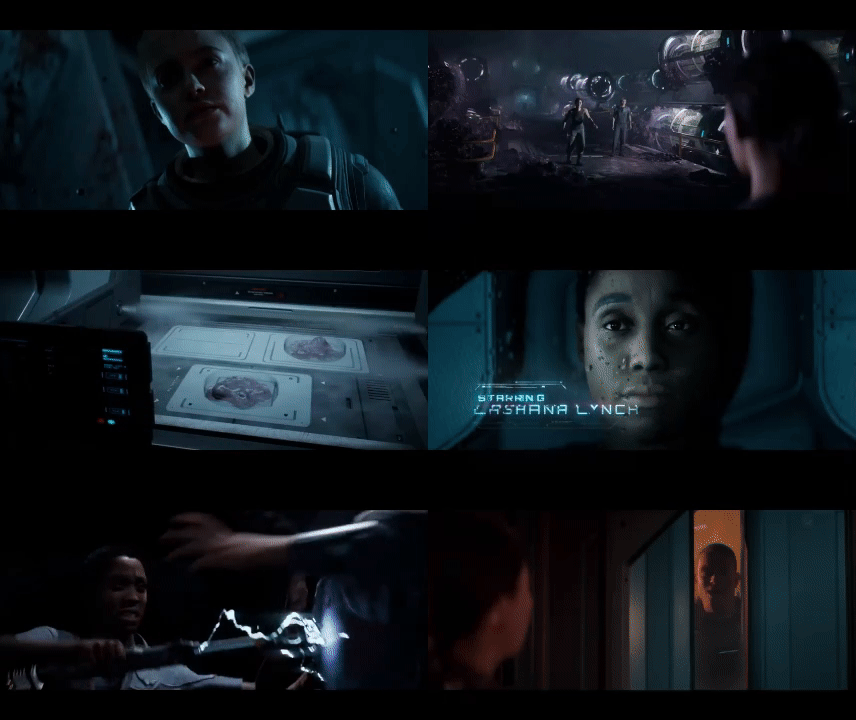
The main keyword “Directive 8020: The Kotaku Review, In space, no one can hear you sigh” reflects the critical conversation surrounding one of the most anticipated sci-fi horror titles in recent years. Built on Supermassive Games’ cinematic decision-driven framework, Directive 8020 pushes the studio into deep space for the first time, blending psychological terror, body horror, and branching narrative systems into a single high-stakes survival experience.
This research-style review examines narrative structure, gameplay systems, critical reception, technical performance, thematic depth, and community response, positioning Directive 8020 within the modern evolution of interactive horror storytelling.
In This Article (19 sections)
Directive 8020 Kotaku Review Explained
The discourse around Kotaku’s coverage of Directive 8020 has centered on tone, pacing, and genre evolution. The review framing typically emphasizes the game’s attempt to modernize the “interactive horror movie” formula while shifting away from terrestrial haunted settings into isolation-driven cosmic dread.
Critics highlight that Directive 8020 succeeds most when it embraces silence, environmental storytelling, and slow psychological tension rather than constant action. The phrase “In space, no one can hear you sigh” has been used metaphorically to describe the game’s emphasis on emotional exhaustion and moral pressure rather than traditional jump scares.
Analysts note that the Kotaku-style interpretation frames the game less as a traditional horror title and more as an interactive survival drama about institutional failure and human fragility under cosmic stress.
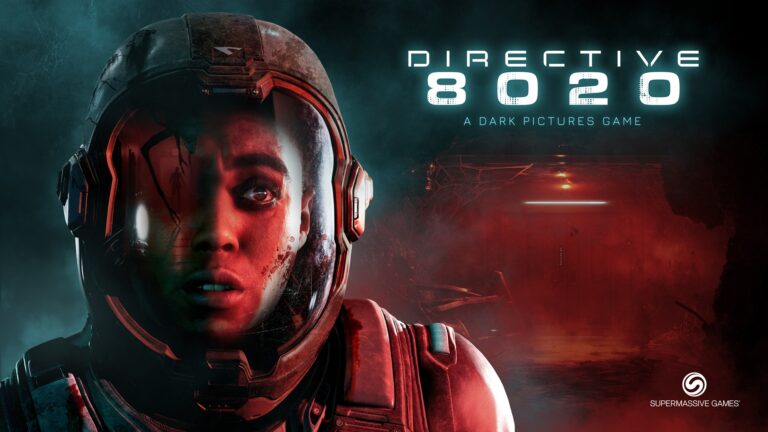
Directive 8020 Story and Ending Breakdown
Directive 8020 follows the crew of the deep-space exploration vessel Cassiopeia, sent to investigate a remote anomaly near the edge of known space. What begins as a standard scientific expedition quickly devolves into paranoia, infection, and identity collapse.
The narrative structure branches heavily based on player choices, with multiple key endings:
- Full crew survival ending
- Partial evacuation ending
- Containment failure ending
- Total psychological collapse ending
The story’s core mystery revolves around an extraterrestrial biological signal that does not simply infect bodies but alters perception, memory, and moral judgment. Endings are less about “winning” and more about what version of humanity survives the encounter.
The final act is widely interpreted as deliberately ambiguous, leaving players uncertain whether the threat is external alien life or internal psychological breakdown amplified by isolation.
Directive 8020 Review Scores from Critics
Early aggregated critical responses place Directive 8020 in a generally positive but divided reception range.
Common score interpretations include:
- Strong narrative design praise (8–9/10 range sentiment)
- Mixed feedback on pacing (6–7/10 sentiment)
- High praise for atmosphere and visuals
- Moderate criticism of mechanical depth
Critics from narrative-focused outlets emphasize emotional impact and replay-driven storytelling. More gameplay-focused reviewers point to limited interactivity during non-choice segments.
Overall consensus: a standout narrative horror experience that may not satisfy players seeking deep mechanical complexity.
Directive 8020 Gameplay Features and New Mechanics
Directive 8020 retains the cinematic structure Supermassive is known for, but introduces new systems designed to increase tension and player accountability.
Key gameplay features include:
- Real-time decision pressure during dialogue sequences
- Environmental scanning for anomaly detection
- Crew trust tracking system
- Dynamic hallucination overlays
- Oxygen and isolation stress mechanics
The game shifts away from purely reactive quick-time events and leans into “situational consequence timing,” where hesitation itself can alter outcomes.
The most significant addition is the psychological stability meter, which affects how characters perceive events and even how dialogue options appear.

Directive 8020 Turning Points System Explained
The Turning Points System is one of the most important narrative mechanics in Directive 8020. It functions as a branching checkpoint structure that locks or unlocks future narrative paths based on cumulative decisions.
Each turning point:
- Records moral alignment choices
- Tracks crew relationships
- Determines survival probabilities
- Alters environmental conditions
Unlike traditional branching trees, Turning Points create layered narrative convergence, meaning small early decisions can have massive late-game consequences.
This system reinforces the game’s central theme: in deep space, no decision is ever truly reversible.
Directive 8020 Stealth Gameplay Reactions
Stealth mechanics in Directive 8020 have divided early impressions. Players must occasionally avoid unknown entities aboard the Cassiopeia using limited tools and environmental concealment.
Reactions generally fall into two categories:
Positive feedback:
- Heightened tension during encounters
- Strong use of sound design
- Limited visibility increases immersion
Critical feedback:
- Occasional unpredictability in enemy detection logic
- Reduced control during scripted stealth sequences
- Some frustration with trial-and-error outcomes
Despite criticism, stealth sections are widely seen as effective in reinforcing vulnerability rather than empowerment.
Directive 8020 Compared to Until Dawn and the Quarry
Directive 8020 is frequently compared to earlier Supermassive titles such as Until Dawn and The Quarry. However, the shift in setting and tone marks a significant evolution.
Key differences include:
- From grounded horror to sci-fi existential horror
- Increased psychological systems
- Less reliance on teenage archetype storytelling
- More emphasis on isolation and institutional collapse
While Until Dawn focused on slasher tropes and The Quarry on summer camp horror, Directive 8020 moves toward philosophical science fiction horror influenced by cosmic uncertainty and identity erosion.
Directive 8020 Alien Horror Inspirations Explained
The game draws inspiration from classic sci-fi horror traditions, including:
- Cosmic isolation narratives
- Body transformation horror
- Paranoia-driven ensemble storytelling
- Unseen or partially understood antagonistic forces
The alien presence in Directive 8020 is never fully visualized in a stable form, reinforcing psychological uncertainty. Instead, it manifests through environmental distortion, hallucinations, and corrupted audio logs.
This approach aligns the game more closely with psychological sci-fi horror than action-oriented alien survival games.

Directive 8020 Cassiopeia Crew Character Analysis
The Cassiopeia crew forms the emotional backbone of the narrative. Each character represents a different philosophical and operational perspective on survival.
Common archetypes include:
- The mission-first captain struggling with moral compromise
- The science officer obsessed with understanding the anomaly
- The engineer focused on survival mechanics over ethics
- The medic balancing compassion and detachment
- The communications specialist experiencing early psychological degradation
Character relationships evolve dynamically based on trust decisions, leading to betrayal, sacrifice, or unity depending on player actions.
Directive 8020 Body Horror and Sci-Fi Themes
Body horror plays a central thematic role in Directive 8020, emphasizing transformation, contamination, and loss of identity.
Key thematic elements:
- Biological mutation through unknown infection vectors
- Psychological fragmentation mirroring physical change
- The blending of human and alien perception systems
- Loss of bodily autonomy under environmental stress
The sci-fi layer reinforces these themes by presenting space as both a physical and psychological void, where identity itself becomes unstable.
Directive 8020 Replayability and Multiple Endings
Replayability is one of the strongest design pillars of Directive 8020. Multiple branching paths encourage players to revisit decisions and explore alternate narrative outcomes.
Replay features include:
- Divergent crew survival combinations
- Hidden narrative logs unlocked via specific paths
- Alternate interpretations of the anomaly
- Secret endings tied to full psychological collapse states
Because of the Turning Points System, no two playthroughs are expected to be identical in emotional tone or outcome structure.

Directive 8020 PC Performance and Graphics Review
On PC, Directive 8020 demonstrates strong graphical fidelity, particularly in lighting and character rendering.
Technical highlights:
- Advanced volumetric lighting for deep space environments
- High-detail facial animation systems
- Dynamic shadow rendering during hallucination sequences
- Stable performance on mid-to-high tier systems
Some performance concerns include:
- Frame dips during heavy particle effects
- Occasional texture loading delays in corridor transitions
- CPU spikes during multi-character decision scenes
Overall, the game is considered well-optimized for a cinematic horror experience.
Directive 8020 Biggest Strengths and Weaknesses
Strengths:
- Strong narrative immersion
- High replay value
- Atmospheric sound design
- Psychological depth
- Meaningful branching decisions
Weaknesses:
- Limited traditional gameplay complexity
- Occasionally inconsistent stealth mechanics
- Heavy reliance on scripted sequences
- Pacing issues in mid-game segments
The balance between cinematic storytelling and interactive control remains the central design tension.
Directive 8020 Fan Reactions and Early Reviews
Fan reactions have been broadly positive, especially among narrative horror enthusiasts. Communities highlight emotional storytelling, character attachment, and unpredictability as standout features.
However, some players express frustration with:
- Lack of direct combat systems
- Slow pacing in exploration segments
- Ambiguity of certain endings
Despite these criticisms, early community consensus frames Directive 8020 as one of the more ambitious Supermassive-style titles in recent years.

Is Directive 8020 the Best Dark Pictures Game Yet?
While not universally agreed upon, many analysts argue that Directive 8020 represents a high point in Supermassive’s evolving design philosophy.
Compared to previous entries in anthology-style horror storytelling, it:
- Expands narrative complexity
- Deepens psychological systems
- Increases replay-driven engagement
- Moves beyond traditional horror tropes
Whether it is the “best” remains subjective, but it is widely considered the most experimental and narratively ambitious entry in its lineage.
Frequently Asked Questions (FAQs)
- What is Directive 8020 about?
A deep-space survival horror story involving a doomed scientific expedition aboard the Cassiopeia. - Is Directive 8020 connected to other Supermassive games?
It shares design philosophy but is not directly connected narratively. - How many endings does it have?
Multiple endings based on survival combinations and psychological outcomes. - What is the Turning Points System?
A branching narrative mechanic that locks long-term story consequences. - Is Directive 8020 scary?
Yes, but it relies more on psychological horror than jump scares. - Does it have combat?
Limited or no traditional combat; focus is on survival decisions. - Can all characters survive?
Yes, depending on player choices and trust management. - Is it replayable?
Highly replayable due to branching narrative paths. - What platforms is it on?
Typically expected on PC and major consoles. - What genre is Directive 8020?
Cinematic sci-fi psychological horror.

Conclusion
Directive 8020 stands as a significant evolution in interactive horror storytelling, merging psychological tension, sci-fi isolation, and branching narrative systems into a unified cinematic experience. Its emphasis on consequence-driven storytelling and emotional pressure over traditional gameplay mechanics positions it as one of the most ambitious entries in Supermassive’s design history.
Sources and Citations
- Kotaku: Editorial analysis and thematic review framing
https://kotaku.com - Supermassive Games developer design philosophy and prior titles (Until Dawn, The Quarry)
https://supermassivegames.com - General interactive narrative horror genre analysis (academic and industry commentary)
https://www.gdcvault.com - Sci-fi horror thematic references and genre comparisons (cosmic horror literature studies)
https://www.hplovecraft.com - Community feedback aggregation and early impressions (gaming forums and review aggregators)
https://www.metacritic.com
Recommended
- The Odyssey Trailer: Odysseus’ Dog Argos, Charlize Theron’s First Look, Tom Holland vs Robert Pattinson, and Everything We Know
- Storage Wars Star Darrell Sheets Dies Aged 67: Cause of Death, Career, and Latest Updates
- Final Fantasy XI Free Trial Expansion: No Time Limit and Higher Level Cap
- Cyberpunk platformers, gallivanting geckos and other new indie games worth checking out (April 2026 roundup)
- Apex Review: Woman () vs. Man () vs. Nature — Survival Thriller (2026)
- Lies of P Sequel Enters Full Production: NEOWIZ Confirms “Vertical Slice” Milestone and Next Steps
- Taylor Swift’s Role in Toy Story 5 Seems Obvious to Toy Story 2 Fans: the “When She Loved Me” Clue
- Ultimate Fallout Gameplay & Modding Guide: How to Create Custom Mods, Use Grenades, Repair Power Armor, and Master Every Game Mechanic
- How do I create a bird’s-eye camera view in Blender?
- God of War TV Series Adds Lost Star Sonya Walger as Freya in Prime Video Adaptation



































































































