



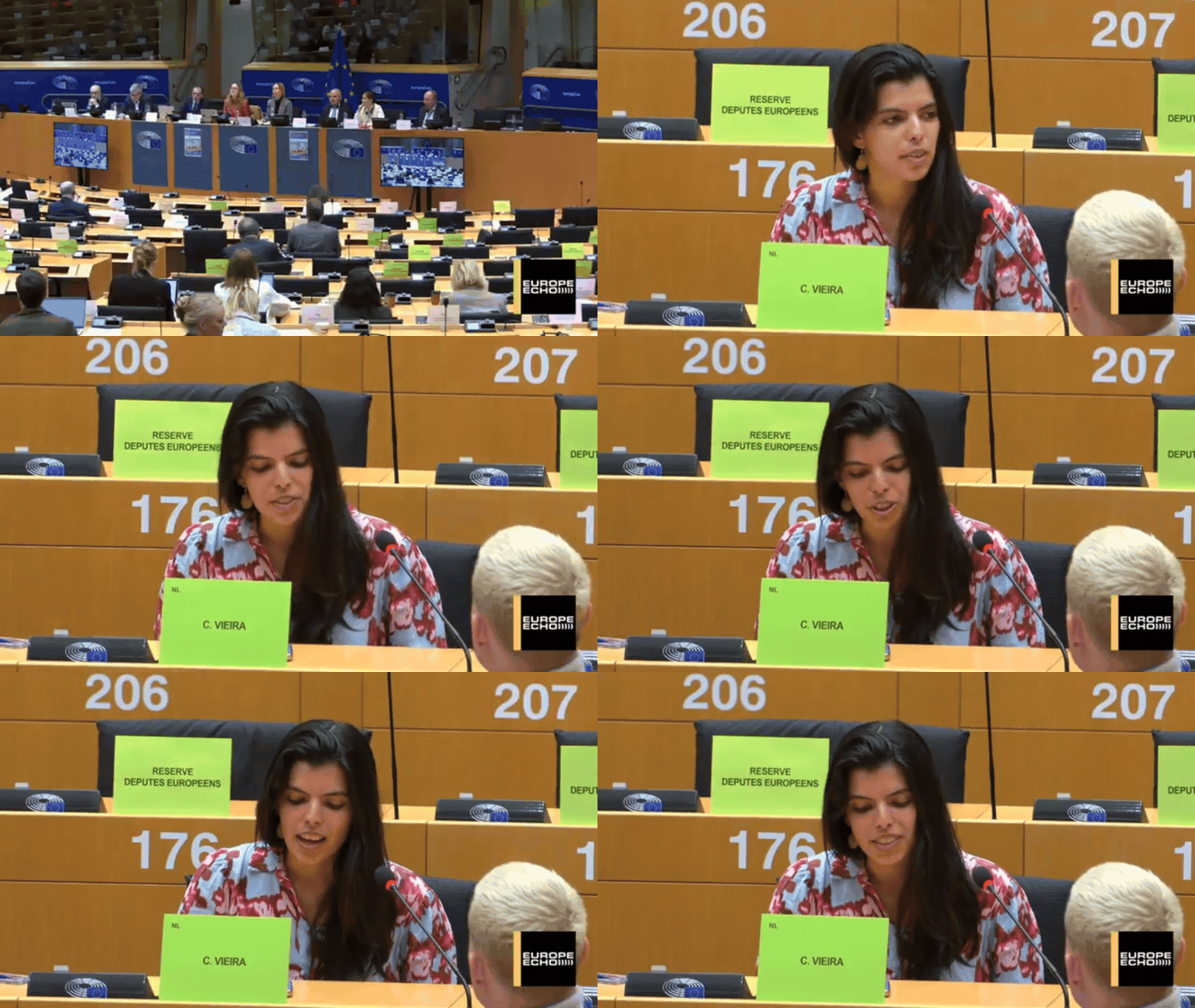
The question behind Should Video Game Publishers Be Allowed to Disable Games You Bought? European Parliament Hearing moved from consumer frustration into formal EU politics on 16 April 2026, when the European Parliament held a public hearing on the successful European Citizens’ Initiative “Stop Destroying Videogames.” The legal answer today is not a simple yes or no: publishers can still discontinue games in practice, but EU law already regulates transparency, fairness, misleading conduct, digital-content conformity, and remedies, and the hearing has now put pressure on the European Commission to say whether those existing rules are enough.
European Parliament “Stop Destroying Videogames” hearing explained
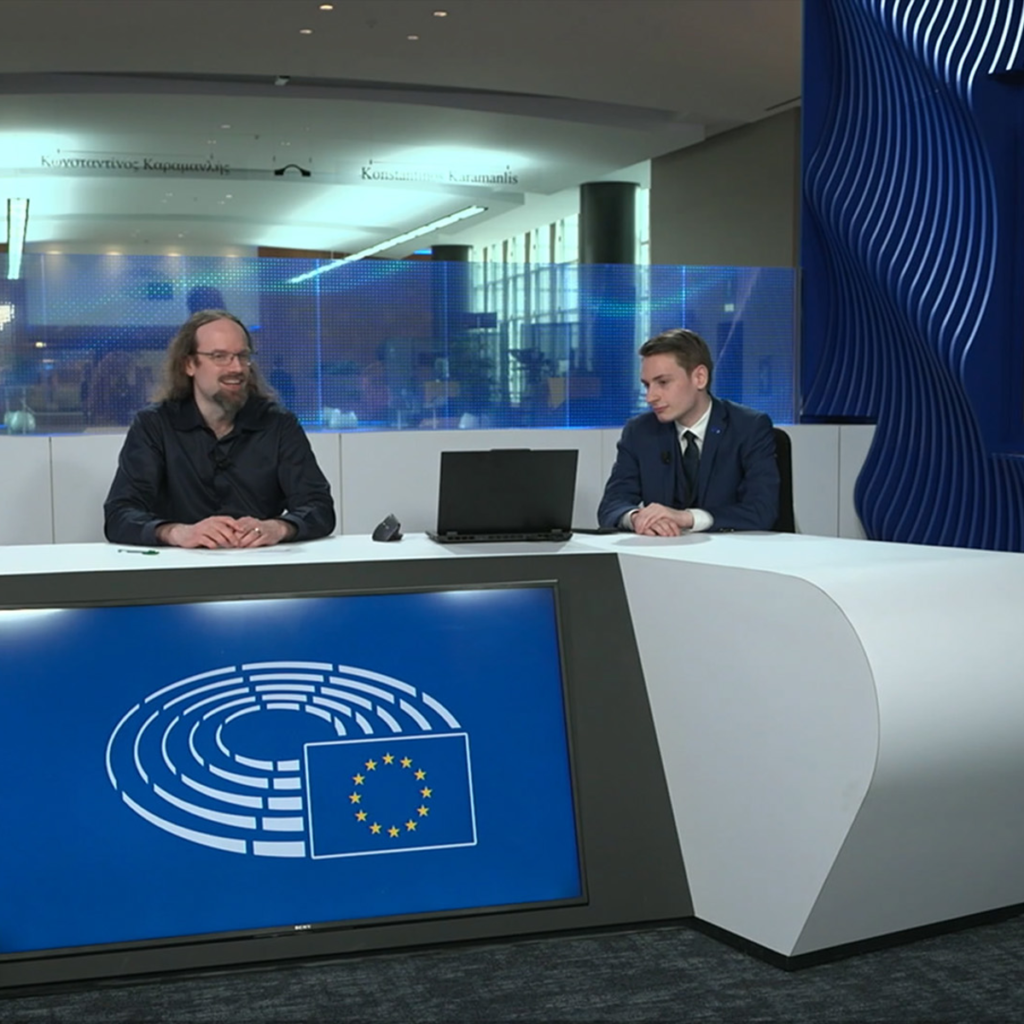
The hearing was a formal European Parliament event held by the Internal Market and Consumer Protection Committee (IMCO), together with the Legal Affairs Committee (JURI) and the Petitions Committee (PETI). According to Parliament’s official hearing page, it followed the initiative’s submission on 26 January 2026 and gave the organisers an opportunity to present their proposal while Members of Parliament questioned the European Commission about possible follow-up action. Parliament’s own summary states that the initiative aims to stop publishers from making videogames unplayable after they have been sold or licensed in the EU and calls for rules to keep games functional when official support ends.
That matters because a successful European Citizens’ Initiative does not automatically become law. It forces a formal institutional response. In this case, the initiative passed the one-million-signature threshold and triggered a public hearing and a mandatory Commission reply, which is due by 27 July 2026. The hearing therefore did not settle the legal issue, but it moved the dispute over dead live-service games into the EU’s official lawmaking pipeline.
16 April 2026 European Parliament hearing on games being made unplayable
The European Commission’s event page states that the public hearing on the 14th successful European Citizens’ Initiative took place on Thursday, 16 April 2026, from 11:00 to 12:30 CEST, with live streaming available. Parliament’s official programme and hearing page identify it as a structured public hearing in which organisers presented the initiative’s objectives and lawmakers discussed possible next steps with the Commission.
The organisers’ Parliament-posted presentation framed the problem in consumer terms: a game is sold, the customer is not clearly told when it will stop functioning, and later the publisher disables it and prevents continued use. The same presentation also made two important points that shaped the hearing: first, the organisers said they are open to different solutions and are not demanding endless publisher support; second, they argued that clearer labels or extra warning alone do not solve the core problem if the end result is still deliberate destruction of a paid product’s practical playability.

Can game publishers disable games you already bought in the EU?
As of 17 April 2026, there is no specific EU rule that says every videogame sold in the EU must remain playable forever, or that every publisher must provide an offline fallback before shutting down servers. In its 2024 answer to a parliamentary question on this exact issue, the European Commission said EU consumer law does not set specific requirements for the duration of the supply of online video games. That means a publisher can still shut a game down in practice.
But that does not mean a publisher is free from all legal constraints. The same Commission answer says that, regardless of whether the agreement is labelled a sale, service, or licence, its material terms, including duration and dependence on provider servers, plus the associated marketing and advertising, are still subject to EU transparency and fairness rules.
The Commission also said that terms allowing unilateral modification or termination of an indeterminate-duration contract without reasonable notice may be unfair, depending on the case. In other words, publishers can still disable games today, but whether they can do so lawfully depends on what was promised, how the game was marketed, what the contract said, and whether the terms were fair under EU consumer law.
Digital game ownership vs license: what you actually purchase
In publisher practice, consumers are usually not given ownership of an online game in the same way they own a chair or a book. They are typically granted a personal licence to install, access, and use the software and any connected services under standard terms. Ubisoft’s current EULA, for example, says Ubisoft grants a non-exclusive, non-transferable, personal licence to use the product until either the user or Ubisoft terminates the EULA.
However, EU law does not let publishers win the argument simply by using the word “licence.” The Commission’s 2024 answer made clear that the formal label is not decisive. What matters legally is the substance of the arrangement: how long access was supposed to last, how dependent the game is on publisher-run servers, what was promised in the marketing, and whether the terms and practices were transparent and fair. So the practical reality for players is this: many digital games are licensed, not owned outright in a perpetual-service sense, but that licensing structure does not override EU consumer protections.

Why always-online DRM games become unplayable after server shutdowns
Always-online design means a game’s functionality depends on infrastructure the player does not control. If a title requires publisher-run authentication, entitlement checks, server-side progression, or other essential backend services, then shutting down those systems can leave a purchased copy installed on a user’s device but no longer playable in any meaningful way. That is the core problem the Parliament hearing was about: the local copy still exists, but the publisher’s decision turns it into something functionally dead.
This is why the current argument is not limited to massively multiplayer games. The initiative and the hearing were framed around games being made unplayable after sale or licence, not only around classic online-only multiplayer. The legal tension appears when a consumer reasonably understands they bought a working game, while the publisher treats server dependence as a revocable condition that can later end the experience entirely.
Ubisoft The Crew shutdown and revoked licenses: what happened
The The Crew controversy is the clearest real-world example behind the current EU debate. Reuters reported that Ubisoft delisted the game from digital stores in December 2023 and shut down its servers on 31 March 2024, making the title permanently unplayable for buyers. Reuters also reported that, in April 2024, Ubisoft began revoking customer licences without issuing refunds, prompting backlash and later a lawsuit from French consumer association UFC-Que Choisir in March 2026.
Why did The Crew become such a flashpoint? Because it collapsed the usual distinction between “you bought a game” and “you only had access for as long as we allowed.” Reuters reported Ubisoft’s position that customers bought limited access rather than full ownership, while UFC-Que Choisir argued that consumers were misled about the permanence of what they paid for and were subjected to abusive contractual clauses. That dispute is exactly the kind of fact pattern the “Stop Destroying Videogames” hearing was designed to examine at EU level.

EU consumer rights for digital games and online services
EU law already gives consumers a framework that applies to games, even if it was not written specifically as an anti-shutdown rule. The Consumer Rights Directive requires traders to give consumers pre-contract information before purchases of goods, services, and digital content, and for distance and off-premises contracts it includes information about the functionality and interoperability of digital content. Separately, Your Europe states that digital content and digital services, including video games, come with a minimum 2-year legal guarantee if they are faulty, not as advertised, or not working as expected.
For continuously supplied digital services, Your Europe says the supplier is responsible for defects throughout the period the service is to be supplied under the contract and must provide necessary updates during that period. The Unfair Contract Terms Directive adds that standard terms must be fair, drafted in plain language, and not create a significant imbalance to the detriment of the consumer. Unfair-commercial-practices rules also require companies to provide enough accurate information in a clear and comprehensible way so consumers can make informed decisions. Together, these rules do not yet create a blanket “no dead games” law, but they do create legal pressure against opaque, misleading, or one-sided shutdown practices.
Refunds when a purchased game stops working: EU rules and real examples
Under EU consumer guidance, if digital content or a digital service is faulty, not as advertised, or not working as expected, and the supplier cannot fix it within a reasonable time, free of charge and without significant inconvenience, the consumer can ask for a price reduction or terminate the contract. The Commission also stated in its 2024 answer that where a contract supplies a videogame over a period of time and is terminated early, the provider must reimburse the prepaid part covering the remaining period.
Real market examples show that publishers sometimes do issue shutdown refunds, but often as policy decisions rather than because of a clear, game-specific EU statute. Ubisoft said buyers of XDefiant’s Ultimate Founder’s Pack and players who made purchases within the previous 30 days would receive full refunds when the game was shut down. Sony likewise announced full refunds for all purchasers of Concord when it took the game offline in September 2024. Those examples prove that full refunds are possible and commercially manageable, but they do not by themselves establish a universal EU rule that every disabled game must always be fully refunded regardless of the facts.

Should publishers be forced to add an offline mode before shutting down servers?
The strongest case for an offline-mode or functional-end-state duty is straightforward: if a publisher sold a game to consumers and the game is still technically usable in some form, the publisher should not deliberately render it dead at end of support when a less destructive option exists. The organisers told Parliament they are open to any solution that solves the problem, that they understand not all features may survive after discontinuation, and that they are not asking publishers to support every discontinued game forever. They also argued that clearer labels, minimum support periods, or extra notice alone do not solve the issue.
The strongest case against a blanket legal offline-mode rule is that not every online game can be converted cleanly or safely. Video Games Europe argues that discontinuation decisions are complex and should remain a matter of publisher choice; it says mandatory permanent support or legal duties to enable post-shutdown operation could raise security, moderation, intellectual-property, cloud-infrastructure, and third-party licensing problems, while increasing costs and discouraging some game designs or releases in Europe.
The most realistic future EU solution, if one emerges, is likely to be more flexible than a simple “every game needs offline mode” command. A more plausible model would be a duty to leave a game in a functional state where reasonable, combined with clearer disclosure, fair notice, and proportionate redress when continued playability is not technically or legally feasible. That is an inference from the organisers’ own flexibility, the Commission’s focus on consumer-law tools, and the industry’s objections.
“End of support” policies for videogames: what publishers must disclose
Current EU law already requires meaningful disclosure before purchase. The Consumer Rights Directive covers the information consumers must receive before buying digital content, and for distance and off-premises contracts it expressly includes functionality and interoperability information. Your Europe’s unfair-commercial-practices guidance adds that companies must provide enough accurate information in clear, comprehensible, plain language so consumers can make an informed buying decision. The Commission’s 2024 answer also confirms that duration and dependence on provider servers are part of the transparency and fairness analysis.
What EU law does not currently provide is a specific statutory lifespan for online videogames or a universal rule saying every store page must display a fixed shutdown date. That leaves room for broad publisher “end of support” language today. But if that language is vague, hidden, misleading, or used to justify a one-sided withdrawal from what consumers reasonably believed they were buying, it can still be challenged under existing EU consumer rules.
Game preservation and the legal fight to keep online games playable
Game preservation and consumer redress overlap, but they are not the same issue. Preservation asks how videogames survive as cultural works over time, whether in archives, museums, scholarship, or community history. The “Stop Destroying Videogames” initiative is more directly about consumers: should a publisher be allowed to make a lawfully acquired game unusable for ordinary players when official support ends? Parliament’s own summary frames the issue around consumer rights, ownership, licensing, and functionality after sale or licence.
The Commission’s 2024 answer is especially important here because it says that the availability of a videogame, its reliance on online servers, and the possibility of future discontinuation do not fall within the scope of EU copyright law in this context. That means the current battleground is mainly consumer law and contract fairness, not a copyright-based right to perpetual access. Video Games Europe, for its part, explicitly distinguishes preservation of games as cultural works from the proposal to impose mandatory commercial end-of-life obligations on publishers.
EULAs vs EU consumer law: can terms override your rights?
No. Under EU law, standard contract terms used by traders must be fair and drafted in plain, understandable language. If they create a significant imbalance to the detriment of the consumer, they are unfair and not binding. Your Europe says this protection applies even when the terms are packaged as standard “terms and conditions,” and the Court of Justice of the European Union has ruled that national courts must examine unfair terms on their own initiative, even where the consumer does not raise the point.
That is why the Commission’s 2024 answer matters so much. It states that clauses allowing unilateral modification or termination of an indeterminate-duration contract without reasonable notice may be unfair depending on the case. So while EULAs remain important documents and often heavily favour publishers, they do not override mandatory EU consumer protections. A publisher cannot make an unfair clause lawful merely by placing it in a click-through agreement.
European Citizens’ Initiative “Stop Destroying Videogames” summary and demands
The official initiative was submitted to the European Commission on 26 January 2026 after collecting 1,294,188 verified statements of support and reaching the minimum threshold in 24 Member States. Its core demand is that publishers selling or licensing videogames in the EU should be required to leave those games in a functional state, preventing publishers from remotely disabling them. Parliament’s hearing page similarly summarises the initiative as a call for rules ensuring games remain functional even when official support ends.
The organisers’ hearing presentation clarified that they are open to multiple technical solutions and are not insisting that every discontinued game keep every feature forever. At the same time, they rejected several softer alternatives as insufficient, including clearer licence labelling, mandatory minimum support times, more notice before shutdown, or merely voluntary end-of-life plans. Their broader argument is that this is an EU-wide consumer-protection and digital-single-market problem that needs harmonised rules instead of fragmented national responses. The next institutional milestone is the Commission’s official reply by 27 July 2026.
What new EU regulation could require when publishers discontinue games
No new EU law has been adopted yet that specifically forces publishers to preserve playability of discontinued games. But if the Commission decides the current framework is too vague, several regulatory options are obvious from the existing debate: mandatory plain-language disclosure of server dependence and end-of-support risk before purchase; clearer limits on one-sided termination clauses; minimum notice requirements; stronger refund or price-reduction obligations when material functionality is withdrawn; and some kind of duty to leave a game usable, or compensate players when that is not reasonably possible. Those are possibilities, not enacted rules.
The wider EU policy backdrop is the forthcoming Digital Fairness Act. The Commission says that initiative is under preparation, aims to strengthen protection and digital fairness for consumers, and will address issues with digital contracts. That does not mean the Digital Fairness Act will definitely create a specific “don’t kill games” obligation, because no published proposal text has yet done that. But it is the clearest current EU policy vehicle through which shutdown, disclosure, and contract-fairness rules for server-dependent games could theoretically be clarified if the Commission chooses to act after the ECI process.
How to complain to regulators when a digital game is delisted or disabled
The first step is documentation. A consumer should keep receipts, store listings, marketing claims, screenshots of any language implying continuing access, and any notice announcing delisting, shutdown, or licence revocation. The first complaint should usually go to the trader that sold or supplied the product—publisher, storefront, or retailer—and it should be framed in consumer-law terms such as lack of conformity, not as advertised, unclear pre-contract information, or unfair contractual treatment. EU guidance says national authorities and courts are the main bodies responsible for applying EU law, and national redress is often the quickest and most effective path.
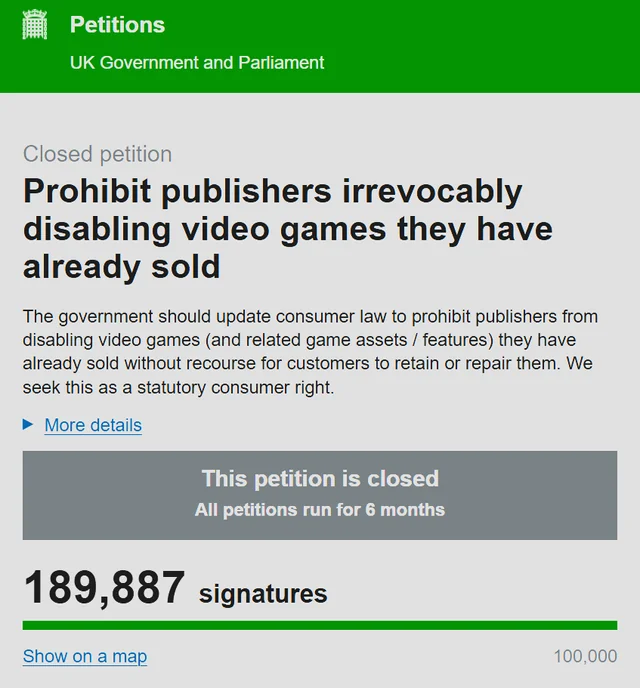
For cross-border disputes inside the EU, the European Consumer Centres Network can explain rights and help settle a dispute with a seller in another EU country. If direct negotiation fails, the Commission points consumers to alternative dispute resolution, which is designed to resolve disputes quickly and inexpensively without court. Wider or systemic issues can also be raised through petitions to the European Parliament or complaints to the Commission about how Member States apply EU law, but for individual refunds or invalidation of a national decision, the Commission’s own guidance says national courts are the bodies with the necessary power.
Frequently Asked Questions (FAQs)
- Did the European Parliament ban publishers from disabling bought games on 16 April 2026?
No. The hearing was part of the European Citizens’ Initiative process. It put the issue before MEPs and the Commission, but it did not itself create a new EU law. The Commission’s formal reply is due by 27 July 2026. - Is “Stop Destroying Videogames” already EU law?
No. It is a successful European Citizens’ Initiative that requires the Commission to examine the request and respond officially. It is a political and legal trigger, not a law by itself. - Do players legally own digital games in the EU?
Players often receive a licence to use the software and connected services rather than perpetual ownership of an always-available service. But EU law looks beyond that label and still applies transparency, fairness, and consumer-protection rules to the substance of the deal. - Can a publisher shut down an always-online game in the EU today?
Yes, in practice. The Commission has said EU law does not set a specific supply duration for online videogames. But shutdowns can still be challenged under rules on unfair terms, misleading practices, lack of conformity, and insufficient notice. - Does EU law currently require publishers to add an offline mode?
No universal EU rule currently requires an offline mode before shutdown. That is one of the central policy questions raised by the initiative and the Parliament hearing. - Can a EULA override EU consumer rights?
No. Unfair standard terms are not binding on consumers under EU law, and courts must examine unfairness even if the consumer does not raise it. - Are refunds guaranteed if a purchased game stops working?
Not automatically in every scenario. EU digital-content rules can provide price reduction or contract termination where content is faulty, not as advertised, or not working as expected, and time-based supply contracts may require reimbursement of the unused remaining period. But the exact remedy depends on the facts and contract structure. - Why is The Crew so important to this debate?
Because it became the emblematic case of a paid game being delisted, shut down, made unplayable, and followed by reported licence revocations. That controversy helped drive the broader movement that led to the successful EU initiative. - What happens after the hearing?
The Commission must publish its official response by 27 July 2026. It can propose legislation, take other policy action, or decline to legislate while explaining why. - Where should EU players complain first if a game is disabled?
First to the trader that sold or supplied the game. For cross-border disputes, ECC Net can help. If needed, consumers can use ADR, national courts, national authorities, and, for broader EU-law application issues, petitions or complaints at EU level.
Conclusion
The European Parliament hearing made one point unmistakable: under today’s EU framework, publishers can still make bought games unplayable, but they do not operate in a legal vacuum. Labels such as “licence” do not end the analysis. Existing EU rules on transparency, unfair terms, misleading practices, digital-content conformity, and consumer remedies already matter, and the Commission has formally acknowledged that server dependence and duration are part of that legal picture.
As of 17 April 2026, the law has not yet changed. What changed is the level of scrutiny. More than 1.29 million verified supporters pushed the issue into the EU’s formal process, Parliament heard it publicly on 16 April 2026, and the Commission must answer by 27 July 2026. Whether the outcome is a functional-end-state rule, stronger disclosure and refund duties, a narrower contract-fairness reform, or no new legislation at all, the idea that publishers can simply disable paid games without serious EU scrutiny is now being tested at the highest political level.
Sources and citation
- European Parliament hearing page, “Stop Destroying Videogames”
https://www.europarl.europa.eu/committees/en/stop-destroying-videogames-public-heari/product-details/20260414CHE13551 - European Commission event page for the hearing
https://citizens-initiative-forum.europa.eu/events/public-hearing-european-citizens-initiative-stop-destroying-videogames_en - European Citizens’ Initiative official pages
https://citizens-initiative.europa.eu/initiatives/details/2024/000007_en - Parliament-posted organisers’ slide deck
https://www.europarl.europa.eu/cmsdata/296205/20260414ATT27212EN.pdf - European Commission answer to parliamentary question P-001352/2024
https://www.europarl.europa.eu/doceo/document/P-10-2024-001352-ASW_EN.html - European Commission and Your Europe consumer-law pages
https://commission.europa.eu/law/law-topic/consumer-protection-law_en - Reuters report on Ubisoft and The Crew plus Ubisoft EULA
https://www.reuters.com/world/europe/french-gamers-sue-ubisoft-after-company-shuts-down-the-crew-2025-04-10/ - Video Games Europe position paper
https://www.videogameseurope.eu/wp-content/uploads/2026/04/Video-Games-Europe-Statement-on-Stop-Destroying-Videogames.pdf - Official shutdown refund examples
https://www.ubisoft.com/en-us/game/xdefiant/news - European Commission complaint, ECC Net, ADR, and national-redress pages
https://consumer-redress.ec.europa.eu/index_en
Recommended
- Bluey’s Happy Snaps Trailer Reveals Fall 2026 Launch, Platforms, Gameplay, and Co-Op Details
- MetaHuman Creatures: Crafting Non-Human Characters with Unreal Engine’s MetaHuman Framework
- Hunter: The Reckoning – Deathwish Revealed at Xbox Partner Preview Showcase: Release Window, Story, Gameplay, and Platforms
- Counter-Strike 2 Ammo Reloads Are Fundamentally Changing: Valve Just Pulled the Rug Out From Under 25 Years of Muscle Memory
- New Sekiro Anime Trailer Turns The Game Into A Work Of Handcrafted Art – Everything We Know About Sekiro: No Defeat
- Invincible Season 4 Review and Fan Reaction: Why Prime Video’s Brutal New Season Has Fans Split but Hooked
- Managing Camera Settings and Reducing Scene Clutter in Blender Projects with The View Keeper
- Maxima Confirmed for Superman Sequel Man of Tomorrow What We Know So Far
- WWE 2K26 Hands-On Preview: Gameplay Changes, New Modes, Roster Updates, and Release Details
- Metahuman and NVIDIA Omniverse Audio2Face : Create Real-Time Facial Animation for Unreal Engine 5