









In This Article (9 sections)
Final Fantasy VII Revelation Director Comments on Queer Romance Representation and Realistic World Building
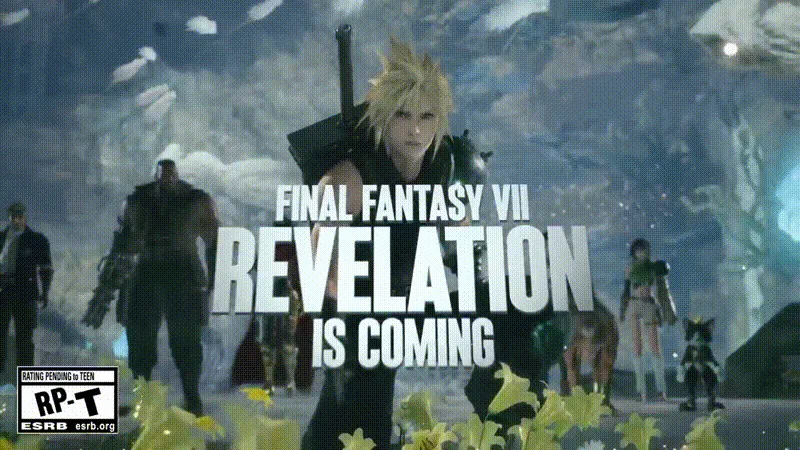
Final Fantasy VII Revelation Director Says Queer Romances Make The World Feel More Real has become a major discussion point because Naoki Hamaguchi’s comments connect representation directly to world building rather than treating it as a side issue. In a recent interview, Hamaguchi said diverse and authentic relationships help the world feel real, and the development team was happy players noticed subtle queer relationships in Final Fantasy VII Rebirth. That response matters because it frames these details as part of the game’s broader effort to create a living society, not as something separate from the main experience.
Final Fantasy VII has always been about people living under pressure. The series is not only a story about Cloud, Sephiroth, Aerith, Tifa, Barret, and the Planet. It is also a story about towns, workers, families, refugees, performers, soldiers, travelers, and ordinary citizens trying to survive in a world shaped by Shinra, war, environmental collapse, grief, and hope. When queer romances appear naturally inside that world, they make the setting feel less artificial and more socially complete, because Gaia becomes a place inhabited by many kinds of people rather than a narrow set of background figures.
Hamaguchi’s comments do not frame queer relationships as a separate political feature. Instead, they place them inside the same design logic that governs towns, cultures, side quests, background conversations, and character interactions. The point is that a believable world should contain many kinds of people and many kinds of love. In that sense, the director’s comments suggest that Final Fantasy VII Revelation may continue the trilogy’s effort to make its world feel broader, more human, and more emotionally grounded.
Naoki Hamaguchi’s reasoning is based on authenticity. Rebirth sends players through towns, resorts, villages, military zones, grasslands, desert communities, and performance spaces. A world that large would feel incomplete if every relationship looked the same. According to coverage of Hamaguchi’s interview, he said diverse relationships enhance realism because they make the game feel like it is inhabited by a wide range of people rather than a narrow selection of character types.
This approach fits the Remake trilogy’s larger philosophy. Final Fantasy VII Remake expanded Midgar from a location players remembered into a dense city filled with residents, small businesses, neighborhoods, and social tensions. Final Fantasy VII Rebirth expanded that idea outward by turning the world beyond Midgar into a network of communities. Final Fantasy VII Revelation is expected to go even bigger, with Hamaguchi saying the new open world map will be larger than Rebirth’s and will include Highwind traversal, vertical exploration, and returning regions with new twists.
In that larger world, queer romance representation becomes part of environmental storytelling. The player may not always stop for a long cutscene about every NPC relationship, but the presence of those relationships changes the texture of the setting. It signals that the world continues beyond the main cast. It also makes the conflict with Shinra and Sephiroth feel larger because the stakes involve a society full of different people, not just a group of heroes.

Final Fantasy VII Revelation Queer Romance Controversy, Rebirth Representation, and Story Themes
The controversy around Final Fantasy VII Revelation queer romance comments comes from the way some players react whenever major games include LGBTQ+ representation. For some fans, Hamaguchi’s remarks confirm that Square Enix is treating queer relationships as a natural part of the world. For others, the comments have triggered complaints that the series is changing, even though Final Fantasy VII has long used theatricality, gender presentation, emotional intimacy, and social outsiders as part of its identity.
The important distinction is that the representation being discussed is not a sudden replacement of the main story. It is not presented as a rewrite of Cloud’s central arc, Sephiroth’s threat, Aerith’s importance, Tifa’s emotional role, or the Planet’s crisis. The discussion is mostly about background relationships, NPC details, and the broader social world created by the Remake trilogy. That is why the controversy says as much about audience expectations as it does about the game itself, since some players want Final Fantasy VII to remain exactly as they remember it from 1997, while others understand that the Remake trilogy has always been an expansion and reinterpretation.
Final Fantasy VII Rebirth introduced LGBTQ+ representation through subtle world details rather than heavy exposition. Players noticed same sex couples and relationships among NPCs, including background interactions that suggested affection, partnership, and evolving emotional bonds. Hamaguchi’s response shows that these moments were intentional enough to be part of the game’s world building, but not designed to feel forced or isolated from the rest of the narrative. This kind of representation works because it mirrors how players discover many things in Rebirth through observation, side quests, town chatter, character banter, mini games, and optional interactions.
Rebirth also continues the Remake trilogy’s interest in performance and identity. Wall Market in Remake, the Honeybee Inn sequence, Andrea Rhodea, Cloud’s dance scene, and the broader theatrical world of Midgar already showed that the trilogy was willing to play with gender, presentation, and social expectation. Rebirth broadens the field by placing diverse relationships beyond one district or one spectacle, allowing them to exist as ordinary parts of life in Gaia.
Final Fantasy VII Revelation will likely focus on identity, memory, loss, loyalty, environmental catastrophe, and the final confrontation with Sephiroth. These themes are already central to the original Final Fantasy VII and to the Remake trilogy. Reports around Revelation suggest the game will conclude the trilogy in Spring 2027, with Cloud and the party facing the end of the journey across a larger world. Since character relationships are essential to that conclusion, the surrounding world also needs to feel emotionally believable.
Cloud’s identity crisis depends on his bonds with Tifa, Zack, Aerith, and the party. Barret’s motivation is rooted in fatherhood, grief, and justice. Red XIII’s arc deals with heritage and maturity. Cid and Vincent bring their own histories of regret, duty, and transformation. Queer romances support these themes by widening the emotional language of the game, reminding players that love in Final Fantasy VII is not limited to one romantic pairing or one fan debate. The series has room for friendship, found family, tragedy, devotion, longing, and quiet everyday affection.
Romance, NPC Relationships, and Same Sex Couples in Final Fantasy VII Rebirth and Revelation
Romance in Final Fantasy VII has always been complicated. The original game encouraged players to interpret Cloud’s relationships with Aerith, Tifa, Yuffie, and Barret through affection mechanics, optional scenes, and character choices. The Gold Saucer date became one of the most famous examples of player influenced romance in a JRPG, and that history gives the Remake trilogy a strong foundation for exploring relationships in a more cinematic and emotionally detailed way.
Final Fantasy VII Remake updated that structure by making relationships more expressive. Cloud’s bonds with Aerith and Tifa became more emotionally detailed, while Barret, Jessie, and other characters received stronger moments of affection and tension. Rebirth then expanded the relationship system through party bonds, Gold Saucer scenes, and broader world interactions. Revelation now has the opportunity to bring those emotional threads together, especially because Hamaguchi has avoided reducing Cloud’s story to a simple shipping answer.
That philosophy matters because romance in the trilogy is not only about choosing one partner. Previous comments from Hamaguchi have suggested that he is more interested in what makes Cloud happy than in declaring a winner in the Tifa and Aerith debate. This keeps the focus on emotional truth, character growth, and the relationships that help people understand themselves. In that context, queer romances and NPC relationships are not distractions from the emotional core of the series. They are part of the same wider interest in how people connect during crisis.
NPC relationships are one of the strongest tools for making an RPG world feel alive. In Final Fantasy VII Rebirth, NPCs often tell small stories through repeated appearances, changing dialogue, side quests, and environmental placement. A couple seen in one town may not dominate the main plot, but their presence can make that town feel lived in. Final Fantasy VII Revelation’s larger map gives Square Enix more room to develop this approach, especially since Hamaguchi has said Revelation will include all areas from Rebirth, but with added touches and changes rather than simple repetition.
Returning locations can show how the world has changed after the events of Rebirth, including how ordinary people respond to fear, disaster, and uncertainty. Queer NPC relationships can strengthen this world building because they help communities feel diverse. A village, resort, military base, or port town becomes more believable when it contains different kinds of families and couples. The goal is not to turn every side character into a major plot point. The goal is to make the world feel like it has a social reality outside the party’s immediate mission.
Players discovered same sex couples in Final Fantasy VII Rebirth by paying attention to NPC dialogue and environmental details. These discoveries became part of the larger conversation around how much care Square Enix put into background storytelling. Hamaguchi’s comments confirm that the team was pleased players noticed these details, because the relationships were part of the game’s attempt to create a diverse and authentic world. The subtlety matters because the representation is not hidden in a way that makes it meaningless, but it is also not presented as an isolated announcement inside the game. It exists in the same way many real relationships exist in public spaces, with people talking, traveling, arguing, reconciling, or simply sharing space.

Square Enix Diversity, Inclusive Storytelling, and Fan Reactions to Final Fantasy VII Revelation
Square Enix’s approach to diversity in Final Fantasy VII Revelation appears to be rooted in natural integration. Based on Hamaguchi’s comments, the team is not treating queer romance as a detached feature. It is part of making the world feel real, and that fits the Remake trilogy’s broader method of expansion. The games do not simply recreate old scenes. They add new character beats, new side stories, new areas, new combat systems, and new emotional context. Diversity fits into that same pattern because a larger world needs more kinds of people.
Square Enix also has to balance legacy and modernization. Final Fantasy VII is one of the most famous RPGs ever made, so every change is watched closely. However, the Remake trilogy has never been a museum piece. It has always been a reinterpretation that asks what Final Fantasy VII can mean to modern players while still respecting the original. In that sense, inclusive storytelling is not separate from the trilogy’s creative identity. It is one way the games expand the social and emotional texture of Gaia.
Realism in Final Fantasy VII Revelation does not mean removing fantasy. The game still includes magic, Materia, summons, Weapons, airships, Sephiroth, the Lifestream, and planetary mythology. In this context, realism means emotional and social believability. It means the people in the world should feel like they have lives, histories, relationships, and identities. When a world includes only one kind of relationship, it can feel designed around omission. When it includes many kinds of relationships, it feels closer to life.
This is especially important in a story about saving the Planet, because the Planet should feel worth saving. Final Fantasy VII Revelation’s open world design can reinforce that idea. A larger map is not automatically better unless it is filled with meaningful detail. Hamaguchi’s comments about a bigger, more vertical open world raise expectations that Revelation will use scale not only for traversal, but also for storytelling. Inclusive NPC relationships can help ensure that scale feels human rather than simply large.
Fan reactions to Final Fantasy VII Revelation queer romance comments have been divided, but the strongest positive reaction comes from players who see representation as part of believable storytelling. Many fans appreciate that Hamaguchi did not describe queer relationships as a trend or a marketing checkbox. He described them as part of realism. Negative reactions mostly come from players who believe LGBTQ+ representation is automatically intrusive, but that argument is harder to sustain when the representation appears through natural world building rather than forced exposition.
The controversy also reflects the size of the Final Fantasy VII audience. This is not a niche remake. Revelation is the conclusion to a trilogy that began with Remake in 2020 and continued with Rebirth in 2024. Because the audience is broad, every creative choice becomes part of a larger cultural debate. The important point is that Hamaguchi’s comments show confidence in the creative direction, and they connect representation to the same storytelling priorities that have shaped the trilogy from the beginning.
Character Diversity, Open World Design, and the Future of LGBTQ+ Representation in Final Fantasy
Character diversity strengthens the Final Fantasy VII universe because the story depends on social scale. Shinra is not just an evil corporation in the abstract. It affects workers, families, cities, towns, ecosystems, soldiers, rebels, scientists, and civilians. Sephiroth’s threat is not only personal to Cloud. It endangers everyone. A diverse world makes those stakes more convincing because players can see that the Planet is home to many kinds of people, not simply a backdrop for a single group of heroes.
This is especially important for Final Fantasy VII because its emotional power comes from contrast. The game moves between comedy and tragedy, intimacy and spectacle, personal trauma and global disaster. Queer romances and diverse NPC relationships add to that contrast by showing ordinary love inside an extraordinary crisis. They help the world feel populated by people with their own lives, hopes, and attachments, which makes the larger conflict feel more human.
Final Fantasy VII Revelation’s open world design could make social representation more important than ever. GamesRadar reported that Hamaguchi described Revelation’s map as larger than Rebirth’s, with Highwind flight, parachuting, greater horizontal scale, and greater vertical depth. A world of that size needs more than landmarks. It needs people. Social representation can prevent the open world from feeling empty or mechanical, because exploration becomes more meaningful when players encounter communities with varied relationships and believable social lives.
If players are only collecting items, completing map icons, and fighting monsters, the world may feel like a checklist. If they are also seeing how communities function, how relationships continue, and how daily life changes under pressure, then the larger map can support the emotional goals of the story. Revelation’s return to previous regions creates a strong opportunity for this kind of continuity. Players can revisit places from Rebirth and see how relationships, communities, and daily life have changed. Same sex couples and other diverse NPC relationships can be part of that continuity, showing that the world is not frozen between main plot events.
The future of LGBTQ+ characters in Final Fantasy games will likely depend on whether developers continue to treat representation as part of character truth and world building. Hamaguchi’s comments are significant because they do not isolate queer romance as a special category. They frame it as part of believable human variety. Final Fantasy has a long history of characters who challenge expectations, from theatrical villains and androgynous designs to stories about chosen family, identity, transformation, and outsiders.
Modern LGBTQ+ representation can build on those themes more directly and more respectfully. Final Fantasy VII Revelation may influence future titles by showing that inclusive storytelling can exist inside a major blockbuster RPG without weakening the fantasy, combat, or drama. If anything, it can make the world feel more emotionally complete. That lesson could matter for future mainline Final Fantasy entries, spin offs, remakes, and new Square Enix RPGs.

Frequently Asked Questions (FAQs)
- What did Naoki Hamaguchi say about queer romances in Final Fantasy VII Revelation?
Naoki Hamaguchi said that diverse and authentic relationships help make the world feel more real. His comments came after players noticed queer relationships and same sex couples in Final Fantasy VII Rebirth. The discussion now connects to Final Fantasy VII Revelation because the next game is expected to continue expanding Gaia into a larger, more detailed, and more socially believable world. - Is Final Fantasy VII Revelation confirmed as the third game in the Remake trilogy?
Yes. Final Fantasy VII Revelation has been announced as the concluding entry in the Final Fantasy VII Remake trilogy. It follows Final Fantasy VII Remake and Final Fantasy VII Rebirth, and it is expected to bring the trilogy’s major story, character, and world building threads together. - Did Final Fantasy VII Rebirth include same sex couples?
Yes. Players noticed same sex couples and queer relationship details among NPCs in Final Fantasy VII Rebirth. These moments appeared through background dialogue, environmental details, and everyday interactions rather than through heavy exposition. Hamaguchi said the team was happy players noticed them because they helped make the world feel diverse and authentic. - Does queer representation change Cloud’s main story?
No. The queer representation being discussed is mainly about world building, NPC relationships, and social realism. It does not replace Cloud’s identity arc, Sephiroth’s threat, Aerith’s role, Tifa’s importance, or the trilogy’s central themes. Instead, it helps the surrounding world feel more complete while the main story continues to focus on the party, the Planet, and the final conflict. - Why is representation important in Final Fantasy VII Revelation?
Representation is important because Revelation is expected to feature a larger world than Rebirth. A bigger world needs believable communities, and believable communities include different kinds of people, relationships, families, and identities. Queer romances and diverse NPC relationships help make the setting feel like a real society rather than a collection of locations built only around the main characters. - Will Final Fantasy VII Revelation have a bigger open world than Rebirth?
Yes. Hamaguchi said Revelation will have a bigger open world map than Rebirth. Reports describe features such as Highwind traversal, vertical exploration, and returning areas with new changes. That larger scale creates more room for environmental storytelling, NPC relationships, and communities that show how Gaia has changed after the events of Rebirth. - Why are some fans upset about the queer romance comments?
Some fans object to LGBTQ+ representation in major games, while others worry about changes to a beloved classic. However, the representation being discussed is part of natural world building rather than a replacement of the main story. The debate reflects different expectations for what the Remake trilogy should be, with some players wanting a more direct recreation and others accepting it as a modern expansion and reinterpretation. - How does LGBTQ+ representation fit Final Fantasy VII’s themes?
It fits because Final Fantasy VII is about identity, survival, found family, trauma, love, and protecting a world full of different people. Queer relationships expand the social reality of Gaia and make the stakes feel more human. They also match the trilogy’s broader interest in emotional connection, performance, identity, and the ordinary lives affected by Shinra, Sephiroth, and the Planet’s crisis. - Will LGBTQ+ characters appear more directly in future Final Fantasy games?
Square Enix has not confirmed a specific future plan for LGBTQ+ characters across all Final Fantasy games. However, Hamaguchi’s comments suggest that inclusive representation can remain part of the studio’s approach when it supports authenticity and world building. If Revelation presents diverse relationships naturally within its world, it could influence how future Final Fantasy titles handle similar themes. - When will Final Fantasy VII Revelation release?
Final Fantasy VII Revelation is currently scheduled for Spring 2027. Reports state it is planned for major platforms including PS5, Xbox Series X/S, Nintendo Switch 2, and PC. The game is expected to conclude the Remake trilogy and continue the expanded approach to story, world design, character relationships, and social detail established by Remake and Rebirth.

Conclusion
Final Fantasy VII Revelation Director Says Queer Romances Make The World Feel More Real: What It Means For The Series is ultimately about how modern RPGs create believable worlds. Naoki Hamaguchi’s comments on Final Fantasy VII Revelation show that queer romance representation in Final Fantasy VII Revelation is not being treated as a separate gimmick. It is part of a wider effort in Final Fantasy VII Revelation to make Gaia feel inhabited by real people with varied relationships, identities, histories, and emotional lives.
That matters because Final Fantasy VII Revelation is expected to be the largest and most complete version of this world in the Remake trilogy. With a bigger open world, returning regions, Highwind traversal, and the final stage of Cloud’s journey, Final Fantasy VII Revelation has to make players care about the Planet on both a mythic and human level. Inclusive storytelling in Final Fantasy VII Revelation supports that goal by making the world feel broader, richer, and more believable.
The controversy around queer romance representation in Final Fantasy VII Revelation will likely continue, but Hamaguchi’s vision is clear. A world worth saving in Final Fantasy VII Revelation should feel like it belongs to many people. In Final Fantasy VII Revelation, that idea could become one of the defining strengths of the trilogy’s final chapter.
Sources and Citations
- Kotaku, “Final Fantasy VII Revelation Director Says Queer Romances Make the World Feel More Real,” June 22, 2026. (Kotaku)
https://kotaku.com/final-fantasy-7-ff7-remake-revelation-queer-gay-characters-director-hamaguchi-2000709062 - GamesRadar+, “Final Fantasy 7 Rebirth’s Queer Representation ‘Enhances the World’s Realism,’ Lead Says, and the RPG’s Devs Were ‘Incredibly Happy’ People Picked Up on It.” (GamesRadar+)
https://www.gamesradar.com/games/final-fantasy/final-fantasy-7-rebirths-queer-representation-enhances-the-worlds-realism-lead-says-and-the-rpgs-devs-were-incredibly-happy-people-picked-up-on-it/ - TheGamer, “Final Fantasy 7 Revelation Interview: Game Director Naoki Hamaguchi on the Queerness, Diversity, and Easter Eggs of the Remake Trilogy,” June 20, 2026. (The Gamer)
https://www.thegamer.com/final-fantasy-7-revelation-naoki-hamaguchi-interview-queerness-realism-easter-eggs/ - GamesRadar+, “Final Fantasy 7 Revelation Has a ‘Far Bigger’ Open World Map Than Rebirth, Says Director, and Some Rebirth Locations Aren’t the Way You Remember Them.” (GamesRadar+)
https://www.gamesradar.com/games/final-fantasy/final-fantasy-7-revelation-has-a-far-bigger-open-world-map-than-rebirth-says-director-and-some-rebirth-locations-arent-the-way-you-remember-them/ - Square Enix, “FINAL FANTASY VII REVELATION Announced — Experience the Journey’s End in Spring 2027,” June 5, 2026. (Square Enix Press)
https://press.na.square-enix.com/FINAL-FANTASY-VII-REVELATION-ANNOUNCED-EXPERIENCE-THE-JOURNEYS-END-IN- - The Verge, “Final Fantasy VII’s Remake Trilogy Will Conclude With Revelation,” June 5, 2026. (The Verge)
https://www.theverge.com/games/939396/final-fantasy-vii-revelation-remake-trilogy-third-game-announcement
Recommendations
- Marathon Surpasses Crimson Desert in U.S. Revenue for March, According to New Analytics Data
- For the Second Month, Square Enix Shuts Down a Japanese Content Creator for “Harassing” Final Fantasy XIV Staff
- All Phasmophobia Difficulty Levels and Differences Explained
- Dying Light: The Beast Restored Land Update Adds Free Content, New Survival Features, and a Persistent World
- Japanese Online Game Developers Reach 100% Generative AI Adoption, New Survey Finds
- Future James Bond Games Under Amazon Games: What 007 First Light’s Success Means for What’s Next
- Persona 5 Royal Confidant Guide: Lovers Arcana, Ann Takamaki Full Rank Guide, Best Dialogue Choices, Abilities, Schedule & Romance Tips
- The Biggest Nintendo Switch 2 Games Coming in 2026: Summer Release Update
- All Actors and Cameos in 007 First Light (2026) – Full Cast List, Voice Actors, Celebrity Cameos, and Hidden Appearances Explained
- The Director Of The Next Resident Evil Movie Has Already Beaten Requiem Twice – What It Means for the Film



































































































