









In This Article (9 sections)
Gothic 1 Remake Review: A Faithful Modern Reconstruction
Few role-playing games have achieved the cult status of the original Gothic. Released in 2001 by Piranha Bytes, the game helped define a generation of European RPGs with its unforgiving world, immersive faction system, and emphasis on player freedom. More than two decades later, Gothic 1 Remake attempts to bring that classic experience to modern audiences while preserving the elements that made the original so beloved.
Remaking a game like Gothic is a difficult task because modern players expect smoother controls, better visuals, improved accessibility, and refined gameplay systems, while longtime fans want the remake to remain faithful to the original experience. Balancing those competing expectations is one of the biggest challenges any remake can face. Gothic 1 Remake successfully captures much of the original game’s identity while modernizing key systems for a contemporary audience, although some design decisions remain intentionally old-fashioned and certain technical issues prevent the experience from reaching perfection.
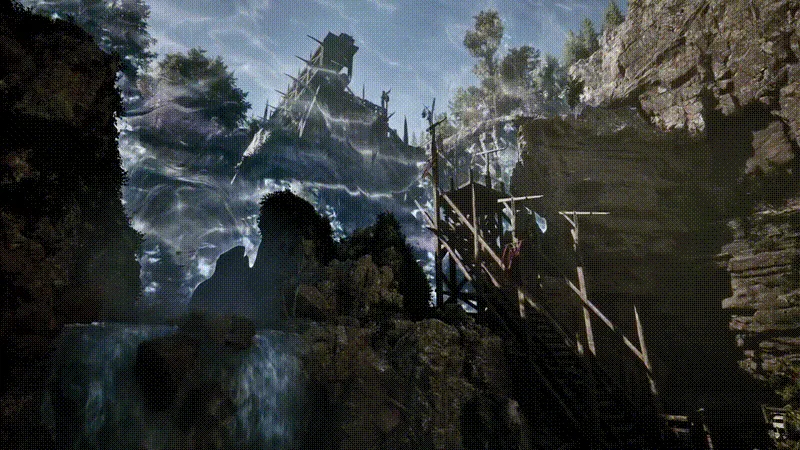
Gothic 1 Remake is not simply a visual upgrade. Instead, it is a complete reconstruction of the original game using modern technology and design principles. The remake recreates the Valley of Mines with vastly improved visuals, updated animations, redesigned environments, expanded dialogue presentation, and reworked combat systems. Despite these changes, the core structure remains recognizable.
Players once again take control of the Nameless Hero, a prisoner thrown into the magical penal colony known as the Valley of Mines. Surrounded by criminals, mercenaries, fanatics, monsters, and political intrigue, the protagonist must navigate a dangerous world where survival is never guaranteed. The remake stands out through its commitment to preserving the original’s atmosphere. The colony still feels dangerous, unpredictable, and alive, with NPCs following routines, factions competing for influence, and the world operating independently of the player.
The remake succeeds because it understands that Gothic was never just about quests. It was about feeling like a nobody struggling to survive in a hostile environment.

Gothic 1 Remake Gameplay, Combat, Story, and Overall Review
For RPG fans, Gothic 1 Remake is generally worth playing. Players who enjoy immersive worlds, meaningful progression systems, and challenging gameplay will find a great deal to appreciate. The remake offers a refreshing alternative to many modern RPGs that focus heavily on hand-holding and excessive quest markers. The game trusts players to figure things out on their own, rewarding exploration while making decisions and progression feel earned rather than simply given.
Newcomers may initially struggle with some of the game’s harsher mechanics, but those willing to invest time will discover a rewarding RPG experience. Veterans of the original Gothic will likely appreciate how carefully the remake respects its source material while still introducing improvements where necessary. However, players looking for a heavily scripted cinematic adventure may find it less suitable. Those seeking a deep role-playing experience should absolutely consider it.
Gameplay remains the heart of the Gothic experience, with the remake emphasizing exploration, progression, and player agency. Rather than following a strictly linear path, players are encouraged to choose their own approach to solving problems. Quest design remains one of the game’s strongest features, as objectives rarely feel like simple errands. Many quests have multiple solutions, branching outcomes, and consequences that affect relationships with factions and NPCs. Character progression is equally rewarding, with players improving their abilities through training rather than automatic level scaling. Learning a new combat skill, crafting technique, or magical discipline requires effort and investment.
The world itself constantly encourages exploration. Hidden caves, secret treasures, faction camps, and dangerous wilderness areas reward curiosity, while some gameplay systems can feel demanding compared with modern standards. However, that difficulty also creates a stronger sense of accomplishment when players overcome challenges.
Combat has undergone one of the most significant transformations in the remake. The original Gothic featured a unique but often awkward combat system that could feel clunky by modern standards, while the remake modernizes it without losing its deliberate pacing. Melee battles require timing, positioning, stamina management, and careful observation of enemy behavior, meaning players cannot simply spam attacks and expect victory. Weapon progression feels meaningful, with early fights against basic enemies providing a challenge before character growth gradually transforms the protagonist into a formidable warrior.
Ranged combat and magic also receive substantial improvements. Spell effects are more visually impressive, while bows and crossbows offer greater precision and responsiveness. Despite these improvements, combat occasionally suffers from camera issues and animation inconsistencies. Certain encounters can also become frustrating when enemy hitboxes or environmental obstacles interfere with positioning. Overall, however, the combat is vastly superior to the original while maintaining the danger and tension that defined Gothic.
The story remains one of Gothic’s greatest strengths. The Valley of Mines is a prison colony surrounded by a magical barrier that traps everyone inside, forcing criminals, guards, and opportunists to build their own society within its confines. The Nameless Hero arrives with no status, allies, or resources, and building influence requires joining factions, completing tasks, and navigating political conflicts.
The narrative unfolds gradually through exploration and interaction rather than lengthy cutscenes. This approach allows players to feel genuinely involved in the world instead of simply observing it. The setting remains remarkably unique even by modern standards, with the prison colony concept creating a constant sense of tension and instability. Every faction feels distinct, with its own goals, values, and leadership structure. The Old Camp, New Camp, and Swamp Camp each offer dramatically different perspectives on life within the barrier, making the world building one of the remake’s strongest achievements.

Gothic 1 Remake Performance, Faithfulness, Difficulty, and Pros and Cons
Performance is generally solid but not flawless. Modern hardware handles the game well in most situations, delivering impressive visuals and stable frame rates across large portions of the experience. Environmental detail, lighting systems, weather effects, and character models demonstrate the benefits of modern technology. However, technical issues occasionally emerge, with some players encountering animation glitches, clipping problems, quest scripting inconsistencies, or occasional frame drops in densely populated areas. While none of these issues completely undermine the experience, they can disrupt immersion. Post launch updates will likely address many of these concerns, but players should still expect minor technical imperfections. Fortunately, the overall technical state is significantly better than many recent RPG launches.
One of the remake’s greatest accomplishments is its respect for the source material. Many remakes modernize classic games to such an extent that they lose their original identity, but Gothic 1 Remake largely avoids this problem. The world structure, faction system, quest design philosophy, progression mechanics, and overall atmosphere remain faithful to the original game. Changes generally focus on improving accessibility and presentation rather than fundamentally altering the experience. Longtime fans will recognize iconic locations, memorable characters, and familiar story beats throughout the campaign, while the remake introduces enough improvements to justify its existence beyond nostalgia alone. It successfully balances preservation and modernization.
The game’s strengths are substantial. The atmosphere remains exceptional, the faction system is highly engaging, exploration consistently rewards curiosity, character progression feels meaningful, and the world is immersive and believable. Quest design also remains superior to many contemporary RPGs. The remake further benefits from modern visuals, improved combat mechanics, stronger presentation, and enhanced accessibility.
However, there are weaknesses. Certain systems remain intentionally unforgiving, some players may find the learning curve frustrating, technical issues occasionally appear, inventory management can feel cumbersome, and navigation sometimes lacks clarity. These drawbacks will not affect everyone equally, but they are worth considering. Ultimately, the positives significantly outweigh the negatives.
Difficulty has always been a defining aspect of Gothic, and the remake preserves this philosophy. Players begin weak and vulnerable, with even basic enemies capable of posing serious threats during the opening hours. Success depends on preparation, resource management, and understanding the game’s mechanics rather than brute force. This design can initially feel harsh, especially for newcomers accustomed to more forgiving RPGs, but it creates an extremely satisfying progression curve. Every upgrade feels valuable, and every victory feels earned.
The difficulty rarely feels unfair because the game provides tools for overcoming its challenges. Players simply need to learn how to use those tools effectively. This old school approach remains one of Gothic’s defining characteristics and is an important part of what gives the remake its sense of progression and accomplishment.

Gothic 1 Remake Old School Design, Best Features, Problems, and Player Reception
Perhaps the most distinctive aspect of Gothic 1 Remake is its commitment to old school RPG design principles. The game does not constantly direct players toward objectives, instead expecting observation, experimentation, and problem solving. NPCs provide information through dialogue rather than glowing markers, exploration reveals opportunities naturally, and consequences emerge from player decisions. While modern RPGs often prioritize convenience and accessibility, Gothic instead prioritizes immersion and player agency. This philosophy may not appeal to everyone, but it gives the remake a unique identity in today’s market. Players who miss the complexity and freedom of older RPGs will find much to appreciate.
Several features stand out as exceptional. The faction system remains among the game’s strongest elements because joining a camp feels meaningful and affects gameplay, relationships, and progression opportunities. World immersion is another major strength, with NPC schedules, environmental storytelling, and dynamic interactions making the colony feel alive. Character progression is equally impressive, as growth feels tangible because players must actively invest in training and specialization. Exploration consistently rewards curiosity, while the atmosphere captures the gritty and dangerous tone that made the original memorable. Finally, the remake’s visual overhaul transforms the Valley of Mines into a stunning modern environment without sacrificing its identity.
Despite its strengths, several issues prevent the remake from achieving perfection. Technical bugs occasionally disrupt gameplay, some animations lack polish, and inventory management remains awkward compared with modern standards. The game’s steep learning curve may also discourage newcomers who expect immediate accessibility. Combat, while significantly improved, can still feel inconsistent during certain encounters. Additionally, some old school design elements may be interpreted as outdated rather than authentic by modern audiences. These problems are not severe enough to overshadow the overall experience, but they remain noticeable.
Steam user reception has generally been positive. Many players praise the remake’s atmosphere, world design, faithfulness to the original, and improved combat systems. Veteran Gothic fans frequently highlight the developers’ respect for the source material, while new players often praise the immersive world and rewarding progression systems. Criticism tends to focus on technical issues, occasional bugs, and the intentionally unforgiving nature of some gameplay mechanics. Despite these criticisms, overall community sentiment remains favorable, with the game successfully attracting both returning fans and newcomers interested in experiencing one of RPG history’s most influential titles.

Gothic 1 Remake Compared to the Original and Final Verdict
Comparing Gothic 1 Remake to the original reveals how much has changed while also highlighting what remains intact. Visually, the remake is dramatically superior, with character models, environments, lighting, animations, and effects all benefiting from modern technology. Combat is smoother, more responsive, and more engaging, while the overall presentation is significantly stronger thanks to improved voice work, cinematics, and environmental detail.
Despite these changes, the remake preserves the core experience remarkably well. The world structure, faction dynamics, progression systems, and narrative foundations remain recognizable. Rather than replacing Gothic, the remake serves as an updated interpretation of the same vision. Fans of the original should feel at home, while newcomers gain access to a more approachable version of a classic RPG.
Gothic 1 Remake succeeds where many remakes fail by modernizing a beloved classic without stripping away the qualities that made it special. The result is an RPG that feels both nostalgic and contemporary. Its atmosphere, world building, progression systems, faction mechanics, and exploration remain exceptional, while the visual overhaul and combat improvements help bring the experience into the modern era.
Technical issues, occasional bugs, and a demanding learning curve prevent perfection, but they do not overshadow the game’s accomplishments. For longtime Gothic fans, the remake represents a respectful and ambitious revival of a classic. For newcomers, it provides an opportunity to experience one of the most influential RPG worlds ever created. Whether viewed as a remake or a standalone RPG, Gothic 1 Remake stands as one of the strongest role playing experiences in recent years.
Frequently Asked Question (FAQs)
- Is Gothic 1 Remake worth playing?
Yes. Gothic 1 Remake offers a deep RPG experience built around strong world building, meaningful progression, exploration, and player freedom. It is particularly appealing to players who enjoy challenging games that allow them to discover solutions and make progress without constantly being directed by quest markers. - Is Gothic 1 Remake faithful to the original game?
Yes. While many systems have been modernized, the remake preserves the core identity of the original Gothic. The world structure, faction system, progression mechanics, quest design philosophy, and overall atmosphere remain recognizable, while improvements to visuals, combat, presentation, and accessibility make the experience more suitable for modern players. - How long is Gothic 1 Remake?
Gothic 1 Remake provides a lengthy RPG experience, although the exact completion time depends on how much players explore and how much optional content they pursue. Players who spend more time investigating the Valley of Mines, completing side content, and developing their character can expect a more extensive experience than those who focus primarily on the main progression. - Is the combat better than the original?
Yes. Combat is significantly more responsive and modern than in the original game while retaining its challenging nature. Melee encounters require timing, positioning, stamina management, and attention to enemy behavior, while ranged weapons and magic also benefit from improved responsiveness and presentation. - Is Gothic 1 Remake difficult?
Yes. The game intentionally maintains a challenging progression curve in which the Nameless Hero begins weak and vulnerable. Even basic enemies can be dangerous early on, so players need to prepare, manage resources, learn the combat systems, and improve their abilities rather than relying on brute force. This makes character growth and victories feel more rewarding. - Are there bugs in Gothic 1 Remake?
Some technical issues exist, including occasional animation glitches, clipping problems, quest scripting inconsistencies, and frame drops in certain areas. These problems can occasionally interrupt immersion, although they do not completely undermine the overall experience. Post launch updates may address some of these issues. - Can newcomers enjoy Gothic 1 Remake?
Absolutely. Although the game can be challenging, the remake is more accessible than the original and provides a good entry point for players unfamiliar with Gothic. Newcomers still need to adapt to its old school design, but the improved visuals, combat, presentation, and accessibility make the experience easier to approach. - What is the best feature in Gothic 1 Remake?
Many players may consider the faction system and world immersion to be the game’s strongest features. Joining a faction has meaningful effects on gameplay, relationships, and progression, while NPC routines, environmental storytelling, and dynamic interactions help make the Valley of Mines feel like a living world rather than a simple backdrop for quests. - Does the remake change the story?
The core story remains largely intact, with most changes focused on presentation and pacing rather than fundamentally rewriting the narrative. Players still take control of the Nameless Hero and navigate the Valley of Mines, its factions, political conflicts, and dangerous inhabitants while building influence within the prison colony. - Is Gothic 1 Remake better than the original?
For many players, yes. The remake improves the visuals, combat, presentation, and accessibility while preserving the atmosphere, faction dynamics, progression systems, exploration, and overall identity that made the original Gothic memorable. However, longtime fans may still have different preferences depending on how much they value the original’s specific design and feel.

Conclusion
Gothic 1 Remake successfully revives one of the most influential RPGs ever created. By preserving the original’s atmosphere, faction systems, world-building, and progression mechanics while modernizing visuals and combat, it delivers an experience that appeals to both longtime fans and newcomers. Although technical issues and old-school design choices may not suit every player, the remake remains a compelling example of how to update a classic without losing its identity. For anyone interested in immersive role-playing games, Gothic 1 Remake is a journey worth taking.
Sources and Citations
- Official Gothic 1 Remake promotional materials and developer presentations:
Gothic 1 Remake — Official Website
Official game hub for trailers, news, development information and promotional materials from Alkimia Interactive and THQ Nordic. - THQ Nordic — Gothic 1 Remake:
THQ Nordic official website
Publisher source for the remake, its development, features, platforms and promotional announcements. - Alkimia Interactive — Official developer:
Alkimia Interactive
Developer source for studio information and Gothic 1 Remake development material. - THQ Nordic Digital Showcase — Gothic 1 Remake:
Gothic 1 Remake official gameplay/release-window trailer
Official showcase material covering gameplay, the Valley of Mines, graphical improvements and modernized features. - Steam — Gothic 1 Remake:
Gothic 1 Remake on Steam
Official Steam listing confirming Alkimia Interactive and THQ Nordic, the June 5, 2026 release, gameplay features, system requirements, supported languages, achievements and current user reviews. - Steam Community — Gothic 1 Remake:
Gothic 1 Remake Steam Community
Useful for developer announcements, player discussions, community feedback and review-related discussions. - Gaming publications — Gothic 1 Remake reviews and hands-on analysis:
PC Gamer — Gothic 1 Remake review
Provides RPG-focused analysis of the remake’s combat, nonlinear structure, faction system, atmosphere and relationship to the 2001 original. - PC Gamer — Gothic Remake development and design coverage:
PC Gamer — Gothic Remake coverage
Useful for previews, developer interviews, gameplay systems, combat, NPC behavior and comparisons with the original. - Gothic franchise historical documentation:
Gothic on Steam
Official Steam listing for the original Gothic, useful for historical comparison with the remake. - GOG — Gothic Classic:
Gothic Classic on GOG
Useful historical storefront reference for the original 2001 RPG and its modern PC availability. - Original Gothic historical RPG coverage:
World of Gothic
Long-running Gothic community/reference resource useful for historical information about the original game, its development history and RPG systems. - THQ Nordic / Alkimia development history:
Gothic 1 Remake development information
The official project site is the strongest source for the remake’s development history and Alkimia Interactive’s efforts to preserve the original game’s design while modernizing its technology and mechanics.
Recommendations
- Red Dead Redemption 2 Becomes Third Best-Selling Game of All Time as Roger Clark Credits Fans for Its Ongoing Success
- Resident Evil Remake Success Lets Capcom Fund More Games and Original Projects
- Project Hail Mary Is the Ultimate Hopecore Space Movie: Why Ryan Gosling’s Sci-Fi Epic Feels So Inspiring
- Smiling Friends Ends After Season 3: Why the Adult Swim Hit Is Over and What Happens Next
- 15 Huge Horizon Steel Frontiers Details Ahead of the 2027 Launch
- Tom Cruise’s Digger Could Finally Be the Oscar Movie He’s Been Chasing
- Company of Heroes 3 Final Stand Adds Relentless Solo and Co-Op War Survival
- “DKs Out for Harambe”: Nintendo Announces Donkey Kong 64 on NSO on the 10th Anniversary of Harambe’s Death
- Kusan: City of Wolves: Official Release Date Trailer, Gameplay, Platforms, Demo, and Everything We Know (2026 Update)
- Roblox: Grow A Garden 2 – Complete Crops Guide (All Seeds, Rarities, and Best Farming Strategies)



































































































