




In This Article (7 sections)
GTA 6 Miami Takeover: Welcome to Vice City Sign, Advertising Deals and Launch Campaign
Rockstar Games is bringing the fictional world of Grand Theft Auto VI into real Miami through an extensive advertising campaign ahead of the game’s November 19, 2026 release. The campaign connects Vice City, Rockstar’s fictional interpretation of Miami, with recognizable South Florida landmarks, public spaces and tourism destinations. Its most prominent installation is a giant Welcome to Vice City sign on the roof of Kaseya Center, supported by a $975,000 agreement with Miami Dade County.
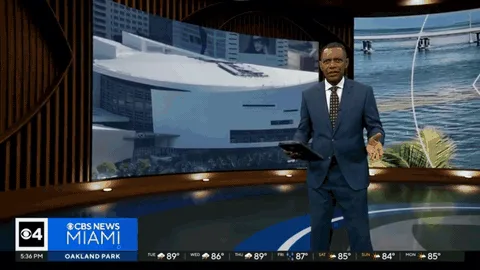
The rooftop installation was documented on September 22, 2026, when crews placed enormous pink lettering on Kaseya Center, the downtown arena used by the Miami Heat. Its elevated position makes the advertisement visible from above, creating a distinctive promotional display that connects the real Miami skyline with the fictional city featured in GTA VI.
Rockstar’s campaign extends beyond the arena, with additional advertising arrangements and proposals involving the City of Miami, Miami Beach and Miami Dade County. However, these locations operate under separate governments, and their agreements should not be confused with one another.
The confirmed and proposed GTA 6 Miami advertising arrangements include:
- Kaseya Center: A completed $975,000 Miami Dade County agreement supporting the Welcome to Vice City rooftop installation.
- City of Miami: Approved arrangements allowing Rockstar to obtain permits for promotional banners larger than normally permitted on qualifying private properties.
- Miami Beach: Authorized negotiations for a separate campaign reportedly worth approximately $3 million, with proposed branding on beach chairs and umbrellas.
- Miami International Airport: A proposed Vice City themed advertising concept that remains subject to further approval.
- Metromover and Metrorail: Potential promotional installations involving public transportation infrastructure.
- PortMiami: Another county facility discussed as a possible location for expanded advertising.
The distinction between confirmed installations and proposals is important. As of October 14, 2026, the Kaseya Center sign is installed, while the broader airport, port and transit advertising arrangements have not received unrestricted approval.
The City of Miami has taken a different approach by allowing larger promotional banners through specially approved permits. CBS Miami reported that officials required the advertisements to avoid graphic imagery and directed related permit revenue toward a trail project in Overtown. This arrangement focuses primarily on regulating promotional displays on private properties rather than transforming major public facilities.
Miami Beach separately voted 4 to 3 on September 10, 2026, authorizing its city manager to negotiate a campaign reportedly worth approximately $3 million. The proposed advertising emphasizes relatively discreet branding through private beach concessionaire Boucher Brothers, including chairs and umbrellas rather than large displays covering iconic municipal properties.
Reporting indicated that the Miami Beach campaign was expected to begin on October 15 and continue through the end of 2026. However, because that date had not yet arrived as of October 14, the planned installations should not be described as already operating throughout Miami Beach.
There is no single confirmed amount covering Rockstar’s entire Miami advertising campaign. The $975,000 Kaseya Center agreement is separate from Miami Beach’s proposed $3 million arrangement and the City of Miami’s permit revenue. Additional agreements involving county infrastructure remain under negotiation.
The financial structure has attracted attention because Miami Dade’s mayor can approve certain agreements below $1 million without obtaining the same level of commission authorization required for larger contracts. The Kaseya Center agreement falls just below that threshold, prompting questions from some officials about contracting transparency and oversight.
Revenue from the Kaseya Center arrangement has been designated for community purposes. WLRN reported that the proceeds would support the Parcel B community use development area near the arena, while the City of Miami’s banner permit revenue would contribute to the Overtown trail project.
The campaign is particularly effective because Vice City is directly inspired by Miami and the surrounding South Florida region. Rockstar’s fictional state of Leonida draws heavily from Florida, including its coastal environments, nightlife, highways, architecture and distinctive regional culture.
Placing Vice City branding in Miami reverses the relationship between the real location and the fictional game world. Instead of simply using Miami as inspiration for GTA VI, Rockstar is bringing its fictional setting into the city that helped shape it.
This creates promotional opportunities beyond conventional advertising. Photographs of the Welcome to Vice City sign can circulate across social media, attracting attention from people who may never physically visit Miami. The installation also provides a recognizable landmark for fans interested in comparing the game’s fictional environments with real South Florida locations.
The campaign’s timing reflects Rockstar’s preparation for GTA VI’s November 19 launch. The September Kaseya installation established an early visual presence, while additional promotional activity is being considered throughout October and November. Whether the larger proposals proceed will depend partly on local government decisions.

Why Miami Officials Oppose GTA 6 Advertising and the Debate Over Public Facilities
Rockstar’s Miami advertising campaign has generated disagreement among local officials, particularly over whether government controlled facilities should promote a video game associated with fictional crime, violence and corruption.
Miami Dade Sheriff Rosie Cordero Stutz and County Commissioner Juan Carlos Bermudez have publicly opposed using county resources and facilities to promote GTA VI. Their concerns focus on the potential association between Miami’s public identity and Vice City, a fictional environment built around exaggerated criminal activity.
Sheriff Cordero Stutz argues that Grand Theft Auto depicts crimes that law enforcement officers work to prevent in real communities. These include robbery, carjacking, drug trafficking, murder and violence against police officers. In her view, county participation in promoting the franchise could create an inappropriate connection between public institutions and fictional criminal conduct.
Her concerns are particularly relevant to proposals involving Miami International Airport or other major government facilities. Ordinary advertising on private property is different from promotional branding displayed through infrastructure associated with county government.
Commissioner Bermudez has raised similar objections concerning Miami Dade’s reputation. He argues that the county has invested considerable effort in promoting itself as a destination for tourism, international business and economic opportunity. Connecting public facilities with Vice City’s fictional reputation for crime and disorder could, in his view, undermine that message.
Bermudez has also questioned the financial and administrative arrangements surrounding the campaign. The $975,000 Kaseya Center agreement attracted attention because it falls below the $1 million threshold associated with broader commission approval requirements. Additional proposals involving airport, port and transportation assets could require further consideration by county commissioners.
The proposed Vice City Airport concept has become one of the most controversial elements. Discussions included the possibility of presenting parts of Miami International Airport through Vice City themed branding, creating an arrival experience connected to the fictional setting.
However, Miami International Airport has not officially been renamed Vice City Airport. As of October 14, the idea remains part of broader promotional discussions rather than a completed transformation. The airport, PortMiami, Metromover and Metrorail proposals have not received blanket approval.
The controversy extends beyond the content of Grand Theft Auto itself. Officials are also debating whether public infrastructure should be used to promote a private entertainment product and how revenue from such arrangements should benefit residents.
Supporters argue that Rockstar’s campaign presents a valuable opportunity to generate advertising income and attract international attention. GTA VI is already one of the year’s most prominent entertainment releases, and Miami’s connection to Vice City gives the region an unusual opportunity to benefit from that publicity.
The economic argument is particularly relevant to tourism. Visitors familiar with GTA VI may become interested in exploring real locations resembling the game’s fictional environments. Restaurants, hotels, entertainment businesses and local attractions could potentially benefit from additional attention.
However, the tourism benefits remain expectations rather than independently measured outcomes. No confirmed figures establish how many additional visitors or how much tourism spending the GTA VI campaign will generate. The direct advertising payments are easier to measure than the potential economic effects.
Miami Beach’s debate demonstrates the different perspectives surrounding the campaign. Commissioner David Suarez expressed concern that association with Grand Theft Auto could undermine efforts to improve the city’s reputation, particularly following measures intended to change perceptions of Spring Break disorder.
Other officials, including Monica Matteo Salinas and Joseph Magazine, supported exploring the opportunity. Their position emphasized that GTA VI is a fictional entertainment product and that Miami Beach could benefit financially from international attention already connected to the region.
The narrow 4 to 3 vote reflects this disagreement. Rather than rejecting the campaign, Miami Beach authorized negotiations while emphasizing comparatively restrained advertising through private concession operations.
The three Miami area jurisdictions have therefore adopted different approaches. Miami Dade County completed the Kaseya agreement but continues debating broader public infrastructure advertising. The City of Miami approved a permit mechanism for oversized promotional banners, while Miami Beach authorized negotiations for its separate beach campaign.
These distinctions are essential because the phrase GTA 6 Miami takeover can create the impression that every proposed installation has already received approval. In reality, the campaign involves several independent decisions, with different financial arrangements, advertising restrictions and levels of political support.

GTA 6 Vice City Marketing Strategy, Tourism Opportunities and What Happens Before Launch
Rockstar’s Miami campaign represents an unusual form of entertainment marketing because the game’s fictional world is closely connected to the real location hosting the advertisements. Vice City has long served as Rockstar’s satirical version of Miami, and GTA VI expands that setting within Leonida, a fictional state inspired by Florida.
The relationship gives Rockstar an opportunity to transform familiar locations into promotional experiences that feel connected to the game itself. A Welcome to Vice City sign displayed on a major downtown arena creates a recognizable connection between the fictional setting and its real inspiration.
This approach could generate more attention than conventional advertising because fans can photograph installations, share them online and compare them with locations featured in trailers and promotional images.
Miami’s international tourism infrastructure makes the strategy particularly attractive. Kaseya Center, Miami Beach, Miami International Airport and PortMiami are recognizable destinations or facilities serving large numbers of residents and visitors. Advertising in these locations could expose the campaign to audiences beyond traditional gaming communities.
The proposed airport and transit advertisements would potentially extend Rockstar’s promotional reach. However, they also involve greater public scrutiny because the facilities are closely associated with local government operations.
The next stage of the campaign depends on several outstanding decisions:
- Whether Miami Dade commissioners approve additional advertising involving airport, port and transit infrastructure.
- Whether Miami Beach finalizes its proposed $3 million promotional arrangement.
- How extensively City of Miami banner permits are used before GTA VI launches.
- Whether additional installations appear during the final weeks leading to November 19.
- How promotional revenue is allocated toward the community projects identified by local authorities.
The advertising campaign also raises questions about the relationship between tourism promotion and fictional entertainment. Supporters see a chance to connect Miami with a globally recognizable game while generating revenue and attention. Critics argue that the city should maintain a clearer distinction between its public identity and the crime focused setting of Grand Theft Auto.
Both perspectives have influenced local discussions, particularly when proposals involve government controlled infrastructure rather than privately operated advertising spaces.
From Rockstar’s perspective, the timing provides an opportunity to maintain public attention during the final weeks before GTA VI’s scheduled release. The physical installations complement the company’s broader promotional efforts, including trailers, artwork, music information and other launch related material.
The Kaseya Center sign already demonstrates how the concept can work. Its location allows real Miami to become part of the fictional Vice City experience without permanently changing the city’s identity. Future advertising could expand that approach, although the extent of the final campaign remains uncertain.
The marketing strategy also reflects GTA VI’s distinctive relationship with South Florida. Its landscapes, cultural references and urban environments draw from the region, creating an unusually direct connection between the game’s setting and its promotional locations.
Ultimately, Rockstar’s GTA 6 Miami takeover combines a confirmed landmark installation with several proposed or negotiated advertising arrangements. The campaign has already generated substantial attention, local revenue and political debate, but it would be inaccurate to describe every discussed location as a completed Vice City transformation.
With GTA VI scheduled to launch on November 19, 2026, the remaining weeks will determine how far the campaign expands. The strongest confirmed result remains the $975,000 Welcome to Vice City installation at Kaseya Center, while additional plans involving Miami Beach, public transportation and major county facilities depend on further decisions.

Frequently Asked Questions (FAQs)
- Is Rockstar Games really advertising GTA 6 across Miami?
Yes. Rockstar has launched a major GTA VI promotional campaign connected to Miami and the surrounding region. The most prominent confirmed installation is the Welcome to Vice City sign on Kaseya Center. The City of Miami has also approved arrangements for larger promotional banners, while Miami Beach has authorized negotiations for a separate campaign. Additional airport, port and transit advertising remains under discussion. - How much did Rockstar pay for the Kaseya Center GTA 6 sign?
The Miami Dade County agreement covering the Kaseya Center rooftop promotion is valued at $975,000. The payment supports the Welcome to Vice City installation, which has become the campaign’s most recognizable feature. Local reporting indicates that the revenue is intended to support the Parcel B community use development area near the arena. - Where is the Welcome to Vice City sign?
The Welcome to Vice City sign is installed on the roof of Kaseya Center in downtown Miami, the arena used by the Miami Heat. Large pink letters display the fictional city’s name, creating a visible connection between Miami and GTA VI. Its rooftop position also makes the installation noticeable from above, including from some aircraft. - Is Miami International Airport being renamed Vice City Airport?
No. As of October 14, 2026, Miami International Airport has not officially been renamed Vice City Airport. A themed airport advertising concept has been discussed as part of Rockstar’s broader promotional negotiations with Miami Dade County. However, the proposal remains unresolved and should not be confused with an approved permanent or temporary airport renaming. - Why does Sheriff Rosie Cordero-Stutz oppose the campaign?
Sheriff Rosie Cordero Stutz objects to county government participation in promoting a franchise associated with fictional criminal activities, including robbery, drug trafficking, carjacking and violence against police. Her concern is that using public facilities for GTA VI advertising could create an inappropriate association between government institutions and conduct that law enforcement works to prevent. - What does Commissioner Juan Carlos Bermudez object to?
Commissioner Juan Carlos Bermudez has questioned whether Miami Dade should use public facilities and its international reputation to promote Vice City, a fictional environment associated with crime and disorder. He has also raised concerns about government oversight, public resources and the financial benefits of the proposed arrangements. His objections focus primarily on county participation rather than ordinary private advertising. - Did Miami Beach reject GTA 6 advertising?
No. The Miami Beach Commission voted 4 to 3 on September 10, 2026, to authorize its city manager to negotiate a promotional agreement with Rockstar. Although several officials opposed the proposal, the vote allowed discussions to continue. The campaign was expected to focus on relatively discreet advertising rather than extensive branding across major municipal landmarks. - How much is the Miami Beach GTA 6 campaign worth?
The proposed Miami Beach advertising campaign has been reported at approximately $3 million. This is separate from Miami Dade County’s $975,000 Kaseya Center agreement. The September commission vote authorized negotiations, meaning the reported amount should not automatically be treated as proof that every proposed placement has been finalized. - What kind of GTA 6 ads are planned for Miami Beach?
The proposed Miami Beach campaign includes relatively subtle GTA VI branding through private beach concessionaire Boucher Brothers. Discussions identified beach chairs and umbrellas as potential advertising locations. Officials indicated that the campaign would avoid placing prominent branding across iconic city owned properties, reducing the visibility of government endorsement. - When does GTA 6 launch?
Grand Theft Auto VI is scheduled to launch on November 19, 2026. Rockstar’s Miami advertising campaign is taking place during the final weeks before release, connecting the real South Florida region with the game’s fictional Vice City setting. Additional promotional installations may depend on local government approvals before launch.

Conclusion
Rockstar’s GTA 6 Miami takeover has become one of the most distinctive elements of the game’s promotional campaign ahead of its November 19, 2026 release. By bringing Vice City branding into the real South Florida locations that inspired the fictional setting, Rockstar has created a direct connection between the game and Miami. The most prominent example is the $975,000 Welcome to Vice City installation at Kaseya Center, which transformed a major downtown landmark into a recognizable promotional attraction.
The campaign extends beyond the arena, although its different arrangements remain at various stages of approval. Miami Dade County has completed the Kaseya Center agreement but has not approved every proposed advertisement involving Miami International Airport, PortMiami, Metromover and Metrorail. The City of Miami has authorized permits for larger promotional banners, while Miami Beach voted to allow negotiations for a separate campaign reportedly worth approximately $3 million. The proposed Miami Beach advertising would focus on relatively discreet branding through privately operated beach chairs and umbrellas.
The campaign has also generated significant political disagreement. Miami Dade Sheriff Rosie Cordero Stutz and Commissioner Juan Carlos Bermudez oppose using public facilities to promote a fictional city strongly associated with crime and violence. They argue that government participation could undermine the county’s reputation and create an inappropriate connection between public institutions and the Grand Theft Auto franchise. Supporters, however, view the campaign as an opportunity to generate advertising revenue, attract international attention and potentially increase tourism spending.
The distinction between private advertising and government supported promotions remains central to the debate. While ordinary commercial advertisements present fewer concerns, proposals involving airports, transportation systems and other public facilities have raised questions about civic identity, government approval and the appropriate use of public resources. These issues explain why the wider Miami Dade campaign remains under discussion despite the successful installation at Kaseya Center.
With GTA VI’s November 19 launch approaching, the remaining weeks will determine whether Rockstar expands its presence across additional South Florida locations. The Kaseya Center sign is already a confirmed part of the campaign, but the broader Miami takeover remains only partially approved. Whether further agreements proceed will depend on local government decisions, commercial negotiations and the balance between promotional opportunities and public concerns.
Ultimately, Rockstar has demonstrated how a fictional game setting can become part of a real city’s promotional landscape. The campaign connects Miami’s recognizable identity with Vice City’s fictional world while generating attention, revenue opportunities and political debate. Its final scale will become clearer as the release date approaches and outstanding advertising proposals receive further consideration.
Sources and Citations
- Miami-Dade County, September 3, 2026: Commissioner Juan Carlos Bermudez and Sheriff Rosie Cordero-Stutz issued an official joint statement opposing the use of county resources and facilities to promote Grand Theft Auto VI. Bermudez specifically objected to the reported possibility of temporarily branding Miami International Airport as “Vice City Airport” and argued that Miami-Dade should not promote a fictional version of the region centered on crime and violence. Cordero-Stutz cited the franchise’s depictions of murder, robbery, drug trafficking, carjacking, and violence against law enforcement. Miami-Dade County
Miami-Dade County official statement on GTA VI promotion - WLRN Public Media, September 18, 2026: WLRN reported that Miami-Dade County reached an almost $1 million marketing agreement with Rockstar Games involving a Welcome to Vice City sign on the Kaseya Center roof. The report says proceeds would support development of the long-promised community-use parcel behind the arena and notes that the mayor signed the deal using delegated authority for contracts below $1 million. It also documents commission concerns about additional proposals involving Miami International Airport and Metromover advertising. WLRN
Miami-Dade County to build ‘Welcome to Vice City’ sign on Kaseya Center - WLRN Public Media, September 3, 2026: This earlier report covers Bermudez and Cordero-Stutz’s opposition to the county’s proposed GTA VI promotional campaign, including the “Vice City Airport” concept, Vice City-branded Metromover trains, and other county activations. It also confirms that the proposals had not yet gone through public commission approval at that stage. WLRN
‘Vice City’ Airport? Miami-Dade commissioner, sheriff blast GTA VI rebranding plan - Univision Miami, October 9, 2026: Univision reported that the $975,000 Kaseya Center deal had already been completed, while broader Vice City advertising involving the Metromover, Metrorail, Miami International Airport, and PortMiami remained disputed. It also reported that Miami-Dade commissioners required agreements exceeding $1 million to return to the full commission for approval. Univision
Miami-Dade ya cobró por el letrero de Grand Theft Auto en el Kaseya Center, pero frenan el resto de la publicidad - CBS Miami, September 22, 2026: CBS documented crews installing the huge pink Welcome to Vice City lettering on the roof of Kaseya Center. The report also confirms that the City of Miami had approved a permitting mechanism for unusually large GTA VI promotional banners on qualifying private property, with restrictions against graphic content and permit revenue supporting an Overtown trail project. CBS News
GTA VI marketing takes over Miami as Welcome to Vice City sign goes up at Kaseya Center - CBS Miami, September 13–14, 2026: CBS compared the different positions taken by the City of Miami, Miami Beach, and Miami-Dade County. It confirms that Miami moved forward with promotional banner permits while local officials in Miami Beach and Miami-Dade expressed concerns about linking public identity to GTA VI’s violence and criminal imagery. CBS News
How Miami, Miami Beach and Miami-Dade County may market Grand Theft Auto VI - City of Miami Beach Commission Meeting, September 10, 2026: The official meeting record shows the commission voting 4–3 to authorize the city manager to negotiate an agreement with Amplify Marketing for a GTA VI promotional campaign beginning October 15, 2026. The resolution specifically permits promotional materials on beachfront concession equipment and other approved property. The meeting also records Commissioner David Suarez’s opposition and the final 4–3 vote. Miami Beach FL Live Streaming
September 10, 2026 Miami Beach Commission Meeting - Miami Beach campaign reporting: Independent coverage of the September 10 meeting reports that the proposed campaign was valued at roughly $3 million and would use comparatively discreet branding such as Boucher Brothers beach chairs and umbrellas, rather than extensively branding major landmarks. These details supplement the official meeting record, which confirms authorization to negotiate but does not by itself establish that every commercial term had been finalized. GamesRadar+
Miami Beach clears GTA VI marketing campaign after 4–3 vote - Rockstar Games, Official GTA VI Website: Rockstar’s official materials confirm that Grand Theft Auto VI is set across the fictional state of Leonida and returns the series to Vice City. The current official page gives the release date as November 19, 2026 for PlayStation 5 and Xbox Series X|S. Rockstar Games
Grand Theft Auto VI official website - Rockstar Games, Vice City Materials: Rockstar’s dedicated Vice City material provides the official presentation of GTA VI’s Miami-influenced setting and Leonida locations, supporting the article’s distinction between the fictional Vice City campaign and the real Miami locations being used for promotion. Rockstar Games
Grand Theft Auto VI: Vice City
Recommendations
- Echoes of Aincrad Crafting Guide: Recipes, Materials and Unlock Requirements
- Did Christopher Nolan’s Depiction of the Gods Pay Off in The Odyssey?
- Castlevania: Belmont’s Curse Runs at Only 30 FPS on Nintendo Switch
- EA Sports College Football 27 Preview: Defense Wins Championships
- Jurassic World Evolution 2 Complete Edition Comes to Nintendo Switch 2 on July 30, 2026
- Unity-Based Tool for JRPG Game Development: RetroGig’s Retro JRPG Template for SNES/PSX-Style RPG Systems
- Keanu Reeves & China Miéville BRZRKR: Light Draws Breath — Release Date, Story, Creative Team & Variant Covers
- CD Projekt Raises Profit Goals with Witcher 4, 5, and 6 Coming: 5 Billion PLN Target Explained
- Creepshow Official Announcement Trailer Reveals a New Anthology Horror Game Experience
- GTA 6 Leans Into Vice City’s Influencer Hustle Where Looks Matter



































































































