







In This Article (10 sections)
The Launch, Strategy, and Market Dynamics of LEGO Pokémon
The arrival of LEGO Pokémon has created one of the most anticipated collaborations in the toy industry. Bringing together the world’s largest construction toy company and one of the most recognizable entertainment franchises ever created, LEGO Pokémon has immediately generated excitement among children, collectors, investors, and resellers alike. Whenever a major collectible line launches, concerns about scalpers, aftermarket pricing, and limited availability quickly follow. However, LEGO appears confident that it can meet consumer demand while minimizing the impact of reselling activity.
Unlike limited-run collectibles that intentionally create scarcity, LEGO has traditionally focused on long-term product availability, consistent production schedules, and broad retail distribution. These strategies are expected to play a major role in how the company approaches Pokémon products. While resellers will inevitably target highly desirable releases, LEGO executives have indicated that they are not particularly concerned about the trend because the company has decades of experience managing demand for globally popular themes. As Pokémon joins LEGO’s growing portfolio of licensed products, consumers are eager to understand how the sets will be released, how long they will remain available, and how to avoid paying inflated secondary-market prices.
The LEGO Pokémon Smart Play Lineup: Innovation, Interactive Design, and Market Demand
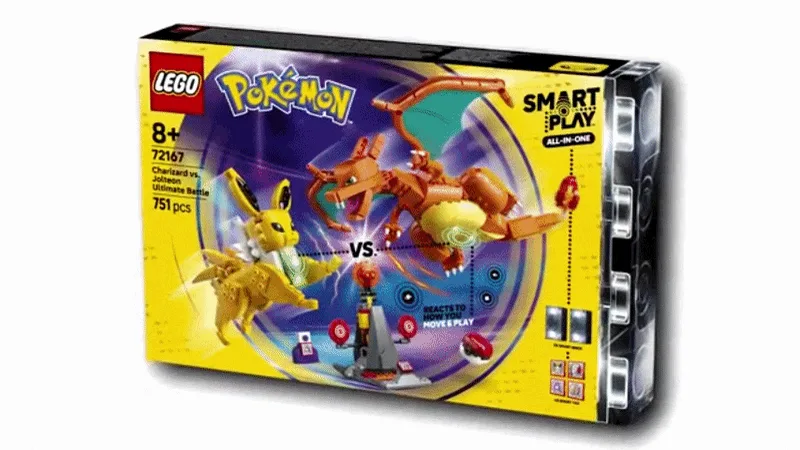
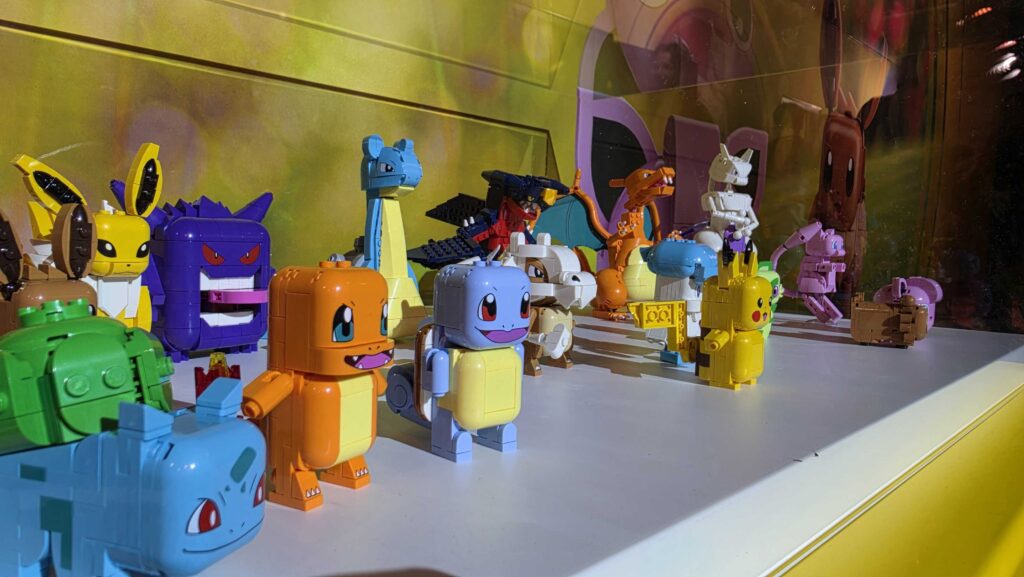
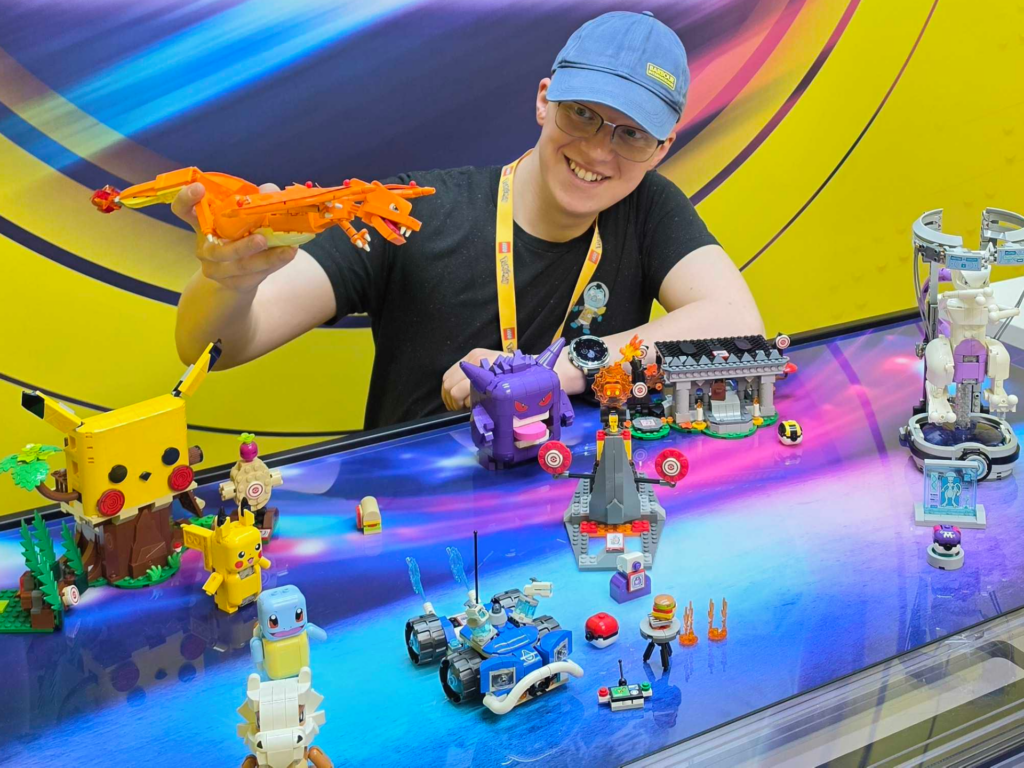
The LEGO Pokémon Smart Play lineup represents a strategic new direction for the company’s licensed construction products, blending traditional building experiences with interactive elements designed to appeal to both younger audiences and longtime Pokémon fans. Moving beyond static display models, the Smart Play concept focuses on creating dynamic experiences that incorporate movement, storytelling components, and educational building techniques. This initiative reflects LEGO’s broader goal of encouraging hands-on engagement; the Pokémon franchise is particularly well-suited to this approach, as its core themes revolve around exploration, training, battles, and adventure. By maintaining a balance between accessible play for children and the complexity desired by collectors, the lineup is expected to feature a diverse range of builds, including:
- Iconic Pokémon: Fan favorites such as Pikachu, Charizard, Eevee, Bulbasaur, and Squirtle.
- Interactive Environments: Detailed builds inspired by Pokémon Centers, training grounds, and gyms.
- Action Features: Story-driven components that allow for simulated battles and training sequences.
Because Pokémon is one of the highest-grossing media franchises in history, this launch is anticipated to generate massive demand, attracting both genuine enthusiasts and opportunistic resellers. Several factors create the ideal conditions for significant reselling activity, starting with the merger of two massive “crossover communities.” When LEGO collectors, who routinely target launch-day releases, join forces with Pokémon fans known for driving high demand for cards and merchandise, the market pressure becomes immense. Furthermore, the immense purchasing power of adults who grew up with the franchise fuels a market for premium, nostalgia-driven collectibles.
The intensity of this demand is often amplified by market speculation and digital trends. Resellers frequently target first-wave products under the assumption that they will appreciate in value over time, leading to bulk purchases that can deplete initial stock. This scarcity is often exacerbated by social media hype, where viral posts documenting long lines or sold-out inventory can trigger panic buying among consumers. Ultimately, the Smart Play designation ensures that while the products remain play-focused, their status as a landmark collaboration makes them a primary target for the secondary market.
Strategic Demand Management and Product Availability Patterns
LEGO executives maintain a calm perspective on reseller activity, viewing it as a manageable occurrence rather than a major threat. The company focuses on expanding availability and maintaining production levels, operating under the belief that most demand can eventually be satisfied through consistent restocks. Unlike products designed with artificial scarcity, LEGO sets often remain in production for extended periods. Executives emphasize that their primary goal is getting products directly into the hands of consumers, a philosophy applied to major themes like Star Wars, Harry Potter, Marvel, Disney, and the much-anticipated Pokémon line. By relying on an extensive manufacturing network and diverse retail partnerships, the company remains confident that it can navigate short-term shortages and initial reselling activity without concern.
Managing a globally recognized franchise requires sophisticated planning, and LEGO utilizes several core advantages to ensure a successful launch and long-term accessibility. These strategies are specifically designed to reduce the effectiveness of scalping while ensuring products remain reachable for the average fan:
- Manufacturing Capacity: LEGO operates multiple production facilities worldwide and consistently expands these capabilities to support growing global demand.
- Forecasting Expertise: The company leverages extensive experience in analyzing consumer trends and predicting demand for major licensed themes.
- Retail Diversification: Products are distributed through LEGO Stores, official websites, department stores, and major online marketplaces to broaden consumer access and prevent bottlenecks.
- Staggered Releases: Introducing products across multiple waves helps prevent overwhelming demand from concentrating on a single launch window.
- Purchase Limits: Often implemented during early release periods, these measures discourage bulk purchases and improve availability for individual consumers.
Understanding LEGO’s restocking behavior is critical for consumers who wish to avoid overpaying on the secondary market. Historically, the company frequently replenishes inventory after initial sellouts; while popular themes may experience temporary shortages during launch, additional stock typically arrives within weeks or months. This timing is influenced by production schedules, regional demand allocations, and seasonal shopping peaks—such as major holidays—during which inventory is often bolstered. Consumers should note that an early sellout is rarely an indicator of permanent scarcity, as most sought-after sets return to shelves multiple times before their eventual retirement. This same pattern of availability is expected for Pokémon products, ensuring that restocks remains a central component of LEGO’s long-term distribution strategy.

LEGO Pokémon Product Structure: Starter Sets, Expansions, and Price Tiers
New LEGO themes typically introduce consumers through starter products before expanding into more complex offerings. Starter sets are expected to provide essential building experiences at accessible price points. These products will likely feature popular Pokémon characters and introduce the core mechanics of the Smart Play system. For newcomers, starter sets will likely offer the best entry point, providing enough content to experience the theme without requiring a major financial commitment. Beginning with starter sets also allows consumers to evaluate the theme before investing heavily in additional releases.
Expansion sets are expected to build on those foundations with larger environments, additional Pokémon, advanced play features, and more intricate building techniques. These products will primarily appeal to enthusiasts seeking larger collections and more extensive display options. LEGO typically structures product lines across multiple price categories to reach a broader audience while reducing pressure on any single release, and the Pokémon line is expected to follow this established model.
The expected price tiers include:
- Entry-Level Sets: These target younger builders and casual fans, positioning them as affordable introductions to the theme.
- Mid-Range Sets: These generally provide a balance between complexity, play value, and display potential, frequently becoming the most popular segment of a theme.
- Premium Sets: Usually targeting adult collectors, these products often feature larger builds, higher piece counts, exclusive elements, and advanced construction techniques.
- Collector-Focused Offerings: These may command significantly higher prices, particularly if they include iconic Pokémon or elaborate environments.
LEGO Pokémon Availability, Release Strategy, Pricing Cycles, and Buying Tips
One of the biggest questions surrounding LEGO Pokémon concerns product longevity and whether these sets will be treated as limited-edition releases or evergreen products. Most LEGO themes are not limited editions in the traditional sense. Instead, sets remain in production for a defined period that can range from one year to several years, depending on performance and demand. Evergreen products represent a particularly important category within LEGO’s broader portfolio because they remain in production for extended periods and consistently attract new customers over time.
LEGO Pokémon appears well positioned for evergreen treatment, as the Pokémon franchise continues to draw in new generations of fans while also retaining longtime enthusiasts. Core characters such as Pikachu and Eevee could potentially remain available for years through updated or refreshed product versions. However, certain specialty releases are likely to have shorter lifespans. Collector-focused models, promotional items, and retailer exclusives often follow different availability schedules compared to standard retail sets. Consumers should generally assume that flagship LEGO Pokémon products will remain available significantly longer than many aftermarket sellers may suggest, even if short-term stock fluctuations create a perception of scarcity.
Monitoring official release schedules is essential for improving purchasing opportunities. LEGO frequently announces launch dates months in advance, and preorders often open before products reach physical retail shelves. Consumers should pay close attention to official LEGO announcements, retailer listings, and promotional events that reveal upcoming releases. Major industry events may also serve as key launch windows, as product reveals often coincide with toy fairs, gaming showcases, and Pokémon-related celebrations. Signing up for retailer notifications can also provide early access to preorder opportunities.
Because the first wave of LEGO Pokémon products is expected to generate significant demand, tracking release information carefully may help consumers secure items at retail pricing rather than paying inflated aftermarket rates. Timing plays a major role in securing LEGO Pokémon sets at standard prices. While launch day often receives the most attention, it is not always the best purchasing opportunity, as heavy demand can lead to temporary shortages. The weeks following initial release frequently present better buying conditions as retailers receive additional inventory. Holiday shopping periods can be more competitive due to increased demand, although retailers may also receive larger shipments during these windows. Post-holiday periods sometimes offer improved availability as consumer demand decreases.
Avoiding reseller markups requires both patience and preparation. Monitoring official LEGO channels remains one of the most effective strategies, as product availability can change throughout the day when inventory is replenished. Creating retailer accounts before launch dates can significantly speed up checkout during high-demand periods, and consumers should sign up for stock alerts whenever they are available. Comparing prices across multiple retailers can also reveal inventory that other buyers may have overlooked. Most importantly, buyers should remember that temporary scarcity does not necessarily indicate permanent unavailability, and waiting for official restocks frequently results in substantial savings.
Retail exclusives represent a common strategy within the LEGO ecosystem. Certain products may be available only through specific retailers or regions, and these exclusives can attract strong collector interest due to their restricted distribution. Gift-with-purchase promotions add another layer of collectibility. These items are typically available only during limited promotional windows and require qualifying purchases, making them naturally scarce. Exclusive items often become some of the most valuable aftermarket products because their availability is inherently limited. However, consumers should clearly distinguish between exclusive promotional items and standard retail releases. Most LEGO Pokémon sets are expected to remain widely available through multiple channels, while special promotional items represent the more limited segment of the theme.
Physical retail locations remain valuable resources for collectors seeking LEGO Pokémon sets at retail prices. Visiting stores shortly after inventory deliveries can improve success rates, as many retailers follow predictable stocking schedules. Checking less crowded locations may also yield better results, since smaller stores sometimes retain inventory longer than high-traffic locations. Developing relationships with store employees can provide helpful insights into restock timing and inventory expectations. Using retailer inventory tools may help identify available stock before making a trip. Persistence often proves more effective than paying inflated online prices, and consumers willing to monitor local availability regularly frequently find products at retail cost even when online listings suggest shortages.

What Collectors Should Know About LEGO Pokémon Long-Term Availability, Value, and Character Design (Minifigs, Scale, and Future Waves)
Collectors often assume that new releases disappear quickly, but LEGO products generally follow more predictable lifecycles. Most successful themes remain available for extended periods before retirement, and even after retirement, certain characters and concepts frequently return in updated forms. Pokémon’s enduring popularity makes it likely that the theme will receive ongoing support through multiple product waves.
From a long-term collecting perspective, value is shaped by more than just scarcity. Collectors focused on long-term value should remember that rarity alone does not guarantee appreciation. Demand, character popularity, historical significance, and production volume all influence future prices. Purchasing products because they are personally meaningful often proves more rewarding than chasing speculative investment opportunities. While long-term availability may reduce immediate aftermarket gains, it also helps build a healthier collector ecosystem overall.
One of the most discussed aspects of LEGO Pokémon involves how characters will be represented. Traditional minifigure designs may not accurately capture many Pokémon species due to their unique proportions, meaning LEGO may instead rely on molded elements, brick-built characters, or hybrid approaches. Scale also presents a major challenge, as Pokémon range dramatically in size—from tiny creatures to enormous legendary beings.
Future waves will likely address these challenges through diverse product formats. Smaller Pokémon may appear alongside human trainers, while larger creatures could receive dedicated display-focused builds. As the line evolves, LEGO will likely continue experimenting with multiple approaches to character representation, ensuring that both playability and visual accuracy remain priorities.
Frequently Asked Questions (FAQs)
- Will LEGO Pokémon include Pikachu?
Yes. Pikachu is the franchise mascot and is widely expected to be one of the first Pokémon represented in the lineup. Because Pikachu is the most recognizable character in Pokémon, it would make sense for it to appear early in any official set release, especially as a core marketing figure. - Are LEGO Pokémon sets expected to sell out quickly?
Initial launches may sell out temporarily due to high demand, but restocks are likely to follow. This pattern is common for highly anticipated collaborations involving LEGO, where early production runs often struggle to match collector and fan interest at launch. - Will Pokémon trainers be included in sets?
Many fans expect trainer characters to appear, although official implementation details may vary. If included, trainers would likely be introduced gradually alongside Pokémon to balance storytelling and build complexity rather than appearing in every set. - Are LEGO Pokémon products designed for children or collectors?
The lineup is expected to serve both audiences through multiple price tiers and complexity levels. Simpler builds would likely target younger fans, while more detailed display models would appeal to adult collectors who follow both LEGO and Pokémon merchandise. - Should buyers preorder LEGO Pokémon sets?
Preorders can help secure popular products before launch-day demand peaks. This is especially useful for high-profile releases from LEGO, where early stock can be limited and resale prices may temporarily rise. - Will LEGO Pokémon receive multiple waves of releases?
The popularity of Pokémon strongly suggests ongoing expansion beyond the initial launch lineup. Most large crossover themes tend to roll out in waves, adding new characters, regions, and playsets over time. - Are reseller prices worth paying?
In most cases, patience and waiting for official restocks provide better value. Reseller markets can inflate prices significantly right after release, especially for popular sets tied to LEGO collaborations. - Could LEGO Pokémon become an evergreen theme?
Given Pokémon’s global popularity, evergreen treatment for major products is a realistic possibility. If successful, it could follow the same long-term model seen in other sustained LEGO product lines tied to major entertainment franchises. - Will exclusive Pokémon sets be harder to find?
Retail exclusives and promotional items may experience greater scarcity than standard releases. Limited distribution combined with strong demand from Pokémon fans often leads to faster sellouts and higher secondary-market prices. - How long will LEGO Pokémon sets stay available?
Availability will vary by product, but many major releases are likely to remain in production for extended periods. However, individual sets may still retire based on demand cycles, which is typical for large LEGO themes that rotate inventory over time.
Conclusion
The launch of LEGO Pokémon represents one of the most significant toy collaborations in recent years, bringing together two global brands with enormous multigenerational appeal. While reseller activity and aftermarket speculation are inevitable, LEGO’s extensive experience managing high-demand product lines suggests the company is well prepared for the challenge. Through large-scale manufacturing, broad retail distribution, consistent restocks, and long-term product support, LEGO aims to ensure that Pokémon fans can obtain sets without relying on inflated secondary-market prices.
For consumers, the most effective strategy remains patience. Understanding release schedules, monitoring restocks, tracking preorder opportunities, and purchasing through official retail channels can dramatically reduce costs. As the LEGO Pokémon theme expands with new waves, Smart Play products, starter sets, expansion packs, and collector-focused offerings, long-term availability is expected to play a central role in the line’s success. Despite ongoing reseller interest, LEGO appears confident that demand can be met through the same proven strategies that have supported many of its most successful franchises.
Sources and Citation
- The LEGO Group official announcements and news
https://www.lego.com/en-us/aboutus/news - The LEGO Group investor and financial communications
https://www.lego.com/en-us/aboutus/lego-group/investor-relations - Official LEGO product release information and availability
https://www.lego.com/en-us/categories/new-sets-and-products - Pokémon official merchandise and licensing news
https://www.pokemon.com/us/pokemon-news - The Pokémon Company official brand and corporate information
https://corporate.pokemon.com/en-us/ - Toy industry market analysis and collectible trends
https://www.circana.com/industry-expertise/toys/ - LEGO product availability and restocking support
https://www.lego.com/en-us/service/help/bricks-building/availability-stock-backorders-kA009000001dbunCAA - LEGO set retirement and product lifecycle data
https://www.brickeconomy.com/sets/retiring-soon - Major toy retail preorder and inventory tracking
https://www.target.com/c/lego-toys/-/N-56h5n - Pokémon brand performance and franchise market research
https://www.licenseglobal.com/entertainment/pokemon - Licensed toy industry forecasting and consumer demand studies
https://www.licensinginternational.org/news/ - Industry coverage from toy, gaming, and collectibles publications
https://www.toybook.com/
Recommended
- Persona 4 Revival: Everything We Know About the Persona 4 Remake
- How do I simulate a GoPro-style camera in Blender?
- Darkest Dungeon Dev Says They’ll Never AI-Clone Wayne June’s Iconic Narrator Voice: What Red Hook Said, Why it Matters, and What Comes Next
- How to Create Realistic Hair Using the New Hair Tools, Geometry Nodes, and Hair Curves in Blender
- New Avatar Legends: The Fighting Game Gives Sokka a Speed Boost “Wife Guy” Install Roster, Release Date, Platforms, and Gameplay
- Arc Raiders Rushes Out Emergency Fix After Its Discord Accidentally Spied On Players
- Avatar 2 Water VFX: A Comprehensive Guide to the Visual Effects Innovations and Techniques in The Way of Water
- Bossfight Returns After Netflix Closure: Boss Fight Founders Relaunch Studio
- Cheap Render Farm: Guide to Budget-Friendly Cloud Rendering for 3D Artists & Game Developers
- Man Shot In Parking Lot In An Argument Over Pokémon Cards at Indianapolis Kroger: What We Know So Far



































































































