








In This Article (8 sections)
Mariachi Legends Release Date, Platforms, Game Pass, and PC Details
Mariachi Legends now has a firm target date. Halberd Studios’ Mexican folklore-inspired, combat-heavy Metroidvania is scheduled to launch on April 27, 2027, following a delay from its previous 2026 release window. The developer confirmed the new date during Gamescom Opening Night Live on August 25, 2026, alongside a release-date trailer showing more of protagonist Pablo Cruz, his supernatural La Sombra form, the town of Santa Mascota, and the game’s fast-paced combat. Steam has since updated the game’s store listing to April 27, 2027.
The schedule has changed substantially during development. In December 2025, Halberd Studios was still publicly positioning Mariachi Legends as a 2026 release. The Steam page later narrowed the window to Q4 2026 before the Gamescom announcement pushed the game into spring 2027. Archived Steam information confirms that Q4 2026 was the previous storefront target. Halberd has said the extra development time is intended for optimization and polish.
Reporting based on the studio’s Kickstarter update states that development had encountered remaining performance work, memory-use issues, technical debt, and the added demands of self-publishing, including certification, localization, quality assurance, and launch preparation. The studio’s backer beta was also moved to November 2, 2026, giving the developers an additional testing period before the April launch.
As with any game still in active development, April 27 should be understood as the currently announced launch date rather than an absolute guarantee that can never change. However, it is considerably more specific than the former Q4 2026 window, and Halberd has publicly presented it as the game’s new final target.
Mariachi Legends is officially scheduled for PlayStation 5, Xbox Series X|S, Nintendo Switch, and PC. Gematsu’s report on the Gamescom announcement confirms all four platform groups, while the current Steam listing provides the PC release date of April 27, 2027. The Xbox version has additional confirmed ecosystem features. Microsoft’s official store page identifies Mariachi Legends as optimized for Xbox Series X|S and supports Xbox Play Anywhere, Xbox cloud saves, achievements, and Smart Delivery. The store also lists single-player support, 4K Ultra HD, and 60-fps-or-higher capability.
Nintendo’s situation requires slightly more care because different listings have referenced both Nintendo Switch and Switch 2. The August 2026 Gamescom release announcement specifically names Switch, so the requested April 27, 2027 platform lineup remains PS5, Xbox Series X|S, Nintendo Switch, and PC. Earlier publicity surrounding the project also referenced Switch 1/2 plans, but consumers should rely on final platform-specific storefront pages as launch approaches for definitive compatibility information.
Mariachi Legends is also coming to Xbox Game Pass. Xbox confirmed the Game Pass plan in a May 2026 trailer released around the Latin American Games Showcase, describing Mariachi Legends as coming to Xbox Series X|S, Xbox on PC, and Xbox Game Pass. The same announcement described it as an Xbox Play Anywhere title. Gamescom release-date reporting subsequently continued to list Game Pass alongside the April 27, 2027 launch announcement, meaning the Game Pass commitment survived the delay from 2026 to 2027 rather than disappearing when the release schedule changed.
The practical significance is straightforward: Xbox and PC players with the relevant Game Pass subscription should have an alternative to buying the game outright when it arrives, assuming Microsoft and Halberd Studios maintain the currently announced arrangement. Xbox Play Anywhere is also useful because supported purchases and progress can operate across Xbox console and Windows PC within Microsoft’s ecosystem. Because subscription catalogs, plan names, and regional availability can change, the exact Game Pass tier requirements at launch should be checked closer to April 27, 2027.
On PC, Steam is confirmed, while an Epic Games Store page for Mariachi Legends also remains live. IGN’s August 2026 trailer coverage additionally referenced Steam, Epic Games Store, and GOG for PC. Steam is currently the clearest dated PC storefront because its page explicitly displays April 27, 2027. PC players can already add the game to their Steam wishlist ahead of launch. Steam lists the title as single-player with Steam Achievements and Family Sharing, and it currently supports English and Latin American Spanish interface and subtitle text.
The currently published minimum PC requirements call for:
- A 64-bit processor and operating system
- Windows 10
- Intel Core i3-9100F processor
- 8 GB of RAM
- GeForce GT 730 graphics card
Interestingly, the recommended requirements currently display the same Windows 10, Core i3-9100F, 8 GB RAM, and GT 730 configuration. The identical minimum and recommended specifications may be placeholder-style information that is revised as optimization progresses. Halberd is still working toward an April 2027 launch, so PC players should recheck the requirements before purchasing or downloading the game rather than assuming these specifications can never change. The Epic Games Store currently displays equivalent Windows requirements, lending some support to the published figures, although Steam remains the most useful source for the currently dated PC launch information.
Mariachi Legends Gameplay, Combat, Weapons, and Progression Systems
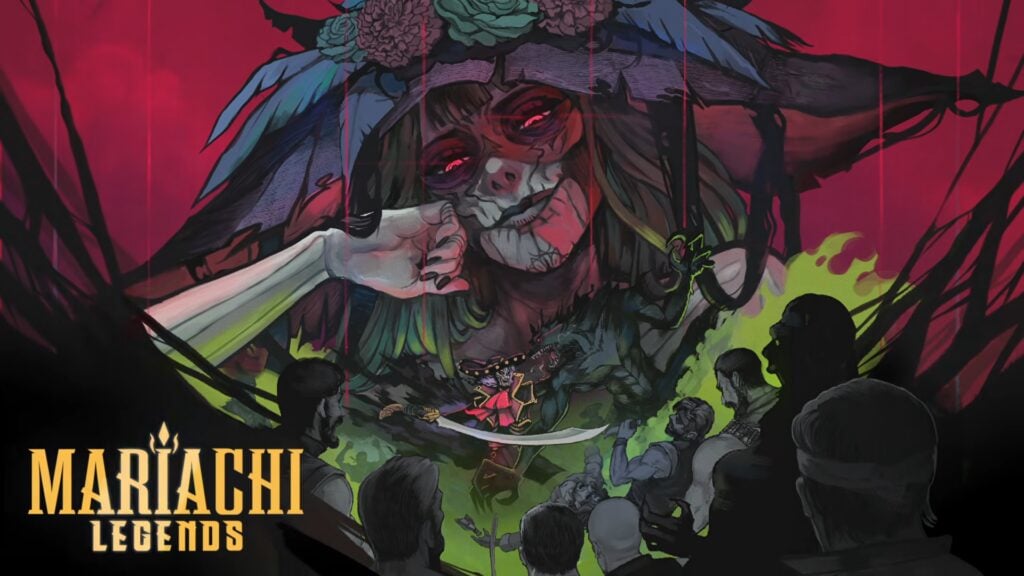
Developed by Guadalajara-based Halberd Studios, the team behind 9 Years of Shadows, Mariachi Legends combines side-scrolling exploration, combat, detective work, Mexican folklore, cooking, Tarot-inspired progression, and a changing day-and-night world. Halberd describes it as a combat-oriented pixel-art Metroidvania set in Mexico, while its official website emphasizes the mixture of Mexican culture and classic arcade gameplay.
Mariachi Legends is a single-player, side-scrolling action game built around Metroidvania-style exploration and fast combat. Steam describes it as a brutal, pixel-art, combat-oriented Metroidvania set in Mexico, while Halberd Studios’ own website describes the project as an action-platforming adventure combining Mexican folklore with classic arcade gameplay. The Metroidvania structure appears through branching environments, new abilities, revisiting areas, and progression gates. The official Steam description promises a large dual map, new powers acquired as the story develops, Sun and Moon gates, hidden areas, and collectibles that depend on visiting locations under the appropriate conditions.
However, Mariachi Legends is not presenting itself as a conventional exploration game in which combat merely occupies the spaces between traversal challenges. Halberd repeatedly emphasizes combat as a core attraction. Precise parries, finishers, weapons, supernatural attacks, and reflex-driven encounters all point toward a design influenced by brawlers and action games as much as traditional Metroidvania progression.
Combat is one of the clearest differentiators in Mariachi Legends. Steam explicitly describes the game as combat-oriented and says players will need to test their reflexes, develop a personal fighting style, loot equipment, level up, and learn additional abilities as the story progresses. Parrying is central. Halberd tells players to perfect their parry skills and pairs the mechanic with brutal finishers, suggesting fights are meant to reward timing and active defense rather than simple attack spamming. The developer’s official website similarly emphasizes responsive, fast-paced encounters requiring precise timing and reflexes.
La Sombra adds the supernatural layer. Earlier descriptions of the game discussed disappearing and reappearing as part of La Sombra’s supernatural capabilities, while newer storefront material more generally describes the form as Pablo’s means of fighting back against supernatural and criminal threats. The combat design is therefore broader than swordplay alone. Weapons, magical casts, transformation abilities, parrying, and finishers create several possible layers of offensive and defensive decision-making. Exact frame data, parry windows, combo systems, and final balance values have not been officially detailed. Because a backer testing period is being used to gather feedback on areas including combat and weapons, these finer details may continue to evolve before release.
Mariachi Legends will offer a varied arsenal rather than restricting Pablo Cruz to one signature sword. The current Steam description explicitly confirms weapons and sub-weapons including guns, swords, whips, and magical casts. Players will be able to equip different options to personalize how they approach fights. This diversity fits the game’s combination of brawler-like combat and Metroidvania progression. A sword can support close-range precision and parrying, guns provide the possibility of ranged pressure, whips can potentially occupy a different reach profile, and magical casts introduce a supernatural offensive category. Halberd has not yet released a full weapons catalog, so specific assumptions about ammunition systems, elemental interactions, or weapon upgrade trees would be premature.
Earlier promotional descriptions also referenced a Cuirassier saber and more traditional swordplay mechanics. Because Mariachi Legends has evolved during a long development cycle, older weapon-specific descriptions should not automatically be treated as a complete guide to the final April 2027 version. What remains consistent is the idea of flexible combat.
Rather than acquiring only movement powers and continuing to fight in the same way, Pablo is expected to gain weapons, sub-weapons, and new supernatural abilities throughout the story. This approach could help the game avoid one of the potential weaknesses of an exploration-heavy Metroidvania: returning through old spaces with exactly the same combat options. New weapons and powers should allow previously visited sections to play differently even before the day, night, and full-moon systems are considered.
Mariachi Legends also uses Tarot cards as part of its progression and customization systems. According to Steam, Madre Catrina tells Pablo’s fortune near the beginning of the game, influencing his circumstances and abilities. Additional Tarot cards can then be discovered throughout the adventure and provide different forms of power. Halberd’s official website adds another important detail: Tarot cards are not presented solely as straightforward statistical buffs. The developer says they can enhance abilities or introduce unusual modifiers capable of substantially changing the experience.
That distinction matters because it suggests progression may involve more than linear increases to health or damage. If cards can alter rules or create unconventional effects, different combinations could influence how players build Pablo and how individual playthroughs feel. Steam also confirms conventional progression through looting, leveling, and continuously obtaining new abilities. The Tarot system therefore appears to complement rather than replace more traditional character growth. Halberd has not yet disclosed the complete Tarot deck, exact card effects, numerical values, rarity structure, or whether every card can be equipped simultaneously. The important verified point is that fortune-telling and Tarot are functional gameplay systems, not merely visual references to the supernatural theme.

Mariachi Legends Story, Santa Mascota, La Sombra, and Mexican Folklore Setting
The premise of Mariachi Legends centers on detective Pablo Cruz, who enters into a supernatural arrangement with Madre Catrina, essentially Death herself, and gains access to the mysterious La Sombra. Current official descriptions connect his mission to criminal activity in his hometown, the boundary between the living and the dead, and a supernatural threat capable of destabilizing the Realm of the Dead. Because different official storefront descriptions emphasize somewhat different parts of the plot, some story details should still be treated as pieces of a larger mystery rather than a complete synopsis.
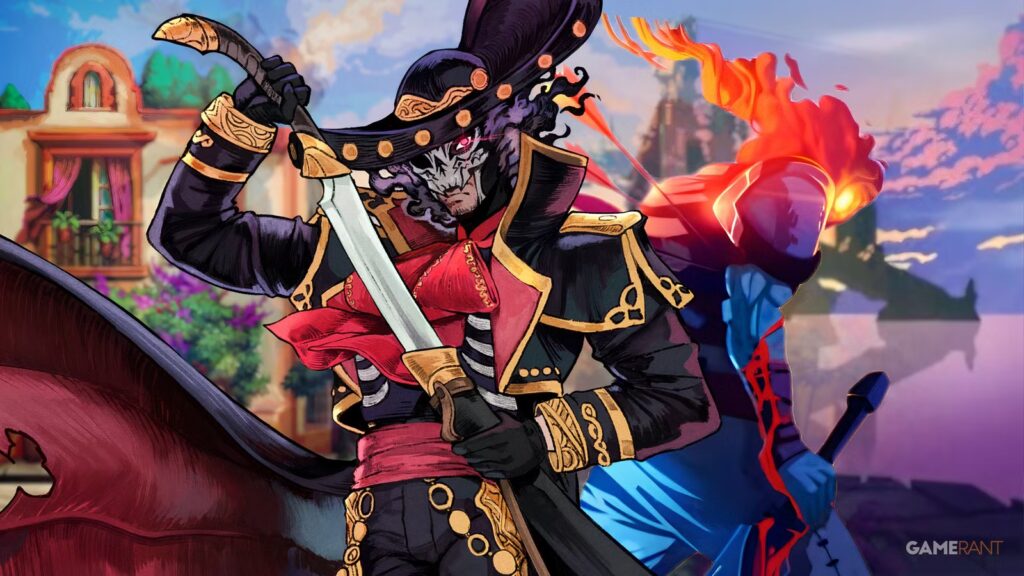
Calling Mariachi Legends simply a vampire game would be misleading. Its dark supernatural atmosphere, pixel-art Metroidvania structure, and clear affection for classic Castlevania-style action can make the comparison understandable, but the confirmed story is centered on Mexican folklore, Death, criminals, spirits, and the boundary between the living and the dead rather than a conventional vampire narrative. The protagonist is Pablo Cruz, a Mexican detective. Steam explains that Pablo has made a deal with Death and receives the ability to transform into La Sombra, giving him supernatural power against the criminals threatening his hometown.
Halberd’s website describes La Sombra in slightly different language, referring to a powerful supernatural identity or Mariachi suit connected to Pablo’s mission. The essential point is consistent across descriptions: La Sombra is the mechanism through which an otherwise human detective can confront threats that exceed normal criminal investigations. That transformation also separates Mariachi Legends from games where the protagonist begins as a supernatural creature.
Pablo remains a detective with investigative responsibilities in Santa Mascota, while La Sombra provides the combat-oriented supernatural side of the character. Earlier official promotional material explicitly framed the game as a Mexican reinterpretation of the kind of experience associated with Symphony of the Night, but that comparison concerns its Metroidvania structure, dark atmosphere, and side-scrolling combat rather than confirming that vampires are the central enemy type.
Mariachi Legends begins with Pablo accepting a dangerous arrangement with Death. Current Steam material calls this figure Madre Catrina and explains that Pablo gains the power of La Sombra in exchange for helping her capture something that has escaped her authority: a man who challenged Death and became immortal. Halberd Studios’ website and Epic Games Store description emphasize another component of the case. Those versions say Pablo has been selected to retrieve a powerful amulet capable of undermining Death’s control over the Realm of the Dead and disrupting Día de los Muertos.
These descriptions are not necessarily contradictions. The amulet, the immortal man, and the Mariachi Legends gang may form interconnected parts of the broader mystery. However, until the complete game or a fuller official synopsis explains that connection, it is safer not to invent a relationship between them. Santa Mascota itself occupies an important narrative position. The official website calls it a town situated at the border between the worlds of the living and dead. Steam describes Pablo investigating unexplained deaths there while criminals increasingly threaten his hometown.
Santa Mascota is Pablo Cruz’s hometown and the central community around which much of Mariachi Legends appears to revolve. Steam describes it as a small, lively town whose colorful population is being affected by increasingly dangerous misfortune. Pablo’s profession is intended to matter mechanically. Players will discover abandoned bodies, interrogate suspects, and investigate several deaths affecting the town. That gives Mariachi Legends a detective layer that goes beyond describing its protagonist as an investigator only in cutscenes.
Santa Mascota is also designed as a social space. Townspeople can operate shops, interact with Pablo, share drinks, and provide side quests. Halberd’s broader marketing has emphasized meeting characters, discovering their stories, and exploring the mysteries of a town positioned between the living world and the supernatural afterlife. Earlier game descriptions mentioned collecting clues, accepting assignments, decorating a home base with antiques, and completing quests that could contribute to different endings.
Some of those ideas come from older material and should not automatically be assumed to survive unchanged into the final version, but they illustrate how long the detective and community concepts have been part of the project. The currently verified Steam description is more conservative but still substantial: investigations, suspects, corpses, shops, and side quests are all explicitly promised.
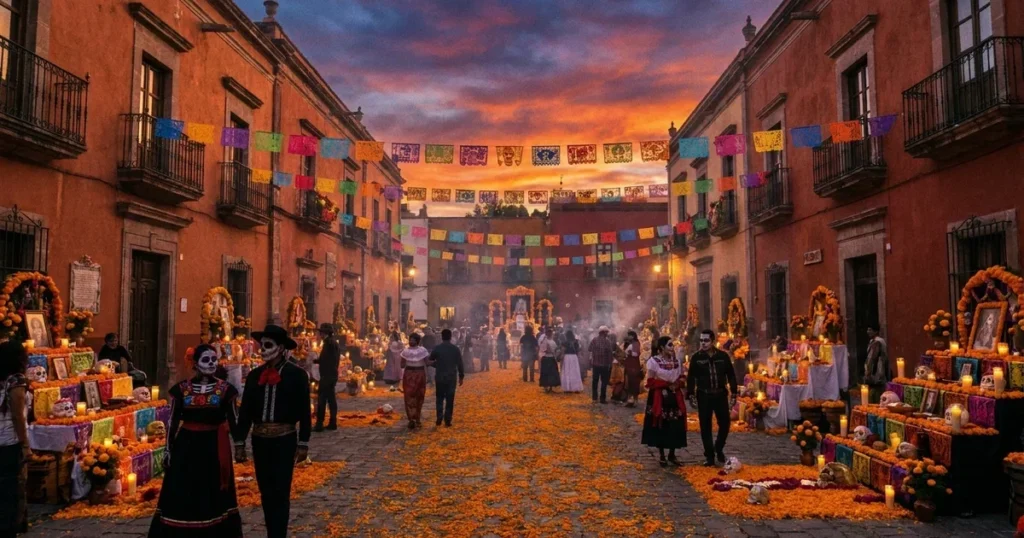
Mexican culture is integrated throughout the setting rather than being confined to visual decoration. Halberd specifically mentions Mexican cuisine, mariachi-influenced music, folklore, the afterlife, and the town of Santa Mascota. The developer is based in Guadalajara, Jalisco, giving the project a direct connection to the country and cultural traditions it draws from. Mariachi Legends uses detailed pixel art as its visual foundation, with Halberd describing its environments as branching levels rendered with meticulous pixel-art detail. Steam categorizes the game as a pixel-graphics action Metroidvania.
The soundtrack is explicitly described by Halberd as mariachi-infused, intended to accompany Pablo’s exploration of the Mexican afterlife. That musical direction is significant because Mariachi Legends is being created in Guadalajara, Jalisco, making the project a Mexican production drawing from cultural material familiar to its own development team. The studio has previously described Mariachi Legends as something resembling “Symphony of the Night in Mexico,” a useful shorthand for understanding its mixture of gothic-style Metroidvania structure and a specifically Mexican setting. However, the game is not simply copying Castlevania’s aesthetic. Cooking, Tarot modifiers, detective investigations, dynamic time states, mariachi music, and Santa Mascota give it systems and themes intended to establish its own identity.

Mariachi Legends Exploration, Day-Night Mechanics, Cooking, and Gamescom Trailer
Mariachi Legends appeared during Gamescom Opening Night Live on August 25, 2026, with what Halberd Studios officially called its “Release Date Announce Trailer.” The trailer’s most important reveal was the April 27, 2027 date, but it also served as an updated demonstration of the game’s visual identity, environments, combat, and supernatural premise. The trailer places Detective Pablo Cruz at the center of the action and again highlights Santa Mascota as a dangerous world shaped by the supernatural. Halberd’s accompanying description refers to descending into Santa Mascota, mastering fast combat, and uncovering mysteries rooted in Mexican folklore. That wording reinforces the game’s three central pillars: exploration, combat, and investigation.
The timing of the trailer was also important because it publicly reset expectations. Mariachi Legends had previously been expected in 2026, including a Q4 2026 period visible on Steam. Gamescom effectively became the moment when the production moved from a broad 2026 promise to the specific April 27, 2027 schedule. The trailer should not be interpreted as revealing every system in the game. Details such as complete weapon statistics, every Tarot modifier, final boss progression, and the full structure of Santa Mascota have not been published. What it does establish is that the combat-heavy Metroidvania framework shown throughout the project’s development remains central to the final version.
Exploration in Mariachi Legends is built around a “giant dual map” and a system that changes locations according to day, night, and the full moon. Steam says revisiting areas under different conditions can redefine entire sections of the world rather than simply changing their lighting. Sun and Moon gates are part of this design. These gates must be approached or activated at appropriate times to reach hidden areas and collectibles. Nighttime also introduces nocturnal creatures into areas that may already have been explored, giving players a gameplay reason to return rather than treating backtracking purely as a search for doors that previously could not be opened.
This is particularly relevant to the Metroidvania structure. Traditional games in the genre commonly make old regions relevant by granting the player a double jump, dash, transformation, or key. Mariachi Legends combines ability-based progression with time-state changes. A location can therefore become newly meaningful because Pablo has acquired another power, because the correct gate becomes accessible, or because the world itself has entered a different temporal state.
The precise rules governing time have not been fully explained. Halberd has not confirmed whether players can freely change between day and night, whether progression advances the clock automatically, or how frequently full moons occur. What is established is that the mechanic is more than cosmetic. Different conditions affect access, enemies, and exploration opportunities, making time one of the central structural systems in the world.
Cooking is another major system rather than an incidental collectible activity. Mariachi Legends allows Pablo to discover recipes, gather ingredients, and prepare food inspired by Mexican cuisine. Steam directly connects cooked dishes with gaining strength and power useful during the main mission. Halberd’s own website similarly states that recipes can enhance Pablo’s powers. This means food operates as part of character development or temporary enhancement while simultaneously giving the studio another way to represent Mexican culture inside the mechanics.
The Steam description also says cooking can be used to persuade NPCs. That introduces a possible social or quest-related function in addition to combat bonuses. A meal could therefore potentially serve different purposes depending on its recipient, although the developer has not yet published exact examples or numerical effects. The wording around honoring ancestors is particularly consistent with the game’s broader themes of death, remembrance, and Mexican traditions. Food, the supernatural storyline, and Día de los Muertos imagery are therefore connected thematically even when they perform different gameplay functions.
Specific recipes, ingredient locations, and buff values remain unannounced. Guides claiming definitive “best recipes” before the final game is playable should therefore be treated cautiously. As of September 2026, the confirmed information is that players can collect ingredients, learn recipes, prepare traditional Mexican dishes, strengthen Pablo, and use food in certain NPC interactions.
Frequently Asked Questions (FAQs)
- When does Mariachi Legends release?
Mariachi Legends is currently scheduled to launch on April 27, 2027. Halberd Studios announced the new date during Gamescom Opening Night Live on August 25, 2026, after previously targeting 2026. Steam now displays April 27, 2027 as the planned release date. - Why was Mariachi Legends delayed?
The game moved from its previous 2026 window to April 2027 so Halberd Studios could continue optimization, testing and polish. Reporting based on the studio’s Kickstarter communication also points to performance work, memory optimization, technical debt and the additional responsibilities involved in self-publishing the game. - What platforms will Mariachi Legends be available on?
The current announced lineup includes PlayStation 5, Xbox Series X|S, Nintendo Switch and PC. Steam is confirmed for PC, and additional PC storefront listings exist. - Will Mariachi Legends launch on Xbox Game Pass?
Yes. Xbox has officially announced Mariachi Legends for Xbox Game Pass, and the Gamescom release-date announcement continued to list Game Pass following the move to April 27, 2027. - Who is the main character in Mariachi Legends?
The protagonist is Pablo Cruz, a Mexican detective from Santa Mascota. His deal with Death gives him access to the supernatural La Sombra identity, allowing him to fight enemies connected to the criminal and supernatural crisis affecting his hometown. - Is Mariachi Legends a Metroidvania?
Yes. Halberd Studios and Steam describe Mariachi Legends as a combat-oriented Metroidvania with branching exploration, new abilities, hidden areas, collectibles and locations that change according to different time states. - What weapons are available in Mariachi Legends?
Confirmed weapon categories include swords, guns, whips, magical casts and other weapons and sub-weapons. Halberd has not yet revealed the complete final arsenal or every upgrade path. - How do day and night work in Mariachi Legends?
The game includes Day, Night and Full Moon states that alter areas, enemies and exploration opportunities. Sun and Moon gates can open access to hidden locations under the correct conditions, while nighttime can introduce additional creatures into previously explored territory. - Does Mariachi Legends have cooking and side quests?
Yes. Players can collect ingredients, discover Mexican recipes and prepare dishes that provide useful power. Santa Mascota’s residents can also operate shops and offer side quests, while Pablo conducts detective investigations involving deaths and suspects. - What are the Mariachi Legends PC system requirements?
Steam currently lists Windows 10, an Intel Core i3-9100F, 8 GB RAM and a GeForce GT 730 for both the minimum and recommended configurations, with a 64-bit processor and operating system required. Because development and optimization are continuing, those specifications should be checked again near launch.
Conclusion
Mariachi Legends: Mexican Metroidvania Launches April 27, 2027 is now the central release plan for Halberd Studios’ ambitious follow-up to 9 Years of Shadows. The Gamescom 2026 announcement moved the project beyond its old Q4 2026 window and established April 27, 2027 as the current launch date for PS5, Xbox Series X|S, Nintendo Switch and PC, with Xbox Game Pass also confirmed.
The extra development time is particularly relevant because Mariachi Legends is attempting to combine more systems than a straightforward side-scrolling action game. Its combat emphasizes parrying, finishers, weapons and supernatural abilities. Its exploration is altered by day, night and full-moon states. Tarot cards change abilities and modifiers. Detective work involves deaths and suspects. Cooking provides power and interacts with Mexican culinary traditions. Santa Mascota functions as both a narrative location and a living community filled with shops, characters and side quests.
More importantly, those mechanics are tied to the game’s identity. Halberd Studios is a Guadalajara developer creating a story in which Mexican folklore, mariachi-influenced music, cuisine, Día de los Muertos imagery and ideas about the relationship between the living and dead form part of the game’s structure rather than existing only as decoration.
Several details remain intentionally unresolved before launch. The exact relationship between the immortal man described on Steam and the powerful amulet highlighted on Halberd’s website has not been fully explained. Complete weapon statistics, Tarot effects, recipes, map rules and upgrade values also remain unknown. Those gaps are important because presenting speculation as confirmed information would give an inaccurate picture of a game still undergoing development.
What is verified is already substantial. Pablo Cruz will investigate Santa Mascota while wielding the supernatural power of La Sombra. Players will fight through a pixel-art Metroidvania using parries, finishers and varied weapons, revisit changing locations across different time states, interact with townspeople, collect Tarot cards, solve investigations and prepare Mexican food. Unless the schedule changes again, that journey begins on April 27, 2027.
Sources and Citations
- Steam, Official Mariachi Legends Store Page : Lists the planned April 27, 2027 release date and identifies Halberd Studios as developer and publisher. Details the story, combat, exploration and character progression, alongside supported languages, Steam features and the published Windows system requirements. store.steampowered.com
Mariachi Legends on Steam. - Halberd Studios, Official Mariachi Legends Website : Introduces detective Pablo Cruz, his supernatural La Sombra identity and the town of Santa Mascota. Explains the game’s Mexican folklore influences, combat, exploration, Tarot modifiers, cooking mechanics and soundtrack, with screenshots and a link to the official press kit. Halberd Studios
Mariachi Legends, Halberd Studios. - Halberd Studios, Official Studio Website : Presents the studio’s projects, including Mariachi Legends and 9 Years of Shadows, and provides links to its team, services and community channels. Identifies the developer’s location in Guadalajara, Jalisco, Mexico, and provides access to its official game pages. halberdstudios.com
Halberd Studios. - Indie Games Hub, August 25, 2026, Release Date Trailer : Hosts the release date trailer for Halberd Studios’ game. The video description announces April 27, 2027, for PC, Xbox, PlayStation 5 and Nintendo Switch, and introduces Pablo Cruz’s pact with Death and transformation into La Sombra. YouTube
Mariachi Legends: Official Release Date Trailer. - Xbox, May 1, 2026, Official Game Pass Trailer : Announces Mariachi Legends for Xbox Series X|S, Xbox on PC and Xbox Game Pass, with Xbox Play Anywhere support. The official video description introduces Pablo Cruz’s supernatural abilities, the game’s combat focus and its setting inspired by Mexico. YouTube
Mariachi Legends: Game Pass Trailer. - Microsoft Xbox, Official Mariachi Legends Store Page : Provides Microsoft’s platform and feature listings for the game and identifies Halberd Studios as developer and publisher. Describes the premise and lists capabilities including Smart Delivery, Xbox Play Anywhere, single player gameplay, achievements and cloud saves. XBOX
Mariachi Legends, Xbox Store. - Gematsu, August 25, 2026, Release Delay Report : Reports the move from the previously announced 2026 release window to April 27, 2027, citing Halberd Studios’ announcement. Includes the announced platforms, Game Pass support, release date trailer and an overview of the game’s story and features. Gematsu
Mariachi Legends Delayed to April 27, 2027. - Gematsu, Mariachi Legends Game and News Archive : Collects the game’s overview, listed platforms, release date, screenshots and trailers. Links to coverage of its original announcement, earlier release window and subsequent delay, providing a reference for the project’s public announcement history. Gematsu
Mariachi Legends, Gematsu. - Kickstarter, Official Mariachi Legends Campaign : Documents Halberd Studios’ original 2023 crowdfunding campaign, including its funding goal, pledged total and backer count. Provides access to campaign rewards, frequently asked questions and project updates, offering a primary record of the game’s crowdfunding history. Kickstarter
Mariachi Legends: A Combat Oriented Metroidvania. - BackerKit, Official Mariachi Legends Pledge Manager : Provides the campaign’s pledge management page, including recovery of backer surveys using the email address associated with a pledge. Identifies Halberd Studios as the creator and links to the campaign’s preorder store and frequently asked questions. A Combat Oriented Metroidvania
Mariachi Legends BackerKit Pledge Manager.
Recommendations
- Gears of War: E-Day Beta Takes Over 62 GB of Storage: Download Size, Dates and What Players Need to Know
- Nova Roma – Official Early Access Launch Trailer Reveals Roman City Builder Gameplay, Features, and Early Access Details
- Summer Game Fest 2026 Schedule: Full Main Events Timeline, Dates, and Key Showcase Lineup Revealed
- Mariachi Legends Release Date
- Super Mario Galaxy Tickets Are Going On Sale: Release Date, When Tickets Open, and How to Book Early
- Control Resonant Physical Edition Delayed to October 15, Digital Still September 24
- Switch 2 Has Sold 1 Million Units in the UK: Sales Milestone Explained
- UModeler X is Now Free: What Changed, How to Download, and What You Get in the Free Version
- Fire Emblem: Fortune’s Weave Hits Switch 2 on September 17
- What Are the 7 Basic Camera Movements in 3D Animation? A Complete Guide



































































































