







In This Article (9 sections)
Why Wolverine’s Suit Heals Itself in Marvel’s Wolverine
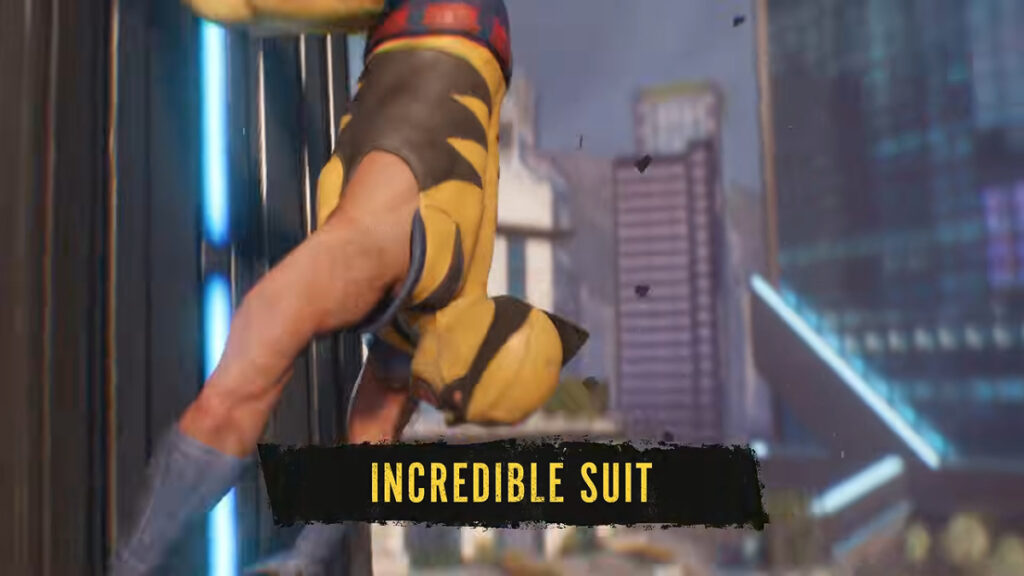
Marvel’s Wolverine’s self healing suit has become one of the more unusual talking points surrounding Insomniac Games’ interpretation of Logan because, while Wolverine’s mutant healing factor allows his body to recover from injuries, ordinary clothing would not realistically repair itself. Gameplay footage showing both Logan’s wounds and his costume restoring over time led some players to speculate that the suit might use nanotechnology, advanced mutant equipment, or another fictional repair system. However, Insomniac Games has confirmed that the explanation is much simpler and is based on gameplay presentation rather than story lore.
Head of technology Mike Fitzgerald explained that the self repairing suit exists primarily to preserve Wolverine’s iconic superhero appearance throughout the campaign. Combat is designed to visibly damage Logan’s body and clothing, with his outfit becoming torn and shredded during intense fights. However, allowing him to remain in heavily damaged clothing for extended portions of the game ultimately weakened the intended visual impact. Senior project director Jess Reiner-Reed said earlier versions left Logan’s outfit badly damaged for too long, making the character feel less powerful and diminishing the fantasy of playing such an iconic superhero. Restoring the costume at appropriate moments allowed the team to balance realistic battle damage with a recognisable Wolverine silhouette.
That does not mean Insomniac has reduced the game’s combat detail. On the contrary, Fitzgerald said the studio invested heavily in how damage is portrayed on Logan, his clothing, enemies, and their outfits. Blood is simulated using dynamic particle technology that creates realistic splatter patterns on both characters and the environment, and Logan’s blood can even wash away when he enters water. The costume restoration system exists alongside these effects rather than replacing them, ensuring that battles still feel brutal and visually convincing.
Ultimately, Wolverine’s self healing suit should be viewed as a presentation mechanic instead of a story explanation for why his clothing regenerates. Logan’s healing factor remains part of the character and the combat system, while the costume repair feature solves a separate visual design challenge. The result is a deliberate compromise that lets players see graphic wounds, blood, and clothing destruction during combat without leaving Wolverine dressed in shredded fabric for most of the adventure.
Why Marvel’s Wolverine Self Healing Suit Repairs Itself and How Clothing Restoration Works
Insomniac’s explanation directly addresses the perceived inconsistency surrounding Wolverine’s costume. The studio wanted damage to appear on Logan and his outfit during brutal encounters, but it also wanted his iconic appearance to return instead of allowing irreversible costume destruction to accumulate over many hours. Head of technology Mike Fitzgerald explained that the developers invested heavily in representing damage, yet still needed to identify suitable moments when the clothing could recover to preserve the game’s intended cinematic superhero presentation. Senior project director Jess Reiner Reed confirmed that this approach resulted from gameplay experimentation rather than an arbitrary visual decision. In early builds, leaving Wolverine’s clothing shredded for extended periods undermined what the team wanted players to feel. Although a permanently deteriorating outfit might appear realistic during an individual encounter, it created undesirable consequences for Logan’s character presentation across an entire cinematic superhero game.
Visually, the costume behaves as though it has a healing factor because its tears and other damage do not remain permanent. In narrative terms, however, Insomniac has not established that Wolverine’s suit possesses a biological healing factor equivalent to Logan’s mutation. His actual healing factor is a documented gameplay system. PlayStation states that attacks, parries and kills build Rage, which Wolverine can use to activate healing, while Last Stand allows him to recover when badly injured. PlayStation’s August preview further explains that Last Stand becomes available at Rage Tier 2 and lets Wolverine spend Rage to heal after being fully downed. The costume restoration accompanies the game’s visual representation of damage and recovery, but the available developer comments do not identify it as an independently powered mutant ability. Calling it a “self healing suit” is therefore a convenient description of what players see rather than proof that the outfit shares Wolverine’s mutation.
There is also no confirmed nanotechnology explanation for the regenerating costume. Nanotech was one of the theories proposed by viewers attempting to explain the effect within the game’s fictional world, but Insomniac’s developers responded by discussing gameplay, production and cinematic practicality instead. Claiming that Wolverine uses a nanotech suit would consequently present fan speculation as established lore. As of August 25, 2026, Insomniac has not publicly identified nanotechnology or another fictional repair mechanism as the reason his damaged clothing recovers. Additional details could appear when Marvel’s Wolverine launches on September 15, but based on the current developer explanation, the suit’s restoration is a visual and gameplay accommodation rather than a confirmed piece of advanced technology.
Marvel’s Wolverine subjects Logan to repeated attacks involving bullets, blades, explosions and other extreme injuries. If every resulting tear remained permanent, his outfit could progressively disappear over the course of a long mission, which Insomniac found created presentation problems during early development. The restoration system allows the clothing to communicate combat damage temporarily. Players can see that an encounter has physically affected Logan, preserving the brutality associated with Wolverine, before the costume eventually returns toward its recognisable appearance. In practical terms, this separates damage feedback from the permanent condition of the outfit. Clothing can tear because combat needs visible consequences, but those consequences do not have to accumulate indefinitely throughout the game.
The costume does not simply remain pristine until it is restored. Insomniac has created visible damage progression for Logan’s body and suits, with Fitzgerald explaining that the studio invested heavily in showing damage on Wolverine, his enemies and their clothing. During heavy combat, Logan’s costume can become visibly torn while he grows bloodied and physically injured, allowing the outfit to function as a short term visual record of what he has survived. Enemies also display damage, while blood particles produced by attacks can remain within the environment. Insomniac therefore treats battle damage as an interconnected presentation system rather than relying on a generic red overlay across the screen. After Logan recovers or reaches a contextually appropriate moment, his clothing can gradually return to a more intact state.
This damage technology is supported by accessibility options that let players control how much graphic detail they see. The “Visceral Healing” setting determines the level of physical damage shown on Logan’s body during gameplay and cinematics, while separate Dynamic Blood and Dismemberment settings allow players to reduce other violent elements without changing the underlying combat design. Insomniac has not described costume restoration through a single universal rule, such as every Last Stand activation instantly repairing all clothing. The most accurate description is that suit damage remains temporary and restoration occurs as part of the game’s broader recovery and presentation system, balancing visible brutality with the need to maintain Wolverine’s established superhero appearance.
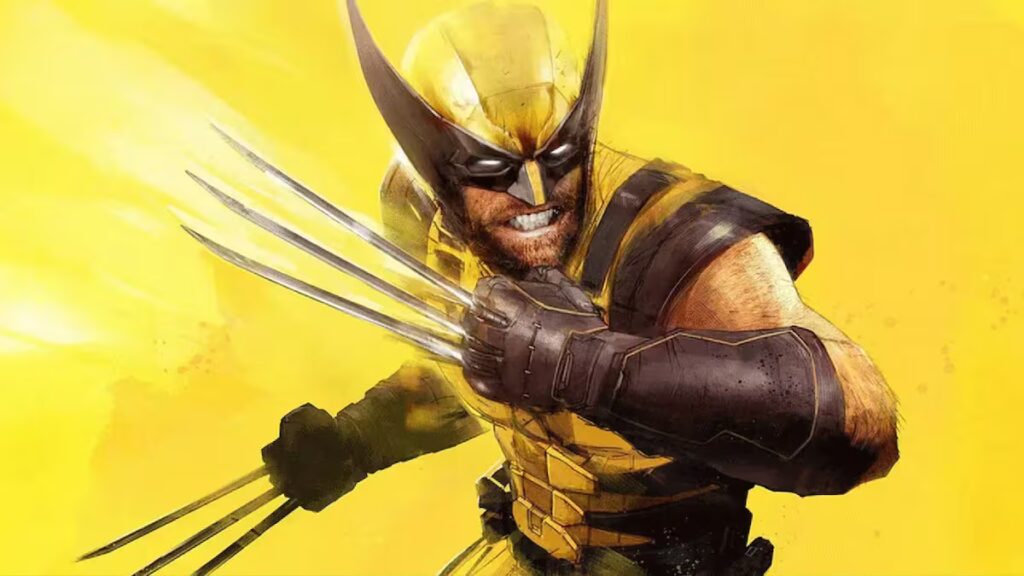
Why Marvel’s Wolverine’s Suit Repairs Itself During Gameplay
Insomniac’s explanation directly addresses the perceived inconsistency surrounding Marvel’s Wolverine’s self healing suit. The studio wanted damage to appear on Wolverine and his outfit during brutal encounters, but it also wanted Logan’s iconic appearance to return instead of allowing irreversible costume destruction to accumulate over many hours. Reiner-Reed’s comments show that this decision followed gameplay experimentation rather than being made arbitrarily.
When Logan’s clothing remained shredded for too long in early builds, the resulting presentation undermined what the team wanted players to feel. A permanently deteriorating outfit might appear realistic during an individual encounter, but across an entire cinematic superhero game, it created undesirable consequences for the character’s presentation. The restoration system therefore allows the clothing to communicate combat damage temporarily before returning toward its intact appearance at moments Fitzgerald described as appropriate for preserving the intended cinematic experience.
Visually, the suit behaves as though it has a healing factor because tears and other damage do not remain permanent. However, Insomniac has not established that Wolverine’s costume possesses a biological healing factor equivalent to Logan’s mutation. Logan’s actual healing factor is an explicit gameplay system.
According to PlayStation, attacks, parries and kills build Rage, which Wolverine can use to activate healing. Last Stand becomes available at Rage Tier 2 and allows him to spend Rage to recover after being fully downed. These are documented character mechanics, while the restoration of his costume is part of Insomniac’s visual representation of damage and recovery. Calling it a self healing suit is therefore a convenient description of what players see, not proof that the outfit independently possesses Wolverine’s mutant ability.
There is also no confirmed nanotechnology explanation for the regenerating costume. Nanotechnology was one of the theories proposed by viewers attempting to explain the effect within the game’s world, but Insomniac’s developers instead discussed gameplay, production and cinematic practicality. Saying that Wolverine uses a nanotech suit would therefore present fan speculation as established game lore.
As of August 25, 2026, Insomniac had not publicly identified nanotechnology or any other fictional mechanism as the reason damaged clothing repairs itself, nor had the studio replaced its practical explanation with detailed in universe technology. Additional fictional details could still appear when Marvel’s Wolverine launches on September 15, but based on the available developer comments, the regenerating suit should be understood as a visual and gameplay accommodation rather than a confirmed nanotechnology system.
This approach is especially important because Marvel’s Wolverine repeatedly subjects Logan to bullets, blades, explosions and other extreme injuries. If every tear remained permanently cumulative, his outfit could progressively disappear during a long mission. Insomniac found that this created presentation problems during development, so the restoration system separates visible damage feedback from the costume’s permanent state. Players can see that an encounter has physically affected Logan, preserving the brutality associated with Wolverine, without forcing those consequences to accumulate indefinitely or permanently replace his recognisable superhero appearance.
Marvel’s Wolverine Suit Damage and Combat Effects Explained
Wolverine’s costume does not remain pristine throughout combat. Insomniac has developed visible damage progression for Logan’s body and suits, and Fitzgerald said the studio invested heavily in representing damage on Wolverine, his enemies and their clothing. During intense encounters, Logan’s outfit can become visibly torn as he accumulates injuries, allowing it to serve as a short term visual record of the violence he has survived. The developers want the suit’s appearance to reflect what happened during a fight instead of remaining completely untouched regardless of how much damage Wolverine receives. His body can also display the effects of grievous wounds, reinforcing the connection between his mutant recovery and the extreme punishment depicted during gameplay.
The costume is only one part of a broader damage presentation system. Logan can become bloodied and physically injured, enemies display visible damage, and environments can retain blood particles produced by attacks. Insomniac’s technology therefore treats battle damage as a collection of interconnected visual effects rather than relying on a single generic red overlay across the screen. Tears in Wolverine’s clothing, wounds on his body, damaged enemies and environmental blood effects work together to communicate the severity of each encounter.
The official accessibility options further demonstrate how important physical damage is to the game’s presentation. The Visceral Healing setting controls the level of damage shown on Logan’s body during gameplay and cinematics, while Dynamic Blood and Dismemberment are handled through separate violence settings. Players can therefore reduce certain graphic elements without requiring Insomniac to alter the underlying combat system. Wolverine’s suit damage sits within this wider technology and accessibility framework, allowing the game to portray his characteristic brutality while giving players control over how much graphic detail they see.
After Logan has sufficiently recovered or reaches a contextually appropriate point, his clothing can gradually return toward its intact appearance. Insomniac has not publicly reduced this behavior to a single rule, such as every Last Stand activation immediately restoring the entire costume. The more accurate description is that clothing damage is temporary, with restoration occurring as part of the game’s broader recovery and presentation systems. This allows the outfit to reflect the immediate consequences of brutal combat while still preserving Wolverine’s recognizable appearance throughout the larger cinematic experience.
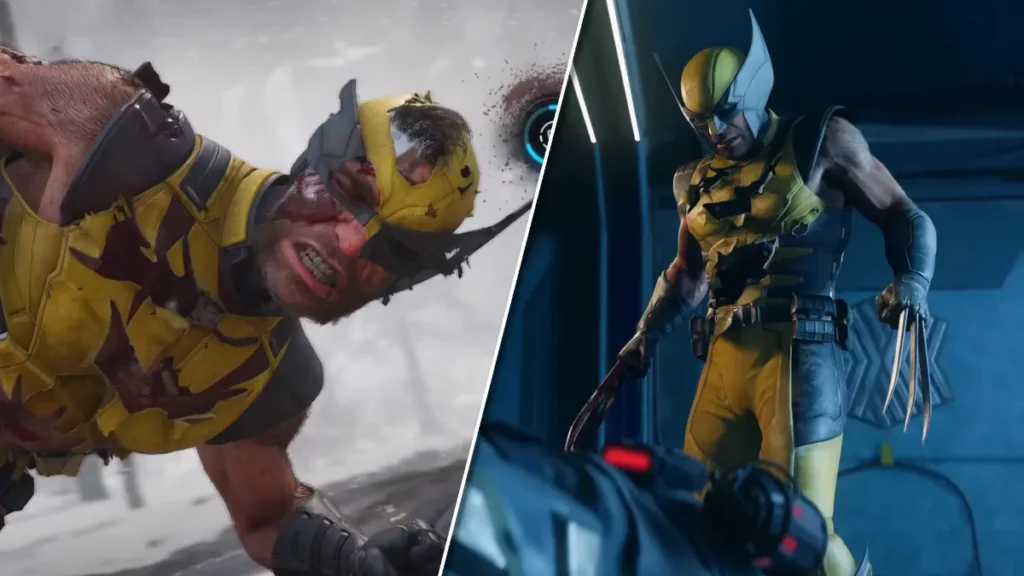
Marvel’s Wolverine Healing, Blood, Damage and Suit Recovery Systems Explained
Marvel’s Wolverine sparked debate because gameplay footage showed Logan’s wounds and clothing recovering together, prompting many players to wonder why ordinary fabric would regenerate alongside his mutant healing factor. The footage encouraged theories about nanotechnology or other fictional repair systems, but Insomniac later explained that the decision was driven by gameplay presentation rather than an in universe explanation. The discussion reflects two competing expectations for modern action games. Some players prefer persistent clothing damage as a sign of realism, while others expect Wolverine to maintain his iconic superhero appearance throughout cinematic sequences, and Insomniac encountered that same tension during development.
According to senior project director Jess Reiner Reed, early builds allowed Logan’s clothing to remain shredded for extended periods, but the team found that this made him appear less powerful during later gameplay. Permanent clothing damage also created practical design problems. Because Wolverine endures repeated brutal encounters across a lengthy action game, every tear, burn, and hole would eventually accumulate until very little of the costume remained, or the developers would need a separate system to repeatedly replace it. Insomniac instead chose a compromise that emphasizes the emotional fantasy of playing Wolverine. Players still see blood, wounds, and damaged clothing during combat, but those temporary effects eventually disappear so Logan regains his recognizable appearance. Rather than attempting a literal simulation of permanently damaged fabric, the studio prioritized the experience of enduring brutal punishment before recovering with extraordinary resilience.
Wolverine’s healing factor is represented through several interconnected gameplay systems rather than unlimited automatic regeneration. Outside combat, Logan can recover health naturally, while certain upgrades improve healing through finisher combos. During combat, however, healing is tied primarily to the Rage system. Combat actions build the Rage meter through multiple tiers, making Wolverine progressively more dangerous as he fights. At Rage Tier 2, players unlock Last Stand, a mechanic that allows Logan to spend accumulated Rage to recover after being fully downed and immediately return to the fight. At the highest Rage Tier, Wolverine becomes even more aggressive, gaining stronger attacks and powerful critical strikes.
Creative director Marcus Smith explained that this design replaced a traditional regenerating health system because testers tended to retreat and wait for health to refill. By linking survival to Rage, Insomniac encourages players to keep pushing forward, matching Wolverine’s relentless fighting style. Rage therefore serves as both an offensive resource and a potential lifeline, forcing players to balance aggression with survival. Even so, Wolverine is not invincible. Certain enemies, such as Trask’s Ability Inhibitors, can temporarily disable his healing powers, requiring players to survive without regeneration until the devices are destroyed. This keeps his healing factor central to his identity while preserving meaningful challenge and narrative stakes.
The visual presentation supports these mechanics with a sophisticated damage system. Instead of relying solely on pre scripted effects, Insomniac uses simulated blood particles that can travel through the environment, strike surfaces, and leave splatter where they land. Blood can also appear on Logan himself, while environmental interactions extend the effect further. When Wolverine walks through water, blood on his body can wash away while creating blood colored swirls in the water, allowing combat effects to respond dynamically to the environment instead of remaining as static decals.
The studio also invested heavily in showing damage on Wolverine, his suits, enemies, and their clothing so the impact of his claws feels convincing. Accessibility settings demonstrate how deliberately these systems were designed, with players able to adjust Dynamic Blood, Dismemberment, and Visceral Healing independently. This allows the underlying combat mechanics to remain unchanged while giving players control over how graphic the visual presentation becomes. Together, the healing, blood, clothing damage, environmental interactions, and Rage systems create a layered approach in which combat leaves visible consequences without permanently destroying Wolverine’s appearance. Those effects are intentionally temporary, allowing Logan to recover both physically and visually after battle.

Frequently Asked Questions[FAQs]
1.Does Wolverine’s suit repairing itself mean there is no visible battle damage?
No. Battle damage is still a major part of the game’s presentation. Wolverine can suffer wounds, his costume can be torn apart, blood can accumulate on his body, and enemies also show damage during combat. The difference is that these effects are temporary, allowing players to enjoy the visual impact of each fight without leaving Logan permanently dressed in a destroyed costume.
2.Why does Wolverine’s suit heal itself in Marvel’s Wolverine?
Insomniac says the main reason is practical and cinematic rather than an in-universe lore explanation. During development, the team found that leaving Wolverine’s costume permanently shredded after every fight weakened the intended superhero fantasy. Instead, the game lets clothing become damaged during combat to reflect the brutality of battles, then gradually restores the outfit so Logan returns to his iconic appearance as players continue the story.
3.Is Wolverine’s self-healing suit explained by nanotechnology?
No nanotechnology explanation has been confirmed by Insomniac. While some fans speculated that the suit might use advanced technology or another fictional repair system, the developers have only explained the mechanic as a gameplay and presentation decision designed to balance visible combat damage with Wolverine’s classic look.
4.Does Wolverine’s suit actually get damaged?
Yes. Insomniac says it invested heavily in technology that shows progressive damage to Logan, his suit, enemies, and even enemy clothing during combat. Tears, burns, and other damage appear as fights become more intense, but unlike permanent destruction systems, Wolverine’s costume eventually restores itself instead of remaining damaged for the rest of the game.
5.Is the self-repairing suit part of Wolverine’s mutant healing factor?
Insomniac has not described the clothing as sharing Logan’s mutant healing abilities. Wolverine’s healing factor is a gameplay mechanic tied to his health, Rage system, and Last Stand ability, while the suit repairing itself has only been explained as a visual design choice that supports the game’s presentation.
6.What is Last Stand in Marvel’s Wolverine?
Last Stand is a survival ability that becomes available once Wolverine reaches Rage Tier 2. When Logan is fully downed, the ability allows players to spend Rage to recover instead of immediately being defeated. It connects Wolverine’s healing directly to aggressive combat, rewarding players who build and manage their Rage effectively.
7.Does Wolverine automatically regenerate health during combat?
Healing is more structured than unlimited automatic regeneration. According to VGC, Wolverine can recover health outside combat, while abilities such as Rage, Last Stand, and certain upgrades provide additional ways to restore health during encounters. Some enemies can also use Ability Inhibitors that temporarily disable Logan’s healing, forcing players to adapt until the effect wears off.
8.Does blood stay on Wolverine?
Yes. Insomniac’s technology allows simulated blood particles to land on Logan during combat and remain visible afterward, making fights look more impactful. However, the effect is dynamic rather than permanent, as environmental interactions like moving through water can wash the blood away.
9.Does blood interact with water in Marvel’s Wolverine?
Yes. Mike Fitzgerald explained that blood effects react dynamically to the environment. When Wolverine moves through water, blood can wash off his body and create visible swirling patterns in the water, demonstrating that the game’s visual effects extend beyond simple character textures.
10.Can players reduce the gore in Marvel’s Wolverine?
Yes. Insomniac includes several accessibility options that let players customize the level of graphic violence. Settings for Dynamic Blood, Dismemberment, and Visceral Healing can be adjusted individually, allowing players to reduce or modify these visual effects according to their preferences without changing the core gameplay.
Conclusion
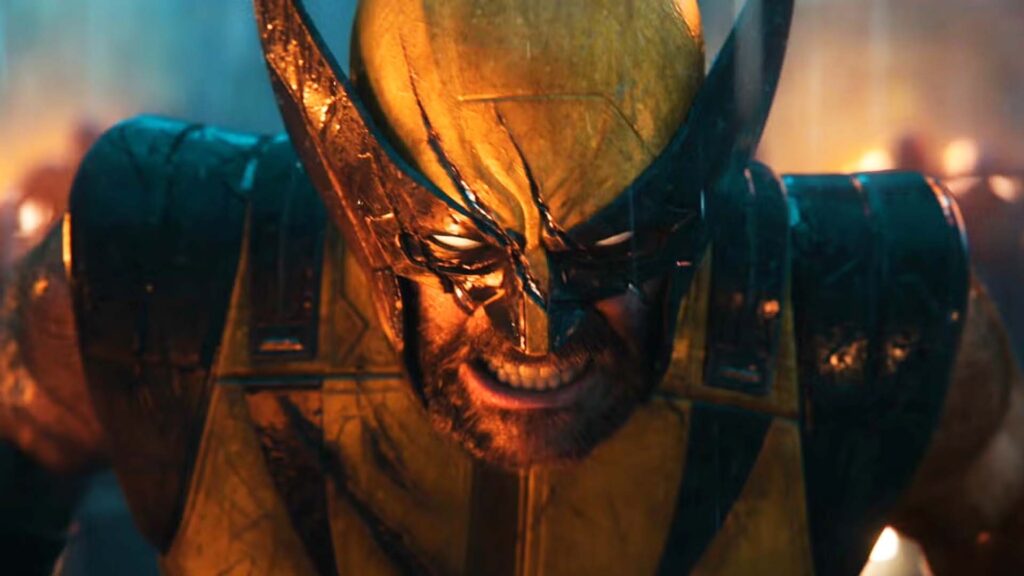
Marvel’s Wolverine self-healing suit is best understood as a deliberate game-development compromise, not a newly confirmed mutant power or nanotechnology invention. Insomniac wants Wolverine’s clothing to show the consequences of brutal combat in Marvel’s Wolverine, but it does not want those consequences to accumulate until Logan spends much of the story dressed in shredded remnants. Fitzgerald and Reiner-Reed have both described the problem in practical presentation terms.
Crucially, temporary clothing restoration does not mean Marvel’s Wolverine sanitises damage. In Marvel’s Wolverine, Insomniac has invested in progressive physical injury, costume damage and simulated blood particles capable of staining Wolverine and interacting with the environment. Official accessibility settings in Marvel’s Wolverine for Dynamic Blood, Dismemberment and Visceral Healing further demonstrate that violence and physical recovery are substantial technical systems within the game.
Wolverine’s actual healing factor is also deeply embedded in Marvel’s Wolverine gameplay. Rage connects aggression with survival in Marvel’s Wolverine, Last Stand allows Logan to recover when fully downed, and Ability Inhibitors can remove his healing advantage to create moments of vulnerability. The game therefore transforms regeneration from an automatic piece of comic-book lore into a mechanic that contributes to combat decisions and narrative tension.
The apparent contradiction of a repairing costume in Marvel’s Wolverine becomes easier to understand in that context. Marvel’s Wolverine is not trying to simulate every physical law literally. Insomniac is combining detailed gore and damage in Marvel’s Wolverine with the visual consistency of a cinematic superhero game. Logan can look brutally injured in Marvel’s Wolverine because that is essential to Wolverine; he can subsequently heal because that is equally essential to Wolverine; and his suit returns with him because Insomniac concluded that the alternative damaged the intended power fantasy more than it improved realism.
As of August 25, 2026, that practical design explanation for Marvel’s Wolverine is the most authoritative answer available. Marvel’s Wolverine launches for PlayStation 5 on September 15, 2026, at which point the finished game will establish exactly how frequently the costume restores itself across the complete campaign.
Sources and Citation
- Insomniac Games, “What Accessibility options does Marvel’s Wolverine feature?” (June 2, 2026).
This is the principal official source for the game’s accessibility and violence-customisation framework. Under Violence Customization, Insomniac lists a Violence Preset alongside Dynamic Blood, Dismemberment and Visceral Healing. It explains that these settings control impact blood, visible dismemberment and the physical damage displayed on Logan’s body during gameplay and cinematics. (Insomniac Games Support) - Sony Interactive Entertainment, PlayStation Blog, “Hands-on report: Marvel’s Wolverine” (August 13, 2026).
Sony’s official hands-on report explains that successful combos build Wolverine’s meter through three Rage Tiers. Rage Tier 2 unlocks Last Stand, which lets Logan expend Rage to heal after being fully downed, while Rage Tier 3 strengthens his attacks and enables critical strikes. The article also explains that Trask’s Ability Inhibitors prevent Wolverine and other mutants from using their powers, leaving Logan unable to heal until the devices are destroyed. It confirms that Marvel’s Wolverine launches for PS5 on September 15, 2026. (PlayStation Blog) - James Galizio, Video Games Chronicle, “Wolverine directors explain why Insomniac’s latest game has the Weapon X-factor” (August 13, 2026).
This is VGC’s first-hand interview with game director Mike Daly and creative director Marcus Smith. Smith explains that a simple health-regeneration-over-time system encouraged players to slow combat while waiting for health to return. Insomniac therefore connected healing with Logan’s Rage and aggressive combat style. VGC also documents Insomniac’s Spiderscan and Cerebro scanning systems, motion-capture pipeline and technology investment intended to bring cinematic-quality character presentation into gameplay rather than reserving it for cutscenes. (VGC) - Wesley Yin-Poole, IGN, “Insomniac Explains Why Wolverine’s Suit Heals Itself” (August 13, 2026).
This is the original interview with Insomniac head of technology Mike Fitzgerald and senior project director Jess Reiner-Reed. Fitzgerald explains that permanently shredded clothing would be impractical throughout the game, while Reiner-Reed says early versions left Logan’s clothes damaged for too long and weakened the player’s sense of power. Fitzgerald also describes the game’s dynamic blood particles, calculated surface splatter, blood remaining on Logan and blood washing off into water. The direct IGN page is not accessible to this research browser, but its title, URL, publication details and interview text are independently reproduced by multiple accessible reports. (thedailygame.news) - Demi Williams, TechRadar, “Insomniac admits there’s no lore reason Logan’s suit in Marvel’s Wolverine regenerates” (August 14, 2026).
TechRadar reproduces Fitzgerald and Reiner-Reed’s explanations of the regenerating clothing. It also carries Fitzgerald’s description of the damage system, simulated blood particles, exact splatter marks, persistent blood on Logan and blood swirling into water when it is washed away. (TechRadar) - Zack Zwiezen, Kotaku, “Insomniac’s Explanation For Why Wolverine’s Suit Heals Itself Is Simple And Honest” (August 13, 2026).
Kotaku explicitly identifies IGN as the outlet that interviewed Fitzgerald and Reiner-Reed. Its report includes the practical clothing explanation, the early-build problem with prolonged costume damage and Fitzgerald’s complete description of the blood-particle and environmental-splatter technology. (Kotaku) - Sagnik Adhikary, Beebom, “Marvel’s Wolverine Has a Self-Healing Suit so Players Don’t Fight in ‘Shredded Rags,’ Insomniac Says” (August 14, 2026).
Beebom provides another linked account of the IGN interview. It attributes the practical explanation to Fitzgerald, the diminished feeling of power in early versions to Reiner-Reed and the simulated blood-particle technology to Fitzgerald. (Beebom)
Recommendations
- Temtem: Pioneers Is Another “Love Letter,” Not a Replacement — What the New Survival Temtem Game Actually Is
- Xbox 25th Anniversary Celebration: New FanFest Events, Game Pass Collections, Rewards and More
- Persona 6’S Big Reveal Was a Let-Down: Graveyard Teaser, Green Logo, and Zero Gameplay Details Spark Mixed Reactions
- Esoteric Ebb Explained: What Happens When Dungeons & Dragons Meets Disco Elysium?
- 007 First Light Collectibles Guide: All Cards, Intel, Mementos, Postcards, and Legacy Items
- Assassin’s Creed Black Flag Resynced Lets You Breathe Underwater Forever on PS5, Xbox Series X|S, and PC
- World of Warcraft: Midnight Review So Far (2026) — Early Access Impressions, Housing, Prey System, and What’s Next
- Actor Sam Neill, “One of the Good Ones,” Has Died Aged 78
- Silent Hill: Townfall Is Coming September 24, 2026: Trailer Breakdown, Story, and Platforms
- Gothic 1 Remake: How to Join the New Camp and Complete Every Required Quest



































































































