










In This Article (9 sections)
Why Neuroscape Stands Out as a Cyberpunk Trading Card Game
The trading card game landscape has long been dominated by fantasy worlds, magical battles, monsters, and historical themes. Games such as Magic: The Gathering, Pokémon Trading Card Game, and Yu-Gi-Oh! have built huge communities around those ideas, while cyberpunk-inspired card games remain a much smaller category. Neuroscape enters that space with a clear identity: a futuristic trading card game about hacking, cybernetic upgrades, digital warfare, and the tension between human biology and advanced technology.
Neuroscape Is the Other Cyberpunk TCG, and So Far It’s Quite Fun because it combines familiar trading card game foundations with a setting that feels meaningfully different. Instead of traditional mana systems and fantasy armies, players manage RAM, control cybernetic characters, manipulate digital programs, and attack both the physical and digital sides of their opponents. The result is recognizable enough for experienced card players to understand, but distinct enough to feel like more than a reskin of existing games.
At the center of Neuroscape is the idea that every player is managing two connected systems: a physical body and a digital infrastructure. Many trading card games focus on reducing one life total to zero, but Neuroscape splits that idea into two health pools known as the Bioframe and Mainframe. The Bioframe represents the player’s physical existence, while the Mainframe represents their implanted neural computer system. Opponents can pressure either one, forcing players to decide whether to protect their body, defend their digital systems, or develop strategies that threaten both.
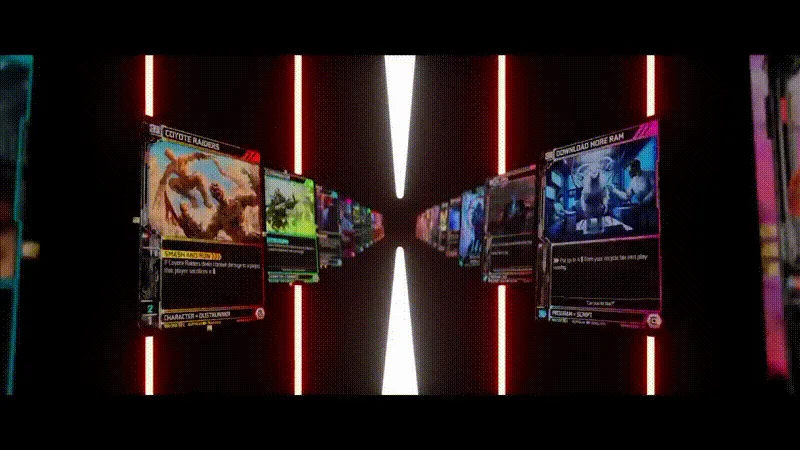
The game uses cards representing characters, programs, cyberware, and other technological elements. Characters can enter combat, while programs and cybernetic upgrades create tactical advantages. This is where the cyberpunk theme becomes part of the gameplay rather than just background art. Players are not simply summoning creatures or casting spells. They are managing a futuristic battlefield built around information warfare, human enhancement, and technological control.
That identity has helped Neuroscape gain attention among tabletop gaming communities. Its faction-based gameplay supports multiple strategic paths, including hacking-focused decks, cybernetic combat builds, corporate technology strategies, and other futuristic playstyles. For players looking for a trading card game with a different atmosphere, Neuroscape offers a focused cyberpunk alternative to the fantasy-heavy mainstream.

How Neuroscape Works: Bioframe, Mainframe, RAM, and Beginner Rules
Neuroscape is a competitive cyberpunk trading card game where players build decks and use technological resources to defeat their opponents. Its overall structure will feel familiar to people who have played other trading card games. Players draw cards, develop resources, deploy units, use abilities, and try to gain enough advantage to win. What makes Neuroscape different is the way those familiar actions are filtered through its dual health system and cyberpunk resource mechanics.
The basic objective is to reduce either the opponent’s Bioframe or Mainframe health to zero. This gives every match two possible pressure points. A player may be physically protected but digitally vulnerable, or they may have strong Mainframe defenses while leaving their Bioframe exposed. Because either side can be targeted, players must constantly evaluate where the real danger is coming from.
Cards are divided into categories such as Mainframes, RAM, Characters, Cyberware, and Programs. Each category plays a different role. Mainframes act as the player’s central computer system and can influence how a deck functions throughout a match. RAM provides the resource needed to play cards and activate abilities. Characters represent active forces used in combat, while cyberware upgrades and programs add tactical layers to the board.
The Mainframe and Bioframe system is the clearest expression of Neuroscape’s cyberpunk identity. The Mainframe represents the advanced neural computer side of the player. It interacts with programs, viruses, hacking strategies, and digital manipulation. The Bioframe represents the physical side, where cybernetic fighters and enhanced characters often apply pressure. This split mirrors classic science-fiction ideas about the conflict between humanity and technology.
RAM is equally important because it controls the flow of each turn. Players use RAM to play characters, programs, and cyberware, making it similar to resource systems in other trading card games. The difference is that RAM fits naturally into the theme because it represents computing power rather than magical energy or traditional resources. As players increase their RAM capacity, they gain access to stronger cards and more complex plays.
For beginners, resource management is one of the first skills to learn. Spending RAM too quickly can leave a player unable to respond to threats, while playing too cautiously can allow the opponent to build momentum. New players also need to understand when to attack, when to defend, and when to upgrade characters. Because different factions can pursue victory in different ways, a hacker deck may focus on compromising the Mainframe while a cybernetic deck may aim to overpower the Bioframe.

Deck Building, Starter Products, Factions, and How Neuroscape Compares to MTG
Neuroscape’s starter products give new players a clear entry point without requiring a large collection from the beginning. Starter decks introduce different approaches to the game and help players understand how faction identity affects strategy. The Hacker starter deck focuses on digital attacks, programs, trojans, and Mainframe control. The Cybernetic starter deck emphasizes powerful characters, cyberware upgrades, and Bioframe-focused pressure.
When building a Neuroscape deck, players need to start with a clear idea of how they want to win. Aggressive players may prefer character-heavy decks that pressure opponents quickly. Control-focused players may prefer hacking strategies that disrupt enemy plans and attack the digital side of the game. A strong deck needs offensive tools, defensive options, and enough resource consistency to make its strategy work.
Because Neuroscape includes multiple ways to win, deck building depends heavily on the relationship between faction identity and card synergy. A deck that attacks the Mainframe needs cards that support digital pressure. A deck built around the Bioframe needs characters and cyberware that can create strong combat positions. Trying to do too many things at once can weaken the overall plan, especially for beginners.
The Genesis edition is important because it represents one of the first major releases for Neuroscape. It introduced starter decks, booster products, and faction-based cards that established the foundation of the game’s universe. Kickstarter editions also included promotional materials such as alternate RAM cards and bonus booster content. As with many emerging trading card games, Genesis matters because it helps determine the early size of the player community and competitive scene.
Comparisons to Magic: The Gathering are natural because MTG remains one of the most influential trading card games ever made. Neuroscape shares broad strategic concepts such as resource management, card advantage, and combat decisions. However, it separates itself through its cyberpunk setting, RAM-based resource system, and dual Bioframe and Mainframe structure.
Instead of fantasy creatures and magical spells, Neuroscape focuses on hackers, cybernetic warriors, artificial intelligence systems, corporations, and digital conflict. It does not appear to be trying to replace long-running trading card games. Its appeal is more specific: it offers a smaller, futuristic niche for players who enjoy strategic card games but want a different atmosphere.
The factions and themes help support that identity. Hackers focus on digital manipulation and Mainframe attacks. Cybernetic strategies lean into physical upgrades and enhanced combat. Corporate strategies emphasize technology, resources, and powerful machines. Together, these ideas connect the game to classic cyberpunk themes such as corporate power, human augmentation, digital identity, and the relationship between people and machines.

Strategy Tips, Online Play, and Early Player Reactions to Neuroscape
New players should approach Neuroscape with the understanding that every action can have long-term consequences. Because opponents can attack either the Bioframe or the Mainframe, a player who commits too heavily in one direction may leave another area exposed. The game rewards players who understand not only what they can do on a turn, but what they may need to defend against on the next one.
A useful early lesson is to avoid spending all RAM immediately unless there is a clear advantage. RAM determines which cards and abilities are available, so using it inefficiently can create openings for the opponent. Holding back resources at the right time can give players more flexibility, especially when they are unsure whether the opponent is preparing a digital attack, a physical assault, or a combination of both.
Players should also learn their deck’s win condition as quickly as possible. A hacker deck should usually prioritize digital pressure, Mainframe disruption, and program-based advantage. A cybernetic deck should focus on building strong combat positions and using upgrades to push through Bioframe damage. Understanding the deck’s main path to victory makes it easier to decide when to attack, when to defend, and when to develop resources.
Practice is especially valuable because many strategies become clearer after seeing different faction matchups. A plan that works against a slower deck may fail against one that applies early pressure. Likewise, a defensive strategy may need to change depending on whether the opponent is attacking the physical or digital side of the game.
Neuroscape’s online availability has also helped curious players try the game before investing in physical cards. The game has an official Tabletop Simulator modification that allows players to test decks and play matches digitally. This version includes cards, rules assets, and tools for experimenting with strategies. For a newer trading card game, that digital access is useful because it lowers the barrier for people who want to learn the mechanics first.
Early player reactions have highlighted both the game’s creativity and the ambition of its design. Some reviewers have praised its cyberpunk identity, artwork, and unique gameplay concepts. Others have noted that Neuroscape introduces many mechanics at once, which means new players may need time to fully understand its systems. Community discussion has also pointed to the game’s faction variety and fast strategic gameplay as strengths.
The reason Neuroscape is gaining attention among trading card game fans is its combination of accessibility and originality. It enters a market where many players are interested in alternatives to established franchises, but it does not abandon the strategic foundations that card game players already understand. Its cyberpunk setting fills a less common space, and its mechanics make the theme part of how the game is played.

Is Neuroscape Worth Playing in 2026 for Cyberpunk Card Game Fans?
Cyberpunk card games remain less common than fantasy and broader science-fiction tabletop games, which gives Neuroscape a clear point of difference in 2026. Players looking for darker technological themes, hacking concepts, cybernetic upgrades, and digital conflict may find it more immediately distinctive than another card game built around traditional fantasy battles.
Neuroscape stands out because its cyberpunk setting directly affects gameplay. The theme is not limited to artwork or background lore. The Bioframe and Mainframe structure, RAM resource system, hacking strategies, programs, cyberware, and faction identities all reinforce the idea of a future shaped by technology and human modification. That makes the game feel more focused than a title where the setting is mostly decorative.
Whether Neuroscape is worth playing depends on what a player wants from a trading card game. For players who prefer large established communities, decades of card history, and fully developed competitive ecosystems, older games may still offer more stability. Neuroscape is still developing compared with long-running trading card game giants, and its future depends on continued releases, community growth, and competitive support.
For players interested in cyberpunk worlds, experimental mechanics, and smaller growing communities, Neuroscape offers a compelling experience. It provides familiar strategic foundations while introducing systems that make it feel distinct. The combination of hacking mechanics, cybernetic upgrades, RAM management, and dual health systems gives it a strong identity among modern independent trading card games.
The best way for interested players to explore Neuroscape is through starter products or digital play. Starter decks provide a structured introduction to the game’s main strategies, while the Tabletop Simulator version allows players to test the system before collecting physical cards. For anyone searching for a futuristic trading card game with a unique atmosphere, Neuroscape is one of the more interesting cyberpunk tabletop releases to watch.

Frequently Asked Questions (FAQs)
- What is Neuroscape TCG?
Neuroscape TCG is a cyberpunk trading card game focused on battles between human biology and advanced digital systems. Players use characters, programs, cyberware, and RAM resources to attack their opponent’s Bioframe or Mainframe. Its setting centers on hacking, cybernetic enhancement, corporate technology, and digital warfare. - How does Neuroscape differ from Magic: The Gathering?
Neuroscape shares some general trading card game concepts with Magic: The Gathering, such as resource management, card advantage, and strategic combat. However, it uses a cyberpunk setting, RAM-based resources, and two separate health systems called Bioframe and Mainframe. This gives matches a different tactical structure and a more technology-focused identity. - What are Bioframe and Mainframe in Neuroscape?
Bioframe represents the player’s physical body, while Mainframe represents their cybernetic computer system. A player can lose if either one is reduced to zero, so both must be protected. This creates a strategic split between physical combat and digital attacks, which is one of Neuroscape’s defining mechanics. - What is RAM used for in Neuroscape?
RAM is the main resource used to play cards and activate abilities. Players spend RAM to deploy characters, use programs, and equip cyberware. Managing RAM efficiently is important because poor resource use can leave a player unable to respond to threats or build a strong board. - Can beginners play Neuroscape?
Yes. Beginners can play Neuroscape, especially through starter decks designed to introduce the main mechanics and faction strategies. New players should focus first on learning RAM management, the Bioframe and Mainframe system, and their deck’s main win condition. The game may take time to learn fully because it combines familiar TCG ideas with original cyberpunk mechanics. - Does Neuroscape have online play?
Yes. Players can use the Tabletop Simulator version of Neuroscape to test decks and play digitally. This makes it easier for new players to learn the rules, experiment with strategies, and try the game before buying physical products. Online access is especially helpful for a newer trading card game that is still growing its community. - When was Neuroscape Genesis released?
Genesis is the game’s early major release edition, supported through Kickstarter editions and starter products. It introduced key cards, factions, starter decks, booster content, and the foundation of the game’s setting and mechanics. For early players, Genesis represents the starting point for Neuroscape’s broader card pool and community development. - Is Neuroscape similar to other trading card games?
Neuroscape is similar to other trading card games in that players build decks, manage resources, deploy cards, and use strategy to defeat opponents. Its difference comes from its cyberpunk mechanics, especially RAM, Bioframe, Mainframe, programs, and cyberware. It feels familiar in structure but distinct in theme and tactical choices. - What factions are available in Neuroscape?
The game includes factions such as Hackers, Cybernetics, Corpo strategies, and other futuristic groups. Each faction supports different playstyles, such as digital disruption, physical enhancement, resource control, or technology-driven pressure. These factions help connect the gameplay to the game’s cyberpunk world. - Is Neuroscape TCG worth buying?
Neuroscape TCG may be worth buying for players who enjoy cyberpunk themes, strategic card games, and smaller growing communities. Starter products are a good entry point, while digital play can help players test the game first. Its long-term value will depend on continued support, future releases, and community growth.
Conclusion
Neuroscape Is the Other Cyberpunk TCG, and So Far It’s Quite Fun because it delivers a focused alternative to traditional trading card games. Its combination of hacking mechanics, cybernetic upgrades, RAM management, and dual health systems creates a distinctive experience.
Although it is still developing compared with long-running TCG giants, Neuroscape has established a strong identity. For players searching for a futuristic card game with strategic depth and a unique atmosphere, it represents one of the more interesting cyberpunk tabletop releases available.
Sources and Citations
- Neuroscape rules and gameplay information were referenced from official project materials and community-maintained rules documentation.
https://www.neuroscapetcg.com/how-to-play - Community-maintained Neuroscape rules documentation.
https://neuroscape.fandom.com/wiki/Rules - Starter Deck and Genesis edition details were referenced from official product and release information.
https://www.neuroscapetcg.com/ - Tabletop Simulator availability and digital play information were referenced from the official Tabletop Simulator website.
https://www.tabletopsimulator.com/ - Neuroscape digital play and organized play information.
https://www.neuroscapetcg.com/organizedplaykit - Early review coverage and player impressions were referenced from community discussions.
https://www.reddit.com/r/NeuroscapeTCG/ - Neuroscape player reviews and impressions.
https://boardgamegeek.com/boardgame/433932/neuroscape
Recommendations
- Kingdom Come: Deliverance 2 AMA on Reddit Turns into a Disaster over AI Allegations (Full Breakdown)
- Best Drag Cars in Forza Horizon 6 for Maximum Straight-Line Speed
- Avatar: the Last Airbender Cast on Finding Toph and Bringing Ba Sing Se to Life (behind-the-Scenes Insights)
- Expedition 33 Actor Bet Someone 33 Baguettes That the Game Would Be a Huge Hit as Clair Obscur’s Success Keeps Growing
- Stranger than Heaven – Official Combat Overview Trailer and Everything We Know (Story, Gameplay, Release Date & Updates)
- Overwatch’s New Hero Is a Cyberpunk Demon (Shion Hero Trailer Breakdown)
- Brendan Fraser is Training for the Mummy 4 and Asks Fans for Luck: Full Update on His Return as Rick O’Connell
- Autodesk Releases Arnold 7.5.1 With Free Cloud Rendering: Flow Render Tech Preview, Limits, and What’s New
- Schneider Electric Buying Cognite for $3.1B: What it Means for Industrial AI
- Planet of the Apes Reboot in the Works from Fantastic Four Director: Everything We Know About the New Sci-Fi Film



































































































