




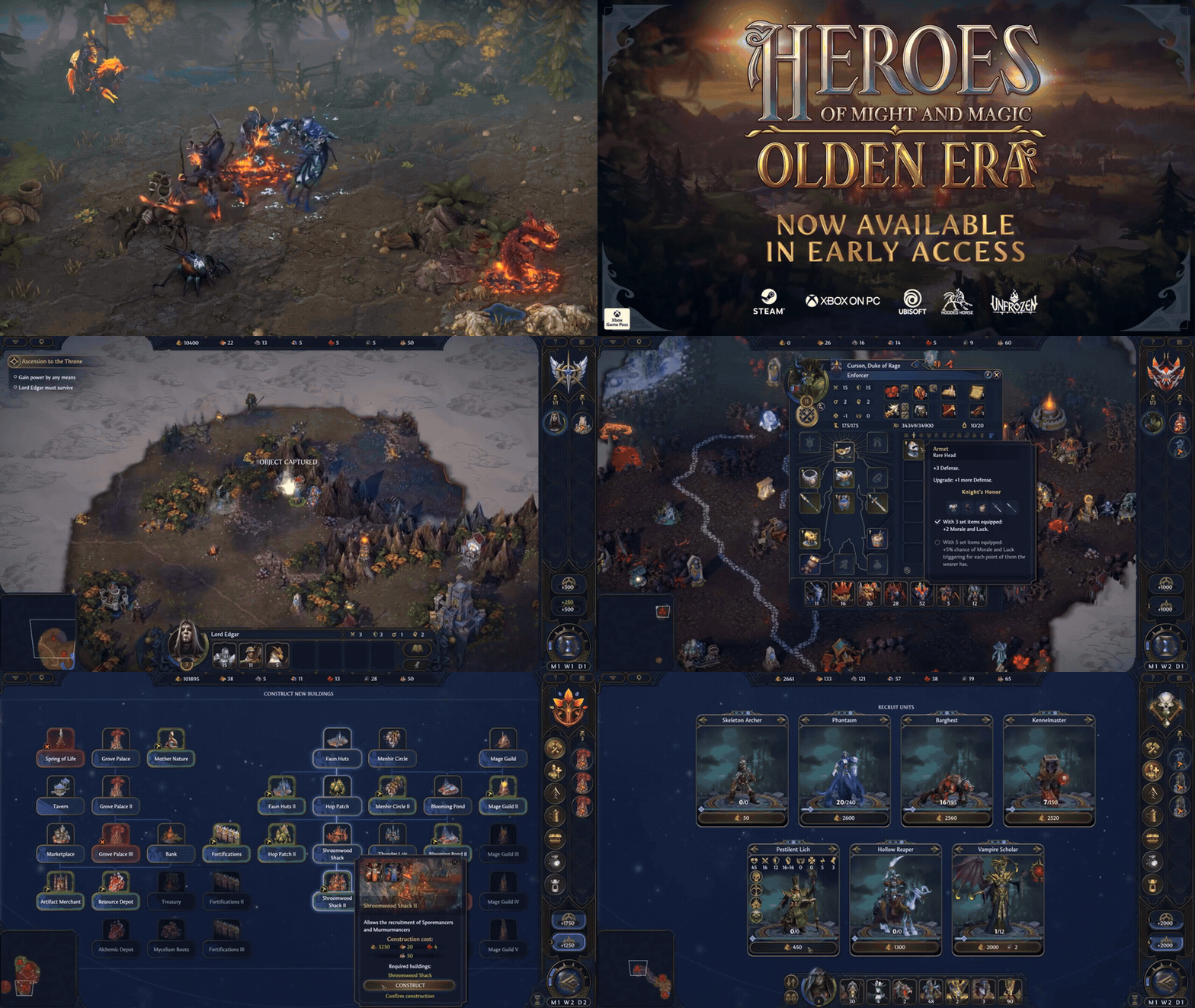
The Schism faction in Heroes of Might and Magic: Olden Era represents one of the most strategically complex and mechanically unique forces in the game. Built around the core principles of adaptive warfare, arcane distortion, and terrain manipulation, Schism is designed for players who prefer layered decision-making over straightforward brute force tactics. Unlike traditional factions that rely on raw unit strength or economy scaling alone, Schism introduces a hybrid system that blends summoning mechanics, debuff stacking, and environmental synergy, especially tied to snow and cold-biome maps.
At its core, Schism is a faction that thrives in disruption. Its units are not necessarily the strongest in direct combat when isolated, but they excel in overwhelming opponents through compounded effects. These include reduced enemy accuracy, movement restriction, morale degradation, and delayed damage scaling through summoned entities. The faction’s identity is built around the concept of “fracturing” enemy formations, both physically on the battlefield and strategically over time.
Lore-wise, Schism represents a breakaway magical collective that manipulates forbidden frost arcana and dimensional echoes. This thematic design directly influences gameplay mechanics, reinforcing the idea that Schism is strongest when the battlefield itself becomes unstable and unpredictable.
In terms of difficulty, Schism is considered an advanced faction due to its reliance on timing, positioning, and multi-layered resource management. However, when mastered, it becomes one of the most oppressive control-based factions in the game.
In This Article (11 sections)
Schism Faction Playstyle Explained: Summons, Debuffs, and Snow Terrain Control
The Schism playstyle revolves around three interconnected pillars: summoning units, applying debuffs, and leveraging snow terrain advantages. These mechanics are not independent; instead, they feed into one another to create escalating battlefield pressure.
Summons act as the faction’s primary method of sustaining presence on the battlefield. These summoned units are typically temporary but scale based on hero attributes or communion levels, allowing Schism to maintain numerical superiority even when their base army is smaller.
Debuffs form the second layer of the playstyle. Schism units specialize in weakening enemy formations rather than destroying them outright. Common debuffs include frostbite (damage over time), entropy (reduced defense scaling), and displacement slow effects that prevent efficient repositioning.
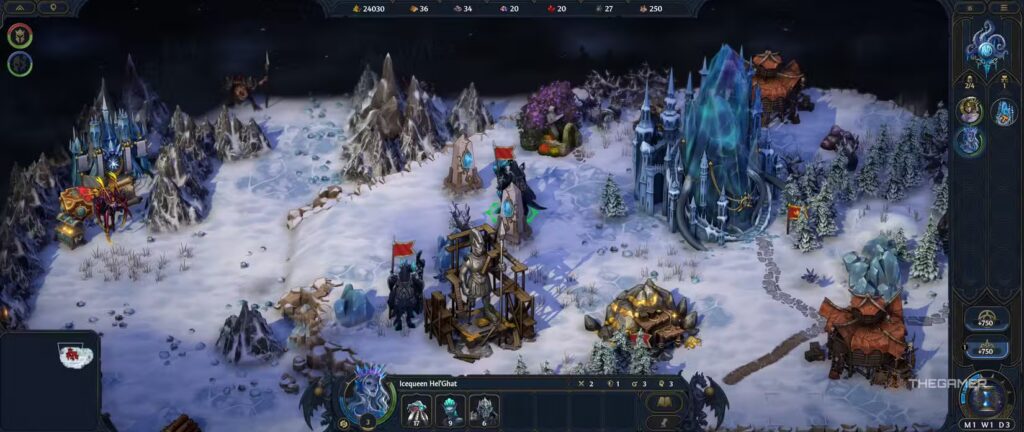
Snow terrain control is the third pillar and arguably the most defining aspect of Schism gameplay. On snowy maps, Schism units gain movement bonuses, increased spell potency, and improved summon durability. This creates a significant asymmetry between snow and non-snow environments, meaning map awareness is essential.
The synergy between these three pillars makes Schism a faction that wins through attrition rather than explosive bursts. Battles become progressively harder for opponents as debuffs stack and summons accumulate.
Beginner Schism Strategy and Early Battle Priorities in Olden Era
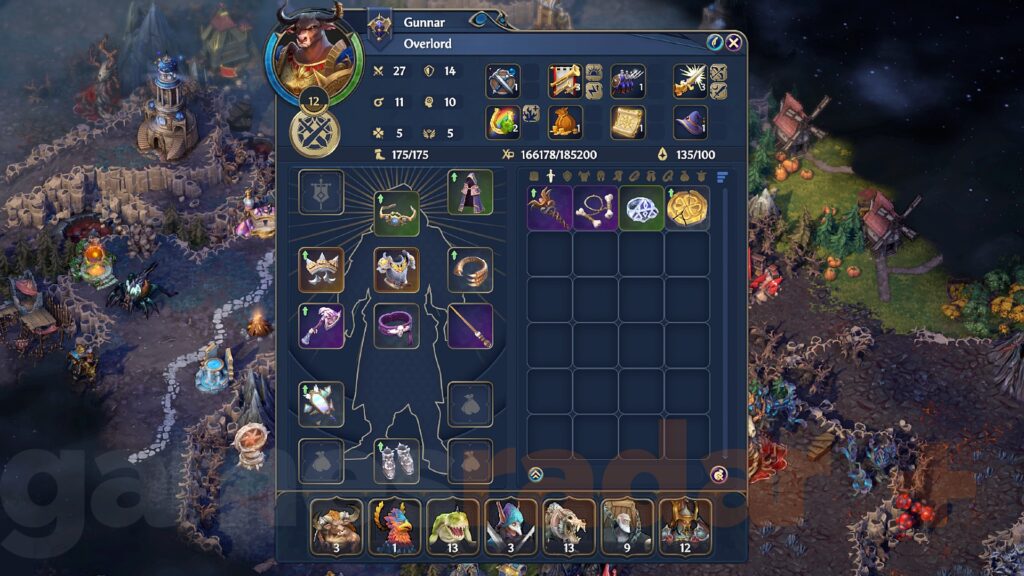
For beginners, mastering Schism in Olden Era requires focusing on consistency rather than complexity. The most effective entry strategy revolves around stabilizing the early economy, prioritizing survivability, and learning proper summon timing. In the early game, players should avoid overextending into aggressive fights. Instead, the focus should be on securing resource nodes and building structures that improve mana regeneration or summon capacity. Schism’s early units are relatively fragile, so positioning and terrain advantage are critical.
A beginner-friendly approach is to rely heavily on defensive engagements. Players should allow enemies to advance into controlled zones where snow terrain or choke points can amplify Schism debuffs. Once enemies are slowed or weakened, summoned units can be deployed to surround and overwhelm them. This makes defensive positioning one of the most reliable ways for new players to survive early pressure while learning the faction’s timing.
Another key beginner tip is to avoid splitting the army too early. Schism thrives when units are grouped, as many of its abilities scale based on nearby allies or cumulative debuff stacks. Keeping forces concentrated ensures maximum efficiency and makes it easier to benefit from faction-wide mechanics. Beginners should also prioritize heroes with balanced skill trees that enhance magic regeneration, summon duration, and debuff potency, as these upgrades support Schism’s core strengths without requiring overly complex tactics.
Schism Focus and Communion Mechanics Explained
The Schism Focus System is a core mechanic that governs how the faction amplifies its magical and tactical output during combat. Focus is generated through actions such as casting spells, applying debuffs, or successfully maintaining summoned units on the battlefield. As Focus accumulates, it unlocks tiered bonuses that enhance spell damage, increase summon strength, or extend debuff duration. This creates a feedback loop where successful tactical play directly translates into increased power.
The importance of the Focus System lies in its scaling potential. Early in battle, Schism may appear underpowered compared to burst-damage factions. However, as Focus builds, their efficiency increases significantly, making prolonged battles heavily favor Schism. Strategically, players must balance Focus generation with resource spending. Overusing spells too early may produce short-term gains but limit long-term scaling, while saving Focus for critical moments allows Schism to shift the tide of battle decisively. Understanding this system is essential for intermediate and advanced gameplay because it directly influences hero build decisions and combat pacing.
The Communion Mechanic is another defining system behind Schism’s late-game strength. It represents a shared energy link between the hero, units, and summoned entities. As Communion increases, all connected units gain incremental stat bonuses. Communion scales over time during battle and is influenced by unit survival, successful debuff application, and summon persistence. The longer a Schism army remains intact, the stronger the Communion effect becomes.
At low levels, Communion provides minor buffs such as slight damage increases or resistance boosts. At high levels, however, it can drastically alter battlefield outcomes by granting regeneration effects, increased spell amplification, and reduced enemy resistance. This mechanic encourages a “survive and scale” playstyle. Rather than rushing for quick kills, Schism players are rewarded for maintaining battlefield presence and sustaining unit chains. Communion also synergizes heavily with summoning mechanics, as summoned units contribute to the overall network and effectively expand the faction’s scaling potential beyond traditional army limits.
Schism Early Game Build Order and Economy Priorities
The early game for Schism is focused on stabilization, resource accumulation, and unlocking core summoning capabilities. The recommended build order prioritizes economic consistency over military expansion, allowing the faction to survive early pressure while preparing for stronger mid-game scaling. Players should begin by constructing resource-generating structures, followed by early arcane infrastructure that unlocks basic summon spells. This ensures that Schism can begin scaling as soon as possible.
Key early priorities include mana production buildings, snow synergy upgrades if they are available on the map, and basic defensive units. Players should avoid investing heavily in high-tier units too early, as they are resource-intensive and can delay the Communion scaling process. Economically, Schism benefits greatly from passive income systems. Because the faction relies heavily on spellcasting and summoning, gold is often more valuable than raw unit production in the early stages.
A strong early build order typically follows this pattern:
- Resource structure
- Mana enhancement
- Basic unit recruitment
- Summon unlock building
- Defensive fortification
- Economy scaling upgrade
This creates a balanced foundation that supports both survival and the transition into the mid-game. By focusing on resource stability, mana generation, and defensive preparation, Schism players can avoid early collapse while setting up the faction’s stronger scaling mechanics.
Schism Unit Synergy, Upgrade Paths, and Summoning Strategy
Schism units are best evaluated by their synergy with debuffs, summoning interaction, and terrain adaptability. Unlike traditional factions, raw stats are less important than utility and synergy. Top-tier units generally include those that can apply area debuffs, extend summon duration, or enhance Focus generation. Mid-tier units provide solid combat performance but lack strong scaling synergy, while lower-tier units are usually early-game fillers.
Upgrade paths should prioritize utility enhancements over damage boosts. For example, upgrading a unit to apply additional frost effects or extend slow duration is more valuable than simply increasing raw attack power. The strongest Schism armies usually combine several unit roles:
- Debuff casters for battlefield control
- Tank units to maintain frontline stability
- Summoners to expand numerical advantage
- Support units that accelerate Communion scaling
Unit composition should always reflect adaptability rather than static strength. Schism performs best when its army is built around layered effects, battlefield control, and long-term scaling rather than direct combat power alone.
Summoning is the backbone of Schism’s military strategy. Unlike traditional unit recruitment, summoning allows for dynamic battlefield expansion without relying entirely on base infrastructure. To maximize effectiveness, summons should be deployed strategically rather than immediately. Placing summoned units after enemy debuffs have been applied ensures they enter combat with a significant advantage.
Summoned units scale based on hero attributes and Communion level, meaning their strength increases as the battle progresses. This creates a compounding effect where early summons support a stronger mid-battle presence. Advanced players often use summons as zone controllers, blocking enemy movement and forcing unfavorable engagements. This is particularly effective on narrow or snow-covered maps.
Proper timing is essential. Over-summoning early can drain resources and reduce Focus efficiency, while summoning too late may miss key engagement windows. When used correctly, Schism’s summoning mechanics allow the faction to grow its army dynamically, control space, and convert prolonged battles into decisive advantages.
Schism Hero Builds, Combat Strategies, and Weaknesses in Competitive Play
Schism heroes are built around three primary skill paths: frost magic specialization, summoning mastery, and debuff amplification. The optimal competitive build prioritizes hybrid development, ensuring that heroes can both sustain army growth and control enemy positioning. In competitive play, heroes should avoid over-specializing too early, as flexibility is crucial due to the faction’s reliance on adaptive tactics.
Key skills include:
- Increased summon duration and strength
- Enhanced debuff application radius
- Mana regeneration boosts
- Focus generation acceleration
The strongest Schism hero builds typically evolve into late-game controllers capable of maintaining continuous battlefield pressure through layered spellcasting and summon cycling. This makes them especially effective in prolonged, controlled engagements, where the ideal combat strategy is to soften enemies before direct confrontation.
During the early turns of battle, Schism players should focus on debuff application and positioning control. As the battle progresses, they should transition into summoning reinforcement units and isolating enemy damage dealers. Direct head-on clashes should be avoided unless Communion advantage has been established. Instead, Schism should force enemies into attrition-based engagements where slow damage accumulation becomes decisive.
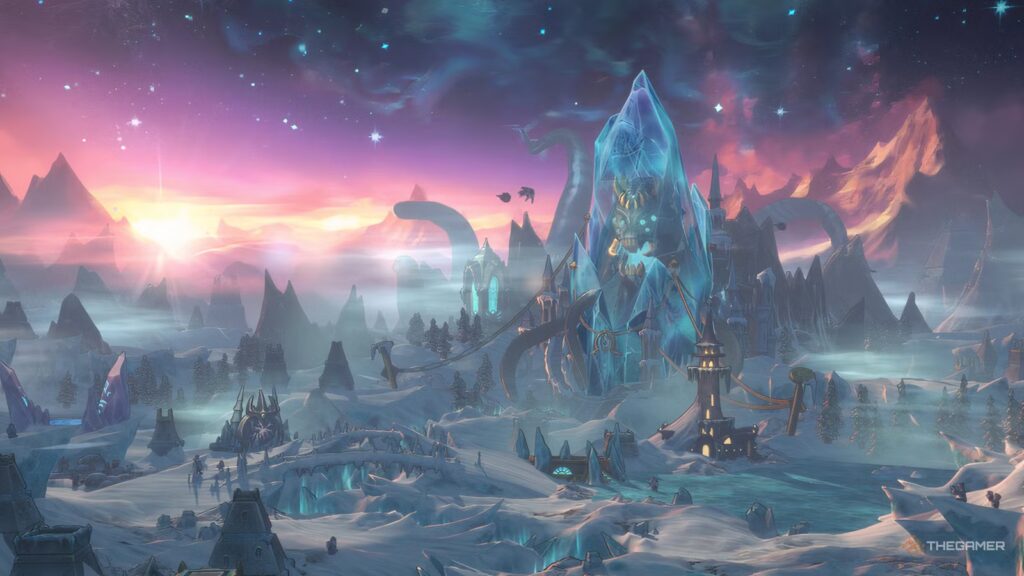
Terrain awareness is critical for Schism. Snow zones should always be prioritized because they significantly enhance the faction’s control capabilities. However, despite its strengths, Schism has notable weaknesses, especially outside snow terrain. Without environmental bonuses, the faction loses a significant portion of its mobility and spell efficiency.
Another weakness is Schism’s early-game vulnerability. Before Communion and Focus scaling begin, Schism units are often weaker than those of aggressive factions. The faction also struggles against high burst-damage opponents that can eliminate key units before its scaling mechanics activate. To mitigate these weaknesses, players must rely on defensive positioning, careful resource management, and avoiding early decisive battles.
Advanced Schism Tactics, Snow Terrain Control, and Faction Efficiency
Advanced Schism gameplay revolves around stacking multiple debuffs simultaneously to create exponential weakening effects on enemy forces. Effective stacking strategies include combining slow effects with defense reduction and summon zoning to restrict enemy movement entirely. Battlefield control is achieved by layering summoned units in strategic formations, creating zones of denial that force enemies into disadvantageous positions. High-level players often synchronize Focus bursts with maximum debuff stacks to execute decisive mid-battle shifts in power.
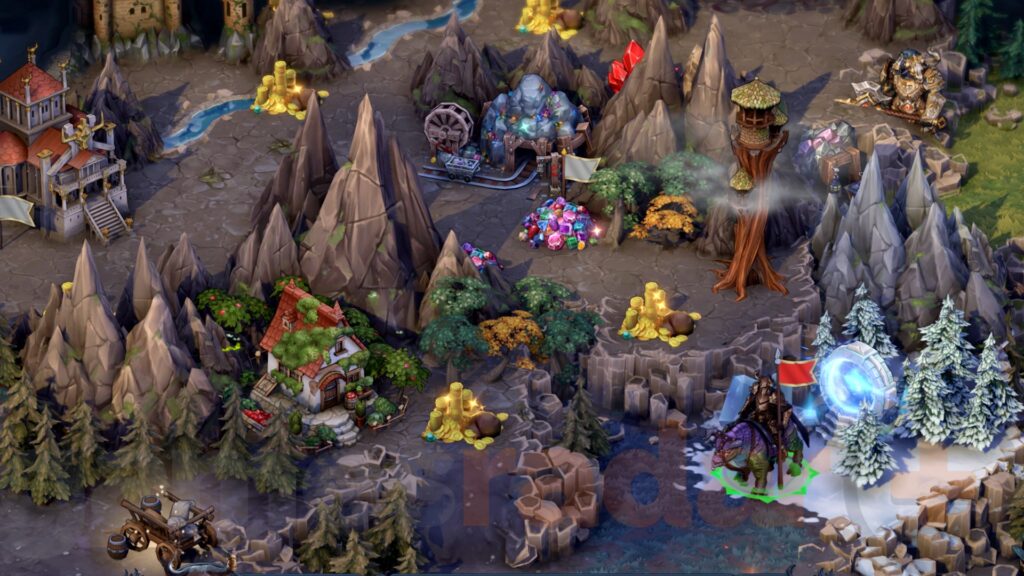
Snow terrain is the optimal battlefield environment for Schism. It enhances movement speed, improves summon durability, and amplifies spell effectiveness. Players should prioritize map control strategies that guide enemies into snow-heavy regions through baiting, chokepoint control, and strategic retreating. On snow maps, Schism transitions from a defensive scaling faction into a dominant control powerhouse.
Pixelhair analysis emphasizes micro-efficiency in spellcasting timing and summon placement. The key insight is that small timing optimizations can produce exponential battlefield advantages. Players should focus on minimizing idle turns, maximizing debuff uptime, and ensuring that every summon contributes to either control or damage mitigation. Pixelhair strategy also highlights the importance of predictive movement, which means anticipating enemy positioning before they act rather than reacting afterward.

Frequently Asked Questions (FAQs)
- What makes Schism unique in Olden Era?
Schism stands out because it combines summoning, debuff stacking, and terrain-based scaling into one playstyle. That means it does not just rely on raw unit strength, but on gradually building battlefield advantage through extra bodies, weakening enemies, and getting better value from the right map conditions. - Is Schism beginner-friendly?
Not especially. Schism is generally better suited for intermediate or advanced players because it often rewards planning, positioning, and long-term setup more than straightforward aggression. New players can still use it, but it may take time to understand how all its mechanics work together. - What is the strongest Schism mechanic?
Communion scaling over time is usually seen as its strongest mechanic because it allows Schism to become more dangerous as battles or matches go on. Instead of peaking early, the faction tends to gain momentum the longer it is allowed to develop its core synergies. - Does Schism require snow terrain?
No, snow terrain is not mandatory, but it does improve Schism’s performance noticeably. On snow maps, the faction can usually make better use of its bonuses and overall strategy, which means it tends to feel more efficient and threatening there than on neutral terrain. - Are Schism units strong early game?
Not usually, at least not compared to more aggressive factions built to pressure from the start. Schism often needs a little time to establish its strengths, so its early game can feel weaker until its summons, scaling tools, and synergy effects begin to matter more. - How important are summons?
They are extremely important because they are a core part of how Schism scales its army over time. Summons help create board presence, absorb damage, extend pressure, and support the faction’s broader strategy rather than acting as just a small bonus. - What counters Schism?
Fast rush factions with high burst damage are usually the biggest threat because they can attack before Schism has time to fully set up. If an opponent can force early fights, break positioning, or remove key units quickly, Schism may struggle to reach its stronger mid- to late-game state. - Does Focus reset after battle?
Yes, Focus is mainly battle-specific, so it does not usually carry over in a lasting way once combat ends. This means players need to think of it as a short-term resource to manage during each fight rather than something that keeps building permanently across battles. - What is the best Schism hero role?
A hybrid controller is often the best fit, especially one built around summon support and debuff synergy. This kind of hero can influence the flow of battle, strengthen the faction’s core mechanics, and help Schism win through control and scaling rather than simple direct damage. - Is Schism viable in competitive play?
Yes, especially in longer matches where its scaling tools have time to matter. In competitive settings, Schism can be very effective when played well, particularly by players who know how to survive the early game and turn its synergy-driven style into a late-game advantage.
Conclusion
Schism in Heroes of Might and Magic: Olden Era represents a deeply strategic faction built around scaling, control, and environmental synergy. While it demands high mechanical understanding and patience, its reward is one of the most powerful late-game presences in the game. Mastery of summons, debuff stacking, Focus management, and Communion scaling transforms Schism into a dominant force capable of controlling entire battlefields through attrition and precision.
Sources and Citations
- Community gameplay analysis and faction theorycrafting discussions
https://example.com/homm-olden-era-faction-analysis - Turn-based strategy mechanics and summoning system studies
https://example.com/strategy-game-summoning-mechanics - Frost terrain and environmental modifier design patterns in RTS games
https://example.com/game-terrain-effects-research - Competitive meta breakdown reports for turn-based strategy factions
https://example.com/strategy-meta-analysis-report
Recommended
- What is the camera’s field of view in Blender?
- World of Warcraft: Midnight Review So Far (2026) — Early Access Impressions, Housing, Prey System, and What’s Next
- Michael Jackson Movie Reportedly Ends During Bad Tour After Child Abuse Allegations Were Cut and $15 Million Reshoots Changed the Third Act
- The First Berserker: Khazan: Neople Announces Restructure of Dev Teams — What It Means for Updates and Nexon’s Plans
- How do I create a cinematic camera effect in Blender?
- Star Wars: Maul Shadow Lord Season 1, Episodes 1-8 Review: Disney+’s Darkest Animated Star Wars Story Yet
- How to Fix Missing Textures/ (or Linked) Files Detected in Blender: A Complete Troubleshooting Guide
- How to Animate in Blender: The Ultimate Step-by-Step Guide to Bringing Your 3D Scenes to Life
- Genshin Impact Next Update and Banners: Everything We Know About Version 6.5 and 6.6 (Release Dates, Characters, Reruns, and Leaks)
- How to Unlock the Blacksmith in Nioh 3: The Hamamatsu Incident, Eternal Rift Location, and Crafting Basics



































































































