






PlayStation pricing is on trial again: what the UK lawsuit against Sony is about
A landmark collective action in the United Kingdom accuses Sony Interactive Entertainment of abusing a dominant position by forcing digital PlayStation games and add‑on content to be sold exclusively through the PlayStation Store and charging a 30 percent commission. The case, filed by consumer advocate Alex Neill on behalf of around 12 million UK gamers, alleges that Sony’s policies inflated prices for digital content and amounted to an abuse of market power. The lawsuit is expected to be one of the largest consumer claims ever heard under the UK’s opt‑out class‑action regime, with damages currently estimated at £1.97 billion (about $2.4 billion).
Who is Alex Neill and what is the PlayStation digital pricing class action?
Alex Neill, a former executive at consumer advocacy group Which?, leads the case as the class representative. She argues that Sony has used its dominant position to lock digital PlayStation users into a single marketplace, preventing competition and allowing the company to set prices without challenge. The claim covers anyone in the UK who bought digital games or in‑game purchases on a PlayStation console between 19 August 2016 and 12 February 2026. Because the claim is filed as an opt‑out collective action, eligible users are automatically included unless they opt out; they must register to receive compensation if the case succeeds.

Sony 30 percent PlayStation Store fee explained: why the commission is being challenged
Sony charges developers a 30 percent commission on all games and add‑on purchases sold through its digital store. Consumer advocates argue that this “platform fee” leads to higher digital prices for gamers and is out of proportion to Sony’s costs. The commission is similar to the fees historically charged by Apple’s App Store and Google Play, but critics say Sony’s fee is unfair because the PlayStation Store is the only official digital marketplace for its consoles.
Evidence submitted in the UK case alleges that Sony’s digital pricing is as much as 47 percent higher than disc‑based equivalents. By forcing consumers to use its store and preventing third‑party retailers from selling digital codes, Sony is accused of maintaining a near monopoly and earning “excessive and unfair prices”.
PlayStation Store monopoly claims in court: how “near monopoly” arguments work
The class action alleges that Sony holds a “near monopoly” over the digital sale of PlayStation games, meaning PlayStation owners have no real choice but to purchase through Sony’s store. The case asserts that Sony sets strict terms for developers, charges a 30 percent commission on every purchase and restricts third‑party retailers from selling digital codes, which results in “excessive and unfair prices”. Sony disputes the monopoly claim, arguing that it competes with physical retailers and rival platforms such as Xbox and Nintendo, and that competition keeps prices reasonable. Similar UK lawsuits against Apple and Google challenge the same 30 percent fee structure, suggesting regulators are scrutinizing digital platform monopolies across the tech industry.
PlayStation digital purchases compensation: who could be eligible and what the claim covers
Under the UK claim, anyone living in the UK who bought digital games or in‑game content on a PlayStation console between 19 August 2016 and 12 February 2026 may be eligible for compensation. The claim also requires that they owned a PlayStation console during the claim period and purchased the content through the PlayStation Store. Legal experts estimate potential individual payouts of up to £162, although compensation will depend on the tribunal’s decision and could be lower or higher depending on Sony’s liability and the number of claimants. Because the case is an opt‑out action, eligible users are automatically included; however, registering on the official claim website is necessary to receive any money.
PlayStation pricing trial timeline: key dates from 2016 to 2026 in the UK case
- 19 Aug 2016 – The beginning of the claim period; digital PlayStation purchases from this date onward are potentially covered.
- Aug 2022 – Alex Neill announces the claim against Sony.
- 2023–2024 – The Competition Appeal Tribunal (CAT) considers the case and sets procedural steps.
- Aug 2025 – Registration opens for interested PlayStation users.
- Feb 2026 – The claim period is extended to include purchases up to 12 February 2026, increasing the number of potential claimants to about 12.2 million.
- 2 Mar 2026 – A trial is scheduled at the CAT and is expected to last around eight weeks. Final judgments and any damages rulings could follow months later.
Why Sony says PlayStation Store fees are justified: the arguments Sony is expected to use
Sony contends that its 30 percent commission funds the ongoing development and security of the PlayStation ecosystem. In legal filings, Sony’s lawyers argue that the company has “invested years and billions” into building an integrated gaming platform. Because consoles are often sold at thin margins or even at a slight loss, Sony relies on digital software sales to make a return. The company also notes that rivals like Nintendo and Microsoft operate similar store models. Sony’s defense is that its margin on game sales is not excessive, and the lawsuit ignores the costs and risks associated with running a secure digital store.
What happens if Sony loses: potential PlayStation Store fee changes and pricing impact
Should the CAT rule against Sony, the company could be required to pay damages to millions of UK gamers and adjust its business model. Analysts suggest Sony might need to reduce its 30 percent fee or allow third‑party stores on PlayStation consoles. The Game Business notes that lower platform fees could lead to cheaper games for consumers, though developers might also pressure Sony to recoup lost revenue through higher console prices. The ruling could set a precedent for other tech platform cases in the UK and may influence how regulators evaluate digital store commissions.

How 30 percent platform fees became standard: PlayStation vs Apple vs Google comparisons
Digital platforms have traditionally charged developers a 30 percent commission on sales, a rate pioneered by Apple’s App Store. In October 2025, a UK tribunal ruled that Apple abused its market dominance by shutting out competition and charging excessive commissions, finding that developers were overcharged compared with a 17.5 percent benchmark.
Apple said it would appeal the decision but faces potential damages of around £1.5 billion. Meanwhile, Google, after settling litigation with Epic Games, announced in March 2026 that it would drop its standard 30 percent cut and lower fees to 20 percent or 15 percent, depending on the developer program. Google also plans to allow alternative billing and third‑party app stores. These developments suggest that the industry standard for platform fees is shifting and add context to Sony’s decision to defend its 30 percent rate.
PlayStation Store digital game prices vs physical prices: why the gap matters in antitrust claims
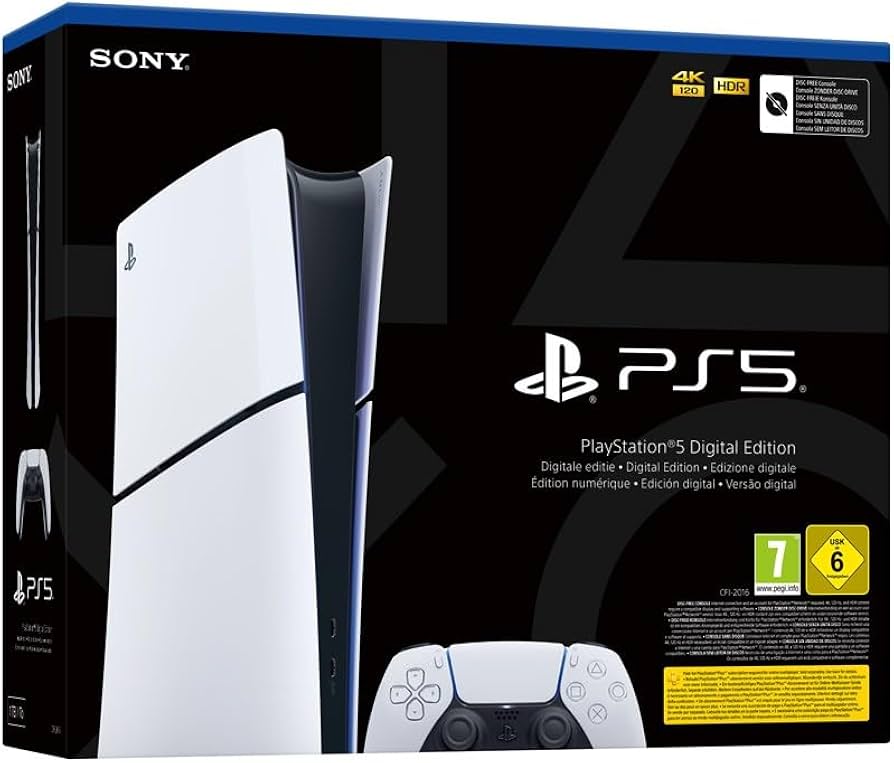
One reason the UK claim resonates with gamers is the price gap between digital and physical games. Research cited in a lawsuit filed in the Netherlands claimed that PlayStation Store prices were 47 percent higher than disc versions. Sony’s decision in 2019 to stop selling digital game codes through retailers removed a major source of competition. Hardware such as the PS5 Pro is now sold without a disc drive by default, requiring customers to buy an optional £80 drive to use physical games. These moves reinforce arguments that Sony’s digital pricing strategy reduces consumer choice and keeps prices high, making the 30 percent commission a central focus of antitrust scrutiny.
UK “opt‑out” class action rules explained: how PlayStation users join automatically
The PlayStation pricing lawsuit is being pursued under the UK’s opt‑out collective action mechanism. Under this regime, anyone who meets the eligibility criteria is automatically included in the claim unless they opt out. Unlike opt‑in lawsuits, there is no cost to participate, but claimants typically need to register their details to receive any payout. Individuals who do not want to be part of the action can formally opt out, and those who live outside the UK must opt in by registering on the official site. The regime has been used in other tech cases, such as Dr Rachel Kent’s claim against Apple for App Store commissions.
PlayStation Store settlement in the US: what the $7.85 million refund case is about
While the UK lawsuit targets Sony’s commission and alleged monopoly, a separate class‑action settlement in the United States addresses a different issue: Sony’s ban on third‑party retailers selling game‑specific vouchers for PlayStation titles. The suit, filed in California and originally settled in 2024, was reopened and received preliminary approval in 2026. Sony does not admit wrongdoing but has agreed to pay about $7.85 million to affected players. The settlement stems from accusations that Sony limited competition by stopping digital code sales, forcing consumers to buy games through the PlayStation Network.
PlayStation Store refund eligibility dates and how payouts may work (PSN credits vs cash)
Under the US settlement, anyone who bought a digital game on PlayStation Network between 1 April 2019 and 31 December 2023 is likely eligible for a payout. The refund will be automatically deposited into the payment accounts linked to eligible PSN profiles when the settlement becomes final. If a user no longer has access to their PSN account, they can submit purchase information and request a check; the deadline to file such requests is 27 August 2026. Because the settlement fund must be shared among millions of accounts after legal fees, individual payments are expected to be a few dollars at most. The final fairness hearing is currently scheduled for 15 October 2026.
PlayStation dynamic pricing concerns: how pricing experiments add pressure during lawsuits
Reports in March 2026 suggested that Sony was testing dynamic pricing in the PlayStation Store. A price‑tracking site observed that some users were offered different prices for the same game, with the PlayStation API labeling these offers with experiment identifiers such as IPT_PILOT and IPT_OPR_TESTING. Dynamic pricing is common in other industries, but rare in gaming; the experiments appear to offer discounts of 5 to 17.5 percent on high‑profile titles like Spider‑Man 2 and Red Dead Redemption 2. Critics argue that even when discounts are involved, variable pricing erodes trust because consumers may pay more than their neighbors. These pricing tests have intensified scrutiny of Sony’s digital pricing practices as the UK trial nears.

PlayStation pricing lawsuit updates to follow: the best sources reporting on the 30 % fee fight
The PlayStation pricing case and related settlement have attracted global attention. For reliable updates, follow Reuters for court rulings and business analysis, The Game Business for industry context and commentary, The Verge for emerging pricing experiments, Wired for details on the US settlement, and Join the Claim for official timelines and eligibility information. These sources provide comprehensive coverage without linking to promotional content, helping gamers understand their rights and the evolving landscape of digital game pricing.
Frequently Asked Questions (FAQs)
- Who is eligible for the UK PlayStation pricing claim? Any UK resident who owned a PlayStation console and bought digital games or in‑game content between 19 August 2016 and 12 February 2026 is likely included in the claim.
- How much compensation could I receive? The claim seeks up to £2 billion in damages; individual payouts could be around £162, but the actual amount will depend on the tribunal’s decision and the number of claimants.
- Do I need to register to get compensation? Yes. Although the UK claim is opt‑out, claimants generally need to register on the official site to receive their share.
- Why does Sony charge a 30 percent commission? Sony says the fee funds investments in the PlayStation ecosystem and offsets low margins on hardware. It argues that the commission is similar to industry standards and supports platform security and marketing.
- Is the PlayStation Store fee comparable to Apple and Google? Historically, yes; Apple and Google also charged 30 percent. However, a UK tribunal ruled in 2025 that Apple’s fees were excessive, and Google announced in 2026 that it will lower its cut to 20 percent or 15 percent.
- Why are digital PlayStation games sometimes more expensive than discs? One lawsuit alleges that digital PlayStation games are on average 47 percent more expensive than their disc counterparts. The lack of retail competition and Sony’s ban on digital code sales contribute to the gap.
- What is the US PlayStation settlement and who qualifies? A separate class action in the US alleges that Sony blocked third‑party retailers from selling game‑specific vouchers. If you bought a digital PlayStation game between 1 April 2019 and 31 December 2023, you may be eligible for a small payout.
- How will US settlement payments be distributed? Eligible users will receive funds directly into their PSN payment accounts once the settlement is finalized. Those without accounts can request a check by submitting purchase information before 27 August 2026.
- What is dynamic pricing and why is it controversial? Dynamic pricing involves offering different prices to different users based on data or experiments. Sony’s A/B tests provide discounts to some players, but critics worry it could lead to inconsistent pricing and undermine trust.
- When will the UK tribunal deliver its decision? The trial is scheduled for March 2026 and is expected to last about eight weeks. Decisions may follow several months after closing arguments, so gamers should monitor reliable news outlets for updates.
Conclusion
Sony’s 30 percent PlayStation Store commission has been the industry norm for years, but the UK class action and US settlement have brought unprecedented scrutiny to the pricing of digital games. Advocates like Alex Neill argue that Sony’s practices amount to a near‑monopoly, forcing consumers to pay inflated prices, while Sony maintains that its commission is necessary to maintain an integrated gaming ecosystem.
The case underscores the broader shift in digital marketplaces: with Apple and Google facing similar challenges and even reducing their fees, platform holders may need to reconsider the 30 percent standard. The outcome of the UK trial and the execution of the US settlement will shape not only Sony’s business model but also the future of digital game pricing worldwide.
Sources and citations
- Reuters – Apple loses landmark UK lawsuit over App Store commissions
Reuters – Apple loses landmark UK lawsuit over App Store commissions - Reuters – Sony fighting $2.7 billion UK lawsuit over PlayStation Store prices
Reuters – Sony fighting $2.7 billion UK lawsuit over PlayStation Store prices - The Game Business – Analysis of Sony’s 30 percent fee
The Game Business - Join the Claim – PlayStation Store claim guidance and eligibility
Join the Claim – PlayStation Store Claim - Sherwood News – Reports on app store price disparities
Sherwood News - The Verge – Examination of dynamic pricing tests
The Verge – Epic and Google proposed settlement coverage - Engadget – Overview of Google’s app store fee reduction
Engadget - Wired – Details on the US app store settlement
Wired
Recommended
- White House Correspondents’ Dinner Shooting Suspect Reportedly Linked to Indie Game Development: What We Know So Far
- Battlefield 6 2026 Roadmap: More Maps, “Legendary” Battlefield 4 & Battlefield 3 Remakes, and Wake Island’s Return
- Super Mario Bros. Wonder – Nintendo Switch 2 Edition + Meetup in Bellabel Park Review: Is the Switch 2 Upgrade Worth It?
- Primer Animated Series Rumors: Co-Creator Teases a DC Studios Project Under James Gunn
- Rendering Multiple Camera Angles Simultaneously in Blender with The View Keeper
- The Best Nioh 3 Skills for Samurai and Ninja: Must-Have Unlocks, Combos, and Builds (2026 Guide)
- How To Create Hexagon Fans Blender: Step-by-Step Hexagon Fan Grill (Honeycomb Fan Cover) Tutorial
- Diablo 4: Lord of Hatred – Narrative Deep-Dive With Blizzard Reveals Mephisto’s Master Plan, Skovos, and the Final Chapter of the Saga
- DigDigDrill Guide: Best Drills, Enchantments, Blueprint Crafting, and Fast Progression to Floor 999
- God of War TV Series Adds Lost Star Sonya Walger as Freya in Prime Video Adaptation