




In This Article (7 sections)
Riftbound Digital Version Rumours, Riot Games Job Listing and Official Announcement Status
Riftbound has rapidly grown from a new League of Legends trading card game into an organised competitive ecosystem, increasing speculation about whether Riot Games will release an official Riftbound digital version. As of October 13, 2026, available information provides grounds for speculation, but Riot has not officially announced a digital adaptation, confirmed a release date or identified platforms for an online client. An August report about a Riot job listing seeking trading card and digital gaming experience, particularly on mobile platforms, attracted attention, although the company has not identified the unannounced project as Riftbound.
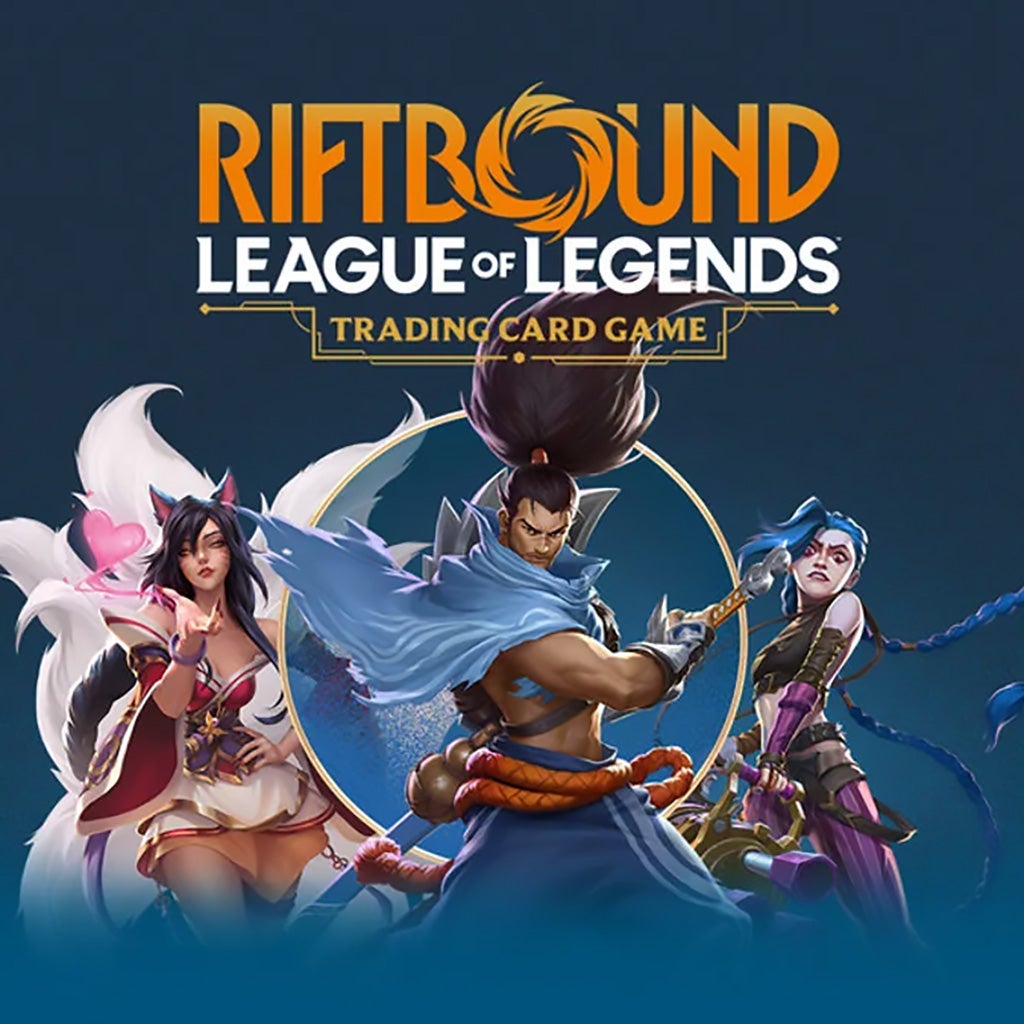
Riot describes Riftbound as its League of Legends strategic trading card game, built around Legends, armies and shared battlefields. The company supports weekly store events, Regional Qualifiers, tournament rules, judges and multiple competitive formats alongside an expanding collection of physical cards. Its growing community, Riot’s experience developing digital card games and the existence of unofficial online simulators help explain interest in an adaptation. However, these developments demonstrate the game’s potential for online play rather than confirming that Riot is producing an official version.
The official Riftbound website continues to promote a physical trading card experience. Players are encouraged to purchase booster packs, use preconstructed decks, learn through the Proving Grounds starter product and attend weekly Nexus Nights and organised competitions. Although the website encourages visitors to watch for additional features in the coming months, it does not specifically mention a digital client. Those additions could instead involve organised play tools, website improvements, deck building resources, account features or other services supporting the physical game.
The strongest source of current speculation is an August 26, 2026 report from Insider Gaming. According to the publication, Riot advertised a publishing lead position seeking experience with trading card games and digital games, with particular attention to mobile expertise. The vacancy involved an early stage development team working on an unannounced project and described a new game being developed from the ground up. Since Riftbound had already established itself as a growing physical trading card game, these requirements prompted speculation about a digital adaptation.
The combination of qualifications was notable. Trading card game experience suggests familiarity with collectible mechanics and strategic card interactions, while digital publishing expertise could support an online product’s development and operation. Mobile experience attracted particular attention because many digital trading card games operate across smartphones, tablets and computers. A digital Riftbound adaptation could theoretically offer similar accessibility, allowing players to participate without carrying physical decks or attending local events. These connections explain the speculation without establishing the project’s identity.
Riot develops multiple products simultaneously, including unannounced projects, so an unidentified vacancy cannot automatically be attributed to Riftbound. Its careers website reinforces this distinction by explicitly naming some positions as Riftbound roles while placing others under “Unpublished R&D Product.” Examples include:
- Esports Product Manager, Korea: A position explicitly connected to Riftbound’s competitive operations.
- Regional Publishing Product Lead: A Riftbound role involving regional publishing responsibilities.
- Retail Operations Manager, Korea: A position associated with Riftbound’s retail activities.
- Senior Community Management Lead: A role specifically connected to Riftbound community management.
- Unpublished R&D Product positions: Separate vacancies for projects whose identities have not been publicly disclosed.
This separation shows that Riot identifies positions as Riftbound related when it chooses to do so. The absence of that identification in the reported digital publishing vacancy prevents a direct connection from being established. Another accessible Riot Publishing Product Manager listing describes an early stage product and multiplatform strategies, including PC and console ecosystems, but also does not name Riftbound. It demonstrates broader publishing activity rather than confirming the identity of an unannounced game. Insider Gaming likewise presented the Riftbound connection as speculation arising from recruitment, not confirmation from Riot.
As of October 13, 2026, Riot’s public Riftbound materials contain no official digital client announcement. There is no confirmed launch trailer, beta registration, downloadable client, digital storefront listing, system requirements page or platform announcement for an online adaptation. Consequently, no official Riftbound digital release date exists. Specific launch days, beta periods or mobile release windows presented without confirmation from Riot should be treated cautiously, particularly when they rely only on the reported vacancy.
Recruitment for an early development project does not establish when, or whether, a finished game will become available. Such a project could remain internal, change substantially, evolve into a different product or never reach commercial launch. Even if the unannounced game were eventually identified as Riftbound, its development stage would need to be established before a reliable release window could be discussed. The current position can be summarised as follows:
- Official digital announcement: Riot Games has not confirmed an online Riftbound client.
- Digital release date: No launch date or release window has been announced.
- Reported job listing: An August 2026 report described a Riot vacancy seeking trading card and digital game experience.
- Project identification: Riot has not publicly identified the unannounced project as Riftbound.
- PC version: No official Riftbound PC client has been confirmed.
- Mobile version: No official Android or iOS adaptation has been announced.
- Beta testing: Riot has not announced registration or public testing for a digital Riftbound game.
- Physical card integration: No system connecting physical collections to digital ownership has been confirmed.
- Unofficial online play: Community projects already provide ways to play Riftbound digitally.
- Official support: Riot continues developing the physical game through products, rules, organised play and competitive events.
PC and mobile platforms remain logical possibilities for a future client. Riftbound’s strategic, turn based gameplay could be adapted to mouse controls and touchscreen interaction, with its physical rules providing a foundation. A PC version could display multiple battlefields, card descriptions, active effects and player resources across a larger interface. Mobile devices would require a more compact presentation, potentially using card inspection, enlarged text and contextual controls to maintain readability. These are practical design possibilities, not announced features or evidence that Android and iPhone applications are being developed.
Riot also has experience operating digital card games through Legends of Runeterra, which remains a separate League of Legends card game. That background makes another digital card product conceivable, but it does not establish a Riftbound adaptation. The reported recruitment activity is an intriguing lead alongside Riot’s commitment to the physical game. Until the company identifies the project or announces a client, the connection remains speculative.
Riftbound Online Gameplay, Digital Battlefields, Tutorials, Matchmaking and Physical Card Integration
Understanding what an official Riftbound digital version might involve begins with the physical game. Players choose Legends, assemble decks around their strategic identities and domains, and deploy units to compete over shared battlefields. Controlling these locations earns points, making positioning, timing and territorial control central to gameplay rather than primarily reducing an opponent’s health total. Riot’s official explanation states that the first player to reach eight points wins a standard duel, while four player games use a target of eleven points. The game supports direct and multiplayer competition, with Proving Grounds designed for two to four participants.
The battlefield system would be a central requirement for a digital adaptation. A client would need to display units, locations, active abilities, ownership and scoring clearly, including which player controls each battlefield and how close each participant is to victory. Visual indicators, highlighted targets, automatic scoring and clear battlefield control markers could reduce manual tracking and make the game state easier to follow. These are potential advantages of translating the physical game into software, not features Riot has announced.
The rules infrastructure shows why an adaptation would require more than digital images of cards. Riot maintains Core Rules covering deck construction, timing, card abilities, effect resolution and action order, alongside Tournament Rules, patch notes, errata and legality information. As of October 2026, the official Rules Hub also includes restrictions involving particular cards and battlefields for sanctioned Constructed formats, with separate legality information for 2v2 play. An official client would need a rules engine capable of recognising legal actions, resolving interactions, calculating points and incorporating future changes.
Unofficial community tools already demonstrate that online Riftbound gameplay is possible. Rift Atlas operates a browser based simulator with features associated with online trading card games, providing an existing example of how players can access digital matches without an official Riot client. Its options include:
- Quick Match: Find opponents for online games.
- Private rooms: Arrange matches between invited participants.
- Solo testing: Practise and experiment with decks.
- Spectating: Observe other players’ games.
- Constructed play: Compete using prepared decks.
- Sealed play: Play a format based on limited card selection.
- 2v2 matches: Participate in cooperative team competition.
- Free for all: Join multiplayer games involving several participants.
- Match options: Choose best of one or best of three play.
Rift Atlas also provides digital battlefield interactions, including prompts for conquering locations and handling scoring during showdowns. Its interface demonstrates how physical procedures can become software assisted gameplay through touchscreen devices and browser environments. However, it is a community project, not a Riot produced or officially announced client. Its features should not be attributed to any hypothetical official adaptation, even when they illustrate functions players might expect from an online card game.
The existence of these tools demonstrates interest in remote Riftbound matches. Players without regular access to nearby opponents can practise online, while competitive participants can test strategies before attending physical events. An official client could potentially connect automated rules, matchmaking, account systems and regularly updated card information within one experience. Whether Riot would include these functions remains unknown, but they help explain why players are discussing the benefits of a supported online version.
Digital tutorials could offer another advantage because Riftbound’s timing, effect resolution, deck construction and battlefield interactions can require explanation. Riot already supports newcomers through the Proving Grounds starter set, which includes four preconstructed decks, a rulebook, playmats and tokens, and through weekly Nexus Nights, where beginners can learn alongside experienced players. An online tutorial could complement these resources by introducing the same mechanics through interactive lessons rather than requiring players to interpret every situation independently.
Players could theoretically learn to choose a Legend, play units, move between locations, resolve effects, conquer battlefields and score points while receiving immediate guidance. Incorrect moves could be identified automatically, with explanations appearing when complicated interactions occur. This could make the rules easier to learn, especially for people without experienced local opponents. Riot has not announced an official Riftbound digital tutorial, so its educational value remains a potential benefit rather than evidence of development.
Automated rules enforcement could also improve competitive consistency. Physical matches rely on players and judges to interpret interactions correctly, particularly when unusual combinations of abilities occur. A digital rules engine could handle several responsibilities:
- Legal action validation: Prevent actions that violate the rules.
- Automatic score tracking: Update scores when battlefield objectives are completed.
- Effect resolution: Apply card abilities according to the established rules.
- Battlefield control: Track which player controls each location.
- Deck legality checks: Identify cards or combinations prohibited in particular formats.
- Rules updates: Incorporate Riot’s errata and gameplay changes.
- Turn management: Display available actions and manage the sequence of play.
- Multiplayer interactions: Present relevant decisions and effects clearly when several players participate.
This automation would require substantial maintenance. Every expansion, balance adjustment and rules clarification could introduce interactions needing software updates, while situations that physical judges resolve through interpretation would require reliable digital behaviour. Riftbound’s Core Rules, Tournament Rules, patch notes and judge certification already demonstrate the level of rules management involved. A client intended to reproduce the physical game would need to handle that complexity accurately rather than merely make matches more convenient.
Online matchmaking could expand access beyond Riot’s existing Nexus Nights, Regional Qualifiers and organised events. Casual matches, ranked competition, private rooms and tournament preparation are logical possibilities, allowing players to practise without travelling to a store. No official Riftbound matchmaking system has been announced, however. The same uncertainty applies to digital tournaments: the physical game supports Constructed, Sealed, Draft, 2v2 and multiplayer events, but there is no confirmation that a future client would reproduce every format.
Physical card ownership is another major unanswered question. Riot sells booster packs, booster displays, starter products and preconstructed decks, but its product materials do not advertise digital cards being granted with physical purchases. There is no confirmed redemption code programme, account linking feature or shared collection system. Several approaches could theoretically be considered:
- Separate digital collection: Players acquire digital cards independently of their physical purchases.
- Physical product redemption: Selected products provide codes or another method of unlocking digital cards.
- Shared ownership system: An account structure connects physical and digital collections.
- All access practice client: Players receive access to cards primarily for testing and competitive preparation.
- Independent digital progression: An adaptation establishes its own acquisition and progression systems.
None of these approaches has been announced by Riot Games. The decision would matter to players who have invested in physical collections, since acquiring the same cards again digitally could create frustration. Connecting every physical card to digital ownership would introduce logistical and commercial challenges of its own. A practice oriented client might avoid some collection issues, but it could differ significantly from a complete commercial trading card game. Until an official project is identified, there is no reliable basis for choosing among these possible models.
Multiplayer support would add further design challenges. Four player matches require an interface that clearly presents several participants, their units, battlefield conditions, scores and available responses. That information would also need to remain readable on smaller screens if mobile support were included. Accurately adapting Riftbound would therefore require significant design and engineering work, not simply visual reproductions of cards. Its strongest potential advantage is complementing the existing game through easier learning, access to opponents and competitive practice, but those possibilities remain separate from Riot’s confirmed plans.

Riftbound vs Legends of Runeterra, Physical TCG Events and Where to Find Official Digital Updates
Riftbound and Legends of Runeterra share the League of Legends universe, but they are separate card games with different mechanics and development histories. Legends of Runeterra is a Riot developed digital game that remains available on supported platforms. Its current Google Play description presents it as a League of Legends strategy card game featuring single player roguelite gameplay and ranked card battling, with application updates continuing during 2026. Riftbound, by contrast, was designed around physical cards, shared battlefields, local tournaments and organised events.
The differences extend to their central mechanics, formats and competitive environments. Riftbound revolves around battlefield control and scoring points, while Legends of Runeterra uses its own established digital rules and card interactions. An official digital Riftbound adaptation would need a separate rules engine, card collection, battlefield mechanics, scoring system and multiplayer structure. It could not simply become a renamed Legends of Runeterra without substantially changing the game, which is why Riot’s existing digital card experience should not be confused with confirmation of an adaptation.
Insider Gaming noted these differences when discussing the reported vacancy. The publication interpreted the description of a new game being developed from the ground up as making a straightforward Legends of Runeterra assignment less likely. That remains an interpretation rather than an official Riot statement: the position could involve Riftbound, another card game or an unrelated project requiring similar expertise. Riot’s experience makes an online adaptation technically and commercially conceivable, but does not establish confirmed development. There is also no announcement that digital Riftbound would replace Legends of Runeterra, and Riot has not publicly connected their futures.
Riftbound’s physical competitive ecosystem is another important consideration. Riot has placed substantial emphasis on local game stores, organised tournaments and community participation. Its introductory materials encourage players to choose a Legend, build a deck, attend weekly Nexus Nights and progress towards Regional Qualifiers. The broader Riftbound Gaming Network supports several formats and provides organised event information, creating opportunities for both newcomers and experienced competitors. Its competitive and community activities include:
- Nexus Nights: Weekly local store events encouraging regular play and community involvement.
- Regional Qualifiers: Competitive tournaments offering progression within organised play.
- Constructed formats: Matches using decks assembled under established construction rules.
- Sealed events: Limited format competitions using cards from specific product pools.
- Draft events: Competitions involving card selection and deck construction from a limited pool.
- 2v2 play: Team matches involving cooperative strategies.
- Multiplayer formats: Games involving more than two participants.
- Learn to play events: Opportunities for newcomers to understand the rules and meet experienced players.
- Tournament rules and judges: Official systems supporting consistent competitive decisions.
- Rules maintenance: Updates, card errata and legality changes supporting organised competition.
These activities show that Riot is building more than a collectible product line. Riftbound has supporting structures intended to help players learn, compete and stay involved in local communities. A digital adaptation could strengthen that involvement by making practice more accessible, particularly for players who lack regular opponents. Someone preparing for a first store event could learn the mechanics online, while an experienced participant could use additional matches to test a deck or prepare for unfamiliar strategies.
Digital tutorials and automated rules could also improve players’ understanding of complicated interactions, potentially reducing mistakes during physical matches. Online play might introduce Riftbound to League of Legends fans with limited experience of physical trading card games, giving them a way to explore its mechanics before purchasing products. In this role, a digital environment could serve as an introduction to the existing game rather than a replacement for the experience Riot has built around stores and organised events.
However, the relationship between online and local play would need careful consideration. A comprehensive client could reduce some players’ motivation to attend physical events if opponents and competitive formats were more conveniently available from home. Insider Gaming raised a similar concern when discussing the rumoured project, noting Riot’s emphasis on local tournaments and physical community development. Greater online accessibility could support those communities, but it would not automatically guarantee stronger participation in store events.
The two forms of play would not necessarily have to compete. A client could function as an introduction, a training environment or a complementary competitive platform, while Riot could establish different rewards or activities for online and in person participation. These remain possible approaches rather than announced plans. Without an official product or an explanation of its relationship with physical play, it is too early to determine how Riot would balance convenience, competition and community involvement.
Rules consistency would be equally important if players were expected to move between the two versions. As of October 2026, the official Riftbound Rules Hub includes Core Rules, Tournament Rules, patch notes, errata and legality information. Its Core Rules and Tournament Rules were updated on October 9, 2026, demonstrating continued maintenance. A digital adaptation reproducing the physical experience would need to incorporate these updates so that online practice remained relevant to sanctioned events. Different digital rules or card behaviour would require clear explanations to prevent confusion, but no such distinction has been announced.
Players following digital Riftbound news should prioritise Riot’s official communication channels. The main Riftbound website publishes product information, rules, organised play details and major updates, while Riot also directs users towards its social media accounts and newsletter. The Rules Hub provides gameplay changes, tournament legality and card interaction guidance. Riot’s careers website can reveal recruitment activity, but listings should not be treated as product announcements unless they clearly identify the game involved.
Reliable confirmation would require Riot Games or its official Riftbound channels to identify the digital product and its intended purpose. An announcement might also clarify platforms, public testing, release timing and the operation of digital collections. Those details remain unknown, so proposed features should not be presented as established plans. The distinction between existing support, reported recruitment and unconfirmed development can be summarised as follows:
- Confirmed: Riftbound is an officially supported physical League of Legends trading card game.
- Confirmed: Riot maintains competitive events, rules updates, tournaments and organised play infrastructure.
- Confirmed: Legends of Runeterra exists as a separate Riot digital card game.
- Confirmed: Community projects such as Rift Atlas provide unofficial online Riftbound gameplay.
- Reported: An August 2026 Riot job listing sought trading card and digital game expertise for an unidentified project.
- Unconfirmed: The vacancy specifically involved a digital Riftbound adaptation.
- Unconfirmed: Riot is developing an official Riftbound client for PC, Android or iOS.
- Unconfirmed: Any digital release date, beta period, collection system or matchmaking structure.
The available information establishes a growing physical trading card game, Riot’s experience with digital card games and a reported recruitment lead, but not an official digital Riftbound product. Community simulators make an adaptation an understandable possibility without demonstrating Riot’s commitment to release one. As of October 13, 2026, no official product announcement, platform confirmation or launch schedule has been published through the available sources. Until Riot provides direct confirmation, the discussion remains industry speculation rather than an announced expansion of its League of Legends card game.

Frequently Asked Questions (FAQs)
- Is Riftbound getting a digital version?
As of October 13, 2026, Riot Games has not officially announced a digital version of Riftbound. Speculation increased after an August 2026 report described a Riot job listing seeking experience with trading card games and digital gaming. However, the advertised project was not publicly identified as Riftbound. Although Riot has experience producing digital card games and continues expanding Riftbound’s physical ecosystem, these factors do not confirm that an official online adaptation is being developed. - Has Riot confirmed Digital Riftbound?
No. Riot Games has not issued an official announcement confirming a Digital Riftbound client. Its current Riftbound pages focus on physical cards, booster packs, preconstructed decks, learning resources, tournaments and organised play. While the company has mentioned additional future features, it has not specified that those additions include online gameplay. An official confirmation would need to identify Riftbound as a digital product rather than relying on rumours surrounding an unidentified development project. - What was the Riot Games job listing connected to the rumour?
Insider Gaming reported on August 26, 2026, that Riot had advertised a publishing lead position requiring experience with trading card games and digital games, particularly mobile titles. The role was reportedly associated with an early stage, unannounced project being developed from the ground up. These qualifications prompted speculation that Riot might be preparing an online Riftbound adaptation. However, Riot never publicly connected the reported vacancy to Riftbound, meaning its actual purpose remains unconfirmed. - Does Riftbound have an online game right now?
There is currently no official Riot produced Riftbound online client. However, players can experience the game digitally through unofficial community projects such as Rift Atlas, a browser based simulator. Rift Atlas offers features including Quick Match, private rooms, solo testing, spectating, constructed matches, sealed play, 2v2 and free for all games. Although these features demonstrate that online Riftbound gameplay is possible, the simulator is not an official Riot adaptation and should not be confused with an announced commercial product. - Is there a Riftbound digital release date?
No official Riftbound digital release date has been announced because Riot has not confirmed an online adaptation. There is also no verified beta registration period or launch window for a PC or mobile client. The August 2026 recruitment report does not provide enough information to estimate when a product might become available, especially because the project was described as being in early development. Any specific release date circulating without an official Riot announcement should therefore be considered unconfirmed. - Will Digital Riftbound be on PC?
PC would be a logical platform for a digital trading card game, but Riot has not officially announced a Riftbound PC client. The game’s battlefield mechanics, card descriptions and strategic interactions could potentially be adapted to a computer interface using mouse controls and larger displays. Riot also has experience operating digital card games on computers through Legends of Runeterra. Nevertheless, neither that experience nor its broader recruitment activity confirms that a PC version of Riftbound is currently being produced. - Will Riftbound come to Android and iPhone?
Riot has not confirmed a Riftbound mobile application for Android or iPhone. Mobile speculation comes primarily from reporting that an unidentified Riot publishing position required experience with digital games, particularly mobile titles. Riftbound’s turn based mechanics could theoretically work through touchscreen controls, and unofficial browser simulations already demonstrate mobile interaction possibilities. However, no official Android or iOS listing, beta announcement or development confirmation has been released. - Would physical Riftbound cards unlock digital cards?
Riot Games has not announced any system linking physical Riftbound cards to digital ownership. Current product information describes physical booster packs, starter products and preconstructed decks without advertising digital redemption codes or shared collections. If an official online version were developed, Riot would need to decide whether players would obtain digital cards separately, redeem physical purchases or access cards through another system. None of these possibilities has been confirmed, so physical purchases should not be assumed to provide digital cards. - Would Digital Riftbound replace Legends of Runeterra?
There is no official information suggesting that Digital Riftbound would replace Legends of Runeterra. The two titles are separate games with different mechanics and gameplay structures. Legends of Runeterra is an established digital card game, while Riftbound was developed as a physical trading card experience centred on controlling shared battlefields. Although both use the League of Legends universe, a digital Riftbound adaptation would require its own rules, cards and interface. Riot has not announced plans to merge or replace either product. - What would confirm that Digital Riftbound is real?
The strongest confirmation would be an official announcement from Riot Games or Riftbound’s verified communication channels identifying a digital adaptation. A named client, gameplay presentation, beta registration, platform listing or confirmed release schedule would provide evidence beyond the current recruitment speculation. Until such information appears, players should distinguish reports about possible development from confirmed product announcements. Riot’s official website, news updates, newsletter and social channels remain the appropriate places to follow future information.

Conclusion
The possibility of a Riftbound digital version has gained attention following an August 2026 report about Riot Games recruiting for an unannounced project requiring trading card game and mobile experience. Unofficial online simulators such as Rift Atlas also demonstrate demand for remote gameplay.
However, Riot Games has not officially announced Digital Riftbound. There is no confirmed release date, PC or mobile client, beta testing programme or system connecting physical cards to digital collections. Riot continues to focus publicly on the physical trading card game, local tournaments, Nexus Nights and Regional Qualifiers.
The reported job listing remains an interesting clue rather than confirmation, particularly because Riot distinguishes Riftbound positions from unpublished development projects. An official client could eventually introduce automated rules, tutorials, matchmaking and online competitive play, but these possibilities remain speculative until Riot announces a product.
Sources and Citations
- Riot Games / Riftbound Official Website
- Riot’s official Riftbound materials establish the game as a physical League of Legends trading card game built around Legends, decks, battlefield control, scoring, booster products, Champion Decks and beginner products such as Proving Grounds. Riot’s official merchandise listing also confirms Proving Grounds as a 2–4 player starter set with prebuilt decks. Riot Games Store
- Citation: Riftbound Official Site
- Citation: Riot Games – Riftbound Products
- Riot Games / Riftbound Rules Hub
- Riftbound’s official rules infrastructure covers the Core Rules, tournament procedures, card legality, errata and gameplay updates. The game’s organized-play ecosystem also relies on formal rules support for formats including Constructed, Sealed, Draft and multiplayer competition.
- Citation: Riftbound Rules Hub
- Riot Games Careers Pages
- Riot’s live careers page clearly separates jobs explicitly labeled Riftbound from positions attached to Unpublished R&D Product teams. Current examples include an Esports Product Manager, Regional Publishing Product Lead, Retail Operations Manager and Senior Community Management Lead identified directly as Riftbound roles, while many other openings are separately marked as unpublished projects. That distinction supports caution when linking an anonymous R&D job listing to Riftbound. Riot Games
- Citation: Riot Games Careers
- Riot Games – Unpublished R&D Product listings
- Individual Riot vacancies also demonstrate how the company labels undisclosed projects. For example, its Staff Software Engineer, Console role is explicitly for an Unpublished R&D Product, while another visual-design opening describes an early-stage R&D game without naming a franchise. These listings show why an unidentified vacancy cannot automatically be treated as a Riftbound project. Riot Games
- Citation: Riot Games – Unpublished R&D Product Jobs
- Riftbound Events and Gaming Network
- The official event locator lists ongoing organized-play activities including Nexus Nights, Riftbound Regional Qualifiers, learn-to-play sessions, Sealed challenges, Draft events, 2v2 events and other store competitions. This is the strongest source for the physical game’s local and competitive event infrastructure. Riftbound Locator
- Citation: Riftbound Events and Tournament Locator
- Insider Gaming, August 26, 2026: Riot Games job listing fuels Digital Riftbound speculation
- Insider Gaming reported that Riot was recruiting a publishing product manager for a new digital game and that the role sought familiarity with trading card games and digital games. The publication connected those requirements to Riftbound as a possibility, but presented the link as speculation rather than confirmation that Riot’s undisclosed project is an official Riftbound client. Insider Gaming
- Citation: Insider Gaming – Riot Games Job Listing Hints at Digital Riftbound TCG
- Rift Atlas – unofficial browser-based Riftbound simulator
- Rift Atlas provides a community-made way to play Riftbound online in a browser. Its current simulator supports Quick Match, private rooms, solo play and spectating, with matchmaking for Constructed or Sealed decks. It also includes tools such as rewind, automatic resource payment and Showdown assistance. Rift Atlas is not an official Riot client. Rift Atlas
- Citation: Rift Atlas – Play Riftbound Online
- Legends of Runeterra – Google Play
- Riot’s official Google Play listing confirms that Legends of Runeterra remains a separate digital League of Legends strategy card game. Its current description highlights both a single-player roguelite experience and ranked card battling. This establishes Riot’s prior experience with digital card games, but it does not confirm a Riftbound adaptation. Google Play
- Citation: Google Play – Legends of Runeterra
- Legends of Runeterra – official Riot website
- Riot’s own Legends of Runeterra site separately identifies it as a League of Legends strategy card game. This helps distinguish the existing digital title from Riftbound, which is currently positioned publicly as a physical TCG. Legends of Runeterra
- Citation: Legends of Runeterra Official Site
Recommendations
- Vivian Kubrick Debunks Eyes Wide Shut Deleted Scenes Theory
- Battlefield 6 2026 Roadmap: More Maps, “Legendary” Battlefield 4 & Battlefield 3 Remakes, and Wake Island’s Return
- Apple TV’s Widow’s Bay is the First Breakout TV Hit of 2026: Why Everyone is Talking About the Horror Comedy
- Pitchify Launches New Service to Connect Developers and Publishers: How Pitch Direct Works
- Pokémon Pokopia Bubbly Basin DLC Release: Date, New Pokémon, and Everything You Need to Know
- Nordic Game 2026 (NG26 Spring): Dates, Venue, Passes, Speakers, Expo & Awards in Malmö
- Subnautica 2 Early Access Roadmap: Co-Op Updates, Sprinting, and More
- Virtua Fighter 6 Leak Explained
- The Future of 3D Modeling: Insights on AI Advancements
- GTA 6 is Already Outselling Everything Else: Why Pre-Orders Are Dominating Gaming



































































































