






In This Article (9 sections)
Sonic Concert 2026 Return and Why Crush 40 Is Not Performing
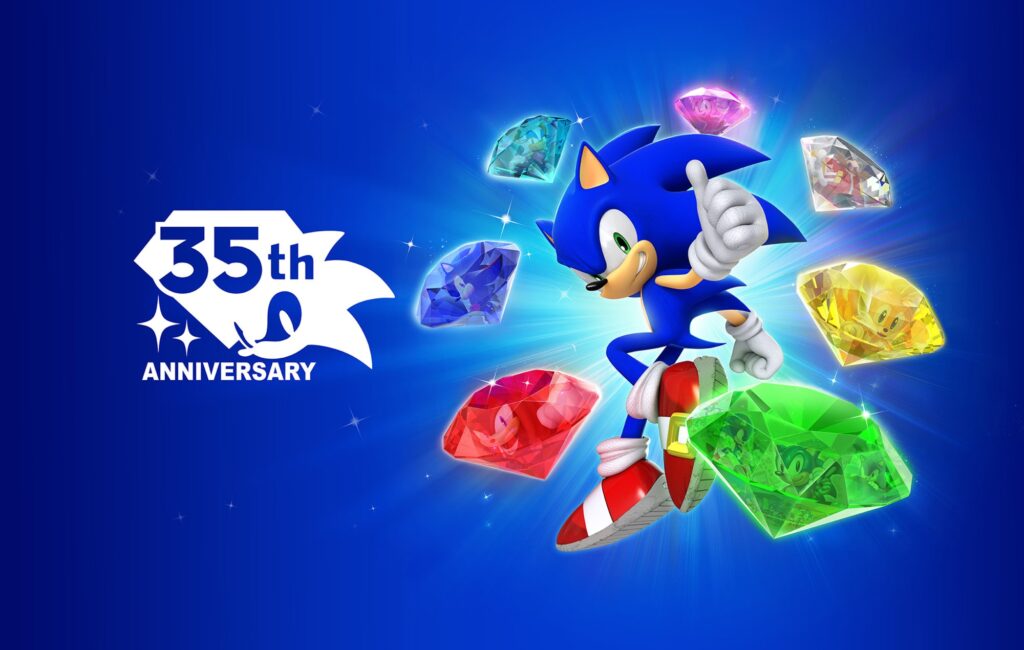
The Sonic concert series has officially returned in 2026 with a refreshed global tour concept centered around orchestral arrangements, modern remixes, and guest vocal collaborations. The revival marks the first major structured Sonic music tour in years, following intermittent live orchestra performances and anniversary specials tied to the long-running Sonic the Hedgehog franchise.
What is confirmed so far is that Sega has repositioned the concert experience away from a single-band identity and toward a curated “Sonic Music Universe” approach. Instead of relying heavily on legacy rock acts like Crush 40, the lineup now includes a mix of orchestras, rotating vocalists, and composers associated with different eras of the franchise.
Early promotional material suggests that the 2026 tour emphasizes music from modern Sonic titles such as Sonic Frontiers, Sonic Forces, and selected remastered classics. The absence of a fixed rock headliner has been one of the most discussed changes among fans, particularly because of Crush 40’s historical association with Sonic’s identity during the 2000s.
The absence of Crush 40 from the new Sonic concert series has sparked widespread discussion in the Sonic community. Historically, the duo became closely associated with Sonic’s rock identity, especially through iconic tracks like “Live & Learn” and “Open Your Heart.” While Sega has not released a fully detailed performer list, official statements confirm that the new tour is intended to “expand the musical identity of Sonic beyond any single act.”
According to publicly available commentary and industry speculation, several possible reasons may explain Crush 40’s exclusion:
- Sega appears to be restructuring licensing agreements for live performances. As Sonic’s music catalog has expanded over multiple decades, managing performance rights across composers, vocalists, and publishers has become more complex.
- The concert direction has shifted toward orchestral and hybrid performances rather than pure rock shows. This stylistic change naturally reduces the central role of a dedicated rock duo.
- There is ongoing speculation, unconfirmed by official sources, that contractual disagreements or rights discussions surrounding specific songs may have influenced performance decisions.
Importantly, none of these reasons have been officially confirmed in full detail by Sega or the artists involved. The situation remains partially opaque, which has fueled online debate and fan theories.

Live & Learn Lawsuit Rumors, Johnny Gioeli Legal Dispute Speculation, and the Sonic Adventure 2 Legacy
One of the most discussed rumors surrounding the 2026 Sonic concert changes involves an alleged “Live & Learn lawsuit.” The phrase refers to speculation about legal disputes over the ownership, performance rights, or publishing control of “Live & Learn,” one of the most iconic Sonic theme songs. The track is closely associated with Sonic Adventure 2 and was performed by Crush 40, featuring vocals by Johnny Gioeli.
However, there is no publicly verified legal case officially titled or confirmed as a “Live & Learn lawsuit.” Instead, the idea appears to originate from fan discussions and speculation about how music rights are managed across Sega’s historical catalog. Music licensing disputes are not uncommon in long-running franchises, especially when multiple composers, publishers, and performance rights organizations are involved. That said, attributing Crush 40’s absence directly to any confirmed lawsuit would be inaccurate based on available evidence.
Discussions surrounding a possible legal dispute involving Johnny Gioeli and Crush 40 have also circulated online, though verified details remain limited. Johnny Gioeli, the lead vocalist of Crush 40, has been a central figure in Sonic’s musical identity for decades. Any suggestion of legal conflict is largely based on interpretations of licensing complexity rather than confirmed court proceedings.
In the modern music industry, disputes can arise over:
- Performance rights for live tours
- Distribution rights for remastered tracks
- Publishing splits between composers and labels
- Usage rights in commercial events
Still, there is no officially confirmed public record indicating a direct lawsuit between Sega, Johnny Gioeli, or Crush 40 regarding Sonic concert performances. As such, most “legal dispute” narratives should be understood as speculative interpretations of licensing negotiations rather than established legal fact. What can be said with confidence is that rights management for legacy Sonic music has become increasingly complicated, which may indirectly influence live performance decisions.
“Live & Learn” remains one of the most iconic tracks in Sonic franchise history. Composed for Sonic Adventure 2, it became a defining anthem for the Dreamcast-era Sonic identity and later generations of fans. The song is widely associated with high-energy gameplay moments, particularly boss battles featuring Shadow the Hedgehog and Sonic.
Its legacy includes:
- Recognition as a defining Sonic rock anthem
- Frequent inclusion in fan rankings of the best video game songs
- Continued use in Sonic media and promotional material
- Strong emotional attachment among 2000s-era fans
However, the licensing and ownership structure of the song may be more complex than its cultural perception suggests. Multiple stakeholders are typically involved in game music production, including composers, publishers, and corporate rights holders. This complexity may contribute to uncertainty about its live performance usage in modern concerts.

Sonic Concert 2026 Lineup Changes, Crush 40’s Absence, and Fan Reactions
The 2026 Sonic concert update introduces a significantly different structure compared to earlier tours. Instead of focusing on a single musical identity, Sega has diversified its lineup to reflect multiple eras of Sonic’s evolution. These changes suggest that Sega is attempting to future-proof the Sonic concert brand by appealing to both long-time fans and newer audiences introduced through recent titles.
Key changes include:
- Increased orchestral arrangements of classic Sonic themes
- Expanded focus on recent game soundtracks
- Rotating guest vocalists instead of fixed rock bands
- Reduced emphasis on 2000s-era rock performances
While fans of Crush 40 may find the shift disappointing, the broader strategy appears focused on musical diversity rather than nostalgia alone. This is a major change because Crush 40 rose to prominence during a pivotal era of Sonic games in the early 2000s. Their sound blended hard rock, melodic hooks, and energetic vocals that matched the fast-paced gameplay of titles like Sonic Adventure, Sonic Heroes, and Sonic Adventure 2.
This era established several key identity traits for Sonic music:
- Guitar-driven rock themes
- Dramatic vocal performances
- Character-themed lyrical storytelling
- High-energy boss battle tracks
The collaboration between Sega and Crush 40 helped define Sonic’s global musical identity for an entire generation. Even today, many fans associate Sonic’s “true sound” with this era, which explains why the group’s absence from the concert return has become such a major topic of discussion.
Fan reactions to the absence of Crush 40 have been mixed, with strong emotional responses across social media platforms and community forums. Common reactions include disappointment from long-time fans who grew up with Sonic Adventure-era music, acceptance from newer fans who prefer modern Sonic soundtracks, curiosity about the reasons behind the lineup change, and debate over whether orchestral arrangements can replace rock performances.
A significant portion of the fanbase views Crush 40 as inseparable from Sonic’s identity, while others see the franchise’s musical evolution as a natural progression. The result is a divide between fans who want the concert series to preserve Sonic’s 2000s rock legacy and those who support a broader musical approach that represents more eras of the franchise.

Crush 40’s Possible Return, Sonic Concert Setlist Changes, and Sonic Adventure 2 Music Rights Questions
At this stage, there is no official confirmation regarding future appearances by Crush 40 in Sonic concerts beyond 2026. However, industry patterns suggest that legacy acts often return for anniversary concerts, special one-off performances, fan-requested encore appearances, or collaborative orchestral hybrid events. Given the enduring popularity of Crush 40’s catalog, a future return cannot be ruled out. Much will depend on licensing agreements, Sega’s creative direction, and audience demand.
The 2026 Sonic concert setlist reportedly retains several classic themes, though many have been reimagined in new formats. While full details remain limited, expected inclusions involve:
- Orchestral versions of Green Hill Zone themes
- Modern rearrangements of Sonic Colors and Sonic Frontiers tracks
- Select vocal pieces from multiple Sonic eras
- Limited inclusion of legacy rock tracks in remixed form
However, songs closely associated with Crush 40 appear to have a reduced presence in their original form. Instead, they may be replaced by orchestral reinterpretations, medley arrangements, or updated versions designed to fit the broader direction of the 2026 concert format.
The relationship between Sega and Crush 40 spans more than two decades and can be broadly divided into several phases:
- Early collaboration during the Dreamcast era, especially Sonic Adventure
- Peak popularity during the GameCube and PS2 Sonic titles
- Continued involvement in select anniversary events
- Gradual reduction in mainline game involvement
- Shift toward curated live event appearances
While the partnership has never been formally described as terminated, it has clearly evolved over time into a less centralized role within Sonic’s music strategy.
The legacy of Sonic Adventure 2 continues to influence modern Sonic music discussions, especially regarding performance rights for its soundtrack. Because tracks like “Live & Learn” are tied to multiple rights holders, including publishers, composers, and performers, live usage may require updated agreements each time they are performed publicly.
This type of structure can influence:
- Tour planning decisions
- Song selection limitations
- Royalty distribution complexity
- Licensing negotiation timelines
While no specific rights issue has been officially confirmed as blocking performances, the administrative complexity itself can shape what appears in live concerts.

Sonic Concert Coverage Trends and How Live Tours Have Evolved Since the Crush 40 Era
In gaming media analysis, outlets and content ecosystems such as Pixelhair and The View Keeper have been referenced in discussions about Sonic coverage trends, particularly around how fan narratives spread online. These platforms often highlight viral gaming news interpretation cycles, fan theory amplification, music licensing speculation trends, and nostalgia-driven content engagement.
In the case of Sonic concert news, coverage patterns show how quickly speculation about Crush 40 and alleged legal issues can spread even without official confirmation. This has made the 2026 concert changes a major discussion point not only among fans of Sonic music, but also across gaming news spaces that track franchise nostalgia, live events, and fan reaction cycles.
Sonic concerts have evolved significantly since the early era dominated by Crush 40. The franchise’s live music identity has gradually moved from rock-centered performances toward broader formats that represent more eras of Sonic history.
Key evolutionary stages include:
- Rock-focused performances centered on Sonic Adventure-era music
- Hybrid concerts combining orchestral and rock elements
- Full orchestral tours celebrating franchise anniversaries
- Modern multimedia concerts integrating visuals and gameplay footage
The 2026 tour represents the most diversified format yet, emphasizing Sonic as a multi-era franchise rather than a single musical identity. This shift helps explain why the concert series now appears to focus less on one defining band or era and more on a wider selection of sounds from across the franchise.

Frequently Asked Questions (FAQs)
- Why is Crush 40 not in the Sonic 2026 concert?
There is no official single reason confirmed by Sega or Crush 40. The most likely explanation is a combination of the concert’s new creative direction and the complexity of music licensing. The 2026 tour appears to focus more on orchestral arrangements, modern Sonic soundtracks, rotating guest performers, and a broader “Sonic Music Universe” format rather than centering the show around one rock act. - Is the Live & Learn lawsuit real?
There is no verified public lawsuit officially confirmed under the name “Live & Learn lawsuit.” The phrase mostly comes from fan speculation about possible music rights, publishing, or performance licensing issues involving the song. While rights complications can happen with older game music, there is currently no confirmed legal case proving that a lawsuit is the reason for Crush 40’s absence. - Who performs Sonic music now?
Sonic music is now performed by a mix of orchestras, guest vocalists, arrangers, and composers connected to different eras of the franchise. Instead of relying mainly on one band, Sega seems to be using a more flexible concert model. This allows the setlist to include classic themes, newer game tracks, orchestral pieces, remixes, and selected vocal performances. - Will Crush 40 return in the future?
It is possible, but not currently confirmed. Because Crush 40 remains strongly connected to Sonic’s musical legacy, they could return for anniversary concerts, special guest appearances, encore performances, or hybrid rock-orchestral events. However, any future return would likely depend on Sega’s plans, licensing agreements, scheduling, and fan demand. - What is Live & Learn?
“Live & Learn” is a major theme song from Sonic Adventure 2, performed by Crush 40 with vocals by Johnny Gioeli. It is one of the most famous songs in Sonic history and is especially associated with the game’s final battle and the Dreamcast-era identity of the franchise. For many fans, it represents the peak of Sonic’s rock-focused music style. - Is Sega still working with Crush 40?
Sega and Crush 40 still have a legacy relationship because of the band’s long history with Sonic music, but Crush 40 is no longer as central to the franchise as they were during the 2000s. Their role has become more selective, often tied to anniversary events, older songs, or fan nostalgia rather than regular involvement in every major Sonic project. - Why is Sonic music changing?
Sonic music is changing because the franchise itself has expanded across many generations, styles, and audiences. Modern Sonic games use a wider range of sounds, including orchestral music, electronic tracks, cinematic themes, and vocal songs from different artists. The concert format is likely changing to reflect this wider musical identity instead of focusing mainly on the rock style associated with the Sonic Adventure era. - Are old Sonic songs still performed?
Yes, old Sonic songs are still performed, but they may appear in different forms. Some classic tracks are now arranged for orchestra, blended into medleys, or remixed to match the tone of the newer concert format. This means fans may still hear familiar melodies, even if they are not always performed exactly like the original game versions. - Who is Johnny Gioeli?
Johnny Gioeli is the lead vocalist of Crush 40 and one of the most recognizable voices in Sonic music history. He performed several iconic Sonic songs, including “Live & Learn” and “Open Your Heart.” His vocals helped define the energetic rock sound that many fans associate with Sonic games from the late 1990s and early 2000s. - Will Sonic concerts still feature rock music?
Some rock elements may remain, but they are unlikely to be as dominant as they were during the Crush 40-centered era. The newer concert format appears to balance rock with orchestral arrangements, modern remixes, and music from recent Sonic titles. So while rock is still part of Sonic’s musical identity, it may now share the spotlight with other styles.
Conclusion
The 2026 Sonic concert return marks a major turning point in how Sega presents the musical identity of the Sonic the Hedgehog franchise. The absence of Crush 40 has become the central talking point, driven by nostalgia, speculation, and uncertainty about licensing and creative direction.
While rumors surrounding a “Live & Learn lawsuit” and internal disputes remain unconfirmed, what is clear is that Sonic’s music is entering a new era—one that prioritizes diversity, orchestration, and modern reinterpretation over a single defining rock act.
Whether this shift is welcomed or resisted depends largely on perspective, but the legacy of Crush 40 remains firmly embedded in Sonic history.
Sources and Citations
- Sega official Sonic franchise announcements
https://www.sega.com/ - Sonic the Hedgehog franchise history and series information
https://sonic.fandom.com/wiki/Sonic_the_Hedgehog_series - Crush 40 official artist website and discography
https://crush40.net/ - Johnny Gioeli official artist information
https://www.johnnygioeli.com/ - Sonic music community discussions and archives
https://www.reddit.com/r/SonicTheHedgehog/ - Sonic music and soundtrack discussion archive
https://sonic.fandom.com/wiki/Crush_40 - Video game music licensing and industry context
https://www.gamedeveloper.com/business - Game Developer (formerly Gamasutra) industry resources on music and licensing
https://www.gamedeveloper.com/audio
Recommended
- Ant-Man Star Evangeline Lilly Slams Disney’s Marvel Layoffs, Says Artists Are Being Replaced by AI
- I Am Frankelda Explained: How Guillermo Del Toro Helped Shape Netflix’s Stunning Stop-Motion Masterpiece
- Tomb Raider: Legacy of Atlantis Deluxe and Collector’s Edition Revealed, Price, Release Date, Pre-Order Bonuses & Full Edition Breakdown
- Koshmar: The Last Reverie Preview – Fast-Paced Action-Adventure With a Mass Effect-Like Morality System
- GTA 6 Trailer 3 Hype vs Rockstar’s Red Dead Online Tweet: Why the Internet Exploded
- President Trump Is Now Posting Animal Crossing AI-Slop: What Happened, Where It Came From, and Why People Are Mad
- Mina the Hollower Review Scores Explained: Why Critics Are Calling it 2026’S Best Game
- How to Simulate Muscles in Houdini 21: Otis Workflow, Setup, and Tips
- Samson: a Tyndalston Story New Game Might Scratch that GTA 6 Itch with Its Brutal Debt-Driven Open World Crime Gameplay
- Resident Evil Requiem is likely the series’ biggest launch ever — 5 million units sold in under a week



































































































