





In This Article (7 sections)
Subnautica 2 Rebreather Location, Fragments, and Fastest Unlock Route
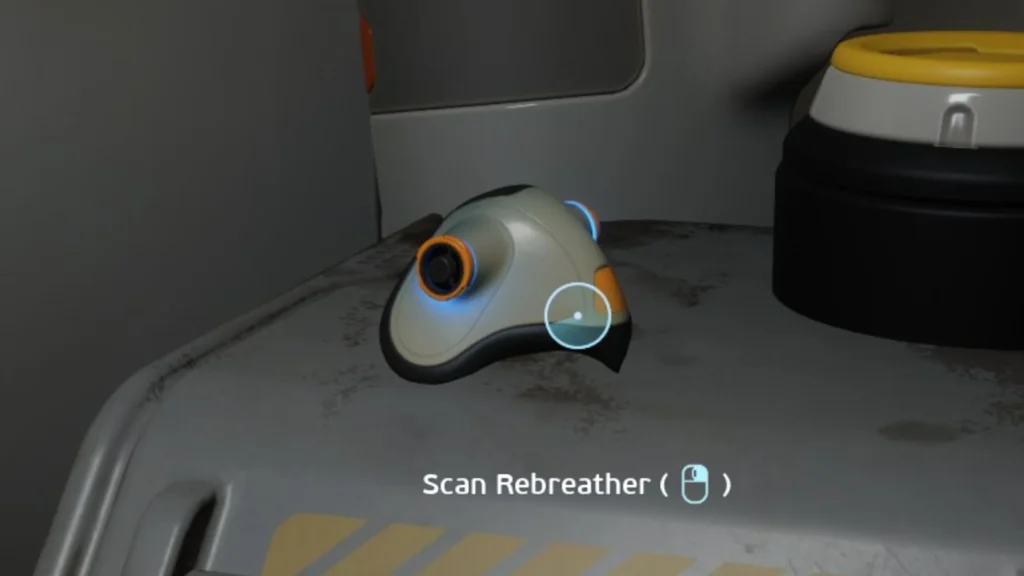
Subnautica 2 Rebreather fragments can be found around wrecks, damaged cargo crates, and debris fields near the starting Lifepod. While the Seaglide and larger oxygen tanks provide immediate benefits, the Rebreather becomes increasingly important once exploration moves beyond the safer shallow regions surrounding the Lifepod. Players who delay obtaining it must surface more frequently and can struggle to explore deeper caves, wrecks, and resource areas efficiently.
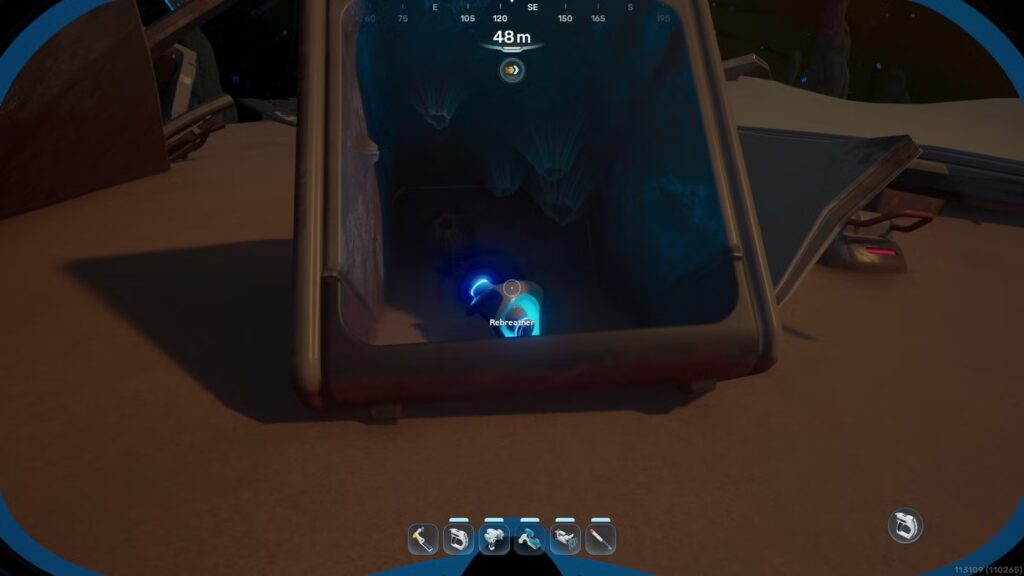
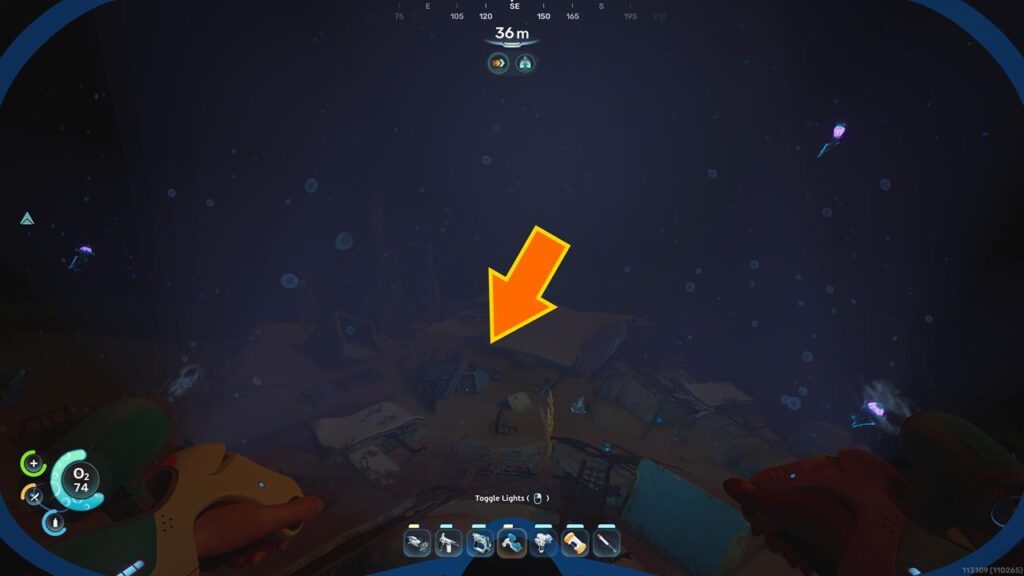
Most Rebreather fragments can be found around early wreckage sites, damaged cargo crates, abandoned equipment, and debris fields near the starting biome. Players should concentrate on rocky trenches, shallow coral areas, cave entrances, and other locations containing visible signs of human technology before entering more dangerous regions. Damaged cargo crates positioned near deeper drop offs are particularly useful places to investigate, while partially destroyed wrecks near cave entrances can contain several technology fragments in one area.
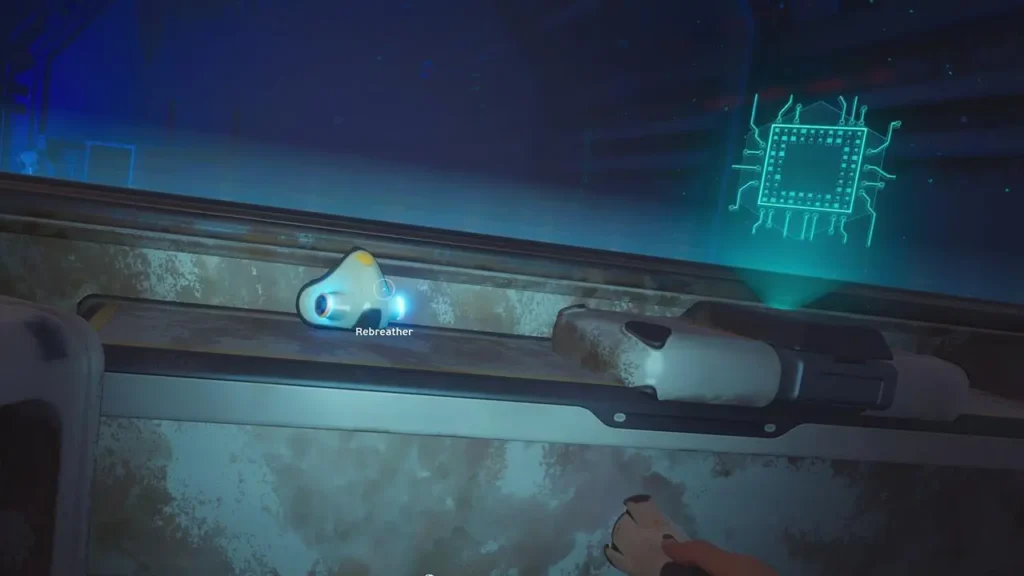
Fragments can sometimes blend into terrain, coral, or vegetation, so wreck sites should be searched carefully. Players should inspect collapsed corridors, detached machinery, damaged equipment racks, broken consoles, and the seabed surrounding storage containers. Supply pods and abandoned research equipment can also have fragments nearby, while some pieces may appear inside narrow cave systems close to thermal vents.
The fastest route begins after repairing the Lifepod systems and crafting the Scanner. Once basic food and water needs are under control, players should gather Titanium and other materials for a Seaglide and improved oxygen capacity. Rather than immediately entering dangerous deep biomes, the more efficient approach is to search wreckage within a relatively short distance of the starting area.
A useful early progression route is:
- Repair the Lifepod systems
- Craft the Scanner
- Improve basic oxygen capacity
- Craft a Seaglide
- Search shallow rocky shelves and nearby wreckage
- Inspect damaged cargo crates and machinery
- Scan every Rebreather fragment encountered
- Return to the Fabricator once the blueprint is unlocked
- Craft the Rebreather before moving into deeper regions
Searching during daylight improves visibility considerably and makes fragments hidden around coral and vegetation easier to identify. The Seaglide reduces travel time between wrecks while helping players conserve oxygen during longer searches.
Carrying an additional oxygen tank can temporarily extend fragment hunting trips. Swapping tanks underwater gives players additional time to finish searching a wreck or scanning a fragment before returning to the surface, although carrying several tanks consumes valuable inventory space.
Players generally need to scan multiple fragments before the Rebreather blueprint becomes available. Each fragment contributes blueprint data until the required amount has been collected. This encourages players to explore several wrecks and reinforces the importance of scanning technology throughout progression. Scanning other technological objects encountered during the search is also useful because ignoring unrelated blueprints can slow later progression.
Beacons become valuable when a promising wreck cannot be completely explored during one dive. Placing a Beacon beside the site allows players to return directly rather than trying to locate the same debris field again. Simple names such as “Rebreather Wreck,” “Deep Crates,” or “Silver Cave” make navigation easier as the number of discovered locations grows.
Wreck and crate searches are less efficient at night because visibility drops significantly. A Flashlight or the Seaglide’s illumination can help, but daytime exploration remains easier for spotting small technological fragments. Players can also pay attention to environmental sounds and electrical effects around damaged technological areas.
Several common mistakes can make the search unnecessarily difficult. Players often travel too deep because they assume the fragments must be located in dangerous regions, overlook smaller debris fields, explore without adequate batteries or supplies, continue searching in poor visibility, or fail to mark useful locations. A systematic search around the starting area is generally more efficient than immediately pushing toward hostile biomes.
Rebreather Oxygen Mechanics, Crafting, and Early Game Equipment
The Rebreather changes oxygen management by reducing the penalties associated with deeper underwater exploration. Without it, oxygen efficiency decreases as players descend beyond safer depth thresholds, causing available oxygen to disappear more quickly even when tank capacity remains unchanged.
This depth penalty acts as a natural progression barrier. Deeper areas contain rarer resources, stronger predators, more dangerous environments, and important wrecks, so reaching them safely requires better equipment. Players who attempt extended dives without appropriate upgrades can easily miscalculate how much oxygen is required for the return trip.
The Rebreather counteracts this problem by improving breathing efficiency at greater depths. Once equipped, players can spend considerably longer investigating caves, wreck interiors, and resource deposits before returning to an oxygen source.
The Rebreather does not directly increase total oxygen capacity. This distinction makes it different from an upgraded oxygen tank. The two systems perform separate functions:
- High Capacity Tank: Increases the total amount of available oxygen.
- Rebreather: Reduces oxygen inefficiency associated with deeper water.
They are most effective when used together. A larger tank gives the player more oxygen, while the Rebreather ensures that reserve is consumed more efficiently during deeper dives. Using only a larger tank can still result in rapid depletion at depth, while using the Rebreather with a small oxygen reserve limits the overall length of an expedition.
Before obtaining the Rebreather, several other upgrades make fragment hunting safer. Improving the Standard O2 Tank provides more breathing time, while fins increase swimming speed and reduce the amount of oxygen wasted traveling between locations. The Seaglide offers an even greater mobility improvement and provides useful illumination in darker environments.
Useful early equipment includes:
- Scanner
- Improved O2 Tank
- Fins
- Seaglide
- Flashlight
- Spare batteries
- Additional oxygen tank
- Food and filtered water
- Beacons
Once the blueprint is available, crafting the Rebreather requires materials associated with early and middle progression. Fiber Mesh is generally connected to synthetic survival equipment and can be produced using Creepvine resources. Wiring Kits require Silver Ore, encouraging players to investigate somewhat deeper mineral deposits. Other materials can include Rubber, Titanium, or specialized resources depending on the current progression balance.
The Fabricator handles final assembly. Once crafted and equipped, the Rebreather operates passively, so players receive its oxygen efficiency benefits without manually activating it.
Crafting it as soon as the blueprint becomes available improves nearly every subsequent exploration activity. Resource gathering becomes less restrictive, wreck interiors can be searched more thoroughly, and cave exploration becomes more manageable.
The Rebreather does not remove the need for careful oxygen management. Players can still drown if they remain underwater too long or become lost inside caves. Monitoring oxygen reserves and maintaining a clear route back to safety remain essential.
Beacons are particularly valuable during deeper exploration because complex cave systems can contain multiple branching tunnels. Marking entrances, safe routes, oxygen refill locations, wrecks, and important resource deposits creates a more reliable navigation network.
Spare batteries are also important because losing power to a Seaglide or Flashlight during a deep expedition can make an already dangerous situation much worse. Predator encounters can similarly disrupt exploration and cause players to waste oxygen while escaping.
Players should therefore treat the Rebreather as one part of a broader survival setup rather than a replacement for planning. Larger tanks, mobility equipment, navigation tools, batteries, and emergency supplies all remain important.
Best Exploration Progression After Getting the Rebreather
Crafting the Rebreather marks an important transition from early survival into broader exploration. Areas that previously consumed too much oxygen become more practical, allowing players to remain at depth long enough to gather resources, investigate wrecks, and explore cave systems properly.
Caves beneath the starting regions become particularly valuable because they can contain Silver, Gold, and other materials required for middle progression. Thermal vent regions also become easier to investigate because players can spend more time collecting resources while navigating hazardous terrain.
Deeper wrecks should become another priority. These locations can contain advanced blueprints, upgrade modules, and story related environmental details that are unavailable in shallow areas. The improved oxygen efficiency allows players to search larger wreck interiors without immediately abandoning exploration to return to the surface.
Biome transitions also become easier to investigate. New ecosystems introduce different plants, creatures, environmental hazards, and crafting resources, while some areas contain materials needed for submarine technology and more advanced survival equipment.
After obtaining the Rebreather, players should continue improving oxygen capacity rather than treating the problem as completely solved. Combining the Rebreather with larger tanks creates much longer exploration windows and makes repeated resource runs substantially more efficient.
Mobility should also remain a priority. Upgraded Seaglide equipment and early submarine technology reduce travel time and limit exposure to dangerous creatures or environmental hazards. Faster transportation also allows players to carry resources between deeper biomes and established bases more efficiently.
Small forward operating bases can provide additional support near valuable regions. These bases can offer oxygen refill points, storage, Fabricator access, and a safer place to organize supplies before continuing into deeper water.
A useful progression checklist after crafting the Rebreather includes:
- Upgrade oxygen capacity further
- Improve underwater mobility
- Begin exploring deeper wrecks
- Gather Silver, Gold, Quartz, and advanced biological resources
- Mark dangerous biome entrances with Beacons
- Establish forward bases near important regions
- Carry spare batteries and medkits
- Maintain emergency food and water
- Identify reliable oxygen refill locations
- Continue scanning new technology
Resource stockpiling becomes increasingly important because advanced equipment requires larger quantities of materials from different environments. Collecting useful minerals whenever they appear reduces the need to repeat dangerous expeditions later.
Players should also develop a structured Beacon system as exploration expands. Different colors and names can distinguish wrecks, caves, resource areas, biome entrances, bases, and safe oxygen routes. This becomes increasingly useful once multiple locations begin appearing on the HUD.
Deeper exploration also introduces more aggressive creatures, making calm movement and retreat planning important. The Rebreather provides additional time underwater, but predator encounters can still consume valuable oxygen if players become disoriented or flee in the wrong direction.
The most effective progression therefore combines oxygen efficiency with larger reserves, faster movement, organized navigation, resource preparation, and forward infrastructure. The Rebreather provides the freedom needed to begin that transition, turning previously restrictive dives into longer expeditions through caves, wrecks, resource zones, and deeper biomes.
Frequently Asked Questions (FAQs)
- Where is the Rebreather located in Subnautica 2?
The Rebreather itself is not found as a complete item. Players need to search wrecks, damaged cargo crates, abandoned equipment, and debris fields near the starting Lifepod area for Rebreather fragments. Scanning enough of these fragments unlocks the blueprint needed to craft the equipment at the Fabricator. - How many fragments are needed for the Rebreather in Subnautica 2?
Players must scan multiple Rebreather fragments before the complete blueprint becomes available. Each scan contributes blueprint data toward the unlock, encouraging players to investigate several nearby wreckage sites. The exact requirement may vary depending on Early Access balancing updates. - What does the Rebreather do in Subnautica 2?
The Rebreather reduces oxygen efficiency penalties when players explore deeper underwater areas. It does not directly increase the total amount of oxygen available, but it allows existing oxygen reserves to be consumed more efficiently at depth, making longer dives considerably safer. - Can you survive deep biomes without the Rebreather?
Yes, but exploring deep biomes becomes considerably more difficult because oxygen drains faster below certain depth thresholds without the Rebreather. Larger oxygen tanks and careful planning can temporarily compensate, but players will need to surface or locate oxygen sources more frequently. - Is the Rebreather better than the High Capacity Tank?
The two upgrades serve different purposes and work best together. The High Capacity Tank increases the total amount of oxygen a player can carry, while the Rebreather reduces oxygen inefficiency during deeper dives. Combining both provides larger reserves and more efficient oxygen consumption. - What is the fastest way to unlock the Rebreather blueprint?
The fastest method involves crafting the Scanner and Seaglide before systematically searching nearby wrecks, cargo crates, and debris fields around the Lifepod. Exploring during daylight improves visibility, while the Seaglide reduces travel time and helps conserve oxygen between fragment locations. - Should you craft the Rebreather before exploring caves?
Yes, crafting the Rebreather first makes deeper cave exploration significantly safer because oxygen lasts longer at depth. Caves can also be difficult to navigate, so improved oxygen efficiency gives players additional time to search for resources, explore branching tunnels, and find the route back out. - What resources are required to craft the Rebreather?
Common crafting requirements usually include Fiber Mesh, Wiring Kits, and other early game materials depending on current balancing updates. Fiber Mesh is associated with Creepvine resources, while Wiring Kits require Silver Ore, encouraging players to begin exploring slightly deeper resource areas. - Why do players drown quickly in deeper water without the Rebreather?
Subnautica 2 applies a depth oxygen penalty that increases oxygen consumption during deeper dives without specialized breathing equipment. This means a tank that provides comfortable exploration time near the surface can drain much faster at greater depths, increasing the risk of running out of oxygen before returning to safety. - What should players do after crafting the Rebreather?
Players should begin exploring deeper wrecks, caves, thermal areas, and biome transitions for advanced resources and blueprints. They should also continue upgrading oxygen tanks, improve underwater transportation, mark important locations with Beacons, and establish forward bases to support longer exploration trips.
Conclusion
The Rebreather is one of the most important progression tools in Subnautica 2 because it fundamentally changes underwater exploration efficiency. While larger oxygen tanks help extend total dive duration, the Rebreather directly counters the dangerous depth oxygen penalties that begin affecting players during deeper expeditions.
Finding and scanning Rebreather fragments near wrecks, crates, and debris fields around the Lifepod should become a major early game priority. Players who unlock the blueprint quickly gain safer access to caves, deeper resource zones, advanced wreck sites, and critical mid game crafting materials.
Combining the Rebreather with upgraded tanks, Beacons, Seaglides, and careful survival planning creates a strong foundation for long mterm progression. Understanding oxygen management mechanics early also prepares players for the far more dangerous biomes waiting deeper beneath the ocean surface.
Sources and Citation
- Subnautica 2 Official Website
Citation: Official overview of Subnautica 2, including survival mechanics, crafting systems, exploration focus, and co-op details. (Subnautica 2) - Subnautica 2 Steam Page
Citation: Official Steam listing containing Early Access information, gameplay systems, roadmap details, and developer notes from Unknown Worlds Entertainment. (Steam Store) - Subnautica 2 Early Access Roadmap – Steam News
Citation: Official roadmap announcement discussing planned updates, future biomes, tools, vehicles, and progression systems for Subnautica 2. (Steam Store) - PC Gamer – How to Increase O2 in Subnautica 2
Citation: Coverage of oxygen mechanics, air tanks, Rebreather usage, oxygen-saving strategies, and early survival progression in Subnautica 2. (PC Gamer) - GameSpot – How To Replenish And Increase Maximum Oxygen In Subnautica 2
Citation: Explanation of oxygen replenishment systems, underwater survival loops, and safe oxygen refill methods in deeper areas. (GameSpot) - GamesRadar – Subnautica 2 Guide and Overview
Citation: Overview of gameplay structure, exploration systems, multiplayer support, and survival mechanics in Subnautica 2 Early Access. (GamesRadar+) - PC Gamer – Subnautica 2 Early Access Roadmap Details
Citation: Information regarding planned quality-of-life improvements, future biomes, creatures, and progression updates for the game. (PC Gamer) - GamesRadar – Subnautica 2 Roadmap Details
Citation: Breakdown of roadmap phases including multiplayer improvements, progression systems, and future expansion content. (GamesRadar+) - Games.gg – How to Replenish and Increase Max Oxygen in Subnautica 2
Citation: Details on oxygen replenishment mechanics, powered bases, vehicles, and underwater survival strategies. (GAMES.GG) - Games.gg – Subnautica 2 Oxygen and Power on Your Base
Citation: Information about powered habitats, oxygen systems, and underwater base functionality. (GAMES.GG) - Subnautica Wiki – Oxygen Mechanics
Citation: Reference information regarding oxygen tanks, oxygen capacity systems, and survival mechanics from the Subnautica series. (Subnautica Wiki) - Subnautica Wiki – High Capacity O₂ Tank
Citation: Details about High Capacity Tank functionality and oxygen capacity comparisons relevant to progression discussions. (Subnautica Wiki) - PCGamesN – Subnautica 2 Roadmap Guide
Citation: Summary of planned updates, progression changes, and future content additions for Subnautica 2 Early Access. (PCGamesN) - Creative Bloq – Subnautica 2 Uses Unreal Engine 5 To Create Psychological Ocean Horror
Citation: Analysis of environmental design, exploration atmosphere, and underwater biome presentation in Subnautica 2. (Creative Bloq) - TechRadar – Hands-On Impressions of Subnautica 2 Early Access
Citation: Early gameplay impressions discussing exploration pacing, survival systems, vehicles, and underwater progression. (techradar.com)
Recommendations
- Vivian Kubrick Debunks Eyes Wide Shut Deleted Scenes Theory
- Battlefield 6 2026 Roadmap: More Maps, “Legendary” Battlefield 4 & Battlefield 3 Remakes, and Wake Island’s Return
- Apple TV’s Widow’s Bay is the First Breakout TV Hit of 2026: Why Everyone is Talking About the Horror Comedy
- Pitchify Launches New Service to Connect Developers and Publishers: How Pitch Direct Works
- Pokémon Pokopia Bubbly Basin DLC Release: Date, New Pokémon, and Everything You Need to Know
- Nordic Game 2026 (NG26 Spring): Dates, Venue, Passes, Speakers, Expo & Awards in Malmö
- Subnautica 2 Early Access Roadmap: Co-Op Updates, Sprinting, and More
- Virtua Fighter 6 Leak Explained
- The Future of 3D Modeling: Insights on AI Advancements
- GTA 6 is Already Outselling Everything Else: Why Pre-Orders Are Dominating Gaming



































































































