






What Is The Blood of Dawnwalker About in 2026?
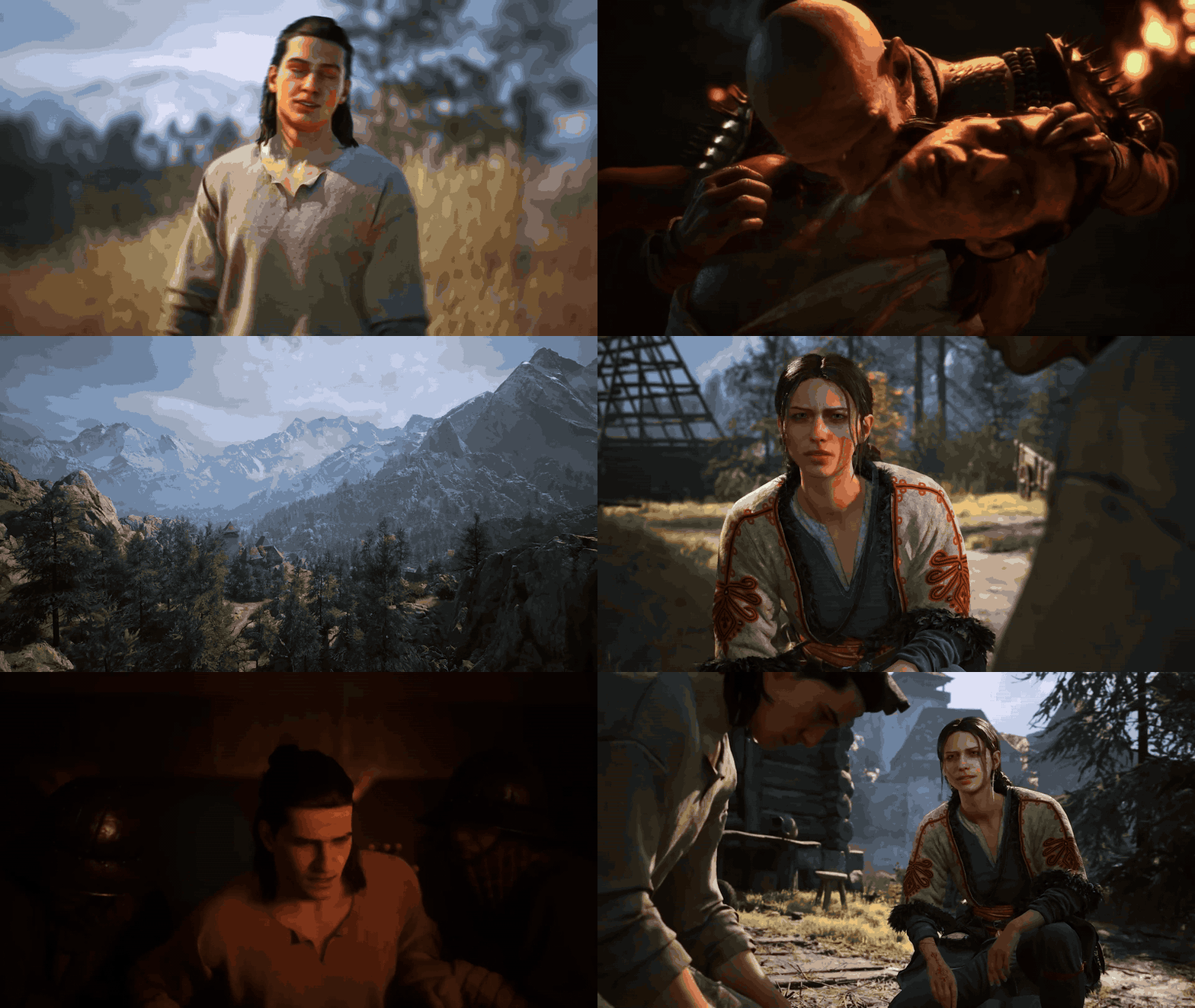
The Blood of Dawnwalker is an upcoming open-world dark fantasy action RPG set in a fictional 14th-century European kingdom. Developed by Rebel Wolves (a studio founded by ex-Witcher 3 developers) and published by Bandai Namco, the game casts you as Coen – a young peasant unexpectedly turned into a Dawnwalker (a half-human, half-vampire). The story unfolds in the plague-ravaged valley of Vale Sangora, where Coen’s family has been kidnapped by a vampire overlord. Coen must rescue them within a hard 30-day deadline, and every action (and inaction) shapes the outcome. In 2026, Dawnwalker’s premise stands out for blending a realistic medieval setting, vampire lore and a ticking-clock narrative, asking: “Is your soul worth the lives of those you love?”.
How The Blood of Dawnwalker Redefines the RPG Prologue
Most RPGs begin with a safe tutorial or gentle intro, but Dawnwalker immediately shatters that mold. From the first scene, Coen is plunged into multiple simultaneous quests – helping sick villagers, searching for a lost pig, locating missing people, etc. In the demo, the objective to gather herbs for Coen’s mother feels like a forced “main quest,” yet players discover they can completely ignore it and instead pursue any side activity.
After the brutal prologue sequence concludes, the developers explicitly say you can “do whatever you want” – they’ve even removed labels like “main quest” or “sidequest”. In short, the game treats its prologue as an open, choice-driven chapter rather than a linear tutorial, instantly giving players agency to explore the world’s problems and moral dilemmas.
Why The Blood of Dawnwalker’s Opening Is Darker Than Most RPGs
Every aspect of Dawnwalker’s prologue is steeped in brutality and horror uncommon in a genre that often begins more softly. Within minutes, Coen witnesses a plague-stricken village under martial law. Soldiers execute a Black Death–infected girl and her brother, and then a pack of vampires intervenes – killing the guards and forcibly “curing” the girl by feeding her their blood. The grateful villagers quickly find themselves paying a regular “blood tax” to the vampires in exchange for protection.
The tone is unforgiving: any attempt to rebel triggers vicious reprisals. In the demo, failing to save certain villagers has grim payoffs – you later see one villager, Gremla, strung up in a nightmarish cult ritual, and Coen’s mother lies dead. Ultimately Coen himself is hunted: the vampire lord Brencis maims him (the silver in his blood sparing him from full transformation) and drags off Coen’s family. These graphic scenes – plague executions, blood rituals, family horror – ensure the very opening feels more like a medieval horror tale than a typical heroic beginning.

Coen’s Story Explained: The Dawnwalker Protagonist Setup
Coen starts as an ordinary 14th-century villager, but the prologue swiftly turns him into something else. A childhood spent mining silver means his blood is laced with silver dust, so when Brencis’s vampires attack, Coen becomes a Dawnwalker – a hybrid who cannot fully transform into a vampire. In gameplay terms, this means Coen is human by day and vampire by night. By sunlight he fights with sword and witchcraft magic like a normal man.
When darkness falls, however, he gains vampiric powers – he can climb walls, Shadowstep across the battlefield, and bite enemies to regain health. The prologue highlights this duality: Coen learns to use new abilities at night (such as teleporting and wall-running) while coping with a terrible thirst for blood. This bloody curse is the heart of his story – his choices boil down to whether he fights to remain human or embraces his monstrous side in order to save those he loves.
The Pig Quest Twist in The Blood of Dawnwalker Prologue Explained
One surprisingly memorable early side-quest involves a lost pig, and it carries a thematic twist. Using Coen’s honed senses, the player can track down a villager’s runaway sow by following her footprints. Returning the pig to its owner initially seems like a friendly favor, but then you learn a dark secret: the farmer plans to slaughter the pig as a meal.
At this point the game forces a moral choice: Coen can help kill the pig alongside the villager (and reap a reward), refuse to participate (risking the farmer’s anger), or purchase the pig himself to save its life – if he has enough coins. This “pig quest” exemplifies how even a lighthearted task in Dawnwalker comes with complex stakes. What appears to be a simple fetch quest ends up testing your ethics and priorities, reinforcing the idea that choices in this world are seldom easy or purely good.
How Moral Choices Shape The Blood of Dawnwalker Early Game
Throughout the prologue, every decision carries significant weight. In the demo, Coen is given multiple tasks (e.g. gathering healing herbs for his mother, helping a villager named Gremla) and can choose which to do or ignore. If you abandon Gremla or prioritize other quests, the consequences are vividly shown later: Gremla is found savagely strung up, and Coen’s mother Esme is killed. Likewise, GameInformer’s preview notes that delaying to find a missing brother too late causes him to succumb to injuries, and a woman Coen ignores later ends up dead and mourned.
Even Coen himself can become the cause of violence: he has a blood hunger meter that, if left empty, forces him to attack the next NPC he meets, possibly killing an ally or innocent. The game is built so that no character is truly safe – players can kill almost anyone, intentionally or by accident. The world then adapts to these outcomes: quests end or change based on who lives or dies. In short, the prologue makes clear that choices matter – there are no do-overs, and every life Coen spares or sacrifices helps shape the unfolding story.
Vampire Transformation and Its Impact on the Prologue Narrative
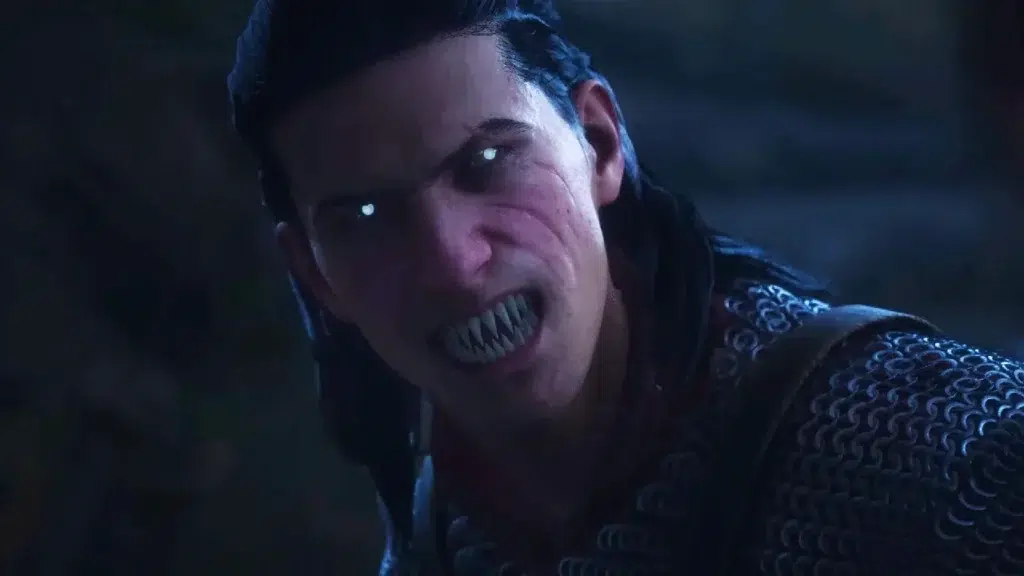
The moment Coen is turned into a vampire marks a turning point in the narrative. After Lord Brencis attacks the village, Coen is bitten and left for dead, his remaining family kidnapped. Thanks to the silver in his blood, Coen does not become a full vampire; instead he awakens as a Dawnwalker – human by day and vampire by night. This transformation instantly changes the gameplay and story. In vampiric form, Coen gains new powers (e.g. he can feed on enemies to heal and perform superhuman jumps) but also a crippling thirst.
The narrative consequences are enormous: Coen’s dual nature becomes a source of conflict, and players must manage his blood hunger carefully. If Coen’s hunger meter runs dangerously low, he may involuntarily kill an NPC, even a friend, showcasing how the curse can twist the storyline. In short, the vampire transformation is not just a power-up; it’s a narrative catalyst that forces players to confront the horror of Coen’s condition and its tragic cost.
Why The Blood of Dawnwalker Avoids Traditional RPG Tutorial Design
Unlike many modern RPGs, The Blood of Dawnwalker shuns the idea of a separate tutorial mission. Rebel Wolves has embraced a “learn as you play” philosophy. After the prologue’s scripted events, the game opens up completely: there are no labeled “tutorial” segments or main-vs-sidequest distinctions. Instead, players discover mechanics through real gameplay scenarios – for example, basic combat (directional blocks, parries, etc.) is taught during actual fights in the demo.
The developers describe this approach as giving “total freedom” to players – everything is part of the story-world, so Coen’s first missions serve as informal tutorials themselves. By blending teaching moments into the narrative, Dawnwalker makes the prologue feel like a seamless introduction to the story rather than a static training mode.
The Role of Violence and Consequences in the Opening Missions
Violence is omnipresent from the start, and its repercussions are immediate. The prologue forces Coen into brutal combat (using the game’s directional-block swordplay) against undead and soldiers alike. All acts of violence in these missions have fallout: for example, if Coen neglects a villager’s quest, you may later find that character left horrifically dead in a vampire ceremony. Coen’s own aggression is risky too – if he gives in to bloodlust, he might kill an innocent, cutting off that NPC’s entire storyline.
Importantly, the game is designed to keep running even if you kill or fail to save key characters. As one preview highlights, you can “kill any NPC” or fail every quest and still finish the game. In Dawnwalker, violence thus serves both as a necessary tool and a source of tragic consequences. Every sword swing and blood sacrifice alters Coen’s world – the player learns that nothing in Dawnwalker is reversible, and every act of violence shapes the narrative landscape.
Day vs Night Gameplay Introduced in the Prologue
The prologue demonstrates Dawnwalker’s unique day/night dualism. Coen’s gameplay literally shifts when the sun sets. During the day, Coen relies on sword combat and witchcraft spells – you interact with villagers openly, engage enemies head-on, and use daytime-focused skills. Once night falls, Coen gains vampiric abilities: he can silently traverse the shadows, scale walls, and feed on animals or enemies to restore health. The demo shows different quests available at different times; for example, some NPCs and paths only appear at night.
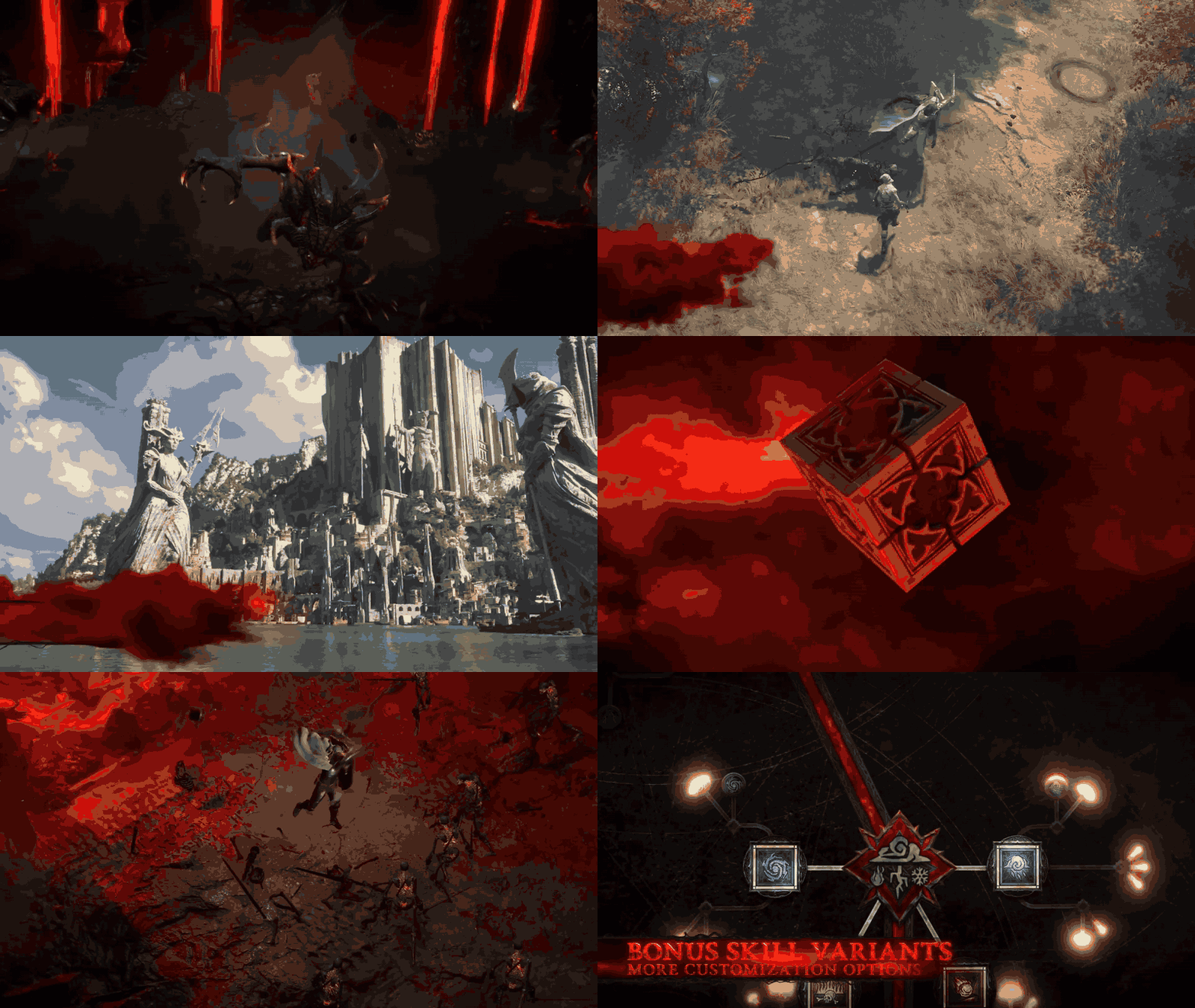
The skill tree itself reflects this split: one branch of upgrades is for daytime witchcraft, another for nocturnal vampiric powers, and a third hybrid branch for Coen’s swordsmanship. This clear division is foreshadowed in the prologue – after Coen becomes a Dawnwalker, the gameplay immediately begins to alternate between daylight human challenges and nighttime vampire encounters, setting up two distinct ways to solve every problem.
How Time Pressure Begins in The Blood of Dawnwalker Story
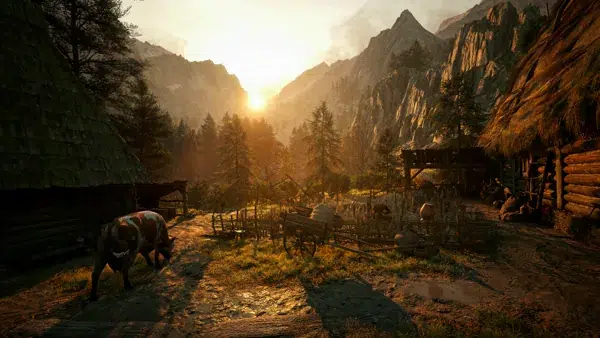
Time is introduced as a constant threat in the opening. As soon as Coen’s family is taken, the game establishes the 30-day countdown. The PlayStation preview explicitly states “Coen only has 30 days and nights to save his kin,” and shows that each major action (completing quests, learning skills or choosing certain dialogues) advances the in-game clock. The official site emphasizes this mechanic: “every time you take on a quest, time moves forward,” underscoring that the family’s fate is literally ticking away.
In practice, the prologue and first missions demonstrate how wasting time can be deadly: characters left unhelped are dead by nightfall. Players quickly learn that nothing in Dawnwalker is free – even exploration is weighed against the looming deadline. This early introduction of a relentless 30-day limit and quest-based time segments sets up the constant tension that will drive the entire game.
Pixelhair and The View Keeper: Symbolism in Early Game Design
Neither Pixelhair nor The View Keeper is mentioned in any official preview or interview about The Blood of Dawnwalker. These terms do not appear to be characters, places or symbols in the game’s world. They are likely names of development tools or third-party assets unrelated to the story. We found no references in the developer materials or gaming press linking “Pixelhair” or “View Keeper” to Dawnwalker’s narrative. In short, no hidden meaning for those terms has been documented – they seem outside the scope of the game itself.
Hidden Lore Clues in The Blood of Dawnwalker Opening Sequence
No source we found highlights any secret or cryptic messages embedded in the prologue scenes. The released demos and previews focus on the main story events (the plague, Luna’s fate, Coen’s curse, etc.) without mentioning easter-egg lore. One PlayStation Blog article notes that Dawnwalker draws from Slavic myths and medieval history for its monsters and themes, but it doesn’t decode any hidden clues. Any “hidden lore” in the opening (like graffiti on walls or mysterious NPC dialogue) would be fan speculation at this point. To date, the prologue serves primarily to introduce characters and establish the dire situation, rather than to hide puzzles for eagle-eyed players.
How the Prologue Sets Up the 30-Day Narrative System
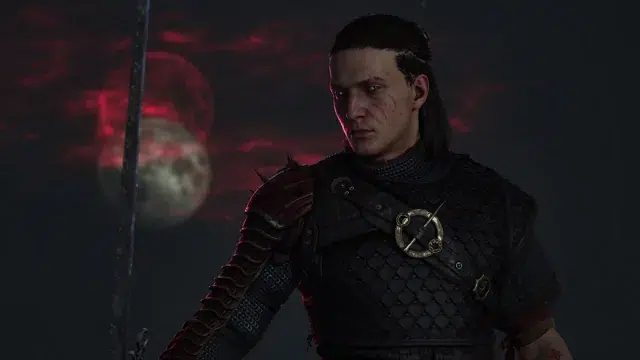
By the end of the prologue, the 30-day system is firmly established as the backbone of the story. After Coen’s family is kidnapped, the game makes it clear that he has only 30 days (comprised of day/night segments) to reach the vampire lord’s castle and save them. This deadline is not just thematic – it’s mechanically enforced. A visible hourglass appears when you take on quests, showing how many time segments each will consume, and the world narration repeatedly warns that “your family’s days are numbered”.
Only plot-related activities advance the clock, meaning any side ventures or help you seek comes at the expense of precious time. The prologue missions demonstrate this directly: Coen’s choices in those first 30 days determine who lives or dies. In short, everything introduced in the opening – the missing relatives, urgent quests and decisions – is driven by the ever-ticking clock, making the 30-day limit an immediate, tangible factor in the player’s decisions.
Why The Blood of Dawnwalker’s Start Feels Like a Horror RPG Experience
The tone of Dawnwalker’s prologue is unmistakably horror-tinged. The PlayStation preview even emphasizes the “brutal 14th-century Europe” setting. Players witness plague victims being executed, vampires emerging from the shadows, and civilians forced into blood offerings – scenes more akin to a gothic horror film than a typical high-fantasy RPG. The visuals and atmosphere reinforce this feeling: dim candlelit interiors, unsettling screams, and menacing undead lieutenants.
Coen’s transformation itself is horrific – Brencis attempts to drain him of blood, only to have his silver-laced blood burn the vampire, resulting in a violent struggle where Coen is pinned and helpless. Even the game mechanics contribute: if Coen’s blood hunger is left to starve, grotesque black tendrils appear around his mouth and the only dialogue option is an uncontrollable attack. All of these elements – plague, graphic violence, supernatural dread and loss of control – give The Blood of Dawnwalker a distinctly horror RPG vibe right from the start, making its opening far darker and more frightening than most genre peers.— ×4
Frequently Asked Questions
- What is The Blood of Dawnwalker and when does it release?
The Blood of Dawnwalker is an upcoming open-world vampire-themed action RPG (single-player) by Rebel Wolves. It’s set in medieval Europe (the fictional Vale Sangora) and was announced for release on September 3, 2026. - Who is Coen and what is a “Dawnwalker”?
Coen is the game’s protagonist. He was born with silver in his blood, so after being attacked by vampires he becomes a Dawnwalker – a hybrid of man and vampire. Practically, this means Coen remains human during the day and gains vampire powers at night. - What is Coen’s main quest?
The overarching goal is to reach the vampire king’s castle and save Coen’s kidnapped family. He has a strict deadline of 30 in-game days to do this. - How does the day-night cycle work?
Each day has two phases: daytime and nighttime. In daylight Coen uses swordplay and Witchcraft magic, interacting openly with NPCs. At night he becomes a vampire: he can climb walls, Shadowstep to far locations, and bite enemies for health. Certain quests or dialogue options may only appear in one phase or the other. There are 8 “time segments” per day and 8 per night, with actions spending one segment each. - What kind of choices can I make in the prologue?
The prologue offers multiple missions with real stakes. For example, you can choose whether to gather herbs to heal Coen’s mother or to help a villager in trouble; Coen can also rescue a missing man or search for a villager’s lost pig. None of these choices are explicitly labeled as “main” or “side” quests – the game lets you pursue any or all, with each outcome affecting who lives or dies later. - Can I ignore quests or kill NPCs without breaking the game?
Yes. Developers emphasize complete freedom: you can fail or skip side quests, ignore NPC pleas, or even kill almost any NPC and still finish the game. The world will adapt to these choices. (Note: killing key characters can remove their quests, but the game is designed to remain completable in many different ways.) - What happens if Coen’s blood hunger meter runs out?
If Coen’s blood-meter becomes empty, he involuntarily goes berserk: every dialogue prompt turns into an uncontrollable “Give in to the hunger” action, forcing Coen to attack the next nearby character. This can result in Coen murdering an important NPC without warning, abruptly ending their questline. - What is the “pig quest” in the prologue?
It’s a side quest where Coen tracks a villager’s missing pig. Returning the pig to its owner reveals the farmer’s intent to kill it. You can then join in to kill the pig, refuse and leave, or buy the pig to save it (if you have enough money). Each choice has its own moral and resource consequences. - How long is the game?
Despite the 30-day limit, the game is quite large. Developers say a complete playthrough runs around 50–70 hours, depending on how much you explore and what difficulty you play. The 30-day clock encourages multiple playstyles (speedrunning to the end vs. thorough exploration) without making the game too short. - Is running out of time a “game over”?
No. Players can complete most of the game before time expires. The designers have confirmed that if Coen does not meet the deadline, the story simply continues with consequences (for instance, certain endings or events might change). The game does not abruptly end at day 30 – instead, it reflects the outcome of your choices in the remaining narrative.
Conclusion
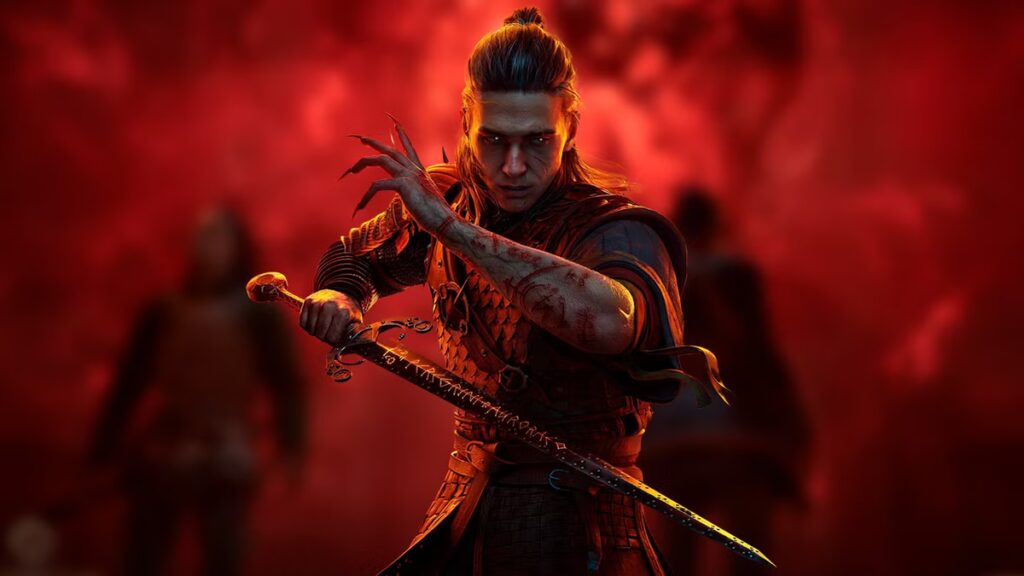
The Blood of Dawnwalker’s prologue makes it clear this is no ordinary RPG beginning. The developer-backed previews show a dark, choice-driven start that immerses players in an unforgiving world from minute one. Through the sources above, we see how its gloomy 14th-century setting, vampire mythology, and intertwined quest mechanics break with genre conventions.
The early missions force harrowing moral decisions, introduce a relentless time limit, and split gameplay between human and vampire forms, creating a feeling that borders on horror. All evidence suggests Dawnwalker will expand this grim setup into a sprawling narrative saga. By letting players shape Coen’s fate (for better or worse), the game promises an RPG experience defined not by hand-holding, but by the dark twists you choose to take in its brutal opening hours.
Sources and Citations
- Rebel Wolves official site – Blood of Dawnwalker (gameplay & story overview)
https://www.rebel-wolves.com/ - PC Gamer (April 28, 2026), “The Blood of Dawnwalker lets you complete areas in any order…”
https://www.pcgamer.com/the-blood-of-dawnwalker-lets-you-complete-areas-in-any-order/ - PlayStation Blog (April 28, 2026), “Choices and consequences in The Blood of Dawnwalker, out September 3”
https://blog.playstation.com/2026/04/28/choices-and-consequences-in-the-blood-of-dawnwalker-out-september-3/ - Game Informer (April 28, 2026), “Blood of Dawnwalker Preview – A Choice-And-Consequence Playground”
https://www.gameinformer.com/preview/2026/04/28/blood-of-dawnwalker-preview-a-choice-and-consequence-playground - Wikipedia: The Blood of Dawnwalker (2026 video game)
https://en.wikipedia.org/wiki/The_Blood_of_Dawnwalker
Recommended
- Every Viltrumite In Invincible Explained: Complete Character Guide to the Viltrumite Empire
- The Expanse: Osiris Reborn — Everything We Know So Far
- All characters and color variations in Mario Tennis Fever: Full roster, unlocks, and alternate colors
- Creating 90’s Anime Style in Blender: A Comprehensive Guide to Achieving Retro 2D Aesthetics with Modern 3D Tools
- Atmospheric platformer Origament: A Paper Adventure has just launched on Steam
- 9 Months Away From GTA 6’s November Release, Retailer Cheekily Promises Free Copies to Anyone Who Gives Birth on Launch Day (Komplett, Norway)
- Halfbrick cuts 41 jobs: what happened at the Fruit Ninja and Jetpack Joyride studio (March 2026)
- 28 Days Later Is Getting a 4K Blu ray Even Though It Wasn’t Built For It: Release Date, Dolby Vision, and What to Expect
- Mortal Kombat Actor on Street Fighter Rivalry: Lewis Tan Reacts to Andrew Schulz’s Game Awards Jab
- How to Import Metahuman into Unreal Engine 5: Step-by-Step Guide for Beginners and Artists