








In This Article (9 sections)
The Lost Wild Gameplay Trailer Breakdown, First Impressions, and 2027 Release Window Explained
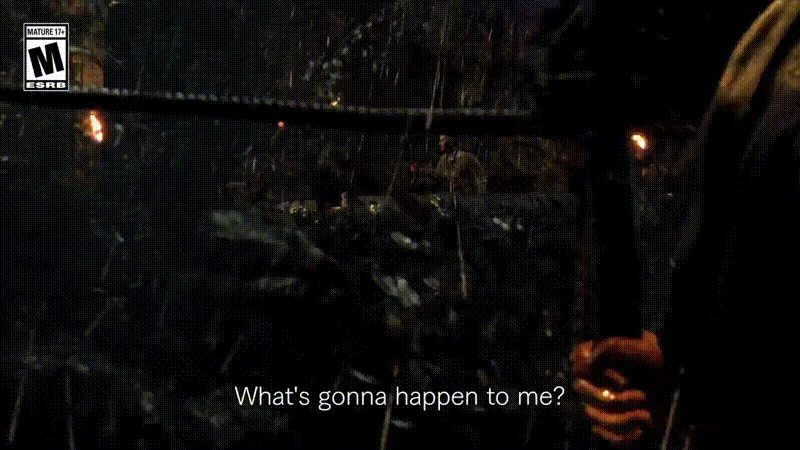
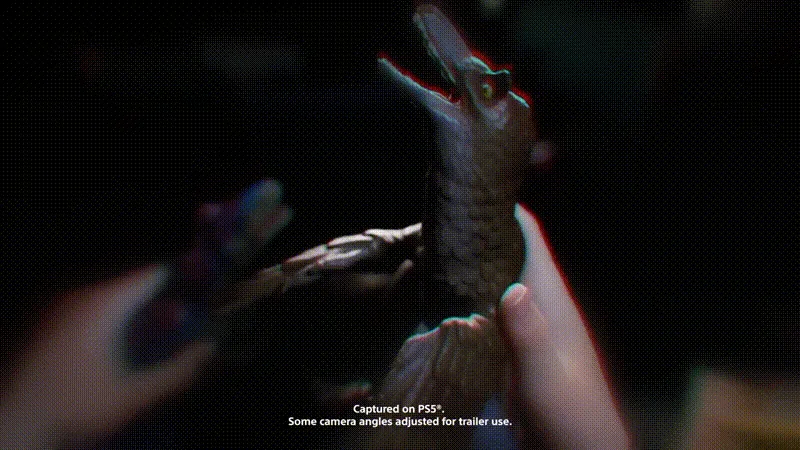
The official gameplay trailer for The Lost Wild immediately establishes it as a high-tension survival horror experience built around primal fear and environmental storytelling. Developed by Great Ape Games in collaboration with Annapurna Interactive, the game emphasizes realism, isolation, and predator, prey dynamics rather than traditional action-heavy dinosaur combat. From the opening moments, the trailer presents dense jungle environments, abandoned facilities, and a consistently oppressive atmosphere shaped by sound design and limited visibility.
Unlike typical dinosaur-focused games, The Lost Wild positions the player as a vulnerable intruder in a world dominated by apex predators. This design choice reinforces a core philosophy where survival is not about fighting back, but about observing, understanding, and evading intelligent threats. The pacing of the trailer reflects this approach, using slow buildup followed by sudden bursts of tension during dinosaur encounters. This contrast strengthens its survival horror identity and draws clear inspiration from cinematic suspense rather than arcade-style gameplay loops.
The expected release window for The Lost Wild is currently set around 2027, although this remains subject to development progress. The game is being developed for modern hardware with a primary focus on PlayStation 5 and PC platforms. This extended timeline reflects the ambition of the project, particularly in the complexity of its dinosaur AI systems and environmental interaction mechanics, both of which require extensive refinement to achieve believable creature behavior and dynamic survival encounters.
On PS5, the game is expected to utilize advanced lighting systems, fast loading architecture, and immersive audio processing to enhance tension and realism. On PC, scalable graphical settings are expected to enable higher fidelity jungle environments, denser foliage, and improved draw distances, all of which play a crucial role in maintaining immersion within a survival horror setting.
The Lost Wild Story Overview, Gameplay Systems, AI Design, and Survival Horror Identity Explained
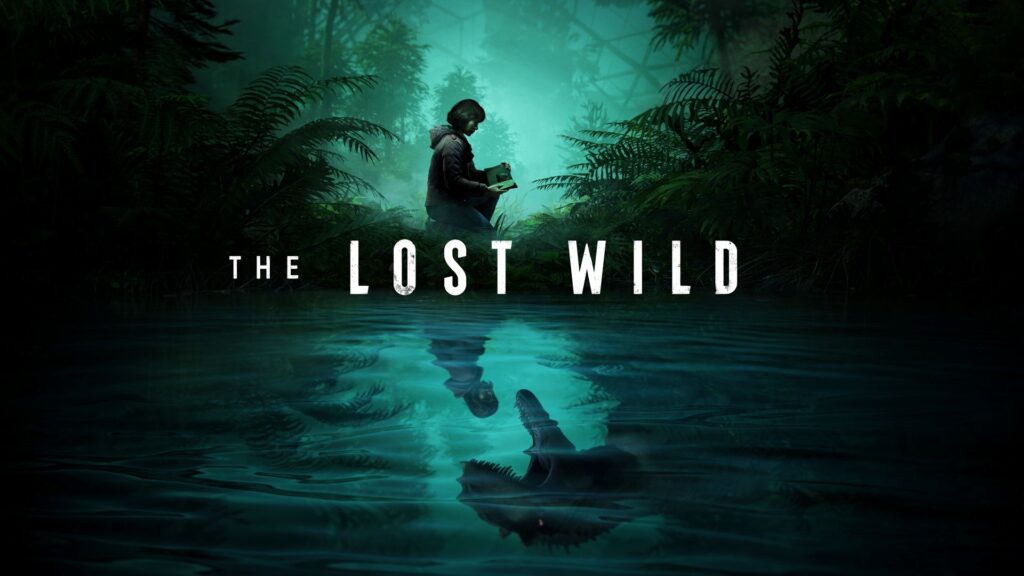
The Lost Wild centers on a mysterious remote island facility that has been abandoned following a catastrophic breakdown in containment systems. The player is dropped into a world where prehistoric creatures have reclaimed dominance over human infrastructure, turning once-controlled research zones into dangerous, overgrown ruins. At the heart of the narrative is the mystery of what caused the collapse of the operation and why dinosaurs now roam freely across the island.
The story is primarily delivered through environmental storytelling rather than direct exposition. Players uncover fragments of the past through scattered audio logs, broken containment systems, flickering monitors, and visual cues embedded in the environment. The protagonist, Saskia, serves as the central perspective character, navigating these ruins while attempting to survive and piece together the truth behind the facility’s downfall. The narrative blends corporate experimentation themes with ecological horror, implying that human interference in prehistoric genetics has resulted in irreversible consequences.
Gameplay is heavily focused on stealth survival mechanics where direct confrontation is rarely an option. Players must rely on crouching, hiding, slow movement, and careful navigation through terrain and vegetation. Dinosaurs respond dynamically to noise, movement, and environmental disturbances, creating emergent gameplay scenarios where even small mistakes can trigger dangerous encounters. Resources are intentionally scarce, encouraging players to prioritize timing, observation, and behavioral prediction over combat efficiency, reinforcing a constant sense of vulnerability.
A defining feature of the game is its realistic dinosaur AI, which functions as a system of autonomous predators rather than scripted enemies. Each dinosaur can track movement patterns, respond to sound cues, and exhibit territorial behavior depending on environmental conditions. Some species patrol areas in structured ways, while others behave unpredictably and aggressively. This system creates organic encounters that feel unscripted, with each species possessing unique behavioral patterns that enhance variety and replayability across encounters.
The survival horror identity of The Lost Wild draws inspiration from franchises like Resident Evil and Alien: Isolation, but it distinguishes itself through its naturalistic approach to threats. Unlike Resident Evil, which often emphasizes structured combat and resource-driven empowerment, The Lost Wild removes most opportunities for direct confrontation. While Alien: Isolation focuses on a single adaptive predator, this game expands the concept by introducing multiple dinosaur species with different intelligence systems and behaviors.
This creates a psychological horror experience driven by environmental unpredictability. Players must constantly reassess safety, as areas that were once secure can become dangerous due to roaming predators. The result is a hybrid survival horror design that emphasizes immersion, fear of the unknown, and ecological unpredictability as core gameplay pillars.

The Lost Wild Map Design, Environmental Storytelling, Trailer Details, and Island Setting Explained
The game is set on a remote jungle island that once housed advanced paleobiological research facilities. These structures now lie in ruins, partially reclaimed by nature, with vegetation overtaking industrial machinery and collapsing infrastructure. The island itself is designed as a semi-open environment, allowing players to explore interconnected regions that include dense jungle zones, underground laboratories, and coastal industrial remnants.
Each area presents unique environmental challenges and threats, with geography playing a key role in the island’s mystery. Elevated terrain, hidden valleys, and restricted research zones suggest that experiments were conducted in isolated sectors to control risk exposure. The abandoned facilities show signs of a sudden evacuation, with personal belongings left behind and systems still partially active, reinforcing the idea of a rapid and catastrophic containment failure.
Trailer analysis reveals additional layers of environmental storytelling. Research stations contain broken containment units, flickering monitors, and scattered documentation that hint at failed experiments. The jungle appears to be actively reclaiming human structures, with vines overtaking machinery and wildlife blending into industrial decay. These visual elements suggest that significant time has passed since the collapse, allowing nature to reclaim much of the facility.
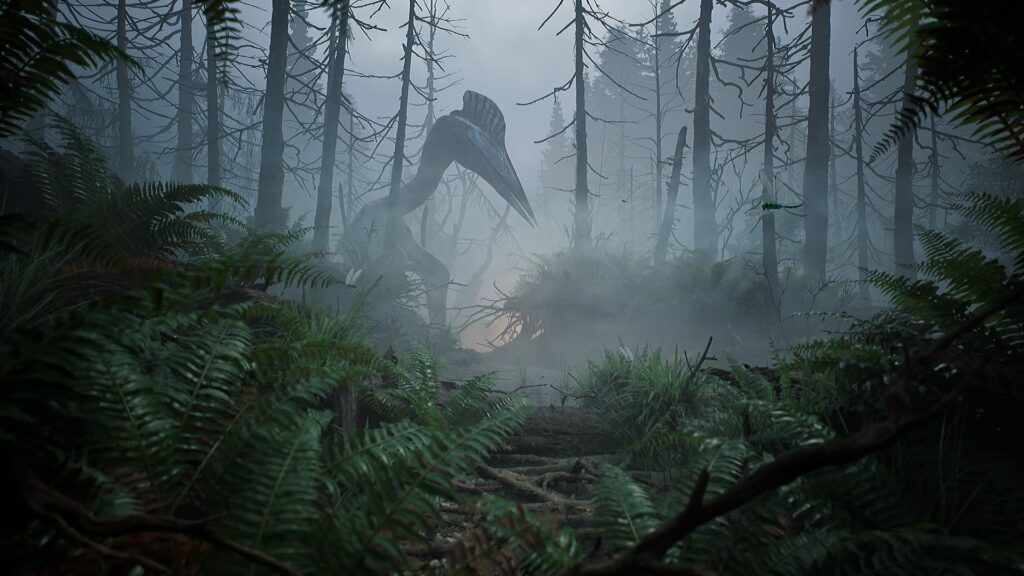
Audio design also plays a major role in establishing tension. Distant dinosaur roars, rustling vegetation, and structural creaks create a constant sense of unseen danger, indicating that survival depends not only on visibility but also on interpreting sound-based threats. Hidden details in the trailer further suggest that multiple dinosaur species coexist across overlapping territories, forming a layered ecosystem rather than isolated enemy encounters, which enhances the unpredictability and depth of the game’s world.
The Lost Wild Gameplay Overview: Survival Horror Design, Setting, and Core Mechanics
The Lost Wild presents a survival horror experience centered on a mysterious abandoned island facility where prehistoric creatures have reclaimed dominance after a catastrophic containment failure. The player controls Saskia, a grounded survival-focused protagonist, as she navigates ruined research stations, dense jungle environments, and partially collapsed industrial structures while uncovering the truth behind the island’s downfall. The story is delivered through environmental storytelling, scattered audio logs, and fragmented data rather than direct exposition, gradually revealing themes of corporate experimentation, ecological collapse, and failed genetic manipulation of prehistoric life.
At its core, gameplay is built around stealth survival rather than combat. Players must carefully manage movement, sound, and visibility while avoiding intelligent dinosaurs that behave as autonomous predators. Direct confrontation is discouraged, and survival depends on observation, timing, and understanding predator behavior. Resources are scarce, reinforcing a constant sense of vulnerability where even small mistakes can escalate into dangerous encounters.
The setting itself plays a major narrative role, with semi-open exploration across interconnected zones such as jungle regions, underground laboratories, and coastal ruins. These environments suggest a rapid evacuation following containment failure, with abandoned equipment, active systems, and overgrown structures reinforcing the idea of sudden collapse. Across the island, multiple dinosaur species coexist in overlapping territories, creating a layered ecosystem where danger is never isolated or predictable.

The Lost Wild Systems Breakdown: Stealth Mechanics, AI Dinosaurs, Tools, and Presentation Design
Stealth in The Lost Wild is built around environmental awareness and behavioral prediction, requiring players to manage noise, movement speed, and line of sight to avoid detection. Crouching through foliage, staying hidden in terrain, and using natural cover are essential tactics, while attention to wind direction and sound propagation further influences survival. Dinosaurs rely heavily on auditory and visual cues, meaning even small disturbances can trigger investigation or pursuit. Unlike traditional stealth systems, failure does not always lead to immediate death but instead escalates tension as multiple predators may converge over time, making patience and timing more important than speed.
Combat is intentionally limited, with players relying on non-lethal tools designed for distraction and escape rather than confrontation. Devices such as noise makers, flare-based deterrents, and diversion tools must be used strategically due to scarcity, reinforcing the idea that the player is a survivor within a hostile ecosystem rather than a hunter. This design aligns with the game’s broader survival philosophy, where resource management and decision-making are critical to progression.
A major defining feature is the dinosaur AI system, which emphasizes realistic and autonomous predator behavior. Each species exhibits distinct patterns, with some patrolling methodically while others behave aggressively or unpredictably depending on environmental conditions. Dinosaurs can track movement, respond to sound, and display territorial behavior, creating emergent encounters that feel unscripted and organic. This unpredictability ensures that no two encounters unfold in the same way.
From a presentation standpoint, the game uses highly atmospheric visual and cinematic techniques to reinforce tension. Dense foliage, layered environmental detail, and high visual ambiguity make it difficult to distinguish threats within the environment. Lighting systems such as fog diffusion, dappled sunlight, and shadow occlusion reduce clarity and increase psychological tension. The camera design further supports this approach by limiting wide visibility and using tighter framing, restricting player awareness and emphasizing uncertainty. Sound design plays a parallel role, with distant roars, environmental creaks, and rustling foliage reinforcing the constant presence of unseen threats.
Developed by Great Ape Games in collaboration with Annapurna Interactive, The Lost Wild is shaped by a shared focus on ecological simulation, narrative depth, and immersive survival design. Rather than relying on scripted action sequences, the experience is built around systemic interactions between player behavior and dinosaur AI, positioning the game as a cinematic ecological horror experience rather than a traditional action-survival title.

Frequently Asked Questions (FAQs)
- What makes The Lost Wild different from other dinosaur games?
Its emphasis on realistic, systemic dinosaur AI and survival horror tension sets it apart. Instead of action-focused combat, the game prioritizes stealth, vulnerability, and emergent predator encounters driven by environmental behavior. - What is The Lost Wild about?
It is a survival horror game set on a remote jungle island that has been abandoned after a catastrophic failure at a research facility. Dinosaurs now roam freely, and the player must survive while uncovering what caused the collapse through exploration and environmental storytelling. - Who developed The Lost Wild?
The game is developed by Great Ape Games and published in collaboration with Annapurna Interactive, a publisher known for narrative-driven and atmospheric titles. - What is the release date of The Lost Wild?
The game is currently expected to release around 2027, although the date is not final and may shift depending on development progress and optimization. - What platforms will The Lost Wild release on?
It is planned for PlayStation 5 and PC, with both platforms expected to support enhanced visuals and performance tailored to modern hardware. - Are there weapons in The Lost Wild?
Yes, but they are not traditional combat weapons. Instead, players rely on non-lethal tools such as distractions and deterrents designed to help them escape danger rather than fight dinosaurs directly. - Are dinosaurs aggressive in The Lost Wild?
Yes, dinosaurs act as intelligent predators with dynamic AI behavior. They respond to sound, movement, and environmental cues, and may display territorial or unpredictable behavior depending on the situation. - Is The Lost Wild an open-world game?
It features a semi-open world structure made up of interconnected areas, including jungle environments, abandoned facilities, and industrial remnants that can be explored in multiple directions. - What type of gameplay does it have?
The gameplay is focused on stealth-based survival horror, where avoiding detection, managing noise, and reading predator behavior are more important than combat or direct confrontation. - Who is the main character?
The protagonist is Saskia, a survivor navigating the island to uncover the truth behind the research collapse while trying to stay alive in a hostile prehistoric ecosystem.

Conclusion
The Lost Wild represents a modern evolution of survival horror by blending realistic dinosaur AI, environmental storytelling, and psychological tension into a cohesive experience. Rather than empowering the player with overwhelming firepower, it strips away control and replaces it with vulnerability, observation, and survival instinct. With its atmospheric jungle setting, complex ecosystem design, and cinematic presentation, the game positions itself as a standout entry in next-generation horror experiences.
Sources and Citations
- The Lost Wild official website
- https://www.thelostwild.com/
- The Lost Wild official Steam page
- https://store.steampowered.com/app/1952620/The_Lost_Wild/
- Annapurna Interactive official page for The Lost Wild
- https://annapurnainteractive.com/en/games/the-lost-wild
- Great Ape Games official website
- https://www.greatapegames.com/
- The Lost Wild official gameplay trailer on IGN
- https://www.ign.com/videos/the-lost-wild-official-gameplay-trailer
- Annapurna Interactive YouTube channel — official trailer/search page
- https://www.youtube.com/@AnnapurnaInteractive/search?query=The%20Lost%20Wild
- Gematsu announcement coverage — dinosaur survival horror game The Lost Wild announced for PC
- https://www.gematsu.com/2022/07/dinosaur-survival-horror-game-the-lost-wild-announced-for-pc
- The Lost Wild Steam community updates and announcements
- https://steamcommunity.com/app/1952620/allnews/
- The Lost Wild on IGDB
- https://www.igdb.com/games/the-lost-wild
- The Lost Wild on MobyGames
- https://www.mobygames.com/game/the-lost-wild
- Annapurna Interactive official website
- https://annapurnainteractive.com/
- Great Ape Games official X/Twitter account
- https://x.com/GreatApeGames
- The Lost Wild official X/Twitter account
- https://x.com/TheLostWild
Recommendations
- Disney and Make-A-Wish “Wishes Assemble” at Disneyland: MrBeast, Dude Perfect, Clix, Mark Rober, and More Surprise Wish Kids
- AION 2 Is Going Global Later This Year: Release Details, Features, Platforms & What Players Should Expect
- Brazil ’70: the Third Star Official Trailer Breakdown & Everything We Know
- Final Fantasy 14 8.0 Update Won’t Be Another “Rebirth” Like A Realm Reborn, Yoshi-P Says
- Sony Adds Nearly All of Destiny 2 to PS Plus Game Catalogue on Same Day as Final Update: What it Means for Players and Bungie’s Future
- Hunter X Hunter Return Date Confirmed for New Chapters
- How to Use Clothes for MetaHuman in Animation: Best Tools, Techniques, and Workflows in Unreal Engine 5
- Metal Gear Solid Movie Faces New Competition as StudioCanal Officially Announces an Escape from New York Remake
- Skin Texturing in Substance Painter: How to Create Realistic Digital Skin Step by Step
- Starfield’s PS5 Release Is Coming Very Soon: Leak Points to April 7, 2026 Launch, Pre-Orders, Price & Editions



































































































