









In This Article (8 sections)
Tomodachi Life: Living the Dream Hunger Mechanics and Food Categories
The food and drink system described for Tomodachi Life: Living the Dream connects feeding with Mii happiness, relationship growth, personality reactions and progression. Its three main components are hunger fulfilment, preference matching and the strength of the resulting emotional response. Hunger operates on a hidden timer rather than a visible meter, with Miis periodically entering a “ready to eat” state when feeding becomes most rewarding.
Feeding at maximum hunger provides the strongest reaction bonuses, while overfeeding slightly reduces enthusiasm without directly lowering happiness. Each item is evaluated against the Mii’s preferences, producing responses ranging from neutral satisfaction to excitement, disgust or rejection. Well-fed Miis are also more likely to start conversations, give gifts, request assistance and participate in relationship events. Food categories provide another layer to these decisions by grouping items that influence availability and reaction patterns:
- Comfort foods: Rice dishes, noodles and soups.
- Western meals: Burgers, fries and sandwiches.
- Asian cuisine: Sushi, ramen and dumplings.
- Desserts: Cakes, ice cream and pastries.
- Snacks: Chips, crackers and other light bites.
- Exotic foods: Rare unlockable dishes and event-based meals.
- Healthy foods: Salads, fruit bowls and low-calorie meals.
Personality and regional influences are described as contributing to category preferences without determining every reaction. Energetic Miis tend towards snacks and fast food, while calmer personalities favour comfort foods and soups. Regional tendencies associate Asian-inspired Miis with rice and noodles, Western-style Miis with sandwiches and burgers, and island-themed Miis with fruit-based meals. These are presented as soft influences rather than strict rules, allowing individual preferences to extend beyond those associations. Regional variation also affects food availability, creating a wider range of possible meals and feeding experiences. Familiarity with a category can improve acceptance over time, although repeatedly relying on the same food type may eventually reduce its effectiveness through preference fatigue.
How Mii Preferences, Favorite Foods and Dislikes Develop
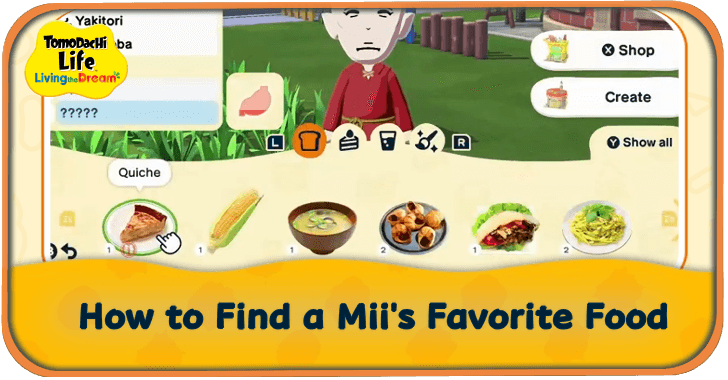
Each Mii’s hidden preference system distinguishes between favorite, neutral, disliked and hated foods. These preferences are described as changing through repeated exposure, mood during feeding, social influence from other Miis and occasional random taste shifts. Individual foods also carry hidden “taste tags” involving sweetness, salt intensity, texture, cultural familiarity and comfort ratings.
Those attributes help explain why two items from the same category can produce different responses, such as desserts with different sweetness levels. A favorite meal is discovered when an item reaches a hidden threshold of positive interactions, after which serving it provides stronger happiness gains. Repeated enthusiastic reactions are also associated with a greater chance of an item becoming the Mii’s all-time favorite. The suggested discovery approach is to rotate three to five categories, prioritise foods that produce strong reactions, feed during high-mood periods and avoid repeatedly offering disliked items early.
Serving a Mii their worst food can produce disgust animations, reduced happiness, temporary social withdrawal and fewer interactions. These consequences make it important to distinguish an established dislike from a less enthusiastic response caused by timing or repetitive feeding. The described adaptation mechanic allows repeated exposure to soften some dislikes gradually, potentially helping a Mii acquire a taste for an item. However, that possibility does not remove the immediate negative effects of serving something they hate.
A Mii may also occasionally react neutrally because of random tolerance variation rather than a lasting preference change. Consistent responses therefore provide a clearer basis for feeding decisions than a single unexpected reaction. The aim is to identify dependable favorites while retaining enough variety to explore changing preferences without repeatedly provoking avoidable negative outcomes.
Best Foods and Drinks for Happiness and Faster Mii Leveling
Ramen bowls, cheeseburgers, sushi platters, chocolate cake and ice cream sundaes are identified as high-impact foods because of their experience and happiness rewards. They are associated with stronger reaction animations and a greater likelihood of favorite-food discoveries. The suggested leveling strategy uses these foods during low-happiness periods and combines feeding with positive mood events.
Favorite discovery, by contrast, emphasises offering promising items during high-mood periods, so the timing advice serves different objectives. Established favorites should remain a priority when the goal is reliable happiness growth, but category rotation helps prevent excessive repetition. Returning to the same food type too frequently is described as producing diminishing returns through preference fatigue. A balanced routine therefore considers the Mii’s hunger, current mood and previous reactions rather than simply serving high-value items as often as possible.
Drinks support this routine by influencing mood more strongly than hunger, with a generally smaller emotional impact than solid food. The available types include soft drinks, tea variations, juice blends, coffee-based beverages and energy-style drinks. Their described effects include greater mood stability, quicker recovery from negative reactions and improved post-meal satisfaction. Some also trigger refresh animations that provide distinctive feedback during feeding.
Pairing drinks with preferred meals can improve overall happiness gains across repeated sessions, making them useful additions rather than substitutes for food selection. The broader strategy is to alternate categories, use complementary drinks, take advantage of positive mood windows and avoid repeatedly serving disliked items. Maintaining variety while returning to proven favorites is presented as more effective than aggressive feeding without regard for timing or response.
Food Mart Unlocks and Special Food Requests
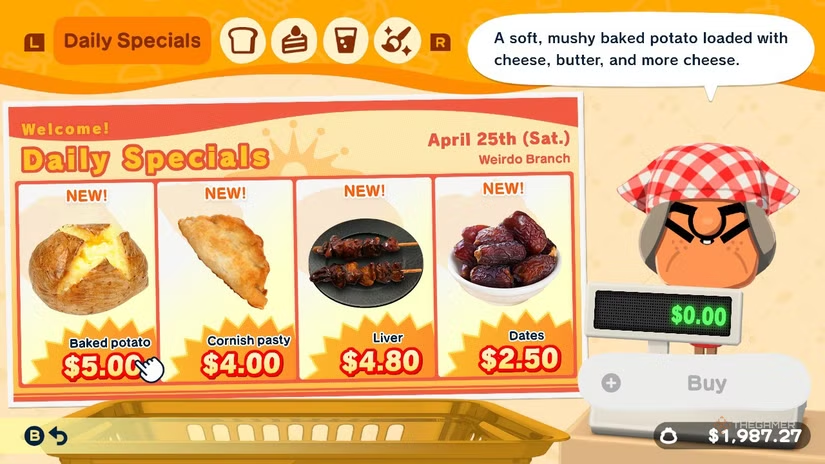
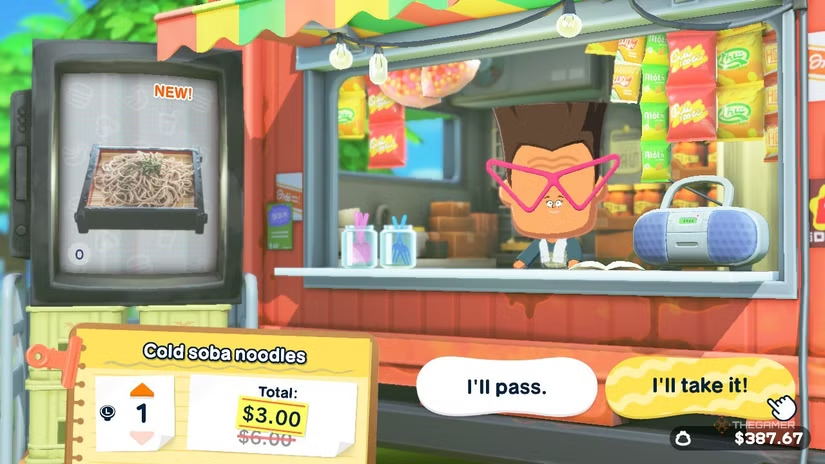
The Food Mart is the main source for expanding a food inventory, using rotating stock to encourage regular visits. Its described mechanics include daily inventory changes, random unlocks, purchase-based expansion and conditions that trigger rare item appearances. Checking the selection each day helps players identify new foods and limited opportunities before the stock changes again. Buying in bulk where possible can maintain supplies, while purchasing across several categories creates more options for exploring individual tastes. Rare foods are worth prioritising when they appear because they add choices that may not remain readily available. A broader inventory increases opportunities to discover favorite meals and reduces dependence on repeatedly serving the same small selection.
Special food requests give players another reason to keep a varied range of items available. Miis may ask for particular foods in connection with emotional needs or relationship events, and these requests are described as time-sensitive. Fulfilling them can offer higher happiness rewards, influence relationship progression and occasionally unlock rare reactions. Responding promptly is also associated with stronger emotional bonds and more frequent interactions between Miis. Ignoring a request may temporarily reduce motivation, making it different from an ordinary opportunity to offer a meal. Combining responsive request fulfilment with regular Food Mart visits, varied feeding and attention to established favorites creates a routine that supports both immediate happiness and longer-term progression.
Frequently Asked Questions (FAQs)
- What is the Best Food in Tomodachi Life: Living the Dream?
Ramen, sushi and desserts are highlighted as strong choices for happiness gains, but the best option depends on the individual Mii’s preferences. A discovered favorite is more reliable than assuming one meal works equally well for everyone. Hunger and mood also influence how rewarding a feeding session becomes. For leveling, the suggested strategy combines high-value foods with positive mood events. Rotate other categories into the routine to maintain variety rather than repeatedly serving the same item until its effectiveness declines. - Can Miis Change Their Food Preferences?
Miis’ preferences are described as changing through repeated exposure and the emotional context of feeding. A food that initially receives a poor response may gradually become more acceptable. Social influence and occasional taste shifts are also part of the described system. However, one neutral reaction does not necessarily mean a dislike has disappeared. Compare responses over several feeding sessions and continue offering variety rather than assuming that a single unexpected response represents a permanent preference change. - Do Drinks Matter as Much as Food?
Drinks play a supporting role rather than replacing regular meals. Their main effects involve mood stability, recovery after negative reactions and post-meal satisfaction. Solid foods remain the stronger focus for hunger and progression in the described system. Pairing a suitable drink with a preferred meal can complement its happiness benefits and trigger distinctive refresh animations. Use drinks alongside a varied feeding routine rather than relying on them to compensate for repeatedly serving foods the Mii dislikes. - How Do I Find a Mii’s Favorite Food?
Offer foods from several categories and observe which items consistently produce enthusiastic reactions. The suggested approach is to rotate three to five categories rather than repeatedly testing one type of meal. High-mood periods are recommended for exploring promising choices and encouraging positive responses. Return to well-received foods to see whether that enthusiasm continues across multiple feeding sessions. Repeated strong reactions are described as helping identify an emerging favorite, while one successful meal provides less certainty about a lasting preference. - What Happens If a Mii Hates a Food?
A hated food can trigger disgust animations and temporarily reduce happiness. The described effects also include social withdrawal and fewer interactions with other Miis. These consequences make repeatedly serving a known worst food less useful than choosing an established favorite or another well-received option. Gradual adaptation may soften some dislikes, but it does not remove the immediate risk of a negative response. An occasional neutral reaction should therefore be treated cautiously rather than as proof that the food is now liked. - Are Rare Foods More Effective?
Rare foods are described as potentially producing stronger emotional reactions, but that does not make them better for every Mii. Individual preferences still determine whether a particular dish is welcomed or disliked. Their limited availability makes them worth considering when they appear in the Food Mart. Trying them can expand the selection of foods available for discovering favorites. Judge their usefulness by the Mii’s actual response rather than assuming rarity guarantees greater happiness than a familiar preferred meal. - How Often Does the Food Mart Update?
The Food Mart is described as rotating its inventory daily, giving players regular opportunities to find different items. Its selection also involves random appearances, unlocks and purchase-based expansion. Checking each day helps identify unfamiliar foods and rare items before the stock changes again. Buying across several categories creates more options for testing preferences and responding to requests. Where possible, keeping useful foods in supply also reduces dependence on whatever happens to appear during the next visit. - Can I Force a Mii to Like a Food?
You cannot make a Mii immediately enjoy something they dislike. Repeated exposure is described as potentially increasing tolerance, but greater acceptance is not necessarily the same as becoming a favorite. The Mii’s mood and the context of feeding may also influence individual responses. Repeatedly offering a hated item can still reduce happiness, so adaptation should not be treated as a guaranteed shortcut. Revisit questionable foods cautiously while maintaining a varied selection of meals that already receive positive reactions. - Do Regional Differences Affect Gameplay?
The described system treats regional influences as tendencies rather than fixed preferences. They can affect which cuisines a Mii is more likely to accept, while regional variation also influences food availability. Individual reactions can still differ from those general patterns. A Mii may enjoy dishes outside the cuisine associated with their background or respond poorly to an expected match. Use observed feeding reactions to guide your choices rather than treating regional associations as strict rules. - What is the Fastest Way to Increase Happiness?
Prioritise discovered favorites, rotate food categories and pair preferred meals with complementary drinks. Feed when the Mii is ready to eat so that reduced enthusiasm from overfeeding does not undermine the routine. Positive mood periods and prompt responses to special food requests can also support stronger rewards. Avoid repeatedly offering disliked foods or depending on one meal until its effectiveness declines. The suggested approach combines preference matching, variety and timing rather than simply feeding as frequently as possible.
Conclusion
The food and drinks system in Tomodachi Life: Living The Dream is a deeply layered mechanic that blends emotional simulation, preference evolution, and strategic feeding cycles. Understanding hidden attributes, category effects, and timing-based mechanics allows players to maximize happiness, unlock favorites faster, and improve overall Mii relationships. Systems like PixelHair styling and the View Keeper tracking method further enhance optimization and personalization, making food interaction one of the most impactful gameplay pillars.
Sources and Citations
- Tomodachi Life (Wikipedia)
https://en.wikipedia.org/wiki/Tomodachi_Life - Tomodachi Life Foods: Preference Guide and Item List (Tomodachi Life Wiki)
- https://www.tomodachilife.wiki/guide/tomodachi-life-foods
- Food System Overview (Tomodachi Life Fandom Wiki)
- https://tomodachi.fandom.com/wiki/Food
- Tomodachi Life Food Guide (French Wiki: Regional Mechanics & Item Types)
- https://www.tomodachilife.wiki/fr/guide/tomodachi-life-foods
- Player Observations on Food Preference Systems (Community Discussion)
- https://www.reddit.com/r/TomodachilifeLivingTD/comments/1te36qg/is_there_any_sort_of_logic_behind_food/
Recommended
- Some Stores Are Warning There Might Not Be Enough Consoles for Everyone Who Wants to Play GTA 6 this Year
- How to Make a 3D VTuber Avatar: The Complete Guide for Beginners and Content Creators
- Great Deku Tree Walkthrough in Zelda Ocarina of Time
- From Concept Art to UE5: The Complete Environment and Game Art Pipeline Explained
- Silent Hill: Townfall Continues to Revitalize the Series in New, Horrifying Ways, Everything We Know so Far
- How to Create Hair Cards in Blender for Game-Ready Characters: Complete Workflow Guide
- Netflix Reveals Real Dog Playing Scooby-Doo in ‘Scooby-Doo: Origins’ – First Look at the Live Action Puppy Goes Viral
- Former Nintendo Veteran Says Link Speaking in The Legend of Zelda Movie Could Ruin the Series’ Magic
- Callipeg 2D Animation App Update: Guide Layers, Clipping Masks, and More
- EVE Online Studio Goes Indie in “New Era” Rebrand: Fenris Creations, Google DeepMind AI Partnership, and What It Means for EVE Online
- Silent Hill: Townfall Reveals English Cast, New Monsters and CRTV Static
- The Game Awards 2026 Sets December Premiere Date: December 10, 2026 at Peacock Theater in Los Angeles
- Phasmophobia Version 1.0 Delay Explained



































































































