








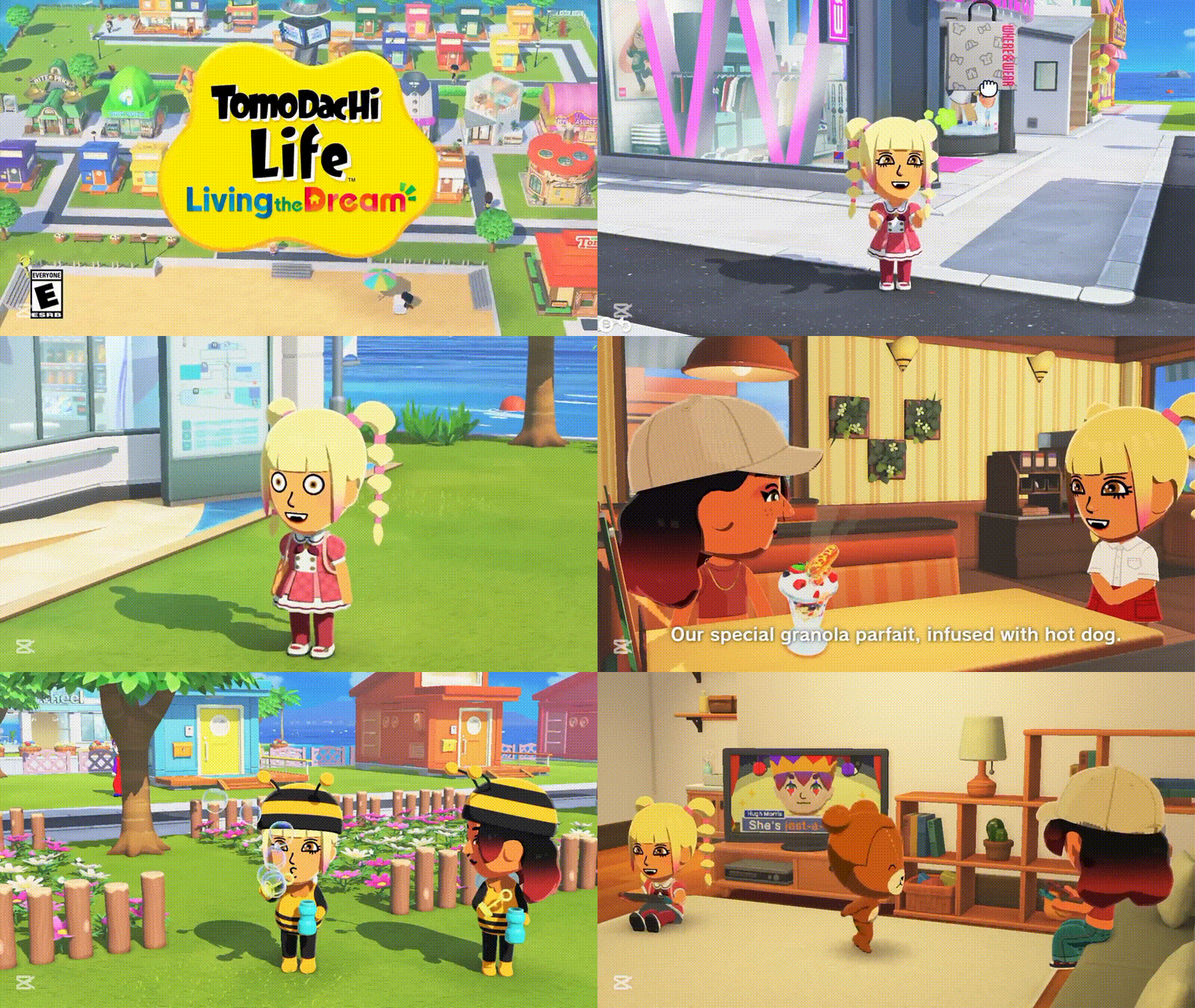
Nintendo’s new Tomodachi Life: Living The Dream shocked players by removing all profanity filters, allowing Miis to say anything locally. As one analysis puts it, “it is a weird time for sex on the internet,” with both rampant deepfake porn and new ID-verification laws yet Tomodachi Life sits “at this curious intersection between permissiveness and restriction”. This game exposes modern gaming culture’s tension: players can use fully explicit language in private play, even as the broader internet is increasingly locked down on sexual content.
What the Latest Tomodachi Life Text Filtering Changes Reveal About Modern Gaming Culture
The removal of text filters in Tomodachi Life highlights how gaming culture now prizes player creativity and personal expression. In interviews, Nintendo developers emphasize giving players “more freedom to choose not only [a Mii’s] design, but also their dating preferences and gender”. With such open character customization, fans naturally expect similarly open-ended dialogue. Early coverage notes that Tomodachi Life’s lax filters have led to “humorous, surprising or unpredictable moments” in gameplay. In other words, the culture of gaming now celebrates private subversion of norms: players deliberately push a family-friendly game into absurd or edgy territory. The community response shows that many modern gamers enjoy testing boundaries for shock or humor, even as official policy elsewhere grows more conservative.
How Tomodachi Life’s Lax Word Filters Enable Unrestricted Player Expression
Fans quickly discovered that without any profanity filter, Tomodachi Life lets Miis say virtually anything. In the demo, one player-created screenshot has two characters innocently discussing a “rose toy.” Because the game has no profanity filter, bizarre or sexual terms are accepted. Players have reported Miis talking about “lesbian sex” or joking about “clapping your booty cheeks,” simply by typing those phrases. In short, the open filter system has enabled a flood of unrestricted, often risqué, player expression. Without censorship, the game effectively became a blank canvas for user humor: one player aptly described it as “writing boobs on a calculator,” reflecting how any word goes through as dialogue.
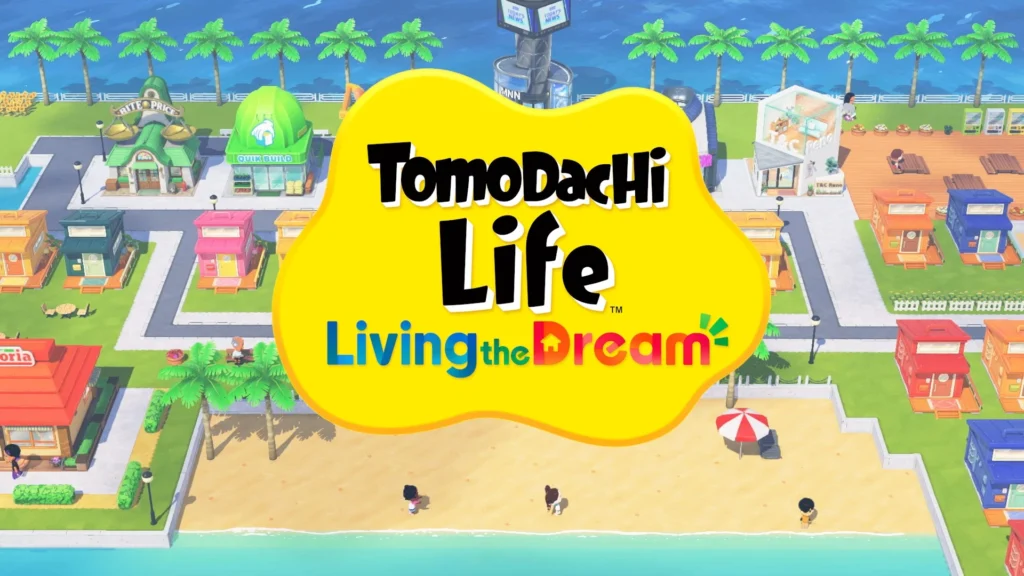
Why Nintendo’s Approach to Text Censorship Is Different in Tomodachi Life
Nintendo intentionally took a different tack: rather than censoring text, the company disabled online sharing and imposed limits on images. Official statements explain that Tomodachi Life is entirely offline, “no one else will see what you named things” unless you manually share screenshots. The developers even chose to allow childish bodily humor: they debated whether Miis should be able to “break wind,” and decided to include it as an optional quirk. At the same time, Nintendo says it “placed restrictions on certain image sharing features” to keep content safe. In practice, this means players enjoy total text freedom (and even fart jokes) within the game, while Nintendo shifts its censorship to disallow photo or video sharing.
This contrasts with Nintendo’s usual conservatism recall that the original Tomodachi Life initially banned same-sex Mii couples (labeling it “political”) yet here they rely on privacy, not word filters, to avoid controversy.
The Rise of Sexual Language in User-Generated Content Across Games
Tomodachi Life isn’t alone in seeing user communities inject sexual language into games. Even Nintendo’s shooter Splatoon famously had players secretly post explicit messages late at night, forcing Nintendo to disable sharing during those hours. Similarly, in the new Tomodachi Life players are reveling in bawdy innuendo. For example, one snapshot from the game shows Miis actually “grumbling about how kissing isn’t easy” a mild sexual remark allowed by the open chat. Online, posts describe Miis discussing lesbian sex or joking about anatomy, all enabled by the game’s uncensored text engine.
In short, sexual language is on the rise in user-generated gaming content: whether it’s a joke about a “boaty” adult topic or just an innocent line about kissing, players are using Tomodachi Life’s filter loophole to be as racy as they want.
How Online Platforms Restrict Sexual Content While Games Become More Permissive
This gaming trend clashes with broader online policy. Around the world, governments and platforms are tightening restrictions on sex online. For example, by 2025 half of U.S. states now require age verification for any adult content or social platform. In the U.K., Australia and parts of the U.S., new laws force porn and adult games behind ID gates. Digital storefronts like Steam even banned dozens of erotic indie games last year. Meanwhile, Nintendo’s move is permissive: the game is offline, so the usual internet rules don’t apply. Nintendo’s compromise is to ban image/video sharing instead of words.
In effect, talking about sex in private games is becoming easier even as public platforms crack down. This paradox shows how context matters: a home-console life sim can tolerate lewd jokes so long as they never need to be moderated online.

Tomodachi Life and the Debate Over Free Expression in Virtual Worlds
At root, Tomodachi Life forces us to ask how much freedom users should have in a virtual space. Nintendo’s stance is that anything said privately “stays within Tomodachi Life” unless the player spreads it.
Cultural critics note that private play can reclaim eroticism from surveillance: as Kate Wagner writes, the game’s “mostly private” structure lets people explore “what is funny, silly, or yes, even sexy” to them without outside intervention. In other words, when the digital world is cut off from the internet, players enjoy near-total self-expression. Of course, not everyone uses that freedom to talk about sex but the fact remains that within the island, no external force polices your words. Tomodachi Life has thus become a case study in free-speech debates: it illustrates the simple principle that people will say what they want if given private space, even in a Nintendo game.– ×2
Why Talking About Sex Online Is Both More Visible and More Restricted in 2026
This year’s climate is ironic: sex is more visible than ever (deepfake porn, erotic fanfic, meme culture) while also more legally restricted. As Gamespot notes, machine learning has made “deepfake pornography more common than ever,” and yet many nations passed ID laws for adult content.
On social media, sexual topics often get flagged or removed; by contrast, Tomodachi Life explicitly lets players discuss intimate topics offline. So talking about sex has simultaneously gone mainstream (you can hear almost any word via YouTube or AI chatbots) and become gated behind legal fences (half the US now blocks adult sites without verification). Tomodachi Life sits in the middle of this contradiction, it makes sexual talk more visible to its players just as the outside world tightens its reins.– ×1
The Contradiction Between Game Design Freedom and Platform Moderation Rules
Tomodachi Life highlights a direct clash between in-game freedom and platform policies. Nintendo deliberately removed the share features on Switch so it could allow open text chat. In effect, the console’s content rules (no sharing) created a loophole: the game can’t be moderated by Nintendo’s servers, so it doesn’t moderate the content. As one developer noted, if Tomodachi had an online multiplayer space, Nintendo would have to police it; but since “what happens in Tomodachi Life stays within Tomodachi Life,” they let the text fly.
This contradiction means players enjoy broad creative freedom (crafting adult jokes in a children’s game) only because the platform step was taken to keep that content offline. It shows how platform rules can indirectly enforce or relax censorship: here the Switch’s block on sharing freed up player speech, while elsewhere strict moderation would have silenced it.

How Players Exploit Looser Text Filters in Life Simulation Games
Players are naturally exploiting Tomodachi Life’s unlocked filters to the fullest. Community videos show Miis blithely talking about explicit topics from lesbian hookups to butt-patting with the same goofy tone as any normal dialogue. Because the in-game text-to-speech treats profanity no differently than silly phrases, the absurd juxtapositions make it funnier: for instance, one Mii philosophically remarks that “kissing isn’t easy” while seated at a table.
This mirror is similar to how fans of other life sims will push word limits. In short, with no censor in sight, players gleefully test the boundaries of what the game will repeat. The result is an internet full of memes and clips some gross, some hilarious all proving that given a blank slate, the community will fill it with whatever content it finds amusing.
The Role of Community Culture in Pushing Boundaries in Tomodachi Life
Not all players are pushing for shock value, but a vocal subculture certainly is. Online discussions among longtime fans quickly expressed relief that “they understood their fanbase” by omitting a filter. Many young players, however, just add family and friends to their island and play normally, a reminder that “the game is largely what players make of it”.
The boundary-pushing community shapes a certain daring culture (sharing clips of edgy Miis on Twitter and Bluesky), while other players treat the game as a sweet family sim. This split highlights gaming community dynamics: memes and rebellious players often dominate the discourse, but plenty of fans simply enjoy the game’s quirky social interactions without ever needing to swear. In either case, Tomodachi Life demonstrates that a community’s expectations strongly influence how a game’s freedoms are used, whether for normal interactions or outrageous jokes.– ×1
Pixelhair and The View Keeper: How Online Identity Tools Influence Digital Expression
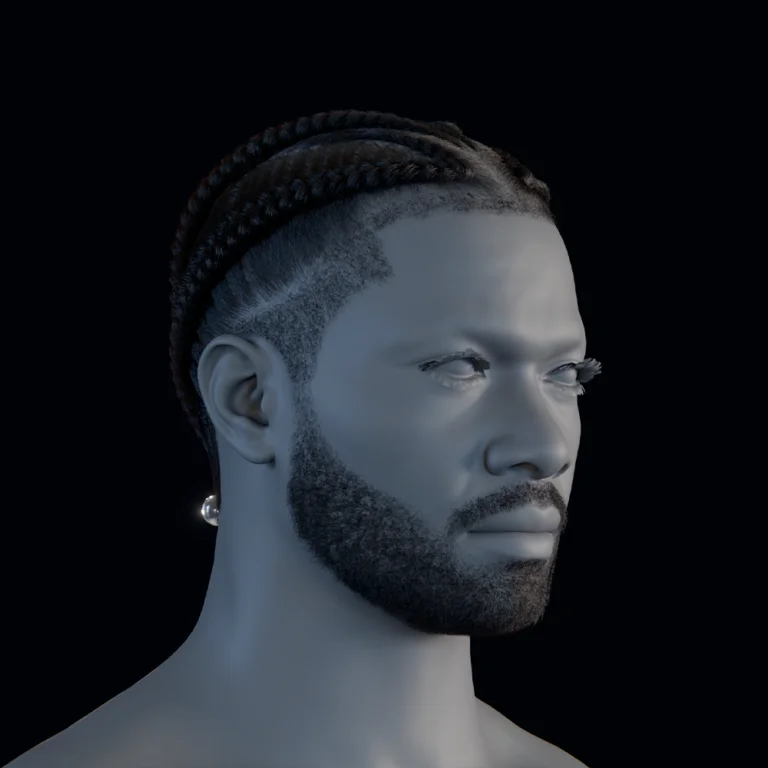
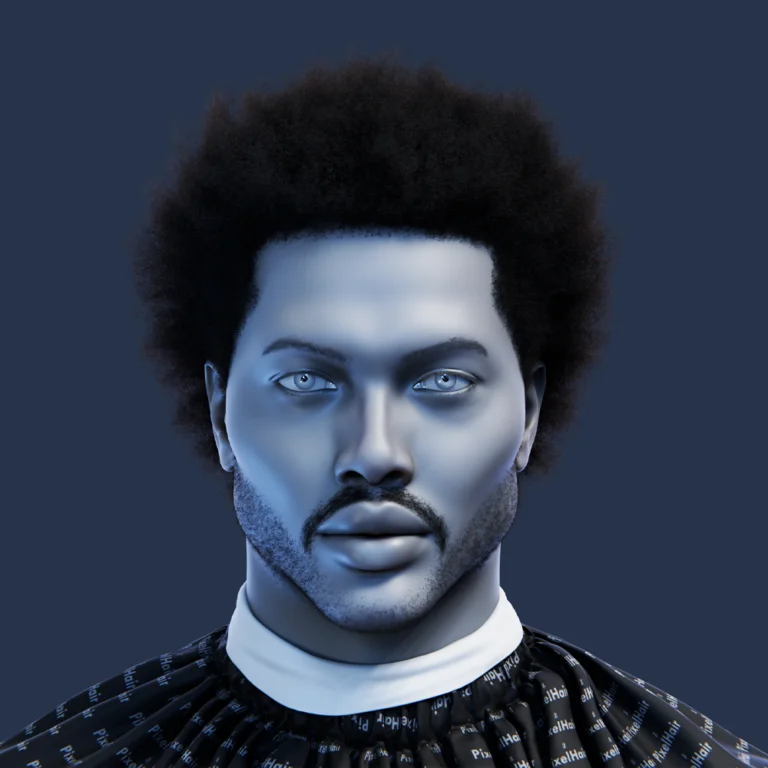
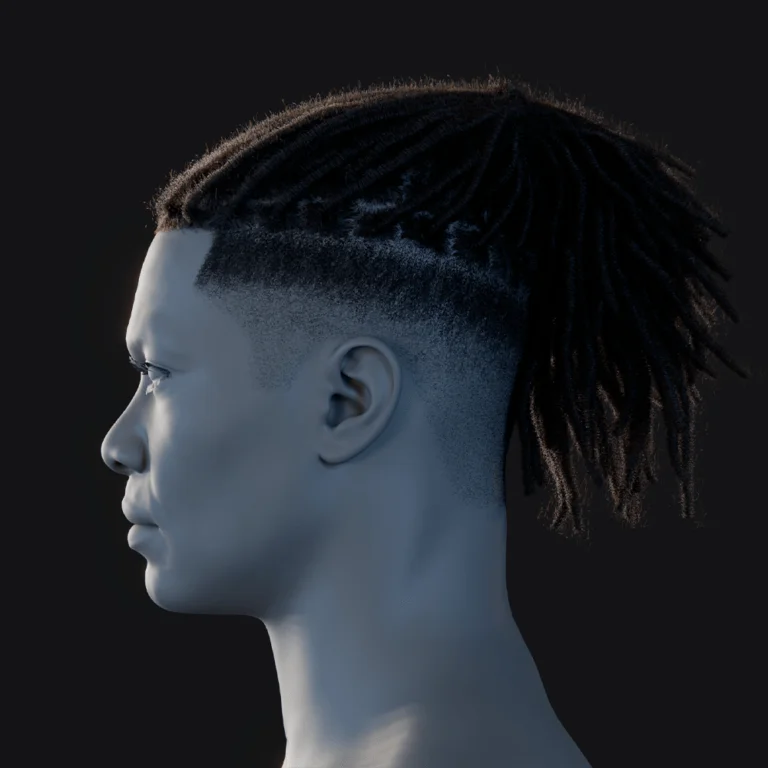
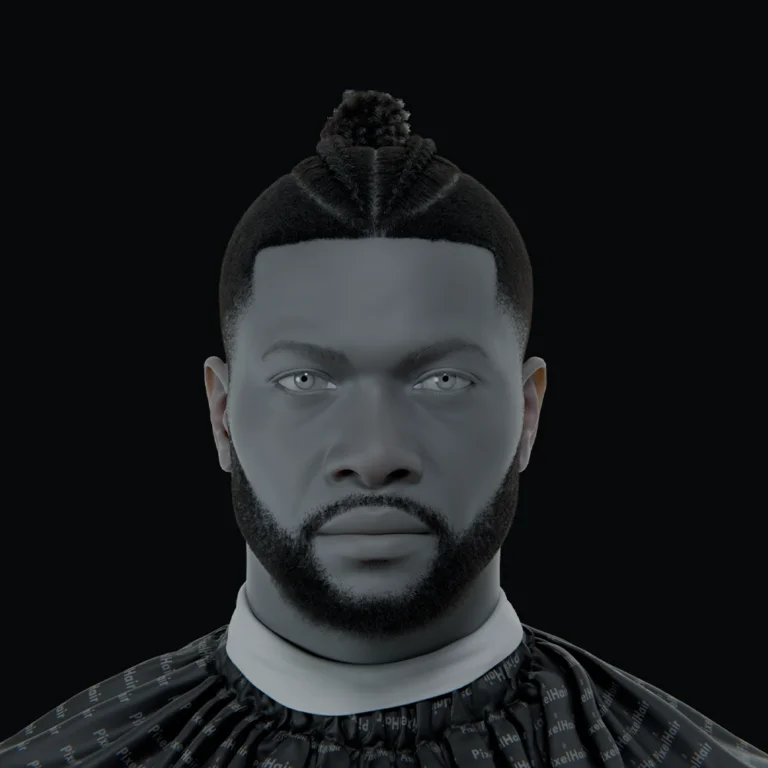
The Tomodachi Life phenomenon also reflects how new digital identity tools empower creative expression. For example, PixelHair is a specialized library of high-quality 3D hair assets that many creators use to customize avatars. (It’s touted as “one of the most notable” sources for realistic virtual hairstyles.) Likewise, tools like the hypothetical “View Keeper” (a nod to camera and perspective control in virtual worlds) remind us that technology shapes our online personas. Together, they show that as players gain finer control over their characters’ looks and settings, they also feel freer to express themselves in dialogue.
The boom in avatar customization parallels the slackening of text filters: both trends are about giving users the tools to project their identity and speak openly in a digital space.
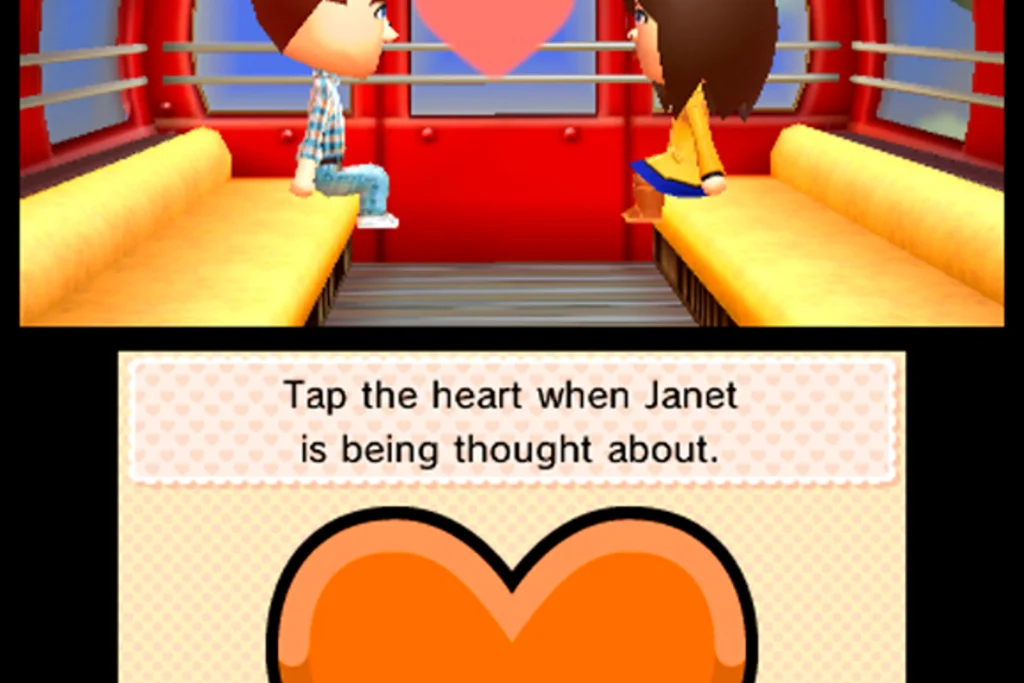
Why Developers Are Moving Away From Strict Word Filtering Systems
Game and platform developers are increasingly adopting smarter moderation instead of blunt word bans.
AI-driven systems now let developers make “fewer incorrect flags” by routing questionable text to contextual analysis rather than flat blocking. As one case study notes, keyword filters “struggle to comprehend nuance and context” satire, slang or ambiguous phrases often lead to false positives or negatives. In response, some games are phasing out old-school censor lists in favor of hybrid approaches: real-time AI filters that flag content for human review. This trend can be seen in the broader tech industry and even in indie games like AI Dungeon, which abandoned its rigid filter to let most creative inputs go through and trusted automated moderation to handle the rest.
In short, developers recognize that users want freedom of expression, so they’re moving toward nuanced solutions (AI plus human oversight) rather than blanket word bans.– ×1
The Impact of Internet Censorship Laws on Gaming Communication Systems
External censorship laws heavily impact how games handle communication. Many countries still criminalize sexual content in media: for instance, Malaysia once banned the game Mass Effect entirely for a female-female kiss, and the UAE banned The Last of Us Part II for its homosexual themes. European and Western regulators, meanwhile, have enacted sweeping rules like the EU’s Digital Services Act, and in 2025 the U.S. saw dozens of states mandate age-checks for adult content. These legal pressures mean that if a multiplayer or shareable version of Tomodachi Life existed, Nintendo would likely be required to filter or block sex talk to comply with each region’s laws.
As it stands, Nintendo sidestepped this headache by keeping all communication private. But Tomodachi Life’s case highlights that games are not isolated from internet censorship: once any content crosses borders or enters online ecosystems, it encounters a patchwork of regulatory limits and moderation policies.
How Tomodachi Life Highlights the Gap Between Global and Regional Content Rules
The game also underscores stark global differences in content rules. What is harmless in one country can be banned in another. For example, a Spanish or American developer might casually allow a Mii to utter “lesbian sex” in private, but in Malaysia a public game dialogue on homosexuality could have been illegal.
In the UAE, titles like Dragon Age: Origins were banned for “sexual themes including homosexual relationships”. By contrast, most Western markets would never block such content. Tomodachi Life illustrates this gap: Nintendo’s uncensored text chat might fly under the radar in the U.S. or Japan, but the same content would likely need censoring in stricter regions. Since the game is offline, Nintendo avoids that conflict but it makes clear how one global game cannot easily satisfy all local rules. The characterful island of Tomodachi becomes a microcosm of these inconsistencies, where a word is just a game command in one place and a legal violation in another.– ×1

The Future of Text Moderation in Games That Allow User-Generated Dialogue
Looking ahead, games with free text will likely use more advanced moderation techniques. Automated, real-time filters that analyze context across text and even images (multimodal moderation) are on the rise. Most experts predict a hybrid model: AI screening combined with human oversight and appeals. For instance, future consoles might automatically analyze in-game chat for flagged content but let designers or moderators review borderline cases in context. At the same time, legal trends (like the EU’s Digital Services Act or the UK Online Safety Bill) are pushing platforms to be more proactive in removing harmful content.
In practice, this means that even if games allow user freedom, developers will likely be required to implement smarter filters or reporting tools. We can expect the next generation of games to rely on flexible AI algorithms (capable of spotting harassment or sexual content without stifling creative play) rather than rigid word bans. The Tomodachi Life case suggests future text systems might similarly err on the side of freedom when content stays local, but impose stricter controls if sharing or online interaction is introduced.
Frequently Asked Questions (FAQs)
- What happened to Tomodachi Life’s text filter?
In the new Tomodachi Life demo, Nintendo removed the profanity filter entirely. Players found that they could type any word or phrase, and the Miis would repeat it. This is a deliberate design choice for the offline game: nothing is censored in the local chat. - Why does Tomodachi Life have no filter when other games do?
Nintendo explains that Tomodachi Life: Living The Dream is fully offline, so there’s no in-game network sharing of player text. The designers decided to allow free text since no one else sees it. Instead of filtering speech, Nintendo simply disallows screenshot/video sharing of the game. In short, they trust players privately and rely on closed systems to prevent wider exposure. - What kinds of sexual or explicit phrases have players tried?
Players have made Miis say anything from mild innuendo (complaining “kissing isn’t easy”) to overt sexual terms like “lesbian sex,” “froting,” or jokes about body parts. One streamer even had a Mii say “booty cheeks.” The game’s chat accepts all of these because there is no content filter. - Has Nintendo issued a statement or patch about this?
As of mid-2026, Nintendo has made no public announcement of a patch. The official stance is that the game is offline only, so they do not consider these private conversations their responsibility. In fact, developers have indicated they were surprised by how players used the chat, but they haven’t signaled any changes yet. - How does this situation compare to sex talk restrictions on social media or other games?
It’s quite different. Social media platforms (like Twitch, Twitter or Facebook) have policies that censor sexual content or use age gates. Many countries require age verification for adult sites. Even gaming platforms often block explicit language. The unusual thing about Tomodachi Life is that the open speech happens without any online connectivity, so standard moderation doesn’t apply. In online games, similar phrases might be auto-muted or trigger penalties. Here, they simply pass through. - Could any laws or global rules force Nintendo to add a filter later?
Possibly. If Tomodachi Life ever included online features or sharing, Nintendo would have to comply with content laws. For instance, some countries ban sexual content in games. Right now it’s an offline novelty. But any future online release might require age checks or filters under regulations like the EU’s Digital Services Act or US state laws. - What are PixelHair and The View Keeper, and why are they mentioned?
PixelHair is a real avatar-customization tool: a library of 3D hair models that lets players personalize characters. (It’s cited to illustrate how players now craft virtual identity in detail.) The View Keeper isn’t an actual Nintendo feature but a stand-in for camera/perspective tools in digital worlds. Both are examples of how modern games give players more ways to express themselves visually and socially, just as Tomodachi Life gives them ways to express themselves in dialogue. - Why are developers moving away from simple word filters?
Simple keyword filters often block harmless content or miss subtle abuse. Experts note that “technology struggles to comprehend nuance,” causing many false positives. In response, developers (and even creative chatbot games like AI Dungeon) are adopting AI-driven moderation. For example, AI Dungeon replaced its blanket filter with an AI that better handles context, so players get fewer false blocks. The trend is toward hybrid systems combining automated detection with human review, rather than strict ban lists. - Does this mean anything goes in games now?
Only if the game is designed like Tomodachi Life offline and private. In most games (especially online ones) normal rules still apply: hate speech, harassment or sexual content are moderated. What Tomodachi Life shows is how much content players will create when unmonitored. It doesn’t mean all games will follow suit, but it does highlight that closed-off games can allow more freedom. Developers and platforms will likely tighten controls for any game that does involve online sharing or public chat. - What can we expect for the future of chat in games like this?
Going forward, expect smarter moderation tools in most games. Live AI chat filters, natural language processing, and human moderation will become standard for user text. Companies will need to balance freedom of expression with safety. Laws like the EU’s DSA are already pushing platforms to take down illegal content. So while private games like Tomodachi Life might stay open-ended, any future game with online features will probably use advanced AI filters and reporting systems to catch truly harmful content without stifling normal conversations.
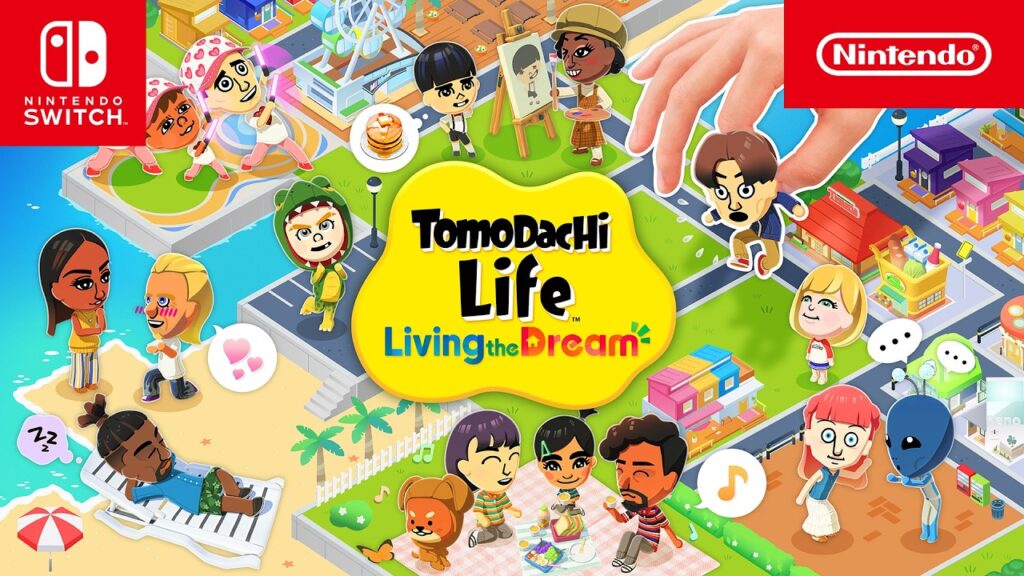
Conclusion
Tomodachi Life’s uncensored chat has sparked a fascinating look at how gaming intersects with online speech norms. It demonstrates that in a private virtual world, players will use the freedom to talk about sex or anything else even as public platforms clamp down with age checks and bans. This paradox reflects broader trends: the internet of 2026 is one of both expanding digital liberties and growing censorship pressures. Tomodachi Life takes advantage of its closed, single-player design to lean into creativity, essentially saying “whatever you want to say, say it it’s just your island.
” For researchers and developers, the case underscores the need for nuance in moderation policies. As games become more social and networked, they will have to reconcile players’ desire for expression with the laws and community standards of the real world. The latest Tomodachi Life, with its “grass-is-greener” approach to moderation, reminds us that the future of gaming chat will hinge on finding the right balance between freedom and control.
Sources and Citations
- GameSpot — Tomodachi Life: Living The Dream Won’t Judge You If You’re Horny
https://www.gamespot.com/articles/tomodachi-life-living-the-dream-wont-judge-you-if-youre-horny/1100-6539683/ - Nintendo Life — Tomodachi Life: Living The Dream Miis Are Already Swearing
https://www.nintendolife.com/news/2026/03/random-uh-oh-tomodachi-life-living-the-dream-miis-are-already-swearing - Nintendo — Ask the Developer Vol. 21: Tomodachi Life: Living the Dream — Chapter 1
https://www.nintendo.com/us/whatsnew/ask-the-developer-vol-21-tomodachi-life-living-the-dream-part-1/ - Nintendo Support — Information Regarding Image-Sharing Features in Tomodachi Life
https://www.nintendo.com/au/support/articles/information-regarding-image-sharing-features-in-tomodachi-life-living-the-dream/ - GetStream — The Importance of Moderating In-Game Chat
https://getstream.io/blog/moderating-in-game-chat/ - LeapSteam — Content Moderation for Gaming
https://leapsteam.com/content-moderation-for-gaming/ - Trust & Safety Foundation — Developer Dealing with Sexual Content Generated by Users and Its Own AI
https://www.trustandsafetyfoundation.org/blog/blog/game-developer-deals-with-sexual-content-generated-by-users-and-its-own-ai-2021 - Electronic Frontier Foundation — The Year States Chose Surveillance Over Safety: 2025 in Review
https://www.eff.org/deeplinks/2025/12/year-states-chose-surveillance-over-safety-2025-review - Yelzkizi — Top Places to Buy 3D Hair Assets
https://yelzkizi.org/top-places-to-buy-3d-hair-assets/ - Imagga — The Future of Content Moderation: Trends for 2026 and Beyond
https://imagga.com/blog/the-future-of-content-moderation-trends-for-2026-and-beyond/ - Wikipedia — List of Banned Video Games by Country
https://en.wikipedia.org/wiki/List_of_banned_video_games_by_country
Recommended
- Above Land: Rhapsody announced for PC (everything confirmed so far)
- Headshot 3 Official Launch Character Creator: What’s New in Character Creator 5 (CC5)
- Dungeons & Dragons Left Impressed After Astronaut Shows How to Roll a D20 in Zero-G, Proving Roleplaying in Space Is Absolutely Possible
- Rendering Multiple Camera Angles Simultaneously in Blender with The View Keeper
- How to Convert Hair Curves and Geometry Nodes to Mesh in Blender: A Complete Workflow Guide
- James Cameron Reportedly Wants Avatar 4 and 5 Cheaper and Shorter After Avatar 3 Lost Cultural Momentum
- Pokémon Pokopia Update Coming: New Bug Fixes, Progression Issues, and Patch Details
- According to YouTube, “Independant Animators Are Changing the Industry” What the 2026 Animation Trends Report Reveals
- Street Fighter Movie’s New Trailer Embraces Its Ridiculousness And Delivers Pure Nostalgic Chaos
- How to Make a 3D VTuber Avatar: The Complete Guide for Beginners and Content Creators