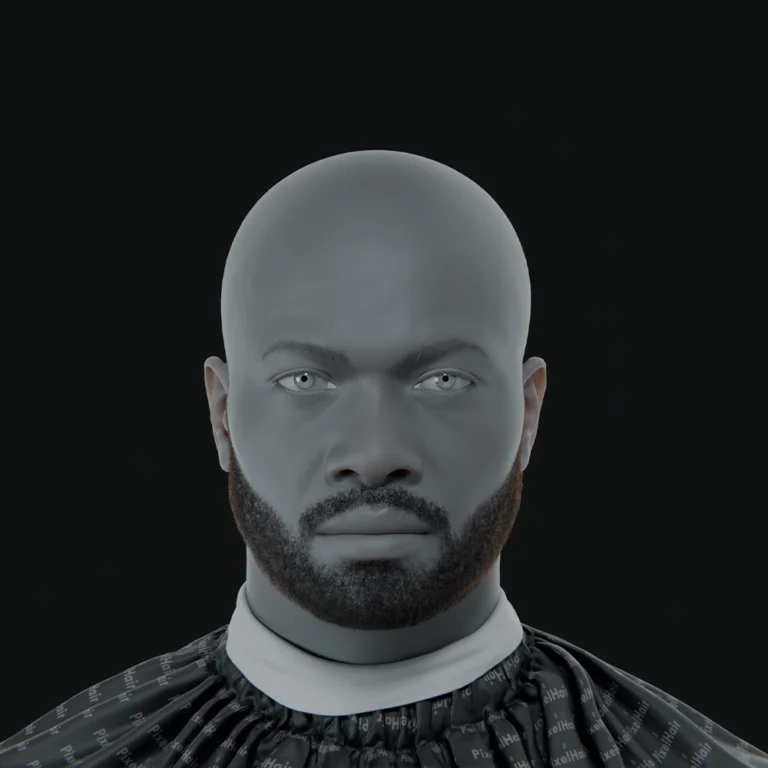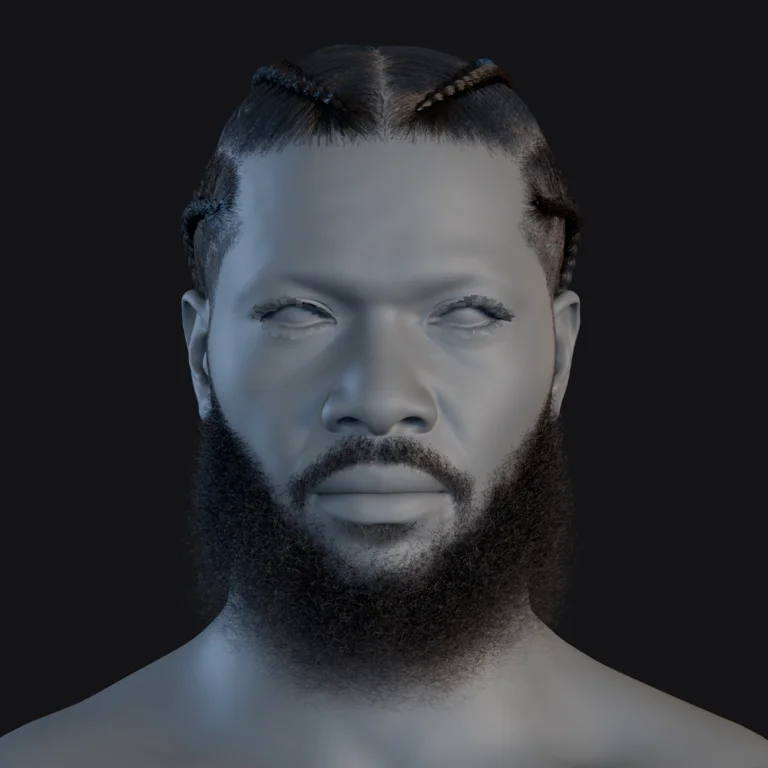






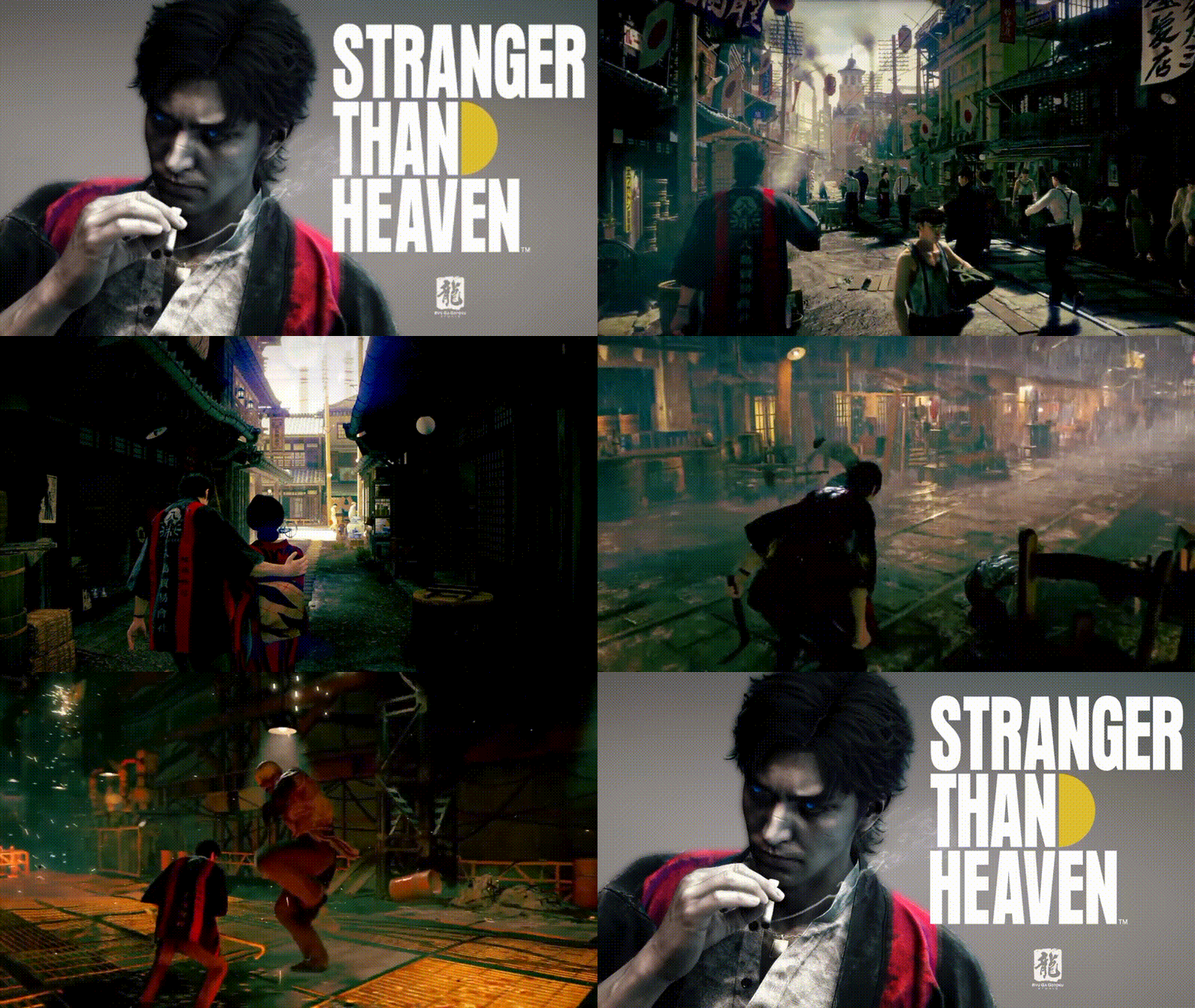
Stranger Than Heaven is an upcoming narrative-driven action game set in the expanded universe of the Like a Dragon / Yakuza franchise, developed by Ryu Ga Gotoku Studio (RGG Studio). Positioned as a prequel, the game shifts the timeline significantly earlier than most entries in the series, exploring a Japan that blends historical reconstruction with stylized crime drama storytelling.
At its core, the game follows the rise of organized crime networks during a transitional period in Japanese society, where modernization, post-war influence, and traditional honor codes collide. Unlike the modern-day settings of Yakuza 0, Yakuza: Like a Dragon, or Like a Dragon Gaiden, this prequel leans heavily into the formative years of criminal organizations that would eventually evolve into the familiar yakuza structures players recognize.
The narrative reportedly centers on a young protagonist navigating betrayal, loyalty, and ambition in an era where power is still being defined rather than inherited. Themes of identity, legacy, and moral ambiguity dominate the storytelling structure, consistent with RGG Studio’s long-standing approach.
What sets Stranger Than Heaven apart is its integration of real-world cinematic influence, particularly Japanese crime cinema of the 1960s and 1970s. This includes stylistic nods to classic gangster films, grounded character portrayals, and morally complex antagonists rather than purely villainous figures.
The game’s title itself suggests existential undertones hinting that the world players inhabit is both familiar and unsettlingly different from established Yakuza canon.
Why Stranger than Heaven is a Prequel in the Yakuza / Like a Dragon Universe
The decision to develop Stranger Than Heaven as a prequel reflects RGG Studio’s long-term strategy of expanding the Like a Dragon universe beyond its modern-era boundaries.
By exploring earlier historical periods, the studio gains creative freedom to reinterpret the origins of organizations, characters, and cultural dynamics that define the franchise. This prequel approach allows developers to experiment with tone, setting, and storytelling mechanics without being constrained by existing continuity.
In contrast to previous titles, which often balanced humor, modern crime drama, and RPG mechanics, this prequel appears to lean more heavily into grounded realism and cinematic storytelling. The timeline placement also allows for exploration of the ideological foundations of yakuza culture, honor codes, territorial disputes, and early organizational hierarchies.— ×1
Industry observers suggest that positioning the game as a prequel also serves a commercial purpose: attracting both long-time fans and newcomers who may find a historical entry point more accessible than the dense continuity of later games.
Ultimately, the prequel structure positions Stranger Than Heaven as both a narrative expansion and a thematic reinvention of the franchise’s core identity.
Who Was Bunta Sugawara and Why His Likeness is in the New Yakuza Game
A central point of controversy surrounding the game is the use of the likeness of Bunta Sugawara, a legendary Japanese actor widely known for his roles in yakuza cinema and particularly the Battles Without Honor and Humanity film series.
Sugawara, who passed away over a decade ago, was a defining figure in Japanese crime film history. His performances often portrayed hardened gang leaders navigating post-war chaos, making him an iconic representation of cinematic yakuza archetypes.
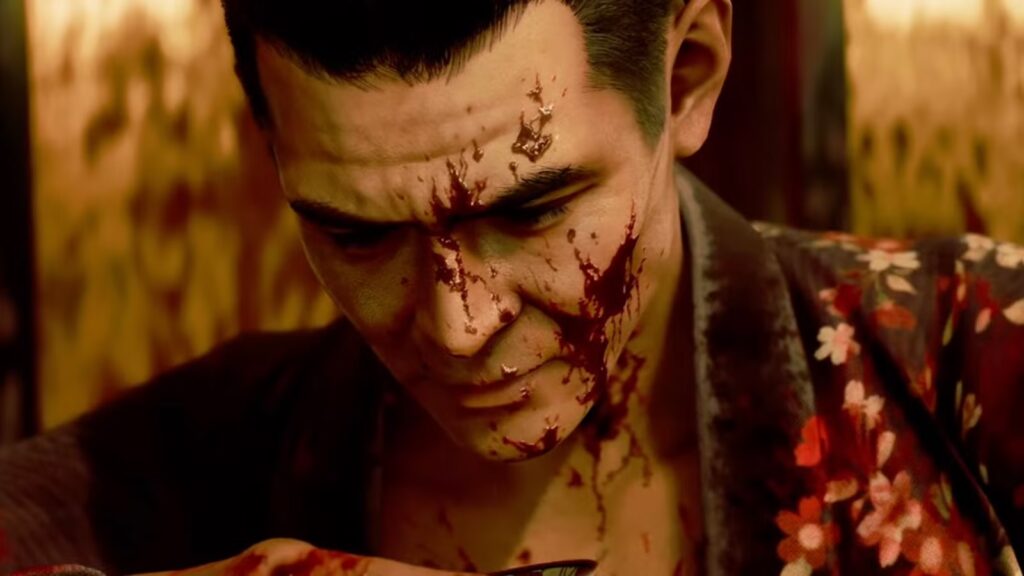
His inclusion through digital recreation in Stranger Than Heaven has sparked intense discussion because it bridges real-world cultural history with interactive digital media. In the game, his likeness is reportedly used for a major character who plays a pivotal role in shaping the early criminal underworld.
The decision to incorporate Sugawara’s likeness is seen by some as a tribute to his legacy, while others interpret it as a controversial use of a deceased performer’s identity in a commercial product.
The debate intensifies due to the emotional and cultural significance Sugawara holds in Japanese cinema, where his performances are still regarded as foundational to the genre.
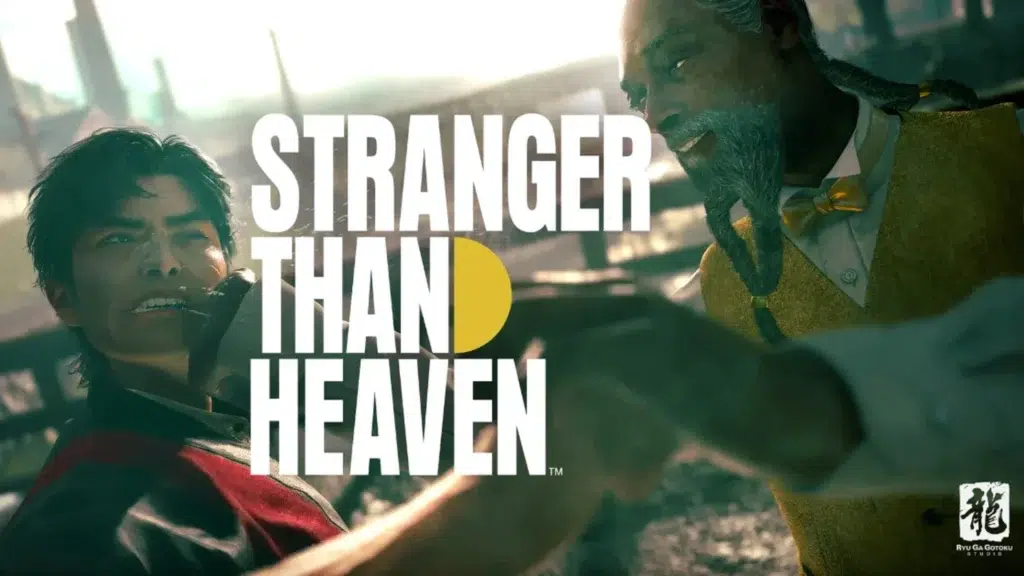
How Sega Recreated a Deceased Actor for Stranger than Heaven Using CGI
The recreation of Bunta Sugawara’s likeness was achieved using advanced CGI modeling, facial reconstruction techniques, and archival reference material from his filmography.
Modern game development allows studios to reconstruct realistic human likenesses by analyzing hundreds of reference points from film footage, photographs, and performance captures. In this case, RGG Studio reportedly relied heavily on high-resolution scans of Sugawara’s iconic film appearances.
The process involves:
- Facial structure mapping based on archival footage
- Digital sculpting to recreate age-appropriate features
- Motion modeling using performance actors
- Voice synthesis or archival audio (if permitted)
- Animation blending to maintain realism in gameplay and cutscenes
This method is not entirely new in gaming. Other studios have used similar technology to recreate historical figures or actors under estate permission agreements.
However, the ethical stakes are higher when dealing with actors who have passed away, particularly those strongly associated with culturally significant roles.
The result in Stranger Than Heaven is described as a highly realistic character model that preserves Sugawara’s recognizable facial expressions while adapting them to the game’s artistic style.
Bunta Sugawara’s Role in Stranger than Heaven Explained
Within the game’s narrative, the character modeled after Bunta Sugawara is believed to represent a powerful figure in the early criminal ecosystem of Japan’s underworld.
He is portrayed as a strategist and mentor-like presence whose influence shapes the trajectory of multiple factions. Unlike typical antagonists or allies, his role appears morally ambiguous, reflecting the thematic complexity Sugawara often embodied in his film career.
This character reportedly serves as a symbolic bridge between old-world honor codes and the emerging corporate-style criminal structures that define later Yakuza timelines.
His presence is not just narrative but thematic, representing legacy, memory, and the cost of power.— ×1

Did the Family Approve? Consent Behind the Actor Likeness Controversy
One of the most debated aspects of the project is whether proper consent was obtained from Bunta Sugawara’s estate or family.
In cases involving deceased performers, usage rights typically depend on:
- Estate approval
- Licensing agreements
- Contractual legacy clauses
- Regional publicity rights laws
While some reports suggest authorization was granted through legal channels, public skepticism remains due to the lack of transparent communication.
The family’s role is especially important in Japan, where cultural respect for deceased public figures is deeply embedded in entertainment ethics.
The controversy highlights a broader industry challenge: balancing legal rights with moral responsibility when digitally reviving real individuals.
Why Fans Are Debating “Digital Resurrection” in Video Games
The concept of “digital resurrection” recreating deceased individuals in interactive media has become a growing point of debate in gaming culture.— ×2
Supporters argue:
- It preserves cultural heritage
- It allows new generations to experience iconic figures
- It enhances storytelling authenticity
Critics argue:
- It risks exploiting a person’s legacy
- It may distort historical memory
- It raises consent and dignity concerns
In the case of Stranger Than Heaven, the emotional weight is amplified because Sugawara is not just a historical figure but a deeply respected cinematic icon.
Fans are divided between admiration for the tribute and discomfort over the implications of digital representation without direct living consent.
The Connection Between Battles Without Honor and Humanity and Yakuza Games
The influence of Battles Without Honor and Humanity on the Like a Dragon series is widely acknowledged.
That film series, in which Bunta Sugawara played a central role, helped define the modern yakuza genre in cinema. Its gritty realism, chaotic post-war setting, and morally complex characters laid the foundation for many themes seen in RGG Studio’s games.
Stranger Than Heaven appears to directly draw from this cinematic lineage, both stylistically and thematically.
The connection includes:
- Similar narrative tone of betrayal and shifting loyalties
- Focus on post-war societal reconstruction
- Emphasis on organizational evolution of crime syndicates
- Visual inspiration from classic Japanese gangster films
By incorporating Sugawara’s likeness, the game deepens this connection, effectively merging cinematic history with interactive storytelling.
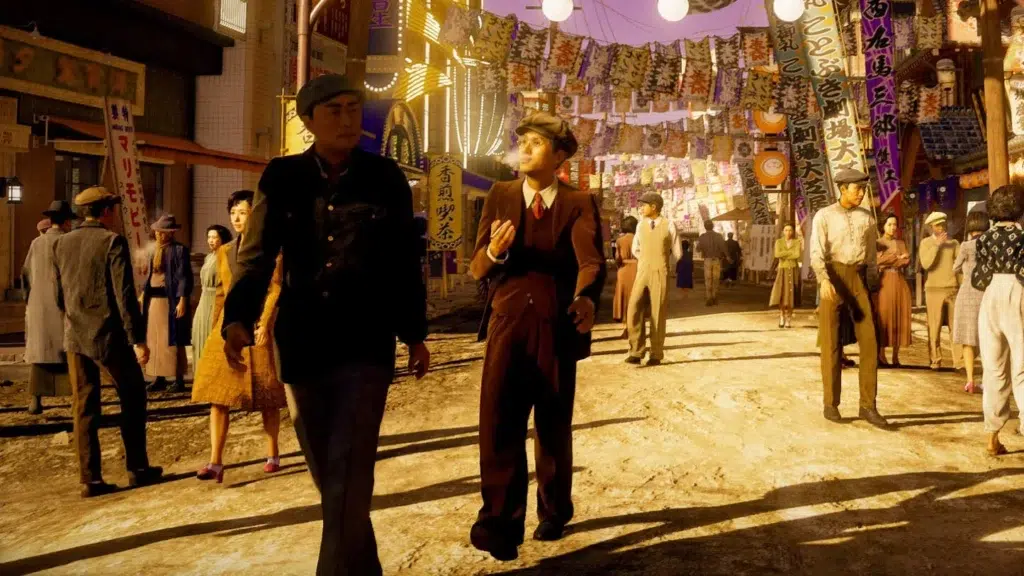
Is Stranger than Heaven Historically Inspired or Fully Fictional?
While Stranger Than Heaven incorporates historical inspiration, it is not a strict historical simulation.
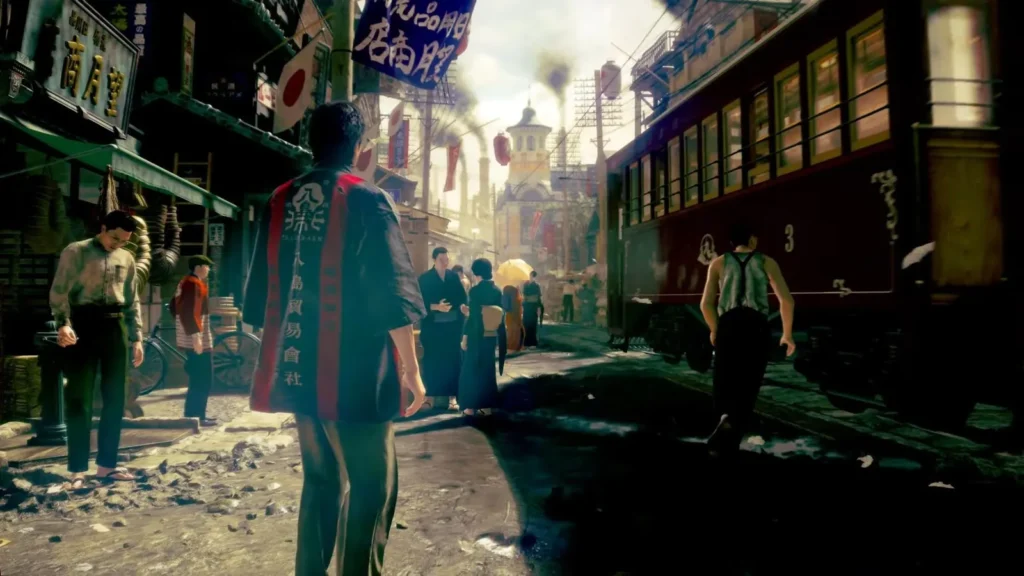
The game blends fictional characters and events with real-world aesthetic influences from mid-20th-century Japan. This hybrid approach allows developers to explore authentic cultural themes without being constrained by historical accuracy.
Key elements include:
- Fictionalized criminal organizations
- Inspired but not exact historical timelines
- Real-world cinematic references
- Stylized reinterpretation of post-war Japan
This approach ensures narrative flexibility while maintaining a grounded atmosphere.
RGG Studio’s Decision to Use Real-Life Actor Likeness: Industry Reaction
The decision by RGG Studio to use a real-life deceased actor’s likeness has drawn widespread attention across the gaming industry.
Developers and analysts highlight several implications:
- Increased realism in character design
- Expansion of cinematic storytelling techniques
- Potential legal precedent for future games
- Ethical considerations for posthumous representation
Some praise the studio for pushing narrative boundaries, while others caution that such practices may become controversial if not handled transparently.
The move reflects a broader industry trend toward hyper-realistic character modeling and cinematic immersion.
Ethical Concerns Around Using Deceased Actors in Modern Video Games
Ethical discussions surrounding Stranger Than Heaven focus on consent, legacy, and cultural responsibility.
Key concerns include:
- Whether deceased individuals can meaningfully consent
- Commercial use of a person’s identity after death
- Emotional impact on families and fans
- Potential normalization of digital replication without safeguards
Supporters counter that when done respectfully and legally, such recreations can serve as tributes rather than exploitation.
The debate remains unresolved but increasingly relevant as technology advances.
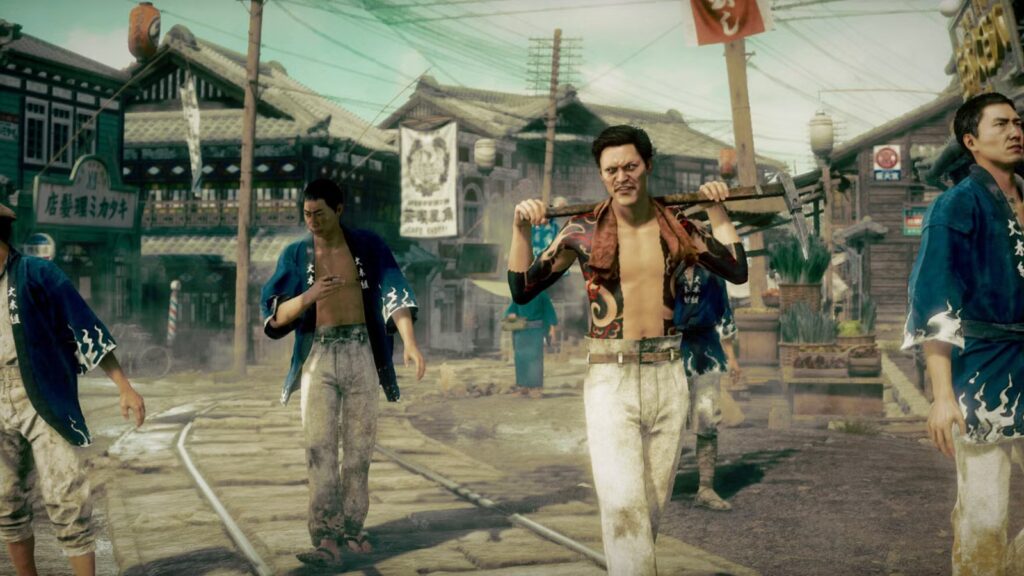
How Stranger than Heaven Expands the Yakuza / Like a Dragon Timeline
The Like a Dragon timeline expansion through Stranger Than Heaven allows RGG Studio to explore foundational lore.
This includes:
- Origins of organized crime structures
- Early ideological divisions within syndicates
- Cultural shifts in post-war Japan
- Historical predecessors to modern characters
By moving backward in time, the franchise deepens its narrative universe, offering fans a more comprehensive understanding of its fictional world.
Gameplay and Combat Changes in the New Yakuza Prequel
Gameplay in Stranger Than Heaven is expected to evolve from traditional Yakuza mechanics.
Key rumored changes include:
- More grounded melee combat system
- Reduced RPG abstraction in favor of realism
- Tactical encounter design
- Expanded environmental interaction
- Enhanced cinematic execution sequences
The shift reflects the game’s historical tone and serious narrative direction.
Fan Reactions to the Casting Choices in Stranger than Heaven
Fan reactions have been mixed but highly engaged.
Positive reactions highlight:
- Respectful tribute to cinematic history
- High production value of character modeling
- Deepening of franchise lore
Negative reactions include:
- Ethical discomfort with digital resurrection
- Concerns about consent transparency
- Fear of overreliance on real-life likenesses
Online communities continue to debate whether the decision enhances immersion or crosses ethical boundaries.
Could this Set a New Trend for Video Games Using Dead Celebrities?
Industry analysts suggest Stranger Than Heaven could influence future game development trends.
Possible outcomes include:
- Increased licensing of historical actor likenesses
- Expansion of digital estate management services
- New legal frameworks for posthumous digital rights
- Greater integration of cinematic archives into gaming
However, widespread adoption will depend on public acceptance and ethical regulation.
If successful, this approach could redefine character creation in narrative games.
Frequently Asked Questions (FAQs)
- What is Stranger Than Heaven?
It is a prequel game in the Like a Dragon / Yakuza universe exploring early organized crime in Japan. - Why is Bunta Sugawara’s likeness used?
It is used as a tribute and narrative device representing his influence in yakuza cinema. - Is the actor’s family involved?
Reports suggest legal approval, but public confirmation details remain limited. - Is the game based on true events?
No, it is fictional but heavily inspired by historical and cinematic elements. - What studio is developing it?
Ryu Ga Gotoku Studio (RGG Studio). - Why is it controversial?
Because it uses a deceased actor’s likeness through CGI recreation. - Will gameplay differ from previous Yakuza games?
Yes, it is expected to feature more grounded combat and cinematic storytelling. - Is this part of the main Yakuza timeline?
It is a prequel set earlier than most mainline entries. - What themes does the game explore?
Legacy, power, morality, and the origins of organized crime. - Could more games use this technique?
Yes, if legal and ethical frameworks allow wider adoption.
Conclusion
Stranger Than Heaven represents a bold evolution in the Like a Dragon / Yakuza franchise, blending cinematic history, advanced digital recreation, and narrative prequel storytelling. The inclusion of Bunta Sugawara’s likeness intensifies both its cultural significance and ethical complexity, placing the game at the center of a broader industry debate about digital resurrection in entertainment.
As technology continues to advance, the boundaries between historical tribute and creative reconstruction will become increasingly blurred, making Stranger Than Heaven a landmark case study in modern game development.
Sources and Citations
- Ryu Ga Gotoku Studio official announcements and developer interviews
https://ryu-ga-gotoku.com - Sega corporate press releases and franchise documentation
https://www.sega.com - Coverage from major gaming outlets such as IGN
https://www.ign.com - Coverage from major gaming outlets such as GameSpot
https://www.gamespot.com - Coverage from major gaming outlets such as Famitsu
https://www.famitsu.com - Historical records and retrospectives on Bunta Sugawara’s film career
https://www.imdb.com/name/nm0837615/ - Academic commentary on digital ethics in media representation
https://journals.sagepub.com - Industry analysis reports on AI and CGI character recreation in gaming
https://www.gamesindustry.biz - Japanese cinema archives discussing Battles Without Honor and Humanity
https://www.japanese-cinema-db.jp/
Recommended
- Netflix Has Introduced a Standalone App Specifically Designed for Children’s Games: Everything to Know About Netflix Playground
- Tyrant: The World’s Greatest Dinosaur Comic Returns in New Hardcover Collection as Stephen R. Bissette’s Classic Roars Back
- Netflix’s Man on Fire Review: Yahya Abdul-Mateen II Reboots a Classic Vigilante Thriller With Grit, Grief, and Divisive Action
- Rockstar Confirms New Data Breach After Hacker Group Threatens “Pay or Leak” – What Was Stolen and What It Means
- Sega’s Stranger Than Heaven Will Headline Xbox Partner Event This Week – Date, Time, Games, and What to Expect
- LEGO Batman: Legacy of the Dark Knight Reveals Gotham by Gaslight Batsuit: Release Date, Trailer Details, and How the Suit Fits the Game
- Cascadeur: The Ultimate AI-Powered 3D Animation Software for Game Developers and Animators
- How to Render Anime Style Art in Blender: A Complete Guide for Stylized 3D Renders
- EA Sets a New $8 Billion Sales Record Just Months After Laying Off Battlefield 6 Developers: FY26 Net Bookings Explained and What It Means Next
- REANIMAL Has Launched on PC and Console — Little Nightmares Creators Release a New Co‑Op Horror Game