





The video game industry is experiencing a seismic shift in how PC games are priced and sold. In 2025 and 2026, PC gamers on Steam are flocking to cheaper titles, making big-budget $70 releases a tougher sell than ever. Recent market data and industry analyses reveal that sub-$30 games are surging in popularity and revenue share, while premium-priced games struggle to justify their cost. In this comprehensive research article, we’ll explore why $70 games face headwinds on Steam, how player buying habits favor lower prices, and what this means for AAA publishers and indie developers alike.
We’ll dive into pricing trends (the median price of top Steam releases is dropping), examine the impact of Steam’s sale culture and wishlist habits on willingness to pay, and compare PC players’ expectations to those on console. From the “mid-priced game” problem to strategies for launching premium games on Steam, we’ll cover all angles with data-driven insights. Whether you’re a curious gamer, a developer planning your next release, or just interested in the economics of PC gaming, read on for an in-depth look at why cheaper games dominate Steam in 2025–2026 and how $70 games can still find success in this new landscape.
Why $70 games are harder to sell on Steam in 2025
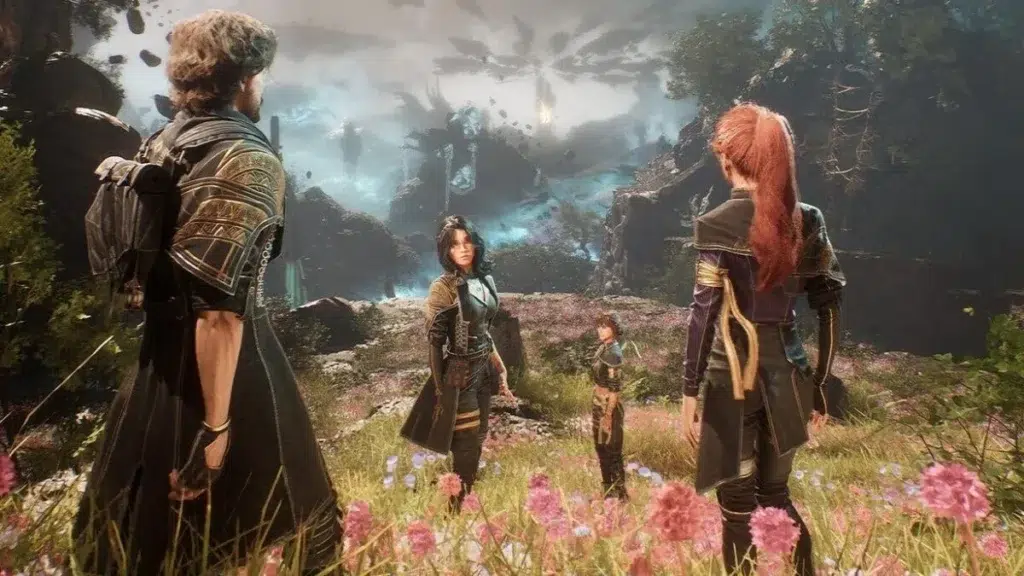
In 2025, $70 games struggle on Steam due to an ecosystem filled with affordable alternatives. PC gamers are accustomed to low-cost indie titles and frequent discounts, making them hesitant to pay premium prices without unquestionable value. Data shows a 156% increase in purchases for games under $30 from 2022 to 2025. These lower-priced titles accounted for 32% of PC game revenue in 2025, a significantly higher share than on PlayStation (7%) or Xbox (9%). Steam’s growth is driven by volume sales of cheaper games rather than $70 blockbusters.
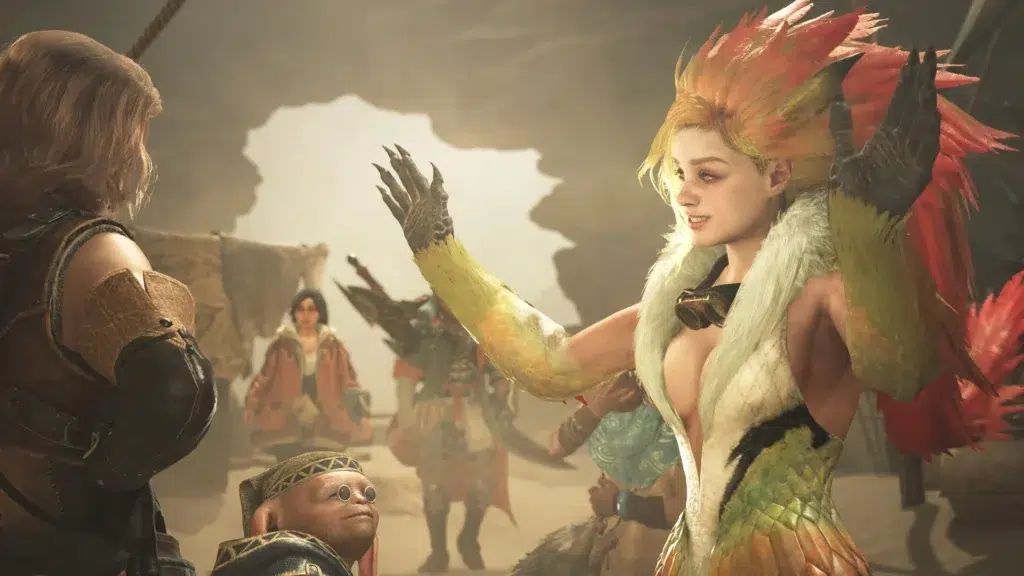
PC gamers are more price-sensitive than console audiences, knowing that waiting a few months usually leads to heavy discounts. The availability of quality games under $20 reduces the urgency for day-one premium purchases. Consequently, PC game revenue is projected to overtake the combined console market by 2028. Additionally, poor technical quality in $70 releases, such as the problematic PC port of Monster Hunter Wilds, has undermined consumer trust. Steam’s two-hour refund policy further allows cautious players to return expensive games that underperform.
Steam players prefer lower-priced games and what it means for AAA
Steam users’ preference for games in the $5 to $20 range presents a challenge for AAA developers who rely on high upfront prices to recoup costs. Because the PC revenue mix skews toward lower-priced titles compared to consoles, a premium launch strategy may not yield the same returns on Steam. This has forced AAA publishers to re-evaluate strategies, sometimes delaying PC releases, offering aggressive early discounts, or using subscription models.
The impact is visible in industry behavior; Microsoft walked back $70+ pricing plans following PC community pushback, and Sony has become more cautious regarding PC ports. While PC gamers are open to innovative and niche titles, they prioritize reasonable costs and low risk. AAA games must now prove their value to compete with cheaper indie alternatives. Even top-selling lists in 2025 featured $19.99 indie hits alongside $69.99 blockbusters like Civilization VII, proving that AAA titles must adapt to a market where lower prices set the pace.

Median price of best-selling new Steam games is dropping
The typical launch price of hit games on Steam is declining. The median launch price of the top 50 best-selling new games fell from $19.50 in early 2023 to $15.64 by late 2025, a 20% drop. While the average price remained relatively steady, the sharp drop in the median indicates that a larger number of lower-priced games are entering the best-seller lists. This trend remains true even when ranking by revenue; the median price for top revenue earners fell from $23.70 to $20.35 in the same period.
This decline is driven by market saturation and the viral success of indie games priced between $5 and $15, such as Buckshot Roulette. These titles can outrank $60 games by selling significantly higher volumes. These successes have recalibrated player expectations of value, making it “trickier” for developers to charge above $25 without a strong justification.
How Steam discounts and wishlist culture change what players will pay
Steam’s culture of seasonal sales and wishlisting encourages “patient gaming.” Players often wait for major sales events, such as the Summer or Winter Sales, where new $70 games like Avowed or Assassin’s Creed: Shadows saw significant price cuts within months of release. This conditions buyers to avoid full-price purchases.
The wishlist feature reinforces this by notifying players of discounts, creating a barrier for $70 games where the price gap for a sale feels more substantial than for a $10 indie game. Furthermore, because many AAA games launch with technical issues, players often wait for both patches and lower prices. This forces publishers to implement 10% launch discounts or time releases around sale events, as the “sticker price” is rarely what savvy PC consumers eventually pay.
Over $20 or under: why most top Steam games don’t need premium pricing
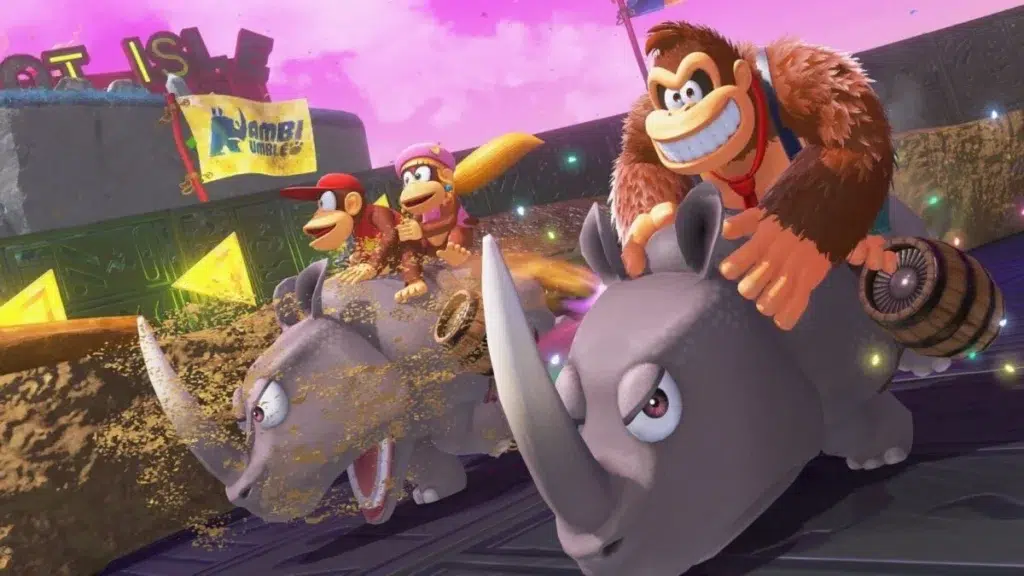
Success on Steam typically falls into two categories: games under $20 that benefit from impulse purchases, or mega-franchise AAA titles at $70. The $30–$50 middle ground is thinning. Low-priced viral hits like R.E.P.O. can earn more revenue than higher-priced games by selling massive volumes.
Conversely, $70 pricing is reserved for established franchises like Battlefield or EA Sports FC. However, even popular titles like the Elden Ring: Nightreign expansion and Arc Raiders have succeeded at the $39.99 price point. Many developers find that a lower price facilitates a larger player base, which is crucial for multiplayer games and long-term monetization through community buzz and DLC.
Is $70 pricing worth it on PC? comparing console vs Steam expectations
While $70 is the accepted standard on consoles, PC gamers expect more flexibility due to a massive library of alternatives and a lack of platform exclusivity. PC players, who often invest heavily in hardware, expect software to be more affordable and technically polished. High-priced games that launch with technical flaws face intense backlash and review-bombing on Steam.
Industry veterans, including the lead designer of Skyrim, have cautioned that pushing prices higher may lose player goodwill. While rare exceptions like Grand Theft Auto VI might sustain high pricing, most $70 PC releases risk shrinking their audience and slowing sales. Publishers sometimes acknowledge these norms by launching delayed PC ports at $50 or $60 instead of $70.
Steam Daily Deals and seasonal sales: the pricing pressure on new releases
Constant discounting through Steam’s seasonal and themed sales puts downward pressure on new releases. Players often stop buying games in the weeks leading up to a major sale, preferring to spend $70 on a bundle of discounted titles rather than a single new release.
To stay competitive, most games see meaningful discounts within 3 to 6 months of launch. This erodes the pricing power of $70 titles quickly, as players anticipate that waiting will result in a 20% to 50% discount within a year. Publishers must account for this by accepting that most sales will occur at discounted rates, making a sustained $70 price point commercially difficult to maintain.

The “mid-priced game” problem on Steam ($25–$40) explained
Games priced between $25 and $40 often fall into a “pricing no-man’s-land.” They aren’t cheap enough for impulse buys but lack the prestige associated with $60–$70 AAA titles. Consumers frequently compare these mid-priced games upward, questioning if they have enough content to justify the cost, or downward, noting they could buy multiple top-rated indies for the same price. Data shows this bracket has thinned out; charging over $25 for a new IP without a strong pedigree is increasingly difficult.
Success in this range usually requires specific advantages:
- Sequels or known franchises: Established names like Titan Quest II ($35) or PowerWash Simulator 2 ($25) can leverage existing fanbases.
- Niche genres: Hardcore simulation, grand strategy, or complex tactics games (e.g., Dispatch at $30) can justify mid-tier pricing because they offer depth that cheaper indies cannot.
- High-production indies: Occasionally, an indie with near-AAA art and voice acting can succeed if reviews confirm its value.
Without these, developers often lower prices to $20 to remain competitive or expand the game’s scope to justify $29.99. This has led to a hollowing out of the “AA” space, as studios must choose between being a massive blockbuster or a budget-friendly indie.
What makes a $70 game succeed on Steam (brand, reviews, content, timing)
A $70 price tag on Steam generally only succeeds when several factors align:
- Brand Power: Massive franchises like Borderlands 4 or Call of Duty can override price sensitivity through loyal fanbases. However, while a brand secures initial sales, the game needs “legs” to survive Steam’s rapid word-of-mouth.
- Quality and Reviews: User reviews are critical. High-priced games that launch with bugs or poor optimization face immediate backlash and refunds, whereas stellar reviews for games like Elden Ring validate the premium cost.
- Content and Value: Players expect hundreds of hours of gameplay or high replayability for $70. Civilization VII justifies its cost through depth. Short campaigns at this price point often face negative feedback unless they are exceptionally polished or feature robust multiplayer.
- Timing and Launch Strategy: Success is more likely in a clear release window free of major competition or sales. Savvy publishers also use pre-release marketing and “Early Access” editions (e.g., Starfield’s $100 edition for 5-day early play) to capitalize on hype.

How indie games and cheaper AA releases dominate Steam charts
Indie and lower-budget “AA” games frequently lead Steam charts in both units and revenue. In 2025, Platinum-tier revenue earners included $19.99 titles like Hollow Knight: Silksong and Schedule I, proving that high sales volume can outperform high-priced blockbusters. In terms of units sold, the charts are even more skewed toward games under $10.
Reasons for this dominance include:
- Accessibility: Low prices (e.g., PEAK at $7.99) encourage impulse purchases and viral growth.
- Innovation: Indie games often provide fresher experiences than formulaic AAA titles, and Steam’s algorithm rewards this engagement.
- Community and Streaming: Cheap, “watchable” games become favorites for streamers, leading to rapid sales spikes.
- Long Tail: Replayable titles like Vampire Survivors continue to sell for years through word-of-mouth and DLC.
Best-selling Steam games by revenue vs copies sold and why price matters
There is a dichotomy between “best-selling” by revenue and by units. High-priced AAA games have a revenue advantage, as one $70 sale equals seven $10 sales. Consequently, revenue charts often feature big franchises. However, unit charts are dominated by cheaper games. The median price for top sellers by units has fallen 20%, while the median for revenue fell 14%, showing that lower-priced games are capturing an increasing share of the total market.
Price is a strategic lever: AAA developers prioritize revenue per unit to recoup high costs, while indies prioritize unit volume to build an audience. Breakout hits like Silksong ($19.99) prove that cheap games can compete in pure dollar terms if they achieve massive scale. For new IP, charging over $25 often reduces units sold disproportionately, potentially hurting long-term revenue.

Steam launch strategy for premium games: early access, deluxe editions, bundles
Publishers use specific tactics to make $60–$70 prices more palatable:
- Early Access: Some games start at a lower price in Early Access and increase it for the 1.0 release, rewarding early supporters. This builds a community and allows for polish before the full-price launch.
- Deluxe Editions and Upselling: Offering $80–$100 versions with digital art, soundtracks, or early access lets superfans pay more while keeping the base game at $60–$70. This creates a psychological anchor, making the standard edition feel more affordable.
- Bundles: “Complete the Set” bundles reward loyal fans with discounts on new entries if they own previous titles. Publishers also bundle new $70 games with older series entries to increase the perceived value.
Steam pricing strategy: when to start at $70 and when not to
Choosing a $70 launch price requires careful evaluation:
When to price at $70:
- For established franchises with proven track records.
- When there is massive hype and no major competing releases.
- If the game offers massive content (hundreds of hours) or unique depth.
- To maintain price parity with console versions in multi-platform launches.
When to avoid $70:
- For new IP or unknown studios where the price acts as a barrier to entry.
- For games with niche appeal or mid-tier scope (15-hour campaigns).
- In competitive genres where $20 alternatives like Valheim dominate.
- For multiplayer-centric games that need a large player base to survive.
Ultimately, starting at $70 is a gamble reserved for those with a “strong hand.” For most others, a lower initial price is more effective for building an audience and maximizing long-term revenue.

How to compete with cheap Steam games without racing to the bottom
Competing on Steam does not require slashing prices to unsustainable levels. Developers can maintain higher price points by offering and communicating distinctive value.
- Highlight Unique Features or Quality: Showcase novel mechanics, deep narratives, or high production values that justify a higher price compared to $10 alternatives.
- Leverage Community and Content Updates: Offer ongoing value through free updates, roadmaps, and mod support to prove the game is a long-term investment rather than a one-and-done experience.
- Demos and Free Weekends: Use Steam Next Fest or post-launch free weekends to let players experience the quality firsthand, which can justify a $30+ price tag in their minds.
- Smart Discounting: Instead of deep 75% cuts, use frequent smaller discounts or launch editions with bonus content to reward early adopters without devaluing the base product.
- Targeted Niche Audiences: Hardcore simulation or strategy fans are often willing to pay more for depth and complexity that mass-market $5 games do not provide.
- Avoid the Perception of “Cheap”: Pricing slightly higher can signal substance and quality, distinguishing a project from the flood of low-effort, ultra-cheap releases.
What Valve’s 2025–2026 Steam data suggests about the market going forward
Data from 2025 and early 2026 indicates a future of intense competition and shifting dominance.
- PC Revenue Growth: Projections suggest PC sales could exceed combined console sales by 2028, driven by the volume and accessibility of $10–$30 titles rather than $100 mega-games.
- Hyper-Competition: In 2025, nearly 20,000 games launched on Steam. While 6,000 made over $100k, that represents only 4% of total releases, suggesting a “winner-takes-most” market.
- Market Polarization: The market is splitting between low-end indie hits and high-end AAA blockbusters, with the middle “AA” segment struggling to find space.
- Patient Players: Consumers are increasingly savvy, utilizing reviews and refund policies to punish overpriced or underperforming titles.
- Developer Sustainability: While Valve highlights that more games are “finding success,” the vast number of releases means most developers struggle to remain sustainable without niche community support.
- Pricing Experiments: Extremely hyped titles like GTA 6 may test $100 price points, but such moves likely increase “wait and see” behavior among the general PC audience.
Frequently Asked Questions (FAQs)
- Why are $70 games harder to sell on Steam now?
PC gamers have grown accustomed to frequent discounts and a massive selection of high-quality indies under $30. Data shows a 156% surge in sub-$30 purchases from 2022–2025, meaning $70 titles face extreme competition from affordable alternatives. - Do PC players really prefer cheaper games, and what does that mean for big game studios?
Yes; games under $30 made up 32% of PC revenue in 2025. AAA studios must now provide exceptional value or offer earlier discounts and bundles to attract price-sensitive PC players. - Is the median price of top Steam games really dropping?
Yes. The median launch price of top-selling new games fell 20% between 2023 and 2025 (from $19.50 to $15.64) due to the sheer number of successful $10–$20 indie hits. - How do Steam sales and wishlists affect what people pay for games?
They encourage “patient shopping.” Users wishlist titles and wait for sale notifications, reducing the volume of full-price launch sales for all but the most anticipated games. - Why don’t most top Steam games need a $70 price tag?
Many top earners achieve success through volume. A $15 game selling millions of units can out-earn a $70 game selling fewer copies. Lower prices also encourage impulse buys. - Is it worth pricing a game at $70 on PC versus consoles?
It is riskier on PC. PC players have more alternatives and higher technical expectations. If a $70 game underperforms technically, it faces immediate review-bombing and refunds. - How do Steam’s big sales and daily deals put pressure on new game prices?
New $50 games must compete with year-old blockbusters sold at 50% off during seasonal sales. This shrinks the “full-price window” for new releases. - What is the “mid-priced game” problem on Steam?
Games in the $25–$40 range often lack the impulse-buy appeal of indies and the prestige of AAA titles, leading to them being overlooked unless they have a strong established IP. - How can a $70 game succeed on Steam when so many cheaper games are popular?
By leveraging a powerful brand, delivering immense content/replayability, ensuring high launch quality, and using smart timing to avoid clashing with major sales. - How can developers compete with cheap games on Steam without just dropping their price a ton?
They can focus on quality, offer demos to prove value, provide long-term post-launch support, and target niche audiences who prioritize depth over low cost.
Conclusion
The era of the default $60–$70 PC game is fading as $10–$30 titles dominate consumer expectations. In 2025–2026, value is the primary driver of success on Steam. While $70 blockbusters can still thrive, they must prove their worth through quality and brand trust. For developers, the market offers a “golden age” of opportunity for those who price strategically and build community trust. For players, it is a buyer’s market defined by abundant choice and empowerment. Ultimately, the Steam data confirms that the most successful games are those that deliver the best “fun per dollar,” regardless of their initial price tag.
Sources and Citations
- Lewis Parker, Kotaku – “$70 Games Are Riskier Than Ever As Cheaper Games Dominate On Steam”
- https://kotaku.com/steam-game-prices-clair-obscur-data-sales-2000678987
- Austin Wood, GamesRadar – “Median price of best-selling new games on Steam has dropped in the past 2 years, research finds”
- https://www.gamesradar.com/games/the-median-price-of-best-selling-new-games-on-steam-has-dropped-in-the-past-2-years-research-finds-charging-usd25-is-getting-trickier-as-players-compare-value-to-the-usd10-usd15-indie-titles/
- Tyler Wilde, PC Gamer – “‘Patient gaming’ only gets more attractive when $70 games get heavy Steam sale discounts just months after launch”
- https://www.pcgamer.com/gaming-industry/patient-gaming-steam-sales-2025/
- Jennifer Young, Windows Central – “Game prices rose higher in 2025, but is AAA losing out to budget titles?”
- https://www.windowscentral.com/gaming/game-prices-rose-higher-in-2025-but-is-aaa-losing-out-to-budget-titles
- Ethan Gach, Kotaku – “2025’s Top-Selling Steam Games Include Some Terrible PC Ports”
- https://kotaku.com/top-selling-steam-games-2025-pc-ports-monster-hunter-1851782045
- John Walker, Kotaku – “The Games Industry Reacts To Valve’s Misleading Boast About How More Games Are Making Money On Steam”
- https://kotaku.com/valve-steam-sales-indie-games-revenue-stats-reaction-1851844207
- Simon Carless, GameDiscoverCo newsletter – “Are Steam game prices dropping – and should you care?”
- https://newsletter.gamediscover.co/p/are-steam-game-prices-dropping
- Kotaku – “Peak Dev Explains The Bonkers Psychology Behind Game Prices”
- https://kotaku.com/peak-dev-game-prices-steam-indie-games-psychology-1851859021
- Austin Wood, GamesRadar – “PC gamers and Steam customers are ‘a really bright spot’ as the industry struggles with pricing”
- https://www.gamesradar.com/games/pc-gamers-and-steam-customers-are-a-really-bright-spot-as-the-industry-struggles-with-pricing/
- Eliza Crichton-Stuart, Games.GG – “Steam Games Are Cheaper in 2025”
- https://games.gg/news/steam-games-are-cheaper-in-2025/
- PC Gamer – Skyrim lead developer on $100 games
- https://www.pcgamer.com/gaming-industry/skyrim-lead-designer-says-usd100-games-could-happen/
- Game World Observer – “Starfield Early Access Concurrent Players”
- https://gameworldobserver.com/2023/09/04/starfield-early-access-concurrent-players-steam-launch
- Yelzkizi Official Site/Instagram – PixelHair and View Keeper descriptions
- https://yelzkizi.org
- https://www.instagram.com/yelzkizi/
Recommended
- World of Warcraft: Midnight Review So Far (2026) — Early Access Impressions, Housing, Prey System, and What’s Next
- Crashout Crew: Release Date, Gameplay, Co-Op Forklift Chaos, and Everything We Know
- The Fate of Rocket 3F 3D Modeling Software
- Pickmon Accused Of Being A Pokemon Rip-Off, But It’s Worse Than That: Full Controversy Explained
- Shuhei Yoshida Says Jim Ryan Fired Him: What Happened at PlayStation
- How to Get a Free Fortnite Skin and Car in the Rocket League Crossover Event (Rivals & Rockets Guide)
- Amazon Is Experimenting With Playable Game Demos on Twitch: Game Lift Feature Explained, How It Works, and What It Means for Cloud Gaming
- Namco’s Japan-Only 1994 Arcade Game Cyber Commando Gets Its First-Ever Home Release (Arcade Archives Release Date, Platforms, Price)
- One Of The Best Stardew Valley-Likes Ever Is 100% Free On Steam—But Only Until April 13
- A Woman Is Suing MrBeast’s Company for Alleged Sexual Harassment and Verbal Abuse: Full Lawsuit Breakdown, Claims, and Reactions