



Netflix Animation Studios joins the Blender Development Fund as Corporate Patron
Netflix Animation Studios – the production arm of Netflix that includes the famed VFX house Animal Logic – has officially joined the Blender Development Fund at the highest sponsorship tier, becoming a Corporate Patron. This announcement came in late January 2026, marking the first time a major animation studio has directly funded Blender’s development. In practical terms, Netflix Animation Studios is committing at least €240,000 per year to support Blender’s continued improvement. This places Netflix alongside the likes of Epic Games, AMD, NVIDIA, and other top-tier sponsors in backing Blender’s growth. For the Blender community, Netflix’s patronage is a significant milestone – it validates Blender’s status as a professional-grade 3D tool and injects substantial resources into its development.
Netflix’s support for Blender is not coming out of the blue. The streaming giant’s animation division (which now includes Animal Logic, acquired in 2022) has been using Blender in production for years. Animal Logic is known to leverage Blender in their previsualization (previs) pipelines and in art and matte painting departments on major projects.
In fact, recent Netflix productions like In Your Dreams, Leo, Maya and the Three, and Guillermo del Toro’s Pinocchio all used Blender during parts of their production – a testament to Blender’s growing role in high-end animation workflows even before this funding. By joining the Development Fund as a Corporate Patron, Netflix Animation Studios becomes the first major animation studio to financially back Blender’s development, a move the studio frames as both a strategic investment in their own pipeline and an altruistic support of the open-source animation community.
What the Blender Development Fund is and how it pays for Blender development
The Blender Development Fund is a membership and donation program run by the Amsterdam-based non-profit Blender Foundation to provide stable financing for core software development. Established in 2019, it serves as a “war chest” to pay full-time developers, implement features, fix bugs, and maintain infrastructure. Contributions come from individuals and companies alike, allowing Blender to remain free while sustaining a larger professional team than volunteer efforts could support.
Income is allocated to tasks like improving rendering engines, upgrading animation tools, and onboarding new developers. Major corporate members as of the mid-2020s include Epic, NVIDIA, Apple, Meta, Adobe, Microsoft, and Netflix. Crucially, membership fees are treated as donations; they do not grant ownership or control over the code, ensuring development remains aligned with the community’s needs and open-source mandate.

What “Corporate Patron” means in the Blender Development Fund sponsorship tiers
“Corporate Patron” is the highest sponsorship tier in the Blender Development Fund, requiring a minimum annual pledge of €240,000 as of 2026. This elite level includes companies like Netflix Animation Studios, Epic Games, NVIDIA, AMD, Meta, and Apple. While lower tiers such as Platinum, Gold, and Silver exist for smaller contributions, Patrons are key stakeholders who receive prominent logo visibility, closer liaison with the development team, and a seat at the table for high-level planning discussions.
Netflix’s entry at this level involves a commitment of at least €20,000 per month, acknowledging Blender’s role in high-end studio workflows. Despite this status, Patrons do not gain ownership or control of the project; they remain donors who help underwrite core development for the benefit of all users.
How much Netflix is donating to Blender and what €240,000 per year could enable
Netflix Animation Studios contributes at least €240,000 annually, an amount roughly equivalent to funding four full-time developers. This investment significantly boosts the Blender Foundation’s ability to accelerate the roadmap, handle bugs, and optimize performance. For comparison, this annual donation is less than what a mid-sized studio might spend on 100 subscriptions of commercial software like Autodesk Maya, illustrating the cost-effectiveness of supporting open-source development. These funds provide the Foundation with the flexibility to address critical areas relevant to large studios, such as animation system upgrades, physics simulations, rendering optimizations, and interoperability standards like USD and Alembic. Ultimately, Netflix’s contribution acts as fuel for the development engine, empowering the core team to improve the software for the entire user base.
Why Netflix Animation Studios is investing in open-source 3D software
Netflix’s investment in Blender is a strategic business decision rather than pure altruism, as the company funds toolsets its productions actively rely on. Key reasons for this backing include:
- Internal Use: Netflix units like Animal Logic use Blender for storyboarding, previs, layout, and matte painting. Investing ensures the software improves for these specific use cases, nurturing a foundational tool for content creation.
- Cost optimization and independence: Funding a free tool serves as a long-term cost-saving measure, reducing dependency on expensive proprietary software licenses. This investment offers a pathway to lower per-seat costs while gaining flexibility.
- Supporting the open-source ecosystem: This move aligns with industry trends toward open standards like USD and OpenColorIO. It also builds goodwill within the artist community and positions Netflix as a forward-thinking supporter of popular tools.
- Influencing development: As a Corporate Patron, Netflix gains a voice in development priorities. They can advocate for features relevant to high-end pipelines, such as USD integration or advanced simulation, ensuring Blender evolves to meet professional production requirements.
- Philosophy and community: Netflix aims to give back to the animation ecosystem. By supporting free software, they help foster a larger, better-trained talent pool of artists who can eventually work on their productions.

How Netflix and Animal Logic already use Blender in real production pipelines
Netflix’s patronage is rooted in the fact that its subsidiary, Animal Logic, is already a power-user. Since being acquired in 2022, Animal Logic has integrated Blender into its pipeline for various stages of production:
- Previsualization and Art: Artists use Blender’s modeling, Grease Pencil, and Eevee renderer for rapid shot planning and environment mockups.
- Pipeline Integration: Animal Logic developed custom in-house tools and USD integrations to bridge Blender with industry-standard software like Nuke, allowing data to flow seamlessly through their production stages.
- Project Examples:
- Leo (2023): Used for story, concept development, and character look development.
- Maya and the Three (2021): Used in early visual development and asset workflows.
- Guillermo del Toro’s Pinocchio (2022): Used to previs complex shots and set pieces before stop-motion filming.
- The LEGO Movie 2 and Peter Rabbit 2: Utilized in previs and layout departments for real-time storyboarding.
While commercial tools like Maya remain dominant for final animation and rigging, Blender has established a critical niche in hybrid pipelines for tasks requiring fast iteration and 2D/3D hybrid workflows.
What “general Blender core development” funding actually changes for users
Because Netflix’s contribution is earmarked for “general Blender core development” rather than specific custom requests, the funding benefits all users. This support translates to several practical improvements:
- Performance and Stability: Increased funding allows the Foundation to hire more full-time developers to optimize viewport speeds, handle high-poly scenes, and accelerate bug fixes, making the software more reliable.
- New Features and Enhancements: It pushes forward the official roadmap, including projects like animation layers, layered materials, simulation nodes, and asset management improvements, helping these features reach maturity faster.
- Media & Entertainment Workflow Improvements: Enhancements targeted at studio needs—such as better USD, FBX, and Alembic support—trickle down to the general public, making Blender more powerful for professional-grade work.
- No Exclusive Features or Forks: All work funded by Netflix remains under the GPL license and is integrated into the official public version of Blender. There are no paywalls or “Netflix-only” versions, ensuring the software remains unified and free for everyone.e whole Blender user base just got an angel investor who asks nothing in return except “make Blender better.”

Will Netflix influence Blender’s roadmap or feature priorities?
Netflix will have input regarding Blender’s development but will not have outright control, as the process remains community-driven and guided by the Blender Foundation with transparency. Top-tier corporate patrons like Netflix engage in scheduled meetings with leadership to learn about upcoming projects and suggest needs. Influence is managed through a collaborative, open planning process where the Foundation ultimately decides the roadmap based on long-term vision and broad feedback. All proposals are public, and while Netflix acts as a major stakeholder similar to Epic Games or NVIDIA, the diversity of sponsors prevents any single entity from dominating. Netflix’s influence will likely manifest as increased attention on production-oriented features that benefit all users, such as:
- Render farm integration.
- Better asset management for large studios.
- Improvements in pipeline interchange formats.
How Blender stays open source and independent even with big corporate sponsors
Blender maintains independence through its legal structure and the GNU General Public License (GPL). This copyleft license guarantees that source code and contributions remain open and freely distributable, preventing any sponsor from creating a proprietary version or dictating license changes. The Blender Foundation is a non-profit dedicated to open-source software, and donations are handled transparently with no ownership stakes. The community acts as a guardian, as the open code could be “forked” if independence were ever threatened. In summary, Blender stays open and independent through:
- The GPL: Ensures all code remains free and shareable, preventing corporate lockup.
- The Foundation’s Mandate: The Foundation controls the trademark and is legally structured to promote open-source software.
- The Nature of the Fund: Sponsors donate to a shared public good without gaining ownership.
- The Power of the Fork: The community can independently continue development if the project’s openness is ever compromised.
Will Blender stay free after Netflix joins the Blender Development Fund
Blender will remain completely free to download and use for everyone forever, as Netflix’s funding provides sustainability rather than a move toward commercialization. Under the GPL, “free” specifically means:
- No purchase or subscription required: The software can be used for any purpose without licensing fees.
- Free updates: All future versions and features will be released at no cost.
- No feature lockout: There are no “premium” versions; all features are available to all users.
- No DRM or license keys: Blender can be installed on an unlimited number of machines.
Sponsors like Netflix have no incentive to make Blender a paid product, as they benefit from the lack of per-seat licensing costs and the ability to customize the software. Netflix’s contribution changes Blender’s resources rather than its price tag, ensuring it remains a free, shared public good.

What Netflix joining Blender signals for Blender adoption in animation studios
Netflix’s support signals that Blender has arrived as a serious, professional toolset worthy of investment by top-tier studios, moving beyond its previous perception as a hobbyist tool. Following the 2.8 overhaul in 2019, this move validates that Blender can be used at the highest levels of production, encouraging other studios to consider it for workflows like:
- Previsualization (previs).
- Modeling.
- 2D/3D concept development.
Industry adoption is already visible, with Sony Imageworks using Blender for visual development in “Spider-Man: Across the Spider-Verse” and Tangent Animation building an entire feature pipeline for “Next Gen.” Netflix’s backing reinforces that artists can build professional careers on Blender. While commercial tools like Maya remain entrenched for character animation, Blender is carving out niches in:
- Layout.
- Shading and lighting.
- VR-based animation.
- Grease Pencil for stylized animation.
The endorsement facilitates a shift toward hybrid pipelines and challenges the status quo by proving open-source tools can be a standard part of the toolkit. As more studios like Dwarf Animation Studio and Ubisoft embrace it, Blender is moving from an underdog to an industry standard.
What Netflix joining Blender signals for Blender in VFX and previs workflows
Netflix’s involvement also impacts the visual effects (VFX) and previsualization (previs) sectors, where speed and flexibility are paramount. Blender is well-suited for these tasks due to the Eevee real-time engine and Grease Pencil. Key implications for these workflows include:
- Previs and Virtual Production: Blender is increasingly used for rapid scene blocking and shot sculpting. With support from sponsors like Meta, Epic, and now Netflix, Blender is becoming a bridge between planning and production, including VR location scouting.
- VFX Pipeline Integration: While large houses like ILM or Weta rely on proprietary pipelines, they often use Blender for concept work or quick turnaround tasks. Netflix’s adoption signals that Blender is worthy of integration for specific tasks such as environment modeling, matte painting projections, and procedural effects via geometry nodes.
- Hybrid Pipeline Strategy: The industry trend is not about Blender replacing existing tools but complementing them. Studios can use Blender for what it does best—speed and creative flexibility—while maintaining other software for core animation.
- Professional Legitimacy and Education: As more artists enter the industry trained in Blender, Netflix’s endorsement encourages a software-agnostic, results-focused culture.
In summary, for VFX and previs, Netflix’s support:
- Signals Blender is a viable tool for high-level concept development and previs.
- Encourages studios to trust Blender’s long-term development for specific pipeline tasks.
- Underscores the effectiveness of hybrid pipelines where open-source and proprietary tools work together.
- Legitimizes the investment of time by R&D teams and artists in the Blender ecosystem.zes Blender in a sphere that has historically been skeptical of non-industry-standard tools. And as more people in VFX give Blender a try, Blender’s footprint in that field is likely to grow.

Other top Blender corporate sponsors and why it matters for the ecosystem
Netflix joins a diverse group of high-profile technology, gaming, and hardware companies that support Blender. Notable sponsors include:
- Epic Games: Provided a $1.2 million MegaGrant in 2019 and joined as a Patron to improve Unreal Engine interoperability and FBX support.
- NVIDIA and AMD: Both invest to ensure the Cycles renderer runs optimally on their GPUs, contributing engineering expertise for features like OptiX ray tracing, AI denoising, and OpenCL/Metal support.
- Apple: Joined as a Patron in 2021, providing engineering resources to make Blender a “fully supported platform” on macOS and Apple Silicon using the Metal backend.
- Meta (Facebook): Supports development in social VR/AR, contributing to glTF exporters and initiatives for Android/tablet versions.
- Microsoft: Joined in 2020 to ensure Blender works well on Windows and contributed to areas like OBJ export and Grease Pencil.
- Intel: Contributes to Cycles through libraries like Embree and Open Image Denoise, optimizing Blender for Intel CPUs and oneAPI.
- AWS (Amazon): Provides cloud rendering credits for open movies and works on USD plugins for cloud workflows.
- Ubisoft: A Gold sponsor that uses Blender in its TV animation pipeline, contributing feedback from a large-scale production environment.
These sponsorships matter because they provide:
- Stable Funding and Faster Development: Corporate funds allow for a larger permanent team and ambitious projects like geometry nodes, leading to a faster release cycle.
- Technical Contributions: Sponsors contribute specialized code (e.g., Apple’s Metal work or NVIDIA’s RTX support) that benefits the entire community.
- Industry Credibility and Networking: High-profile backers attract more users and sponsors while pushing for industry standards like USD and MaterialX.
- Resources for Community Projects: Funding supports documentation, developer grants, and events like the Blender Conference.
- Confidence for Studios and Add-on Developers: Corporate investment signals that Blender is a stable, long-term platform for professional pipelines.
Pros and cons of major studio funding for open-source creative tools
The influx of corporate funding is generally positive but presents a mix of advantages and theoretical risks.
Pros:
- Accelerated Development & Innovation: Increased funding speeds up the implementation of features that would take longer with volunteers alone.
- Professional Quality & Features: Industry demands drive high-end capabilities like OpenSubdiv and USD support, making Blender more competitive.
- Larger User & Contributor Community: Major endorsements attract more artists, leading to more tutorials, add-ons, and assets.
- Interoperability and Standards: Corporate involvement ensures Blender remains compatible with broader industry pipelines.
- Keeps Software Free for Users: Large companies subsidize development, ensuring the tool remains free for individual artists and small studios.
- Longevity and Stability: Diverse stakeholders ensure the project can survive even if a single sponsor leaves.
Cons:
- Potential Influence Imbalance: There is a risk that development could favor high-end studio needs over those of hobbyists or indie creators.
- Dependency on Corporate Funding: Relying heavily on a few large donors could create a crisis if those sponsors face economic downturns.
- Community Perception and “Purity” Debates: Some users fear corporate involvement might lead to commercialization or erode the open-source spirit.
- Focus on Big Features vs. Small Tweaks: Headline features for studios might receive more attention than the minor “papercut” improvements desired by everyday users.
- Overlooking of Niche Use Cases: Specialist areas like CAD or scientific visualization might be deprioritized in favor of entertainment industry needs.
- Risk of Forks or Proprietary Extensions: While the GPL prevents proprietary versions of Blender itself, companies could theoretically develop internal tools they do not share.
Blender has managed these challenges through transparent governance and the safeguards of the GPL license. The project serves as a model for how open-source software can match proprietary rivals while remaining a shared public good.

How this could affect Blender add-ons and creators like PixelHair and The View Keeper
The adoption of Blender by major studios and the increase in development funds impact the add-on ecosystem and creators like Yelzkizi, who developed PixelHair and The View Keeper.
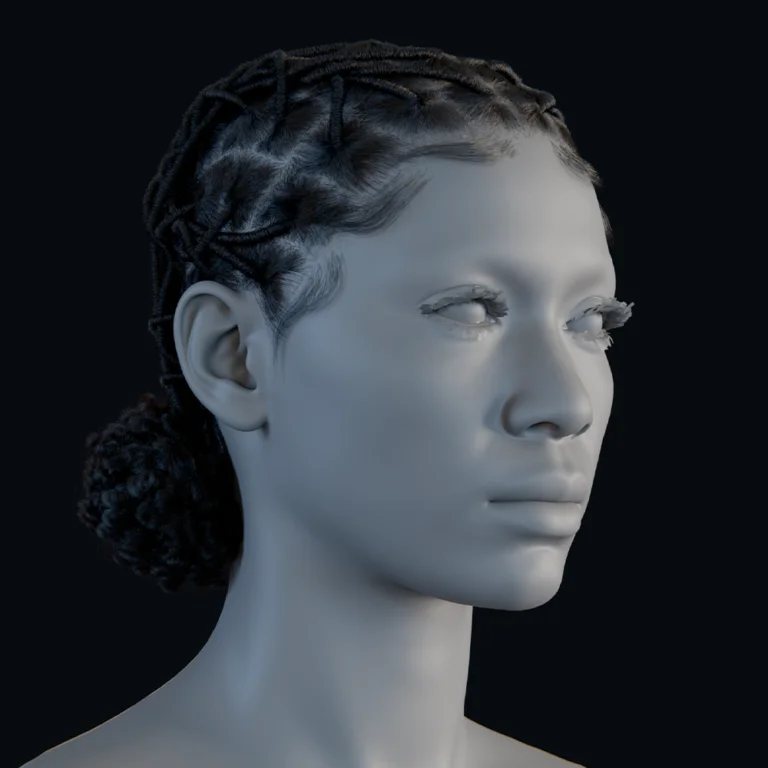
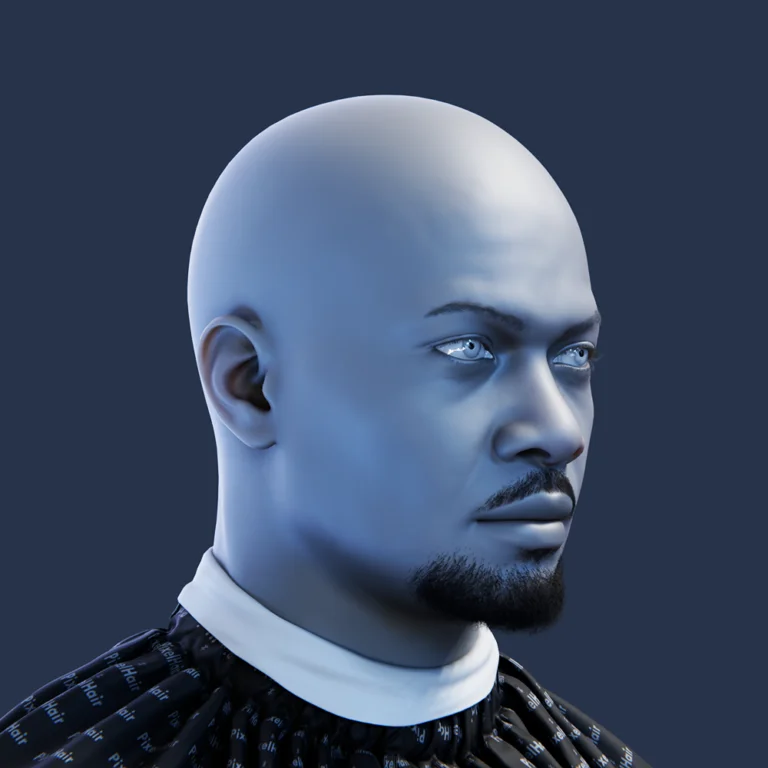
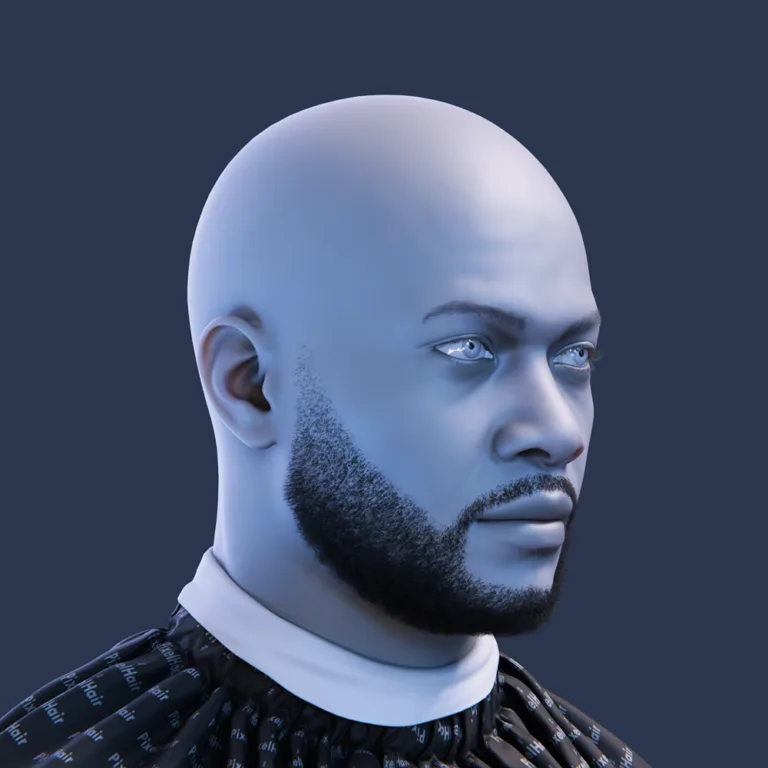
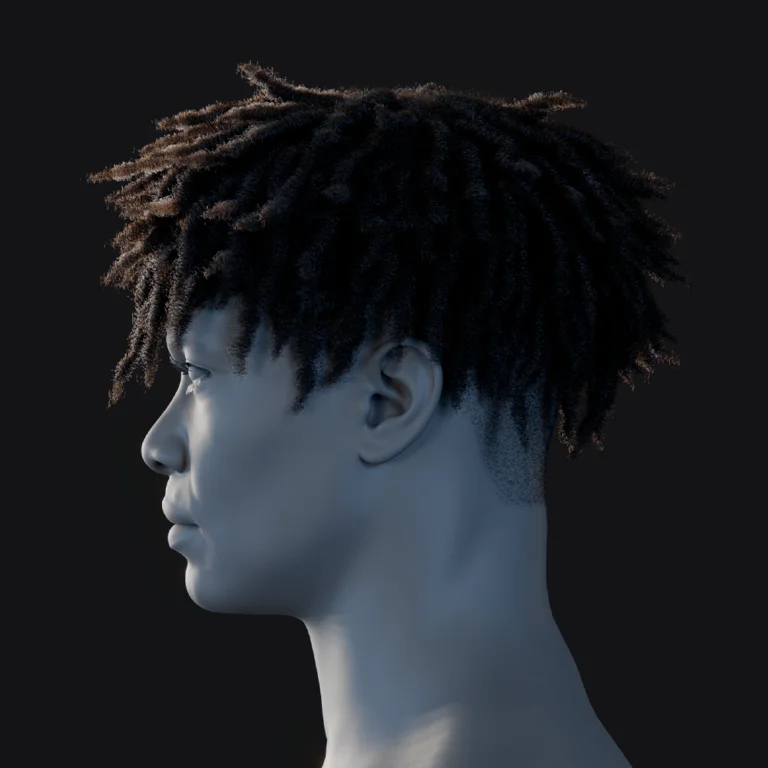
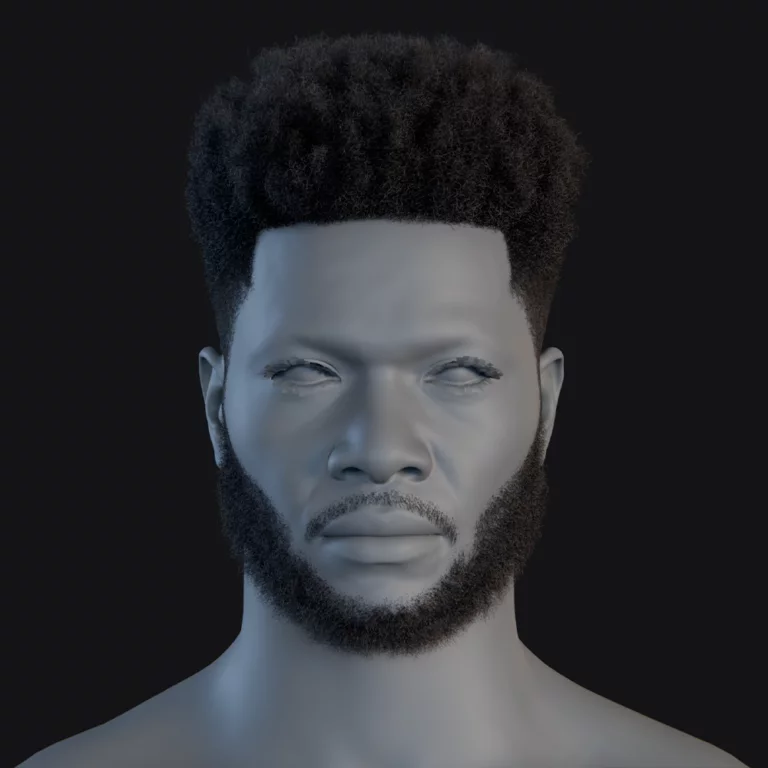
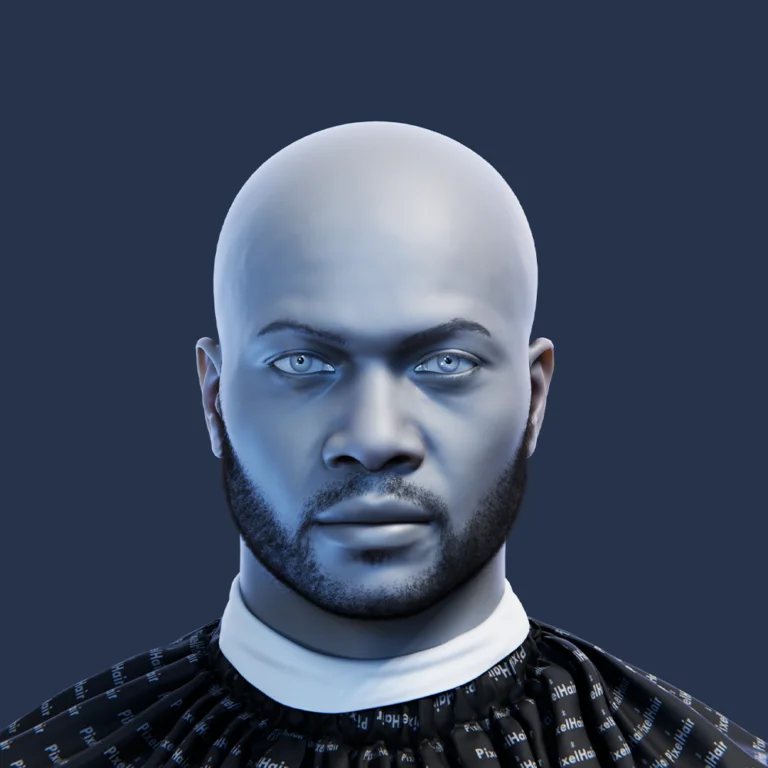
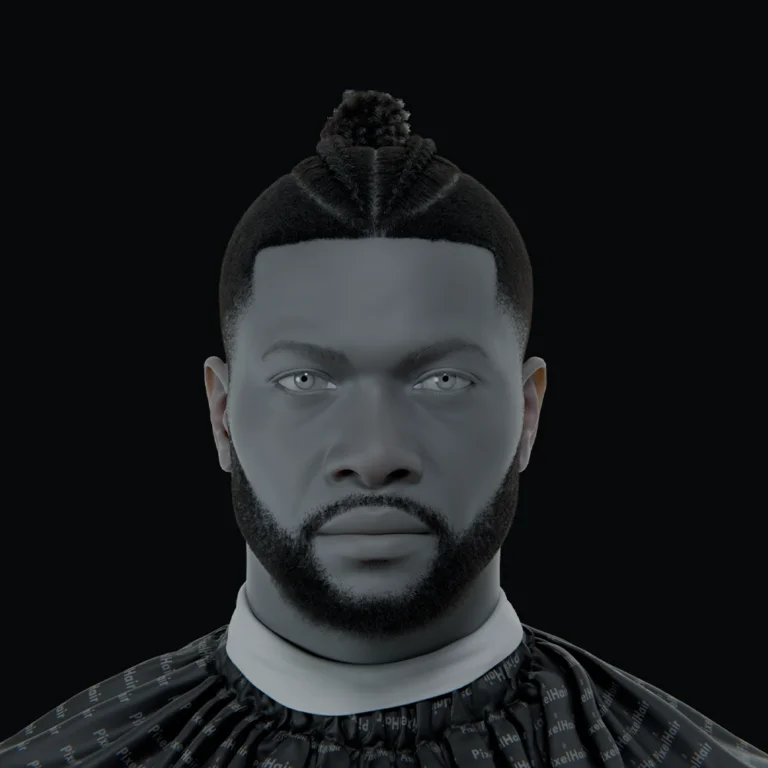
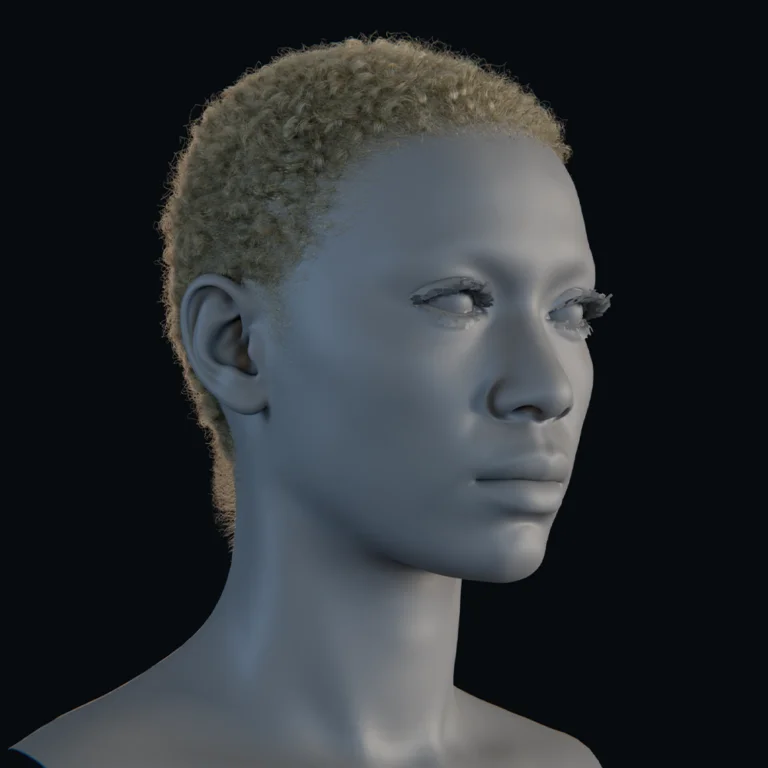
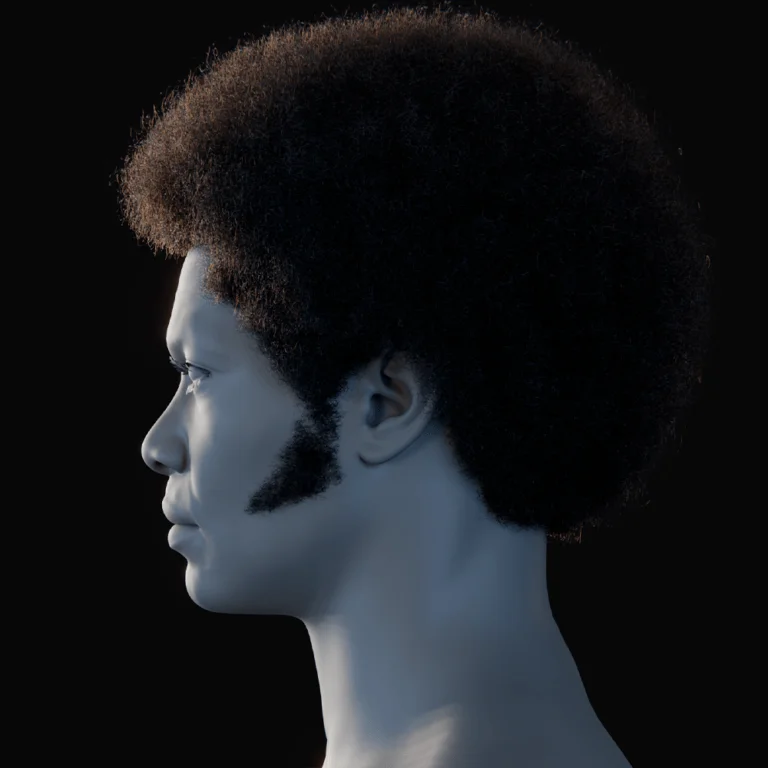
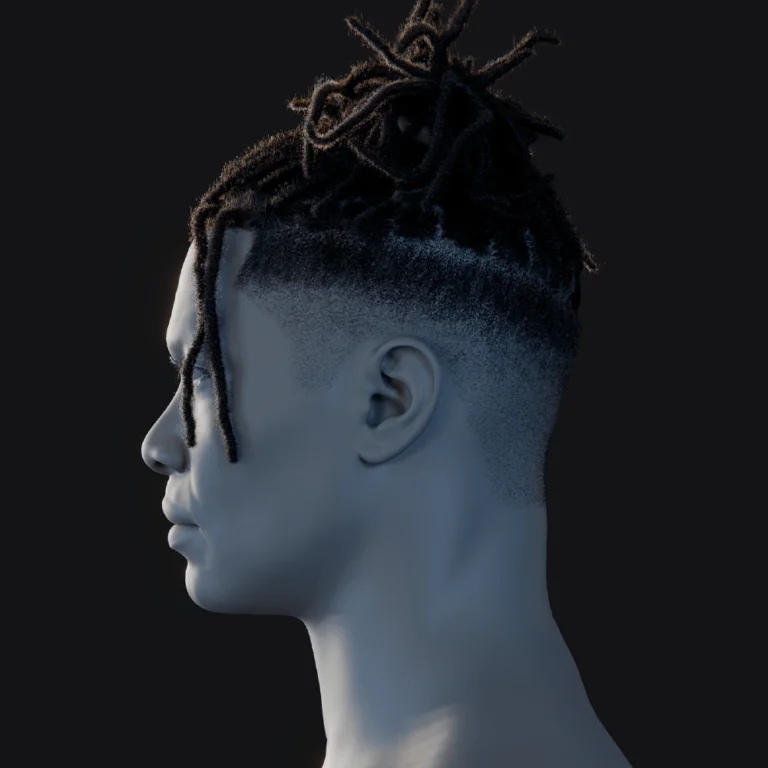
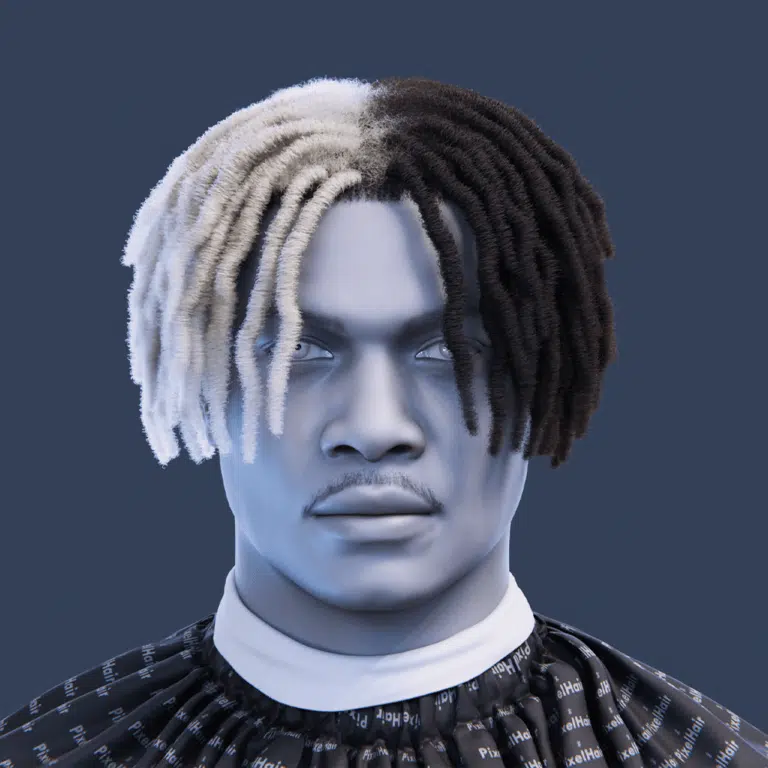
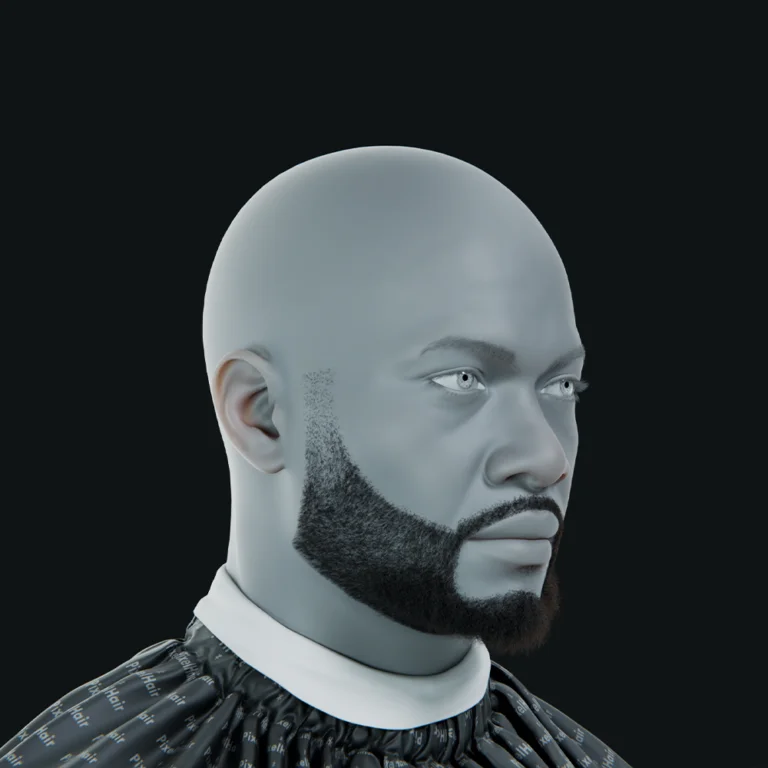
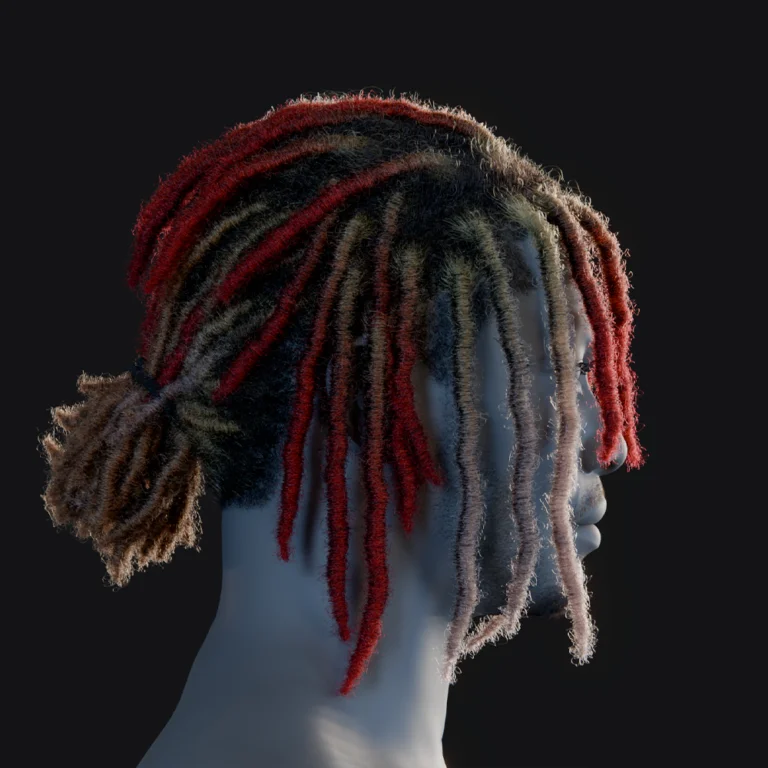
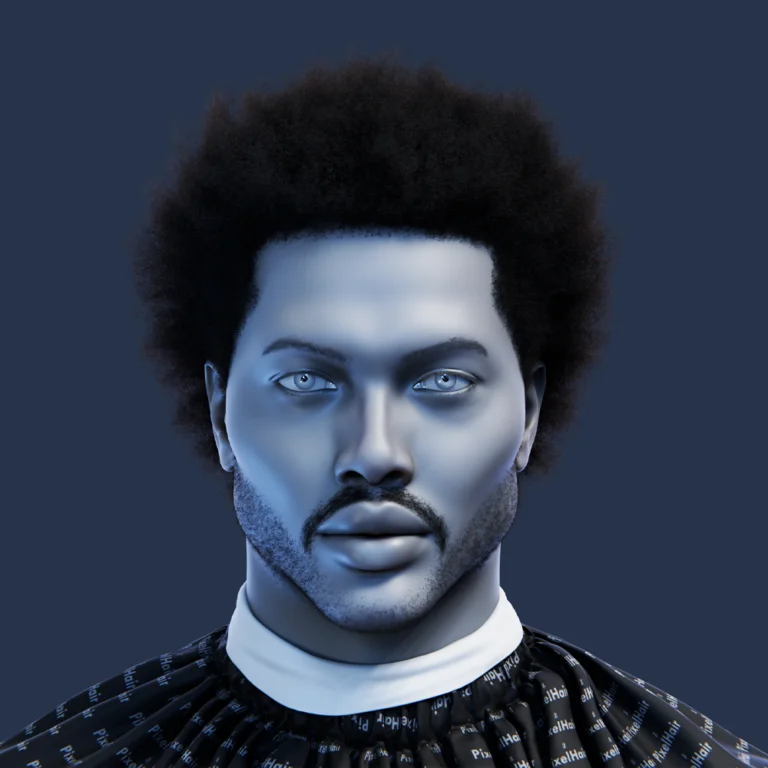
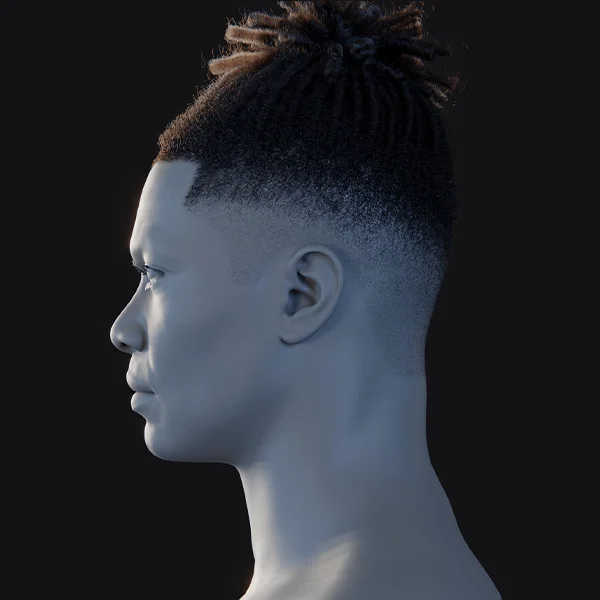
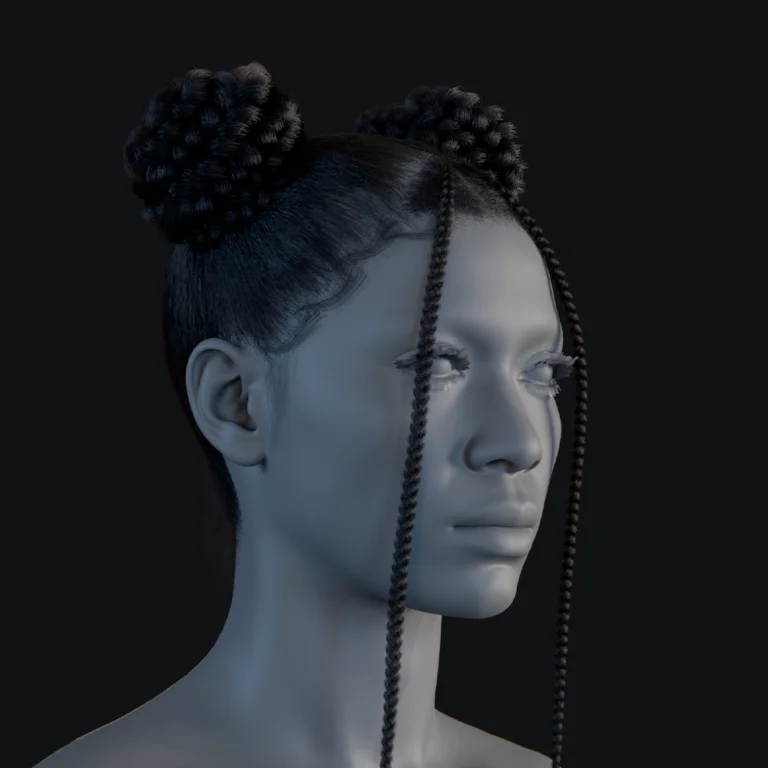
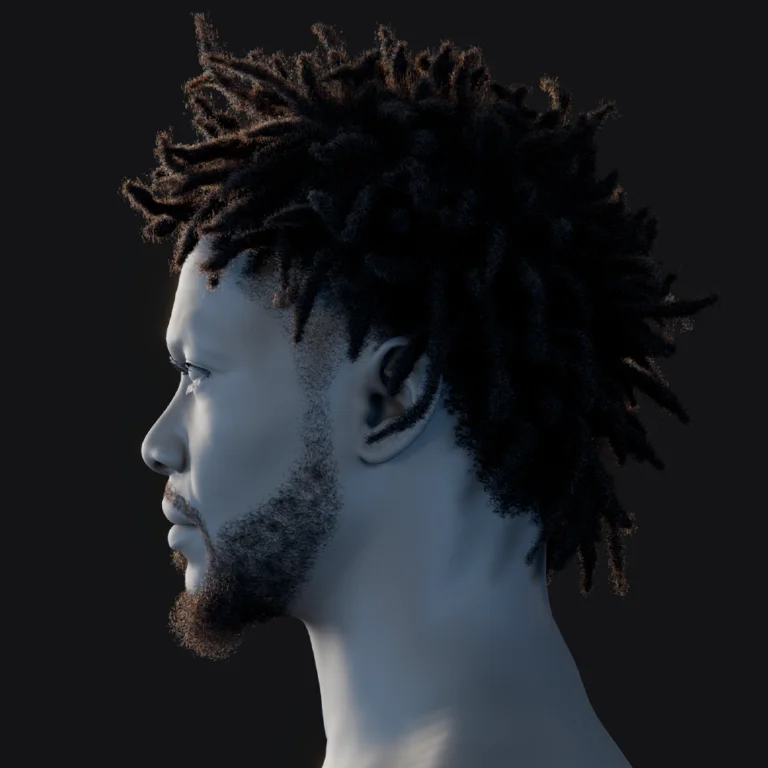
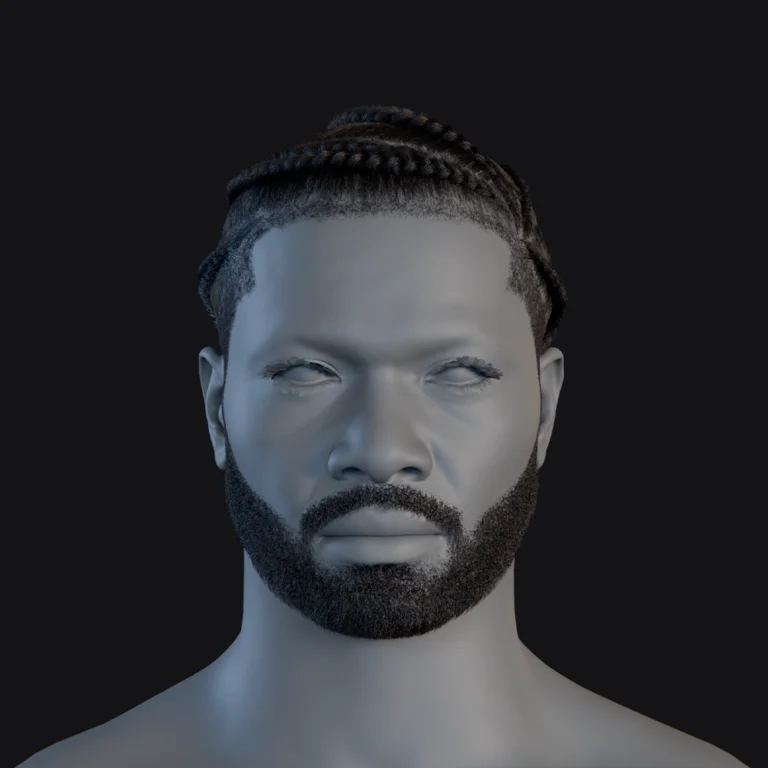
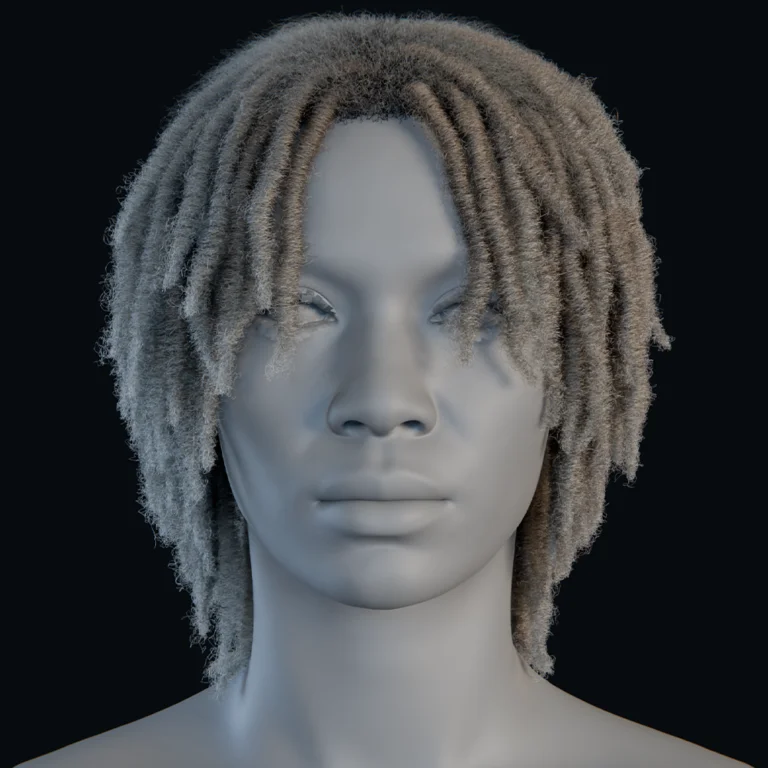
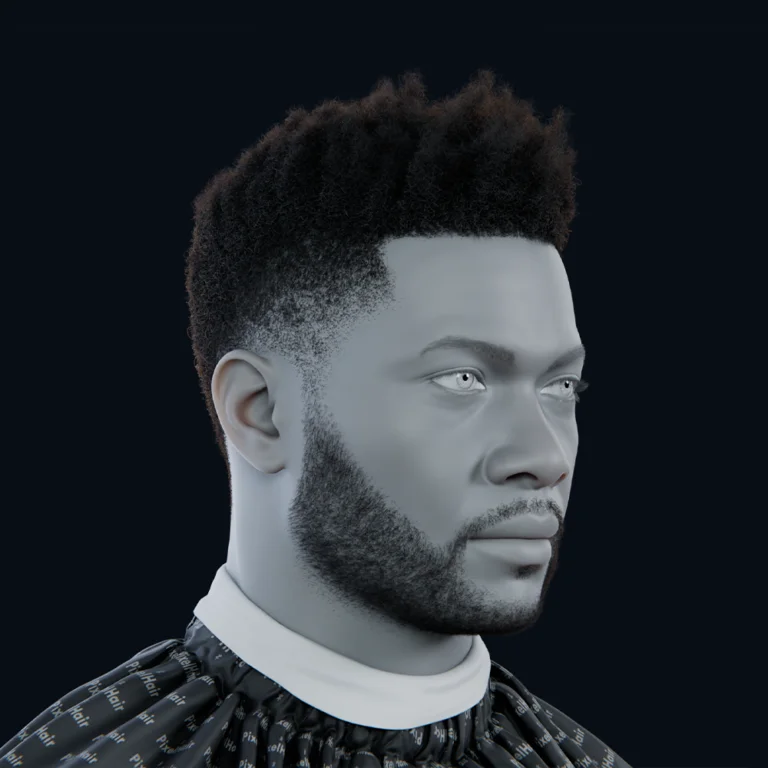
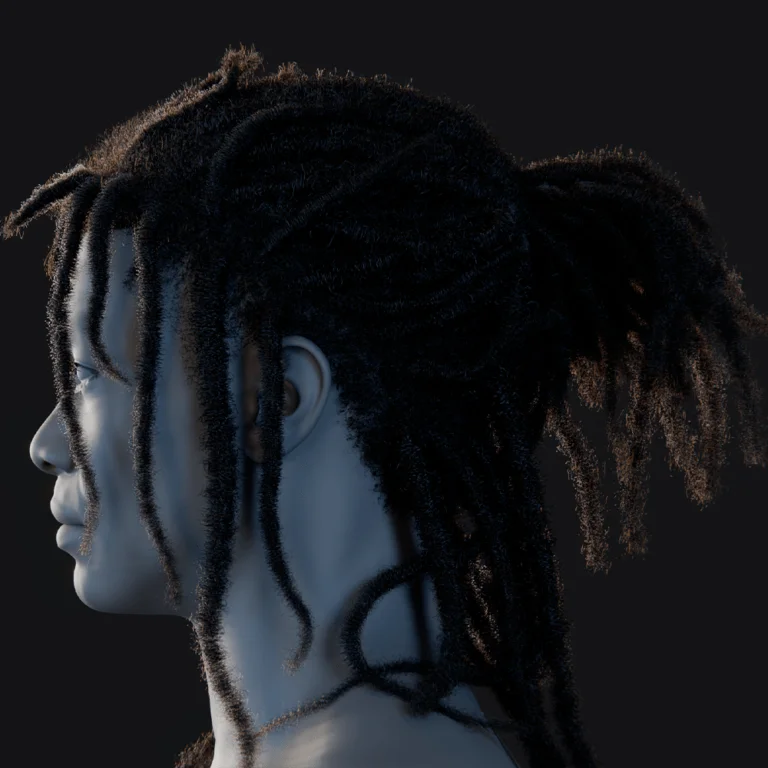
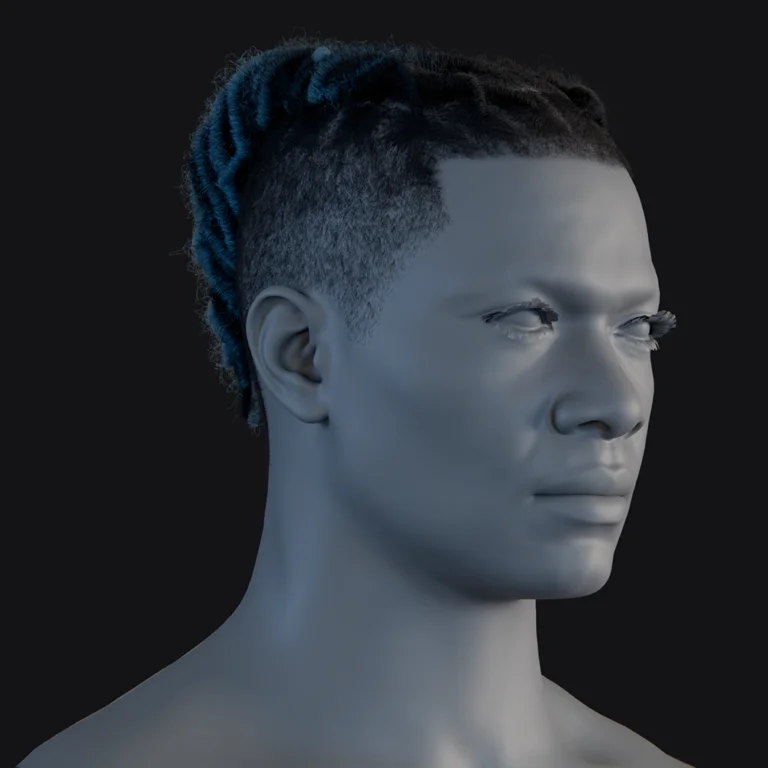
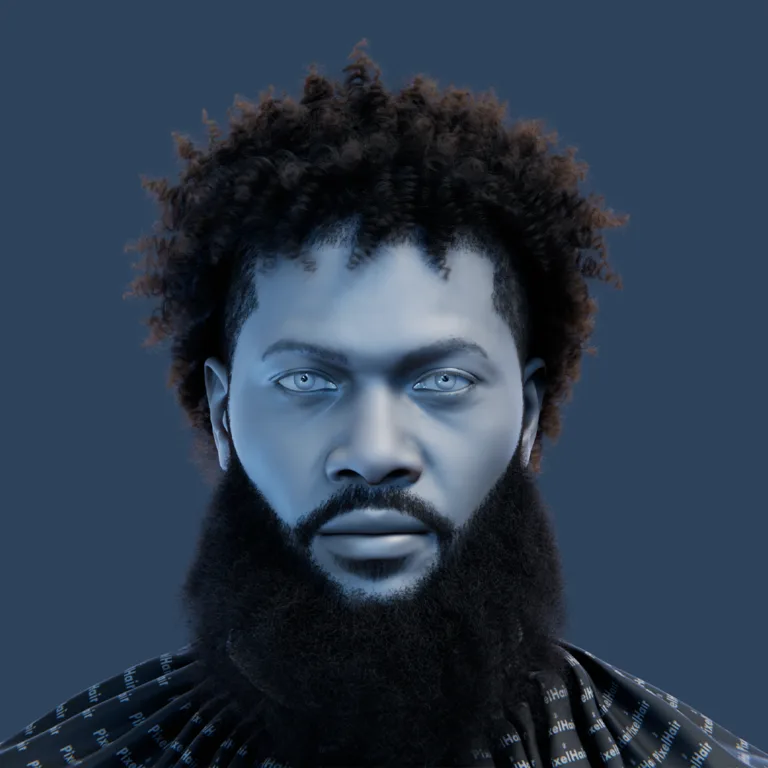
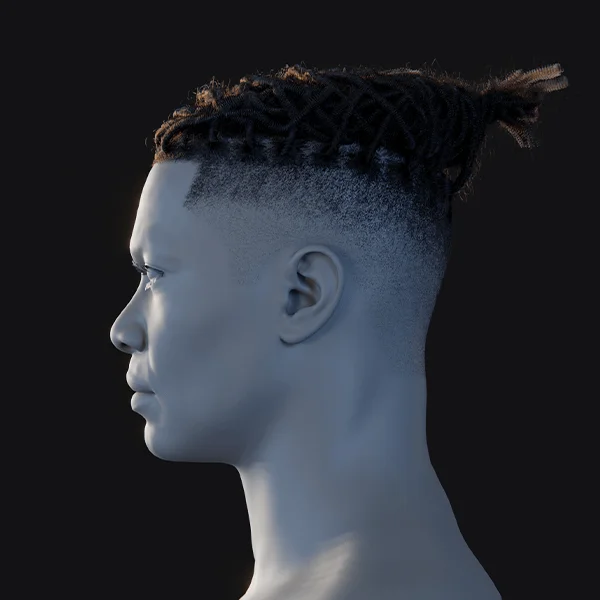
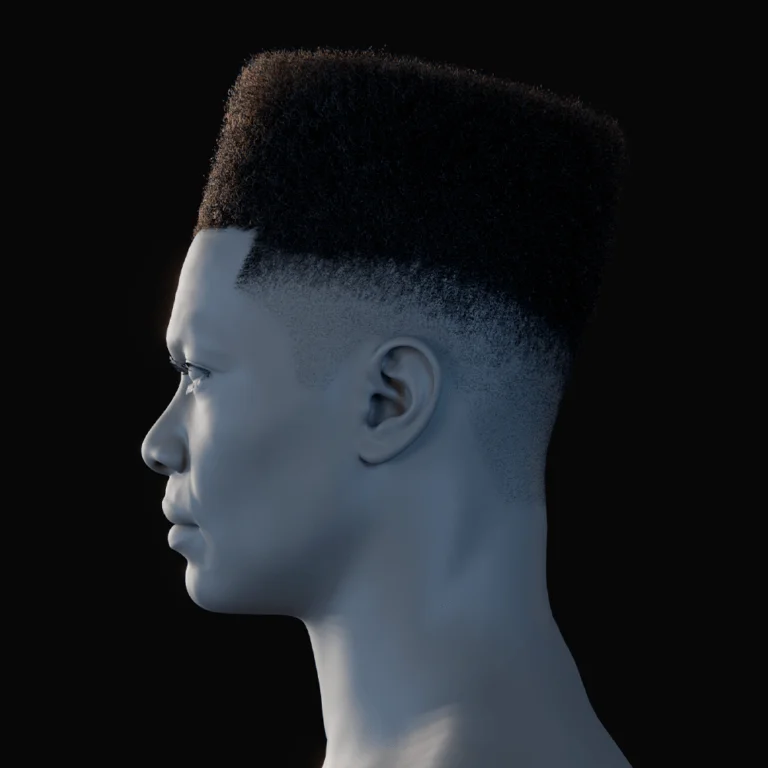
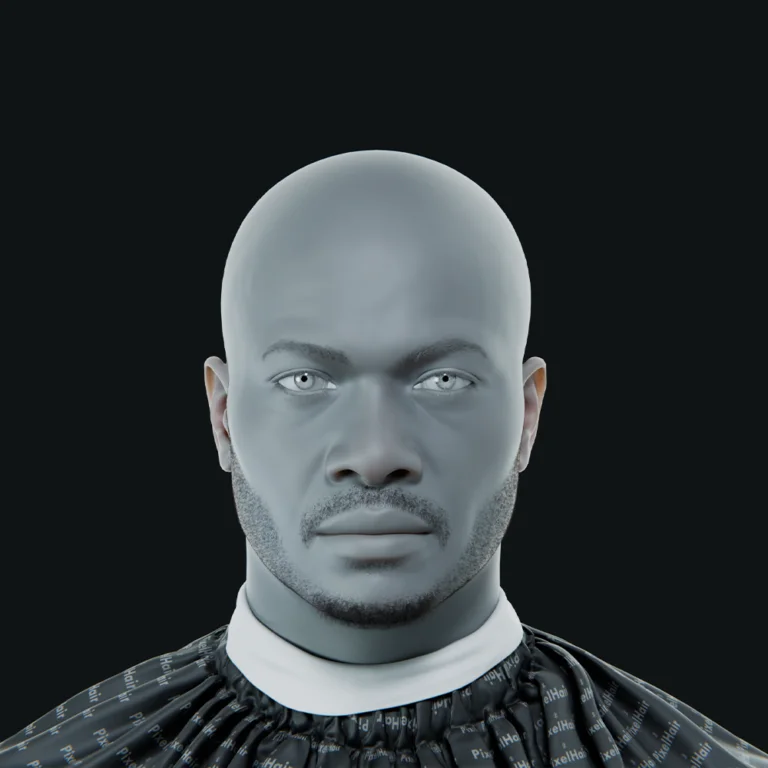
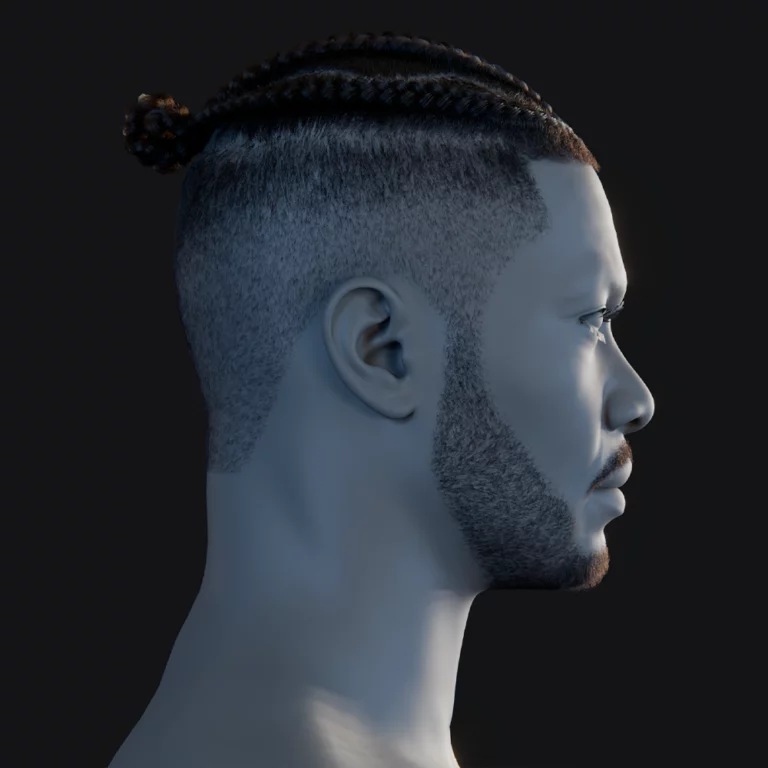
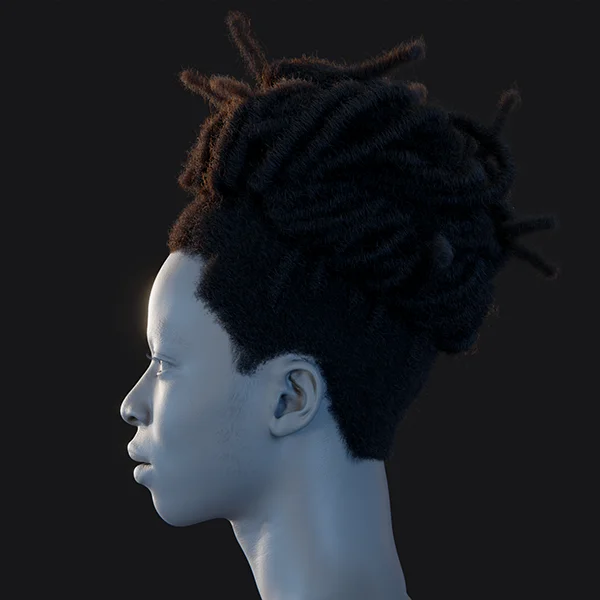
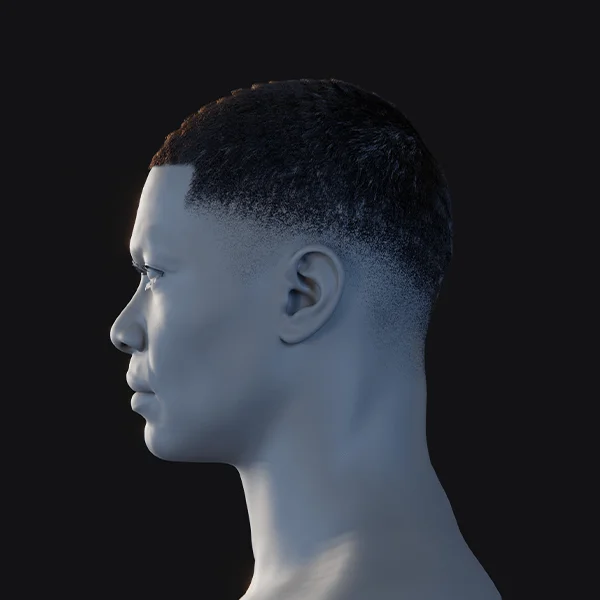
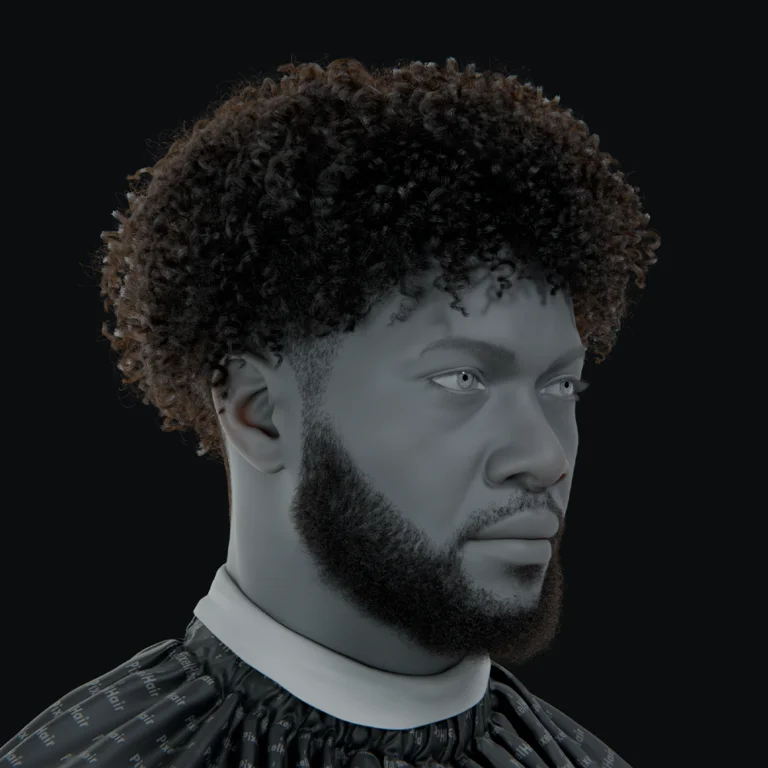
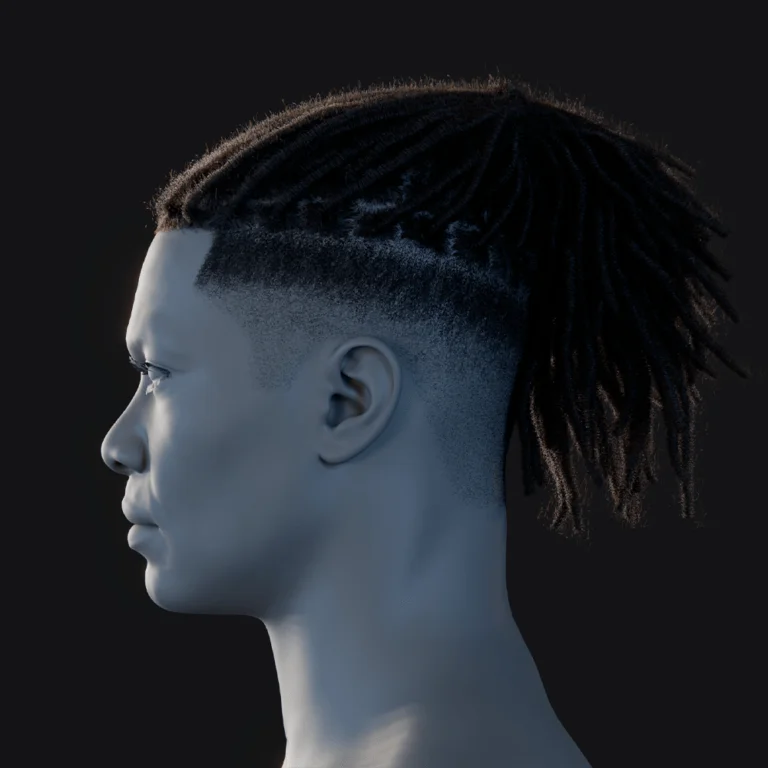
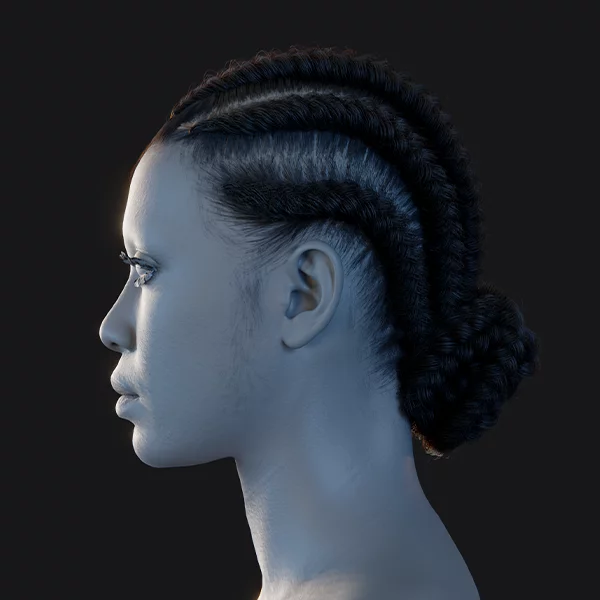
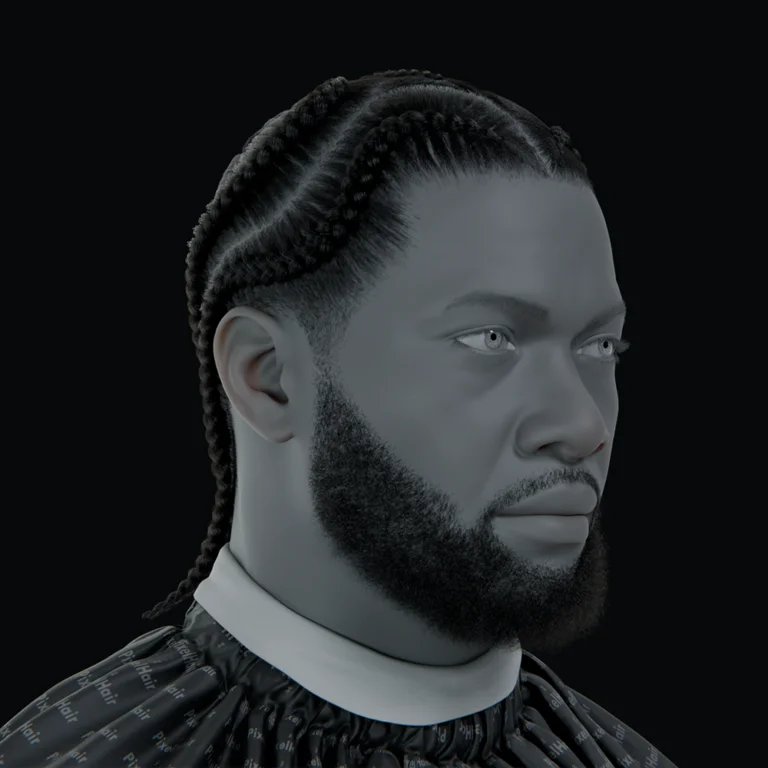
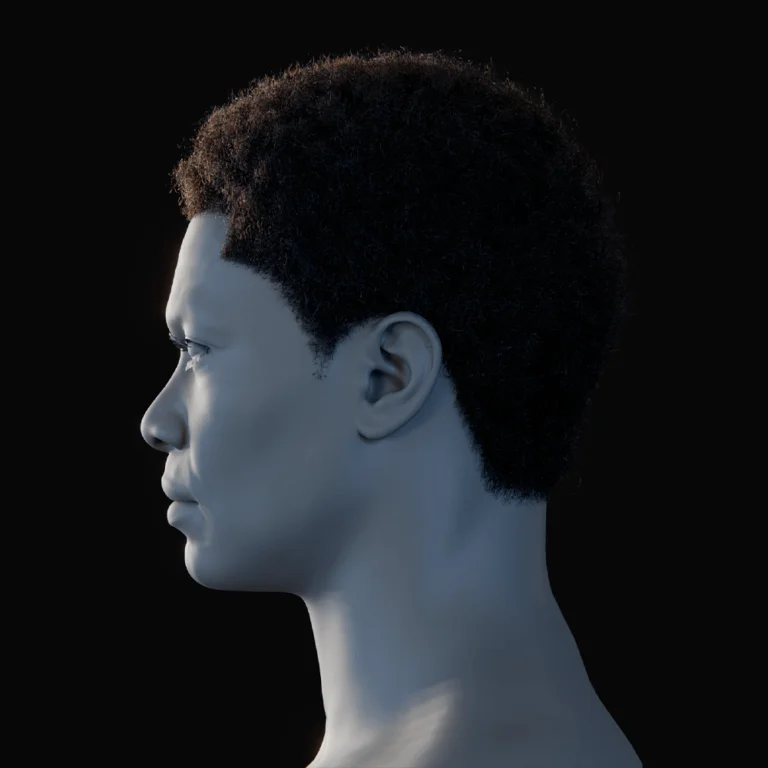
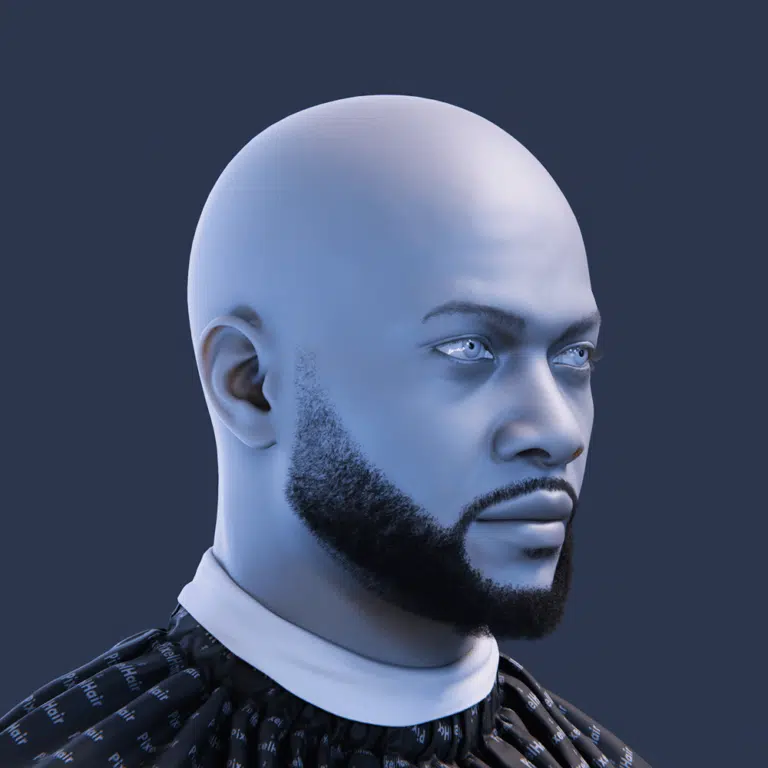
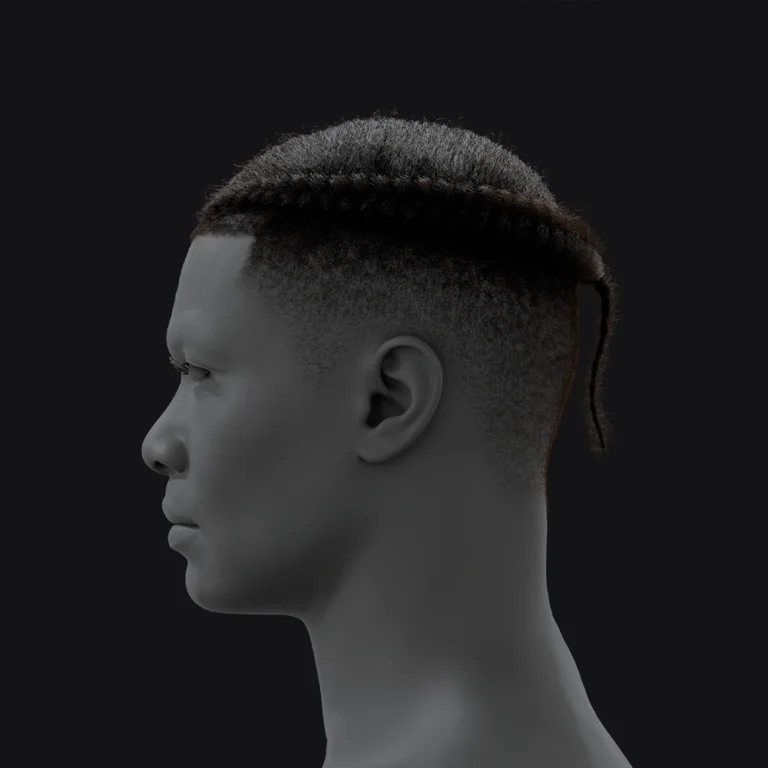
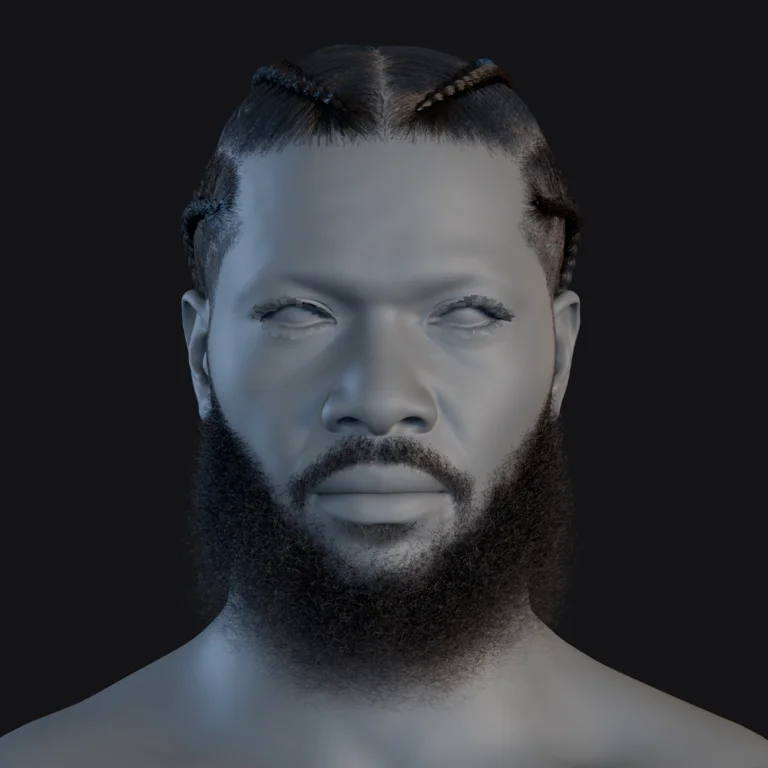
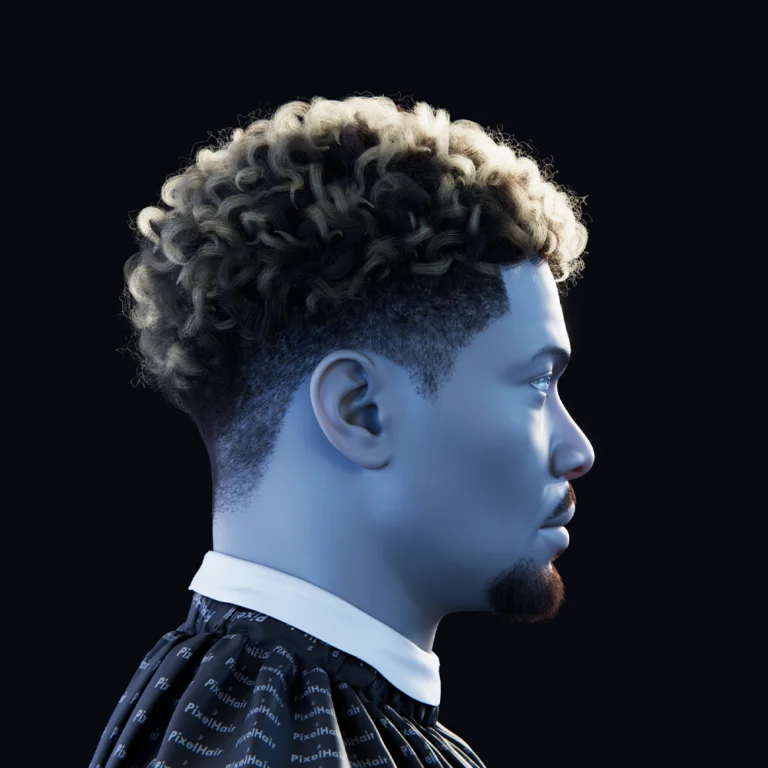
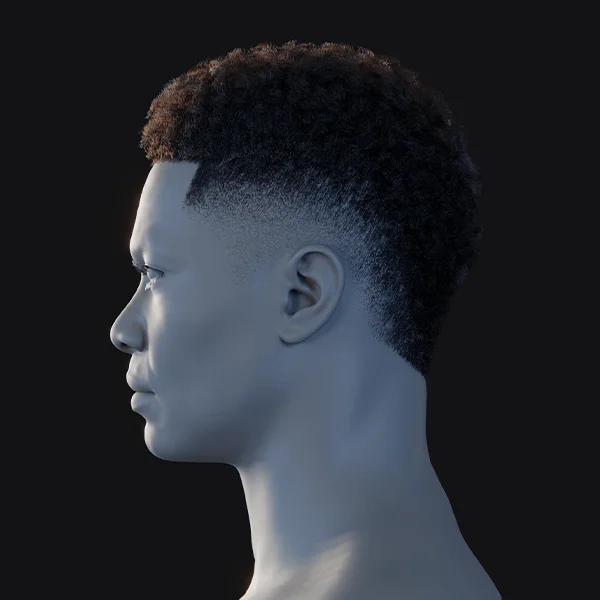
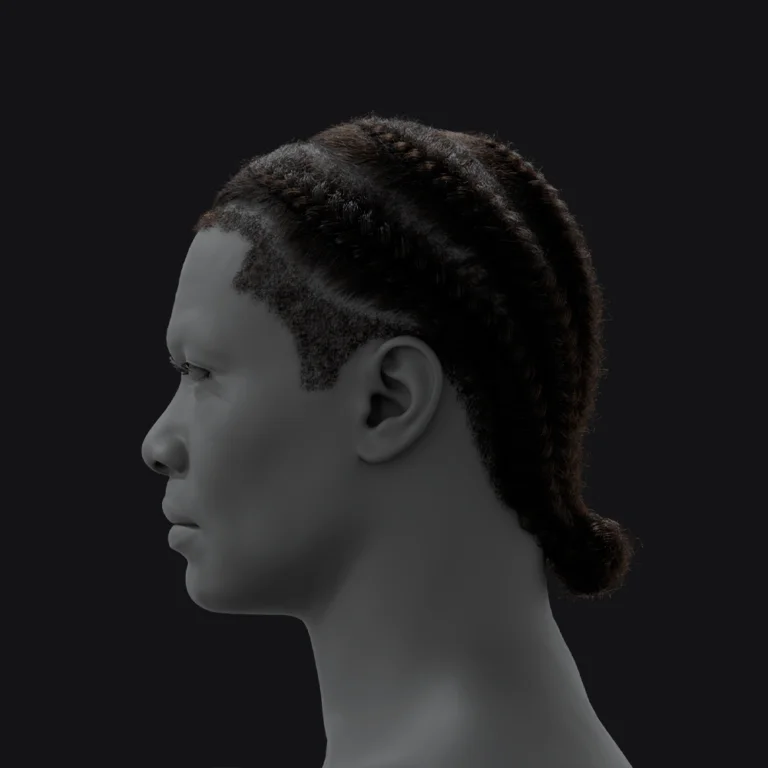
PixelHair provides high-quality 3D hair asset collections that save artists time by offering ready-made hairstyles. These assets use Blender’s hair systems and can be exported to Unreal Engine for use with MetaHuman characters via Alembic or hair cards. Netflix’s funding and Blender’s transition to a geometry nodes-based hair system allow creators like Yelzkizi to improve their products. As Blender’s core hair system matures, add-on creators can offer more realistic, procedural, and physics-integrated hair assets. The rising popularity of Blender also increases the market for such assets, as small studios and solo artists use them to cut down production time.
The View Keeper is an add-on that streamlines camera management by allowing users to store unlimited angles on a single camera, including unique render settings per view. This is highly valuable for professional previs and layout workflows. As professional adoption grows, tools like this become more essential. While there is a possibility that Blender might eventually integrate such features natively, this validation typically pushes the software forward and allows add-on developers to innovate further. Increased funding also leads to a more stable Python API and better performance, which benefits all add-on functionality. Additionally, the development of the Blender Asset Browser and Extensions platform will provide creators with better distribution channels.
What Blender artists and small studios should do to benefit from this shift
Individual artists and small studios can capitalize on Blender’s industry validation and accelerated development through several strategic steps:
- Stay Informed and Up-to-Date: Keep software updated to access the latest performance improvements and features funded by new sponsors.
- Invest Time in Learning New Features: Master advanced capabilities like new animation or simulation systems to replace the need for external paid tools.
- Consider Blender for Tasks You Previously Used Other Software For: Evaluate if Blender can serve as an all-in-one solution to save on licensing fees for modeling, texturing, or animation.
- Leverage the Growing Community and Training Resources: Utilize the increasing volume of tutorials, documentation, and forum activity to solve problems and improve skills.
- Optimize Your Workflow with Add-ons (Selectively): Use part of the saved software budget to invest in productivity-boosting add-ons while monitoring when features become native.
- Participate in the Blender Community & Development Feedback: Use platforms like Right-Click Select to propose features and report bugs to improve the software for professional use.
- Mix Blender into Client Work and Highlight Its Use: Showcase Blender’s capabilities to clients to help build its professional reputation and eliminate software stigma.
- Embrace Cost Savings for Growth: Reinvest the money saved on licenses into better hardware, team training, or additional staff.
- Plan for Pipeline Integration: Test and utilize Blender’s improving support for industry standards like USD, Alembic, and FBX to collaborate with other studios.
- Maintain a Growth Mindset: Stay nimble and monitor how Blender interfaces with emerging technologies like real-time rendering, VR, and AI.
By leveraging these opportunities, small players can achieve professional results comparable to large studios while maintaining a low-cost, flexible workflow.
How to support Blender development without being a corporate sponsor
While Netflix provides massive funding, Blender remains a community-driven project that relies on individual contributions. There are several ways for individuals and small entities to support the software’s success:
- Join the Blender Development Fund as an Individual: Small monthly donations, such as the €5 “Bronze” tier, provide steady, predictable income for core expenses.
- One-Time Donations: Artists can provide one-off contributions via PayPal or credit card to celebrate successful projects or events.
- Support Through Blender Studio (Cloud): A monthly subscription provides access to training and assets while directly funding open movie projects that drive technical innovation.
- Buy Blender Merchandise or Cloud Assets: Purchasing official gear or assets from creators who donate a percentage of sales helps fund development and raise awareness.
- Contribute Time and Skills: Support is not always monetary; users can fix bugs, write documentation, translate the interface, or create tutorials.
- Report Bugs and Participate in Testing: Active testing of alpha and beta builds helps maintain software quality and professional confidence.
- Promote Blender (Advocacy): Demonstrating Blender’s professional capabilities to peers and decision-makers encourages wider adoption and potential sponsorship.
- Donate via Platforms: Using donation options on platforms like Steam or the Microsoft Store signals community support to those distributors.
- Support Related Open-Source Projects: Helping adjacent projects like OpenColorIO or Cycles standalone indirectly strengthens the Blender ecosystem.
- Encourage and Empower Developers Around You: Studios can donate developer time by allowing staff to contribute bug fixes or scripts back to the core project.

Frequently Asked Questions (FAQs)
- Will Blender remain free now that Netflix is funding it?
Yes. Blender is released under the GNU GPL license, which legally prevents it from becoming paid software. Netflix’s contribution is a donation to support development, not an investment for profit. - Does Netflix now control Blender or its development direction?
No. While Netflix has closer dialogue with the team as a Patron, the Blender Foundation and community-driven processes still govern the roadmap independently. - How much is Netflix contributing to Blender, and what does that money go toward?
Netflix contributes at least €240,000 per year (€20,000/month). This funds general core development, covering roughly four full-time developers to work on features and performance for all users. - Why is Netflix investing in Blender instead of just using other 3D software?
It is a strategic investment in tools they already use (like at Animal Logic). It is cost-effective compared to proprietary licensing fees and supports a larger talent pool of artists. - Will Netflix’s contribution change Blender’s roadmap or features?
Funding is for “general core development.” While Netflix can suggest priorities, features must benefit the broader community and pass the regular open review process. - Is Blender still open-source (GPL) with corporate sponsors involved?
Yes. The GPL is non-negotiable. All code, including that funded by Netflix, remains open and available to everyone. - Do Blender users get any special benefits or versions from Netflix’s funding?
No. There is no “Netflix edition.” All improvements land in the public, official releases for every user to download for free. - Does Netflix Animation Studios actually use Blender in their productions, or is this just PR?
It is real usage. Studios like Animal Logic use it for previs and art. It was used in projects like “Leo,” “Maya and the Three,” and “Guillermo del Toro’s Pinocchio.” - Could other studios start using or funding Blender after this?
Yes. Netflix’s move validates Blender for high-end production, encouraging other studios to adopt and potentially fund the software. - How can individual users or small studios support Blender’s development?
By joining the Development Fund, subscribing to Blender Studio, reporting bugs, or contributing code and documentation.

Conclusion
Netflix joining as a Corporate Patron is a milestone that validates Blender as a professional standard. This model combines large-scale corporate funding with thousands of individual donations, allowing the Foundation to accelerate development without losing independence. This shift signals a “golden era” for open-source creative tools, where talent and creativity—rather than the ability to afford expensive software—become the primary differentiators for artists and small studios. Despite the influx of big names, the community remains the heart of Blender, ensuring the software stays free and open for everyone. that Blender will be there growing with our ambitions.
Sources and citation
- CG Channel — “Netflix Animation Studios donates €240k/year to Blender dev fund” (Jim Thacker, Jan 28, 2026)
- Cartoon Brew — “Netflix Becomes Maximum-Level Patron Of Blender’s Development Fund” (Jamie Lang, Jan 28, 2026)
- CGPress — “Netflix Animation Studios joins Blender Development Fund as corporate patron” (Paul Roberts, Jan 28, 2026)
- AEC Magazine — “Netflix joins Blender Development Fund” (Jan 30, 2026)
- ByteIota — “Netflix Backs Blender with €240K: Open Source Wins” (ByteBot, Jan 30, 2026)
- Blender Artists Forum — “Pixelhair for blender” (Yelzkizi, July 13, 2023)
- FlippedNormals — “PixelHair – 3D hair for Blender and Unreal Engine (Bantu Knots)” (product page)
- SuperHive (Blender Market) — “The View Keeper (Lite) – Camera Management Addon” (product page)
- CGPress — “Ton Roosendaal on Blender’s GPL license” (Paul Roberts, June 4, 2019)
- Blender Artists Forum — “Financial support for the Blender Foundation” (Aug 1, 2023)
- AppleInsider — “Apple joins Blender Development Fund, macOS back as supported platform” (Oct 14, 2021)
- CG Channel — “See the 2026 Blender development roadmap” (Jim Thacker, Feb 3, 2026)
- Wikipedia — “Blender (software)” (Development Fund definition line)
- Reddit (/r/movies) — “Netflix Becomes Max-Level Patron Of Blender’s Development Fund” (Jan 29, 2026)
- Reddit (/r/blender) — “Can Blender pull a fast one… become paid/commercial software…” (Apr 11, 2019; post deleted)
Recommended
- Nipsey Hussle’s Braids: A Symbol of His Legacy
- Why The View Keeper Is the Best Blender Add-on for Scene Management
- Daz Studio vs Character Creator: Comprehensive Comparison of Features, Workflows, and Asset Integration
- Improving Blender Rendering: How The View Keeper Makes Rendering a Fun Experience
- Devil May Cry Nero: Character Backstory, Abilities, Game Appearances, and Lore Explained
- Ornatrix Guide: Best Hair and Fur Plugin for 3D Artists in Maya, 3ds Max, and Blender
- Intergalactic: The Heretic Prophet Controversy – Exploring the Backlash and Public Discourse
- How do I make the camera move along a curve in Blender?
- High-Level Metahuman Mocap Workflow: Professional Techniques for Unreal Engine 5 Animation
- How to Turn a 2D Concept into a 3D Character: Start-to-Finish Workflow Using Blender and ZBrush