


What is the role of streamers in the game industry
Video game streamers have transformed how games are marketed, experienced, and sustained in the modern industry. In essence, streamers serve as real-time content creators and community leaders who can popularize titles or define gaming trends. They broadcast gameplay live on platforms like Twitch, YouTube Gaming, and Kick for audiences of millions, turning gaming into a participatory spectator sport. This exposure and entertainment factor means streamers now play a powerful role in driving player interest, sales, and even game design feedback.
In fact, their influence spans everything from boosting game sales to shaping player behavior, making them a force the industry can’t ignore. Major publishers recognize that during peak hours, millions of viewers are watching game streams instead of traditional media. As a result, engaging popular streamers has become an essential strategy for game success. Streamers act as both marketing amplifiers – showcasing new titles to huge audiences – and community hubs – creating loyal fan communities that keep games alive long after release. In short, the role of streamers in the game industry has evolved into a cornerstone of game discovery, promotion, and ongoing community engagement.
How game streamers influence video game sales and downloads
Game streamers significantly impact game sales and player counts, as viewers often purchase games after seeing authentic previews. High viewership can lead to viral success and overnight growth, evidenced by titles like Among Us and Rust, which saw massive player surges after being featured by popular streamers. Data confirms this “watch then buy” effect, with organic Twitch streams linked to a 3% increase in Steam players. Streamers act as real-time demos, helping viewers evaluate fun factors and raising awareness for lesser-known titles. While positive engagement boosts sales, negative reactions can dissuade buyers. Overall, streamer coverage is often more influential than traditional ads or reviews.
“Twitch effect” on new game launches and early hype
The “Twitch effect” refers to the hype and adoption surge when a game dominates streaming platforms at launch. Developers now prioritize Twitch metrics, such as viewer counts and hours watched, over traditional day-one sales figures. Success often stems from an “influencer flywheel,” where top streamers draw audiences that attract more creators. This was famously demonstrated by Apex Legends, which reached 50 million players in a month after a coordinated push with streamers like Ninja and Shroud. High Twitch visibility signals widespread interest and creates a snowball effect, making live viewership a critical barometer for a game’s long-term potential and market impact.
Streamer marketing for video games and how publishers plan campaigns
Publishers now integrate influencer marketing into their core strategies, allocating substantial budgets—sometimes up to $50,000 per hour for top talent—to secure streaming coverage. Marketing plans involve giving creators early access, sponsoring launch-day streams, and coordinating synchronized events to flood platforms with content. These campaigns prioritize authenticity by partnering with streamers whose audiences align with the game’s genre. For many publishers, these partnerships are replacing traditional TV ads, as influencers are viewed as the new “press” essential for reaching the gaming demographic.
How to partner with streamers for a game launch
Successful partnerships require early planning and building authentic relationships long before release. Developers should involve streamers in early development phases and focus on “fit” rather than just audience size, as niche, mid-tier creators often have more engaged and trusting communities than mega-streamers. Practical support includes providing early access, exclusive content, and technical kits to ensure professional broadcasts. Clear communication regarding expectations and disclosures is vital. By supporting streamers during and after the launch, developers can turn creators into long-term advocates rather than one-off advertisers.
Sponsored streams vs organic coverage for video game promotion
Companies promote games through sponsored streams (paid) or organic coverage (unpaid). Research indicates that sponsored streams often result in a median ROI of -95%, as the cost frequently outweighs the resulting sales or player growth. Conversely, organic streams provide a modest 3% average increase in active players at no cost. This discrepancy exists because viewers trust organic enthusiasm more than paid sessions, which can feel forced or temporary. While rare cases show 200-300% ROI, these are statistical outliers. Sponsored streams are most beneficial for:
- Lesser-known indie games or projects from small publishers needing initial visibility.
- High-quality games with excellent review scores where visibility leads to immediate player interest.
Transparency is legally required, and many publishers allow creators creative freedom during sponsored slots to maintain authenticity. Often, a mixed strategy is used, where initial paid coverage is meant to trigger a wider organic trend among other streamers.
How to measure streamer campaign ROI for game marketing
Measuring ROI involves correlating streaming activity with player behavior and sales. Analysts track spikes in concurrent players on platforms like Steam during live broadcasts to attribute growth to specific creators. Key metrics for quantifying effectiveness include:
- Viewership and Engagement Metrics: Monitoring peak concurrent viewers, total hours watched, and chat activity to gauge reach and interest.
- Referral Tracking: Using unique links or discount codes (e.g., “XYZGame20”) to directly count sales and downloads generated by specific creators.
- Player Population Uplift: Measuring the net gain in active users before, during, and after a campaign.
- Sales Revenue: Comparing actual revenue against baseline projections using the formula: ((Additional revenue – Campaign cost) / Campaign cost) × 100%.
- Conversion Rate: Calculating the percentage of unique viewers who successfully transition into active players.
Marketers also account for long-term value, such as brand awareness, growth in community hubs like Discord or Reddit, and qualitative sentiment found in chat and forums. For free-to-play games, metrics may shift to cost per install or cost per active user.
Twitch Drops campaigns for games and how Drops drive player acquisition
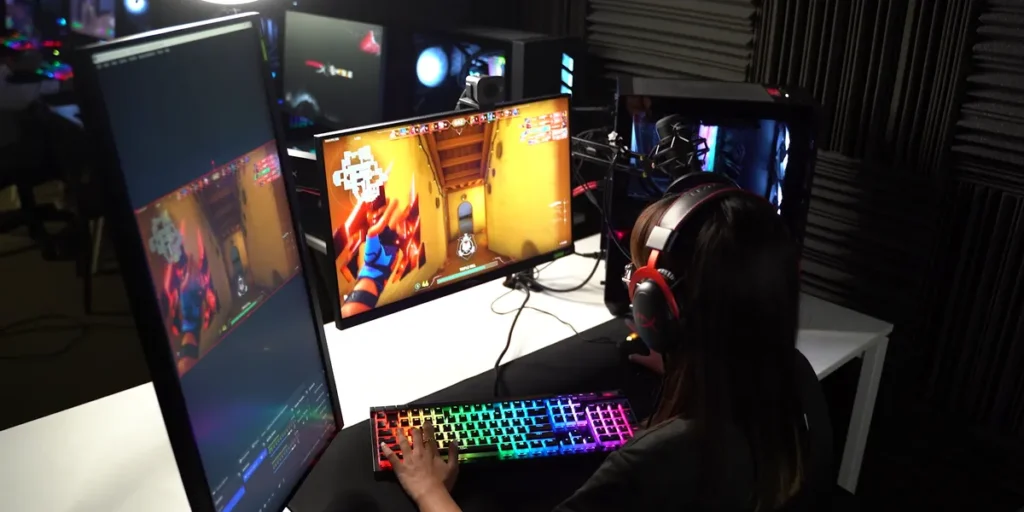
Twitch Drops incentivize viewership by offering in-game rewards for watching streams, effectively converting passive viewers into active players. This was famously utilized by Riot Games for the Valorant launch, where beta access was distributed via Drops, leading to 1.7 million concurrent viewers and 3 million players. This creates a “win-win loop” where viewers get value, streamers get higher viewership, and the game gains exposure. Common rewards include:
- Cosmetic items like skins, pets, or mounts.
- Early access or beta keys.
- In-game currency and boosters.
Drops lower the entry barrier because viewers who “own” an item are more likely to download the game to use it. Developers must balance rewards to ensure they are meaningful without disrupting game balance or overloading servers. Many live-service games now use Drops as a standard tool for major updates and expansions to convert streaming energy into in-game engagement.s seeking a surge of interest, a well-crafted Drops campaign can ignite growth in a way standard ads simply can’t.
Indie game discovery on Twitch and YouTube Gaming
Streaming platforms like Twitch and YouTube have revolutionized discovery for indie and niche games, providing exposure that was previously dependent on storefront visibility or word-of-mouth. A single influential streamer can elevate an unknown title to global success, serving as a vital showcase for developers with limited marketing budgets. This dynamic is evidenced by several notable examples:
- Among Us: Transitioned from an obscure 2018 title to a phenomenon with 500 million monthly players in 2020 after gaining streamer attention.
- Phasmophobia: Exploded in late 2020 as streamers highlighted its cooperative horror gameplay, leading it to the top of the Steam charts.
- Vampire Survivors: A low-cost indie that achieved massive sales and awards in 2022 due to persistent streamer interest in its addictive mechanics.
Twitch and YouTube lower barriers to entry by providing “crowdsourced promotion.” When creators find novel or meme-worthy games, it often triggers a cascade effect where other streamers follow suit. YouTube Gaming further supports this through long-form “Let’s Play” videos and reviews, which offer sustained visibility via search and recommendation algorithms. Additionally, streaming has revitalized older games, such as Minecraft’s 2019 resurgence, and niche genres like chess. Consequently, many indie developers now design games specifically to be “fun to watch” to capitalize on this unimaginable level of visibility.
Streamer-friendly game features that increase watchability
Developers are increasingly incorporating specific features to enhance a game’s “streamability,” recognizing that content creator appeal is a powerful marketing tool. These features include:
- Interactive Audience Integration: Tools that allow viewers to influence the game via chat votes or spawned events, increasing viewer engagement.
- Spectator Modes and Tournament Tools: Robust camera controls and custom lobby features that allow for professional broadcasting of competitive matches.
- “Streamer Mode” Settings: Options that protect creators by hiding sensitive information (IP addresses, room codes), anonymizing player names to prevent stream-sniping, and replacing licensed music with safe tracks to avoid DMCA copyright strikes.
- Watchability-Oriented Game Design: Designing games with unpredictable moments, clear visual feedback, and natural narrative arcs (like the looting-to-showdown progression in battle royales).
- UI and Accessibility for Streams: Clutter-free interfaces and accessibility options like colorblind modes that ensure a broader audience can follow the action.
- Built-in Camera Controls: Advanced tools for cinematic shots, such as those used in Microsoft Flight Simulator or creative apps.
These features reduce friction for creators and make games more entertaining for viewers, significantly increasing the chances of a title going viral.
How streamers shape gaming communities and player retention
Streamers do more than drive initial sales; they build loyal communities that enhance long-term player retention. Fans often join a streamer’s Discord or Reddit, creating a social glue that keeps them engaged with a game far longer than they would be if playing alone. Key ways streamers influence retention include:
- Community Building: Streamers create sub-communities where players discuss strategy, form guilds, and participate in viewer matches or streamer-led servers.
- Ongoing Content and Hype: Tutorials, highlights, and discussions regarding new patches keep games relevant and exciting for the player base.
- Mentorship: Streamers act as role models, helping newcomers learn complex games and reducing the likelihood that they will quit due to a steep learning curve.
- Parasocial Relationships: Viewers feel a personal connection to the streamer’s journey, often playing the game in parallel to share in the experience and communal goals.
- Cultural Tone: Streamers set the behavioral standards for their communities; those who promote positivity help create welcoming environments that retain players.
Ultimately, streamers transform games from mere software into shared social experiences, fostering a level of loyalty that sustains a game’s player base over time.d by streamer personalities, where viewers and players feel they belong to something bigger, and thus stick with the game longer.
Streamers and esports growth: tournaments, sponsorships, and viewership
Streamers are now essential to the esports ecosystem, driving tournament growth, attracting sponsors, and increasing viewership. While esports were traditionally viewed on official broadcasts, co-streaming has become common, where popular influencers provide personal commentary. This can more than double total audiences; for instance, over 60% of viewing hours for a 2024 Counter-Strike Major came from co-streams like xQc and summit1g. Co-streaming reaches new audiences and makes complex matches more accessible through a streamer’s personal flair.
Sponsors benefit from higher engagement, as reports show co-stream viewers engage in chat at an 82% rate, far higher than official channels. Streamers also connect with esports as team owners, former pros, or content creators (such as Shroud or Myth), which helps draw sponsors to organizations. Many host their own events, like Twitch Rivals, which blur the lines between entertainment and competition. Game companies like Riot and Blizzard integrate streamers into official programming via “drops” or analyst roles. Collaborative efforts, such as Jynxzi co-streaming Rainbow Six Siege, have broken viewership records, demonstrating that streamers are the new celebrity promoters vital to the industry’s monetization and growth.

How streamers influence live-service updates, metas, and balance changes
In live-service games, streamers act as trend-setters and unofficial advisors. They define the “meta” (most effective tactics available) by showcasing strategies that viewers quickly imitate. While it used to take weeks for players to discover optimal playstyles, streamers now compress that timeline to hours. Developers monitor high-skill streamers to identify balance issues, as creator feedback carries significant weight and can rally the community. For example, Epic Games removed Fortnite’s “Infinity Blade” following real-time criticism from streamers.
Conversely, positive streamer feedback can prevent unnecessary nerfs by demonstrating how to counter specific strategies. Developers often grant creators early access to test updates and identify exploits or unbalanced builds before they reach the general public. This “canary in the coal mine” effect allows for rapid hotfixes. Streamers also influence game narratives and priorities; if they label content as boring, developers may prioritize revamping it. Beyond balance, streamers drive emergent gameplay, such as role-playing communities that developers eventually support officially. This synergy makes streamers an informal part of the extended design team.
Risks of streamer marketing in gaming: controversy, toxicity, and moderation
Streamer marketing carries risks due to the unscripted nature of live broadcasts and individual personalities. Controversy is a primary concern; if a partner exhibits offensive behavior or is involved in a scandal, the game’s reputation can suffer by association. Community toxicity is another risk, as a streamer’s followers may harass other players or overwhelm a developer’s moderation tools. Publishers have less control over an individual’s channel, and a toxic chat environment can reflect poorly on the brand.
Over-reliance on a single influencer can lead to a “boom-bust” cycle where player counts drop once the streamer moves to a different game. There is also the risk of inauthenticity or unfiltered negative feedback during sponsored segments. Legal and ethical lapses, such as involvement in gambling or cheating scandals, can lead to “guilt by association” for the brand. To mitigate these issues, companies use strict vetting processes, “brand-safe” guidelines, and contract clauses that allow for termination in the event of misconduct. While influencer campaigns have high potential, they require careful management and PR contingency plans to avoid potential disasters.
FTC Disclosure Rules for Sponsored Gaming Streams and Influencer Promotions
In the United States, the FTC requires that any “material connection” between an influencer and a brand—such as financial payment, free products, or early access—be clearly and conspicuously disclosed. This ensures transparency, as viewers have a right to know if content is independent or influenced by compensation.
- Clear Disclosure: Streamers must explicitly state if a stream is sponsored or if they received the game for free. Disclosures must be in simple language, audible and/or visible on screen, and cannot be hidden in profile sections or walls of text. Common methods include verbal acknowledgments and using “#ad” or sponsor tags in titles.
- Frequency for Live Streams: Because viewers join and leave live broadcasts, periodic reminders are necessary. Best practices include disclosing at the start, at regular intervals (such as every hour), and during recaps. Persistent on-screen labels are also highly effective.
- Placement and Language: Disclosures must be hard to miss and should not be buried under “Show more” buttons or mixed into a block of hashtags. They should stand out on their own to ensure the audience sees them.
- Honesty and Representation: Sponsored content must remain truthful. Streamers should not make false claims or provide genuine-sounding praise if it is not sincere. Deceptive advertising, such as hiding significant negative aspects to skew impressions, is prohibited.
- International Considerations: FTC rules apply if a stream reaches U.S. viewers, regardless of the streamer’s location. Many other regions, like the UK (ASA) and the EU, have similar transparency requirements, making disclosure a global best practice.
- Incentives beyond Money: Disclosure is triggered by any form of value, including free collector’s editions, in-game currency, or exclusive preview access, even if no cash is exchanged.
- Developers/Publishers Responsibility: Both the influencer and the brand are liable for proper disclosure. Publishers should provide guidance and include disclosure requirements in contracts, as both parties can face fines or warnings for non-compliance.
Twitch vs YouTube Gaming vs Kick for Game Marketing and Audience Reach
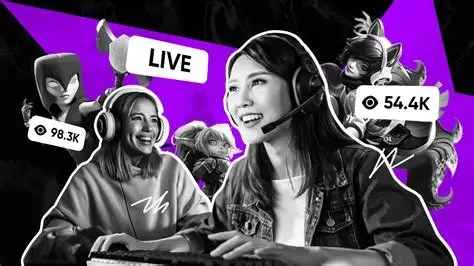
Game marketers evaluate platforms based on strengths, demographics, and regional reach, often using a multi-platform strategy.
- Twitch: The dominant platform for core gamers in North America and Europe, holding about 50-55% of the live gaming market share in 2025. It is ideal for real-time hype, esports, and community engagement through tools like raids and Twitch Drops. Its main drawbacks are a higher revenue cut for creators and poor discoverability for expired streams.
- YouTube Gaming: Offers massive global reach, particularly in Asia, India, and Latin America. Its primary advantage is “long-tail” discovery; live streams convert into VODs (videos on demand) that continue to gain views through search and recommendations. It is the preferred platform for mobile gaming, tutorials, and casual audiences.
- Kick: A newer platform (launched in 2023) that attracts creators with a 95/5 revenue split. While its audience is smaller, it has seen rapid growth. It features looser content moderation, which offers “creator freedom” but may raise brand safety concerns for some advertisers. It is a potential option for reaching audiences on a less saturated platform.
Audience Reach Comparison:
- Twitch: Best for real-time engagement with core PC/console gamers and established live culture.
- YouTube Gaming: Best for global reach, VOD longevity, and SEO. It has a larger total audience when including non-live video content.
- Kick: A smaller, growing niche that appeals to fans of specific high-profile streamers who have migrated to the platform.
Summary of Platform Strengths:
Kick: High creator payout (95/5); rapid growth; less competition for viewer attention, though with potential brand safety risks.ouTube is essential for breadth and continued content life, and Kick is a wildcard that could provide additional reach especially if it continues to grow by pulling notable talent (and their audiences) from other platforms.
Twitch: Leading live gaming hub; strong engagement tools; best for launch-day hype.
YouTube Gaming: Superior discoverability and VOD value; dominant in mobile and international markets; 70/30 revenue split.
Future of game streaming: VTubers, short-form clips, and multi-streaming
The future of game streaming is becoming more diverse and technologically advanced through the integration of VTubers, short-form content, and multi-streaming.
- VTubers (Virtual YouTubers/streamers): These creators use animated avatars driven by motion capture and face-tracking. Originally popular in Japan, VTubers are now a global phenomenon, providing creative personas and anonymity. The technology is becoming more accessible, with future expectations including lifelike avatars, AR/VR elements, and full-body tracking in the metaverse. The market is projected to be a multi-billion dollar segment by the mid-2020s, leading game companies to collaborate with VTubers or build specific in-game features for them.
- Short-form clips and cross-platform content: Platforms like TikTok, YouTube Shorts, and Instagram Reels serve as powerful discovery tools. Streamers repurpose highlights into bite-sized vertical videos to attract new followers to their long-form content. In the future, streaming platforms will likely integrate more short-form discovery feeds. Streamers must become multi-skilled in editing, and AI may eventually auto-generate these clips to amplify reach across multiple social media platforms.
- Multi-streaming and platform convergence: Exclusivity rules are loosening, allowing creators to use services like Restream to broadcast to Twitch, YouTube, and TikTok simultaneously. This ensures maximum audience capture. Future strategies may involve platform specialization, such as using Twitch for live interaction, YouTube for archives, and TikTok for discovery.
- Cloud gaming and mobile streaming: Services like GeForce Now and Xbox Cloud allow more people to stream high-end games without expensive hardware. Improvements in 5G will also drive the growth of mobile and IRL (in real life) streaming.
- Interactivity and Immersion: Future streams may include 3D AR overlays for mobile viewers or 360-degree VR environments.
- AI and Virtual Production: AI is being used for automated moderation, real-time multilingual translation, and enhancing VTuber expressions or voice modulation, allowing creators to reach a global audience more easily.

VTuber and 3D avatar tools for streamers
The rise of VTubers is supported by an accessible ecosystem of software and hardware tools.
- 2D Avatars: Creators often use Live2D Cubism for designing and rigging anime-style character layers. This is paired with VTube Studio, which uses a webcam or phone to track the streamer’s face and animate the model in real time.
- 3D Avatar Creation: VRoid Studio is a popular free program that allows users to create 3D anime models using sliders and texture painting without advanced modeling skills. It automatically handles the rigging (skeleton) for the model.
- Tracking Software: For 3D models, VSeeFace is a common free PC option for webcam tracking. Luppet is used for high-quality tracking, including finger movements. Other options include Animaze (successor to FaceRig), PrprLive, and VTuber Maker.
- Advanced Tools: For high-end production, creators use Blender for bespoke models or Epic’s MetaHuman for realistic human avatars. Hardware like Leap Motion (hand tracking) or mocap suits provide more immersion.
- Supporting Software: VTubers use OBS Studio or Streamlabs for broadcasting and often employ Voicemod for voice alteration to match their character. Plugins can allow viewers to trigger animations through donations or channel points.
- Optimization: Creators use Unity to fine-tune models in the VRM format and utilize community guides for optimizing hair and clothing physics.
The barrier to entry for virtual streaming is falling, allowing more creators to adopt digital identities for creative freedom or privacy. As tracking and fidelity improve even on standard webcams, the VTuber trend is expected to stay and continue democratizing virtual persona creation. will only see more streamers donning digital masks and stepping into the virtual spotlight with the help of these ever-evolving tools.
How to make a VTuber 3D avatar in Blender
Creating a custom 3D VTuber avatar in Blender is an advanced process that provides total flexibility to create a unique virtual persona from scratch. As a free 3D suite, Blender allows for full control over modeling, rigging, and texturing.
- Concept & Modeling: The process begins with a concept sketch or reference. Creators model the 3D mesh using polygon modeling, a base mesh (imported from sources like VRoid), or by sculpting and then retopologizing for animation. This stage includes building the body, head, and hair (usually mesh strips or converted particles).
- Rigging: The model requires a skeleton (armature) to move. Users can use the Rigify add-on to align a humanoid structure to the model or use Adobe Mixamo for auto-rigging. Manual rigging offers the most control for adding custom bones for hair or clothing. Weight painting is then used to define how bones influence the mesh.
- Shape Keys (Blendshapes): These are alternate mesh shapes used for facial expressions and lip-sync (visemes), such as blinking or smiling. Tracking software triggers these morphs based on the streamer’s real-life movements.
- Texturing and Materials: Textures are painted in Blender or external programs like Photoshop. Anime-style avatars often use toon shading. Materials must be compatible with VTuber formats like VRM, which may require specific add-ons to ensure metadata like “spring bones” for physics are included.
- Testing and Export: After ensuring limbs bend correctly and expressions work, the model is exported as an FBX or VRM. The VRM format is a specialized GLTF for avatars with standardized components.
- Using in VTuber Software: The model is loaded into apps like VSeeFace, Luppet, or Animaze. Users map blendshapes to tracking triggers and set up spring bones so hair and clothes sway naturally.
While the learning curve is steep, creators can use pre-made assets or kitbashing to simplify the process. Future Blender updates to geometry nodes are expected to make hair generation easier.
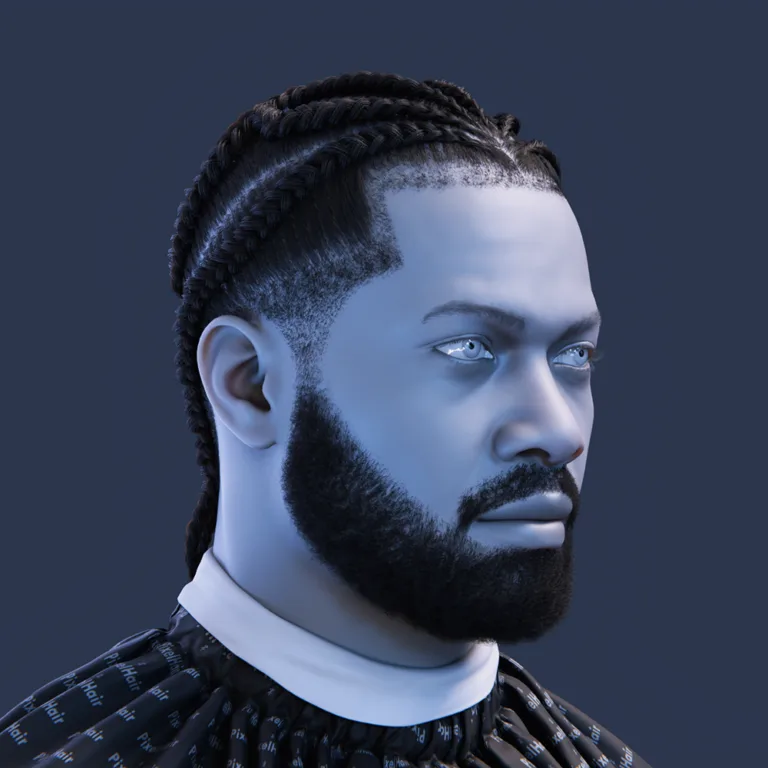
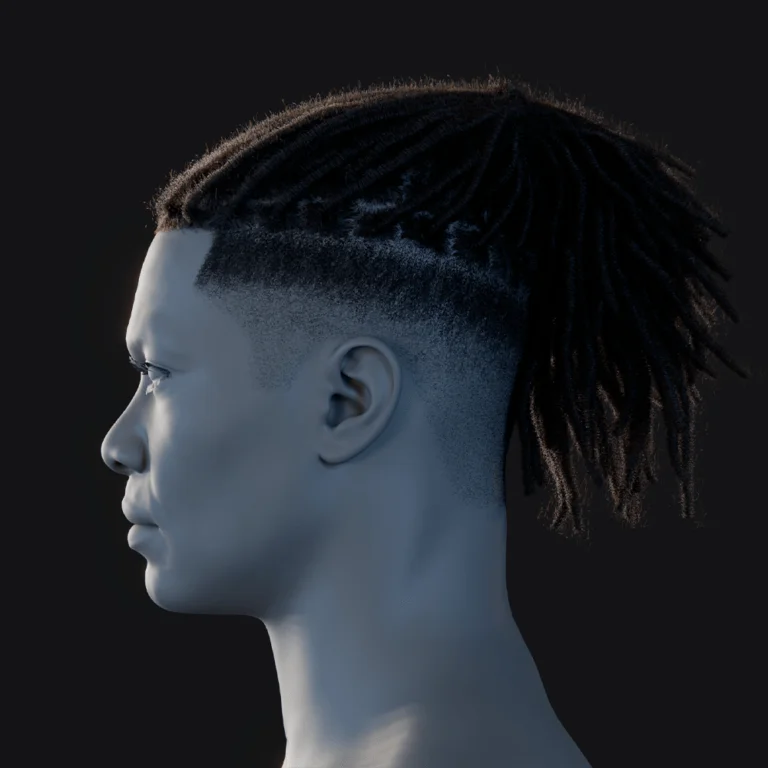
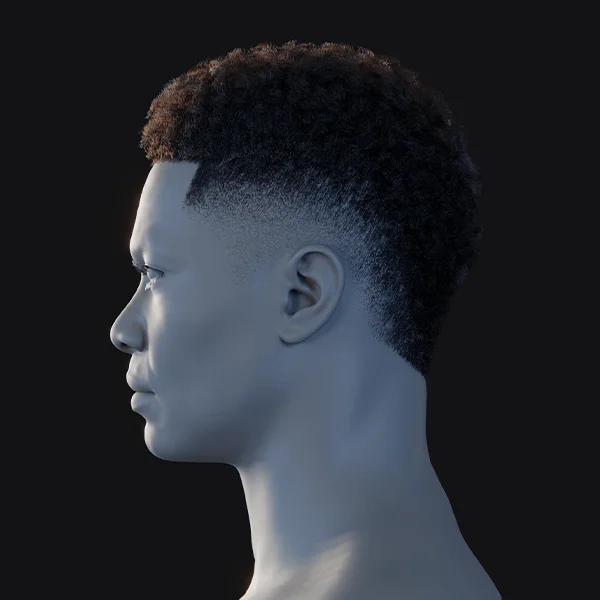
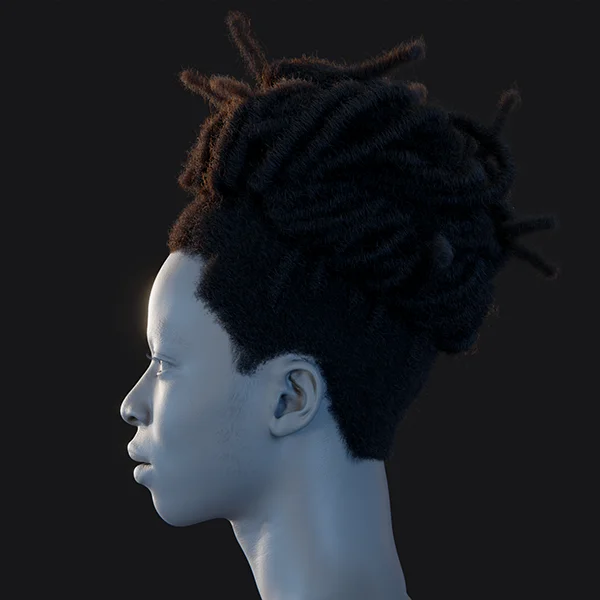
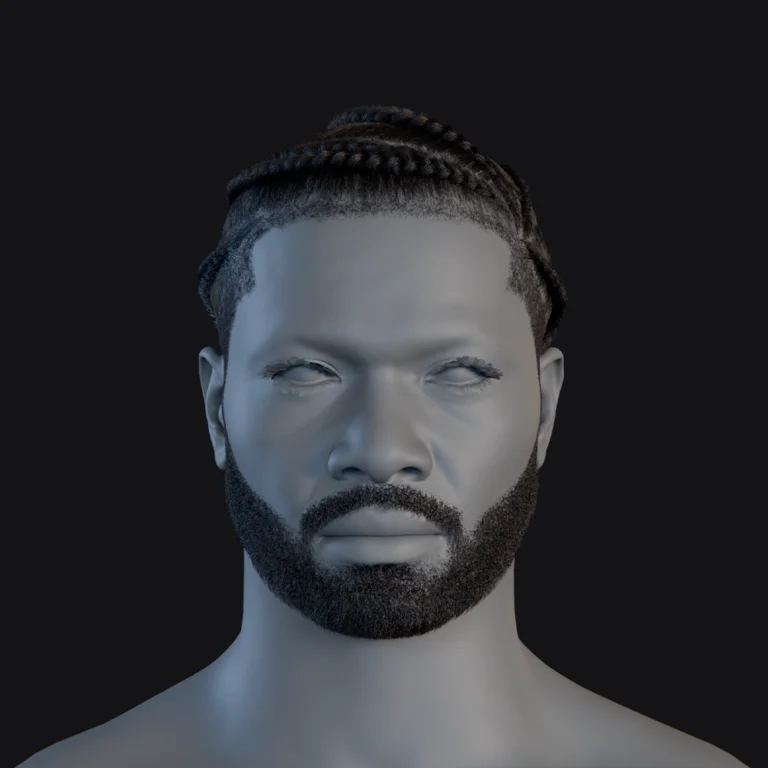
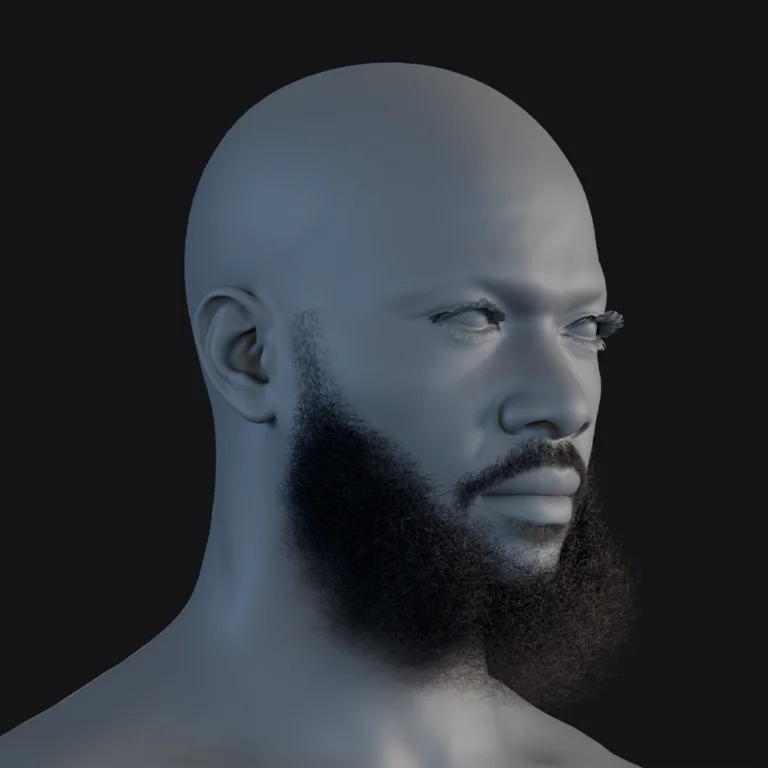
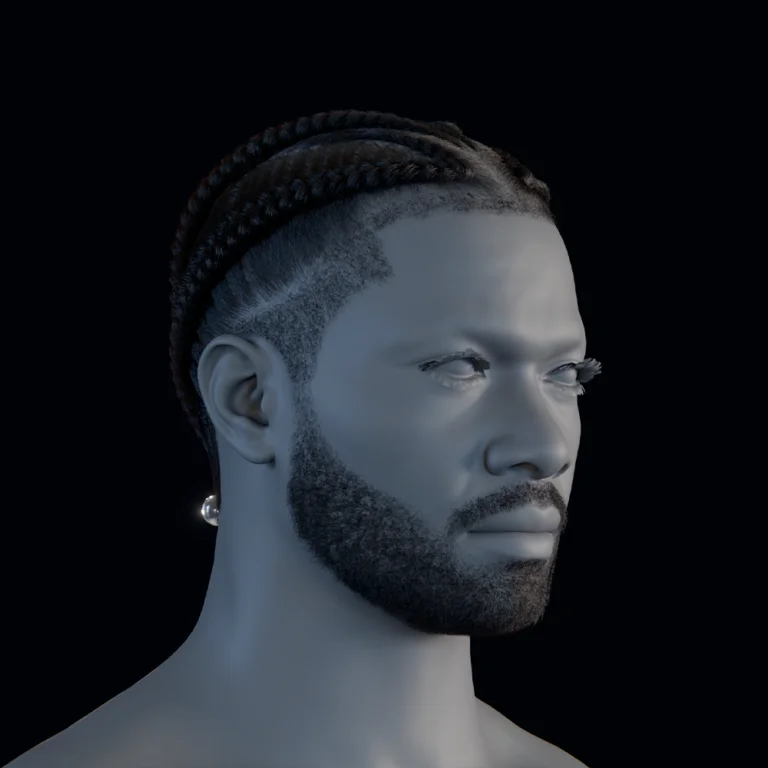
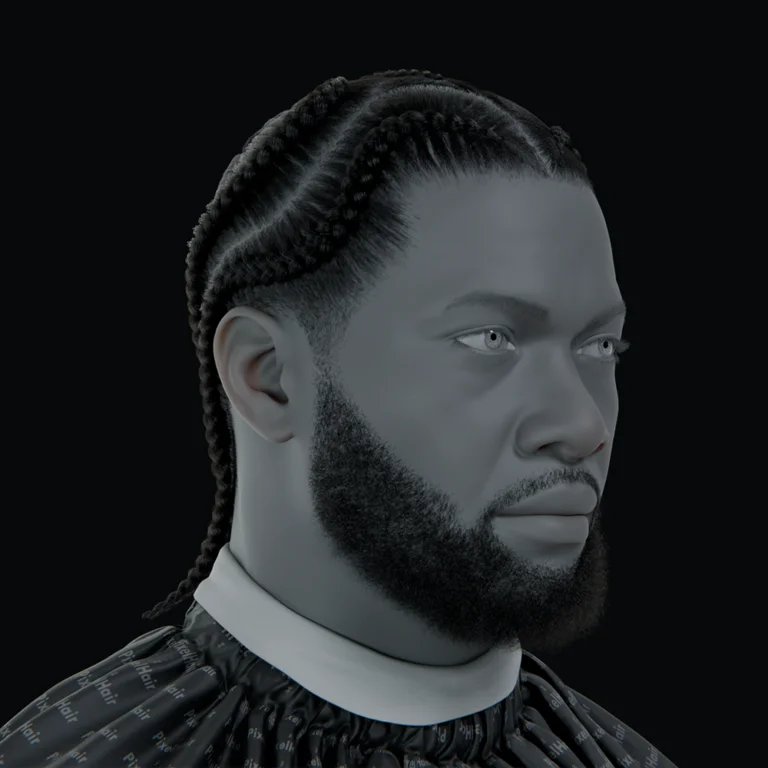
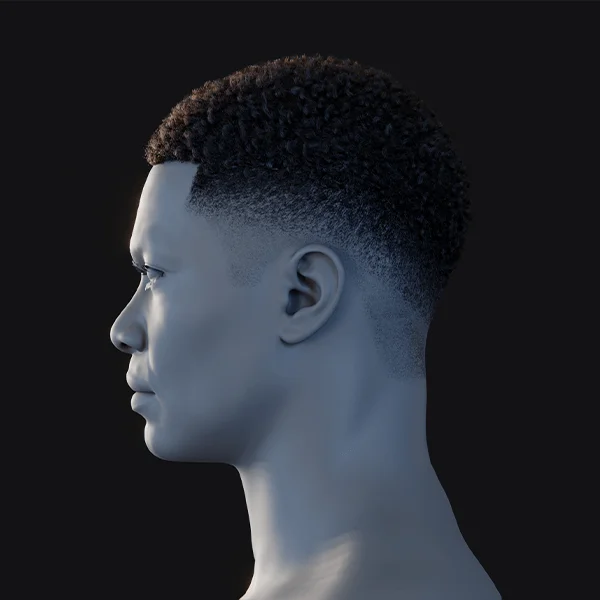
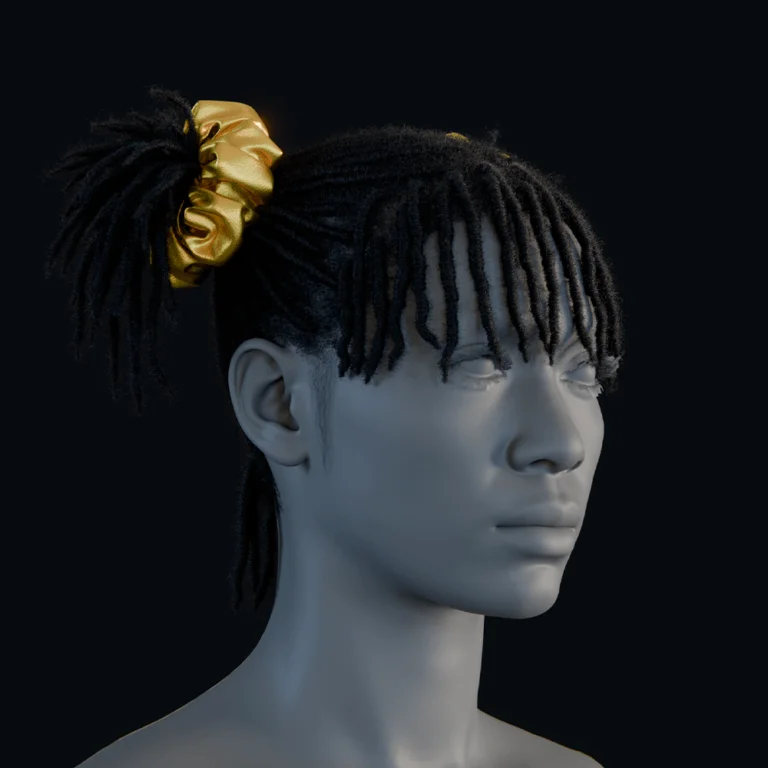
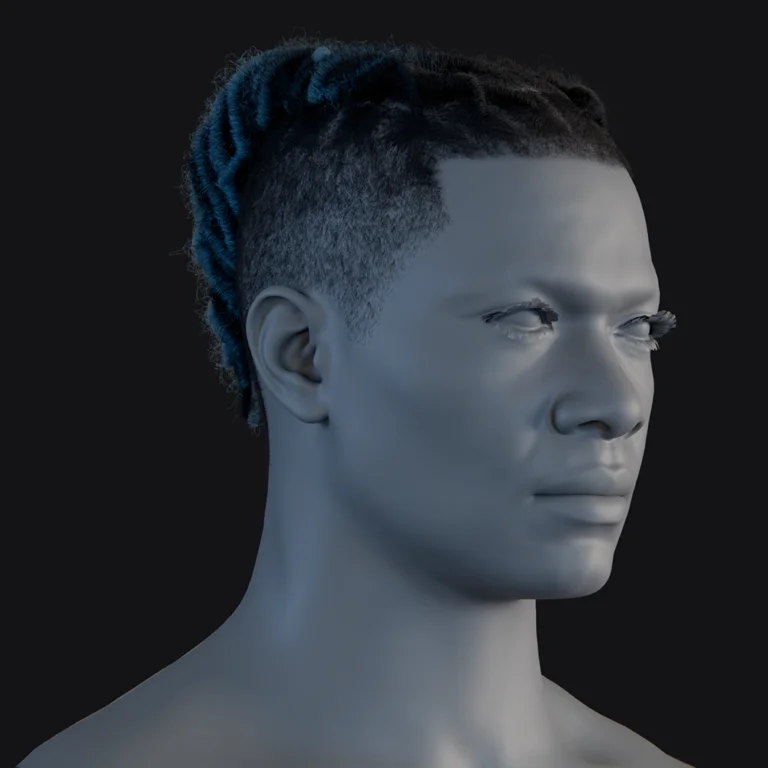
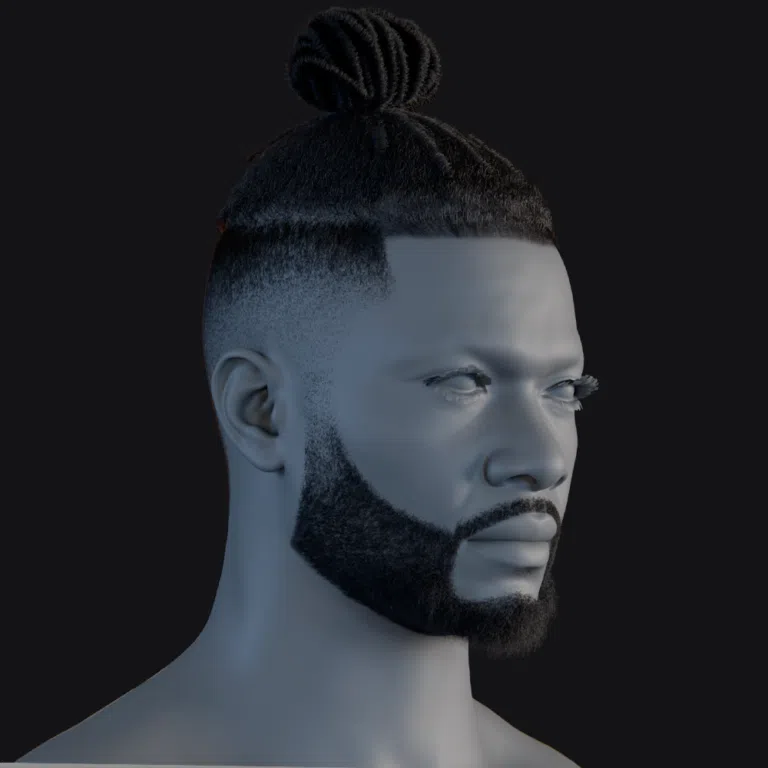
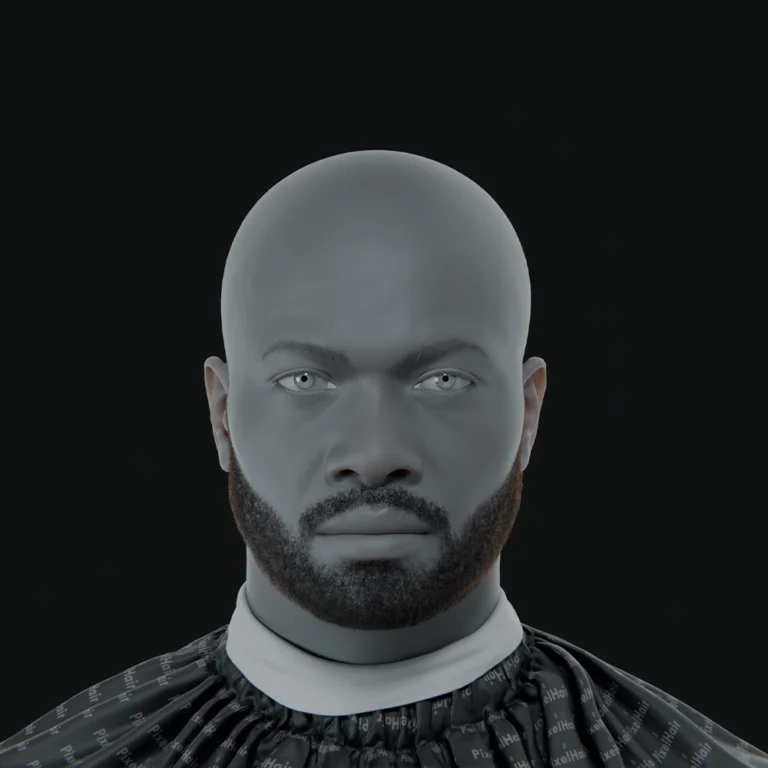
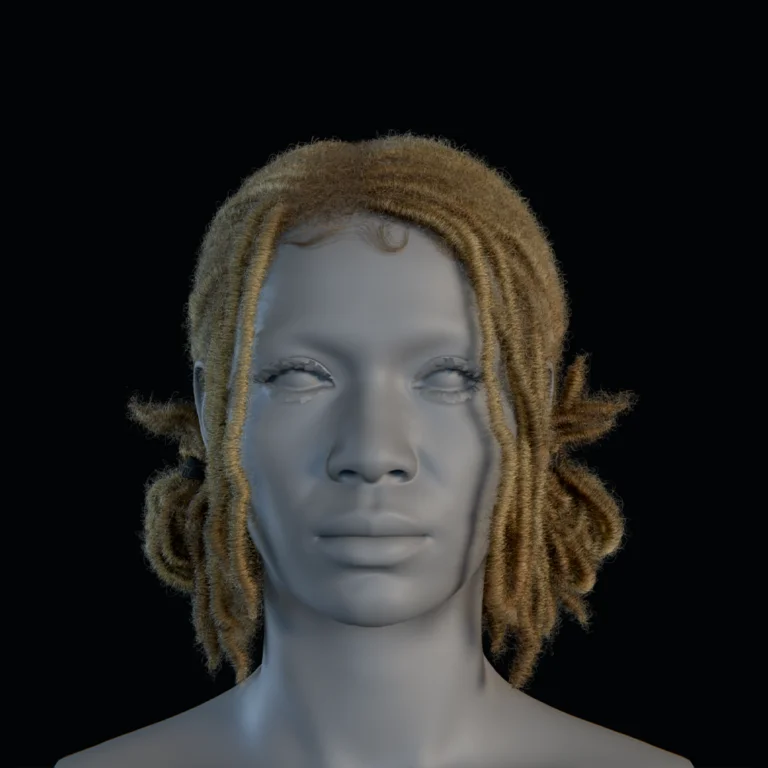
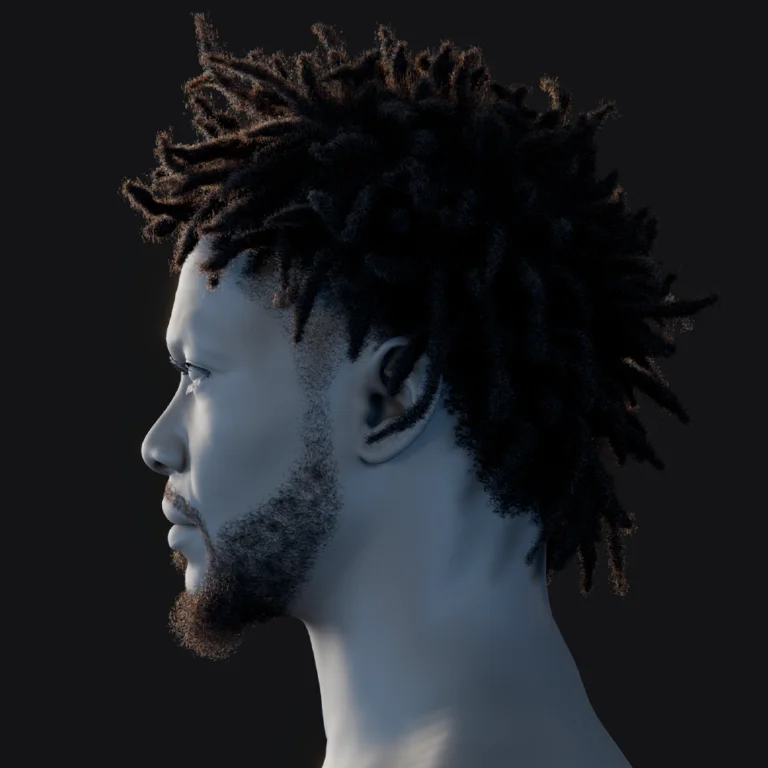
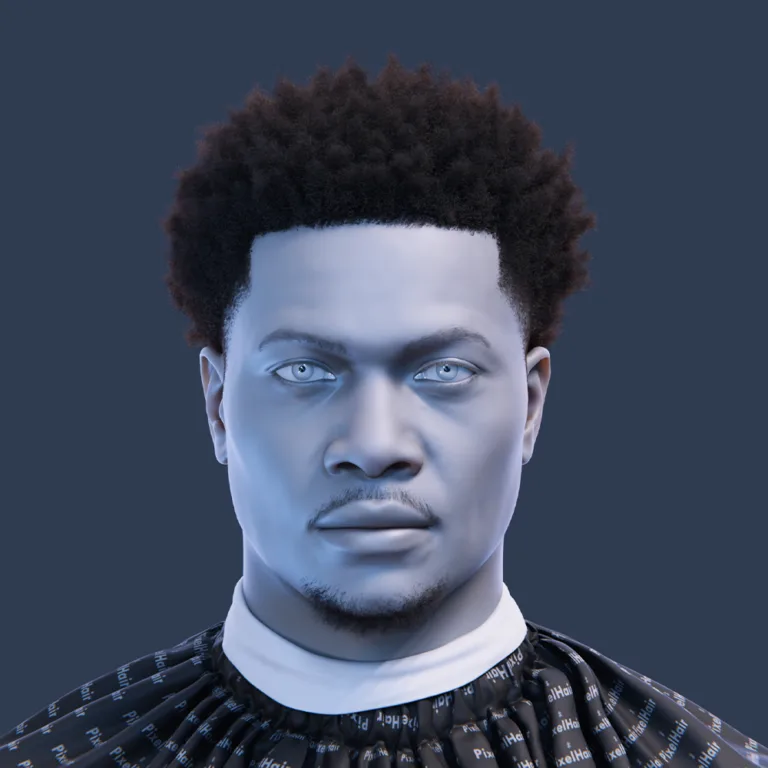
PixelHair hairstyles for Blender and Unreal Engine VTuber characters
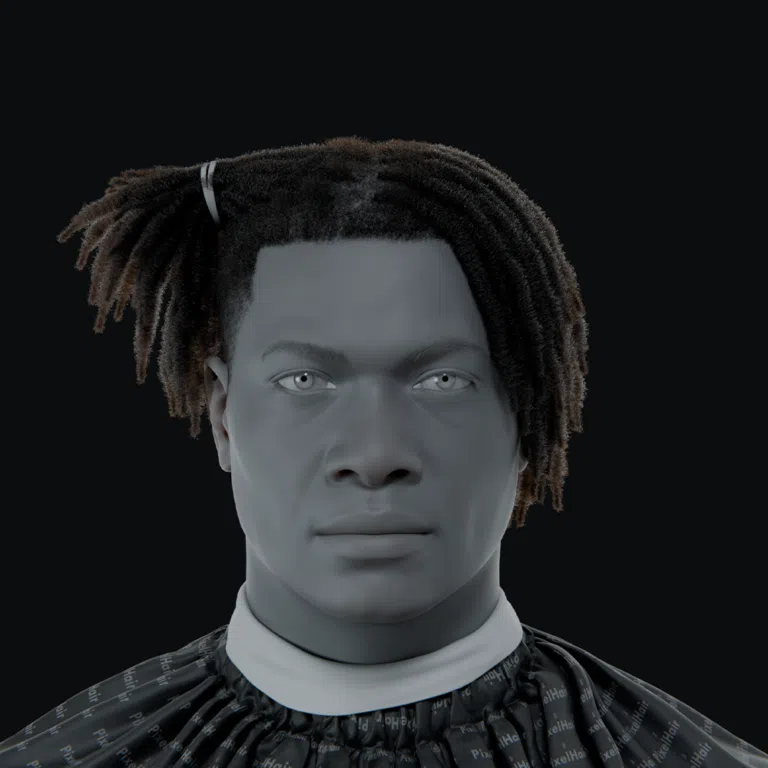
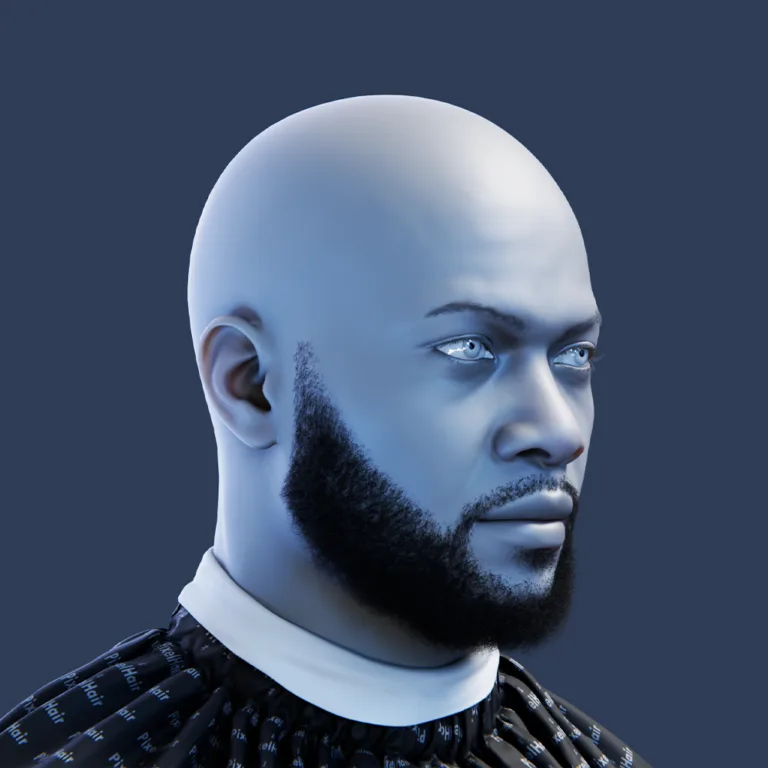
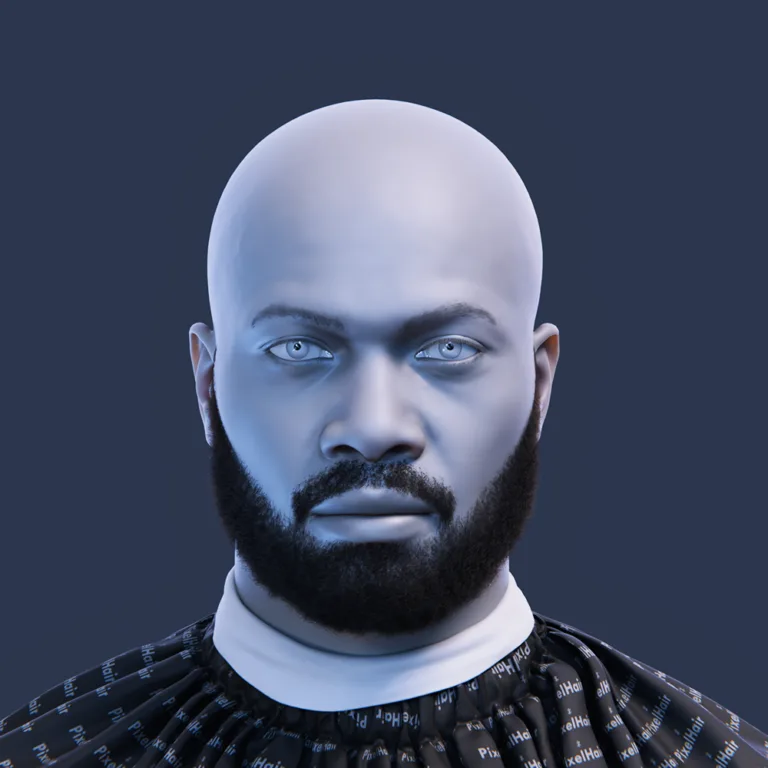
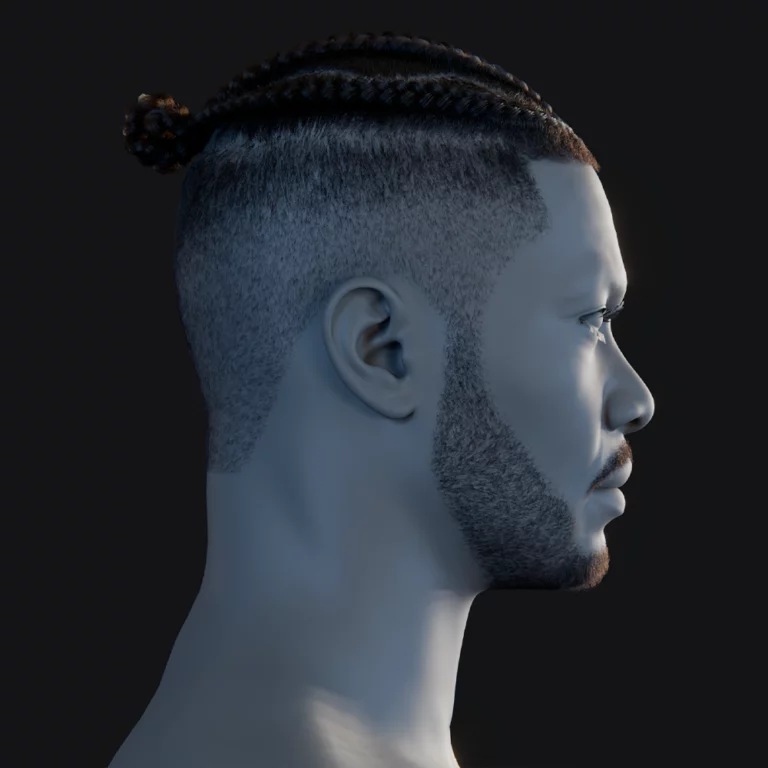
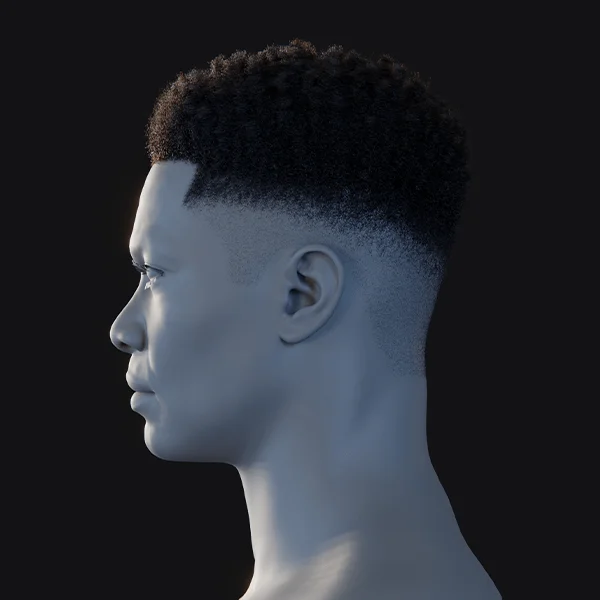
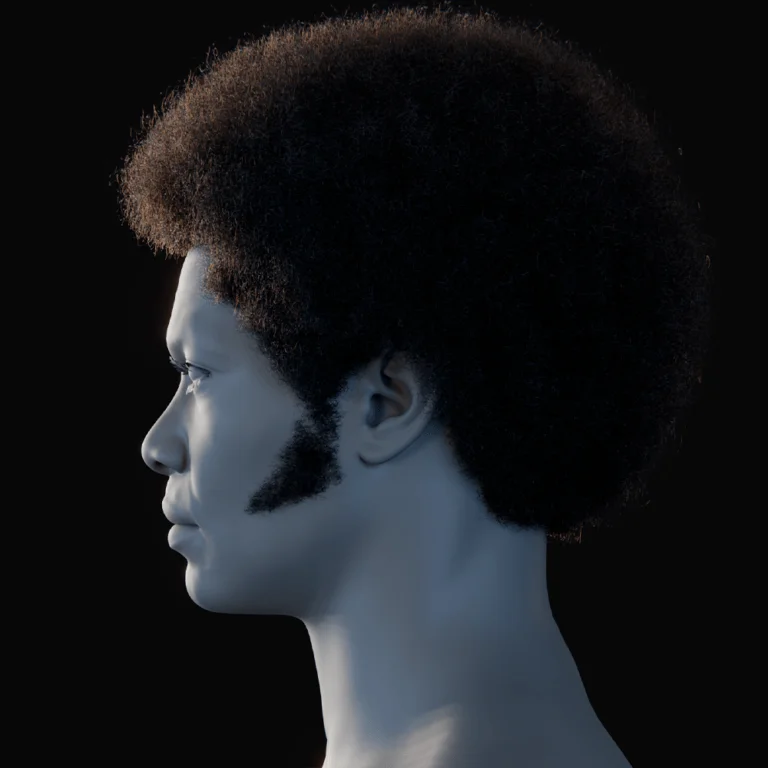
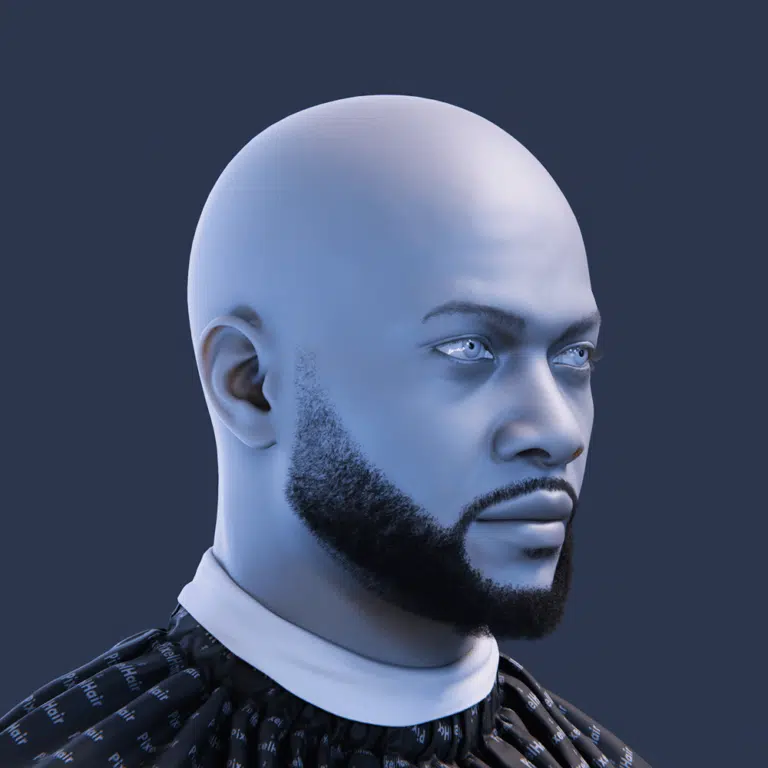
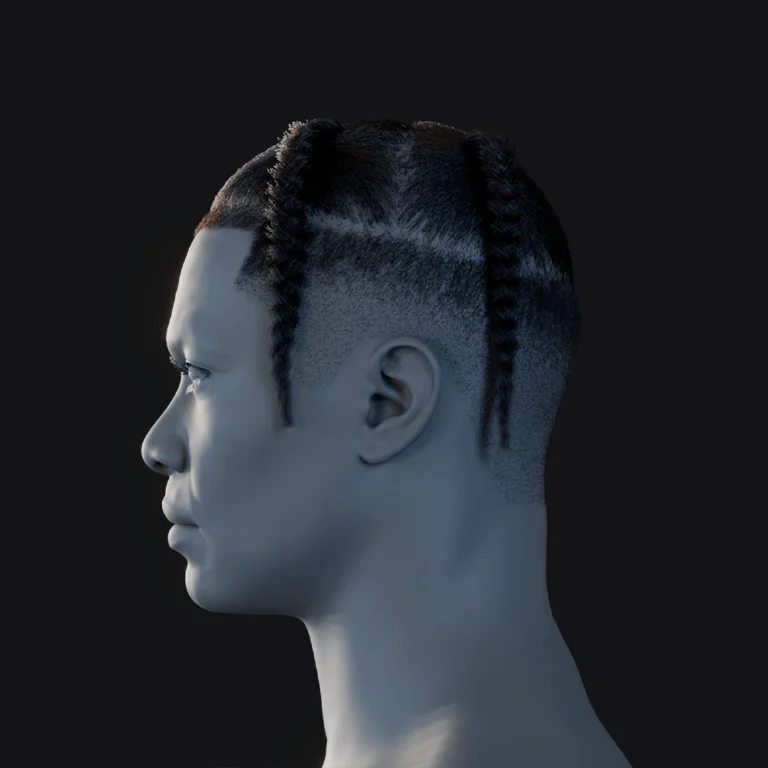
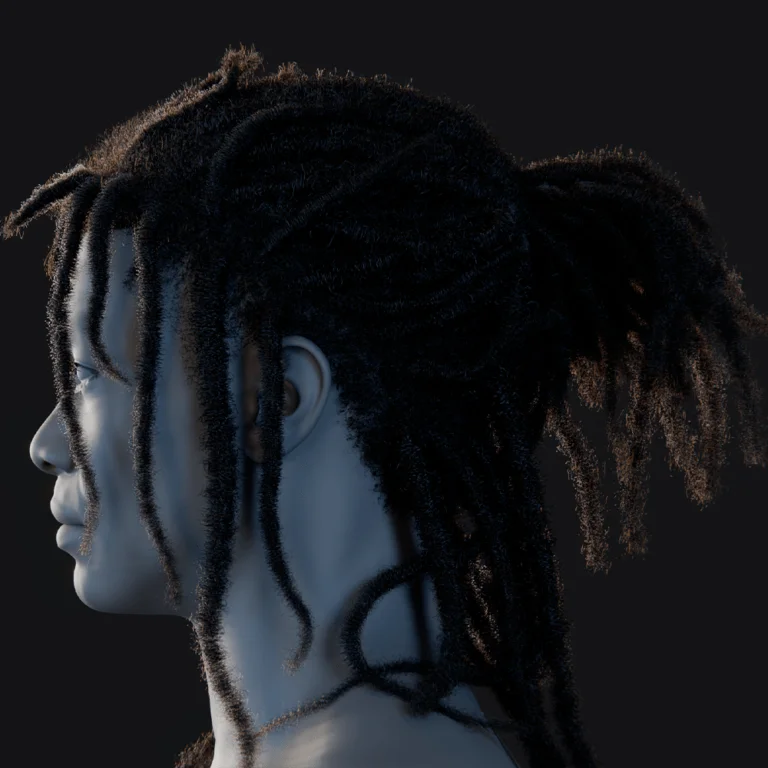
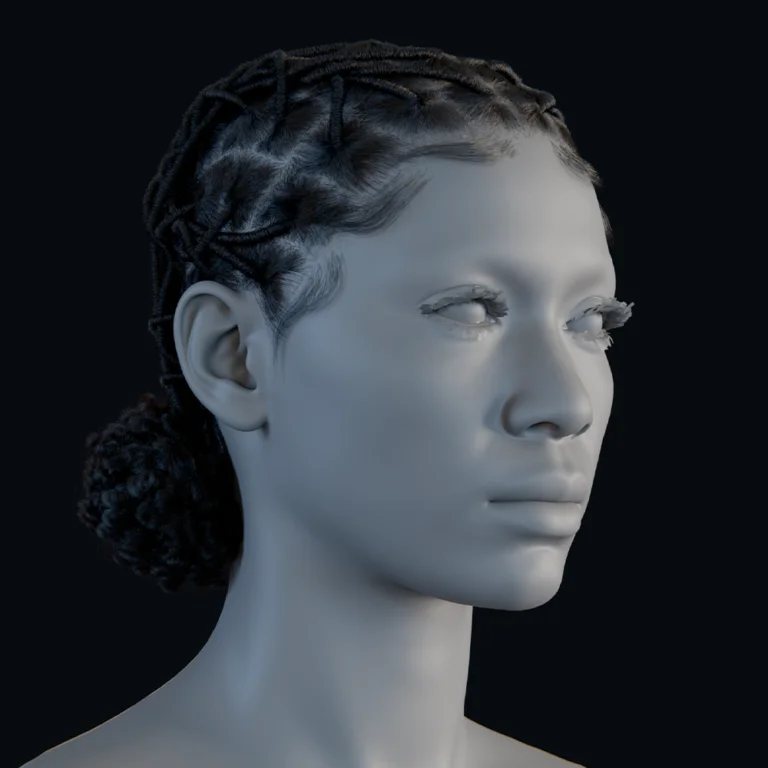
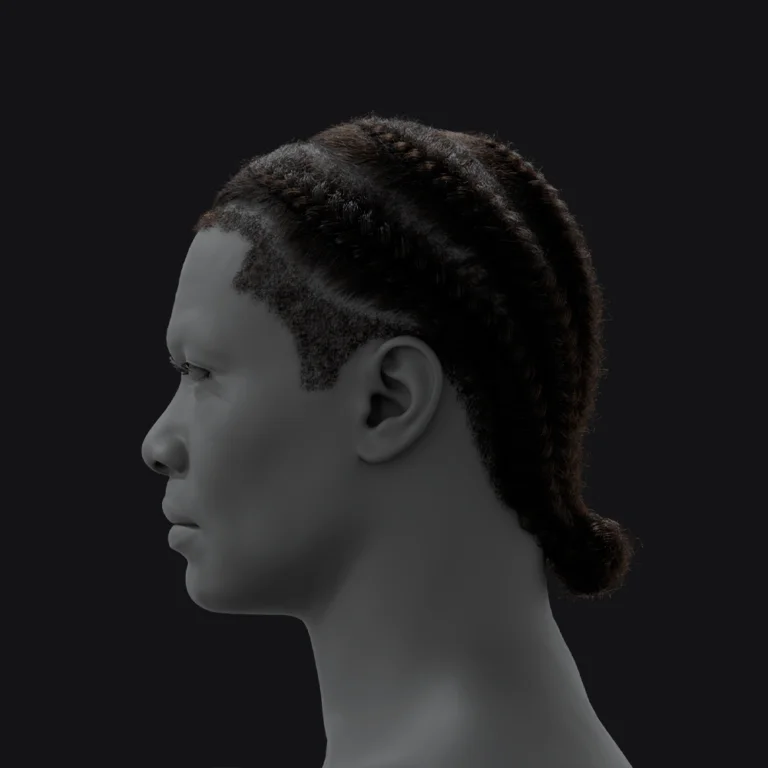
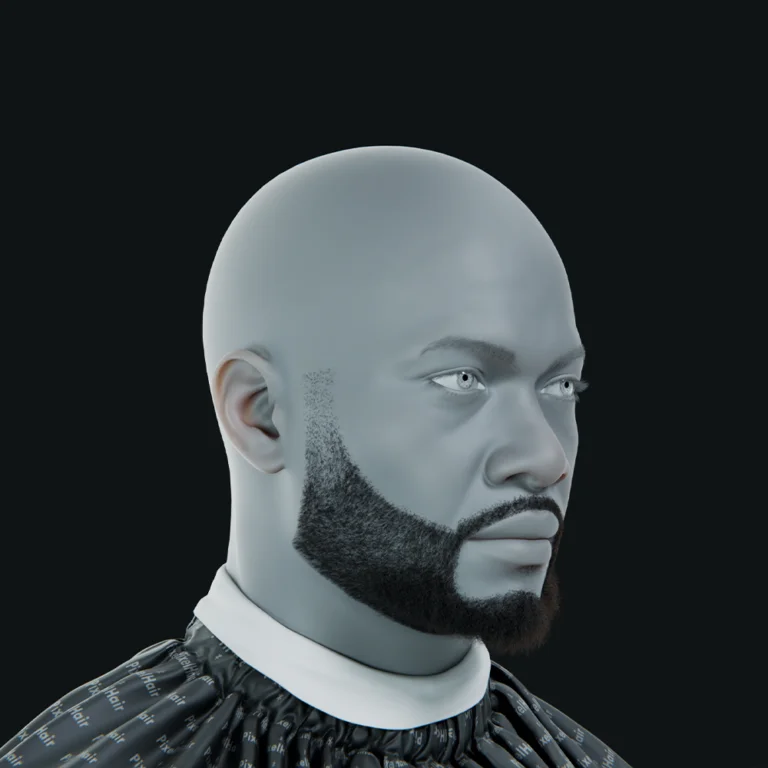
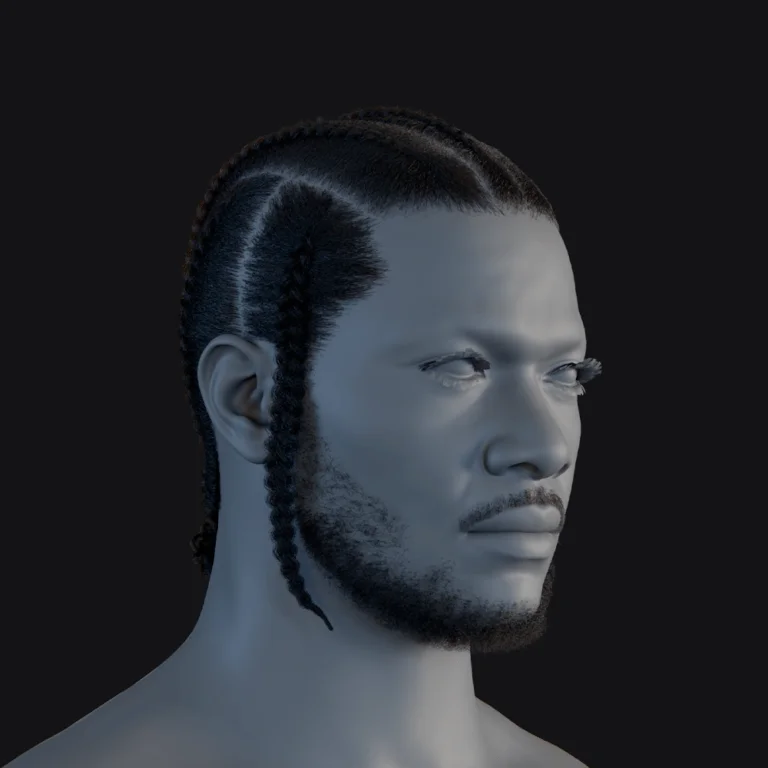
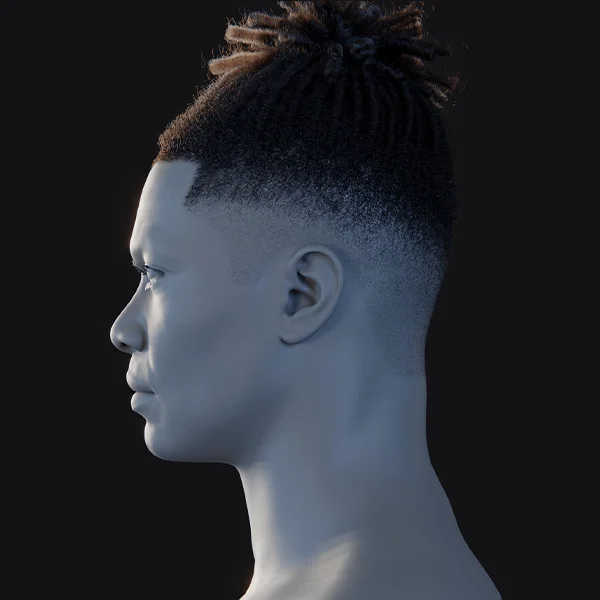
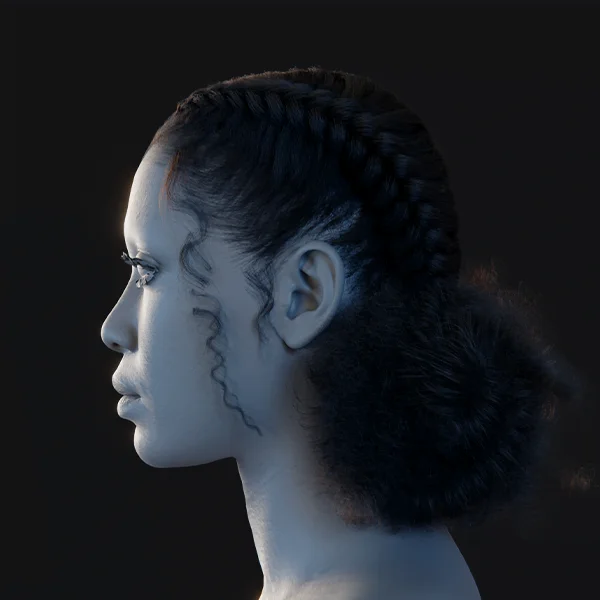
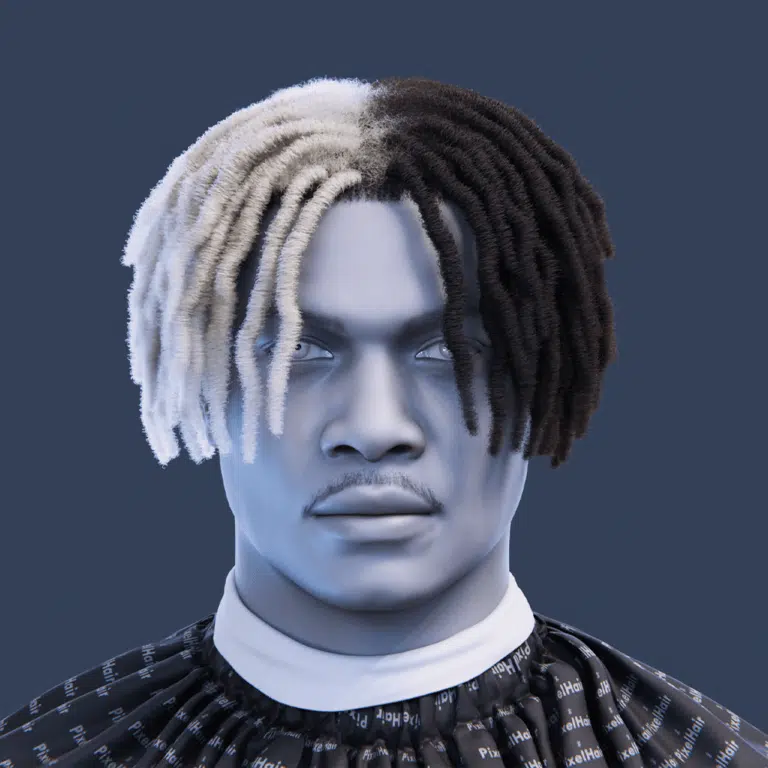
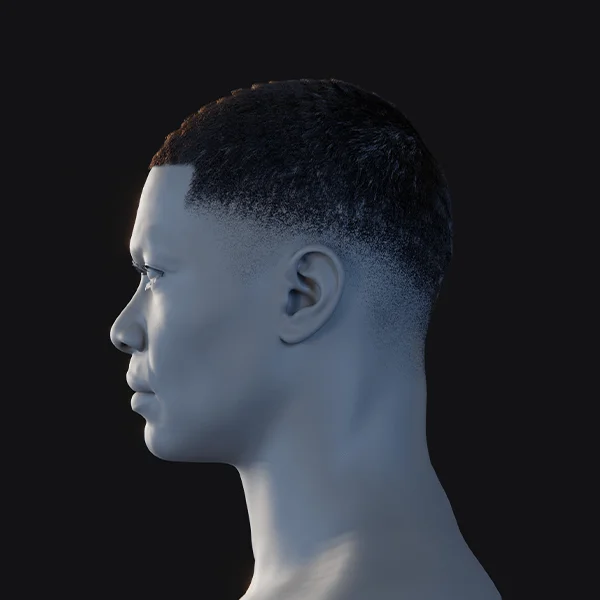
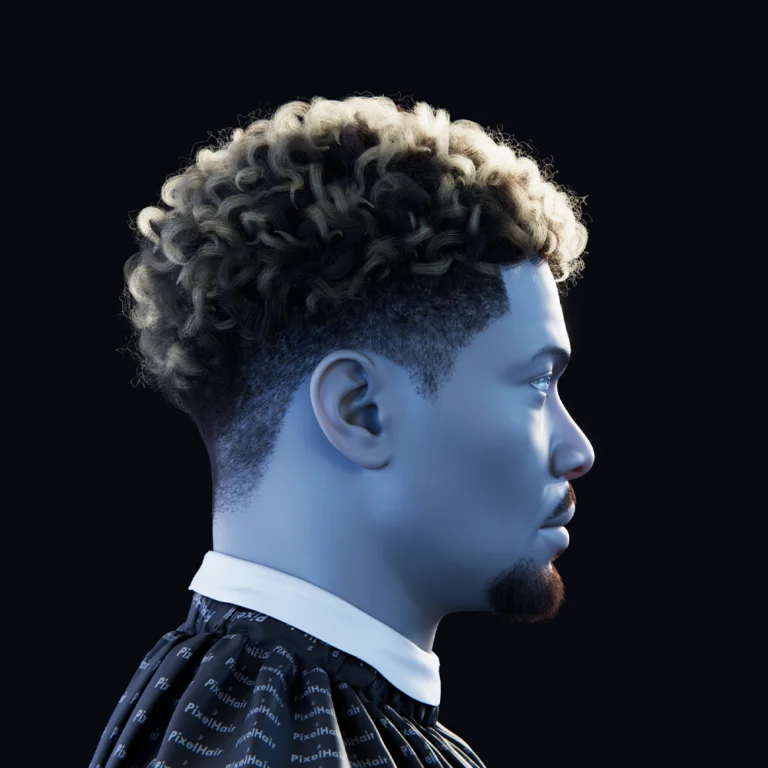
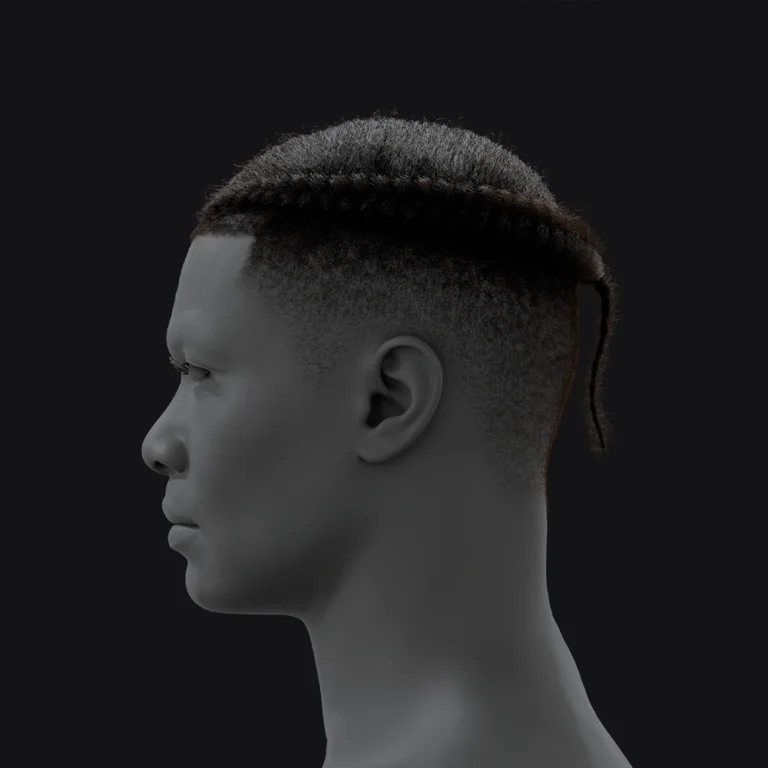
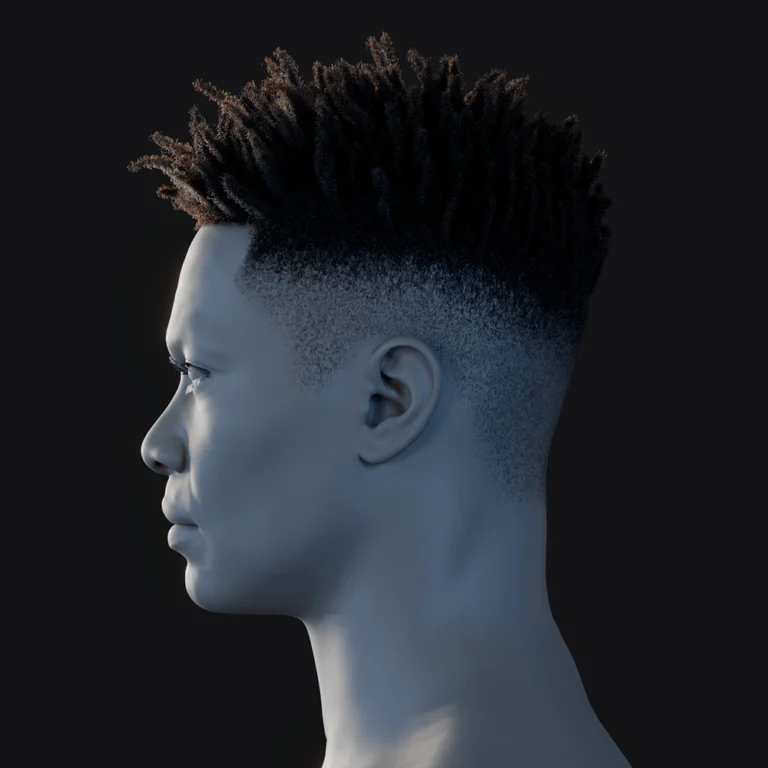
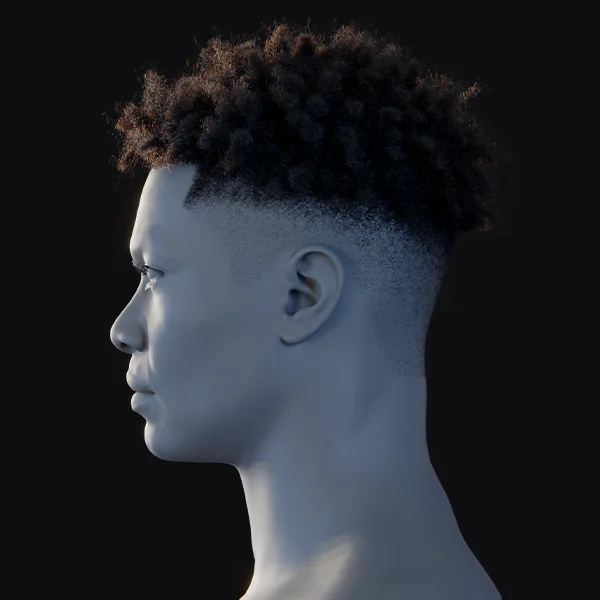
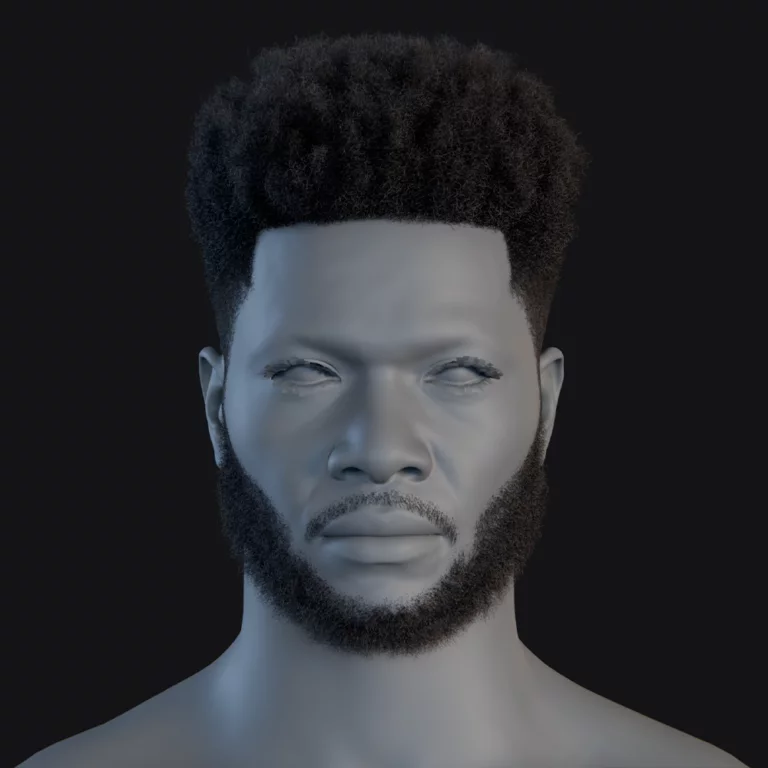
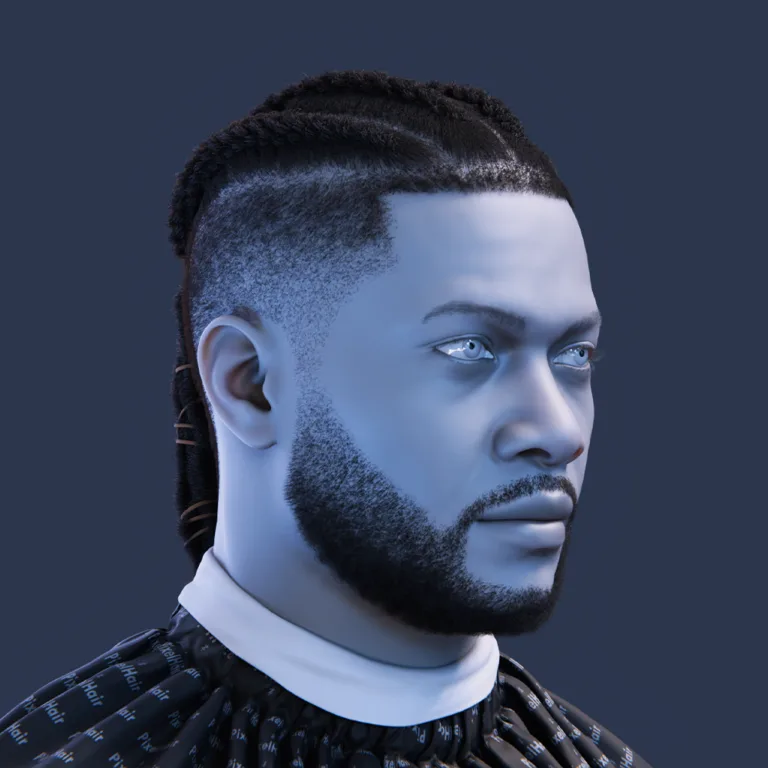
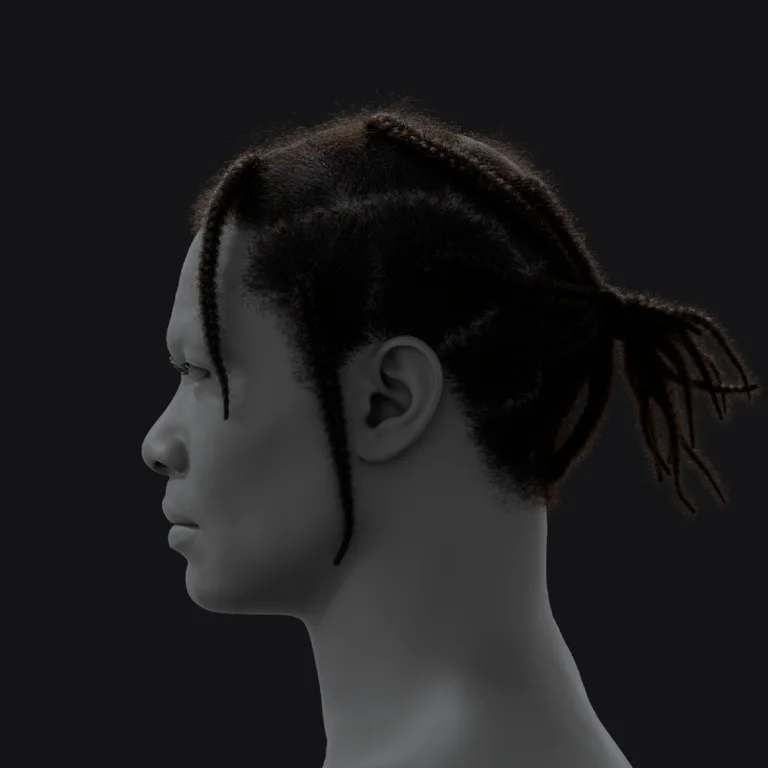
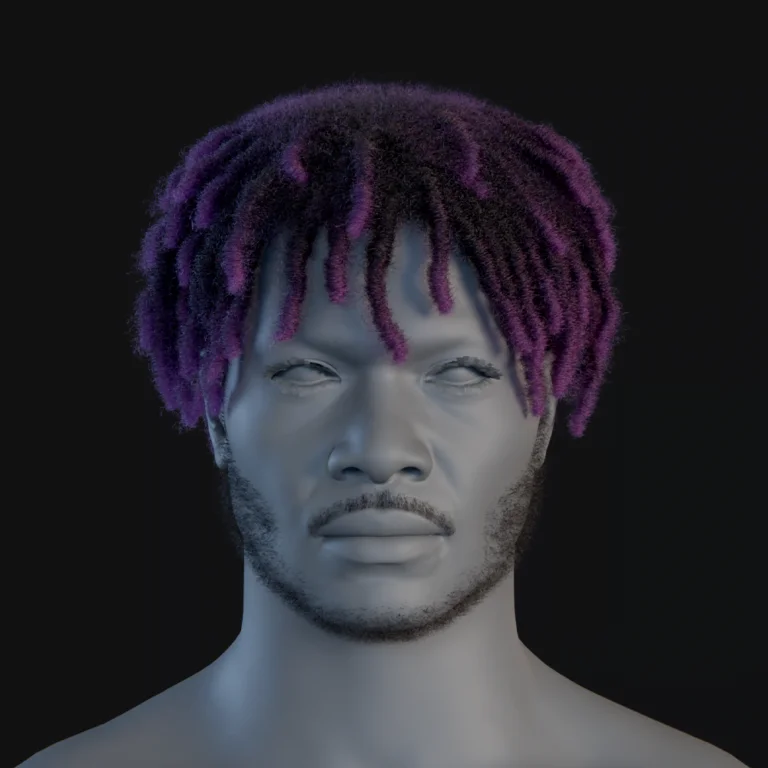
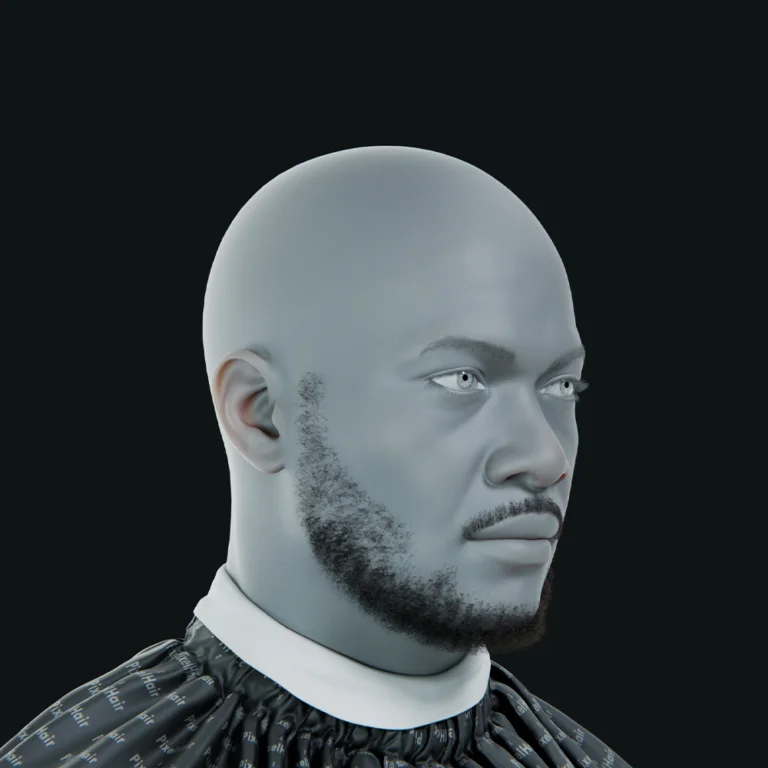
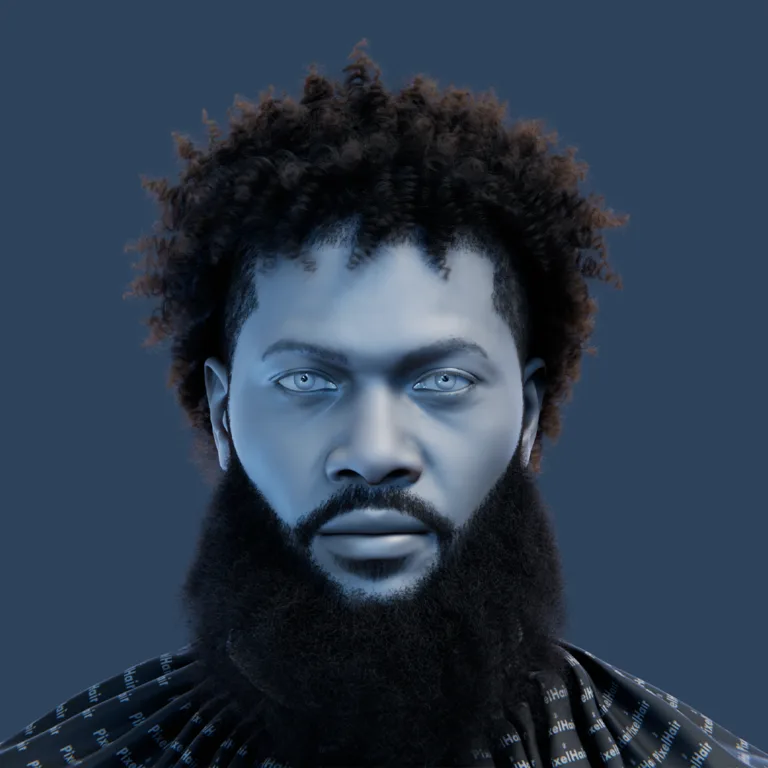
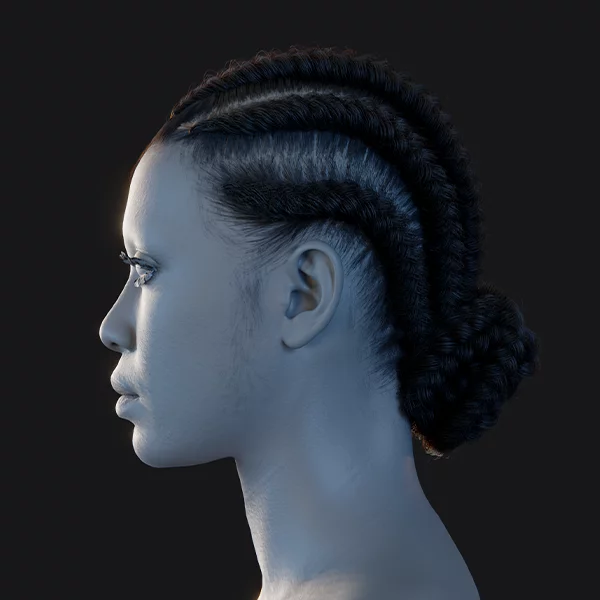
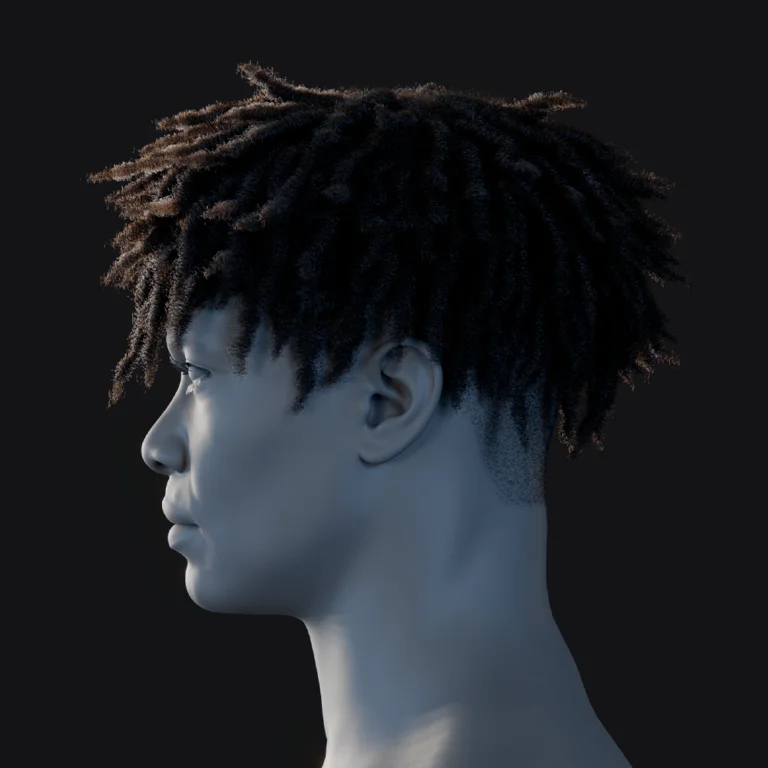
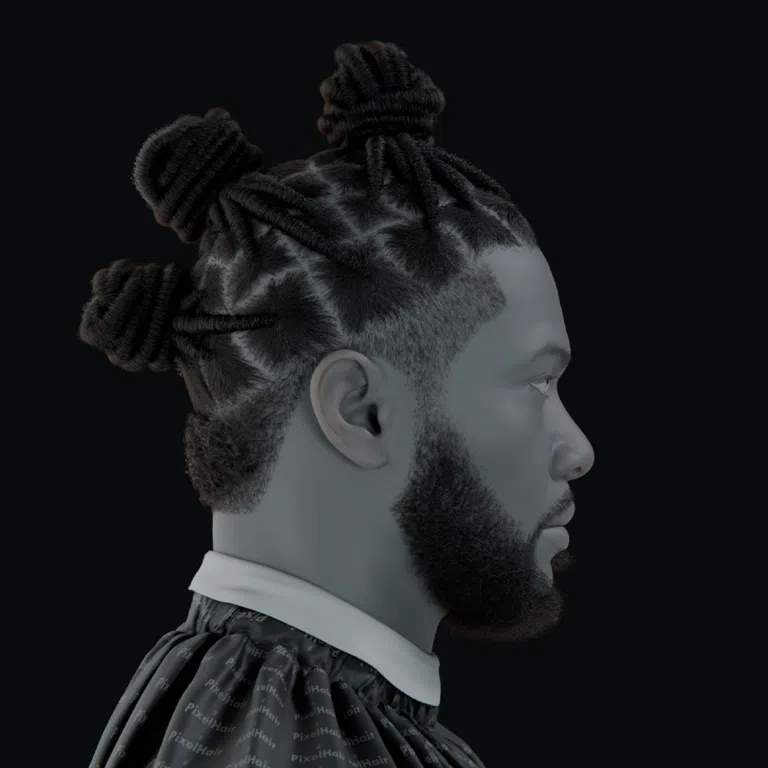
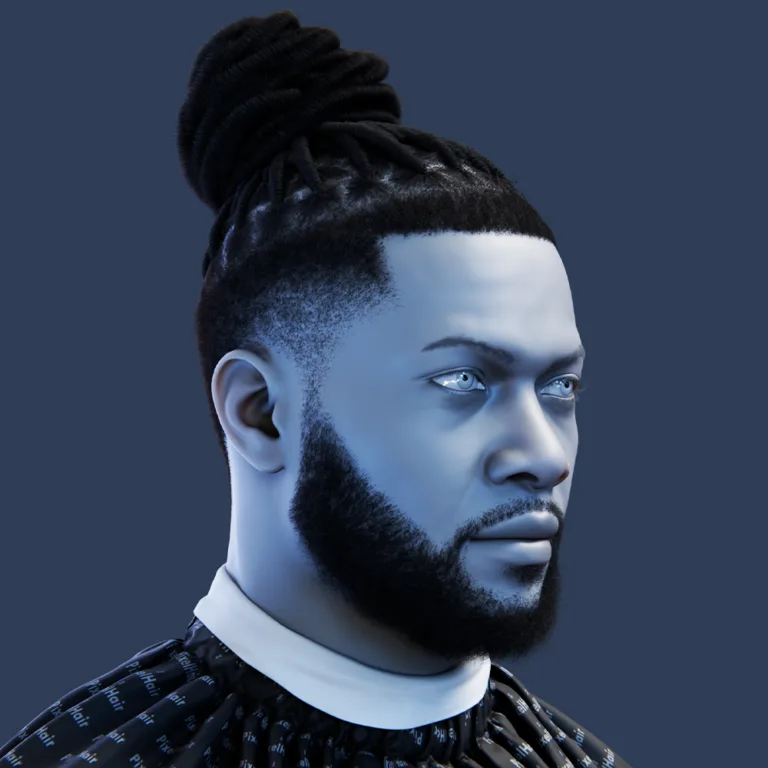
PixelHair, developed by artist Yelzkizi, is a library of production-ready 3D hair assets that allows creators to skip the time-consuming process of grooming hair from scratch.
- Time-saving: Complex styles like braids or curls can be applied in minutes.
- Consistency and Quality: The assets are professionally groomed for realistic volume and flow, using 4K PBR textures.
- Customization: The hairstyles are fully adjustable in Blender via Particle Edit, material changes, or physical trimming. A shrinkwrap modifier helps the hair scalp conform to any custom head shape.
- Compatibility: Assets work in both Blender and Unreal Engine (including MetaHuman), supporting high-quality renders and cinematics.
- Ongoing updates: The developer aims for 1,000 assets and plans to integrate Blender’s modern Geometry Nodes for easier parametric adjustments.
For VTubers, PixelHair offers professional-looking results without requiring hair-modeling expertise. The assets are optimized at approximately 18,000 polygons, ensuring they provide high quality without hindering performance.
The View Keeper Blender Add-on for Multi-Camera Streaming Scenes
The View Keeper is a Blender add-on that improves multi-camera management and rendering by providing a central interface to save and organize angles. Since Blender normally allows only one active camera per scene, switching usually requires manual adjustments or timeline markers. This tool is beneficial for animators and streamers using Blender for live or animated content.
- Saved Camera Views: Users can store camera positions and settings in a list, including specific render layers or dimensions, accessible via a dedicated interface.
- One-Click Switching: The add-on allows for instant jumping between cameras with a single click, which is useful for live-swapping views and reducing errors during animation.
- Render Management: It enables batch rendering of all saved views. Instead of manual intervention, the add-on can automatically render multiple angles.
- Consistent Settings: View Keeper ensures that unique camera settings, such as resolution and depth of field, are preserved and recalled accurately.
- Organization: It reduces scene clutter by handling camera toggling behind the scenes, removing the need for duplicating scenes or using complex timeline markers.
- Multi-camera Live Use: Streamers or machinima creators can use the add-on to switch between preset angles (e.g., wide shots or close-ups) smoothly in a live environment using Blender’s real-time Eevee renderer.
- Visual Interface: The tool centralizes control, allowing animators to be more experimental with cinematography by removing the friction of manual camera juggling.
By functioning like a virtual studio controller, The View Keeper helps maintain an organized workspace even with complex, multi-angle projects.
Frequently Asked Questions (FAQs)
- How do streamers make money from playing video games?
Streamers earn through a mix of platform revenue (subscriptions, donations/bits, and ads) and external sources like sponsorships, affiliate programs, and merchandise sales. Top creators may also have exclusivity deals or brand endorsements. - Does streaming a game help its sales and player numbers?
Yes, the “Twitch effect” can cause massive spikes in sales and players. While organic enthusiasm is most effective, popular streams act as free advertising and social proof for games. - What is the “Twitch effect” in gaming?
It is the phenomenon where a game’s market success is driven by viral exposure on Twitch. High viewership creates hype that translates directly into downloads and player engagement. - Should game developers pay streamers to play their game?
It depends on the goals. Paid sponsorships ensure visibility for unknown or new titles, but audiences often prefer organic play. A mix of seeding keys and sponsoring select creators whose audience aligns with the genre is usually most effective. - How can indie game developers get streamers to play their game?
Developers should provide free keys, use distribution platforms, build relationships with creators, and ensure the game has “stream-friendly” features like viewer interactivity. Targeting smaller, niche-appropriate streamers can help build grassroots buzz. - What are Twitch Drops and how do they work?
They are promotional in-game rewards given to viewers for watching specific streams for a set duration. They benefit viewers (free loot), streamers (increased audience), and developers (player acquisition and retention). - What should streamers do to disclose sponsored streams properly?
They must follow FTC guidelines by stating the sponsorship verbally at the start, using visual labels like “#ad” in the title or on-screen, repeating the disclosure periodically, and ensuring the notice is clear and not hidden. - Which platform is better for game streaming, Twitch or YouTube?
Twitch is better for live community engagement and established infrastructure. YouTube offers better long-term discoverability for VODs, higher resolutions, and a better revenue share for new creators. - What is a VTuber?
VTuber (Virtual YouTuber) is a creator who uses a 2D or 3D digital avatar to represent themselves. The avatar tracks the creator’s movements and expressions in real-time, blending streaming with anime-style character personas. - I’m not an artist – can I still create a VTuber avatar?
Yes. Tools like VRoid Studio allow for preset-based customization, while asset marketplaces and commissions provide high-quality models and parts for those without art or modeling skills.
Conclusion
Streamers have evolved from niche entertainers into central figures in the game industry who shape the success of titles through marketing, community-building, and game design. The “Twitch effect” allows personality-driven content on platforms like Twitch, YouTube Gaming, and Kick to launch indie games to stardom or revitalize older titles through viral, intimate live content.
- Impact on Sales and Marketing: Streamers provide trust-based recommendations that influence real-time purchase decisions. While positive reception can cause player counts to soar, negative sentiment can quickly dampen hype. Publishers now integrate streamers into launch strategies via sponsored streams, early access, and Twitch Drops. However, organic enthusiasm remains more effective for long-term growth than overt paid promotions, making authenticity and the creator’s genuine voice essential.
- Community and Development: Streamers act as architects for modern gaming communities, turning solo play into social events via Discord and live interaction. This increases player retention and creates a feedback loop where developers adjust game balance and updates based on streamer commentary and meta shifts, making development more responsive.
- Risks and Transparency: Influencer-driven marketing carries risks, such as potential controversies or toxic behavior harming a game’s reputation. Maintaining audience trust requires strict adherence to FTC disclosure guidelines and ensuring that creators align with a brand’s values to avoid PR disasters.
- Technological Frontiers: VTubers and 3D avatars are expanding the creative landscape, allowing for anonymity and diverse personas. Tools like VRoid Studio, Blender, and PixelHair have lowered the barrier to entry for virtual creators. Additionally, streamers are using short-form video and multi-platform strategies to repurpose long broadcasts into viral clips for TikTok and other services.
- Platform Competition: The competition between Twitch (engagement), YouTube (discovery/longevity), and Kick (creator-friendly policies) benefits the industry. Game companies must remain agile and use tailored strategies for each platform to maximize reach.
The symbiosis between streamers and the game industry is permanent. Streamers now serve as event hosts, community leaders, and collaborators. As technology like AI and VR continues to evolve, streaming will become even more integrated into the gaming experience through deeper collaborations and real-time viewer influence. Embracing this community-driven ecosystem benefits developers, creators, and players alike.

Sources and Citations
- Morozov, Ilya & Yufeng Huang — Kellogg Insight: “Video-Game Companies Are Spending Big on Sponsored Streams. Are They Getting Their Money’s Worth?” .
- Reuters — Arjun Panchadar: “Top gamer ‘Ninja’ made $1 million to promote EA’s ‘Apex Legends’ launch – source”.
- GameSpot — Steven T. Wright: “Rust Is Seeing A Massive Resurgence Thanks To Big-Name Streamers”.
- Unbiased Gamer: “The Twitch Effect: How Live Streaming Viewership Defines Success in Modern Gaming”.
- js13kGames Blog: “How Video Game Streamers Shape the Gaming Community”.
- PC Gamer — Andy Chalk: “Valorant accounts are selling for $150, but Riot warns that buyers can be banned”.
- Reddit r/LetsPlay — u/VertigoTeaparty: “FTC gives guidelines for disclosure for ‘Influencers’”.
- Federal Trade Commission: “Disclosures 101 for Social Media Influencers”. (PDF brochure: 1001a-influencer-guide-508_1.pdf)
- Digiday — Alexander Lee: “Why the esports community’s toxicity is becoming the industry’s most enduring problem with brands”.
- Mordor Intelligence: “VTuber Market Size & Share Analysis – Growth Trends and Forecast (2026 – 2031)”.
- Yelzkizi (PixelHair site): “Understanding PixelHair: Realistic 3D Hair Assets”.
- RenderHub — Yelzkizi: “Pixelhair Hairstyle – Dreads Fade 010 3D Model”.
- StreamCharts Report — Dmytro Murko: “Q2 2025 Global Livestreaming Landscape — From Big Three Platforms to Big Four”..
- VRoid Studio documentation: “Getting Started with VRoid” (n.d.).
- Blender add-on documentation (Yelzkizi / View Keeper): “The Best Blender Add-ons For Animation Workflows: Spotlight on The View Keeper”.
Recommended
- All Shared Watch Rewards and Event Details in ARC Raiders (Feb 10–24, 2026) — Merits, Reward Track, and Fastest XP Farms
- The Expanse: Osiris Reborn — Everything We Know So Far
- inZOI: The Ultimate Life Simulation Game – Features, Gameplay, and Comparisons
- Creating Smooth Camera Transitions in Blender Using The View Keeper
- Best Places to Buy Unreal Engine Metahuman Assets: Top Marketplaces, Reviews, and Expert Tips
- What’s New in Blender 4.4: A Comprehensive Overview of Features and Improvements
- Netflix Joins Blender: What Netflix Animation Studios Funding Means for Blender and the Community
- VTuber Model Guide: Everything You Need to Know About Creating and Using VTuber Avatars
- Marathon Open Beta Announced: Everything We Know About the Server Slam Dates, How to Join, Rewards, and Launch Details
- How do I create a handheld camera effect in Blender?