

Canva Cavalry MangoAI acquisition explained
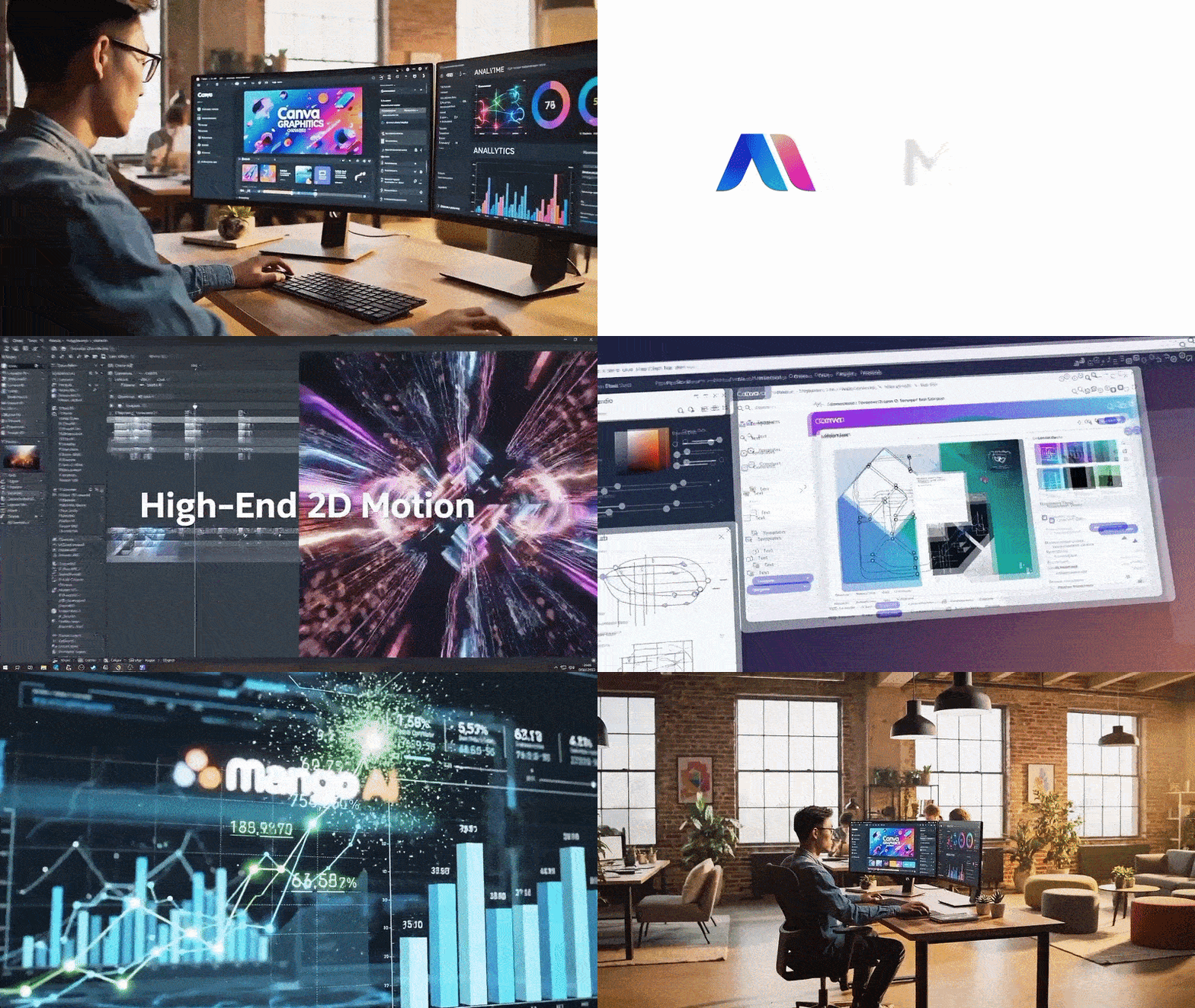
Canva has kicked off 2026 with a major expansion of its creative platform by acquiring two startups: Cavalry and MangoAI. Cavalry is a professional 2D motion design software, and MangoAI is an AI-based video advertising optimization company. These dual acquisitions — announced in February 2026 — are part of Canva’s strategy to transform from a simple graphic design tool into a full-stack “Creative OS” for visual communication. In recent years Canva has been on an acquisition spree (bringing in Affinity’s pro design suite, Leonardo AI, MagicBrief, etc.) to build a comprehensive creative ecosystem. By adding Cavalry and MangoAI, Canva is filling critical gaps in motion graphics and intelligent marketing, positioning itself as a serious competitor to Adobe’s Creative Cloud for both designers and marketers.
When did Canva acquire Cavalry and MangoAI?
On February 23, 2026, Canva co-founder Cliff Obrecht announced the dual acquisition of Cavalry and MangoAI. These deals were revealed simultaneously to enhance Canva’s animation and AI-driven advertising capabilities. This follows Canva’s 2025 purchase of marketing insights startup MagicBrief and its 2024 acquisition of the Affinity creative suite.
Why is Canva buying companies in 2026?
Canva is acquiring companies like Cavalry and MangoAI to build an all-in-one “Creative OS” that rivals the Adobe ecosystem. By filling product gaps in advanced motion design and AI-powered marketing, Canva aims to accelerate its roadmap. To support this, Canva appointed former Netflix data science VP Nirmal Govind as Chief Algorithms Officer in 2026. The strategy focuses on integrating cutting-edge AI and professional tools—such as the Affinity suite acquired in 2024—to offer a unified, affordable alternative to fragmented creative software.
What is Cavalry animation software
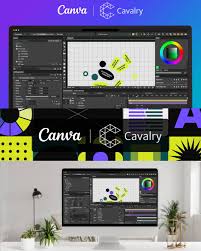
Launched in 2020 by the UK-based Scene Group, Cavalry is a 2D animation and motion graphics application. It was designed to combine 3D-style procedural and data-driven flexibility with 2D ease of use. The software includes professional features such as timelines, keyframes, graph editors, rigging, deformation, instancing, and physics simulation.

Cavalry 2D motion design tool for professional animators
Cavalry is a GPU-accelerated tool used by professional motion designers at companies including Amazon, Meta, Google, and Netflix. It is built for complex, high-end workflows rather than hobbyist use, offering real-time playback and creative control through modifiers, expressions, and data-driven systems.
Cavalry procedural motion design workflow explained
Cavalry utilizes a procedural, non-destructive workflow where animations are created through systems and relationships rather than manual keyframing. Features like Modifiers (live effects), Repeaters (cloning elements), and Behaviors (automated motion scripts) allow designers to automate tasks and manage high-volume content. This data-driven approach allows changes to ripple through a design automatically, making it ideal for personalized videos, dynamic charts, and multi-platform ad variations.
Why did Canva buy Cavalry
Canva acquired Cavalry to eliminate a gap in its professional suite, which previously lacked advanced motion design tools. This move supports Canva’s “Creative OS” strategy, providing a professional alternative to Adobe After Effects and allowing users to stay within the Canva ecosystem. Cliff Obrecht noted the acquisition helps teams move from vector to motion design within a single suite, aligning with Canva’s philosophy of accessible and affordable professional tooling.
How Cavalry fits into Canva’s professional design ecosystem
Cavalry will remain a professional-grade tool with its original founders and team continuing development under Canva. The vision is a connected workflow where designers create assets in Affinity and Cavalry, then finalize and distribute them via Canva’s collaborative platform. Potential future developments include deeper integration with Canva’s Brand Kits, product bundles, or incorporating Cavalry into the Affinity suite.
Will Cavalry remain free after Canva acquisition
Canva has committed to keeping Cavalry’s current free tier free. Prior to the buyout, Cavalry offered a Free version (capped at 1080p) and a Pro version priced at approximately £192 ($260) per year. While Canva made the Affinity suite free in 2025 after its 2024 acquisition, it has not yet announced immediate pricing changes for Cavalry Pro or confirmed if it will eventually be made entirely free.

Cavalry pricing changes after Canva buyout
Before its acquisition, Cavalry utilized a two-tier pricing model consisting of a Free version and a Pro version. The Free edition included most core features but capped exports at 1920×1080 resolution and excluded advanced tools like 3D extrusions, physics dynamics, and Lottie exports. The Pro version cost approximately £192 per year (around $260) to unlock these features and higher resolutions. As of 2026, Canva has announced no immediate changes to the Pro pricing and has not indicated if it will eventually become free. However, industry watchers note that Canva made the Affinity suite free in 2025 after acquiring it in 2024. For now, Canva is focused on growth and integration rather than changing the monetization of Cavalry Pro.
What Canva said about Cavalry free features staying free
Canva has explicitly committed to keeping Cavalry’s existing free tier available. In an official blog post, the company stated, “Everything that is free in Cavalry today will remain free,” emphasizing a focus on expanding access while maintaining professional depth. Users will continue to have access to HD exports, unlimited project creation, and the majority of animation tools without new paywalls. While Canva may eventually bundle Cavalry Pro features into its own subscription tiers, the free option is intended to remain as a low barrier for new motion designers.
Cavalry vs After Effects for motion design
Designers frequently compare Cavalry to Adobe After Effects, the long-standing industry standard. While After Effects is highly versatile and integrated into the Adobe ecosystem, it is built on 1990s architecture and carries legacy baggage. Cavalry offers a modern philosophy centered on real-time rendering, automation, and data-driven workflows.
Best motion design software alternatives to Adobe After Effects
Cavalry has emerged as a top 2D alternative to After Effects, particularly for procedural and speed-focused design. Other alternatives include:
- Apple Motion: Used by some Mac editors but limited and tied to Final Cut Pro.
- Blackmagic Fusion: A node-based compositor often used in 3D pipelines.
- Blender: An open-source tool with a 2D Grease Pencil toolset and node-based compositor.
While After Effects excels in heavy VFX, 3D composition, and third-party plugin support, it suffers from slow performance, cluttered workflows (pre-comps), and expensive licensing. Cavalry’s strengths include real-time playback and a structured node-based hierarchy. For pure motion graphics and data-driven content, Cavalry is often faster, though it lacks some of the deep VFX and 3D features found in After Effects.
Procedural animation tools like Cavalry vs keyframe workflows
Traditional keyframe workflows, like those in After Effects, require animators to manually set values at specific times. This offers fine control but becomes unwieldy for repetitive tasks or global changes. Procedural workflows, like Cavalry’s, define rules and relationships. In Cavalry, this is achieved through several features:
- Linking Properties: Binding one object’s property to another for dynamic updates.
- Behaviors: Adding automated motions like bounces or blinks without manual keyframes.
- Data Integration: Driving animations directly from external sources like CSVs or Google Sheets.
- Non-destructive Modifiers: Stacking and tweaking effects that can be adjusted or reordered at any time.
Procedural tools allow for much faster iterations; for example, changing the speed or color of an entire project can be done globally in minutes rather than manually re-spacing keyframes. While keyframes are still preferred for highly bespoke, one-off motions, procedural workflows are becoming a standard for scalable, efficient production.
What is MangoAI and what does it do
MangoAI is a startup that uses reinforcement learning and data intelligence to optimize video advertising. Founded by former Netflix data scientists Nirmal Govind and Vinith Misra, the platform generates video ad variations and uses AI to learn from audience reactions. It automatically adjusts or creates new variations based on performance data such as clicks and conversions to remove the guesswork from marketing.
MangoAI video ad optimization platform explained
The MangoAI platform closes the loop between design and performance by automating the A/B testing process. It works through a cycle of:
- Dynamic Generation: Creating multiple ad variants by swapping scenes, text, and colors.
- Reinforcement Learning: Using trial and error to identify which creative traits (like specific intros or color schemes) yield the best results.
- Automated Refinement: Prioritizing high-performing elements and generating new versions that double-down on what works.
Canva’s acquisition of MangoAI aims to create intelligent systems that continuously improve content based on context and performance, moving marketing toward an automated “creative optimization” paradigm.rithmic advertising”.
Reinforcement learning for video ads (MangoAI approach)
Reinforcement learning (RL) is an AI technique where an algorithm, or “agent,” takes actions (such as serving an ad variant) and receives rewards (clicks or conversions) or penalties. Over time, the agent learns a strategy to maximize rewards. Applied to video ads, this approach allows for continuous adaptation to audience behavior, time of day, and shifting preferences. Unlike traditional A/B testing, MangoAI’s RL approach manages many variables simultaneously to automate the creative trial-and-error process, aiming to increase ROI for marketers and ensure designers’ work has the highest possible impact.
Why did Canva buy MangoAI
Canva acquired MangoAI to evolve from a static design service into a smart marketing engine. By integrating MangoAI’s analytics and optimization capabilities, Canva can provide business users with feedback to ensure their marketing content, such as social posts and ads, performs effectively.
Canva AI marketing tools roadmap after MangoAI acquisition
Following the acquisition, Canva is shifting its AI focus from content creation speed to content effectiveness. The company appointed MangoAI co-founder Nirmal Govind as its first Chief Algorithms Officer to oversee this transition. The roadmap includes “AI ad optimizer” tools that suggest design changes based on engagement data and performance optimization features. This strategy integrates MangoAI’s technology with Canva Grow—a performance measurement tool launched in 2025—to help users deploy and improve video content across multiple platforms using proprietary algorithms.
How MangoAI connects creative output to ad performance
MangoAI creates a continuous feedback loop by connecting insights, performance, and creation. This integration streamlines the marketing workflow:
- Insight at the start: Using MagicBrief to suggest creative strategies based on benchmarks.
- Performance tracking: Monitoring views and clicks directly within Canva’s interface.
- AI feedback and iteration: Using RL to generate and test variants, retiring underperforming designs and promoting winners.
This process brings high-level A/B testing into the design workflow, saving time for creative teams and ensuring designs are outcome-driven.
Nirmal Govind Canva Chief Algorithms Officer
Nirmal Govind, a co-founder of MangoAI and former Vice President of Data Science & Engineering at Netflix, has joined Canva as its first Chief Algorithms Officer (CAO). With over two decades of experience in large-scale machine learning, he will lead personalization and algorithmic experiences across the platform, sitting at the intersection of product, engineering, and data science.
Who is Nirmal Govind (ex-Netflix) and what will he do at Canva
At Canva, Nirmal Govind will set the vision for AI development, focusing on:
- Building AI infrastructure: Using Canva’s massive dataset to improve search, recommendations, and brand kits.
- Personalization: Tailoring the user experience based on industry or user needs.
- Integration: Overseeing the implementation of reinforcement learning and creative intelligence from MangoAI and MagicBrief.
- Research and development: Guiding Canva’s AI Lab toward generative design suggestions and automated layout tools.

Vinith Misra reinforcement learning role at Canva
Vinith Misra, the other MangoAI co-founder, has joined Canva as Reinforcement Learning Lead within the R&D team. A data scientist with a PhD from Stanford and experience at Netflix and Roblox, Misra will lead the implementation of RL algorithms. His work will focus on marketing optimization and exploring how RL can guide users by identifying which design features lead to higher engagement.
Canva MagicBrief and MangoAI integration
The 2025 acquisition of MagicBrief and the 2026 acquisition of MangoAI are complementary. MagicBrief handles the upfront campaign planning, including creative briefs and competitor analysis, while MangoAI manages backend performance optimization. Together, they allow Canva to offer an end-to-end data-driven marketing solution that covers the entire lifecycle of an advertisement.a seamless workflow: insights -> creation -> deployment -> feedback -> iteration, all in one place.
Canva marketing intelligence tools and performance feedback loops
Canva is aiming to unify the marketing lifecycle into a single closed-loop system:
- Ideation (MagicBrief): Uses AI to generate creative briefs, messaging suggestions, and industry insights based on high-performing competitor ads.
- Design (Canva): Employs AI-assisted layout and integration with briefs to ensure content follows brand and audience guidelines.
- Publishing (Canva Content Planner): Directly launches or schedules campaigns across social media and ad networks.
- Performance Tracking (MangoAI): Real-time monitoring of metrics like impressions, clicks, and conversions.
- Feedback & Iteration (MangoAI’s RL loop): AI identifies successful elements and suggests or automatically generates high-performing variations.
- Refinement: Users review AI suggestions and approve variations to continue the cycle.
This strategy, described by COO Cliff Obrecht, evolves Canva from a design tool into an intelligent marketing partner that handles everything from ideation to optimization under one roof, potentially through a formal “Canva Marketing Hub.”
Canva AI-driven creative optimization for ad teams
For marketing departments, Canva’s AI-driven loop bridges the gap between creative and media teams. AI handles micro-optimizations, allowing designers to focus on high-level assets while marketers test more variations. This approach typically yields a 10–20% higher ROI. Expected features include:
- Automated A/B testing across audience segments.
- AI recommendations for video length, contrast, and layout.
- Performance heatmaps and analytics embedded directly in the editor.
- Adaptive campaigns that continuously adjust content to meet specific goals like maximizing clicks.
How Cavalry will integrate with Canva and Affinity
Canva is adopting a “Lego block” approach: Affinity handles static design, Cavalry manages motion design, and Canva serves as the central hub for collaboration. A typical professional workflow involves:
- Designing static elements in the unified Affinity application.
- Animating those assets in Cavalry using procedural tools.
- Exporting content (MP4, GIF, Lottie) for import into Canva.
- Collaborating and distributing via Canva’s templates and Brand Kits.
- Returning to Cavalry for non-destructive updates based on feedback.
Integration focuses on smooth hand-offs, cloud-syncing, and unified asset libraries rather than merging interfaces. There is also speculation that Cavalry could eventually become a “Motion Studio” within the Affinity suite.
Using Affinity for static design and Canva for team collaboration
Canva’s ecosystem allows experts to use specialized tools (Affinity and Cavalry) for deep craft while generalists use Canva for iteration. In this model:
- Expert designers create master assets and templates using professional features.
- Non-designers (marketing managers, clients) use Canva to localize content or swap images without breaking the design.
- Canva provides infrastructure for version control, approvals, and multi-channel publishing.
This “end-to-end professional workflow” ensures brand consistency while enabling local teams to adapt content efficiently.
What Canva users will get from Cavalry and MangoAI
Canva users can expect more robust animation capabilities and smarter marketing tools. Potential enhancements include:
- Advanced motion templates: High-quality animations created in Cavalry that are customizable within Canva.
- Timeline editing: A more precise keyframe interface for Canva Pro users.
- Lottie/JSON support: The ability to import and export web-ready animations.
- Procedural features: Physics-based and data-driven animations, such as infographics that update based on input numbers.
- Upgraded video tools: Improvements to multi-scene animations and layering.
By adding Cavalry, Canva aims to close the gap with Adobe After Effects, allowing users to create complex motion content like animated logo reveals or app demos directly on the platform. Additionally, Cavalry may eventually be bundled into Canva Pro subscriptions.
AI-powered video ad creation inside Canva (what’s coming)
Canva is expected to utilize MangoAI’s technology to transform video ad creation through several new capabilities:
- Automated video generator: Users can input assets like photos and taglines for the AI to assemble into a polished 15-second ad.
- Multiple variant generation: The AI can produce several versions of an ad, testing different headlines or demos based on successful industry patterns.
- AI-assisted editing: Real-time prompts may suggest trimming clips or adding captions based on performance data.
- Performance prediction: Predictive analytics might estimate an ad’s engagement before it is published.
- Integration with ad platforms: A one-stop shop where users push ads directly to networks like Meta or Google and pull back performance data.
- Continuous improvement suggestions: The system can suggest improvements, such as changing an opening scene, based on real-world viewer retention data.
This democratization of multivariate testing and optimization allows small businesses to create data-backed campaigns that were previously only available to large advertisers with dedicated data science teams.
Will Canva raise prices after acquiring Cavalry and MangoAI
Canva has not announced any price increases for its Pro tier ($12.99/month or $119/year) following these acquisitions. Historically, Canva has absorbed acquisition costs to drive mass adoption, such as making the Affinity suite free. While the Enterprise tier may see new upsells or premium marketing analytics services, individual Pro subscribers are expected to see increased value—such as access to Cavalry features—without additional costs. With $4 billion in annualized revenue and 31 million paid users by the end of 2025, Canva is positioned to play a “long game” to capture market share from Adobe rather than immediately recouping costs through price hikes.
What changes (and what doesn’t) after Canva acquisitions
In the wake of these deals, several aspects of the user experience will remain stable while others evolve.
What doesn’t change:
- Core Canva experience: The editor interface and existing templates remain the same.
- Pricing tiers: Free and Pro structures remain as they were.
- Affinity integration: The apps remain free and available.
- Cavalry standalone: It remains a standalone professional tool from Scene Group in the short term, with no “dumbing down” of features.
- User files and data: Existing designs and local files are unaffected.
What changes or will change:
- New features: Gradual rollout of advanced animation tools and AI marketing suggestions.
- Pro value: Subscribers gain more features at no extra cost.
- App integrations: Potential for cloud-sync and unified logins between Canva and the Cavalry desktop app.
- Faster development: Increased resources for Cavalry and MangoAI teams to accelerate updates.
- Market competition: Adobe may respond with its own pricing or feature adjustments to defend its market position.
Canva vs Adobe Creative Cloud for professionals in 2026
In 2026, Canva is positioning itself as a legitimate “Creative OS” for digital and marketing professionals, putting pressure on Adobe’s stock and market dominance.
- Full Creative Suite: Canva now includes the Affinity suite (equivalents to Photoshop, Illustrator, and InDesign), Cavalry (After Effects niche), Leonardo.AI (generative AI), and MagicBrief/MangoAI (marketing intelligence).
- Collaboration and Ease of Use: Unlike Adobe, Canva was built for the cloud and real-time collaboration, aiming to cover 90% of professional use cases with significantly less complexity.
- Cost Efficiency: Small agencies can operate entirely on the Canva ecosystem for a fraction of the cost of Adobe Creative Cloud licenses.
- AI Strategy: While Adobe treats AI as a feature add-on within existing apps, Canva treats AI as core infrastructure for the entire content lifecycle.
While Adobe remains essential for high-end VFX, print publishing, and industries with deep plugin dependencies, Canva has become a viable alternative for graphic designers, motion designers, and marketing teams looking for an integrated, efficient, and cost-effective workflow.
Canva professional creative tools strategy (Affinity + motion)
Canva’s strategy involves acquiring best-in-class tools like Affinity and Cavalry to fill product gaps and offering them affordably. This creates a parallel to Adobe Creative Cloud that is more unified, cloud/AI-centric, and focused on “visual communication.” Key pillars of this strategy include:
- Speed and Convenience: Leveraging a template-driven culture that appeals to both pros and non-pros.
- Open Ecosystem: Integrating with various third-party SaaS tools rather than maintaining a closed environment.
- Network Effects: Drawing professionals into a shared platform with their clients and colleagues to encourage collaboration.
- Disruptive Accessibility: Providing high-end tools at little to no cost to build loyalty and volume.
What’s next for Canva Creative OS
The future of Canva’s “Creative OS” involves expanding into AI-driven personalization and potentially new creative domains such as 3D or augmented reality (AR) to complete its ecosystem.
Canva AI personalization and algorithmic experiences roadmap
Under Chief Algorithms Officer Nirmal Govind, Canva plans to make the platform anticipatory and tailored to individual users through several initiatives:
- Smarter Home Dashboard: Personalizing template and design suggestions based on user behavior and brand identity.
- Adaptive Learning: Algorithmic assistants that suggest layout improvements to help users develop design skills.
- Viewer Personalization: Enabling designs that automatically adjust imagery or text for specific recipients.
- Algorithmic Generation: Enhancing “Magic Design” to churn out multiple on-brand options from simple prompts.
- Workflow Automation: Using AI to handle smart resizing, project organization, and cross-medium content extraction.
- Data Integration: Connecting with sources like Shopify or Google Analytics to automatically generate updated visuals like sales reports.
Canva motion design roadmap after the Cavalry acquisition
With the addition of Cavalry, Canva aims to make advanced motion design ubiquitous. The roadmap includes:
- Product Integration: Bringing sophisticated animations to Canva Presentations and Websites.
- Interactive and Mobile Motion: Exploring interactive web infographics and enabling procedural motion design on mobile devices.
- Education and Community: Investing in tutorials and forums to help the broader design community adopt motion graphics.
- Cavalry Feature Development: Adding potential 3D support, new export formats like AR filters, and cloud rendering to remove local hardware barriers.
- AI-Assisted Animation: Using AI to drive Cavalry’s procedural engine for tasks like automated logo reveals or engaging infographic animations.
The ultimate goal is to provide an ecosystem where creators have both the tools to make anything and the algorithmic intelligence to ensure those creations are effective.

Frequently Asked Questions (FAQs)
- When did Canva acquire Cavalry and MangoAI?
Canva officially announced the acquisition of both Cavalry and MangoAI in late February 2026. The news was confirmed on February 23, 2026, as part of a strategy to expand the platform’s capabilities in motion design and AI-driven video advertising. By early 2026, both companies were officially integrated into the Canva family. - Why did Canva decide to buy companies like Cavalry and MangoAI in 2026?
Canva’s mission is to become a “Creative OS” or a one-stop creative suite. By 2026, the company aimed to fill key gaps in its offerings by acquiring specialized firms. Cavalry provides professional motion design capabilities, while MangoAI contributes advanced reinforcement learning for content optimization and marketing. This follows the 2024 acquisition of Affinity and the 2025 purchase of MagicBrief, allowing Canva to compete directly with Adobe by meeting the needs of teams seeking integrated, intelligent design solutions. - What exactly is Cavalry, and how does it compare to Adobe After Effects?
Cavalry is a 2D animation and motion graphics application launched in 2020 that utilizes a procedural, real-time workflow. It features physics simulations, data-driven animation, and a modern interface. Compared to Adobe After Effects, Cavalry offers faster playback and a systems-based approach that automates motion through behaviors and modifiers, making it more efficient for complex, repetitive tasks. While After Effects remains the industry standard with a deep plugin ecosystem, it is often slower and more manual. Cavalry is favored by designers at companies like Google and Netflix for its lightweight, iterative animation power. - Will Cavalry remain free now that Canva owns it?
Yes, Canva has promised that all features previously available for free in Cavalry will remain free. Cavalry continues to offer a free tier with some limitations, alongside a paid Pro subscription for advanced features. Canva’s leadership emphasized that affordability is key to their strategy, mirroring their 2025 decision to make the Affinity apps free. There are currently no announced changes to Cavalry’s Pro pricing. - Do I need a Canva Pro account to use Cavalry now?
No, Cavalry remains a separate desktop application. Users do not need a Canva Pro subscription to access Cavalry’s free features or its independent Pro version. While Canva may introduce integration perks for Pro users in the future—such as cloud storage or seamless asset transfers—the core usage of Cavalry does not currently require a Canva account. - How will MangoAI’s technology benefit Canva users?
MangoAI uses reinforcement learning and data intelligence to make content more effective by optimizing designs and ads. For Canva users, this translates to smarter feedback, such as suggestions to trim video lengths for better engagement or the automatic generation of ad variations. Marketers will benefit from automated A/B testing and predicted performance metrics, allowing them to create data-informed content that achieves better real-world results without needing deep analytical expertise. - Who are Nirmal Govind and Vinith Misra in relation to Canva’s new AI initiatives?
Nirmal Govind and Vinith Misra are the co-founders of MangoAI. Nirmal Govind, a former Netflix VP of Data Science, is now Canva’s first Chief Algorithms Officer, overseeing personalization and algorithmic experiences platform-wide. Vinith Misra, who also worked at Netflix and Roblox, joined as the Reinforcement Learning Lead in Canva’s research and development team. Together, they are leading the development of systems that learn from user behavior and content performance to make Canva’s tools more intelligent and predictive. - Will Canva’s acquisition of these tools cause them to raise the price of Canva Pro?
There is no indication that Canva Pro prices will increase due to these acquisitions. Canva’s strategy has historically been to add value while maintaining affordable pricing to drive adoption. For instance, Canva Pro pricing remained stable even after the integration of the Affinity suite. By including professional tools at no extra cost, Canva aims to attract more users and remain competitive against pricier alternatives like Adobe. - What is PixelHair and how does it relate to design or Canva?
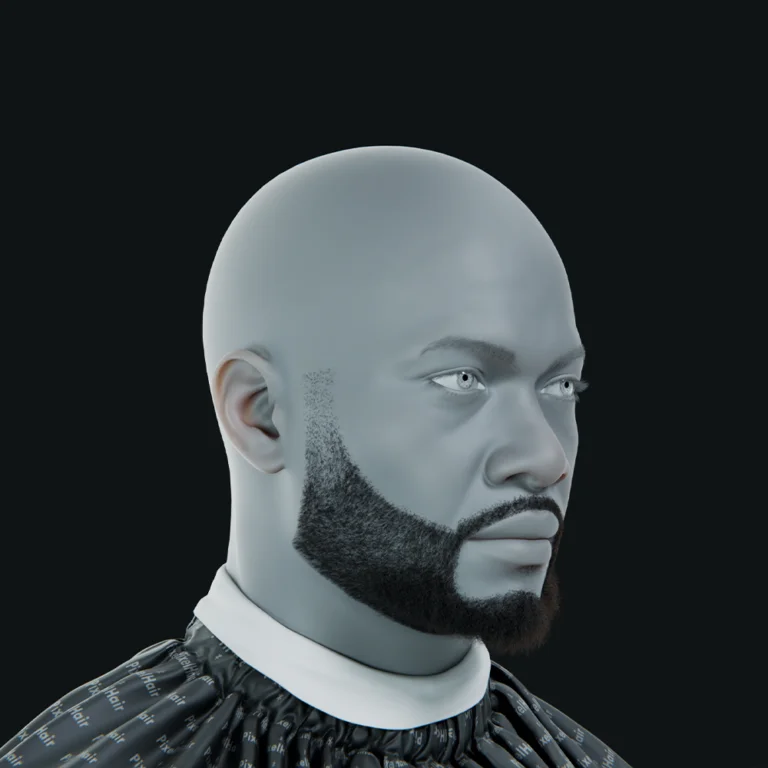
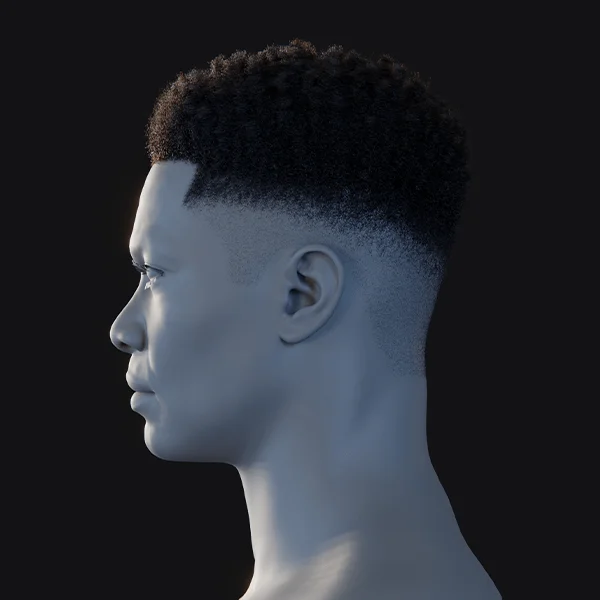
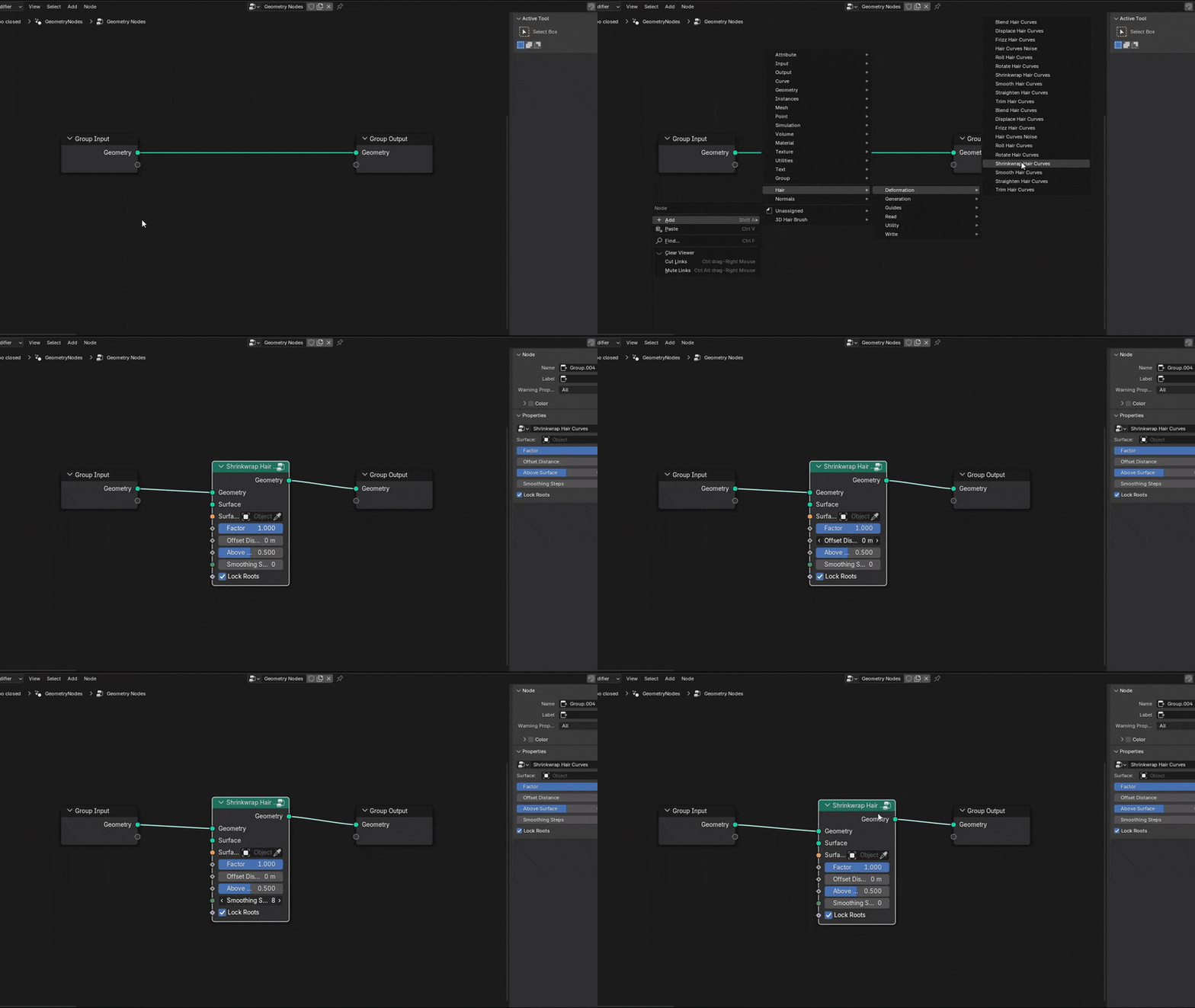
PixelHair is not a Canva product; it is a 3D hair asset library for Blender created by the developer Yelzkizi. It offers professionally crafted, customizable hairstyle presets using Blender’s geometry nodes and hair curves. It is compatible with Unreal Engine’s Groom system, making it useful for game developers and 3D character artists. While unrelated to Canva’s 2D tools, it serves as a specialized resource for the 3D creative community. - What is “The View Keeper” tool from Yelzkizi, and is it related to Canva?
The View Keeper is an independent Blender add-on by Yelzkizi and is not related to Canva. It is designed to help 3D artists manage multiple camera angles and settings within a single scene. It allows users to store unlimited “shots” and switch between them with one click, facilitating faster rendering and composition comparisons. It is a niche tool for 3D animation and architectural visualization.
Conclusion
Canva’s 2026 acquisition of Cavalry and MangoAI marks its transition from a simple graphic design tool into a comprehensive, AI-powered “Creative OS.” By integrating Cavalry’s motion design and MangoAI’s data-driven optimization with existing tools like Affinity and MagicBrief, Canva now offers a full professional toolkit covering photo editing, illustration, layout, video, and motion graphics.
For creators, this integration means more accessible motion design and smarter marketing feedback loops. Professional animators benefit from increased resources for Cavalry, while general Canva users gain the ability to create high-quality animations and optimized ads with AI assistance. Leaders like Nirmal Govind and Vinith Misra are driving this AI-native approach, focusing on personalization and continuous performance improvement.
Canva remains committed to affordability, keeping Cavalry’s free tier intact and maintaining stable pricing for its Pro subscription. By offering professional-grade tools at a lower cost than the Adobe Creative Cloud, Canva is positioning itself as the primary ecosystem for modern, cloud-based, and collaborative creative workflows. This strategic expansion ensures that content creation is increasingly data-informed, efficient, and available to millions of users worldwide.
Sources and Citation
- Canva Newsroom (Official announcement)
- Welcoming MangoAI and Cavalry as we expand our AI capabilities and professional creative suite
- Citation: Canva Team. (2026, February 23). Welcoming MangoAI and Cavalry as we expand our AI capabilities and professional creative suite. Canva Newsroom.
- Canva Newsroom (Follow-up post)
- Design in motion: Canva expands professional creative ecosystem with Cavalry
- Citation: Clark, D. (2026, February 23). Design in motion: Canva expands professional creative ecosystem with Cavalry. Canva Newsroom.
- TechCrunch (Ivan Mehta, Feb 23, 2026)
- Canva acquires startups working on animation and marketing
- Citation: Mehta, I. (2026, February 23). Canva acquires startups working on animation and marketing. TechCrunch.
- Creative Bloq (Natalie Fear, Feb 26, 2026)
- Is Canva’s new acquisition a secret blessing for motion designers?
- Citation: Fear, N. (2026, February 26). Is Canva’s new acquisition a secret blessing for motion designers?. Creative Bloq.
- Retailboss (Substack) (Jeanel Alvarado, Feb 26, 2026)
- Why Canva’s Acquisition Spree Puts Adobe on Notice in Battle for Creative Marketing Tools
- Citation: Alvarado, J. (2026, February 26). Why Canva’s Acquisition Spree Puts Adobe on Notice in Battle for Creative Marketing Tools. Retailboss (Substack).
- CG Channel (Jim Thacker, Feb 25, 2026)
- Canva acquires next-gen motion graphics tool Cavalry
- Citation: Thacker, J. (2026, February 25). Canva acquires next-gen motion graphics tool Cavalry. CG Channel.
- Envato (Tuts+/Envato Learn) (Jonathan Lam, Feb 25, 2026)
- Why creatives are switching to Cavalry motion graphics — now part of Canva
- Citation: Lam, J. (2026, February 25). Why creatives are switching to Cavalry motion graphics — now part of Canva. Envato.
- Forbes Australia (Anastasia Santoreneos, Jun 18, 2025)
- Canva to acquire Australian AI platform MagicBrief
- Citation: Santoreneos, A. (2025, June 18). Canva to acquire Australian AI platform MagicBrief. Forbes Australia.
- Blender Artists Community Forum (PixelHair thread) (July 13, 2023)
- Pixelhair for blender
- Citation: Yelzkizi (Daniel Isaac). (2023, July 13). Pixelhair for blender. Blender Artists Community.
- ArtStation (The View Keeper product page)
- The View Keeper – Camera Management Addon (Blender)
- Citation: Yelzkizi Ltd. (n.d.). The View Keeper – Camera Management Addon. ArtStation.
Recommended
- How to Make Blender Hair Work with Unreal Engine’s Groom System
- Cyberpunk Orion: Everything We Know About CD Projekt Red’s Next Cyberpunk Adventure
- How do I make the camera orbit around an object in Blender?
- The Best Nioh 3 Skills for Samurai and Ninja: Must-Have Unlocks, Combos, and Builds (2026 Guide)
- MetaHuman Creatures: Crafting Non-Human Characters with Unreal Engine’s MetaHuman Framework
- Discover the Allure of Chrome Heart Braids
- Toy Story 5 Trailer Teases Woody’s Big Return: Trailer Breakdown, Lilypad Villain, Cast & Release Date
- Apex Legends Plan With Two New Characters: The Road Ahead 2026 Roadmap (Season 29 Skirmisher + Season 32 New Legend)
- Top 10 Blender Render Farm Services for Faster, High-Quality Renders
- Brainrot Metahuman Animation for YouTube and Social Media: How to Create Viral Character Content in Unreal Engine 5