




⸻
What Is a Screamer and How Does It Work
An internet screamer is a prank designed to startle viewers with a sudden fright. It typically appears as a benign video, game, or animation that encourages the viewer to focus closely before abruptly flashing a terrifying image, such as a distorted face, accompanied by a loud scream. The effectiveness of a screamer relies on deception and the bait-and-switch technique, setting up a false sense of security. These condensed jump scares trigger an involuntary physiological fear reaction. Early examples were often Adobe Flash animations or videos where the shock was timed to follow a long period of quiet, normal content, ensuring the viewer’s own concentration served as the setup for the scare.
Screamer Review: Are Screamer Videos Still Effective in 2026
By 2026, the novelty of screamers has largely worn off as the internet community has become more aware of their hallmarks, such as instructions to turn up the volume or watch closely. While many platforms now discourage or ban them as “shocking content,” they can still be effective on unsuspecting users or new generations encountering them for the first time. Culturally, screamers have been surpassed by more immersive horror experiences like ARGs. However, the fundamental physiological reaction to sudden loud noises and horrific images remains effective if the setup is believable. Modern content moderation on platforms like YouTube and TikTok has made pure screamers less common than they were during their peak in the early 2000s.
Why Screamer Pranks Are So Scary (Psychology Explained)
The intensity of a screamer comes from the startle response, a hardwired involuntary reaction. When the stimulus hits, the amygdala triggers a fight-or-flight response, flooding the body with adrenaline, increasing heart rate, and tensing muscles before the conscious mind can process the situation. Screamers utilize sensory overload by combining auditory and visual shocks. The transition from a state of calm concentration to sudden panic amplifies the effect. Unlike horror movies where fear is expected, screamers involve a loss of control and a violation of consent, which can make the experience more psychologically upsetting.
Most Popular Screamer Videos on the Internet
- Kikia (2002): Considered the first widely known screamer, featuring a simple animation of a boy that flashes a ghastly face.
- “What’s Wrong With This Picture?” (2002): A Flash animation asking viewers to find a detail in a dining room photo before flashing an eyeless woman.
- The Maze Game (2004): A game where players navigate a dot through narrow walls, ending in a flash of the possessed girl from The Exorcist.
- K-fee “Ghost Car” Commercial (2005): A German coffee advertisement showing a car in the countryside before a zombie leaps into the frame.
- Other Notables: “Bloody Mary” videos, “Anne.jpg,” and the Liquid Generation “Sabotage” series, which used quizzes and skill tests to deliver jump scares.
Screamer Review: Real Examples of Viral Screamer Websites
- Personal Websites: Creators like Jeremy Winterrowd and Jaybill McCarthy hosted famous screamers on their own domains.
- Humor and Shock Sites: Platforms like Albino Blacksheep, EbaumsWorld, and Newgrounds were hubs for sharing and parodying screamers.
- Liquid Generation: A site famous for its “Sabotage” series of interactive prank games and quizzes.
- Scary for Kids: A website that compiled various horror media and online jump scares for younger audiences.
- Chain Email and Forums: Many screamers spread via links in emails or on message boards under deceptive titles.
- YouTube: The platform serves as a modern repository for classic screamers, though they are now often subject to age restrictions or content warnings.
Are Screamer Videos Dangerous or Harmful
While usually harmless to healthy individuals, screamers can pose physical risks to the elderly or those with pre-existing heart conditions due to sudden spikes in blood pressure and heart rate. Psychologically, they can be distressing for people with anxiety or PTSD, and children under 10 are particularly vulnerable to lasting fears and nightmares. There is also a risk of physical injury if the viewer falls or flails reflexively. Ethically, these pranks are criticized for violating consent. In some cases, “scareware” uses screamers maliciously by combining them with malware or scripts that prevent the user from closing the window.

How Screamer Pranks Trick Viewers Online
Screamer designers use several tactics to ambush viewers:
- Disguised Content: Using non-threatening titles or premises to lower defenses.
- Building Concentration: Requiring the viewer to focus on a task like a puzzle or maze so they are close to the screen.
- Pacing: Using time delays to establish a false sense of security.
- Audio Spikes: Following a period of silence with an ear-piercing noise.
- Visual Misdirection: Using static, benign images that are suddenly replaced by high-contrast, horrific faces.
- False UI: Incorporating fake play buttons or progress bars to manipulate user behavior.
Screamer Review: Pros and Cons of Using Screamer Content
Pros:
- Provides an immediate and intense visceral reaction.
- High viral potential through the “pass-along” effect.
- Low production costs as they are easy to create.
- Can be seen as humorous or entertaining in a social/reaction context.
- Makes content highly memorable, even if controversial.
Cons:
- Often triggers negative viewer reactions and anger.
- Potential for physical or emotional harm and associated liability.
- Subject to platform restrictions and potential removal for “shocking content.”
- Offers a short-lived effect with little replay value or depth.
- Can cause audience erosion and a loss of trust in the creator.
Why People Still Fall for Screamer Jumpscares
Despite their long history, people continue to fall for screamer pranks due to several psychological and biological factors:
- Human Nature and Reflexes: The startle reflex is involuntary. The amygdala triggers a physical reaction before the rational brain can process the situation, making it nearly impossible to suppress a jump even if a scare is suspected.
- Curiosity and Optimism: Screamer designs bait viewers with intriguing premises, such as puzzles or “spot the difference” challenges. This creates a sliver of doubt that the content might be legitimate, leading people to take the risk.
- Social Factors and Trust: Pranks are often shared by friends or family members. Because viewers trust the sender, they are less likely to be skeptical of the content, allowing social bonds to facilitate the spread of the prank.
- Generational Turnover: Each year brings new internet users who have never encountered classic screamers. For these younger audiences, old tricks are entirely new and effective.
- Adaptation: Modern screamers hide in novel contexts, such as the middle of a long vlog or unconventional platforms, catching even wary, experienced users off guard.
- Bravado: Some individuals believe they are immune to such pranks or can detect them easily. This “it won’t happen to me” attitude often leads them to intentionally engage with suspicious content.
Screamer vs Jumpscare: What’s the Difference
While closely related, there are specific differences between these terms:
- Medium and Context: “Jump scare” is a broad term for a horror trope used in movies, games, and haunted houses as part of a narrative. A “screamer” specifically refers to an internet-based prank or “scary pop-up” designed to trick the viewer.
- Setup: In horror media, jump scares are expected as part of the experience. In screamers, the scare is usually deployed out of context to ambush an unsuspecting viewer.
- Name Origin: The term “screamer” refers to the auditory component (a loud scream), while “jump scare” refers to the physical reaction of the viewer.
- Structure: Jump scares can occur multiple times in a story, whereas a screamer is typically a “one-and-done” prank with no plot or deeper substance.

Are Screamer Videos Safe for Kids and Teens
Screamer videos are generally considered inappropriate for younger audiences:
- Children under 10: These pranks can be traumatic because young children struggle to distinguish fiction from reality. Exposure can lead to lasting nightmares, sleep problems, and a fear of using digital devices.
- Teens: While many teenagers enjoy the adrenaline rush of horror, others remain sensitive. The surprise nature of screamers can be distressing, and forcing them on others can be seen as a form of bullying.
- Medical and Psychological Risks: For those with anxiety disorders, PTSD, or heart conditions, the extreme fight-or-flight response can be harmful.
- Prevention: Parents are encouraged to supervise internet use, use kid-safe modes, and have open conversations about the existence of such pranks to demystify the fear.
How to Avoid Screamer Pranks While Browsing Online
To minimize the risk of being startled, users can employ several strategies:
- Be Cautious of Unfamiliar Links: Avoid mystery links, especially those using shortened URLs or those sent with insistent messages to “turn up the volume.”
- Read Comments and Descriptions: Other users often leave warnings in the comment section or video description to alert others of a jump scare.
- Use the Progress Bar and Previews: Scrubbing through a video or hovering over the timeline to see thumbnail previews can reveal a hidden scary frame.
- Volume Clues: Be wary of videos that are unnaturally silent or specifically instruct the viewer to use headphones or high volume.
- Trust Reputable Sources: Stick to official websites and well-known creators, as they are less likely to host unconsented shock content.
- Browser Settings: Using script blockers, disabling auto-play, or using extensions that mute new tabs can prevent the sudden audio-visual shock.
- Community Warnings: Staying informed through social media groups or consulting dedicated databases like the Screamer Wiki can help identify viral pranks.
- Exit Early: If a video feels suspicious or takes an unusually long time to get to the point, it is safer to close the tab immediately.
Screamer Review: Do They Still Work on Modern Audiences
The effectiveness of screamers in 2026 is a subject of debate:
- Savvy Audiences: Many modern users have “screamer scars” and are highly suspicious of classic setups. Meme literacy and the commonality of “fake-out” videos have made the public more desensitized.
- Platform Regulation: Modern mainstream sites like YouTube have lower tolerance for shock content and often remove or age-restrict pure screamer videos.
- Biological Reality: Despite increased awareness, the human startle reflex remains unchanged. A well-timed, well-disguised scare can still trigger a physiological reaction in anyone.
- Novelty and Context: While classic formats feel like “relics,” screamers can still work if they evolve into new mediums like AR, VR, or live streams where the element of surprise is renewed.
- General Reception: Most modern viewers find screamers more annoying than scary, viewing them as cheap gimmicks rather than substantive horror. While they can still make someone jump, they are largely seen as an outdated tactic.
The History of Screamer Videos on the Internet
The history of screamers traces back to pre-internet precursors, such as a 1970s anti-heroin PSA from the Faroe Islands featuring a screaming monkey and a 1980s “scareware” program called Nightmare that displayed a bloody skull. The early internet era saw the rise of the first true screamers, starting with Kikia in 2002, a Taiwanese Flash animation. This was followed by Jaybill McCarthy’s “What’s Wrong With This Picture?” (2001-2002), which gained mainstream attention and a mention in The New York Times.
The “Golden Age” (2003–2006) was dominated by Adobe Flash content. Key developments included:
- Jeremy Winterrowd’s “The Maze” game (2003/2004), which became perhaps the most famous screamer.
- The rise of reaction videos around 2005-2006, where people filmed others being scared.
- The K-fee “ghost car” commercials (2004-2005) from Germany, which brought jump scares to television and then viral internet fame.
- Dedicated websites like LiquidGeneration, Albino Blacksheep, eBaum’s World, and Newgrounds hosting “prank flashes.”
By the late 2000s, users became more suspicious, leading to a rise in malicious variants like “Last Measure” and stricter moderation on platforms like YouTube. The 2010s saw a decline as Flash died out and horror culture shifted toward narratives like Creepypasta. However, jump scares remained popular in games like Five Nights at Freddy’s. Notable late incidents included the 2016-2018 Momo Challenge hoax and the 2018 banning of an unskippable ad for the movie The Nun on YouTube. Today, screamers persist as nostalgic internet lore, meta-jokes, or hidden jump scares in modern GIFs and webms.

Why Screamer Content Goes Viral So Easily
Screamer content is uniquely engineered for virality due to several psychological and social factors:
- Shareable Shock Value: The intensity of the scare prompts an instinct to share the experience, often to see others react or to turn a fright into a shared joke.
- Reaction Videos and Social Proof: Filming others being pranked created a self-perpetuating cycle of marketing for the original content.
- Low Barrier to Entry: These were small files or links easily sent via email or IM under innocent pretenses like “Look at this puzzle.”
- Emotional Amplification: The “whiplash” between shock and the relief of laughter once the prank is revealed is exhilarating for many.
- Novelty and Participation: In their prime, they were a fresh concept that allowed victims to become perpetrators, joining an “in-group” of those in on the joke.
- Media Coverage and Lore: Mention in mainstream media and playground rumors turned certain screamers into urban legends.
- Quick Payoff: Their short duration makes them perfect for short attention spans and quick sharing in person.
How Content Creators Use Screamer Tactics for Engagement
Creators utilize screamer tactics to maintain attention and elicit measurable audience engagement:
- Genre-Specific Jump Scares: Horror filmmakers and game designers use them to spike adrenaline and encourage comments.
- Prank and Reaction Content: Creators film others being scared to provide vicarious thrills for their audience.
- Interactive Live Streaming: On platforms like Twitch, viewers can often trigger scares via donations or subscriptions to startle the streamer.
- Baiting Tactics: Using clickbait titles and thumbnails that hint at scares to increase click-through rates.
- Viral Marketing: Using jump scares in promotional teasers, such as the controversy-generating ad for The Nun.
- Meta-Humor: Savvy creators play with audience expectations by teasing or subverting known screamer tropes.
- Challenges: “Try Not to Get Scared” videos compile scares into a participatory game for viewers.
Screamer Review: Ethical Concerns and Online Safety
The prevalence of screamers has raised significant ethical and safety questions as the internet has matured:
- Consent and Trust: Deceiving viewers into a distressing experience is seen by many as a violation of trust and a form of harassment or trolling.
- Psychological Impact: There is a risk of harming sensitive individuals, including children, people with anxiety, or those with PTSD.
- Security Risks: Some screamers have been used as lures for malware, such as the “McDonalds.exe” file, or integrated into “scareware” designed to manipulate users.
- Public and Physical Safety: Opening a screamer in a public place can be embarrassing, while startling someone in a sensitive situation (like driving) could be dangerous.
- Regulation: Platforms now have stricter policies; for example, YouTube bans shocking ads, and community moderators often remove unlabelled screamer links.
- Bullying: The use of screamers to target and torment specific individuals is recognized as a form of cruelty.
- Shift in Norms: The general consensus has moved from the “Wild West” era toward a requirement for warnings and consent, treating the unconsented shock of a stranger as irresponsible.
How to Create a Screamer Video (For Educational Purposes)
Creating a screamer involves combining specific audiovisual elements to maximize the shock of a jump scare. The process is broken down into several key components:
- Concept and Setup: The “bait” content must be mundane or engaging, such as a puzzle or nature scene, to lower the viewer’s guard. It typically lasts 15–30 seconds and uses gentle or no sound to create a high volume contrast later.
- Scary Image or Animation: A startling, high-contrast visual—often a grotesque face—is flashed full-screen. Modern versions use high-resolution images or short animations of the figure lunging or shaking.
- Sound Effect: A loud, peaking scream or roar is synced exactly with the visual. High-pitched shrieks or animal noises are common, and the audio levels are set significantly higher than the bait content.
- Timing: The scare is triggered when the viewer is most absorbed, such as during a difficult part of a game or after a period of stillness. Fake progress bars or loading screens are sometimes used as misdirection.
- Technology: While historically made in Adobe Flash, modern screamers use video editing software or HTML5/Unity for interactivity. Techniques like inserting a brief black frame before the scare can amplify the impact.
- Aftermath: Some creators add an end card with a mocking message or branding to clarify the prank.
- Testing: Verification is required to ensure audio sync and volume levels work across various devices and platforms.
- Ethical Consideration: Creators are urged to label content responsibly or share it privately to avoid unintended harm.
In terms of technology, the transition from Flash to HTML5 and HD video editing allows for higher-resolution media and cross-platform compatibility, though the core mechanism remains the same.
Alternatives to Screamer Pranks in Horror Content
Creators can instill fear using techniques that do not rely on sudden, unconsented shocks:
- Atmosphere and Suspense: Utilizing a “slow burn” approach through eerie music and shadows to build anticipation and dread.
- Startling Without Shock: The “dread scare” involves placing unsettling figures in the background that the audience notices gradually.
- Story and Character Investment: Building fear through empathy and high stakes for characters the audience cares about.
- Creative Formats: Analog horror (VHS-style aesthetics) and ARGs (Alternate Reality Games) use subtle, escalating disturbances and interactive mysteries.
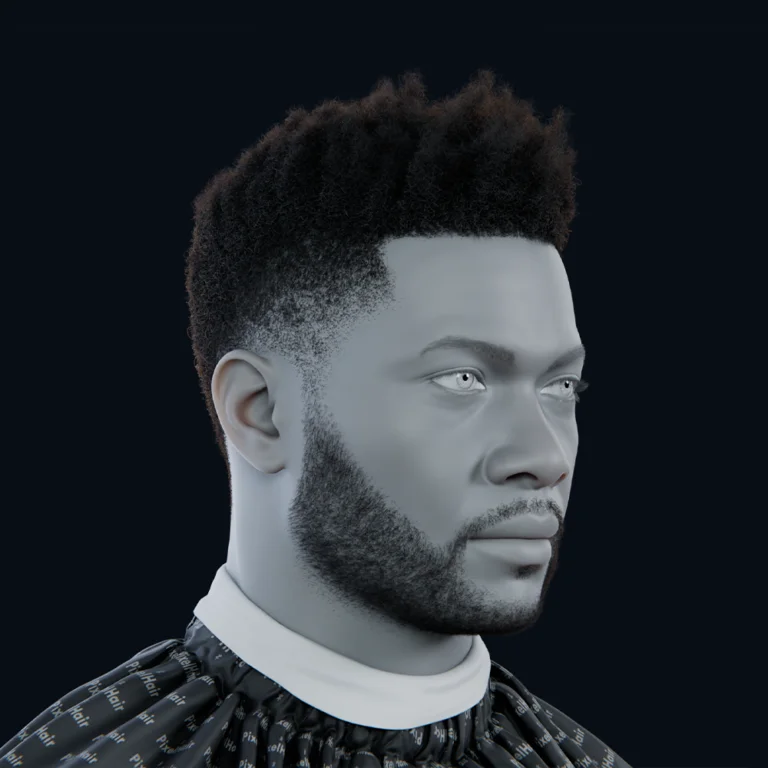
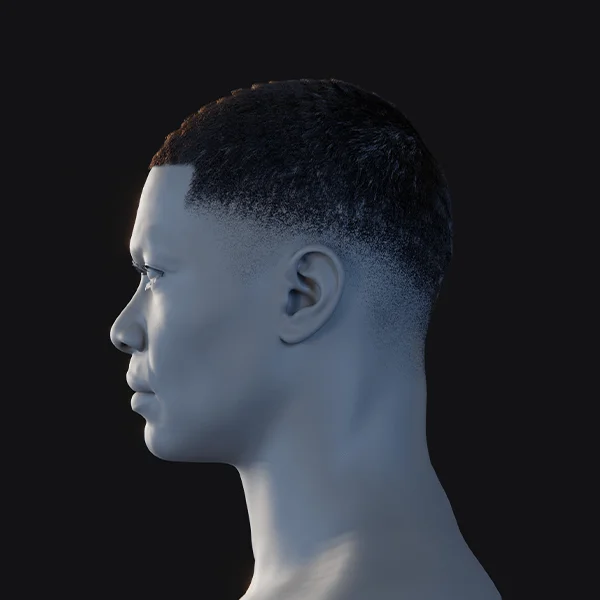
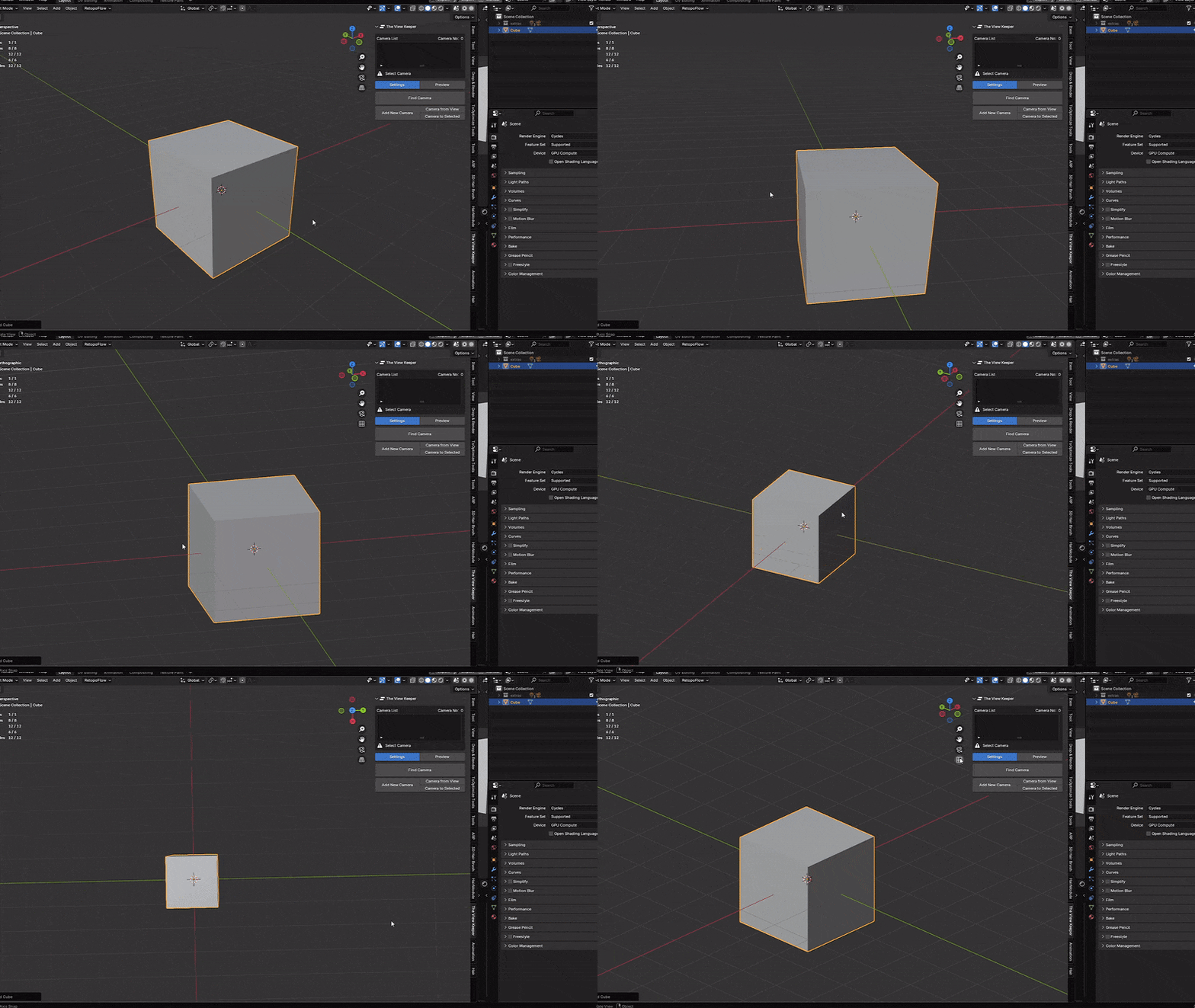
- Visual Design: Investing in high-quality assets like the PixelHair collection for realistic, creepy 3D character models in Blender and Unreal Engine. Tools like The View Keeper for Blender also help manage camera angles for suspenseful framing and slow reveals.
- Soundscapes and Music: Using low drones, whispers, or the deliberate absence of music to create unease.
- Horror Comedy or Satire: Subverting screamer tropes with humorous outcomes, such as “rickroll” fake-outs.
- Emotional Horror and Themes: Focusing on existential dread or unsettling moral dilemmas that stick with the viewer longer than a jump scare.
Final Screamer Review: Are They Worth It or Outdated
Screamer videos are largely considered a relic of an earlier internet era. Their effectiveness has declined due to:
- Audience Sophistication: Modern users are savvy and have built a “collective immunity” to classic screamer setups.
- Platform Regulation: Major social media sites often ban or demonetize shock content, labeling it as intentionally causing distress.
- Alienation: The bait-and-switch nature of screamers can betray audience trust and damage a creator’s brand image.
- Superior Alternatives: Higher-quality horror focusing on atmosphere and storytelling is generally more respected and has better longevity.
- Nostalgia and Specific Use Cases: While outdated for mainstream viral growth, they remain relevant as nostalgic throwbacks, meta-jokes, or in consensual environments like haunted houses and specific prank channels.
Ultimately, while the physiological mechanism of the jump scare still works, the standalone “gotcha” link is outdated. The technique persists primarily as a small element integrated into larger, more sophisticated horror or comedy content.

Frequently Asked Question (FAQs)
- What was the very first screamer video?
The first widely recognized screamer is “Kikia,” a 2002 Flash animation from Taiwan. Shortly after, Jaybill McCarthy’s “What’s Wrong With This Picture?” became a viral early example in the West. These two projects are credited with starting the internet screamer trend. - Are screamers considered shock sites or something different?
While related, they are distinct. Shock sites show graphic or offensive material immediately. Screamers are pranks that use a bait-and-switch method to deliver a jump scare. The Screamer Wiki categorizes them as separate types of content. - Can a jump scare prank actually harm someone physically?
It is rare but possible. Sudden scares can trigger serious reactions in people with heart conditions, high blood pressure, or anxiety disorders. There are anecdotal reports of fainting or heart palpitations. Additionally, victims may suffer physical injuries from reflexive actions, such as falling out of a chair. - Why do people enjoy sharing screamer videos?
Sharing is driven by prank culture and the desire for social play. People enjoy the “mischievous thrill” of tricking others and seeing their reactions. It turns an intense, solitary fright into a shared communal joke or a viral reaction video. - How can I spot a screamer before it’s too late?
- Watch for bait language like “look closely” or “turn up your volume.”
- Check the video timeline or hover over the progress bar for preview thumbnails of scary faces.
- Read comments or descriptions for warnings from other users.
- Note unnatural silence or stillness in the video’s setup.
- Be skeptical of unknown links or suspicious file types like .swf or .exe.
- Do YouTube and social media allow screamer pranks?
They are generally allowed but are subject to policies regarding “misleading” or “shocking” content. Graphic screamers may be age-restricted or removed if flagged as harassment. While not outright banned, platforms often demote them if they receive high reports or dislikes. - What’s the scariest screamer ever made?
Contenders for the scariest include:- The Scary Maze Game (featuring the Exorcist face).
- The K-fee “Ghost Car” commercial.
- “What’s Wrong With This Picture?”
- The Thai Ghost Chair video.
- Why do jump scares still scare me even if I expect them?
This is due to the involuntary startle reflex controlled by the amygdala and brainstem. This survival mechanism triggers a fight-or-flight response before the conscious mind can process that the threat is fake. Even with anticipation, the physiological jolt often remains. - Have people ever gotten in trouble for screamer pranks?
Yes. Repercussions have included school disciplinary actions for bullying, workplace termination or harassment claims, and strained personal relationships. In some cases, pranksters have been held liable for property damage or emotional distress. - Is it a good idea to use a screamer in my own video or project?
It depends on the audience. While effective in horror projects, they can break trust in comedy or educational content. If used, they should serve a creative purpose rather than being a cheap gimmick, and providing a content warning is considered responsible practice.

Conclusion
Screamers represent a unique, infamous chapter of online culture. While they have declined in popularity as audiences have matured and platforms have increased regulation, their legacy persists in how we navigate online safety. They serve as a reminder of a “wilder” era of the internet where any link could be a surprise. Though the standalone “gotcha” prank is largely considered outdated, the biological effectiveness of the jump scare ensures that screamers will always be remembered as a potent, if controversial, tool of internet folklore.
Sources and Citations:
- Screamer Wiki: The Maze (Scary Maze Game), https://screamer.wiki/The_Maze
- LADbible – “19 years since the greatest jump scare in history”, https://www.ladbible.com/community/19-years-since-the-greatest-jump-scare-in-history-20211031
- Screamer Wiki: Kikia, https://screamer.wiki/Kikia
- Screamer Wiki: Screamer (article), https://screamer.wiki/Screamer
- Popular Science – “Why do we keep falling for jump scares?”, https://www.popsci.com/story/science/jump-scares-psychology/
- Samitivej Hospital – “Jump Scare Scenes Can Result in a Heart Attack”, https://www.samitivejhospitals.com/article/detail/jump-scare-scenes-heart-attack
- Screamer Wiki: Screamer – In Advertising, https://screamer.wiki/Screamer#In_advertising
- Screamer Wiki: What’s Wrong With This Picture?, https://screamer.wiki/Whats_Wrong_With_This_Picture
- ArtStation (Yelzkizi’s PixelHair), https://www.artstation.com/marketplace/p/pixelhair
- HiNative (jump scare vs shock site discussion), https://hinative.com/questions/
- Screamer Wiki Manual of Style, https://screamer.wiki/Manual_of_Style
Sources
Recommended
- Star Trek: Starfleet Academy Season 1 Review (2026) — Cast, Story, Ending, and Where It Fits in the Star Trek Timeline
- Devil May Cry Vergil: Complete Guide to Dante’s Iconic Rival, Powers, and Storyline
- Assassin’s Creed Shadows Winter Roadmap Includes Major Update 1.1.8, A Parkour Challenge, And Switch 2 Claws of Awaji DLC
- The Devil In Me Game Dev Celebrates Star’s Win At The Oscars: Jessie Buckley’s Best Actress Victory Explained
- Metahuman Animator: How to Animate Realistic Characters in Unreal Engine 5
- Devil May Cry Anime: Original Series and Netflix Adaptation Guide
- Wonder Dynamics and Wonder Studio: Revolutionizing VFX and Character Animation with AI
- Optimizing Blender Camera Settings with The View Keeper Add-on
- How Do I Set Up Multiple Cameras in Blender?
- Nobody Wants to Die Noir Retrofuturistic Detective Game: Trailer, Reviews & Player Feedback