


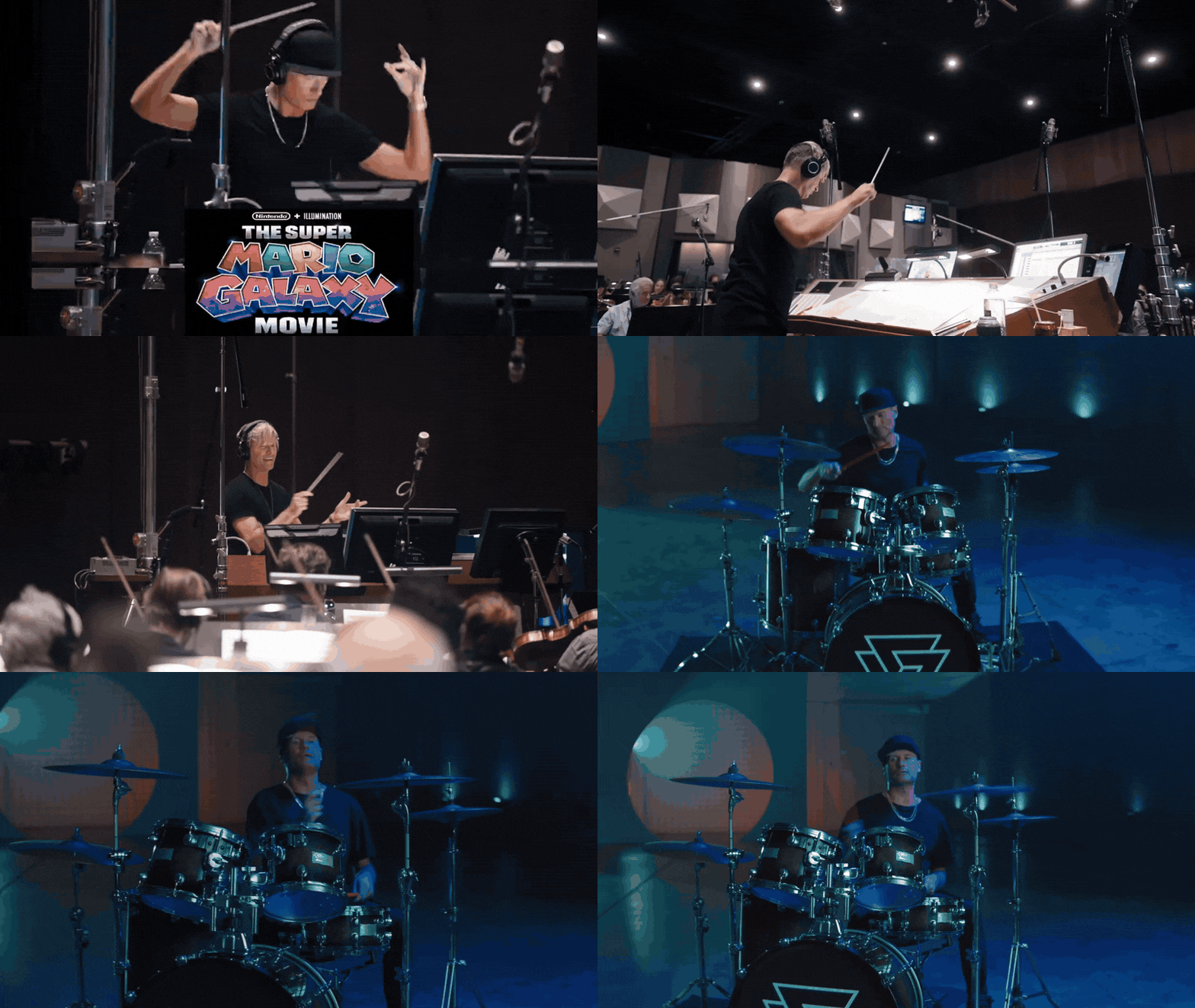
The score for The Super Mario Galaxy Movie is notable not only for its dense web of musical callbacks and new character themes, but also for the circumstances under which much of it was written. In a 2026 interview, Brian Tyler revealed that he continued composing key themes while hospitalised—without telling the production team—because he did not want to fall behind or disappoint anyone.
The film itself opened theatrically in early April 2026 and quickly became one of the year’s biggest box-office launches, underscoring how high-profile (and deadline-driven) the production environment was for every department, including music.

Who composed the Super Mario Galaxy Movie soundtrack
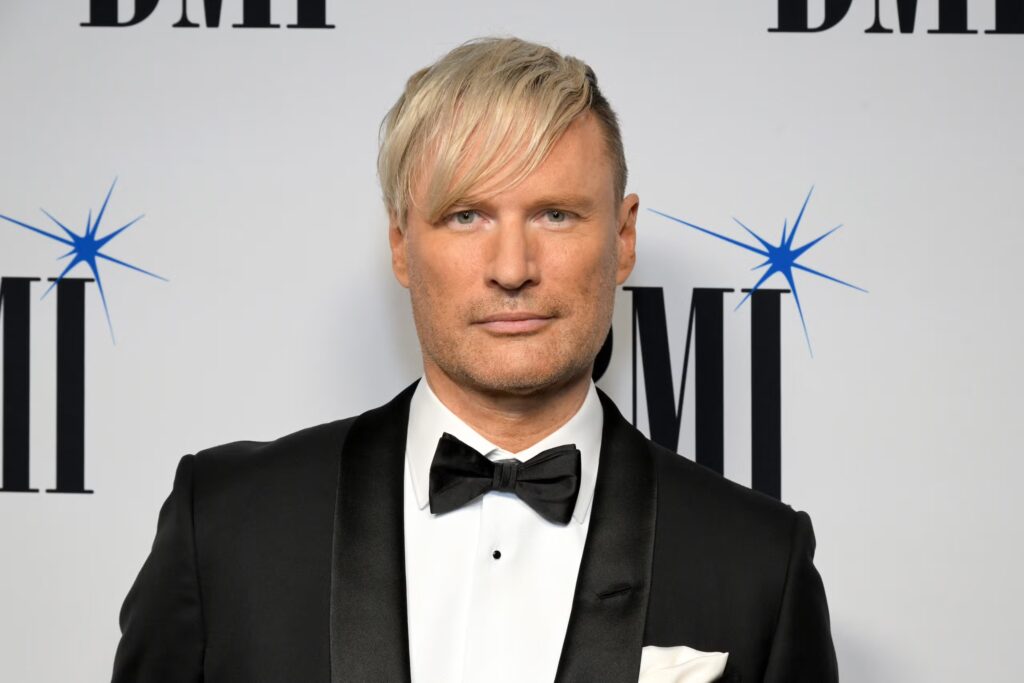
The film’s original score is credited to Brian Tyler, who also scored The Super Mario Bros. Movie and returned for the sequel.
The official soundtrack album was released digitally on 1 April 2026 and is presented on major services as an “Original Motion Picture Soundtrack” album by Brian Tyler.
Brian Tyler worked on the Super Mario Galaxy Movie score while in the hospital
In an interview with Men’s Journal, Tyler said he was “actually in the hospital” while writing music for the film, and that he composed “a lot of the main themes” during that period.
Crucially for understanding how the score was made under these constraints, Tyler also described his process as theme-forward and structural: he aims to create a through-composed musical arc that helps scenes “flow” as part of a unified musical narrative rather than approaching the film purely cue-by-cue.
What happened to Brian Tyler during Super Mario Galaxy Movie production
What is directly confirmed about the Galaxy Movie production period is that Tyler was hospitalised while composing and continued working from a hospital bed.
In the same Galaxy-focused interview, Tyler did not publicly detail the precise medical diagnosis or the exact timeline of his hospital stay; the emphasis was on the fact of hospitalisation and his decision to keep working regardless.
Separately, in promotional materials and show notes connected to Tyler’s work on Nuremberg, he is described as having survived a “life-threatening double brain hemorrhage,” an experience he discussed in relation to completing that film’s score.
Because these disclosures appear in different contexts (Mario scoring vs. Nuremberg publicity), the most accurate summary is: Tyler’s Galaxy Movie hospital work is confirmed by his own Mario interview, and his broader recent health crisis is described in Nuremberg-related materials, but the Mario interview itself does not explicitly connect the hospital stay to any single named medical event.

Why Brian Tyler kept his hospitalization secret from the movie team
Tyler’s stated reason for not informing the production was straightforward: he did not want to disappoint colleagues or create delays. In the same interview, he noted that the team “didn’t know” and that he “didn’t tell them,” framing this as a personal commitment to deliver.
This motivation also matches the realities of modern studio scoring schedules, where music delivery is tightly coupled to locked picture (or late-stage edits), recording-session bookings, and final mix deadlines; in that environment, any interruption can cascade into overtime costs or shortened recording time. General descriptions of film-scoring workflows routinely highlight the pressure created by immovable cue durations, approval cycles, and deadlines.
Brian Tyler quote “I didn’t want to let anyone down” Super Mario Galaxy Movie
“I was writing this music when I was actually in the hospital because I didn’t want to let anyone down.”
Brian Tyler interview about composing from a hospital bed
The primary on-record account of Tyler composing from a hospital bed comes from his Men’s Journal interview, where he directly describes writing “a lot of the main themes” while hospitalised and emphasises that the production team was unaware.
In that same conversation, Tyler also describes the score’s breadth of instrumentation (traditional orchestral forces, choir, and an eclectic palette of additional instruments), which helps explain how the music could still achieve a “big-screen” scale even if parts of the composing period took place in a non-studio setting.
How film composers deliver a full score under tight deadlines and health setbacks
In contemporary film scoring, a credited composer typically delivers far more than “melodies”: they must supply dramatic structure, hit-point timing, and deliverables that can survive late picture changes. Industry descriptions of the process commonly mention (a) spotting and planning, (b) iterative approval, (c) orchestration and music preparation, and (d) recording and post-production integration.
One reason composers can still deliver under time pressure is the presence of specialised supporting roles. For example, structured overviews from major music institutions explain that orchestrators translate a composer’s sketches into fully realised orchestral scores suitable for performance and recording, while music editors track picture changes and help keep cues aligned to the latest cut.
Tyler’s own description of his working method for the Galaxy Movie reflects the “systems thinking” that this environment rewards: he speaks about building an “absurd” grid of themes, scales, and references—essentially a master map—to manage musical continuity and fan-facing detail at the same time.
How many Mario game references are in the Super Mario Galaxy Movie soundtrack
Tyler said he made “over 300 references” to music across the Mario game series in the Galaxy Movie score, and he further characterised the total as being “in the mid-300s” (while also noting he would need to double-check the comparison versus the prior film).
This “over 300” figure is best treated as the composer’s own estimate rather than an independently audited count. The reason is practical: what constitutes a discrete “reference” can vary widely, from a direct quotation of a melody to a brief rhythmic cell, harmonic cue, sound-design gesture, or orchestration colour associated with a particular game moment. Tyler’s interview examples—such as embedding brief background callbacks inside a fully cinematic cue—highlight how granular these references can be.
For context, coverage around the 2023 film suggested triple-digit reference counts as well (reported as roughly 113 in one outlet and “around 137” in another), demonstrating that even before the Galaxy sequel, Tyler’s Mario approach was already unusually reference-dense by film-scoring standards.

Super Mario Galaxy Movie soundtrack Easter eggs in the music
Tyler describes the Easter eggs not as isolated “winks,” but as integrated layers designed to preserve the emotional intent of each scene. He explicitly argues against references “for wink’s sake,” insisting the film’s storytelling comes first and that any callback should not distract from the narrative experience.
A concrete technique he describes is a call-and-response texture, where a more prominent cinematic statement (for example, in strings or brass) can be answered by subtler references (for example, in woodwinds) tied to a character or idea that may even be “in the background” of the scene. This is a practical method for satisfying fans without hijacking the scene’s emotional focus.
The result is an Easter-egg logic that works on two levels: casual audiences can experience the score as coherent dramatic storytelling, while dedicated fans can later discover how densely the score cross-stitches Mario history into the fabric of new themes.
How the Super Mario Galaxy Movie score blends classic Mario themes with new music
The Galaxy Movie score’s stated design goal is synthesis: Tyler is writing original themes that must “feel like they fit” inside the Mario musical world while also leaving room for legacy material to appear organically.
The official album and product descriptions position the score as both a continuation and an expansion: marketing for the physical release describes Tyler as “returning” and emphasises “joyful references and respectful nods” to classic Nintendo compositions by Koji Kondo.
This blend is also visible in the way the soundtrack is packaged and titled. The digital album is framed as an “Original Motion Picture Soundtrack,” and the track list itself mixes broad franchise framing (for example, “Super Mario Brothers Prelude”) with sequel-specific identity-building (for example, the suite-like title track “Super Mario Galaxy”).
New character themes in the Super Mario Galaxy Movie score (Rosalina, Bowser Jr., Yoshi)
Tyler explicitly identifies new themes written for Rosalina, Bowser Jr., and Yoshi as part of what differentiates the sequel’s musical architecture from the first film.
He also outlines character-first intent rather than purely referential scoring. For example, he describes Bowser Jr. musically in terms of mischievousness and the emotional idea of a child trying to impress a villainous parent; Rosalina is framed through a “beautiful family theme” concept; and Yoshi is described as having a more rhythm-forward, stylistically hybrid identity (including “jazzy, funky” elements).
The album track list reinforces that these characters are treated as musical anchors: multiple track titles directly foreground Yoshi and Bowser Jr., indicating theme-based construction rather than incidental underscoring.

Super Mario Galaxy Movie music breakdown: orchestral score, themes, and motifs
Tyler describes the score as written for a full orchestra and choir, and he lists core orchestral forces (strings, brass, woodwinds) to underscore that the Galaxy Movie soundtrack is built on traditional cinematic resources rather than being primarily electronic or sample-based.
He also frames the palette as unusually eclectic: alongside orchestra and choir, he describes personally playing a large number of instruments and incorporating everything from metal guitar and aggressive drum textures to “8-bit” throwback sounds.
From a thematic standpoint, Tyler’s interviews emphasise leitmotif-style thinking: multiple character themes (including returning themes established in the first movie and new themes for sequel characters) are designed to function as a connected “unit of music,” allowing the film’s emotional arcs to be reinforced by recurring musical identities rather than one-off cues.
The released album structure provides a practical lens on how this breaks down across the runtime: the official digital release runs 24 tracks at approximately 1 hour 27 minutes, aligning with a feature-length score presentation rather than a short “highlights” album.
Nintendo’s involvement in the Super Mario Galaxy Movie music and creative approval
Tyler describes direct communication with Nintendo stakeholders and legacy game-music creators, saying he consults with Kondo and others, shares extensive plans for possible references, and receives feedback that prioritises story over fan service.
His account stresses a “trust + guardrails” model: the composer is empowered to write film music that supports narrative clarity and emotional impact, while Nintendo contributors may occasionally suggest where a reference is appropriate—or where it would be distracting.
This aligns with broader reporting about the Mario films’ overall creative process. A red-carpet interview with Chris Meledandri (as described in entertainment press coverage) portrays the Mario movies’ success as rooted in bringing Shigeru Miyamoto and Nintendo’s creative team “into the center of the process,” a departure from Illumination’s typical internal-only workflow.
Brian Tyler Mario movie composer credits and previous Nintendo score work
Brian Tyler’s Mario-specific composer credits (as presented in film-music trade reporting and official album listings) include scoring The Super Mario Bros. Movie (2023) and returning to score The Super Mario Galaxy Movie (2026).
Independent coverage of the 2023 film’s score gives additional context for why Nintendo would grant Tyler such latitude on the sequel: Tyler described deeply researching “legacy games” and integrating both iconic themes and more obscure cues, while external reporting highlighted extensive reference counts and an emphasis on making the music fit scenes dramatically—not merely as standalone quotations.
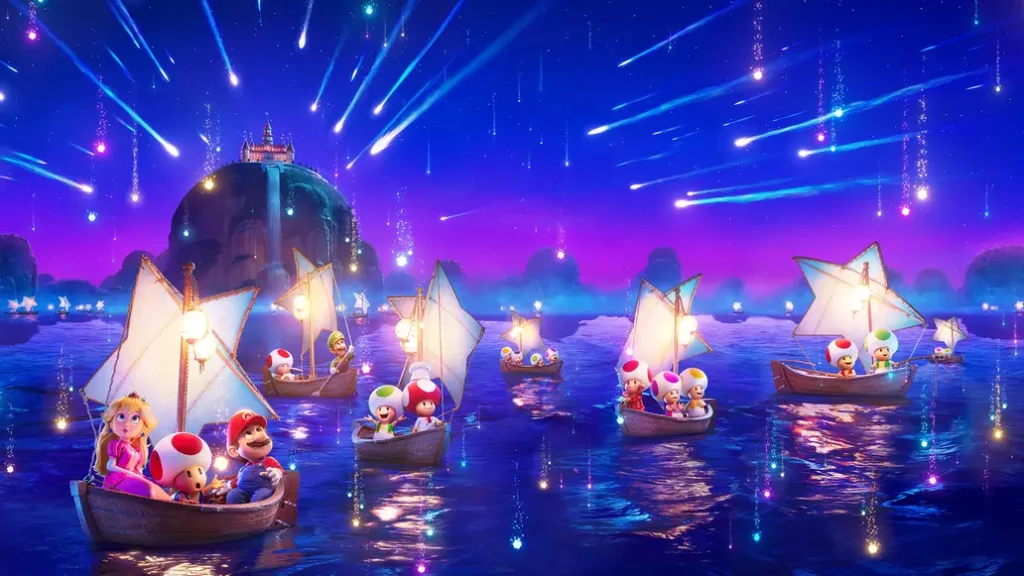
Where to listen to the Super Mario Galaxy Movie soundtrack and score details
The official digital soundtrack album is listed on Apple Music as “The Super Mario Galaxy Movie (Original Motion Picture Soundtrack)” by Brian Tyler, released 1 April 2026, comprising 24 tracks and a 1 hour 27 minute runtime; the listing also indicates it is distributed by Back Lot Music under licence from Nintendo.
For physical collectors, iam8bit is distributing CD (and other formats) with shipping indicated for Q3 2026; the product page lists “Music by Brian Tyler” and includes release/licensing language crediting Nintendo and Universal.
Trade reporting also summarises the release plan: digital availability aligns with the film’s theatrical launch, and physical formats (including a 2-CD set and vinyl) are scheduled via iam8bit.
Frequently Asked Questions (FAQs)
- Did Brian Tyler really compose parts of the Super Mario Galaxy Movie score while in hospital?
Yes. Tyler stated in a published interview that he was writing music “actually in the hospital,” and that he wrote “a lot of the main themes” during that time. - Did the production team know he was composing from a hospital bed?
According to Tyler, no. He said the team “didn’t know” and that he “didn’t tell them.” - Why did Brian Tyler keep his hospitalization secret?
Tyler’s stated reason was that he did not want to let anyone down, implying he wanted to keep the production moving without additional concern or disruption. - What exactly happened to Brian Tyler medically during production?
Tyler confirmed hospitalisation while composing, but in that Mario interview he did not publicly specify the medical diagnosis. Separate Nuremberg-related materials describe him surviving a “life-threatening double brain hemorrhage,” but those sources do not, on their own, fully document the medical linkage to the Galaxy Movie hospital composing period. - How many Mario game references are in the Super Mario Galaxy Movie soundtrack?
Tyler said he made “over 300” references and described the number as being “in the mid-300s,” while noting he would need to check the exact comparison versus the prior film. - Does the soundtrack include new themes for characters like Rosalina, Bowser Jr., and Yoshi?
Yes. Tyler specifically cited writing new themes for Rosalina, Bowser Jr., and Yoshi, and he discussed the emotional and stylistic intent behind each. - How is the Super Mario Galaxy Movie score described musically (orchestra vs. electronics)?
Tyler describes the score as written for full orchestra and choir, while also incorporating an eclectic set of additional instruments and retro-styled “8-bit” sounds. - How involved was Nintendo in approving the film’s music?
Tyler describes close collaboration and consultation with Nintendo figures and original game-music creators, where Nintendo feedback focuses on supporting story and avoiding references that would distract from the scene. Broader reporting around the films also emphasises Nintendo’s close involvement in the filmmaking process. - When and where was the official soundtrack released?
Trade reporting and platform listings indicate the digital soundtrack released on 1 April 2026, coinciding with the film’s theatrical release window, and is available via major digital music services (including Apple Music). - Are there official physical editions (CD/vinyl/cassette), and when do they ship?
Yes. iam8bit lists a CD physical release and states shipping begins in Q3 2026; trade reporting also notes physical editions are being released via iam8bit.
Conclusion
Brian Tyler’s account of scoring The Super Mario Galaxy Movie highlights an extreme version of a reality common to major studio productions: music is built under intense schedule pressure, often amid shifting creative and technical demands. In this case, Tyler says he continued writing core themes from a hospital bed, kept the situation private to avoid disrupting the team, and simultaneously built a score designed to function as a unified dramatic arc—while also embedding “over 300” game-music references for fans to discover over time.
Sources and citation
- https://www.mensjournal.com/entertainment/brian-tyler-super-mario-bros-movie-interview/
Interview with Brian Tyler discussing composing process, hospital work, theme design, instrumentation, and collaboration with Nintendo. - https://filmmusicreporter.com/2026/04/05/the-super-mario-bros-movie-2-soundtrack-album-details/
Official soundtrack album details including track list and reporting on Brian Tyler returning for the sequel. - https://music.apple.com/us/album/the-super-mario-bros-movie-2-original-motion-picture-soundtrack/
Official Apple Music album listing with release date, track count, runtime, and distribution metadata. - https://www.iam8bit.com/products/the-super-mario-bros-movie-2-vinyl-soundtrack
Physical soundtrack product listing with shipping window, licensing credits, and notes on connections to Koji Kondo’s themes. - https://apnews.com/article/super-mario-bros-movie-2-box-office-2026
Associated Press coverage confirming theatrical release timing and box office performance for April 2026. - https://www.gamesradar.com/super-mario-bros-movie-2-illumination-nintendo-collaboration-miyamoto/
Reporting on Illumination leadership describing close collaboration with Nintendo and Shigeru Miyamoto. - https://www.syfy.com/syfy-wire/brian-tyler-super-mario-bros-movie-score-interview
Coverage of Tyler’s scoring approach for the Mario film, including references to classic themes and collaboration context. - https://www.classicfm.com/composers/brian-tyler/super-mario-bros-movie-score-interview/
Discussion of Tyler’s musical approach, reference density, and adaptation of Koji Kondo’s work. - https://www.musicconnection.com/brian-tyler-interview/
Interview covering Tyler’s career and mention of his recovery from a life-threatening double brain hemorrhage. - https://podcasts.apple.com/us/podcast/brian-tyler-interview-composer-podcast/id
Apple Podcasts show notes referencing Tyler’s survival of a double brain hemorrhage and career background.
Recommended
- Can You Change the Focal Length of a Camera in Blender?
- Can I Improve My Metahuman in Blender? A Comprehensive Guide
- Human Pro for Blender: Achieving Hyper-Realistic 3D Characters with Advanced Skin Addons, Face Controls, and Hair Assets
- How to Create Realistic Hair Clumping in Blender: A Step-by-Step Guide
- How The View Keeper Improves Blender Rendering Efficiency
- How to Create Realistic Hair Using the New Hair Tools, Geometry Nodes, and Hair Curves in Blender
- BAFTA Film Awards 2026 Predictions: Marty Supreme, Timothée Chalamet, Leonardo DiCaprio, Sinners, Frankenstein and Hamnet
- Love Death and Robots on Netflix: Everything You Need to Know About the Groundbreaking Animated Anthology Series
- Free Game From The Epic Games Store On Mobile This Week: Wonder Boy: The Dragon’s Trap
- Pokopia Metacritic Score Explained: Why It’s 2026’s Highest-Rated Pokémon Game and the Best Pokémon Title of All Time