







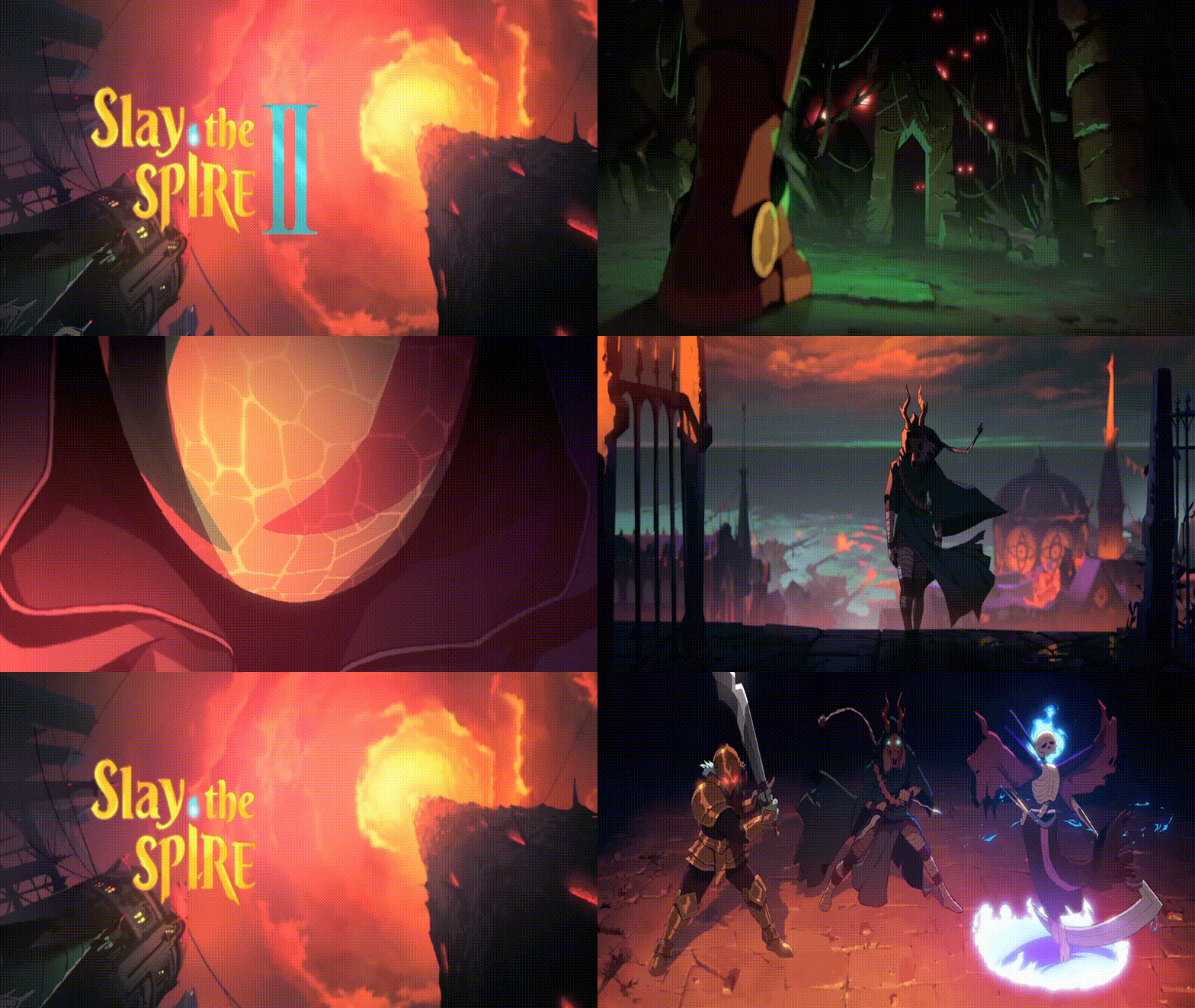
As of April 2026, developer Mega Crit has finally published a formal Slay the Spire 2 roadmap for Early Access, but the document is notable for what it does not include: feature-by-feature release dates. Instead, the roadmap organizes work into systems, ongoing tasks, new content, and longer-term goals, while the official FAQ and Steam store copy describe Early Access as a period for balance work, quality-of-life improvements, experimentation, bug fixing, and community-guided iteration that may last roughly one to two years rather than follow a rigid public milestone calendar.
That makes the blank calendar a design and production choice, not a missing piece of the plan. Since the March 5, 2026 Early Access launch, the studio has paired a public beta branch on Steam with telemetry, in-game feedback, and periodic main-branch updates, culminating in Major Update #1 on April 16, 2026, which rolled a month of beta work into the live game after further testing and revision.
Why the roadmap is date-free
Slay the Spire 2 roadmap has no release dates explained
The official roadmap explains its no-date structure by showing what is coming without pretending the studio can yet say when each piece will be ready. The April 2026 roadmap names Workshop support, more languages, a Bestiary, experimental modes, alternate Acts 2 and 3, a new character, more cards and relics, and later additions such as ports, achievements, trading cards, and “True Victory,” but it does not attach any of those items to a calendar. That structure signals a roadmap meant to communicate direction and priorities while leaving room for testing, reversions, and reprioritization during Early Access.
Why Slay the Spire 2 release dates are missing from the roadmap
The missing dates make more sense in context because Mega Crit is not avoiding dates in every situation; it is avoiding dates for work that still needs design validation. The studio gave Slay the Spire 2 a firm Early Access launch date once it was confident, but in September 2025 it had already moved the launch from late 2025 to March 2026 because it needed more time, more polish, and more room for a growing feature set. After launch, the public messaging shifted to a broad one-to-two-year Early Access estimate and a no-date roadmap, which suggests the studio is comfortable dating releases only when uncertainty has narrowed enough to avoid overpromising.

Why Mega Crit does not want a “Sloppy Spire 2”
The phrase “Sloppy Spire 2” is Mega Crit’s shorthand for the kind of sequel it is trying to avoid: one that ships or updates on schedule but loses balance, clarity, surprise, and personality. In the roadmap explanation, the studio says exacting deadlines create sloppy, uninspired work, and it ties that directly to its refusal to massively expand the team just to move faster.
Just as importantly, the studio argues that a looser internal process leaves room for the kind of spontaneous ideas that give the game its identity, from unusual Ancient interactions to absurd event design. In other words, “Sloppy Spire 2” is not just about bugs or polish; it is about protecting the game’s creativity as well as its balance.
Slay the Spire 2 developer Casey Yano on deadlines and quality
Co-founder Casey Yano describes the team’s workflow as weekly, impact-driven prioritization rather than a public sprint board with hard promises. In the April 2026 Neowsletter, he says the team works on what feels most impactful each week, tries to maintain a healthy pace, and even times newsletters and builds for Thursdays so obvious problems can still be fixed on Friday. The same Q&A also contains what might be the clearest statement of the studio’s non-negotiable creative standard: “There must be whimsy.” That combination of healthy pace, flexible prioritization, and insistence on whimsy explains why the roadmap is strategic rather than date-based.
What the Early Access roadmap actually includes
Slay the Spire 2 Early Access roadmap features and plans
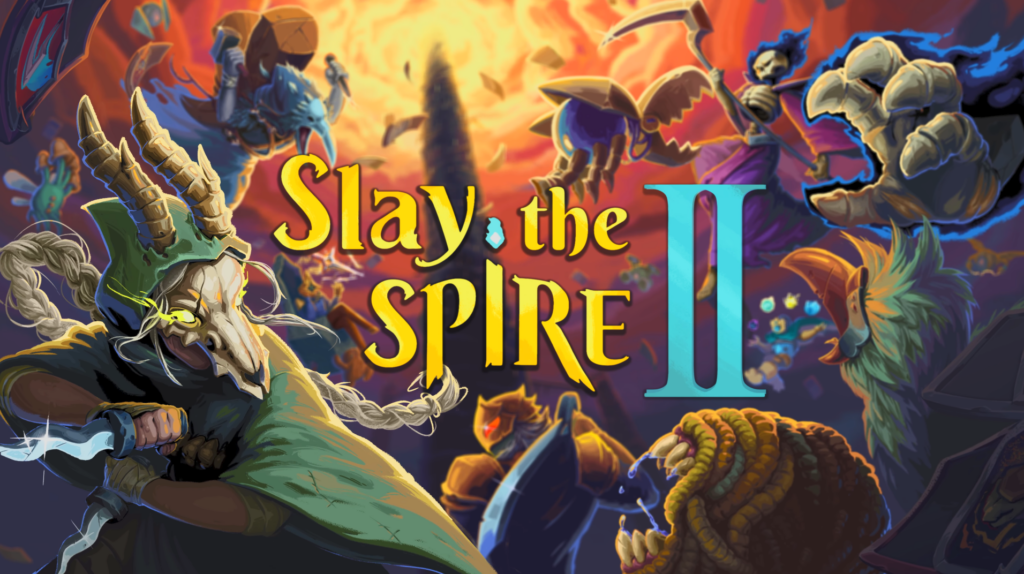
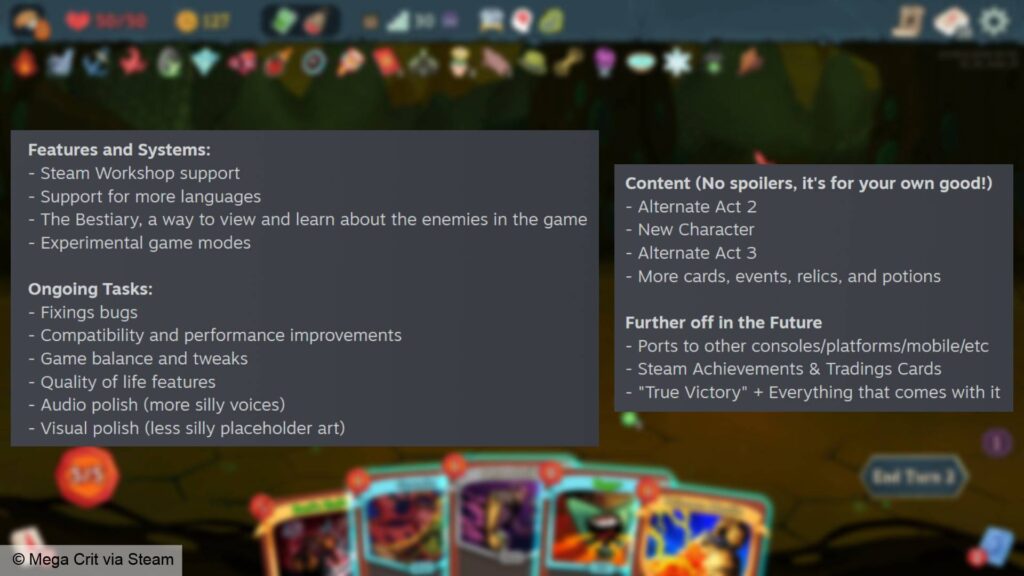
The formal Early Access roadmap breaks into four buckets. Under features and systems, Mega Crit lists Steam Workshop support, more language support, the Bestiary, and experimental game modes. Under ongoing tasks, it lists bug fixing, performance and compatibility work, balance and quality-of-life adjustments, and continued audio and visual polish. Under spoiler-light content, it confirms an alternate Act 2, a new character, an alternate Act 3, and more cards, events, relics, and potions. Then, further out, it names ports, Steam achievements and trading cards, and “True Victory” content. That combination shows a roadmap that mixes infrastructure, polish, and genuinely major gameplay expansion rather than only minor patch work.
Slay the Spire 2 Early Access content roadmap details
The roadmap’s April version also builds on an earlier March 2026 “what’s next” list published one week after launch. At that point, Mega Crit said the near-term plan included a badge and scoring revamp, a friends-only leaderboard filter, Phobia Mode, more art and VFX, ongoing balance patches, Workshop support, multiplayer quality-of-life features, and official Twitch plugin integration, while also introducing the public beta branch and refusing to commit to a strict release cadence.
By April, some of those March priorities had already entered beta or shipped, while the broader roadmap expanded outward to include the Bestiary, more languages, alternate late acts, “True Victory,” achievements, and ports. That evolution shows the roadmap maturing from short-term patch priorities into a full Early Access framework.
Slay the Spire 2 roadmap new characters acts and modes
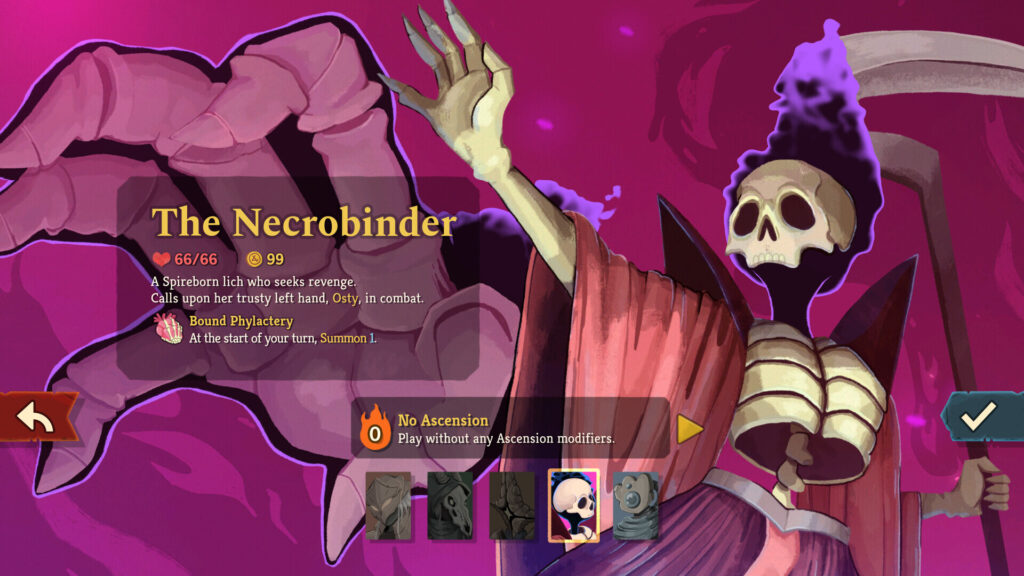
The roadmap confirms one additional playable character beyond the current Early Access roster, alongside alternate versions of Acts 2 and 3 and a broader bucket for experimental modes. That matters because the live build already contains five playable characters, some returning and two brand-new, so the new-character promise is true expansion rather than an unfinished launch roster being backfilled. Mega Crit also explained before launch that alternate acts radically change environments, enemies, events, and bosses, and said versions of Acts 2b and 3b would arrive later during Early Access. Put together, the roadmap points toward more variety in both character identity and run structure, not just numerical balance patches.
What is included in the Slay the Spire 2 major update
Major Update #1, released on April 16, 2026, is best understood as the first proof of how Mega Crit expects Early Access to work. The official announcement says it brings the content, changes, and fixes from the beta branch over the previous month to the main branch, specifically recapping work from v0.100.0 through v0.103.1. The high-level overview names reworked Ascension 6, cheaper shop relics, improved map generation, a new healing card for one character, multiple reworks across the roster, new Ancient relics, enemy reworks, official art replacing placeholders, new VFX, a new Badges system, overhauled Daily leaderboards, Phobia Mode, controller upgrades, and a broad set of bug fixes and multiplayer stability repairs.
Slay the Spire 2 balance changes art updates and bug fixes
Balance, art, and bug fixing are not side notes on this roadmap; they are one of its core pillars. The first major beta patch in March 2026 said outright that its balance pass was designed to make infinite strategies harder to achieve, while also adding Phobia Mode, portrait art, and character-specific visual effects.
By the time those changes rolled into Major Update #1, the studio had also added more official art for cards, relics, enemies, and Ancient scenes, expanded VFX, reworked Daily leaderboard logic, increased the in-game feedback character limit from 500 to 8000, fixed cloud-sync and startup issues, repaired controller navigation problems, and resolved multiple state-divergence and disconnection issues in multiplayer. That is why the roadmap’s ongoing tasks section is so prominent: the game is being rebuilt as much through iteration as through new content drops.
Slay the Spire 2 new cards events enemies and environments
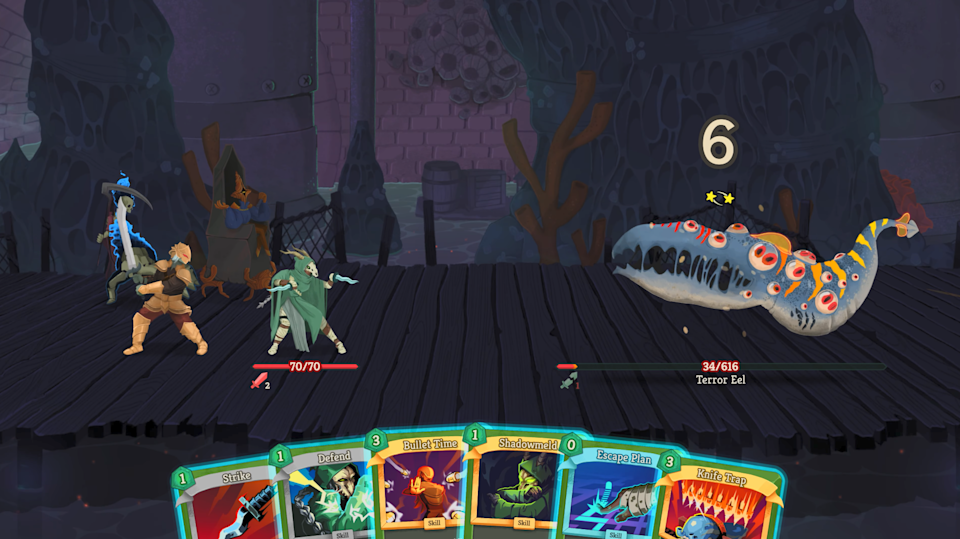
Mega Crit’s official store page says more content “including cards, events, environments, enemies, and more” will be added and rebalanced throughout Early Access, and the recent updates already show what that looks like in practice. The major update introduced at least one brand-new card, reworked existing cards and relics, changed event behavior and spawn conditions, and gave one troublesome enemy especially heavy redesign work.
Before launch, Mega Crit also used the alternate-act reveal to show that the sequel’s environments are meant to vary dramatically between routes, with different enemies, events, and bosses depending on which version of an act appears. That means the roadmap’s promise of more cards, events, enemies, and environments is not filler language; it matches the content structure already visible in the live game and in pre-launch teases.
How the beta branch and feedback loop work
Slay the Spire 2 beta branch changes and player feedback
The beta branch is where Mega Crit tests ideas before asking the entire player base to live with them. Officially introduced in March 2026, the public beta receives changes more frequently than the main branch, and the patch history shows why that matters.
The first large beta patch overhauled balance and made infinites harder; the next beta patch explicitly restored or reverted some controversial ideas while stressing that player feedback had been instrumental; the following patch added structural work for Badges and more art and VFX; and the next one overhauled Daily leaderboard scoring around wins, badges, and run time. Only after that month of iteration did Major Update #1 move those changes to the main branch, and even then Mega Crit stressed that Early Access features are still not set in stone.
How community feedback is shaping Slay the Spire 2
Mega Crit’s own store page says it is listening through social channels, anonymized metrics, and an in-game feedback tool, and the April Neowsletter adds that the in-game tool is especially valuable because it provides more data than emails or joke posts. The studio’s monthly updates already use those metrics publicly, citing 3 million copies sold and more than 25 million runs in the first week, then about 145 million runs after a little over a month, along with event-choice breakdowns that show which options players actually pick.
Community reaction has also influenced communication strategy: after a controversial beta balance pass drew more than 9,000 negative Steam reviews in a day, Yano said the key lesson was that players were trying to be heard and that Mega Crit needed better lines of communication, not less feedback. The roadmap therefore sits inside a larger feedback system, not above it.

Multiplayer and future game modes
Slay the Spire 2 multiplayer and competitive mode plans
Slay the Spire 2 already includes online co-op, with official materials stating that players can climb alone or in parties of up to four, while the FAQ makes clear that multiplayer is currently Steam-friends-only with no matchmaking system.
In the April 2026 Q&A, Yano says matchmaking is “up in the air” because pairing strangers creates moderation and support headaches for a small team, although he leaves the door open to evaluate it later and says some form of in-game text chat is plausible even if voice chat is unlikely. Separate from those current multiplayer realities, a PC Gamer interview reports that one of Mega Crit’s experimental mode ideas is a competitive mode, which fits the roadmap’s broader promise of experimental game modes without yet guaranteeing a finished ranked feature.
Slay the Spire 2 quick mode and future game modes explained
The strongest outside reporting on future modes comes from Casey Yano’s interview with PC Gamer, where he describes three concepts the team is exploring: one for highly competitive players, one for players who want the Slay the Spire experience in less time, and one that imagines new social or multiplayer-like interactions built from the current systems. None of those concepts are promised to survive development, and Yano explicitly says adding modes that dilute the core experience would be a mistake. The official roadmap therefore promises only “experimental game modes,” not a locked list.
Meanwhile, the April Q&A suggests that an endless mode is probably not happening because the deckbuilding gets less exciting the longer a run goes on, though Yano notes that a modder might eventually make something work better for Slay the Spire 2 than the studio itself wants to ship, especially compared with games like Balatro that scale differently.
How this compares to the first game
Slay the Spire 2 roadmap vs Slay the Spire 1 Early Access approach
The sequel’s roadmap is new in form, but not in philosophy. When the original Slay the Spire launched into Early Access on November 15, 2017, Mega Crit said it would publish a planned roadmap shortly based on community feedback. One week later, the studio announced a clearer cadence: weekly Thursday-night patches, a beta branch with even more frequent updates, and a frank warning that beta content would be janky, over- or underpowered, and sometimes outright unstable because the team took quality and balance seriously.
Slay the Spire 2 keeps that same beta-first, feedback-heavy DNA, but it is less calendar-driven in public because the sequel is larger, more visually ambitious, and explicitly held to a higher quality bar than the first game’s launch build. The continuity is Early Access as collaboration; the difference is how cautious Mega Crit has become about promising when unfinished work will be ready.
Frequently Asked Questions (FAQs)
- Does the Slay the Spire 2 roadmap include any firm release dates?
No. The official April 2026 roadmap lists features, systems, content, and long-term goals, but it does not assign dates to those items. The only public timing guidance is a rough Early Access estimate of one to two years and the note that beta patches arrive faster than main-branch patches. - Why is Mega Crit avoiding roadmap dates?
Mega Crit says fixed deadlines do not work for its small-team process. Casey Yano argues that strict deadlines create sloppy, uninspired work, push the team toward unhealthy pacing, and reduce the room for spontaneous ideas that give the game its identity. - Is there any public estimate for the full 1.0 launch?
Only a broad one. The official FAQ says Early Access may last in the same one-to-two-year range as the first game, but that is an estimate, not a dated 1.0 target. - What are the biggest features confirmed on the roadmap?
The roadmap confirms Steam Workshop support, more language support, a Bestiary, experimental game modes, an alternate Act 2, a new character, an alternate Act 3, more cards, events, relics, potions, eventual ports, Steam achievements, trading cards, and “True Victory” content. - What shipped in Major Update #1?
Major Update #1 moved a month of beta work to the main branch, including major balance changes, new and reworked cards and relics, Badges, revised Daily leaderboards, Phobia Mode, more art and VFX, controller improvements, multiplayer stability work, and many bug fixes. - What is the beta branch for?
It is an optional testing branch for experimental changes before they reach the main game. Mega Crit introduced it in March 2026, said it would update more frequently than the main branch, and later explained that feedback and metrics from beta testers helped shape the first major update for all players. - Will multiplayer get matchmaking or chat?
Right now, co-op is Steam-friends-only and the official FAQ says there is no matchmaking system. Casey Yano later said matchmaking is still undecided, that some form of in-game text chat is plausible, and that voice chat is unlikely. - Is an endless mode planned?
Probably not. In the April 2026 Q&A, Yano says long runs make deckbuilding less exciting in this game’s structure, though he leaves open the idea that modders may eventually find a better way to make an endless-style experience work. - Are more characters and alternate acts definitely coming?
Yes. The official roadmap lists a new character plus alternate Acts 2 and 3, and pre-launch updates had already explained that alternate acts are meant to change environments, enemies, events, and bosses in a big way. - How does this roadmap differ from the first game’s Early Access approach?
The core idea is the same: use Early Access, a beta branch, and player feedback to shape the game. The difference is that the original game publicly talked more about weekly patch cadence early on, while the sequel emphasizes broader categories and avoids milestone dates because its scope and polish targets are higher.
Conclusion
The clearest way to read the Slay the Spire 2 roadmap is not as a missing schedule, but as a statement of development philosophy. Mega Crit is telling players that the sequel will continue to grow through a cycle of beta experimentation, metrics, feedback, reversions, polish passes, and larger content drops, and that public deadlines would get in the way of that process. The result is a roadmap with substance but without a calendar: concrete enough to show that Workshop support, new acts, a new character, experimental modes, and “True Victory” are real priorities, yet flexible enough to keep balance work, art overhaul, multiplayer fixes, and the studio’s sense of whimsy from being sacrificed to a date.
Sources and citation
- Mega Crit April 2026 Neowsletter covering the official roadmap, no-dates explanation, “Sloppy Spire 2” quote, matchmaking/endless-mode Q&A, and month-one run statistics.
https://www.megacrit.com/neowsletter-april-2026 - Mega Crit Slay the Spire 2 FAQ covering Early Access timing, co-op rules, roster, and development plans.
https://www.megacrit.com/slay-the-spire-2-faq - Steam store page for Slay the Spire 2 covering Early Access details, features, and multiplayer policy.
https://store.steampowered.com/app/slay_the_spire_2 - Mega Crit March 2026 Neowsletter covering first-week launch numbers, post-launch priorities, and beta branch announcement.
https://www.megacrit.com/neowsletter-march-2026 - Steam Community announcements covering Major Update #1 and beta patches (balance, UI, multiplayer, bug fixes).
https://steamcommunity.com/app/slay_the_spire_2/news - Mega Crit September 2025 Neowsletter covering the delay from late 2025 to March 2026 and development rationale.
https://www.megacrit.com/neowsletter-september-2025 - Original Slay the Spire (2017) Early Access announcement covering roadmap philosophy, weekly patches, and beta branch approach.
https://store.steampowered.com/news/app/646570/view/early-access-announcement - PC Gamer interviews covering experimental mode concepts and developer reactions to beta balance feedback.
https://www.pcgamer.com/slay-the-spire-2-interview-mega-crit
Recommended
- Pokémon XD: Gale of Darkness Now Available on Nintendo Switch 2 – How to Play, Features, and Everything You Need to Know
- Halo Campaign Evolved Master Chief DLC Requires Fanta Soda Despite No MTX Shop
- What Is a Foley Artist? A Complete Guide to the Art of Sound Design
- Remedy new CEO former EA VP Jean-Charles Gaudechon: start date, background, and Remedy’s self-publishing plans
- Autodesk Releases 3ds Max 2027: New Features, Release Notes, and What’s New
- Cascadeur 2026.1 Arrives with Rendering Engine Overhaul: Filament Rendering, Root Motion, and Unreal Live
- The View Keeper Add-on: Why Every Blender Artist Needs It
- How The View Keeper Speeds Up Animation Rendering in Blender
- What is the difference between Perspective and Orthographic Camera in Blender?
- Overwatch players beg Blizzard to revert Mystery Heroes changes after removing perks and 5v5 matches: “Who asked for this?”